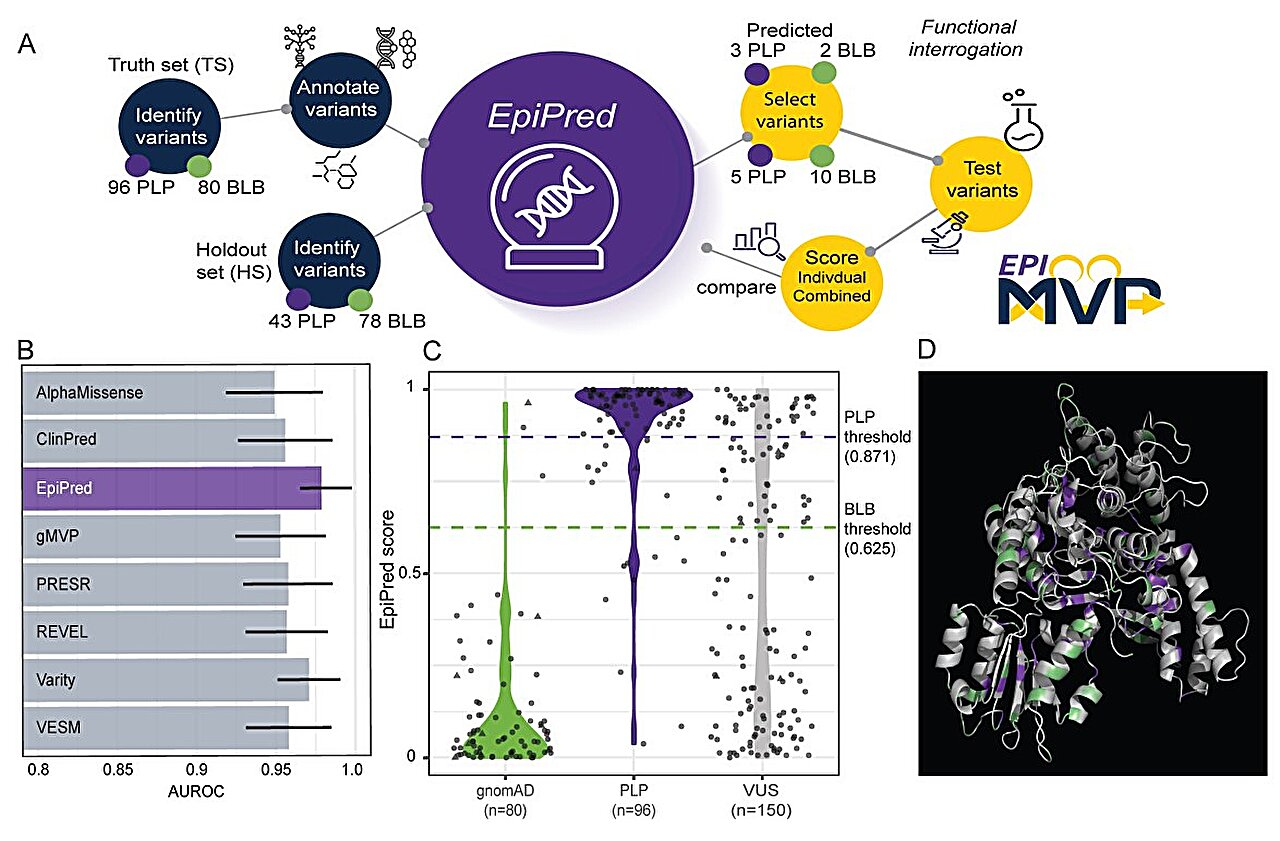
A new artificial intelligence tool can help determine whether genetic variants associated with a severe form of childhood epilepsy will cause disease, according to a study published in the Journal of Clinical Investigation.
New research has found that greater exposure to clinical obesity during young adulthood is associated with a greater burden of white matter changes in the brain by midlife, providing new insight into how metabolic health across the life span may influence brain health.
Young people who consume more caffeine, mostly from soft drinks, sleep less and show small differences in how their brains are developing, according to a study published in Biological Psychiatry: Cognitive Neuroscience and Neuroimaging.
Researchers developed an extensive, publicly accessible neuroimaging resource comprising over 24,000 MRI scans from more than 10,000 adolescents to study brain development during adolescence, identifying consistent developmental patterns across 21 sites despite varying scanner technologies and image quality.
A recent study found that healthy adults with high consumption of ultra-processed foods are more prone to brain damage, increasing the risk of stroke and memory problems, as shown by MRI scans of nearly 9,000 participants.
A 35-year study following adults from young adulthood into middle age reveals that both lifetime and recent cannabis use are tied to worse objectively measured sleep quality, characterized by lower sleep efficiency and higher fragmentation. Crucially, participants did not perceive their sleep to be impaired, revealing a disconnect between subjective sensation and physical sleep disruption.
The dementia associated with Parkinson’s disease could be diagnosed earlier with new visual tests developed by University of Queensland researchers.
A large global study provides new evidence supporting the use of blood biomarkers in an Alzheimer’s clinical trial to screen for elevated brain amyloid levels among potential participants who are cognitively unimpaired. The findings, published in JAMA Neurology, show that the relationship between blood biomarker levels and brain amyloid was largely similar across racial groups.
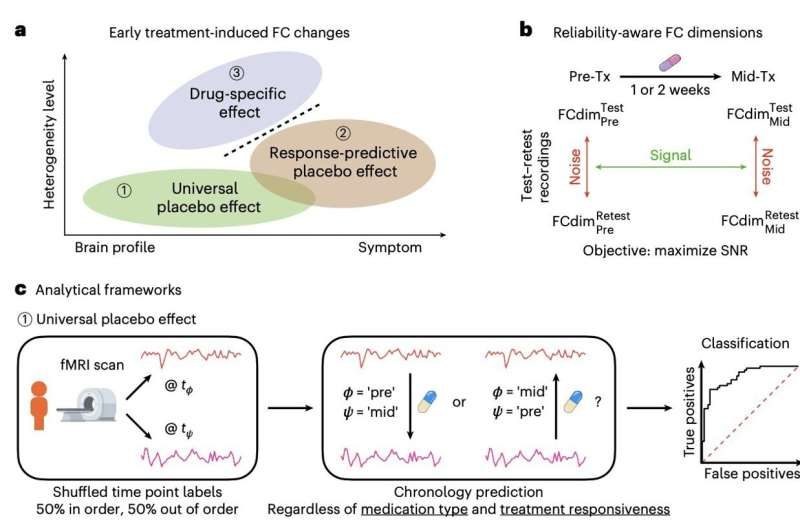
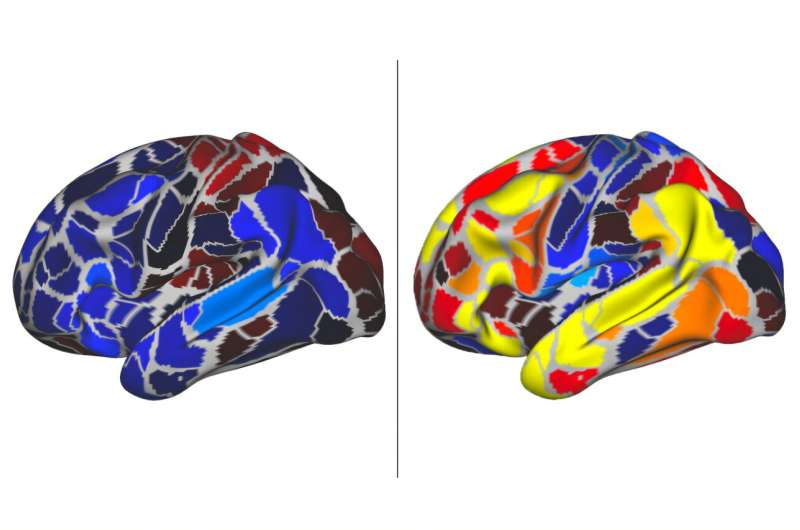
Researchers studied brain scans of 386 individuals with Major Depressive Disorder to observe changes in brain connectivity during the initial weeks after starting a placebo or one of two antidepressants. Their findings highlight both common changes across treatment groups and specific patterns related to the antidepressant treatments.
Scientists have identified a key mechanism that helps determine the length of myelin, the protective coating that surrounds many nerve fibers and allows signals to travel efficiently through the nervous system.
A study from Lund University published in Nature Neuroscience reveals that normal aging and Alzheimer’s affect brain communication differently, with distinct patterns of alterations. Notably, changes in Alzheimer’s patients occur early, prior to the onset of cognitive symptoms.
Researchers have developed 3D “mini-brains” they hope will help speed up the search for drug treatments for multiple sclerosis (MS).
A study reveals that childhood abuse affects brain structure, specifically cortical thickness, surface area, and subcortical volume, with more significant effects observed in young women. This research is the largest to investigate the neurobiological impacts of childhood maltreatment in a diverse, global population.
A graphene-based brain sensor could help doctors watch the hidden damage unfolding during a stroke in real time, offering new hope of preventing devastating brain injuries before they become irreversible.
Researchers at the University of Osaka found that stimulating the primary somatosensory cortex and the insular cortex simultaneously may enhance artificial touch sensations, producing effects beyond typical tingling or numbness. The study is publishedin Brain Stimulation.
Inflammatory conditions in the brain, including traumatic brain injury and degenerative diseases like Alzheimer’s, could be targeted with an existing drug thanks to new research that shows it can work in brain cells.
The largest genetic study of cognition to date has been published, involving nearly half a million people of European ancestry. This provides a new understanding of the genetic factors that shape cognitive differences and can help us better understand certain health conditions, including neurodevelopmental conditions.
Isolated REM sleep behavior disorder (iRBD) is an early indicator of brain changes linked to Parkinson’s disease or dementia with Lewy bodies, often emerging years prior to diagnosis.
A new study finds that adults with attention-deficit/hyperactivity disorder (ADHD) face a significantly higher risk of developing dementia or mild cognitive impairment later in life. The research, published in JAMA Psychiatry, also found that people who carry a higher genetic risk for ADHD face a greater chance of cognitive decline even without a documented diagnosis.
Researchers have led an international scientific team studying how a traumatic brain injury caused by a severe blow to the head affects the brain’s long-term response to subsequent stressful situations.
A long-term study of more than 4,500 older adults reveals that individuals who are overweight or obese when diagnosed with dementia exhibit a significantly lower risk of death than those of normal weight. Rigorous epidemiological modeling suggests this survival advantage is not merely an artifact of statistical bias, underscoring the critical protective role of nutrition and metabolic reserves in neurodegenerative decline.
Children with more autistic traits favored a brain activity pattern tied to sight and movement (left) before age 9 and one tied to social and emotional processing (right) after 14, suggesting interventions could be tailored by age. Credit: OCEAN Labs
Children with more autistic traits view and experience the world differently than their peers do, and those differences change as the children grow, according to a new study published in the American Journal of Psychiatry.
Insomnia is associated with a 26% higher risk of stroke and 28% higher odds of hospital admission, according to new research in Sleep Medicine Reviews. The researchers say the findings support recognizing insomnia as an important marker of brain, mental and general health.
A well-known brain-healthy diet may help ward off cognitive decline and dementia by protecting arteries, a new study suggests. People who followed the MIND diet had healthier blood vessels in their brains, which was associated with larger brains and better cognitive function, researchers report in the journal Alzheimer’s & Dementia.
Adults with hard-to-treat epilepsy who used cannabis most days had more than twice as many convulsive seizures per year and became resistant to antiseizure medications more quickly than nonusers, according to new research.
A new study reveals that the brain uses shared neural codes for speaking and listening during short verbal exchanges, but relies on distinct timing networks to process longer, overarching ideas. These findings, published in Nature Human Behaviour, help map how the brain navigates the back-and-forth demands of natural social interaction.
Low-dose aspirin was associated with a 70% lower risk of dementia among older people with a particular genetic profile, a new Monash University analysis has found, raising the possibility of a more personalized approach to dementia prevention.
A study published in Science Advances reveals that machine-learning models analysing speech can estimate chronological age and provide insights into brain and biological aging, cognitive health, and dementia. The “speech clock” developed in the study predicts age based on acoustic and linguistic features, with the difference between actual age and predicted age linked to various markers of cognitive and brain health.
Engineers created a smart shoe that analyzes walking patterns, potentially aiding in the monitoring of movement disorders, with the prototype achieving 95.4% accuracy in tracking steps and estimating calories burned.
A new study published in Brain Communications found that a transcranial low-amplitude magnetic field intervention delivered twice weekly into the brain through a noninvasive headset was associated with improvements in several measures of cognitive function and emotional well-being in people experiencing cognitive impairment associated with long COVID.
Researchers have discovered how a metabolite produced by gut bacteria can influence brain damage after stroke. Their paper is published in the journal Cell.
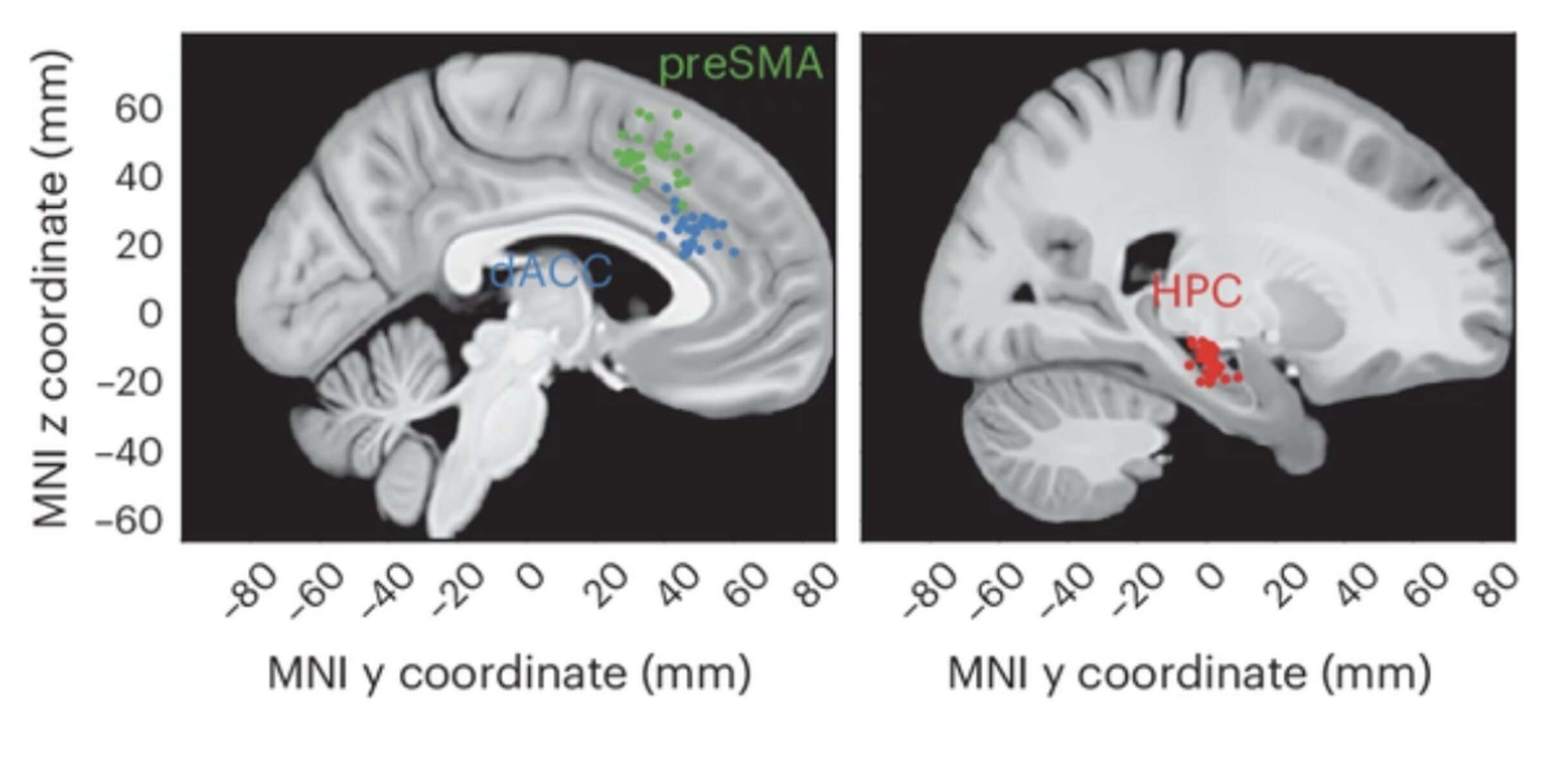
Electrode locations from all patients aligned to a common brain atlas and color-coded by region. The “preSMA” and “dACC” together comprise the medial frontal cortex in our study. Credit: Courellis et al.
Scientists carried out a study aimed at better understanding how neurons preserve context over time as the goals of an ongoing task change. Their findings, published in Nature Human Behaviour, suggest that the brain can represent the same information through different patterns of neuronal activity that vary in stability and flexibility.
New research found that an unhealthy Western-style diet accelerates cognitive decline in individuals genetically predisposed to Alzheimer’s disease.
A scientific team has shown that a new brain-computer interface (BCI) can allow people with vocal tract and bodily paralysis to convey both speech and upper-body gestures simultaneously. While BCIs have facilitated one or the other in the past, this new system is the first to enable both modes of communication at once, more closely replicating natural expression.
In a study analysing nearly 3,000 brain MRI exams, researchers found that living in highly disadvantaged neighbourhoods was associated with adverse brain health.
Neuroscientists have found that a centralized genetic switch in the neuron’s cell body, rather than just local cues at the axon tips, directs axon navigation. By analysing over 12,000 developing neurons, they created a genetic atlas that could lead to new therapies for repairing damaged neural pathways after strokes or spinal cord injuries.
New research suggests that losing muscle as we age may indicate a higher risk of dementia, with individuals suffering from sarcopenia—characterized by muscle loss and decreased strength—facing a 42% increased risk.
Researchers have discovered that spontaneous eye-blink rate serves as a simple, noninvasive marker for tracking the development of executive function in early childhood. The study revealed that children aged 3–6 with higher blink rates performed better on cognitive flexibility tasks, an association specifically linked to focused activation within the right dorsolateral prefrontal cortex.
Scientists at the University of Galway have taken part in a first-in-human study of stroke patients using a thin wire fitted with sensors to assess and map their clots.
A new study reveals the human brain is composed of two independently evolved organs, enabling the first lab-grown human hindbrain neurons. Published in Nature Neuroscience, the research shows that what we call the human brain is actually two ancient, independent nervous systems assembled side by side over hundreds of millions of years of evolutionary history.
A clinical trial has found that exercise has a significant effect on mood and lab-based measures of new brain cell formation in healthy middle-aged participants.
A recent study reveals a connection between spinal deterioration and cognitive decline, indicating that individuals with lower bone density in thoracic vertebrae experience quicker cognitive decline and microstructural brain injury, as assessed through a deep learning model analysing clinical imaging data.
A new computational model shows how cortical feedback slashes neural chaos by 93%, explaining how our vision stays stable despite fluctuating brain activity.
A research team has created a vision transformer architecture named the 4D fMRI CrossFormer (4DfCF) to analyze four-dimensional fMRI data, aiming to enhance AI-assisted brain disorder diagnosis and promote a more transparent computer-aided diagnosis system for clinicians to review AI predictions.
Neurodivergent individuals, especially those with autism or ADHD, are diagnosed with type 2 diabetes at younger ages, with a significant prevalence among those diagnosed before age 20.
Scientists using magnetoencephalography (MEG) discovered five neurophysiological subtypes of major depressive disorder based on brain connectivity, revealing that patients with the same diagnosis can have opposite brain activity patterns, which explains previous research discrepancies and promotes personalized psychiatric treatment.
A new study found that 85% of patients with aura-dominant migraine experienced a reduction in monthly aura days by at least half following treatment with the anti-epileptic drug lamotrigine.
Researchers from Alzheimer Center Amsterdam and the Netherlands Institute for Neuroscience discovered that personally meaningful music elicits a stronger brain response than neutral music in individuals with dementia, with variations in response based on dementia type.
Finally, this week, chronic stress and perceived social support may play a role in how memory and thinking abilities change with age, according to a new study,
A new study by neuroscientists at MIT’s Picower Institute for Learning and Memory shows how the brain encodes information throughout the decision-making process to keep options clearly in mind and ensure that chosen and unchosen options are remembered.
A clinical trial has shows that high-frequency spinal cord stimulation can reduce pain and improve sensory function in people with treatment-resistant diabetic neuropathy.
Education, intellectually stimulating work and an active lifestyle help preserve cognitive abilities in adults over 65 and lead to more effective verbal expression and stronger cognitive performance. But there is another important factor: emotions. The way we recognize and interpret them can significantly influence the efficiency of cognitive processes as we age.
A new UCLA study has found a connection between how quickly the brain ages and the bacteria and chemical byproducts found in the gut, offering a clue to what drives brain aging long before symptoms appear.
Scientists have identified over 830,000 brain immune cells, including a protective subtype of microglia that increases during Alzheimer’s disease. These cells, influenced by the TREM2 pathway, assist in removing harmful substances from the brain, offering a new approach for therapies that aim to enhance the brain’s innate immune defences instead of just targeting amyloid plaques.
A recent study suggests that slow electrical rhythms traveling along individual nerve fibres may do more than reflect brain activity: They may help coordinate communication between key memory centres in the hippocampus.
New research from Carnegie Mellon University reveals that dendritic spines—the tiny structures that help brain cells communicate and form memories—don’t fit neatly into a few categories. Instead, they display a continuous range of shapes, offering new insight into learning, development and neurological disease.
People living with a severe form of asthma show subtle differences in the structure of their brains compared with people whose asthma is well controlled, according to new research presented at the European Respiratory Society Congress.
Researchers have discovered that sitting on Japanese Igusa mats, made from rush grass, enhance concentration and engagement in the brain while reducing tension and anxiety in users. With centuries of use in Japan, the research aims to validate its health benefits and highlight the value of this traditional material.
New research indicates that people with invasive cancer face an elevated risk of experiencing a stroke, especially in the first few months after diagnosis and if they have certain types of cancer. The findings are published in Cancer.
A recent study compared eye-tracking data from 368 adult readers with predictions from over 400 neural network models, revealing that large language models (LLMs) struggle to predict human cognitive challenges in contextualizing words, despite being accurate in word recognition speed.
Researchers have found a method to predict the onset of symptoms in individuals at high risk for Alzheimer’s, aiding physicians in determining the appropriate timing for preventive treatments.
A study of more than half a million adults has found that higher levels of exhaled carbon monoxide were associated with a lower risk of Parkinson’s disease. The findings, publishedin JAMA Neurology, uncover a possible new explanation for the consistently lower rates of Parkinson’s among smokers that have long puzzled scientists.
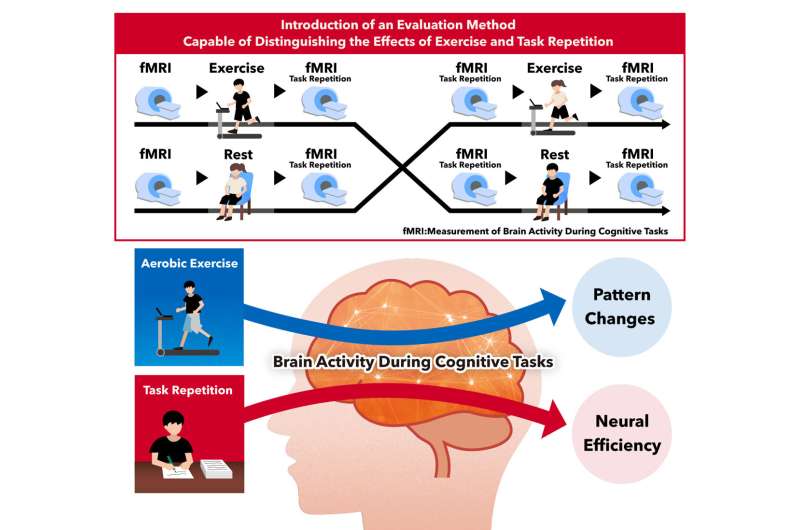
Researchers examined changes in brain activity during cognitive tasks before and after acute aerobic exercise in healthy young and older adults. The study is published in the Journal of Magnetic Resonance Imaging.
A new study indicates that the brain’s response to breathing is not uniform; instead, the unique characteristics of each breath correlate with neural activity related to cognition, emotion, and memory. This suggests that the brain monitors subtle variations in breathing, with changes in inhale and exhale timing and intensity reflected in distinct neural patterns, highlighting a more nuanced link between breathing and brain function than previously understood.
Early initiation of statins after diagnosis of type 2 diabetes was associated with a lower risk of dementia, according to a study presented at ESC Congress 2026 and published in The Lancet Regional Health – Europe.
Immune cells that normally protect the body from damage by attacking foreign or infected cells are found in the brains of patients with Alzheimer’s disease and related disorders at much higher levels than in healthy brains. The cells appear to contribute to neurodegeneration, but where they come from and how they are primed to accumulate in the brain was not known.
A new study has used a type of machine learning called a neural network to reveal how different kinds of training can change how learning happens—both in machines and in living brains.
The influence of the hormone progesterone on mood is well known. Now, researchers have shown how higher levels of progesterone during the menstrual cycle are linked to less distinct patterns of activity in areas of the brain involved in controlling emotions.
Regular aerobic exercise—the kind that gets your heart pumping—can improve important thinking skills called executive functions, and the benefits appear especially strong for women after menopause, according to Rutgers researchers.
Musicians don’t just learn movement sequences faster; they predict what’s coming next sooner, according to new research that also found newly formed motor memories can be disrupted by seeing different visual sequences shortly after learning. The work is publishedin the journal Psychological Research.
A study by the University of Eastern Finland found that quality of life in people with multiple sclerosis (MS) is strongly associated with walking performance and functional capacity.
The neuroactive potential of bacteria living in the human gut is associated with levels of key chemicals in the brain, according to a new study publishedin Molecular Psychiatry. The research team found that microbial pathways involved in producing and breaking down neuroactive compounds were associated with levels of GABA and glutamate in specific regions of the human brain.
A study conducted at the University of Helsinki indicates that the total number of people with dementia will grow significantly in the coming years, and the number of those living at home may even more than double after 2018.
A new study reveals that migraine may leave a biological pattern throughout the body, traces of which can be identified by artificial intelligence. Researchers used AI to analyze information gathered from more than 43,000 participants during a countywide health survey.
Credit: European Journal of Nuclear Medicine and Molecular Imaging (2026).
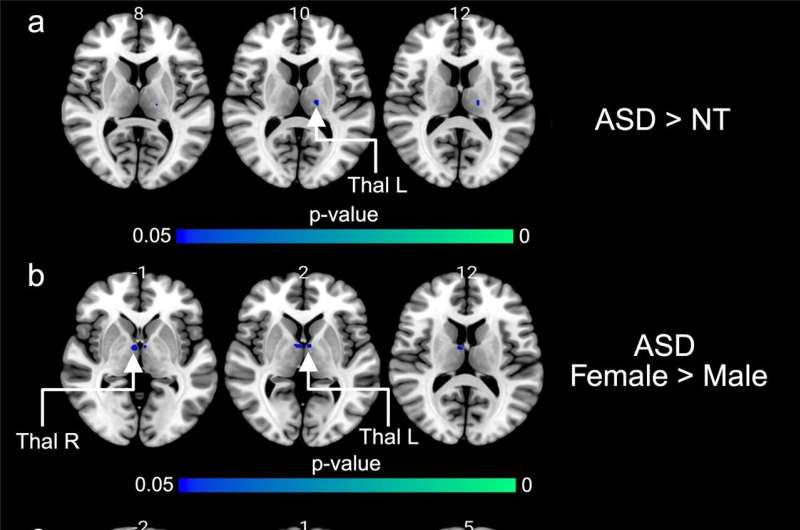
Researchers studied how autism manifests in the brain by examining the dopamine system, energy use, and communication between brain regions in 60 adults, using three advanced brain-scanning techniques. They found a higher number of dopamine D2 receptors in autistic individuals compared to neurotypical individuals, indicating a significant role of the dopamine system in autism.
Deep brain stimulation, or DBS, may help improve speech and swallowing problems caused by traumatic brain injury (TBI), according to a new study published in Nature Communications.
As people age, cognitive functions generally decline, but language skills often remain intact or even improve unless affected by conditions like stroke or dementia. A recent study has found that older adults exhibit similar neural activity in the language-processing network as younger adults during language tasks, although activation patterns in the executive control tasks network differ significantly between the two age groups.
Research from the University of East Anglia shows how our memories change with age and why specific details associated with past events can fade over time.
Scientists have identified a previously unknown aspect of schizophrenia that offers a new way to understand how the disorder affects large-scale brain coordination. In a newstudy, published in the journal Translational Psychiatry, researchers introduced a method for measuring how brain networks maintain balanced activity and recover when that balance is disrupted.
Findings from a new study suggest that the trickle of neurons created in the adult hippocampus could be instrumental in preventing depression. Most of the brain’s 100 billion neurons are created before birth.
A short workout or a nap can help protect memory after a sleepless night, a recent study has found. Researchers found people who either completed 20 minutes of moderate-to-vigorous exercise or took a 90-minute nap performed about 22% better on memory tests after 30 hours without sleep than those who did neither.
A study published in Neuron has identified the brain mechanisms that help us work out whether the consequences we experience are caused by our own actions or by circumstances beyond our control.
A new study suggests that gut bacteria may send different biological signals in Parkinson’s disease. The findings add to growing evidence that changes in the gut could be linked to Parkinson’s disease and may eventually help researchers identify new underlying mechanisms for the condition.
Scientists have found that a pattern of brain atrophy visible on MRI could help predict how quickly people with early-onset Alzheimer’s disease progress from mild cognitive impairment to dementia.
Some people with epilepsy experience delusions, hallucinations, paranoia and confusion after a seizure. While these episodes usually last only days, a new study led by researchers suggests they may place patients at significantly higher risk of developing psychiatric disorders later.
The brain may “tag” experiences during learning to better consolidate memories of them during sleep, according to a study published in the journal PLOS Biology by Dan Denis from the University of York, United Kingdom, and colleagues.
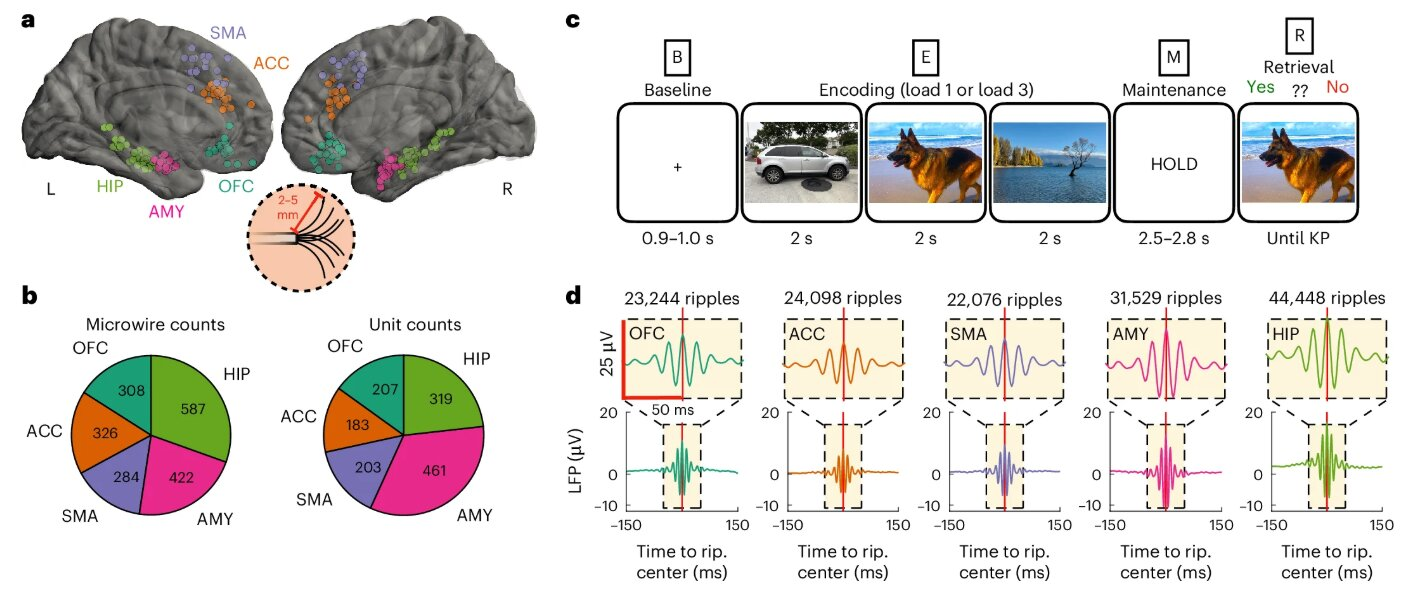
Microwire locations, task, ripple characteristics and increased co-firing during co-ripples at all recording separations. Credit: Nature Neuroscience (2026).
Researchers have discovered that high-frequency brain waves, known as ripples, may facilitate synchronization between distant brain regions during working memory tasks, highlighting their potential role in coordinating neural activity across long distances during cognitive processes.
Having normal blood pressure, no diabetes, and not smoking from age 48 to 68, are associated with nearly 13 additional years on average of dementia-free life, a new study shows.
Childhood epilepsy is linked to significantly poorer exam grades and long-term educational attainment, with the lowest levels of academic achievement among those whose neurological disorder started when they were very young, finds a large, long-term Danish study published online in the Journal of Neurology Neurosurgery & Psychiatry.
In a paper appearing in Nature Communications, researchers show how music produces distinct patterns in the regions of the brain associated with imagination and meaning, similar to those prompted by spoken narratives.
A new study suggests that Alzheimer’s disease may be detected by brain imaging more than seven years earlier than previously assumed. The study suggests that the gold standard for imaging in Alzheimer’s disease (amyloid-PET) has not been sensitive enough to detect early brain processes associated with the disease, such as the accumulation of amyloid plaques in the brain. The researchers found signs of Alzheimer’s at least seven years before plaques became visible.
A person’s sleep patterns could be an early sign of Alzheimer’s disease, a new study says. A greater number of micro-awakenings during sleep is linked to a greater genetic risk for Alzheimer’s, researchers report in the journal Sleep.
People living with severe mental illness face a substantially higher risk of dementia throughout adulthood, as well as a significantly elevated risk of stroke in early and middle adulthood, according to a large new study based on health records from Catalonia, Spain. The findings,published inEuropean Neuropsychopharmacology, suggest that physical health risks linked to severe psychiatric conditions emerge much earlier than many clinicians may expect, underscoring the need for general health care to be more integrated into mental health care.
A new study published in Brain Stimulation shows that the brain’s ongoing activity before stimulation can predict much of this variability, offering a path toward more reliable neuromodulation therapies.
A new AI model analyzes routine sleep study data to reveal patients’ long-term health risks, such as heart disease and cognitive decline. The study indicates that standard medical tests hold more physiologic information than typically recognized, with AI uncovering significant patterns in sleep data that traditional measures miss.
Published in the Journal of Cognitive Enhancement, a new study found six one-minute bouts of stair climbing improved people’s cognitive health.
Researchers have identified a possible biological marker linked to severe suicidal thoughts. The finding, published in The British Journal of Psychiatry, may also help explain why some people recover from these thoughts, opening a new path for research into resilience and suicide prevention.
A research team has demonstrated that transcranial direct current stimulation (tDCS) significantly improves depression and apathy in patients with Parkinson’s disease.
A recent study suggests that a single 20-minute session of noninvasive deep brain stimulation, paired with mindful breathing, may strengthen the brain’s response to reward and reduce anxiety. Changes in reward-related brain activity remained detectable for approximately one week after the session.
Researchers have created an AI-based method to produce detailed maps revealing how different brain areas age and their correlation with cognitive function over a lifetime.
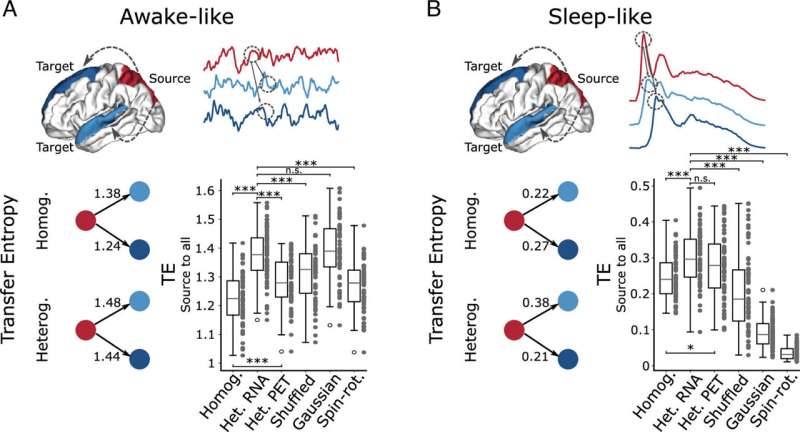
Credit: Proceedings of the National Academy of Sciences (2026)
Scientists have developed a computer model of the human cortex that links its microscopic chemistry to its brain-wide patterns of activity, providing new evidence that regional differences in receptor density help shape how activity and information move across the brain.
An international consortium has established the first consensus-based framework and standardized taxonomy for vocal biomarkers.
A novel AI model can use information collected during routine sleep studies to identify patients’ long-term health risks, according to a new study published in Nature Communications. Developed by a multidisciplinary research team, the model uncovered hidden sleep patterns linked to risks including heart disease, cognitive decline and death.
Experiencing severe stress during childhood can make a person more vulnerable to anxiety, depression and other mood disorders when faced with hardships as an adult.
A new study reveals that during deep REM sleep, the human brain shifts its sensory processing focus from external sounds to internal cardiac signals. As responsiveness to outside noise decreases, the processing of these internal signals increases. The researchers created an audio-cardio index to measure this neural shift, providing a new physiological marker for evaluating altered states of consciousness.
Researchers have created an energy-efficient AI model that mimics hippocampal brain mechanisms, enabling it to construct cognitive maps, perform stochastic computations, and solve complex planning tasks efficiently.
A new mathematical model that reproduces the relapsing-remitting pattern of multiple sclerosis (MS) offers scientists a tool to better understand how the disease progresses. The model, developed by QUT researchers from the School of Mathematical Sciences, is publishedin the Journal of the Royal Society Interface.
The first U.S. clinical trial evaluating psilocybin-assisted therapy in military veterans with treatment-resistant post-traumatic stress disorder (PTSD) has demonstrated significant safety and clinical efficacy.
A new study in Nature Genetics reveals a detailed map of brain immune cells involved in Alzheimer’s disease, highlighting a protective subtype that grows as the disease advances and identifying the molecular pathway that helps these cells defend the brain, with potential implications for future therapies.
A clinical trial, has found that oral semaglutide significantly reduces heavy drinking days, daily cravings, and alcohol-related problems in adults with moderate-to-severe Alcohol Use Disorder (AUD).
Scientists have found that the human brain processes low-frequency infrasound through a unique mechanism where acoustic waves bypass auditory hair cells and activate inner ear support cells, generating electric fields that stimulate different nerve pathways, causing infrasound to be felt more as a physical sensation than an audible sound.
Scientists have uncovered how a major Parkinson’s disease gene disrupts the brain’s most vulnerable dopamine-producing neurons before detectable neuronal loss. The study findings are published in Nature Communications.
A compound produced by bacteria in many people’s digestive tracts increases the risk of developing Alzheimer’s disease and speeds cognitive decline in dementia patients, making it a potential target for a treatment that could reduce Alzheimer’s risk, according to a new study published in Nature Communications.
Researchers have found that depression is associated with smaller volume in a specific part of the hippocampus, a brain region essential for learning and memory.
Results from a small clinical trial suggest it may be possible to reduce the risk of dementia by eating during fewer hours of the day. The pilot study, which involved a weight-loss program for older women with overweight or obesity, showed modest cognitive improvements among those who limited their daily eating window instead of just reducing their calorie intake.
Scientists have introduced the world’s first chip capable of matching the operational speed of the human brain.
Researchers have developed a methodology that uses artificial intelligence to analyse the brain’s electrical activity during sleep, facilitating early diagnosis of Alzheimer’s. The study, published in the journal GeroScience, shows that analysing nocturnal brain waves through machine learning techniques allows for the identification of early neuronal alterations and the classification of patients into three distinct biological subgroups.
A new study demonstrates that whether an individual’s eyes are open or closed completely reverses the relationship between alpha band brain activity and mind wandering.
A study on human intracranial recordings shows that memory consolidation during sleep relies on coordinated activity among the orbitofrontal cortex, thalamus, and hippocampus. It provides direct evidence of how interactions between these regions affect memory performance, highlighting that synchronised neural signalling during sleep enhances memory retention.
New blood tests for early detection of Alzheimer’s disease offer a less invasive diagnostic alternative to brain scans and spinal taps, allowing for earlier identification and potentially more effective treatment options.
A recent study found that the human brain experiences significant changes in gene regulation and genome structure starting in midlife, particularly in the hippocampus. Researchers identified a notable shift in the brain’s immune system between ages 50 and 75, where embryonic-derived microglia decrease and are replaced by cells from peripheral blood with increased inflammation. These changes, along with a reduction in cells that maintain the blood-brain barrier, could explain why ageing is a key risk factor for neurodegenerative diseases like Alzheimer’s.
Scientists have shed new light on Alzheimer’s disease that could point to new directions for treatment.
Widespread evidence suggests that years of heading, tackling, and collisions in football and rugby may increase the risk of dementia and neurological diseases. A preliminary study presented at the Alzheimer’s Association International Conference in July 2026 examined 142 former professional footballers aged 30–60 alongside 56 individuals without a history of contact sports. While both groups performed similarly in cognitive tests, the retired footballers reported worse mood, higher anxiety levels, and poorer cognitive function.
Alandmark study by scientists at King’s College London has identified new genetic risk factors for fibromyalgia syndrome, emphasising the nervous system’s role in the disorder’s development.
A pan-European study highlights key behavioural factors impacting health care professionals’ decisions to prescribe new treatments for neurodegenerative diseases. The findings emphasise the potential of behaviour change frameworks to enhance the adoption of these transformative therapies, addressing the rising global health care challenge posed by diseases like Parkinson’s. Understanding these prescribing influences is crucial for ensuring patient access to the best treatment options.
Analyzing UK sugar rationing data shows that limiting sugar exposure in utero and during the first two years of life reduces dementia risk by up to 23% and delays disease onset by 2.6 years
Researchers have developed an AI-powered speech neuroprosthesis that decodes high-density intracortical signals into fluent, high-fidelity synthetic speech. The dual-stage deep learning pipeline leverages a phonetic decoding layer paired with a large language model linguistic processor to achieve greater than 99% word accuracy with a processing latency of just 30 milliseconds.
A recent study showed that a three-week digital training program alongside standard drug treatment for Parkinson’s significantly improved patients’ motor function and brain motor circuits.