
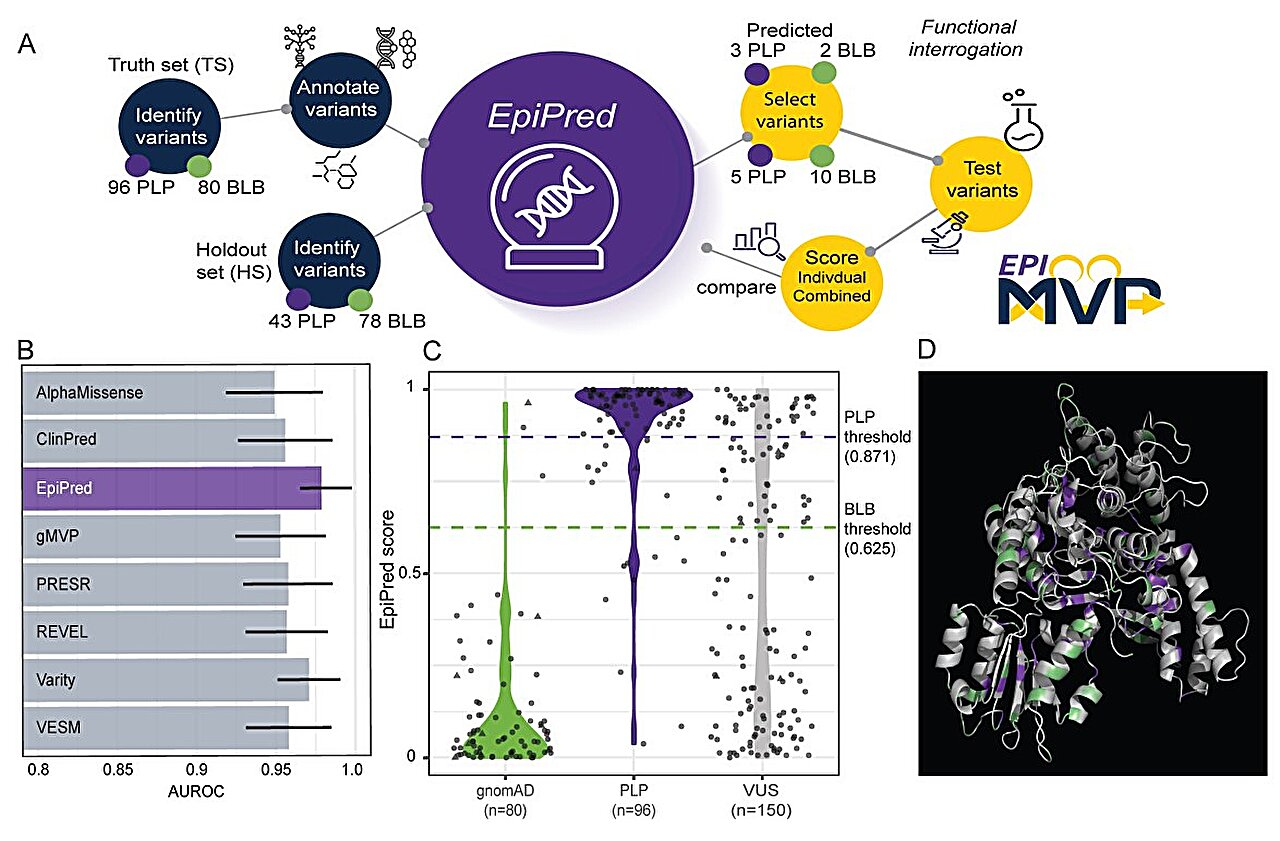
A new artificial intelligence tool can help determine whether genetic variants associated with a severe form of childhood epilepsy will cause disease, according to a study published in the Journal of Clinical Investigation.
New research has found that greater exposure to clinical obesity during young adulthood is associated with a greater burden of white matter changes in the brain by midlife, providing new insight into how metabolic health across the life span may influence brain health.
Young people who consume more caffeine, mostly from soft drinks, sleep less and show small differences in how their brains are developing, according to a study published in Biological Psychiatry: Cognitive Neuroscience and Neuroimaging.
Researchers developed an extensive, publicly accessible neuroimaging resource comprising over 24,000 MRI scans from more than 10,000 adolescents to study brain development during adolescence, identifying consistent developmental patterns across 21 sites despite varying scanner technologies and image quality.
A recent study found that healthy adults with high consumption of ultra-processed foods are more prone to brain damage, increasing the risk of stroke and memory problems, as shown by MRI scans of nearly 9,000 participants.
A 35-year study following adults from young adulthood into middle age reveals that both lifetime and recent cannabis use are tied to worse objectively measured sleep quality, characterized by lower sleep efficiency and higher fragmentation. Crucially, participants did not perceive their sleep to be impaired, revealing a disconnect between subjective sensation and physical sleep disruption.
The dementia associated with Parkinson’s disease could be diagnosed earlier with new visual tests developed by University of Queensland researchers.
A large global study provides new evidence supporting the use of blood biomarkers in an Alzheimer’s clinical trial to screen for elevated brain amyloid levels among potential participants who are cognitively unimpaired. The findings, published in JAMA Neurology, show that the relationship between blood biomarker levels and brain amyloid was largely similar across racial groups.

