Weekly Neuroscience Update

 Credit: European Journal of Nuclear Medicine and Molecular Imaging (2026).

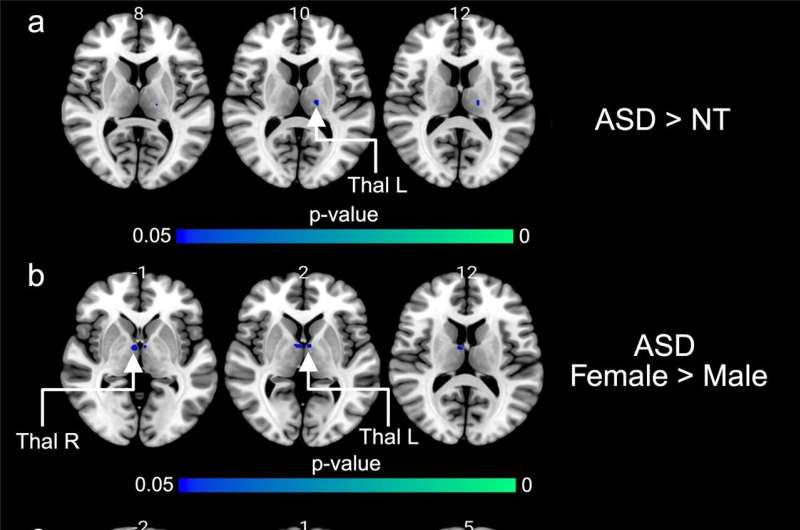
Researchers studied how autism manifests in the brain by examining the dopamine system, energy use, and communication between brain regions in 60 adults, using three advanced brain-scanning techniques. They found a higher number of dopamine D2 receptors in autistic individuals compared to neurotypical individuals, indicating a significant role of the dopamine system in autism.

Deep brain stimulation, or DBS, may help improve speech and swallowing problems caused by traumatic brain injury (TBI), according to a new study published in Nature Communications.

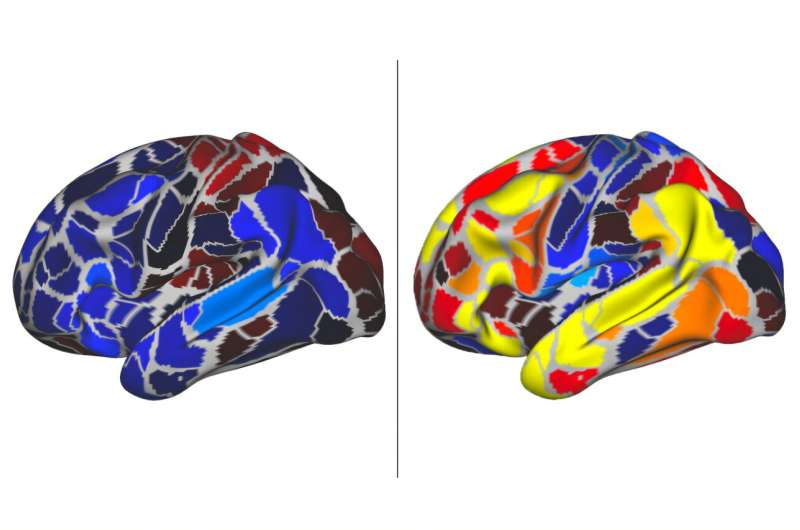
As people age, cognitive functions generally decline, but language skills often remain intact or even improve unless affected by conditions like stroke or dementia. A recent study has found that older adults exhibit similar neural activity in the language-processing network as younger adults during language tasks, although activation patterns in the executive control tasks network differ significantly between the two age groups.

Research from the University of East Anglia shows how our memories change with age and why specific details associated with past events can fade over time.

Scientists have identified a previously unknown aspect of schizophrenia that offers a new way to understand how the disorder affects large-scale brain coordination. In a new study, published in the journal Translational Psychiatry, researchers introduced a method for measuring how brain networks maintain balanced activity and recover when that balance is disrupted.

Findings from a new study suggest that the trickle of neurons created in the adult hippocampus could be instrumental in preventing depression. Most of the brain’s 100 billion neurons are created before birth.

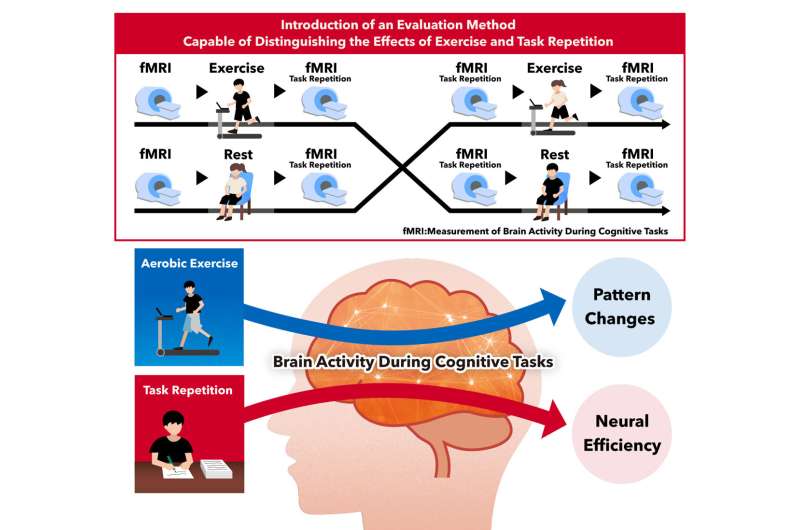
A short workout or a nap can help protect memory after a sleepless night, a recent study has found. Researchers found people who either completed 20 minutes of moderate-to-vigorous exercise or took a 90-minute nap performed about 22% better on memory tests after 30 hours without sleep than those who did neither. 

A study published in Neuron has identified the brain mechanisms that help us work out whether the consequences we experience are caused by our own actions or by circumstances beyond our control.

A new study suggests that gut bacteria may send different biological signals in Parkinson’s disease. The findings add to growing evidence that changes in the gut could be linked to Parkinson’s disease and may eventually help researchers identify new underlying mechanisms for the condition.

Scientists have found that a pattern of brain atrophy visible on MRI could help predict how quickly people with early-onset Alzheimer’s disease progress from mild cognitive impairment to dementia.

Some people with epilepsy experience delusions, hallucinations, paranoia and confusion after a seizure. While these episodes usually last only days, a new study led by researchers suggests they may place patients at significantly higher risk of developing psychiatric disorders later.

The brain may “tag” experiences during learning to better consolidate memories of them during sleep, according to a study published in the journal PLOS Biology by Dan Denis from the University of York, United Kingdom, and colleagues.

Weekly Neuroscience Update

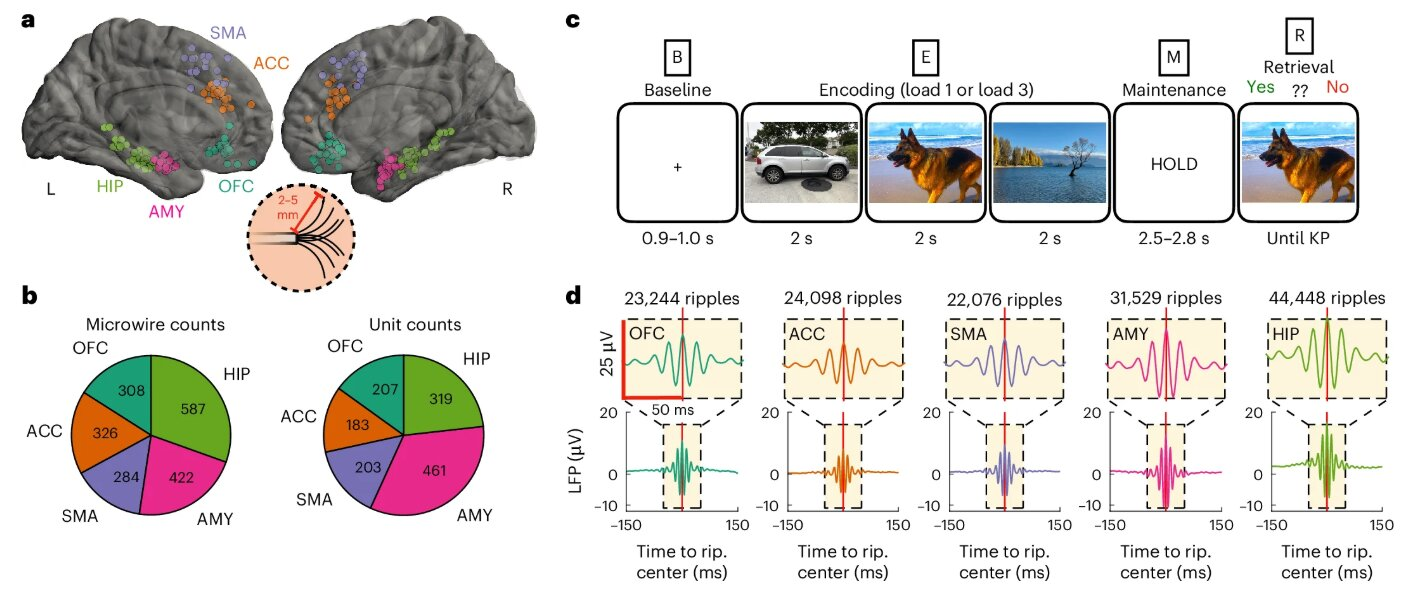
Microwire locations, task, ripple characteristics and increased co-firing during co-ripples at all recording separations. Credit: Nature Neuroscience (2026).

Researchers have discovered that high-frequency brain waves, known as ripples, may facilitate synchronization between distant brain regions during working memory tasks, highlighting their potential role in coordinating neural activity across long distances during cognitive processes.

Having normal blood pressure, no diabetes, and not smoking from age 48 to 68, are associated with nearly 13 additional years on average of dementia-free life, a new study shows.

Childhood epilepsy is linked to significantly poorer exam grades and long-term educational attainment, with the lowest levels of academic achievement among those whose neurological disorder started when they were very young, finds a large, long-term Danish study published online in the Journal of Neurology Neurosurgery & Psychiatry.

In a paper appearing in Nature Communications, researchers show how music produces distinct patterns in the regions of the brain associated with imagination and meaning, similar to those prompted by spoken narratives.

A new study suggests that Alzheimer’s disease may be detected by brain imaging more than seven years earlier than previously assumed. The study suggests that the gold standard for imaging in Alzheimer’s disease (amyloid-PET) has not been sensitive enough to detect early brain processes associated with the disease, such as the accumulation of amyloid plaques in the brain. The researchers found signs of Alzheimer’s at least seven years before plaques became visible.

A person’s sleep patterns could be an early sign of Alzheimer’s disease, a new study says. A greater number of micro-awakenings during sleep is linked to a greater genetic risk for Alzheimer’s, researchers report in the journal Sleep.

People living with severe mental illness face a substantially higher risk of dementia throughout adulthood, as well as a significantly elevated risk of stroke in early and middle adulthood, according to a large new study based on health records from Catalonia, Spain. The findings, published in European Neuropsychopharmacology, suggest that physical health risks linked to severe psychiatric conditions emerge much earlier than many clinicians may expect, underscoring the need for general health care to be more integrated into mental health care.

A new study published in Brain Stimulation shows that the brain’s ongoing activity before stimulation can predict much of this variability, offering a path toward more reliable neuromodulation therapies.

A new AI model analyzes routine sleep study data to reveal patients’ long-term health risks, such as heart disease and cognitive decline. The study indicates that standard medical tests hold more physiologic information than typically recognized, with AI uncovering significant patterns in sleep data that traditional measures miss.

Published in the Journal of Cognitive Enhancement, a new study found six one-minute bouts of stair climbing improved people’s cognitive health.

Researchers have identified a possible biological marker linked to severe suicidal thoughts. The finding, published in The British Journal of Psychiatry, may also help explain why some people recover from these thoughts, opening a new path for research into resilience and suicide prevention.

A research team has demonstrated that transcranial direct current stimulation (tDCS) significantly improves depression and apathy in patients with Parkinson’s disease.

A recent study suggests that a single 20-minute session of noninvasive deep brain stimulation, paired with mindful breathing, may strengthen the brain’s response to reward and reduce anxiety. Changes in reward-related brain activity remained detectable for approximately one week after the session.

Researchers have created an AI-based method to produce detailed maps revealing how different brain areas age and their correlation with cognitive function over a lifetime.

Weekly Neuroscience Update

Credit: Proceedings of the National Academy of Sciences (2026)

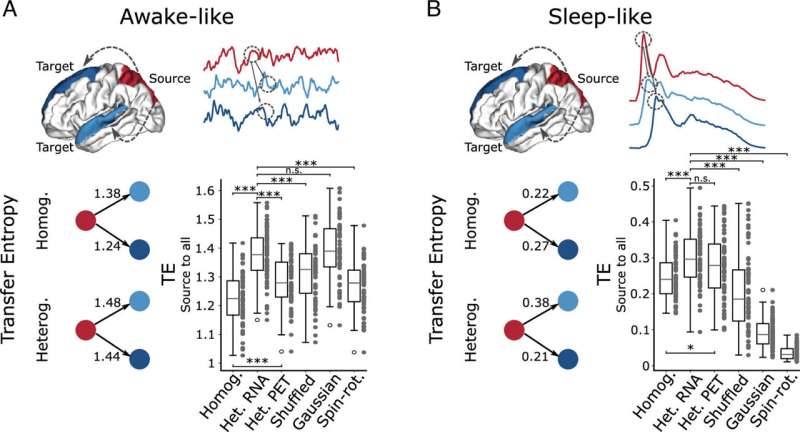
Scientists have developed a computer model of the human cortex that links its microscopic chemistry to its brain-wide patterns of activity, providing new evidence that regional differences in receptor density help shape how activity and information move across the brain.

An international consortium has established the first consensus-based framework and standardized taxonomy for vocal biomarkers.

A novel AI model can use information collected during routine sleep studies to identify patients’ long-term health risks, according to a new study published in Nature Communications. Developed by a multidisciplinary research team, the model uncovered hidden sleep patterns linked to risks including heart disease, cognitive decline and death.

Experiencing severe stress during childhood can make a person more vulnerable to anxiety, depression and other mood disorders when faced with hardships as an adult.

A new study reveals that during deep REM sleep, the human brain shifts its sensory processing focus from external sounds to internal cardiac signals. As responsiveness to outside noise decreases, the processing of these internal signals increases. The researchers created an audio-cardio index to measure this neural shift, providing a new physiological marker for evaluating altered states of consciousness.

Researchers have created an energy-efficient AI model that mimics hippocampal brain mechanisms, enabling it to construct cognitive maps, perform stochastic computations, and solve complex planning tasks efficiently.

A new mathematical model that reproduces the relapsing-remitting pattern of multiple sclerosis (MS) offers scientists a tool to better understand how the disease progresses. The model, developed by QUT researchers from the School of Mathematical Sciences, is published in the Journal of the Royal Society Interface.

The first U.S. clinical trial evaluating psilocybin-assisted therapy in military veterans with treatment-resistant post-traumatic stress disorder (PTSD) has demonstrated significant safety and clinical efficacy.

A new study in Nature Genetics reveals a detailed map of brain immune cells involved in Alzheimer’s disease, highlighting a protective subtype that grows as the disease advances and identifying the molecular pathway that helps these cells defend the brain, with potential implications for future therapies.

A clinical trial, has found that oral semaglutide significantly reduces heavy drinking days, daily cravings, and alcohol-related problems in adults with moderate-to-severe Alcohol Use Disorder (AUD).

Scientists have found that the human brain processes low-frequency infrasound through a unique mechanism where acoustic waves bypass auditory hair cells and activate inner ear support cells, generating electric fields that stimulate different nerve pathways, causing infrasound to be felt more as a physical sensation than an audible sound.

Scientists have uncovered how a major Parkinson’s disease gene disrupts the brain’s most vulnerable dopamine-producing neurons before detectable neuronal loss. The study findings are published in Nature Communications.

A compound produced by bacteria in many people’s digestive tracts increases the risk of developing Alzheimer’s disease and speeds cognitive decline in dementia patients, making it a potential target for a treatment that could reduce Alzheimer’s risk, according to a new study published in Nature Communications.

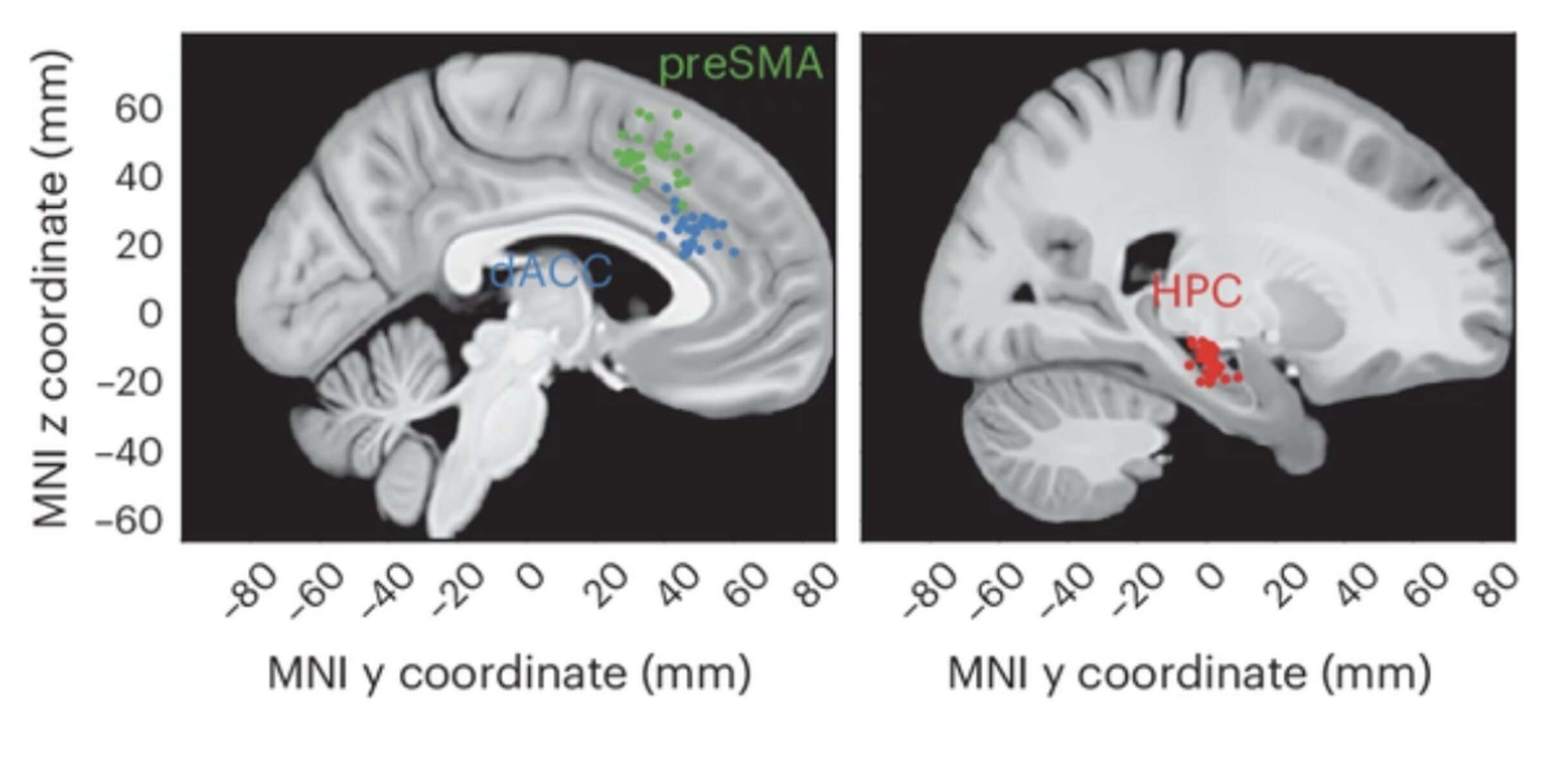
Researchers have found that depression is associated with smaller volume in a specific part of the hippocampus, a brain region essential for learning and memory.

Weekly Neuroscience Update

Scientist fitting EEG cap on seated woman while others work on brain imaging and data analysis

Results from a small clinical trial suggest it may be possible to reduce the risk of dementia by eating during fewer hours of the day. The pilot study, which involved a weight-loss program for older women with overweight or obesity, showed modest cognitive improvements among those who limited their daily eating window instead of just reducing their calorie intake.

Scientists have introduced the world’s first chip capable of matching the operational speed of the human brain.

Researchers have developed a methodology that uses artificial intelligence to analyse the brain’s electrical activity during sleep, facilitating early diagnosis of Alzheimer’s. The study, published in the journal GeroScience, shows that analysing nocturnal brain waves through machine learning techniques allows for the identification of early neuronal alterations and the classification of patients into three distinct biological subgroups.

A new study demonstrates that whether an individual’s eyes are open or closed completely reverses the relationship between alpha band brain activity and mind wandering.

A study on human intracranial recordings shows that memory consolidation during sleep relies on coordinated activity among the orbitofrontal cortex, thalamus, and hippocampus. It provides direct evidence of how interactions between these regions affect memory performance, highlighting that synchronised neural signalling during sleep enhances memory retention.

New blood tests for early detection of Alzheimer’s disease offer a less invasive diagnostic alternative to brain scans and spinal taps, allowing for earlier identification and potentially more effective treatment options.

A recent study found that the human brain experiences significant changes in gene regulation and genome structure starting in midlife, particularly in the hippocampus. Researchers identified a notable shift in the brain’s immune system between ages 50 and 75, where embryonic-derived microglia decrease and are replaced by cells from peripheral blood with increased inflammation. These changes, along with a reduction in cells that maintain the blood-brain barrier, could explain why ageing is a key risk factor for neurodegenerative diseases like Alzheimer’s.

Scientists have shed new light on Alzheimer’s disease that could point to new directions for treatment.

Widespread evidence suggests that years of heading, tackling, and collisions in football and rugby may increase the risk of dementia and neurological diseases. A preliminary study presented at the Alzheimer’s Association International Conference in July 2026 examined 142 former professional footballers aged 30–60 alongside 56 individuals without a history of contact sports. While both groups performed similarly in cognitive tests, the retired footballers reported worse mood, higher anxiety levels, and poorer cognitive function.

A landmark study by scientists at King’s College London has identified new genetic risk factors for fibromyalgia syndrome, emphasising the nervous system’s role in the disorder’s development.

A pan-European study highlights key behavioural factors impacting health care professionals’ decisions to prescribe new treatments for neurodegenerative diseases. The findings emphasise the potential of behaviour change frameworks to enhance the adoption of these transformative therapies, addressing the rising global health care challenge posed by diseases like Parkinson’s. Understanding these prescribing influences is crucial for ensuring patient access to the best treatment options.

Analyzing UK sugar rationing data shows that limiting sugar exposure in utero and during the first two years of life reduces dementia risk by up to 23% and delays disease onset by 2.6 years

Researchers have developed an AI-powered speech neuroprosthesis that decodes high-density intracortical signals into fluent, high-fidelity synthetic speech. The dual-stage deep learning pipeline leverages a phonetic decoding layer paired with a large language model linguistic processor to achieve greater than 99% word accuracy with a processing latency of just 30 milliseconds.

A recent study showed that a three-week digital training program alongside standard drug treatment for Parkinson’s significantly improved patients’ motor function and brain motor circuits.

Weekly Neuroscience Update

Credit: Biological Psychiatry / Volpi et al.

A new brain imaging study published in eBioMedicine, provides the strongest evidence to date that long COVID is associated with injury to dopamine-releasing neurons in the brain—a finding that may explain symptoms such as lack of motivation due to fatigue, slowed movement and memory difficulties, and could open the door to new treatment strategies.

New research shows that sleep disorders are associated with structural changes in brain regions involved in attention, motivation and decision-making.

A new study reports that sensors can accurately monitor disease progression in patients with Parkinson’s, addressing the limitations of wearable technologies. The research, conducted by scientists from the UK Dementia Research Institute, aims to create a zero-burden method for tracking movement changes in affected individuals

Drugs commonly used for weight loss, known as GLP-1 receptor agonists, have been found to reduce the key symptoms of binge eating disorder, in a new review of evidence led by University College London (UCL) researchers.

Scientists at Trinity College Dublin have discovered that, for a short period of around one to two seconds, the brain can begin following a new conversation before it has fully let go of the previous one. The findings challenge the long-held view that we can only focus on one speaker at a time.

People with dementia, mild cognitive impairment, alcohol addiction or psychiatric disorders such as schizophrenia show increased brain ageing, each in specific patterns within the brain, according to a study published in PLOS Medicine.

Individuals with psychiatric conditions have less flexibility in their brain network dynamics, as found in a new Rutgers study. The brain is made up of networks that adapt and reorganise to handle changing cognitive and emotional needs. This ability to reconfigure supports how we manage our thoughts and behaviours.

A new neuroimaging study published in the journal Brain Imaging and Behavior provides some of the first evidence that strengthening your brain health through daily habits rewires its physical architecture

Researchers have conducted one of the most comprehensive studies on how the autistic brain processes faces. Some hallmark characteristics of autism include tendencies to avoid looking at others’ faces and to make less eye contact. The research is published in the journal Nature Mental Health.

A new study highlights “gut jet lag”, the desynchronization between host biological clocks and gut microbiota rhythms during long-haul travel.

Weekly Neuroscience Update

Credit: Jeffrey Parr/University of Southern Mississippi

New research indicates that athletes with ADHD need even more scrutiny when head injuries are involved.

Scientists have made progress in finding better pain treatments with a new study aimed at reducing the addictive effects of morphine. They found that activating a dopamine receptor called D4 boosts morphine’s pain-relieving effects and helps prevent tolerance.

Prefrontal transcranial pulse stimulation is associated with antidepressant effects, according to a study published in JAMA Network Open

Cerebrovascular disease can cause serious problems if not treated quickly, but it’s hard to spot before symptoms show up. Researchers have developed an AI technology that analyses daily activities and environmental data from older adults to identify signs of cerebrovascular disease risk based on small changes in their home lives.

Researchers have developed a small graphene-based sensor to noninvasively measure dopamine in artificial tears, enabling rapid neurodegenerative screening.

The Consortium for Biomedical Research and Artificial Intelligence in Neurodegeneration (C-BRAIN) has launched three open-source AI tools. These tools act as team members in biomedical research, analysing global neuroscience literature, identifying patterns in hidden data, and providing objective peer reviews to accelerate the development of life-saving treatments.

A retrospective cohort study of 19,824 NFL players confirms that professional football veterans face a fourfold increase in neurodegenerative mortality, including a 3.8-fold surge in all-cause dementia and Parkinson’s disease.

A study in Neurology found that people with early-onset dementia had lower work productivity up to 15 years before they were diagnosed, with variations by type of dementia. Early-onset dementia refers to anyone under 65 diagnosed with dementia. The study only shows a link between early-onset dementia and reduced productivity, not that one causes the other.

A research team created a brain implant that can modulate neural activity with temperature, offering new opportunities for brain-computer interfaces and neurological treatments.

New research has used advanced EEG-fMRI tracking to show that the brain doesn’t operate as a single process. Instead, the human connectome manages multiple separate, asynchronous streams of information processing that happen simultaneously, providing new insights into clinical neuro-diagnostics and cognitive complexity.

A new study has introduced a novel machine learning method for analysing how the brain organises complex behaviours, offering fresh evidence that neural activity is built from reusable “building blocks.” The study is published in Neuron.

Scientists have conducted a study that enhances the understanding of the brain’s neuromodulators—acetylcholine, dopamine, and serotonin. The research integrates advanced experimental measurements with detailed computational models of the brain, demonstrating how these chemical messengers influence the electrical activity of numerous neurons in the developing brain.

Exposure to high temperatures during pregnancy and early infancy is linked to slower thalamic growth in childhood, as indicated by research from the Barcelona Institute for Global Health.

A new study has found that older adults who participated in a structured, 2-year healthy lifestyle program saw a significant improvement in memory and thinking skills, approximately 55% greater per year, compared with those who received only general health advice.

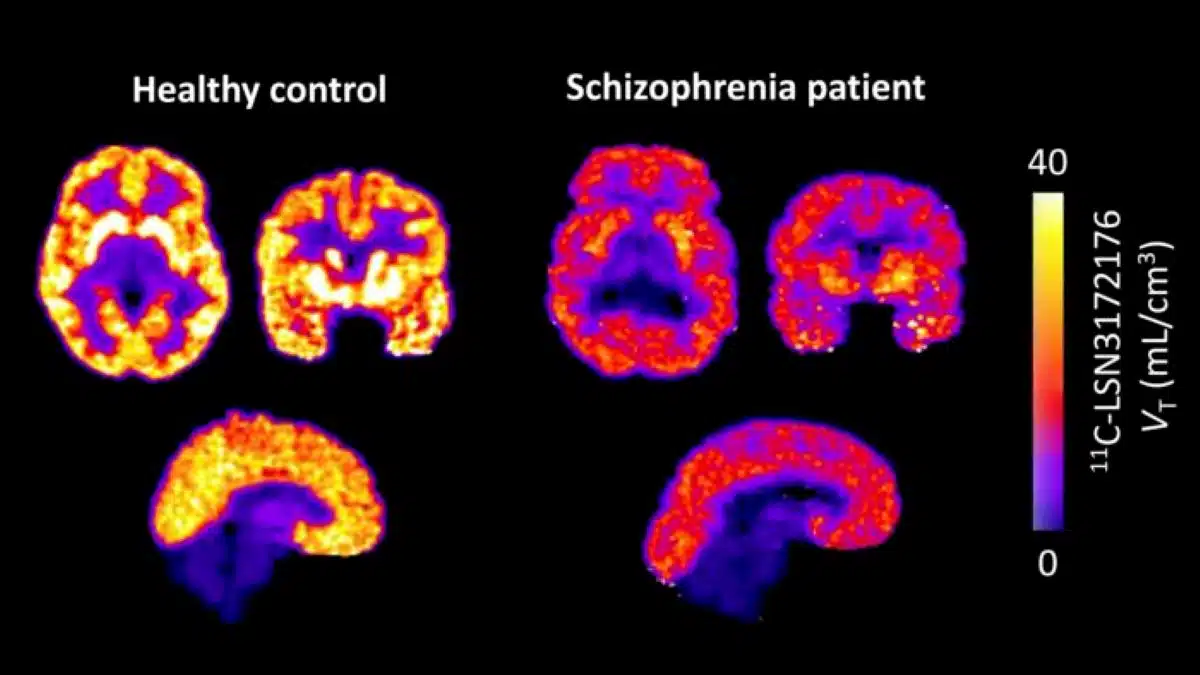
Research has shed new light on the biological basis of schizophrenia by directly measuring synaptic connections in the human brain using specialised positron emission tomography (PET) imaging.

A major study involving over 214,000 older adults from 14 countries shows that common risk factors for dementia—like low education, high blood pressure, and smoking—differ greatly between countries. This indicates that a single approach to prevention won’t be effective everywhere.

Natural plant compounds called polyphenols, found in foods such as berries, tea, cocoa, coffee, and extra-virgin olive oil, may positively influence biological processes associated with Alzheimer’s disease and nerve cell loss, claims a recent review.

A recent study found that poor sleep affects brain communication in adults, particularly highlighting that older women with poor sleep exhibited abnormal connectivity between the Default Mode Network and the Frontal Parietal Network. This over-communication correlated with worse memory performance and resembled brain patterns observed in early stages of Alzheimer’s disease.

Rare DNA changes are most strongly linked to cognition in early childhood, but the link fades as children age, while common DNA changes show stronger links later in childhood, a new study finds.

Researchers have demonstrated a novel AI model that can predict which DNA molecules bind with which other DNA molecules. Providing a more thorough understanding of these hypercomplex binding relationships has utility in applications ranging from biomedical diagnostic tools to DNA computing.

A study revealed that heightened amygdala activity in adolescents viewing emotional faces can forecast their social health two years later, showing that for girls it indicated greater peer engagement, while for boys it indicated less.

Weekly Neuroscience Update

Illustration of human brain surrounded by glowing neurons and synapses with scientific terms

A pioneering, first-of-its-kind study demonstrated that a personalised, machine-learning-guided lifestyle coaching program can nearly double the remission rates of mild-to-moderate depression. The research tracks how individual behavioural factors uniquely predict low mood states.

Scientists say they’ve uncovered striking new evidence of how alcohol addiction impacts the brain’s learning systems—and how those systems may slowly adapt during recovery—in a new study published in Clinical Neurophysiology.

New research by a collaboration of U.K.-based scientists has revealed that common indoor and outdoor air pollutants can alter both brain and respiratory function within just four hours of exposure, offering key insights into how air pollution impacts brain health and may contribute to dementia risk.

Children recover significantly faster from concussion after receiving early, multidisciplinary care designed to treat persistent symptoms, according to a new study. 

Researchers have discovered the first definitive neural evidence of how the brain creates and reuses abstract symbols to think creatively. The research tracks the neural substrates of “compositional generalisation”, the foundational cognitive ability to take familiar components and recombine them into entirely fresh ideas.

A neuroimaging study has challenged the idea that chronic brain inflammation causes Long COVID, using PET and MRI scans to analyse patients with Long COVID, healthy individuals, and MS patients.

Scientists have uncovered a vital mechanism of the “heart-brain axis,” showing that a heart attack can alter brain function, leading to depression, anxiety, and cognitive decline. After such an event, a toxic byproduct called methylglyoxal (MG) increases in the bloodstream and accumulates in the brain’s mood and memory centres.

Frequent changes in blood pressure could affect cognitive health and contribute to brain changes associated with dementia risk, according to new research.

A new study identified the architectural and evolutionary principles that govern how both children and artificial neural networks absorb language. The research bridges cognitive linguistics and deep learning to demonstrate the power of “iterated learning”, the process where language reshapes itself over multiple generations to become increasingly structured and structured data becomes easier to learn.

New research has uncovered how a protein strongly linked to Alzheimer’s disease plays a critical role in forming long-lasting memories—opening up new directions for future dementia treatments.

A new study finds that caffeine negatively impacts sleep quality by reducing slow-wave activity, even if total sleep duration seems normal. Researchers used electroencephalography (EEG) to show that this reduction leads to a more wakeful brain state, hindering the central nervous system’s ability to regenerate physically and cognitively.

In people with epilepsy, a new study has found a smartwatch application accurately detected tonic-clonic seizures, seizures with major convulsions, with a low rate of false alarms. 

A recent study identified sleep behaviours as early indicators of brain ageing in healthy adults by analysing MRI data from over 23,000 individuals. It found that sleep durations outside the recommended seven-to-nine hours, frequent daytime napping, and chronic sleeplessness are associated with greater white matter lesions, a marker of cognitive decline, regardless of other factors.

Finally this week, quitting smoking is associated with a lower risk for dementia, especially for those with no or modest weight gain after cessation, according to a study published in Neurology.

Weekly Neuroscience Update

Credit: Biological Psychiatry (2026). DOI: 10.1016/j.biopsych.2026.03.002

A longitudinal study tracking children over a period of seven years has identified distinct brain-wave patterns emerging from age 9 that can forecast a child’s vulnerability to anxiety or depression by age 13. These predictive markers reveal divergent, hemisphere-specific neurodevelopmental trajectories. Anxiety is linked to activity on the right side of the brain, while depression is tied to the left.

Researchers developed transparent, flexible contact lenses that use electrical stimulation to treat depression, enhancing brain connectivity and increasing serotonin levels by 47%, comparable to top antidepressants.

A Phase 2 clinical trial found that a single 25 mg dose of psilocybin, alongside psychotherapeutic support, significantly reduces symptoms of recurrent depression, with antidepressant effects appearing by day two and 53% of participants reaching remission by six weeks. While well-tolerated, the study identified long-term efficacy issues and the challenge of patient blinding in psychedelic research.

A new study maps the functional remodelling strategies the brain deploys during simulated visual impairment.

Researchers are developing a multi-organ “organ-on-chip” device called the GlucoBrain project to connect human cellular models of the gut, pancreas, and brain in a biochip. This study will investigate the biological mechanisms linking diabetes to cognitive decline and Alzheimer’s by monitoring molecular signaling and cellular responses to glucose and hormone levels.

A healthy brain may help protect thinking and memory skills from the early effects of Alzheimer’s disease, a new study has found.

A major longitudinal cohort study revealed a compelling neuroprotective link between smoking cessation and a lowered risk of developing dementia. While the study does not definitively prove causation, the empirical data shows that individuals who quit smoking experience a 16% reduction in dementia risk compared to those who continue smoking, eventually matching the baseline risk levels of lifelong non-smokers after approximately seven years.

Researchers are investigating whether existing dementia assessment methods may overlook signs of cognitive decline in autistic adults because many screening tools were developed around neurotypical populations.

A multi-site study reveals that combining cannabis and tobacco, a trend known as “co-use”, significantly increases the long-term risk of developing full psychotic disorders like schizophrenia. The study tracked over 1,000 participants from the North American Prodrome Longitudinal Study, specifically focusing on adolescents and young adults already at “clinical high risk” for psychosis.

A new study reveals that long-term exposure to low levels of air pollution is directly linked to worse memory, comprehension, and processing speed.

A milestone pilot randomized controlled clinical trial delivered the first targeted clinical evidence that immunotherapy could serve as a powerful new treatment paradigm for treatment-resistant depression. The study investigated whether tocilizumab, an existing anti-inflammatory drug traditionally used to treat autoimmune conditions like rheumatoid arthritis, could alleviate depressive symptoms by blocking a specific inflammatory pathway.

Migraine with aura is linked to a higher risk of ischemic stroke in middle-aged and older individuals, as per a study in Neurology, while migraine without aura does not show this association; however, the study does not confirm causation.

New research argues that Spinal Cord Injury (SCI) must be reframed from a simple disruption of motor pathways into a fundamental systems-level disorder. The framework posits that SCI permanently fractures communication, desynchronizes physiological states, and halts learning across the entire brain–body–environment loop.

Finally, a new study has created a real-time method to detect alcohol-induced blackouts during drinking, tackling the challenge of identifying blackouts only after harmful incidents occur.

Weekly Neuroscience Update

Red indicates parts of the brain with more histamine-related gene expression, blue regions have comparatively less. The genes (HDC, HNMT, ALDH7A1, MAOB, HRH1, HRH2, HRH3, HRH4) play many different roles in histamine signaling, including histamine production (HDC), histamine breakdown (HNMT) or encoding histamine receptors (HRH1, HRH2, HRH3, HRH4). Credit: Nature Mental Health (2026).

New research has created the first comprehensive map of the histamine system in the brain, highlighting its role beyond allergies and linking it to genetics, behavior, and mental health conditions.

A pilot study suggests that transcranial temporal interference stimulation (TIs), a noninvasive brain stimulation method, may effectively treat motor symptoms in Parkinson’s disease by improving movement significantly in patients compared to a sham treatment, specifically when targeting the subthalamic nucleus.

A comprehensive analysis of biological clocks across the human body reveals that both insufficient and excessive sleep are associated with accelerated aging in nearly every organ system.

Scientists have the first direct evidence from human studies that brain-controlled hearing technology can help people single out a voice in a crowd. These early findings suggest that researchers may one day develop a hearing augmentation device that can, among other feats, overcome the problems that conventional hearing aids have with noisy surroundings.

A new study presents evidence that hormonal changes, from monthly cycles to menopause, significantly alter how the brain processes sound

Baylor College of Medicine researchers discovered that the human brain can process language while under general anaesthesia, challenging our understanding of consciousness and cognition, and potentially offering new insights into memory, language, and brain-computer interfaces.

Individuals with diabetes face a significantly higher risk of developing dementia, as highlighted in research from the 28th European Congress of Endocrinology in Prague, indicating they are more than twice as likely to develop the disease.

New research shows that as we form online connections, our brains prioritise “social mapping” over “content learning.” This shift is even more dramatic for those with high working memory, who use their digital networks as external storage, resulting in a 40% drop in content recall.

A longitudinal study reveals that the accumulation of visceral fat, the “hidden” fat stored deep within the abdominal cavity, is a primary driver of brain atrophy and cognitive decline in late midlife.

Scientists have discovered new evidence that disputes previous beliefs about the causes of lacunar ischemic stroke, revealing that fatty deposits in arteries may not be the reason for this type of stroke, which constitutes about 25% of ischemic strokes. Instead, researchers identified a different vascular abnormality—enlargement and widening of arteries in the brain—as being strongly linked to lacunar stroke. 

New research provides a breakthrough in understanding the biological mechanisms linking Cannabis Use Disorder (CUD) and psychosis. 

A new study has found that while “brain fog” predicts a first episode of depression in healthy adults, those with a history of the disorder are actually more likely to relapse if their cognitive scores are high. This “confounding” result suggests that the relationship between how we think and how we feel is far more complex than previously believed.

Finally, multiplexed imaging technology using standard clinical MRI systems can simultaneously map more than 20 biomarkers in high resolution, providing a comprehensive view of the brain with a single scan.

Weekly Neuroscience Update

Alterations within the central nervous system in painful diabetic peripheral neuropathy. Credit: Journal of Diabetes (2026). 

Changes within the central nervous system, including the brain and spinal cord, can be a key reason for pain in people with diabetes, and future treatments could focus on restoring the brain’s pain-blocking systems, according to new research.

A long-term MRI study reveals that lower abdominal fat accumulation is linked to slower brain atrophy, preserved brain structures, and improved cognitive performance in late midlife, regardless of weight loss. This relationship appears to be mainly influenced by glucose control and insulin sensitivity. The study uniquely connects repeated MRI observations of visceral fat with brain aging and cognitive changes over time.

Researchers have shown that a single dose of psilocybin, the psychedelic compound found in magic mushrooms, causes likely anatomical brain changes that last for up to a month after the experience.

A study in Developmental Medicine & Child Neurology indicates that children with epilepsy are at a higher risk of autism spectrum disorder (ASD), often having intellectual disabilities (56.5% vs. 15.4%), being mostly female (38.2% vs. 25.8%), and receiving an autism diagnosis at a younger age (7.4 vs. 8.7 years) compared to those without autism.

Researchers at Loma Linda University Health found that consuming one egg per day, five days a week, is linked to a 27% lower risk of Alzheimer’s disease in individuals aged 65 and older.

A recent study reveals that Parkinson’s disease can be categorised into distinct subtypes, highlighting the limitations of a one-size-fits-all treatment approach. The research identified two main groups and five subgroups through machine-learning analysis, paving the way for personalised therapies. The findings are published in Nature Communications.

A new study indicates that both extremely low and high resting heart rates are associated with a higher stroke risk, contradicting the idea that lower heart rates always signify good cardiovascular fitness.

A meta-analysis of 55 studies involving over 3 million people revealed that 31% of individuals with cannabis use disorder (CUD) also have major depressive disorder (MDD), and CUD is present in 10% of those with MDD, highlighting a mutual relationship between the two conditions.

Omega-3 supplements, commonly used by older adults for cardiovascular health and to reduce cognitive decline, may be associated with a quicker deterioration in cognitive function, according to recent research.

New research challenges the long-held belief that the brain makes decisions in a simple, top-down hierarchy. By discovering decision-making signals in the primary somatosensory cortex, researchers have revealed a system of bidirectional feedback loops that could be the key to building the next generation of energy-efficient, truly intelligent AI.

A recent study indicates that cognitive decline is not unavoidable with ageing, showing that individuals aged 19 to 94 can enhance their brain performance through consistent brain-healthy practices.