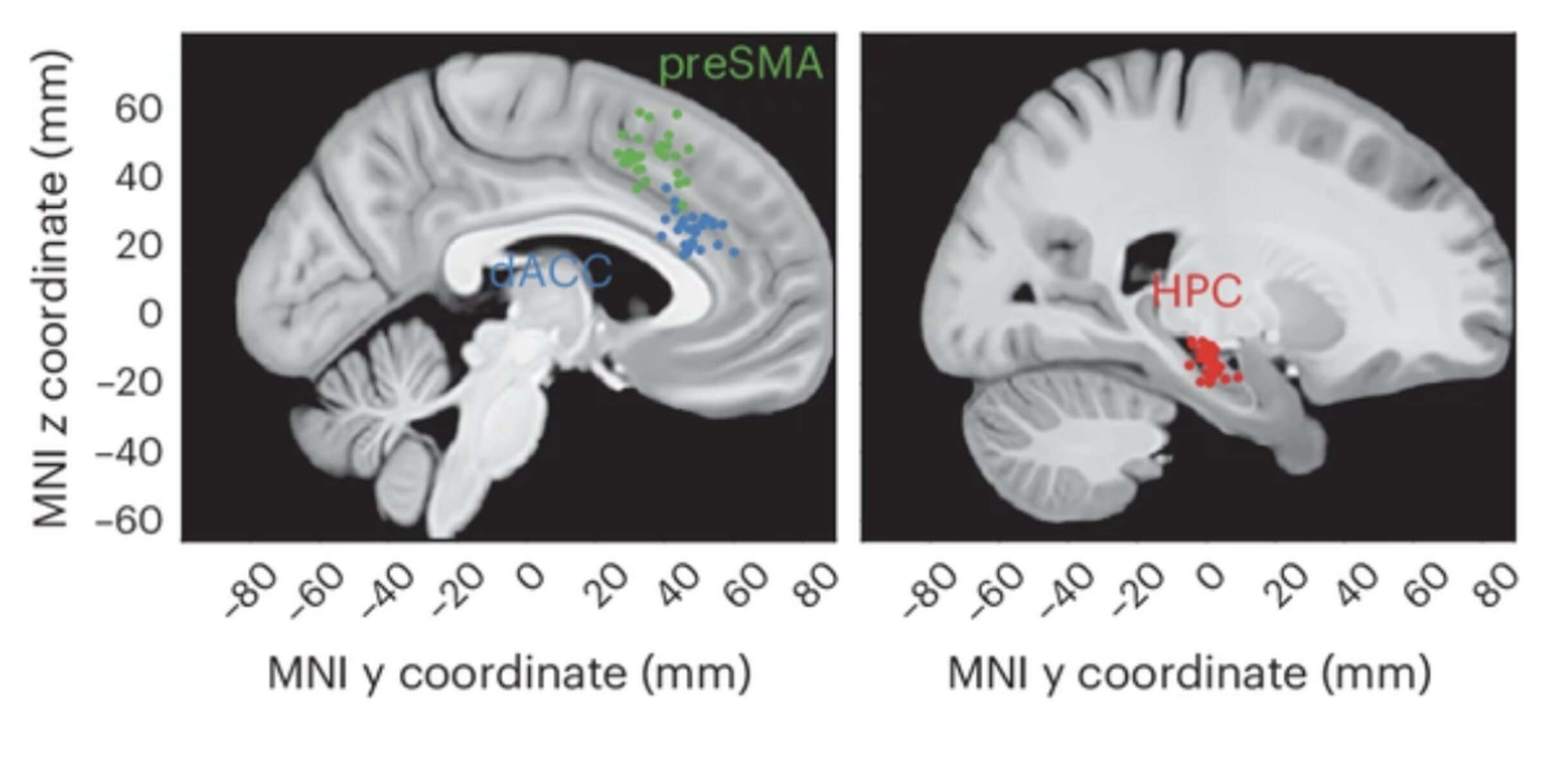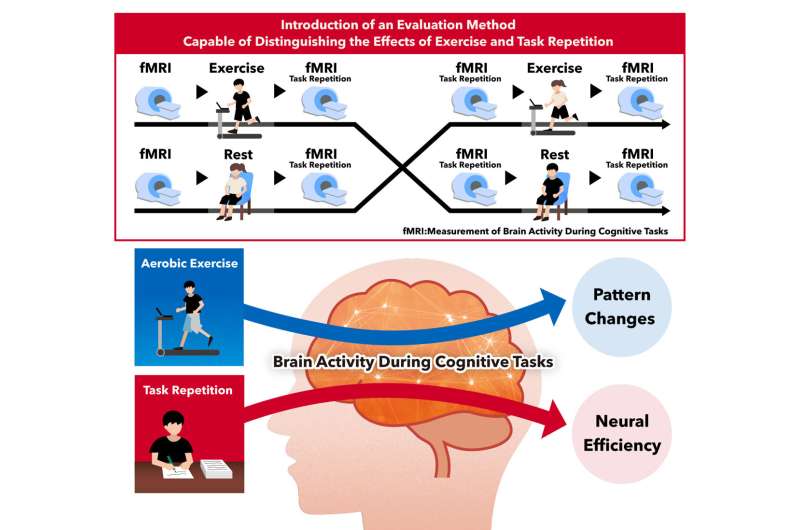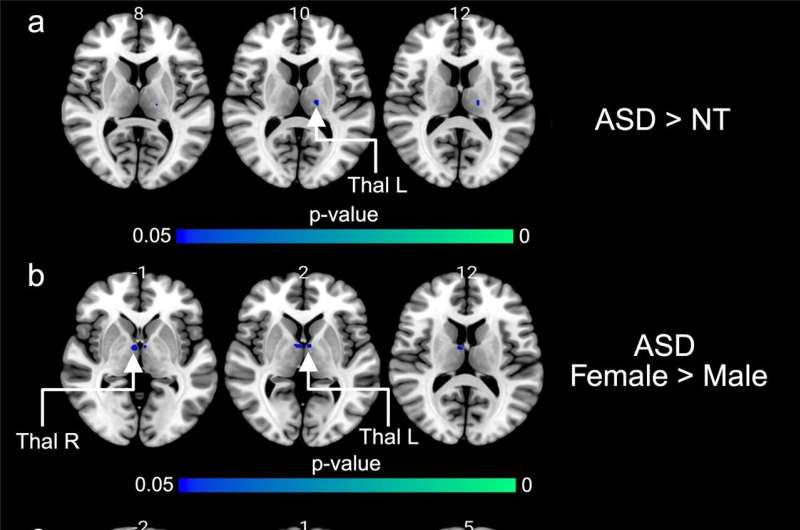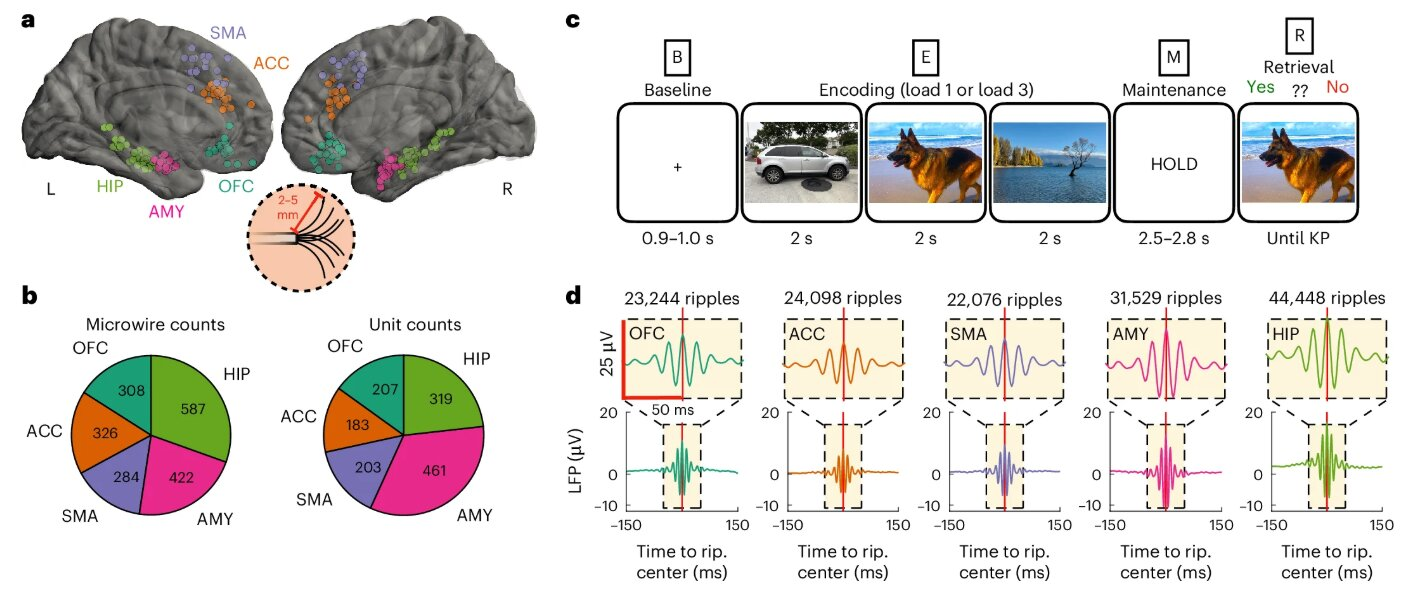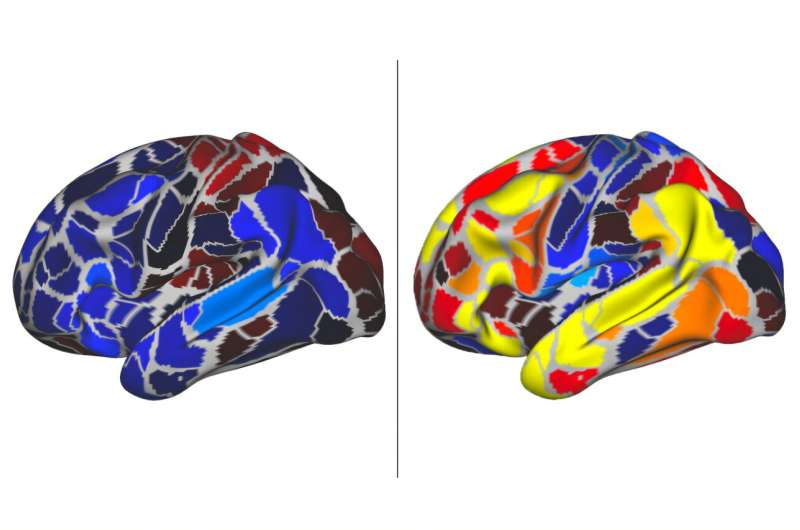
Alterations within the central nervous system in painful diabetic peripheral neuropathy. Credit: Journal of Diabetes (2026).
Changes within the central nervous system, including the brain and spinal cord, can be a key reason for pain in people with diabetes, and future treatments could focus on restoring the brain’s pain-blocking systems, according to new research.
A long-term MRI study reveals that lower abdominal fat accumulation is linked to slower brain atrophy, preserved brain structures, and improved cognitive performance in late midlife, regardless of weight loss. This relationship appears to be mainly influenced by glucose control and insulin sensitivity. The study uniquely connects repeated MRI observations of visceral fat with brain aging and cognitive changes over time.
Researchers have shown that a single dose of psilocybin, the psychedelic compound found in magic mushrooms, causes likely anatomical brain changes that last for up to a month after the experience.
A study in Developmental Medicine & Child Neurology indicates that children with epilepsy are at a higher risk of autism spectrum disorder (ASD), often having intellectual disabilities (56.5% vs. 15.4%), being mostly female (38.2% vs. 25.8%), and receiving an autism diagnosis at a younger age (7.4 vs. 8.7 years) compared to those without autism.
Researchers at Loma Linda University Health found that consuming one egg per day, five days a week, is linked to a 27% lower risk of Alzheimer’s disease in individuals aged 65 and older.
A recent study reveals that Parkinson’s disease can be categorised into distinct subtypes, highlighting the limitations of a one-size-fits-all treatment approach. The research identified two main groups and five subgroups through machine-learning analysis, paving the way for personalised therapies. The findings are published in Nature Communications.
A new study indicates that both extremely low and high resting heart rates are associated with a higher stroke risk, contradicting the idea that lower heart rates always signify good cardiovascular fitness.
A meta-analysis of 55 studies involving over 3 million people revealed that 31% of individuals with cannabis use disorder (CUD) also have major depressive disorder (MDD), and CUD is present in 10% of those with MDD, highlighting a mutual relationship between the two conditions.
Omega-3 supplements, commonly used by older adults for cardiovascular health and to reduce cognitive decline, may be associated with a quicker deterioration in cognitive function, according to recent research.
New research challenges the long-held belief that the brain makes decisions in a simple, top-down hierarchy. By discovering decision-making signals in the primary somatosensory cortex, researchers have revealed a system of bidirectional feedback loops that could be the key to building the next generation of energy-efficient, truly intelligent AI.
Mapping MNPs in the diseased brain. Credit: Nature Health (2026).
Tiny micro- and nanoplastic fragments seem to be turning up everywhere, including one of the most well-protected parts of the human body—the brain. Ina recent studyconducted by Chinese researchers, they found microplastics and nanoplastics (MNPs) in nearly all the brain samples they tested, both healthy and diseased human brains.
Researchers have identified four distinct mental states that occur regardless of whether we are asleep or awake, revealing a “neural fingerprint” for bizarre, dream-like thoughts that can surface even in the middle of the day.
Scientists have mapped a functional gradient in the rostral prefrontal cortex that connects our spontaneous “daydreaming” mind with our “logical” executive control. By studying patients with frontotemporal dementia, researchers discovered that creativity isn’t about how much these networks overlap, but about the functional distance between them. The more distinct and well-connected these two “islands” are, the more creative the individual.
For older adults, deterioration in cognitive function is seen prior to cardiovascular disease (CVD) events, according to a study published online April 20 in JAMA Network Open.
Some brains are resistant to Alzheimer’s despite the disease’s presence, with research from the Netherlands Institute for Neuroscience suggesting that this resistance may relate to how immature neurons respond to damage, aiding understanding of cognitive resilience in ageing.
A new study is the first to show that two of our most sophisticated cognitive functions, using and understanding language and being able to sense how other people feel, have distinct origins in the brain in young children—matching what we know about the adult brain.
Neuroscientists have discovered a secret second network in the brain. AI-mapped astrocyte webs connect distant brain regions, challenging 100 years of neuron-centric theory.
Research indicates that early diagnosis and treatment of epilepsy can enhance outcomes, yet timing for intervention has been unclear. A recent study proposes that treatment could begin as early as 15 weeks gestation to potentially benefit those with certain epilepsy disorders before symptoms manifest.
Finally this week, the World Stroke Organization is warning that climate change poses an escalating threat to brain health, with extreme heat in particular increasing the risk of having a stroke and of patients dying from stroke.
The soft bioelectrodes use a honeycomb-inspired design that allows researchers to stretch them onto the specific geometry of a patient’s brain, without sacrificing structural strength or sensitivity to electrical and physiological signals. Credit: Tao Zhou
Researchers have developed 3D-printed, honeycomb-structured hydrogel electrodes that perfectly match the unique folds of a patient’s brain for safer, high-quality neural monitoring.
We’ve long known that a run can clear your head, but a landmark one-year randomised clinical trial has finally mapped the long-term biological “why.” The study is the first to prove a cause-and-effect relationship between aerobic exercise and a sustained reduction in cortisol, the body’s primary stress hormone. By simply meeting the standard 150-minute weekly exercise goal, participants effectively lowered the biological “background noise” of stress.
A global research collaboration has discovered that social health is crucial for preserving cognitive function and enhancing the brain’s resilience to dementia.
In a creative shift for psychiatric research, a study suggests that songwriting and group music-making can help people with psychosis reconnect with reality. The research explores the concept of predictive coding, the brain’s ability to anticipate what happens next. By engaging in the rhythmic and melodic expectations of music, participants with schizophrenia and auditory hallucinations reported reduced paranoia and a significant shift away from social isolation.
Repeated menstrual cycles may not only cause endometriosis but also alter brain function. A new study indicates that ongoing inflammation associated with the condition can heighten nervous system sensitivity and lead to persistent pain.
Researchers from the University of California, San Diego discovered that teenagers who start using cannabis experience slower improvements in thinking and memory as they mature, based on a study of over 11,000 participants from the Adolescent Brain Cognitive Development (ABCD) Study published in Neuropsychopharmacology.
A 12-week study from the University of Toronto finds that daily fluctuations in mental sharpness account for an 80-minute difference in productivity between your best and worst days.
Researchers have uncovered evidence that some movement-related symptoms of Alzheimer’s disease may originate outside the brain, which could change how the disease is diagnosed and treated in the future. The study was published in Alzheimer’s & Dementia: The Journal of the Alzheimer’s Association.
Women taking antiseizure medication for epilepsy have around a 45% reduced risk of major congenital anomalies in their children—if they initiate high-dose folic acid before pregnancy.
In a recent publication appearingin Advanced Science, researchers at the Netherlands Institute for Neuroscience challenge the assumptions surrounding the design and materials used for brain implants. Softer, flexible implants are gentler than older ones, but they are not completely harmless. By carefully studying these effects, researchers can begin to design safer implants, and bring long-term, reliable implants closer to reality.
New research indicates that walking and balance issues in Alzheimer’s disease may stem from peripheral nervous system failures rather than brain decay, with a study using “human-on-a-chip” technology demonstrating that genetic mutations can directly harm nerve-muscle connections, independent of the brain or spinal cord.
A Phase II trial finds that walking and resistance exercise, along with low-dose ibuprofen, can protect cancer patients from “chemo brain” during treatment.
Researchers have found new insights into asymptomatic Alzheimer’s disease (AsymAD), wherein some older adults remain mentally sharp despite brain changes associated with the disease. Understanding this resilience may lead to earlier detection and strategies to prevent memory loss.
A landmark study has identified a significant association between prenatal prescription of commonly utilized medications and the risk of autism spectrum disorder (ASD) in children.
Researchers found that fluctuations in a person’s heartbeat relate uniquely to brain activity, with chaos-based analysis indicating significant changes in heart-brain coupling during cognitive tasks. The study shows these complex rhythms are important indicators of the central nervous system when under cognitive load.
A longitudinal study of 1,400 children links early pretend play to improved mental health outcomes, suggesting play builds brain resilience. The research suggests that imaginative play is not just recreational but a foundational developmental tool that supports long-term mental wellbeing, even when accounting for socioeconomic status, mother’s mental health, and language ability.
In a paradigm-shifting discovery, researchers have found that Alzheimer’s disease shares a surprising biological driver with blood cancers like leukaemia. The study reveals that the brain’s immune cells (microglia) accumulate specific cancer-driving mutations as they age. Rather than forming tumours, these mutant cells create a “hostile” inflammatory environment that kills neurons. This suggests that Alzheimer’s may be treatable using existing cancer drugs and detectable through simple blood tests.
A noninvasive neurostimulation technique targeting deep brain regions has been utilised to explore pain mechanisms and shows potential for clinical use in neurology and psychiatry.
A web tool designed to spark reminiscence could help people with dementia and their caregivers feel more connected to each other and less impacted by feelings of pre-death grief, according to a clinical trial co-led by USC and Weill Cornell Medicine published in JAMA Network Open.
Researchers have identified a new DNA region and two genes associated with frailty, providing insights into why some older adults are more frail. This discovery highlights the role of genetic factors in resilience to age-related declines, aiming to lead to targeted interventions for the ageing population.
Neuroscientists have discovered a secret second network in the brain. AI-mapped astrocyte webs connect distant brain regions, challenging 100 years of neuron-centric theory.
A massive transdisciplinary study has shifted the focus of Alzheimer’s research from the brain to the gut. Using AI to analyse data from nearly 10,000 people, researchers identified that common life events, specifically appendix removal and long-term dietary patterns, are among the strongest predictors of the disease. The study suggests that the gut microbiome serves as a primary line of defence for the brain, and that its disruption over decades may ultimately trigger neurodegeneration.
Researchers propose a new model for how the brain encodes and recalls emotionally meaningful touch, highlighting its role in lifelong mental health.
New research shows that a diet high in heavily processed foods can negatively impact the brain’s ability to focus and increases the risk of developing dementia. The study publishedin Alzheimer’s & Dementia: Diagnosis, Assessment & Disease Monitoring, examined the diets and cognitive health of more than 2,100 Australian dementia-free adults middle-aged and older.
A 30-year study of 42,000 adults shows that stroke severity is a primary driver of post-stroke dementia and accelerated brain aging.
Researchers have bridged the gap between biology and silicon by creating a 3D programmable device that merges living brain cells with advanced electronics. Unlike previous “brain-on-a-chip” attempts that grew cells on flat surfaces, this device uses a flexible, microscopic metal mesh as a scaffold, allowing tens of thousands of neurons to grow around and through the sensors.
Researchers are developing a fully implantable brain-computer interface (BCI) that enables patients with paraplegia to control robotic exoskeletons with their thoughts, aiming to restore both walking and the sensation of walking.
New research indicates that time perception is a complex, multi-stage process in the brain, starting with sensory encoding and leading to a representation of time that helps us categorise experiences by duration and order. This insight paves the way for further studies on the links between cognitive functions and time perception, particularly in relation to disorders affecting this process.
Does a plant-based diet prevent Alzheimer’s? New research shows that healthful plant-based diets lower dementia risk by 7%, while unhealthful plant-based diets increase risk.
A new AI framework emulates human brain development by “pruning” unnecessary connections as it learns, becoming more compact and energy-efficient while mastering complex tasks. The study indicates that effective learning relies on the right connections rather than on an abundance of them. By mimicking infant brains, this AI enables continual learning and improves perception, motor control, and interaction, all while reducing size and energy consumption.
A new study reveals that school-age children and adolescents with medically diagnosed traumatic brain injury (TBI) have significantly higher rates of anxiety/depression, and strong family support and resilience help alleviate some of it.
Loneliness affects memory performance in older adults but does not accelerate cognitive decline, according to a European study of more than 10,000 participants over seven years. Although those reporting high levels of loneliness initially performed worse on memory tests, their decline in recall ability matched that of less lonely participants over time.
Researchers have developed a 15-minute blood test that uses europium nanoparticles and a smartphone to track melatonin levels, helping astronauts and shift workers manage their biological clocks.
A study from Mass General Brigham reveals that a blood test measuring plasma phosphorylated tau 217 (pTau217) can predict changes in amyloid PET scans and cognitive decline in healthy older adults, potentially allowing for earlier disease prediction and identifying those at risk for cognitive decline. The findings are published inNature Communications.
A high-resolution study of 30 adult brains reveals over 3,000 genes with sex-biased expression. These findings link molecular sex differences to the prevalence of disorders like ADHD and Alzheimer’s.
Air pollution is associated with increased migraine activity, according to a study published in Neurology. Both short-term and cumulative exposure to air pollution, as well as climate factors such as heat and humidity, were associated with increased migraine activity.
A new study shows how subcortical pathways can make AI models more flexible and biologically accurate.
New research indicates that high sodium intake may harm episodic memory, which is essential for recalling personal experiences. These findings emphasise the broader cognitive effects of a salty diet, underlining the significance of making healthy dietary choices for brain health.
Can brain implants restore sight? Researchers have mapped how the brain reacts to neural probes, finding that flexible polyimide is the key to long-term biocompatibility.
Scientists analysed data from over 363,000 participants in the NIH’s All of Us Research Program and found that treatable middle ear conditions, such as eardrum perforations and cholesteatoma, are associated with nearly double the odds of developing dementia; however, treating these conditions with surgery or hearing aids significantly reduced or eliminated the dementia risk.
A landmark research paper for the first time maps the genetics of how individual regions of the brain age—and why some of those regions are the very ones most ravaged by Alzheimer’s and dementia. Published in the journal GeroScience, the paper is titled “Deep Neural Networks and Genome-Wide Associations Reveal the Polygenic Architecture of Local Brain Aging.”
A 19-year study reveals that mentally active sitting—such as reading or working—can reduce dementia risk, while passive sitting like watching TV increases it.
Can we “unlearn” fear using sound? Neuroscientists have shown that ultrasonic waves can help the brain overcome fearful memories. By targeting high-frequency vibrations at the amygdala, researchers slowed new fear formation and sped up the process of “unlearning” them. This non-invasive technology could be a breakthrough for treating PTSD and anxiety without surgery or drugs.
Older adults who develop delirium during a hospital admission face a substantially higher risk of dementia in later years, even if they had no prior health conditions, according to a major new population study.
A University of Michigan study indicates that young adults who frequently use substances like alcohol and cannabis may experience notably worse memory in later decades, with researchers comparing substance use from ages 18 to 30 to memory self-reports from ages 50 to 65.
A collaborative research study has, for the first time, identified a biological process that may help explain how the brain develops differently in people with Down syndrome.
Why do stressful moments so often push people toward habits like drinking? A new study offers one of the clearest answers yet, identifying a direct connection inside the brain that links stress to addiction-related behaviours. The work shows how alcohol disrupts the natural stress-response system, making it harder for the brain to adapt or make good decisions.
Researchers have developed a method that allows the increased movement of brain fluids during sleep to be tracked quickly and safely, without the need for injected contrast agents.
A research team has developed a synthetic “right-handed” protein fragment that is the mirror image of natural proteins, allowing it to intercept and neutralise disordered amyloid-beta proteins associated with Alzheimer’s disease, thereby preventing the formation of harmful plaques in the brain.
Multiple regions of the brain engage in fast-moving conversations to understand language, researchers have discovered, dispelling a prior school of thought that only one region of the brain was responsible for language processing. The research was published in PLOS Biology.
The risk of Alzheimer’s disease significantly decreases in older adults who receive a higher dose of the influenza vaccine compared to the standard dose, according to new research.
Having higher levels of vitamin D in the blood in middle age is associated with lower levels of tau protein in the brain, which is a sign of dementia, years later, according to a study published in Neurology Open Access. The study does not prove that vitamin D levels lower the level of tau and the risk of dementia; it only shows an association.
How does the brain time its own development? A new study explores histone bivalency—an epigenetic “red and green light” system that prevents premature neuron maturation and helps adult brains respond to stress and injury.
An international study published across 34 countries shows that the biological age of the brain can be accelerated or delayed by environmental risk (air pollution, public housing conditions) and protective factors (socioeconomic equality, access to health care). The stronger effects arise from interactions among environmental, social, and political conditions.
Finally, this week, neuroscientists have demonstrated for the first time that noninvasive brain stimulation can alter the activity of a critical deep brain region involved in emotion and memory.
HoliAtlas Project Brain Images. Credit: Instituto de Aplicaciones de las Tecnologías de la Información y de las Comunicaciones Avanzadas (ITACA), Universitat Politècnica de València
An international team has developed one of the most comprehensive and detailed structural atlases of the human brain to date. Known as HoliAtlas, it will be particularly useful for the study and early diagnosis of neurological and neurodegenerative diseases, such as Alzheimer’s or Parkinson’s.
Scientists have uncovered a strategy that the brain uses for chemical signalling. In a new study, researchers found that in the striatum, a brain region central to learning and movement, one signalling system can seize control of another, promoting the coordinated release of both.
A meta-analysis has confirmed that exposure to nature—real, virtual, or imagined—reduces negative emotions and boosts brain health.
A massive study of over 2.2 million individuals has fundamentally redefined how we understand the genetics of addiction. The research reveals that most genetic risk for substance use disorders (SUD) isn’t about how the body reacts to a specific drug, but how the brain is “wired” for behavioural disinhibition.
A meta-analysis found no link between hormonal contraception and idiopathic intracranial hypertension (IIH), a serious condition marked by increased pressure around the brain, potentially causing chronic headaches and vision loss.
A machine-learning analysis of brain waves recorded during sleep may help identify people at high risk of developing dementia, according to a recent study. The study found that when a person’s “brain age,” estimated from sleep signals using EEG, exceeded their actual age, the risk of dementia increased.
A major study has found that treating ADHD with stimulant medication during childhood may actually lower the long-term risk of developing serious psychotic disorders, such as schizophrenia.
New research shows that the long-term neurological impact of childhood trauma is not permanently etched onto the brain. An analysis of brain communication patterns in individuals with childhood adversity indicates that lifetime physical activity can reshape neural connectivity, strengthening internal communication and optimizing stress response. The findings from the studyin Biological Psychiatry: Cognitive Neuroscience and Neuroimaging highlight physical activity as a modifiable lifestyle factor linked to neurobiological adaptation.
An international team has completed a massive “blueprint” of the human neocortex, the brain’s outer layer responsible for high-level thinking, decision-making, and sensory processing.
A clinical decision support tool that uses artificial intelligence (AI) to analyze scans after a stroke alongside treatment recommendations is associated with better quality care and long-term outcomes for patients compared with usual care, finds a recent study publishedin The BMJ.
Can a stroke make part of your brain younger? New research using deep learning reveals that undamaged brain regions reorganise and show “youthful” structural patterns to compensate for severe stroke damage.
New research identifies a leaky blood-brain barrier as the primary link between repetitive head injuries and long-term cognitive decline in retired athletes. MRI scans compared with post-mortem tissue from athletes with Chronic Traumatic Encephalopathy reveal that this barrier remains compromised even years after retirement.
Scientists have identified a new genetic disease characterised by premature ageing and deficits in brain function.
Consciousness and its impairment from brain injuries are not well understood, making disorders of consciousness (DOC), like coma and vegetative states, challenging to treat. A new study published in Nature Neurosciencesuggests that AI may help researchers tackle this issue. The research team developed an adversarial AI framework to better understand states of reduced consciousness and explore potential solutions.
Finally this week, new research shows that periodontal tissue status, peripheral immune response, and cognitive functions are closely interconnected.
Researchers have identified a major genetic risk factor for a rare form of frontotemporal dementia. The discovery, published in Nature Genetics, provides a biological entry point for a disease subtype that has been difficult to study. It could not only help to improve diagnosis and patient stratification, but also opens up new avenues toward targeted treatments.
A new studysuggests that merely engaging in physical activity isn’t sufficient; the structure of workouts, including session spacing and organization, may be more crucial for healthy brain aging than the total activity amount.
MIT neuroscientists have discovered how the brain focuses on a single voice amid many, addressing the “cocktail party problem.” This focus is crucial in crowded settings like cocktail parties, where multiple conversations occur. The brain can follow the voice of the person you’re talking to despite background noise. Using a computational model of the auditory system, the MIT team found that enhancing neural processing units that respond to specific voice features, like pitch, helps bring that voice to the forefront of attention.
Higher maternal physical activity is associated with early child neurodevelopment, according to a recent study.
The stress hormone cortisol disrupts the brain’s navigational system by impairing the function of grid cells essential for spatial orientation. Researchers from Ruhr University Bochum, Germany, verified this in an imaging study with 40 individuals who completed a virtual navigation experiment in an MRI scanner. Subjects who received cortisol prior to the experiment performed worse, with indistinct grid cell activity patterns.
The recreational drugs cannabis, cocaine and amphetamines significantly increase the risk of stroke—including among younger users—Cambridge researchers have concluded after analysing data from more than 100 million people.
Scientists have identified a coordinated “gene expression program” that drives neurotransmission in the living human brain by integrating real-time intracranial recordings from neurosurgical patients with molecular profiling. This study reveals specific genes associated with active signalling, offering new insights into human cognition and psychiatric disorders.
A single session of physical exercise can spawn a boost of neural activity in brain networks that underlie learning and memory, according to a new study.
A team of Spanish researchers investigated whether individuals with high psychopathic traits exhibit brain structure anomalies that prevent feelings of regret and contribute to manipulation and antisocial behaviour by interviewing men convicted of intimate partner violence and a control group, followed by brain scans. The results showed that men with thinner cortex in certain brain regions—particularly fronto-temporo-parietal areas—tended to display higher antisocial tendencies, regardless of their history of violence.
Scientists have identified seven specific types of hyperarousal, creating a new roadmap for treating the underlying tension of mental disorders.
Researchers conducted a study on the link between responses to SSRIs and SNRIs and brain connections. Their findings, published in Molecular Psychiatry, suggest that a specific link between the frontal lobe, a region in the brain’s outer layer involved in decision-making, and the amygdala, which is central to the processing of emotions, differs in patients that respond better to SSRIs and those who find SNRIs more beneficial.
Alzheimer’s research has faced criticism for its lack of diversity, with a primary focus on participants of European ancestry. A groundbreaking study has revealed significant variations in Alzheimer’s pathology, specifically tau protein tangles and amyloid plaques, among different racial and ethnic groups. This suggests the disease’s biological timeline varies across populations, indicating a need to adjust current diagnostic tools and future treatments for broader effectiveness.
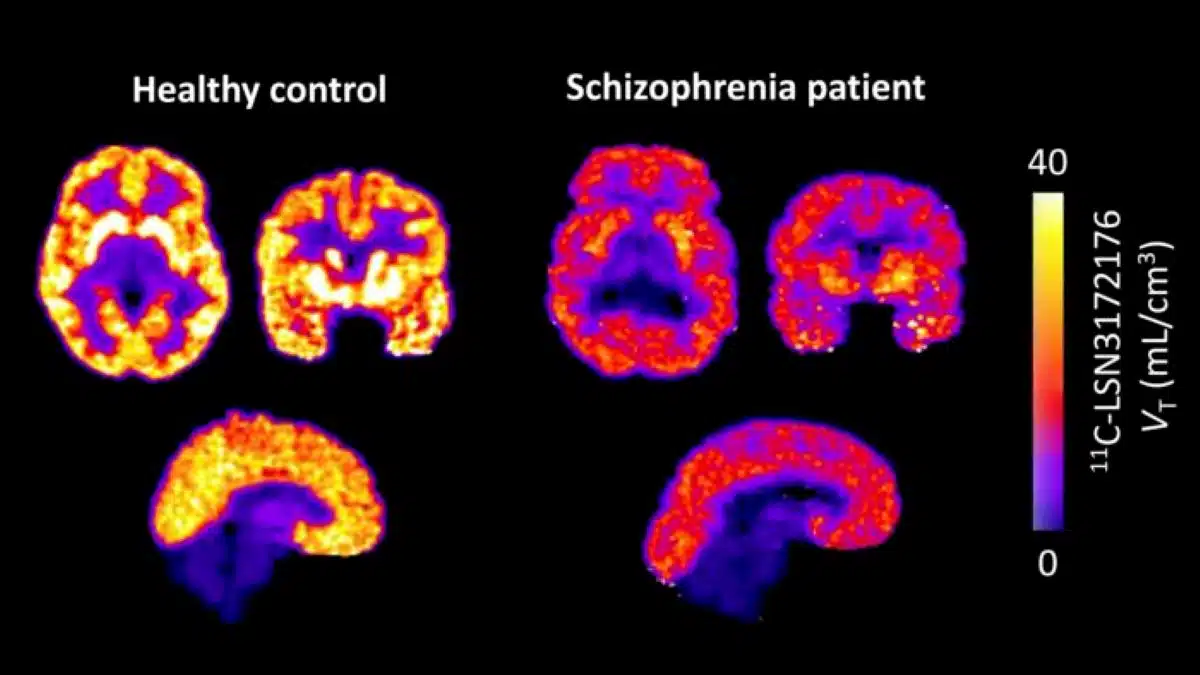
A new study offers a single explanation for two major symptoms of schizophrenia.
New research has found no evidence that the transitional symptoms of menopause such as brain fog and memory problems have a lasting impact on cognitive performance. The research, publishedin npj Women’s Health, found that while brain fog is a real symptom commonly experienced by peri- and postmenopausal women, there is no evidence that it has an ongoing impact on a person’s cognitive abilities.
The largest-ever Parkinson’s study shows how symptoms differ between men and women.
A recent study published in NeuroImage reveals that neuroticism is linked to altered communication between different brain networks rather than isolated brain activity. Researchers discovered that people with higher levels of this personality trait show increased connectivity between brain regions responsible for processing emotions, regulating memory, and detecting threats. These findings suggest that emotional instability arises from how the brain’s emotional hubs synchronize with other areas.
New research indicates that storytelling may be linked to the evolution of human memory and could enhance everyday retention.
Having type 1 diabetes is linked to a higher risk of dementia, according to a recent study published in Neurology. Type 2 diabetes also carries a higher risk compared to those without diabetes. However, this study shows an association and does not prove that diabetes causes dementia. Type 1 diabetes is rare, representing about 5% of diabetes cases.
Finally, new research shows that harmonically consonant musical chord progressions during face-to-face interactions enhance brain circuits linked to social connection and emotional processing.
For years, Alzheimer’s research has faced criticism for not being diverse, primarily focusing on participants of European ancestry. A groundbreaking study has challenged the “one-size-fits-all” approach. By examining brain markers across a diverse group, researchers found important differences in how early Alzheimer’s symptoms—such as tau protein tangles and amyloid plaques—manifest among racial and ethnic groups. These results indicate that the disease’s biological timeline varies across populations, suggesting that existing diagnostic tools and future treatments may need adjustments to be effective for everyone.
Scientists have found that a novel blood-based biomarker can predict a woman’s risk of developing dementia as many as 25 years before symptoms appear.
Blockbuster weight-loss drugs like semaglutide and liraglutide have significantly affected metabolic health, and a new study mapping GLP-1 expression in the brain reveals notable sex-specific differences. This research explains why females may experience greater appetite suppression and weight loss with these medications, and it suggests the potential for developing sex-specific treatments for addiction, depression, and Alzheimer’s.
Can you tell the difference between a real human voice and an AI-generated one? According to a new study, your conscious mind might struggle, but your brain is already picking up the clues.
Researchers have identified new genetic variants associated with autism spectrum disorder (ASD) through long-read whole genome sequencing (LR-WGS), which enhances the detection of genetic variants compared to short-read methods. These insights could result in more precise genetic testing and targeted therapies for ASD.
Increasing our level of physical fitness leads to a greater release of brain-boosting proteins following a single exercise session, a new studyhas found.
A new study has found a neural “fingerprint” that predicts our ability to understand others’ intentions, identifying a brain network that responds when our expectations of others are incorrect. This could significantly change the diagnosis and treatment of social cognition disorders such as autism and borderline personality disorder.
Scientists have successfully preserved brain tissue by deep-freezing it. When thawed, the neurons start sending signals again. This method can be used to preserve brain tissue removed during surgery for later study.
The VIVID Trial, a large study on Vitamin D, found that high doses of Vitamin D3 did not reduce the severity of COVID-19 or prevent hospitalisation, but suggested potential benefits for preventing Long COVID. Participants adhering to the Vitamin D regimen reported fewer ongoing symptoms after eight weeks, indicating that while Vitamin D isn’t a cure for COVID-19, it may aid long-term recovery.
A retinal image could help doctors quickly distinguish between similar neurodegenerative diseases such as ALS and Alzheimer’s disease, and with remarkable accuracy, according to new research.
A new study shows that immune cells called microglia can actively promote the formation of plaques in Alzheimer’s disease, challenging the long-standing view that these cells serve only as defenders against plaque buildup. The findings were recently publishedin the Proceedings of the National Academy of Sciences.
Smoking cannabis can reshape memories. A new study found that those who consumed THC were more likely to recall nonexistent words and struggled with tasks like remembering to do something later.
Fatigue is a significant and challenging symptom of major depressive disorder. Recent research shows that cells in depressed individuals overwork at rest but struggle to produce energy under stress. This indicates that mitochondria are pushed to their limits early in the illness, contributing to low mood and cognitive slowness.
A new review explains that ketogenic diets help reduce seizures in epilepsy by strengthening the brain’s energy systems, reducing inflammation, and protecting neurons, offering benefits that many medications do not provide.
In former college athletes, having had three or more concussions was associated with slightly worse physical, mental, behavioural, and cognitive health five years after graduation, according to an article published in Neurology, the medical journal of the American Academy of Neurology.
New research suggests that exercise may help people with cancer stay mentally sharp and better able to handle daily tasks, work, and social activities through chemotherapy treatment delivered on an every two-week cycle.
A recent study from the University of Cambridge indicates that menopause may significantly increase the risk of Alzheimer’s disease. Researchers analyzed brain scans from nearly 125,000 women and found that menopause is linked to reductions in gray matter, which is critical for processing information. They also observed decreased volume in brain areas responsible for memory, emotion, attention, and decision-making. These changes were related to poorer sleep, higher anxiety and depression, and slower reaction times. Notably, the affected regions are the same ones most at risk in Alzheimer’s disease, the most common type of dementia.
People with major depressive disorder saw significant and lasting reductions in their symptoms from a single dose of the psychedelic compound DMT in a small study.
Results from the long-term ACTIVE study reveal that a specific type of cognitive exercise can significantly reduce the risk of dementia for up to two decades. The study, which followed nearly 3,000 older adults for 20 years, found that those who participated in “speed of processing” training—exercises designed to sharpen visual attention and reaction time—were 25% less likely to be diagnosed with dementia compared to a control group.
Eating unhealthy foods early in life leaves lasting brain and feeding changes, but gut bacteria can help restore healthy eating, a new study finds.
Researchers have found a specific type of high-frequency brain activity in the anteromedial orbitofrontal cortex (amOFC) that correlates with compulsive behaviours in people with obsessive-compulsive disorder (OCD). In three patients with severe OCD who didn’t respond to treatment, targeting this signal with deep-brain stimulation (DBS) quickly reduced symptoms. These results suggest that OCD symptoms might be caused by irregular brain circuits in the frontal region and could lead to better DBS systems that activate only when harmful signals occur.
A recentstudy has found a direct link between age-related declines in neuron activity in the cerebellum and worsening motor skills, including gait, balance and agility.
Researchers have studied changes in the cerebral cortex of people with psychosis. Their findings show that psychosis does not follow one path; instead, its development is influenced by how the brain matures, along with symptoms, thinking, and treatment. The authors stress the importance of personalised approaches that consider individual differences to better understand the condition and improve long-term treatment strategies.
A simple combination of daily physical exercise and protein-rich nutritional drinks appears to offer significant health benefits for people with dementia.
Chronic pain lasts longer in women than in men, and new research suggests that differences in immune cells called monocytes may explain this. In a study published in Science Immunology, researchers at Michigan State University discovered that a type of monocyte produces a molecule that reduces pain. These cells are more active in men due to higher testosterone levels. In contrast, women experience longer pain and slower recovery because their monocytes are less active.
Researchers have developed a high-speed “neuron-on-a-plate” system that successfully mimics the complex electrical rhythms of the developing human brain.
A research team has found new clues about how the brains of people with Down syndrome develop differently from a very early age. The study, published in Nature Communications, shows that brain cells with an extra copy of a chromosome (trisomy 21)—the genetic cause of Down syndrome—have difficulty forming strong, well-coordinated connections with one another.
Finally this week, a new study warns that AI chatbots like ChatGPT can significantly worsen psychiatric conditions—particularly delusions, mania, and suicidal ideation.
New research shows that learning to read fundamentally changes how the brain responds to spoken language, even when no written words are present. While previous brain imaging studies have demonstrated that literacy strongly affects how the brain responds to written words, this study is among the first to show differences in brain activity during listening alone.
Chronic alcohol consumption profoundly alters gene expression in key brain regions involved in reward, impulse control, and decision-making, according to a recent study.
Babies as young as two months old are able to categorize distinct objects in their brains—much earlier than previously thought—according to new research from neuroscientists at Trinity College Dublin. The research, which combined brain imaging with artificial intelligence models, enriches our understanding of what babies are thinking and how they learn in the earliest months of life.
A new study reveals that certain brain regions are more active in people with obsessive-compulsive disorder (OCD) during cognitively demanding tasks. The findings could help inform new ways in which the condition is treated and assessed.
A type of therapy that stimulates specific brain pathways with electromagnetic pulses combined with physical therapy significantly reduced overall disability in stroke survivors compared to survivors who received sham (inactive) electromagnetic stimulation combined with physical therapy, according to a preliminary study presented at the American Stroke Association’s International Stroke Conference 2026.
The increased size of, and lesser blood supply to, a key brain structure in patients with long COVID tracks with known blood markers of Alzheimer’s disease and greater levels of dementia, a new study finds.
A new international study on Buddhist monks shows that meditation is a state of heightened cerebral activity in which brain dynamics are profoundly altered. More specifically, the study found that practicing meditation is associated with modulations in neural oscillations, an increase in the complexity of brain activity and an alteration in “brain criticality,” a state of equilibrium between chaos and order. These changes are thought to reflect a brain that is more alert, flexible, adaptive and efficient.
An AI-powered model can read a brain MRI and diagnose a person in seconds, a study suggests. The model detected neurological conditions with up to 97.5% accuracy and predicted how urgently a patient required treatment.
An international research team has uncovered the next frontier in monitoring brain health, and the key is in technology that millions of people are already using every day—earbuds. The world-first study found that commercially available earbuds have the capability to detect and classify brain activity, simply by measuring subtle changes in users’ hearing. The team used acoustic sensors in earphones to assess cognitive load—the mental effort that shapes learning, task performance and early cognitive decline.
Finally this week, a new study has found that moderate consumption of caffeinated coffee (two to three cups a day) or tea (one to two cups a day) reduced dementia risk, slowed cognitive decline, and preserved cognitive function.