
A new brain imaging study published in eBioMedicine, provides the strongest evidence to date that long COVID is associated with injury to dopamine-releasing neurons in the brain—a finding that may explain symptoms such as lack of motivation due to fatigue, slowed movement and memory difficulties, and could open the door to new treatment strategies.
New research shows that sleep disorders are associated with structural changes in brain regions involved in attention, motivation and decision-making.
A new study reports that sensors can accurately monitor disease progression in patients with Parkinson’s, addressing the limitations of wearable technologies. The research, conducted by scientists from the UK Dementia Research Institute, aims to create a zero-burden method for tracking movement changes in affected individuals
Drugs commonly used for weight loss, known as GLP-1 receptor agonists, have been found to reduce the key symptoms of binge eating disorder, in a new review of evidence led by University College London (UCL) researchers.
Scientists at Trinity College Dublin have discovered that, for a short period of around one to two seconds, the brain can begin following a new conversation before it has fully let go of the previous one. The findings challenge the long-held view that we can only focus on one speaker at a time.
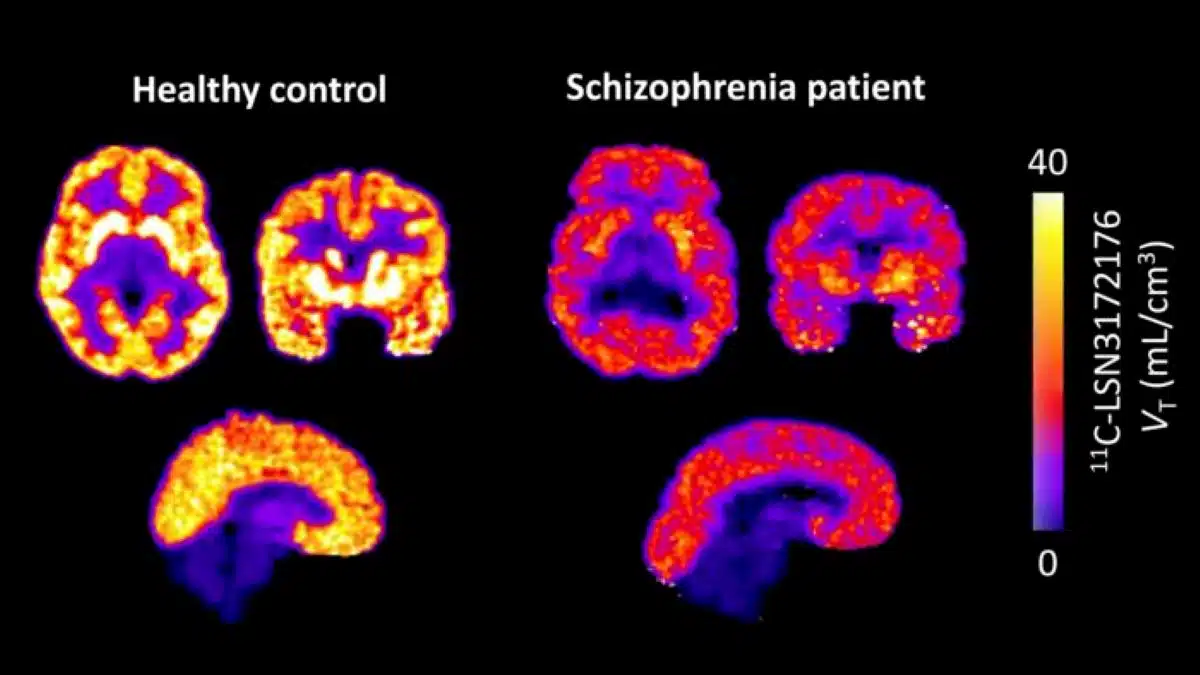
People with dementia, mild cognitive impairment, alcohol addiction or psychiatric disorders such as schizophrenia show increased brain ageing, each in specific patterns within the brain, according to a study published in PLOS Medicine.
Individuals with psychiatric conditions have less flexibility in their brain network dynamics, as found in a new Rutgers study. The brain is made up of networks that adapt and reorganise to handle changing cognitive and emotional needs. This ability to reconfigure supports how we manage our thoughts and behaviours.
A new neuroimaging study published in the journal Brain Imaging and Behavior provides some of the first evidence that strengthening your brain health through daily habits rewires its physical architecture
Researchers have conducted one of the most comprehensive studies on how the autistic brain processes faces. Some hallmark characteristics of autism include tendencies to avoid looking at others’ faces and to make less eye contact. The research is published in the journal Nature Mental Health.
A new study highlights “gut jet lag”, the desynchronization between host biological clocks and gut microbiota rhythms during long-haul travel.

