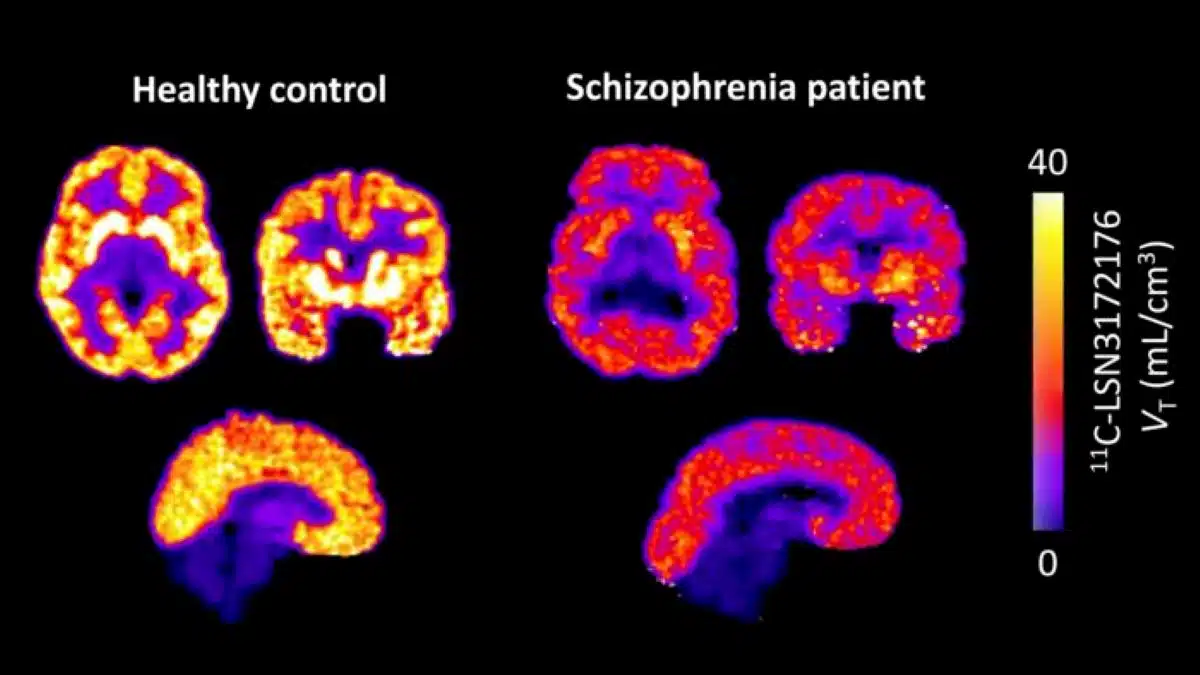
A new brain imaging study published in eBioMedicine, provides the strongest evidence to date that long COVID is associated with injury to dopamine-releasing neurons in the brain—a finding that may explain symptoms such as lack of motivation due to fatigue, slowed movement and memory difficulties, and could open the door to new treatment strategies.
New research shows that sleep disorders are associated with structural changes in brain regions involved in attention, motivation and decision-making.
A new study reports that sensors can accurately monitor disease progression in patients with Parkinson’s, addressing the limitations of wearable technologies. The research, conducted by scientists from the UK Dementia Research Institute, aims to create a zero-burden method for tracking movement changes in affected individuals
Drugs commonly used for weight loss, known as GLP-1 receptor agonists, have been found to reduce the key symptoms of binge eating disorder, in a new review of evidence led by University College London (UCL) researchers.
Scientists at Trinity College Dublin have discovered that, for a short period of around one to two seconds, the brain can begin following a new conversation before it has fully let go of the previous one. The findings challenge the long-held view that we can only focus on one speaker at a time.
People with dementia, mild cognitive impairment, alcohol addiction or psychiatric disorders such as schizophrenia show increased brain ageing, each in specific patterns within the brain, according to a study published in PLOS Medicine.
Individuals with psychiatric conditions have less flexibility in their brain network dynamics, as found in a new Rutgers study. The brain is made up of networks that adapt and reorganise to handle changing cognitive and emotional needs. This ability to reconfigure supports how we manage our thoughts and behaviours.
A new neuroimaging study published in the journal Brain Imaging and Behavior provides some of the first evidence that strengthening your brain health through daily habits rewires its physical architecture
Researchers have conducted one of the most comprehensive studies on how the autistic brain processes faces. Some hallmark characteristics of autism include tendencies to avoid looking at others’ faces and to make less eye contact. The research is publishedin the journal Nature Mental Health.
A new study highlights “gut jet lag”, the desynchronization between host biological clocks and gut microbiota rhythms during long-haul travel.
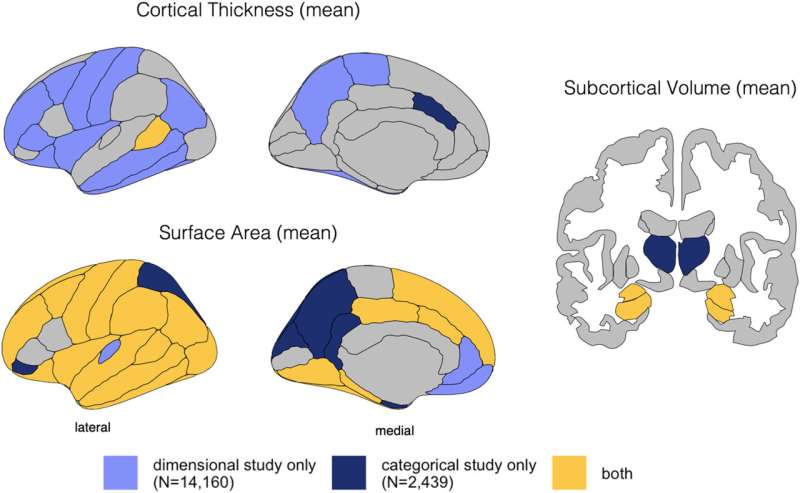
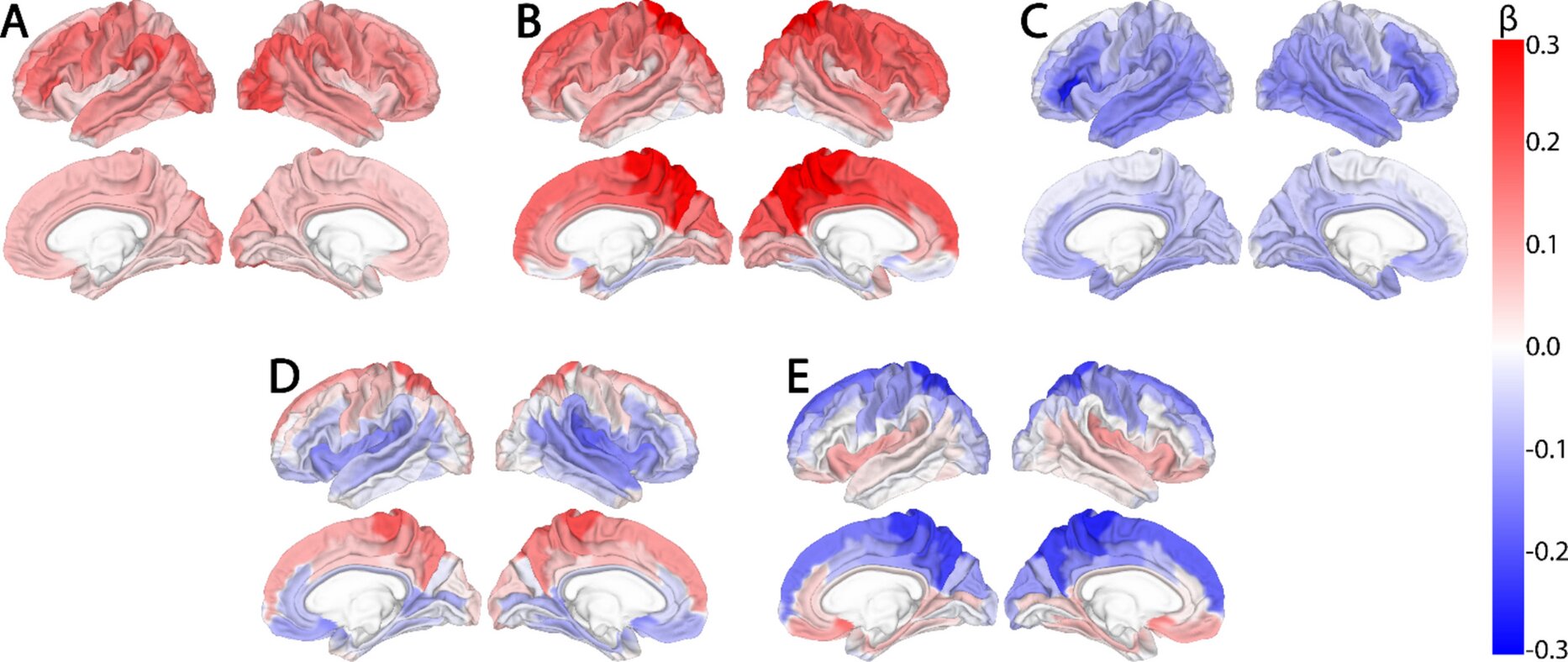
Regional overlap between dimensional associations between conduct problems and brain structure (current study) and case-control differences in conduct disorder. Credit: Journal of the American Academy of Child & Adolescent Psychiatry (2026).
Conduct problems—including persistent rule-breaking, aggression, irritability and difficulty following school rules—are associated with small but widespread differences in brain structure, according to a majorinternational studyof more than 14,000 children and adolescents.
New research has discovered subtle but widespread differences in the brain’s communication networks in people with bipolar disorder, offering new insight into how illness severity and treatment may relate to brain wiring.
A recent study has identified hidden pathways through which parental DNA influences a child’s life, presenting a framework that separates direct genetic inheritance from parents’ environmental impacts, known as “genetic nurture.” By analysing data from over 30,000 multigenerational families, researchers found that the domestic environment shaped by parental DNA can affect traits such as height, weight, and academic ability that rival direct inheritance.
A study of 2,044 older Japanese adults revealed that lower vitamin C levels in blood plasma are associated with reduced gray matter volume and connectivity in the brain’s default mode network.
Researchers have discovered unique brain activity patterns in individuals with depression, shedding light on the persistent nature of depressive symptoms. Their study, used advanced neuroimaging and mathematical modelling to analyse brain transitions between states, indicating that depression may involve “brain-state entrapment,” whereby the brain tends to favour certain activity patterns and struggles to shift away from them.
Adolescents who spend at least two hours a day on social media are more likely to experience depressive symptoms and poorer well-being, with the strongest effects in early adolescence, according to new research.
A new study challenges the belief that teenage risk-taking is due to excess dopamine, finding instead that it stems from low baseline dopamine levels. Analysing data from over 800 adolescents, researchers discovered that those with the lowest reward biology use substances like alcohol and cannabis as a way to stimulate their underactive brains. As their dopamine systems mature into adulthood, their experimentation with substances significantly decreases.
New research suggests that reinforcing the body’s natural daily rhythms to improve sleep could help the brain recover after a stroke.
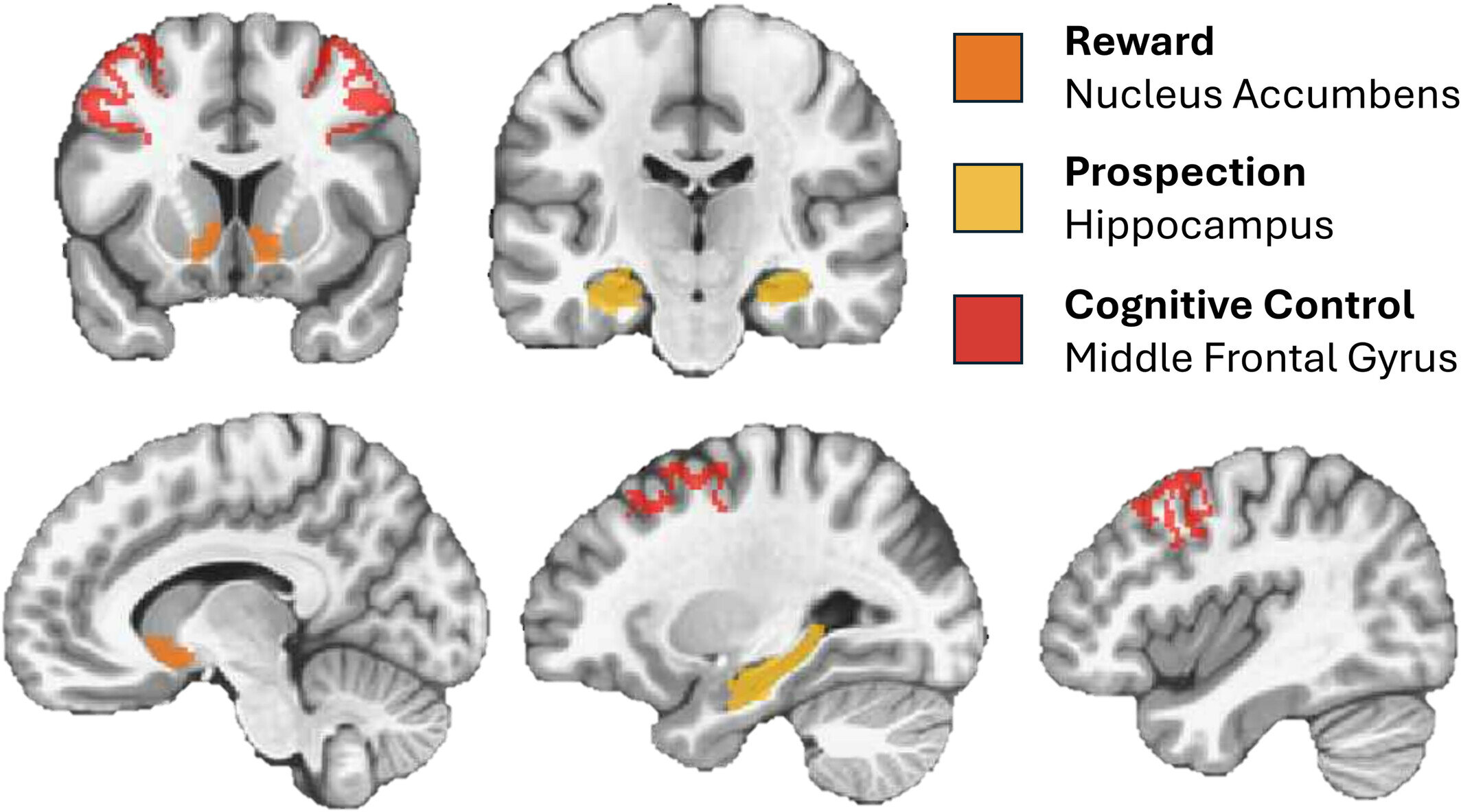
Regions-of-interest representing delay discounting neural processes. Nucleus accumbens activation represents reward valuation (orange). Hippocampal activation is involved in imagining the future or prospection (yellow). The middle frontal gyrus is involved in cognitive control (red). Regions were defined from the Desikan-Killiany atlas. Credit: Alcohol, Clinical and Experimental Research (2026). DOI: 10.1111/acer.70300
Brain activity in young adults regarding reward valuation is connected to long-term drinking habits, as shown in a study of college students with family histories of alcohol use disorder (AUD). The research suggests the potential for precision medicine to create tailored interventions for those at risk of addiction, highlighting that a family history of AUD triples or quadruples the likelihood of alcohol-related issues.
A research team has developed technology that uses artificial intelligence to analyse electroencephalogram signals triggered by thermal stimuli and objectively classify pain intensity.
A recent study analysed 73 research articles on dietary patterns and their effect on cognitive performance in youth aged 8 to 19, highlighting that nutritional deficiencies in early life can lead to lower intelligence scores in adolescence, and indicating a need for more high-quality research on potential nutritional interventions during this period.
An 8-month-old infant with severe genetic epilepsy has become the first patient in the world to receive an experimental gene replacement therapy designed to restore the function of the WWOX gene directly in the brain.
Researchers employed machine learning to detect neurological warning signs in the brain’s electrical rhythms, enabling epilepsy diagnosis without capturing active seizures. An advanced algorithm identified EEG abnormalities associated with genetic epilepsy accurately.
A recent study has found a dynamic relationship between brief physical activity and improved mood, utilising data from over 8,000 global participants with wearable sensors.
A new AI platform has been developed to decode and measure human pain, surpassing reliance on subjective self-reporting. It employs a self-correcting algorithm to analyse EEG signals in response to thermal stimuli, mapping brainwave activity to produce an objective measure of physical suffering.
Researchers found postoperative delirium was strongly associated with long-term cognitive decline, and the effect was not explained by rehospitalisations, highlighting the long-term impact of delirium on brain health.
A new study reveals that menopause is a significant neurological phase rather than just a reproductive milestone, tracking brain activity during premenopause, perimenopause, and postmenopause. It finds that “resting-state” neural networks experience substantial changes linked to estrogen fluctuations, shedding light on the biological factors affecting midlife cognitive changes and long-term brain ageing in women.
The largest genome-wide association study on anxiety has identified the polygenic basis of worry and fear responses by analysing data from 693,869 individuals, shifting the focus from binary diagnoses to the spectrum of symptom severity.
Analysing 12 years of deidentified patient electronic records using AI, researchers discovered that glucosamine use among individuals with Mild Cognitive Impairment (MCI) is associated with a 25% higher likelihood of progressing to full dementia, alongside a 25% spike in mortality for established Alzheimer’s patients.
Finally this week, a recent study has found that the relationship between a person’s progesterone and estradiol levels at a given moment, measured in saliva, could help predict participants’ performance in a learning and memory task.
A pioneering, first-of-its-kind study demonstrated that a personalised, machine-learning-guided lifestyle coaching program can nearly double the remission rates of mild-to-moderate depression. The research tracks how individual behavioural factors uniquely predict low mood states.
Scientists say they’ve uncovered striking new evidence of how alcohol addiction impacts the brain’s learning systems—and how those systems may slowly adapt during recovery—in a new study published in Clinical Neurophysiology.
New research by a collaboration of U.K.-based scientists has revealed that common indoor and outdoor air pollutants can alter both brain and respiratory function within just four hours of exposure, offering key insights into how air pollution impacts brain health and may contribute to dementia risk.
Children recover significantly faster from concussion after receiving early, multidisciplinary care designed to treat persistent symptoms, according to a new study.
Researchers have discovered the first definitive neural evidence of how the brain creates and reuses abstract symbols to think creatively. The research tracks the neural substrates of “compositional generalisation”, the foundational cognitive ability to take familiar components and recombine them into entirely fresh ideas.
A neuroimaging study has challenged the idea that chronic brain inflammation causes Long COVID, using PET and MRI scans to analyse patients with Long COVID, healthy individuals, and MS patients.
Scientists have uncovered a vital mechanism of the “heart-brain axis,” showing that a heart attack can alter brain function, leading to depression, anxiety, and cognitive decline. After such an event, a toxic byproduct called methylglyoxal (MG) increases in the bloodstream and accumulates in the brain’s mood and memory centres.
Frequent changes in blood pressure could affect cognitive health and contribute to brain changes associated with dementia risk, according to new research.
A new study identified the architectural and evolutionary principles that govern how both children and artificial neural networks absorb language. The research bridges cognitive linguistics and deep learning to demonstrate the power of “iterated learning”, the process where language reshapes itself over multiple generations to become increasingly structured and structured data becomes easier to learn.
New research has uncovered how a protein strongly linked to Alzheimer’s disease plays a critical role in forming long-lasting memories—opening up new directions for future dementia treatments.
A new study finds that caffeine negatively impacts sleep quality by reducing slow-wave activity, even if total sleep duration seems normal. Researchers used electroencephalography (EEG) to show that this reduction leads to a more wakeful brain state, hindering the central nervous system’s ability to regenerate physically and cognitively.
In people with epilepsy, a new study has found a smartwatch application accurately detected tonic-clonic seizures, seizures with major convulsions, with a low rate of false alarms.
A recent study identified sleep behaviours as early indicators of brain ageing in healthy adults by analysing MRI data from over 23,000 individuals. It found that sleep durations outside the recommended seven-to-nine hours, frequent daytime napping, and chronic sleeplessness are associated with greater white matter lesions, a marker of cognitive decline, regardless of other factors.
Finally this week, quitting smoking is associated with a lower risk for dementia, especially for those with no or modest weight gain after cessation, according to a study published in Neurology.
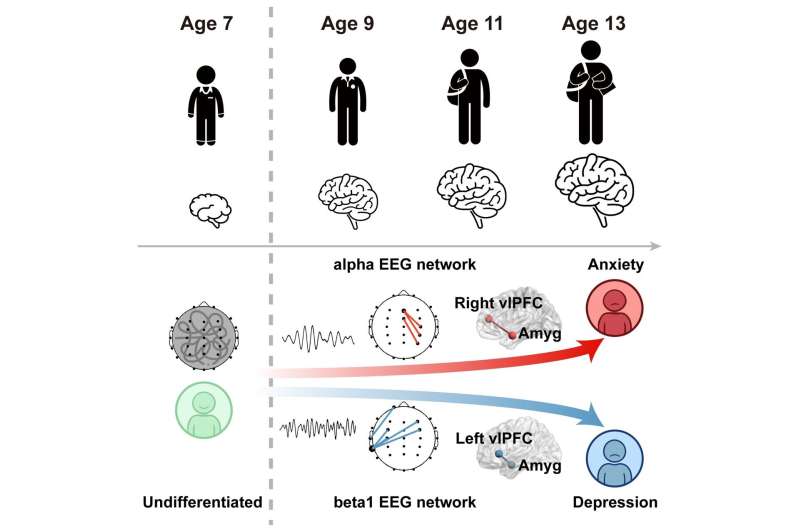
Alongitudinal study tracking children over a period of seven years has identified distinct brain-wave patterns emerging from age 9 that can forecast a child’s vulnerability to anxiety or depression by age 13. These predictive markers reveal divergent, hemisphere-specific neurodevelopmental trajectories. Anxiety is linked to activity on the right side of the brain, while depression is tied to the left.
Researchers developed transparent, flexible contact lenses that use electrical stimulation to treat depression, enhancing brain connectivity and increasing serotonin levels by 47%, comparable to top antidepressants.
A Phase 2 clinical trial found that a single 25 mg dose of psilocybin, alongside psychotherapeutic support, significantly reduces symptoms of recurrent depression, with antidepressant effects appearing by day two and 53% of participants reaching remission by six weeks. While well-tolerated, the study identified long-term efficacy issues and the challenge of patient blinding in psychedelic research.
A new study maps the functional remodelling strategies the brain deploys during simulated visual impairment.
Researchers are developing a multi-organ “organ-on-chip” device called the GlucoBrain project to connect human cellular models of the gut, pancreas, and brain in a biochip. This study will investigate the biological mechanisms linking diabetes to cognitive decline and Alzheimer’s by monitoring molecular signaling and cellular responses to glucose and hormone levels.
A healthy brain may help protect thinking and memory skills from the early effects of Alzheimer’s disease, a new study has found.
A major longitudinal cohort study revealed a compelling neuroprotective link between smoking cessation and a lowered risk of developing dementia. While the study does not definitively prove causation, the empirical data shows that individuals who quit smoking experience a 16% reduction in dementia risk compared to those who continue smoking, eventually matching the baseline risk levels of lifelong non-smokers after approximately seven years.
A multi-site study reveals that combining cannabis and tobacco, a trend known as “co-use”, significantly increases the long-term risk of developing full psychotic disorders like schizophrenia. The study tracked over 1,000 participants from the North American Prodrome Longitudinal Study, specifically focusing on adolescents and young adults already at “clinical high risk” for psychosis.
A new study reveals that long-term exposure to low levels of air pollution is directly linked to worse memory, comprehension, and processing speed.
A milestone pilot randomized controlled clinical trial delivered the first targeted clinical evidence that immunotherapy could serve as a powerful new treatment paradigm for treatment-resistant depression. The study investigated whether tocilizumab, an existing anti-inflammatory drug traditionally used to treat autoimmune conditions like rheumatoid arthritis, could alleviate depressive symptoms by blocking a specific inflammatory pathway.
Migraine with aura is linked to a higher risk of ischemic stroke in middle-aged and older individuals, as per a study in Neurology, while migraine without aura does not show this association; however, the study does not confirm causation.
New research argues that Spinal Cord Injury (SCI) must be reframed from a simple disruption of motor pathways into a fundamental systems-level disorder. The framework posits that SCI permanently fractures communication, desynchronizes physiological states, and halts learning across the entire brain–body–environment loop.
Finally, a new study has created a real-time method to detect alcohol-induced blackouts during drinking, tackling the challenge of identifying blackouts only after harmful incidents occur.
A landmark research paper for the first time maps the genetics of how individual regions of the brain age—and why some of those regions are the very ones most ravaged by Alzheimer’s and dementia. Published in the journal GeroScience, the paper is titled “Deep Neural Networks and Genome-Wide Associations Reveal the Polygenic Architecture of Local Brain Aging.”
A 19-year study reveals that mentally active sitting—such as reading or working—can reduce dementia risk, while passive sitting like watching TV increases it.
Can we “unlearn” fear using sound? Neuroscientists have shown that ultrasonic waves can help the brain overcome fearful memories. By targeting high-frequency vibrations at the amygdala, researchers slowed new fear formation and sped up the process of “unlearning” them. This non-invasive technology could be a breakthrough for treating PTSD and anxiety without surgery or drugs.
Older adults who develop delirium during a hospital admission face a substantially higher risk of dementia in later years, even if they had no prior health conditions, according to a major new population study.
A University of Michigan study indicates that young adults who frequently use substances like alcohol and cannabis may experience notably worse memory in later decades, with researchers comparing substance use from ages 18 to 30 to memory self-reports from ages 50 to 65.
A collaborative research study has, for the first time, identified a biological process that may help explain how the brain develops differently in people with Down syndrome.
Why do stressful moments so often push people toward habits like drinking? A new study offers one of the clearest answers yet, identifying a direct connection inside the brain that links stress to addiction-related behaviours. The work shows how alcohol disrupts the natural stress-response system, making it harder for the brain to adapt or make good decisions.
Researchers have developed a method that allows the increased movement of brain fluids during sleep to be tracked quickly and safely, without the need for injected contrast agents.
A research team has developed a synthetic “right-handed” protein fragment that is the mirror image of natural proteins, allowing it to intercept and neutralise disordered amyloid-beta proteins associated with Alzheimer’s disease, thereby preventing the formation of harmful plaques in the brain.
Multiple regions of the brain engage in fast-moving conversations to understand language, researchers have discovered, dispelling a prior school of thought that only one region of the brain was responsible for language processing. The research was published in PLOS Biology.
The risk of Alzheimer’s disease significantly decreases in older adults who receive a higher dose of the influenza vaccine compared to the standard dose, according to new research.
Having higher levels of vitamin D in the blood in middle age is associated with lower levels of tau protein in the brain, which is a sign of dementia, years later, according to a study published in Neurology Open Access. The study does not prove that vitamin D levels lower the level of tau and the risk of dementia; it only shows an association.
How does the brain time its own development? A new study explores histone bivalency—an epigenetic “red and green light” system that prevents premature neuron maturation and helps adult brains respond to stress and injury.
An international study published across 34 countries shows that the biological age of the brain can be accelerated or delayed by environmental risk (air pollution, public housing conditions) and protective factors (socioeconomic equality, access to health care). The stronger effects arise from interactions among environmental, social, and political conditions.
Finally, this week, neuroscientists have demonstrated for the first time that noninvasive brain stimulation can alter the activity of a critical deep brain region involved in emotion and memory.
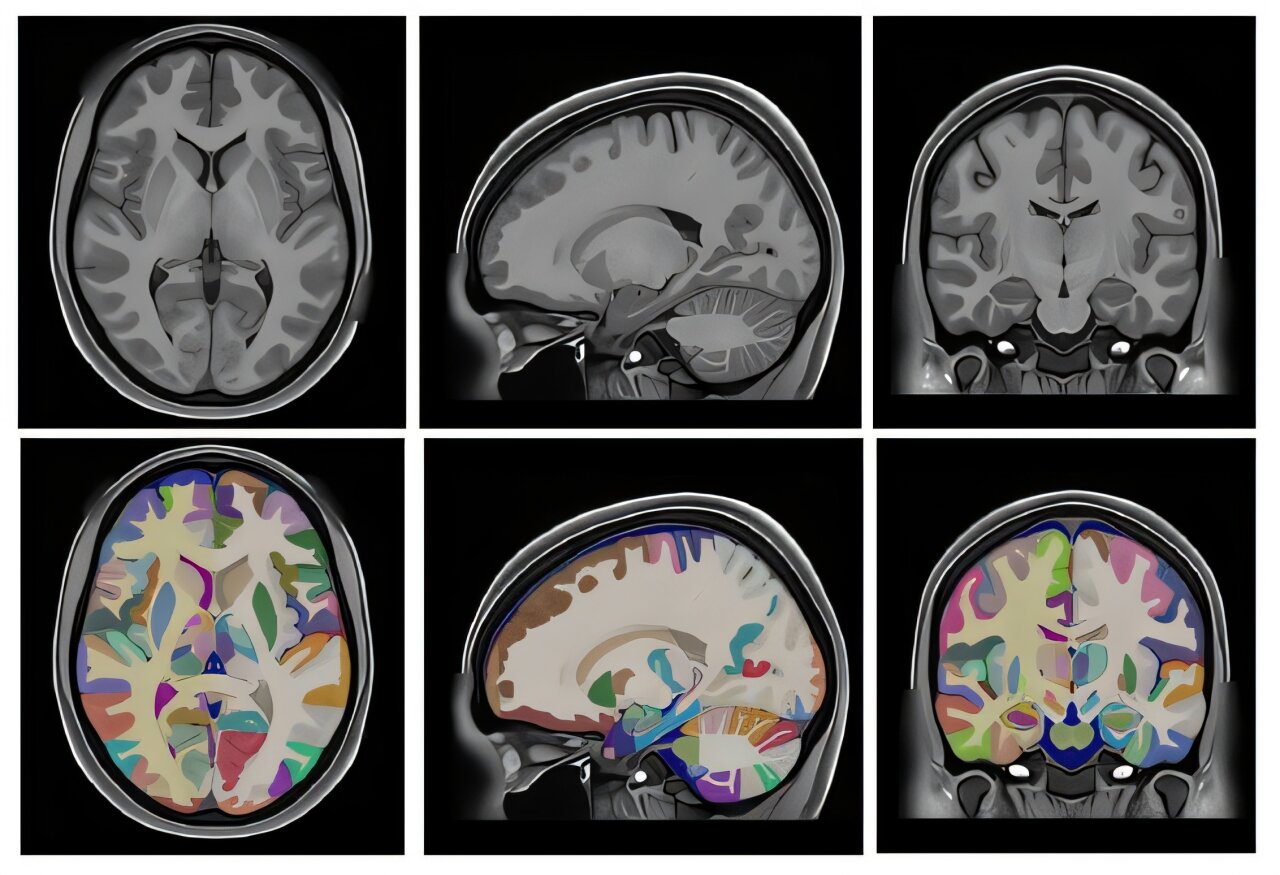
HoliAtlas Project Brain Images. Credit: Instituto de Aplicaciones de las Tecnologías de la Información y de las Comunicaciones Avanzadas (ITACA), Universitat Politècnica de València
An international team has developed one of the most comprehensive and detailed structural atlases of the human brain to date. Known as HoliAtlas, it will be particularly useful for the study and early diagnosis of neurological and neurodegenerative diseases, such as Alzheimer’s or Parkinson’s.
Scientists have uncovered a strategy that the brain uses for chemical signalling. In a new study, researchers found that in the striatum, a brain region central to learning and movement, one signalling system can seize control of another, promoting the coordinated release of both.
A meta-analysis has confirmed that exposure to nature—real, virtual, or imagined—reduces negative emotions and boosts brain health.
A massive study of over 2.2 million individuals has fundamentally redefined how we understand the genetics of addiction. The research reveals that most genetic risk for substance use disorders (SUD) isn’t about how the body reacts to a specific drug, but how the brain is “wired” for behavioural disinhibition.
A meta-analysis found no link between hormonal contraception and idiopathic intracranial hypertension (IIH), a serious condition marked by increased pressure around the brain, potentially causing chronic headaches and vision loss.
A machine-learning analysis of brain waves recorded during sleep may help identify people at high risk of developing dementia, according to a recent study. The study found that when a person’s “brain age,” estimated from sleep signals using EEG, exceeded their actual age, the risk of dementia increased.
A major study has found that treating ADHD with stimulant medication during childhood may actually lower the long-term risk of developing serious psychotic disorders, such as schizophrenia.
New research shows that the long-term neurological impact of childhood trauma is not permanently etched onto the brain. An analysis of brain communication patterns in individuals with childhood adversity indicates that lifetime physical activity can reshape neural connectivity, strengthening internal communication and optimizing stress response. The findings from the studyin Biological Psychiatry: Cognitive Neuroscience and Neuroimaging highlight physical activity as a modifiable lifestyle factor linked to neurobiological adaptation.
An international team has completed a massive “blueprint” of the human neocortex, the brain’s outer layer responsible for high-level thinking, decision-making, and sensory processing.
A clinical decision support tool that uses artificial intelligence (AI) to analyze scans after a stroke alongside treatment recommendations is associated with better quality care and long-term outcomes for patients compared with usual care, finds a recent study publishedin The BMJ.
Can a stroke make part of your brain younger? New research using deep learning reveals that undamaged brain regions reorganise and show “youthful” structural patterns to compensate for severe stroke damage.
New research identifies a leaky blood-brain barrier as the primary link between repetitive head injuries and long-term cognitive decline in retired athletes. MRI scans compared with post-mortem tissue from athletes with Chronic Traumatic Encephalopathy reveal that this barrier remains compromised even years after retirement.
Scientists have identified a new genetic disease characterised by premature ageing and deficits in brain function.
Consciousness and its impairment from brain injuries are not well understood, making disorders of consciousness (DOC), like coma and vegetative states, challenging to treat. A new study published in Nature Neurosciencesuggests that AI may help researchers tackle this issue. The research team developed an adversarial AI framework to better understand states of reduced consciousness and explore potential solutions.
Finally this week, new research shows that periodontal tissue status, peripheral immune response, and cognitive functions are closely interconnected.
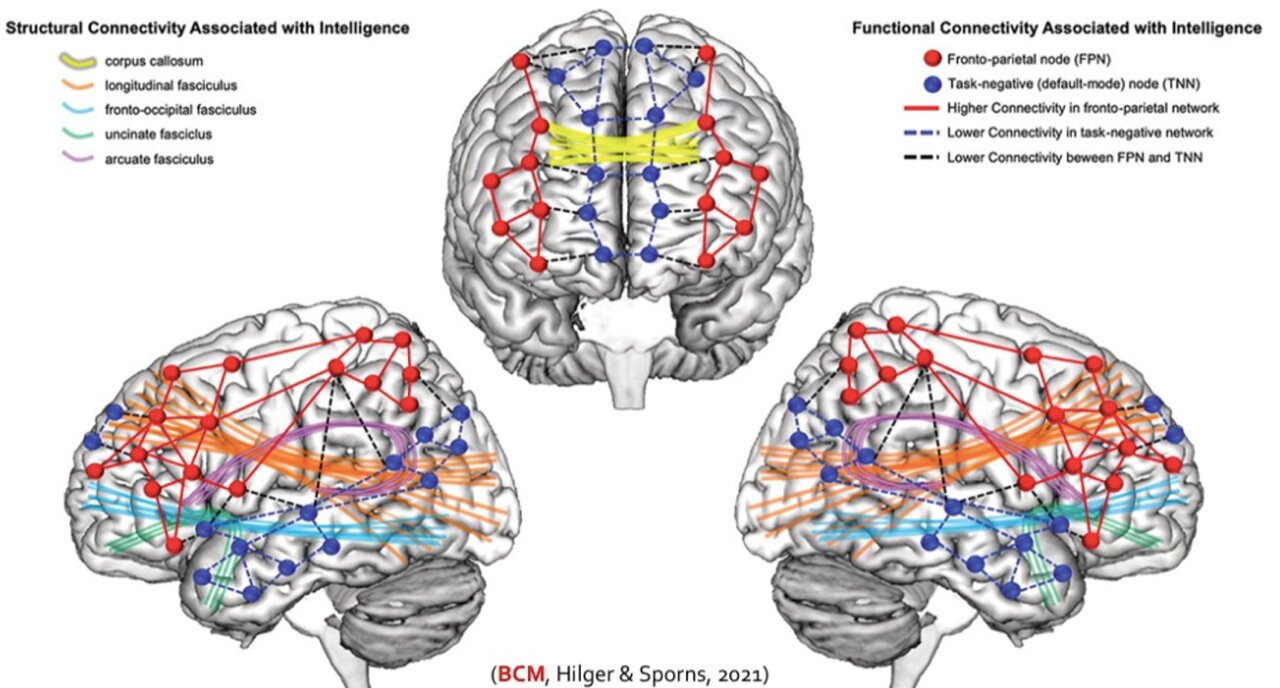
The Brain Connectivity Model of Intelligence. Schematic illustration of selected brain connections that have been linked to intelligence differences across studies. Adapted from Hilger & Sporns, 2021. Credit: Thiele et al.
Neuroscientists have developed machine learning models to predict human intelligence.
Researchers have found that incorporating specific nutrients into a regular diet may reduce iron buildup in the brain—a factor associated with cognitive decline in normal aging. The research team said the findings offer valuable insights for future clinical trials aimed at evaluating the impact of similar nutritional intake on brain iron accumulation and cognitive function.
The short-term boost our brains get after we do exercise persists throughout the following day, suggests a study led by UCL (University College London) researchers.
Thirteen proteins linked to brain aging in humans areidentifiedin a Nature Aging paper. Changes in the concentrations of these blood proteins may peak at 57, 70, and 78 years old in humans, and suggest that these ages may be important for potential interventions in the brain aging process.
A team of scientists has uncovered a novel mechanism that reshapes our understanding of how blood flow is regulated in the brain. The study, published in The Proceedings of the National Academy of Sciences introduces Electro-Calcium (E-Ca) Coupling, a process that integrates electrical and calcium signaling in brain capillaries to ensure precise blood flow delivery to active neurons.
Researchers at the Yale School of Medicine found structural and functional alterations in specific brain regions of individuals with opioid use disorder. The study’s results were published in Radiology.
A new study has identified a unique brain network that links varied patterns of brain atrophy, or shrinkage, associated with schizophrenia. By combining neuroimaging data from multiple studies involving more than 8,000 participants, the research team found a specific connectivity pattern of atrophy that was present across different stages and symptoms of schizophrenia—and distinct from brain networks associated with other psychiatric disorders.
New research provides valuable insights into the brain-body immune connection, identifying key communication hubs in the dural sinuses and skull bone marrow at the back of the head.
New research shows that slow-wave sleep strengthens synaptic connections in the neocortex, making it more receptive to long-term memory formation. Researchers found that during deep sleep, synapses in the neocortex reach peak efficiency at precise moments within slow-wave oscillations.
A new study suggests how brain, with sleep, learns meaningful maps of spaces.
A large-scale study revealed that genetic variants linked to dyslexia are associated with differences in brain areas controlling motor coordination, vision, and language. Using data from over a million individuals, researchers calculated genetic “polygenic scores” for dyslexia and analyzed their relationship to brain structures. Higher genetic risk for dyslexia was tied to lower volumes in brain regions related to speech processing and movement, and increased volumes in the visual cortex. Differences in the brain’s internal capsule, which connects regions, were also observed.
Cognitive impairment, especially in learning and memory, is more likely among people with epilepsy, according to a newly published study.
A recent study explores how connections across the entire brain predict human intelligence, moving beyond traditional focus on specific brain areas like the prefrontal cortex. Using fMRI data from over 800 individuals, researchers analyzed communication between brain regions to predict fluid, crystallized, and general intelligence scores. Findings reveal that distributed brain-wide connections play a crucial role, surpassing existing models that emphasize localized regions. This research highlights intelligence as a global property of the brain, offering fresh perspectives for understanding cognitive processes.
The chromosomal disorder 22q11.2 deletion syndrome (22q) has emerged as one of the strongest risks for schizophrenia.
New research reveals that brain structure varies with reading ability, particularly in the left hemisphere. Better readers have distinct traits, including a larger anterior temporal lobe for integrating word meaning and a thicker left Heschl’s gyrus for phonological processing.
Night shifts and poor sleep quality are associated with an increased risk for incident epilepsy, according to a study published in BMC Public Health.
People with severe, treatment-resistant depression who received a nerve-stimulating therapy showed significant improvement in depressive symptoms, quality of life and ability to complete everyday tasks after a year, according to the results of a national, multicenter clinical trial.
Finally this week, researchers have found a relationship between lifestyle choices that affect dementia risk and early signs of aging in the brain.
Crime films, action films, comedies, or documentaries? A person’s favourite film genre reveals a lot about how their brain works. This is the finding of a new study that compared data on film preferences with recordings of the brain activity of around 260 people.
Using functional magnetic resonance imaging (fMRI), neuroscientists have identified several regions of the brain that are responsible for processing language.
Certain regions of the brain show changes during the early stages after quitting drinking that may contribute to increased anxiety and relapse rates in people attempting recovery from alcohol use disorder, according to a recent study.
Scientists have discovered a mutation in SARS-CoV-2, the virus that causes COVID-19, that plays a key role in its ability to infect the central nervous system. The findings may help scientists understand its neurological symptoms and the mystery of “long COVID,” and they could one day even lead to specific treatments to protect and clear the virus from the brain.
Scientists have identified how gene variations lead to brain changes associated with essential tremor, a common movement disorder affecting over 60 million people worldwide.
A new study reveals that non-cognitive skills like motivation and self-regulation are as crucial as intelligence in determining academic success. These skills, influenced by both genetics and environment, grow increasingly important throughout a child’s education.
Researchers have developed an innovative device that can diagnose glioblastoma, an aggressive brain cancer, in under an hour using a novel biochip.
A recent study investigates how the brain reacts to different types of love, ranging from parental to romantic, through sophisticated imaging methods. The findings indicate that the love for one’s children elicits the strongest brain response, particularly within the reward system.
Researchers have developed a system that detects genetic markers of autism in brain images with 89-95% accuracy, potentially enabling earlier diagnosis and treatment.
In a small pilot study, researchers used a new closed-loop system to measure the electrical brain patterns of individual patients and then stimulate those patterns with a weak electrical current, resulting in significantly improved symptoms of major depressive disorder.
A deeper understanding of the communication inside the body when someone is going through opioid withdrawal has led to a new clinical trial at the University of Calgary.
Researchers have developed a brain-inspired AI technique that utilizes neural networks to model the complex quantum states of molecules, which are essential for technologies such as solar panels and photocatalyst.
Finally this week, a new finding could open doors to new treatments for a range of psychiatric and neurological disorders attributed to dysfunctions in specific dopamine pathways.
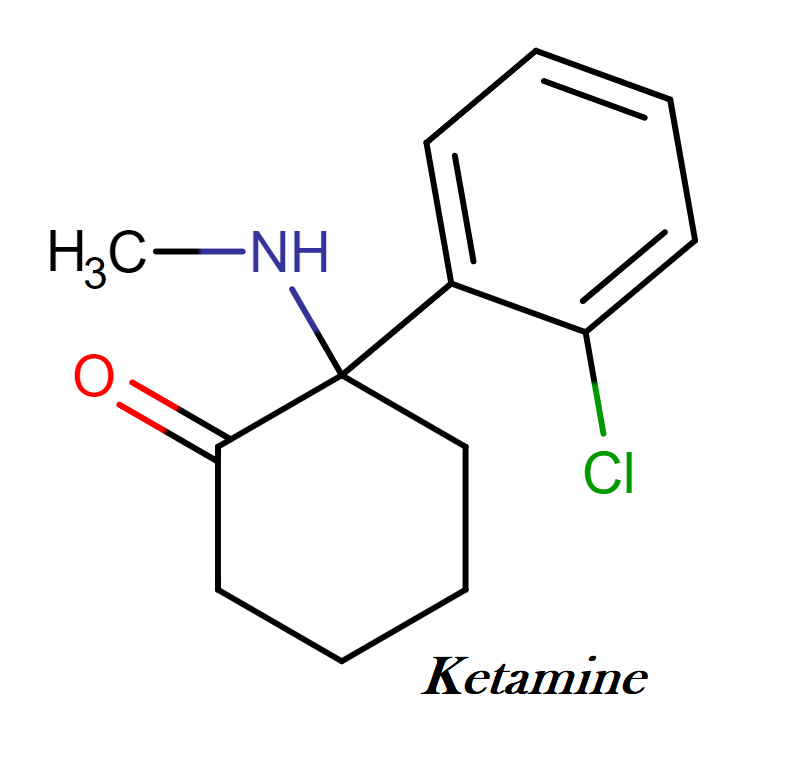
The entertainment world was recently shaken by the tragic passing of Matthew Perry, the beloved actor best known for his role as Chandler Bing on the iconic sitcom “Friends.” Perry’s death, linked to a ketamine overdose, has cast a spotlight on this complex drug, its therapeutic potential, and its inherent dangers. In this post, we’ll explore ketamine’s effects on the brain, its promise in mental health treatment, and the critical need for responsible use and regulation.
Ketamine: A Brief Overview
Ketamine, first synthesized in 1962, has a long history as an anesthetic and analgesic. During the late 1960s, ketamine was marketed as the dissociative (out-of-body experience) anesthetic, under the name Ketalar and was used to treat soldiers in the Vietnam War. The abuse potential of ketamine was recognized in the early 1970s, but reports of ketamine abuse in human and veterinary medicine did not appear until the early 1980s in Australia and in the early 1990s in the United States. In recent years, it has gained significant attention for its rapid antidepressant effects, particularly in cases of treatment-resistant depression. Ketamine’s primary mechanism of action involves blocking the NMDA receptor for glutamate in the brain, leading to a dissociative state and a cascade of neurochemical changes.
Ketamine’s Impact on the Brain
Findings from my own laboratory in 1997 showed that repeated ketamine intake alters the balance between the neurotransmitters dopamine and serotonin in the brain. Ketamine’s interaction with the NMDA receptor for glutamate triggers a surge in glutamate, a neurotransmitter vital for learning and memory. This glutamate surge is thought to promote the growth of new synapses and neural connections, particularly in brain regions associated with mood regulation. Additionally, ketamine disrupts the default mode network (DMN), a brain network linked to rumination and self-referential thinking, which may contribute to its antidepressant effects. Research also suggests that ketamine may stimulate neurogenesis (the growth of new neurons) and promote neuroplasticity (changes in neural connections).
Ketamine’s Impact on the Mind
Ketamine’s psychological actions have been characterized as similar to temporary schizophrenia. Healthy volunteers receiving ketamine in an experiment have experienced sensations reminiscent of LSD. Ketamine can prompt people to feel like they are becoming transparent, blending into nearby individuals, or becoming an animal or object. Users may feel like their bodies are transforming into harder or softer substances. Persons may think they remember experiences from a past life. Some users take the drug to enter a semi-paralytic state described as similar to near-death experiences in which people perceive their consciousness as floating above their bodies, sometimes accompanied by meaningful hallucinations and by insights about the user’s life and its proper place in the cosmos.
The Promise of Ketamine in Mental Health
When administered at a therapeutic dose ketamine’s rapid antidepressant effects have revolutionized the field of mental health treatment. Studies have shown that a single therapeutic dose of ketamine can alleviate depressive symptoms within hours, offering hope to individuals who have not responded to traditional antidepressants. In fact, so effective is therapeutic ketamine that it has been proposed as a chemical replacement for electroconvulsive therapy (ECT) and it may eventually replace the need for ECT altogether. Beyond depression, ketamine is being investigated for its potential in treating anxiety disorders, PTSD, and addiction.
The Perils of Ketamine
While ketamine holds immense therapeutic promise, it is crucial to acknowledge its risks. Ketamine can cause dissociative effects, hallucinations, and other adverse reactions. Moreover, it has a potential for abuse and addiction, as tragically illustrated by Matthew Perry’s case. Long-term effects of ketamine use on brain function and cognition remain an area of ongoing research.
Lessons from the Death of Matthew Perry
Matthew Perry’s untimely death serves as a poignant reminder of the dangers of substance abuse, even with substances that have therapeutic potential. It underscores the critical need for responsible use, careful monitoring, and effective regulation of ketamine.