Weekly Neuroscience Update

Reading Pleasure and Pain from the Brain

Functional brain networks that are connected to the affective intensity and valence information. Left: The affective valence information is connected to the limbic and default mode networks, and the affective intensity information is connected to the ventral attention network. Right: The probability that the affective intensity and valence is connected to each of seven functional brain networks. Credit: Proceedings of the National Academy of Sciences (2024).

A team of researchers has revealed how the brain processes emotional information of sustained pain and pleasure.

Scientists have uncovered the inner relay of a molecular switch that protects the brain against the development of Parkinson’s disease. The research provides new potential strategies to develop drugs that may benefit patients with Parkinson’s.

Brain-to-brain technology boosts brain-computer interface performance, a new study demonstrates.

Researchers have identified, for the first time, disease-specific reduction in emotional expressivity in Lewy body dementia by quantifying vocal expression of emotions using deep neural network techniques. This reduction in vocal emotional expressions was associated with cognitive impairment and specific brain region atrophy and could serve as a distinguishing factor for individuals with Lewy body dementia.

A new study finds the timing of brain waves shapes the words we hear.

New research has given a precise picture of young children’s developing brains, using a wearable brain scanner to map electrical brain activity. The work opens up new possibilities for tracking how critical developmental milestones, like walking and talking, are underpinned by changing brain function, and how neurodevelopmental conditions like autism emerge.

A new AI technique can identify seizure types, including rare forms of epilepsy.

A new study reveals that a poor quality diet may lead to brain changes associated with depression and anxiety. Researchers found that unhealthy eating habits reduce grey matter and alter neurotransmitter levels in the brain.

Research sheds new light on the contribution of dopamine to reinforcement learning.

A new study uncovered neural mechanisms used in planning, revealing an interplay between the prefrontal cortex and hippocampus. The study shows how the brain imagines future outcomes to guide decisions.

Losing the ability to smell properly—a common sensory deficit as people age—may help predict or even contribute to the development of heart failure, new research suggests.

A new study reveals that the main psychoactive component in cannabis or marijuana disrupts the normal connections and activity of the brain’s prefrontal cortex, a region that is crucial for decision-making and self-control.

Finally this week, people tend to underutilize their visual working memory rather than maxing out its capabilities according to new research.

Weekly Neuroscience Update

 Credit: Radiological Society of North America

Low-level light therapy appears to affect healing in the brains of people who suffered significant brain injuries, according to a study published in Radiology.

An international team of clinicians and neuroscientists has published a new perspective on the process of neurodegeneration. Their findings review evidence for a mechanism upstream of amyloid including the key neurochemical driving this process.

A new study reveals the brain mechanisms behind speech impairment in Parkinson’s disease.

Researchers designed and implanted a transparent window in the skull of a patient, then used functional ultrasound imaging to collect high-resolution brain imaging data through the window. Their preliminary findings, published in Science Translational Medicine, suggest that this sensitive, non-invasive approach could open new avenues for patient monitoring and clinical research, as well as broader studies of how the brain functions.

New research finds that reports of cognitive decline from patients and their partners are linked to the accumulation of tau tangles, a hallmark of Alzheimer’s disease.

A new study finds a link between a diet high in ultra-processed foods and an increased risk of cognitive impairment and stroke. This association was particularly pronounced among Black participants. While more research is needed, the findings highlight the potential impact of food processing on brain health.

New research has found a distinct relationship between sleep duration, social media usage, and brain activation across brain regions that are key for executive control and reward processing.

For patients with chronic migraine, nerve decompression surgery effectively reduces the number of headache days—the outcome measure preferred by neurologists—along with other measures including the frequency and intensity of migraine attacks, reports a study in the June issue of Plastic and Reconstructive Surgery.

A new study uncovers a key biological process targeted by SSRIs, suggesting new clinical applications.

Researchers have reported that patients with Parkinson’s disease exhibiting sympathetic denervation in the major salivary glands and the heart tend to have more advanced non-motor symptoms as they age, suggesting that age plays an important role in disease progression.

An international study, published in Nature Communications, may facilitate the creation of new personalized treatments for people diagnosed with schizophrenia. 

A World Health Organization-commissioned systematic review finds that radio wave exposure from mobile phones does not affect learning, memory, attention span and other cognitive functions like coordination.

Researchers have leveraged the power of artificial intelligence analytical models to match a patient’s medical history to the most effective antidepressant, allowing patients to find symptom relief sooner.

A new study finds a strong association between teen cannabis use and a significantly increased risk of developing psychotic disorders. This risk appears to be age-dependent, with adolescents being particularly vulnerable to the effects of cannabis on their developing brains. While further research is needed, these findings raise concerns about early cannabis use and highlight the importance of prevention strategies.

Does sleep clear more toxins from the brain than when we’re awake? The latest research casts doubt on the theory.

A new study finds that urolithin A, a substance found in pomegranates, can improve memory and may help treat Alzheimer’s disease. This natural compound works by removing damaged mitochondria from the brain, similar to the effects of NAD supplements. While dosage is still being determined, this discovery offers promising potential for treating and preventing neurodegenerative diseases.

Finally this week, our willingness to help others is governed by a specific brain region pinpointed by researchers in a study of patients with brain damage to that region.

Weekly Neuroscience Update

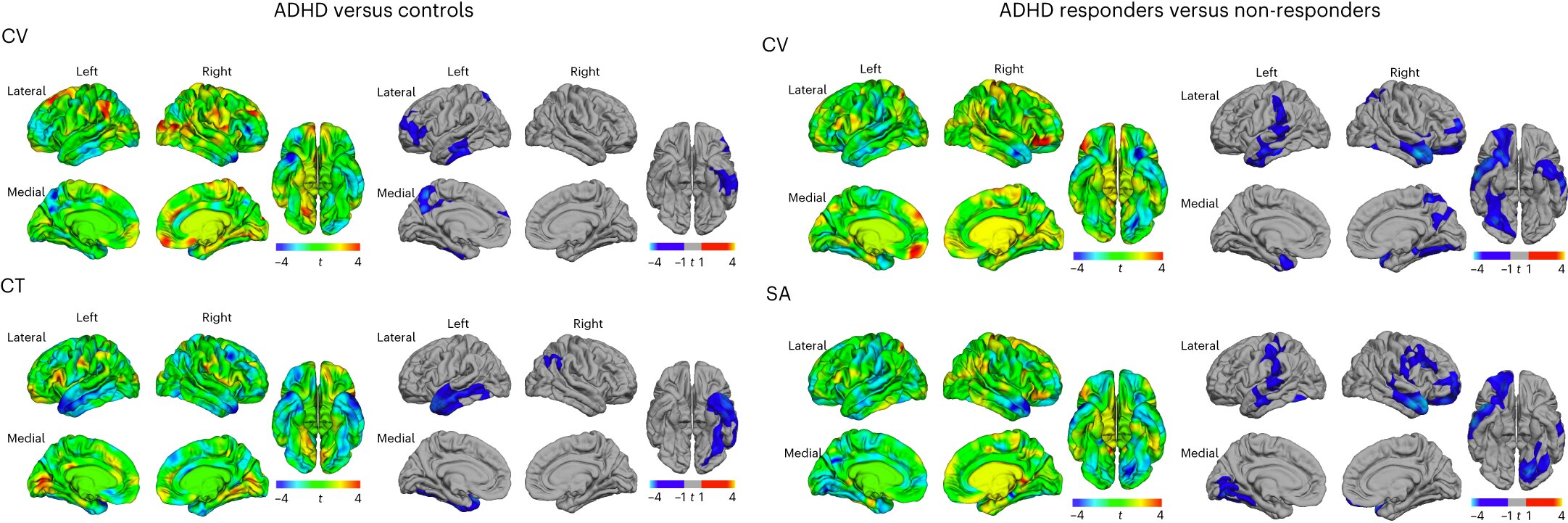
Vertex-wise comparisons between ADHD (N = 60) and controls (N = 23), and between ADHD responders (N = 42) and non-responders (N = 18). Credit: Nature Mental Health (2024).

New research has found that the effectiveness of ADHD medication may be associated with an individual’s neuroanatomy.

Although there are still some aspects pending confirmation for its use in the clinical setting, and its resolution needs to be improved slightly, a new study has shown that a method routinely used to carry out ophthalmological tests can also be used to monitor the neurodegeneration that occurs in Parkinson’s patients.

Scientists have uncovered a mechanism in the brain that allows cocaine and morphine to take over natural reward processing systems.

New research has identified a specific pattern of autoantibodies in the blood that precedes the clinical onset of multiple sclerosis (MS), potentially paving the way for early diagnosis and treatment. Their study found that 10% of MS patients displayed a unique set of autoantibodies against both human proteins and common pathogens like the Epstein-Barr Virus years before showing symptoms.

Researchers have identified a promising new approach to treating persistent neurological symptoms associated with Lyme disease.

A new study investigates why everyday actions like locking a door are often forgotten. The study revealed that while emotionally charged or unique events are initially memorable, even these can fade within 24 hours, particularly positive experiences. This research provides insight into the selective nature of memory and suggests that our brains prioritize and even forget information to manage cognitive load.

Managing a stroke patient’s blood sugar levels after they receive powerful clot-busting drugs might help them survive their health crisis, a new trial finds.

Researchers have created a thin film that combines an electrode grid and LEDs that can both track and produce a visual representation of the brain’s activity in real time during surgery. The device is designed to provide neurosurgeons with visual information about a patient’s brain to monitor brain states during surgical interventions to remove brain lesions including tumors and epileptic tissue.

A new study identifies a new metric for diagnosing autism.

New research has found a significant association between participating in low to moderate intensity exercise and reduced rates of depression.  However, this was not strongly observed for high-intensity exercise. Physical activity was also significantly associated with reduced risk of severe mental health conditions, including a reduction in psychosis/schizophrenia by 27%.

An international collaborative research team has discovered a novel mechanism underlying memory involving rapid changes in a specific DNA structure.

People who take acid-reducing drugs may have a higher risk of migraine and other severe headache than people who do not take these medications, according to a study published in the online issue of Neurology Clinical Practice

Finally this week, new research has highlighted the profound link between dietary choices and brain health.

Weekly Neuroscience Update

Synergetic framework. Credit: Trends in Cognitive Sciences

A new model for understanding the brain paves the way for more accurate diagnoses and treatments.

For people with drug-resistant epilepsy, having a dog companion trained in detecting seizures and other epilepsy-related tasks may reduce the amount of seizures they have, according to new research published in Neurology

New research shows that continued cocaine use disrupts communication between major brain networks.

Researchers are embarking on a pioneering study to uncover how genes associated with autism spectrum disorders (ASD) converge to affect brain neurons, particularly leading to heightened sound sensitivity. This research aims to identify common neural circuit mechanisms that may underlie the diverse genetic pathways contributing to ASD, focusing on auditory hypersensitivity, a condition that significantly impacts individuals’ lives.

Two new studies explore how closely attention and eye movements are linked and reveal how the brain coordinates the two processes.

A pioneering new study using virtual reality (VR) aims to identify early signs of Alzheimer’s disease through impaired spatial navigation in asymptomatic adults at risk. By testing 100 middle-aged adults with genetic, familial, or lifestyle risk factors for Alzheimer’s, the study discovered that spatial navigation difficulties in VR environments precede traditional cognitive decline symptoms. Notably, this impairment was more pronounced in men than women, suggesting a gender-specific vulnerability

Mounting research shows that COVID-19 leaves its mark on the brain, including significant drops in IQ scores.

A daily fiber supplement improved brain function in people over 60 in just 12 weeks. The study, published recently in Nature Communications showed that this simple and cheap addition to diet can improve performance in memory tests associated with early signs of Alzheimer’s disease.

A new study has found mutations in key brain cells among individuals with chronic opioid use that could shift how we think about treatment strategies for opioid use disorder.

According to a Mayo Clinic study published in Nature Neuroscience, the cells that act as the central nervous system’s first line of defense against harm also play a role in helping the brain awaken from anesthesia. This discovery could help pave the way for innovative methods that address post-anesthesia complications.

Scientists have trained a bank of AI models to identify patterns of brain activity that signal memory formation.

People who experience sleep apnea may be more likely to also have memory or thinking problems, according to a preliminary study that will be presented at the American Academy of Neurology’s 76th Annual Meeting taking place April 13–18, 2024.

Schizophrenia is associated with an increased risk of subsequent cardiovascular disease events, with the association stronger in women, according to a new study.

New research delves into the genetic underpinnings of language development in early childhood and its implications for later cognitive abilities and neurodevelopmental disorders such as Attention-Deficit/Hyperactivity Disorder (ADHD) and Autism Spectrum Disorder (ASD). Interestingly, the research highlights a developmental shift in the genetic associations with ADHD symptoms, suggesting that the role of genetics in language development and its impact on neurodevelopmental outcomes is complex and changes over time. This study underscores the importance of understanding the early linguistic journey as a window into a child’s future mental health and cognitive prowess.

Finally this week, a new neuroimaging study is the first to reveal how the brain gets to the creative flow state.

Weekly Neuroscience Update

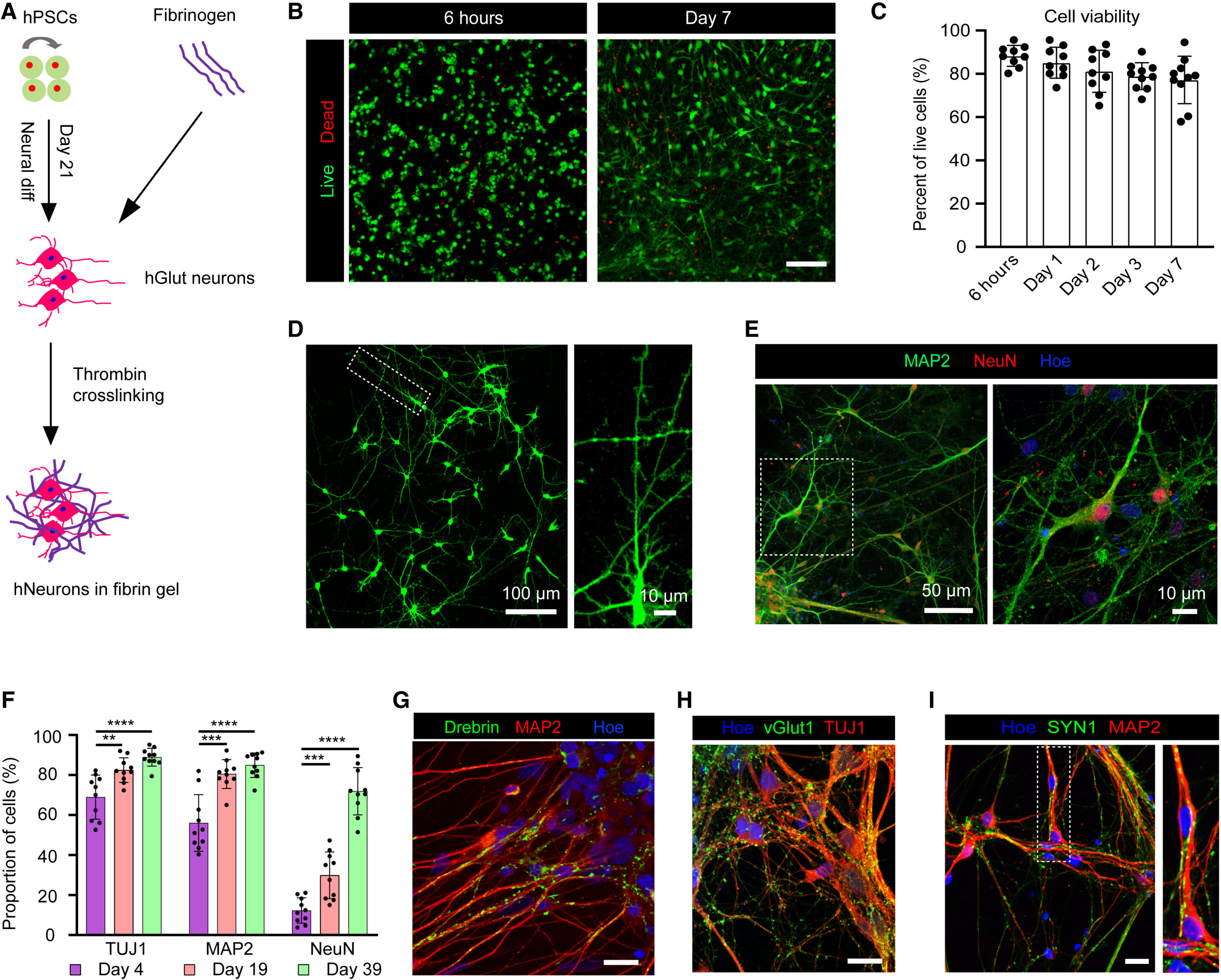
Credit: Cell Stem Cell (2024). DOI: 10.1016/j.stem.2023.12.009

Researchers have developed the world’s first 3D-printed brain tissue that grows and behaves similarly to natural brain tissue, marking a significant leap forward for neurological and neurodevelopmental disorder research.

For patients with Parkinson disease differences in quality of life outcomes are seen with deep brain stimulation of the subthalamic nucleus (STN-DBS), according to a recent study.

New findings published in the journal Nature Neuroscience have shed light on a mysterious pathway between the reward center of the brain that is key to how we form habits, known as the basal ganglia, and another anatomically distinct region where nearly three-quarters of the brain’s neurons reside and assist in motor learning, known as the cerebellum.

Researchers have shown that a blood test can pinpoint the underlying cause of brain injury in newborns.

A new study suggests that high-intensity training (HIT), compared to conventional training, may improve walking ability in patients with chronic traumatic brain injury (TBI). Possible secondary benefits may include improved aerobic capacity/efficiency and cognition.

A team of scientists has unveiled a potential game-changer in the fight against glioblastoma, the most common and currently incurable form of brain cancer.

Combining brain stimulation with intense physical rehabilitation helped stroke survivors recover movement in their arms and hands and maintain these improvements for one year, according to a study to be presented at the American Stroke Association’s International Stroke Conference 2024.

Psychologists have investigated the extent to which neuromodulation of the brain with ultrasound waves influences people’s behavior. The results can also be used as a basis for therapeutic purposes.

A preliminary study reveals that intravenous injections of ginkgo biloba components could significantly improve early cognitive recovery in ischemic stroke patients. Conducted across multiple centers in China, the research tested the effects of ginkgo diterpene lactone meglumine (GDLM) on 3,163 stroke survivors, showing notable improvements in cognitive scores compared to a placebo group.

The brains and blood of people with a history of excessive drinking show cellular evidence of premature aging.

A new study gives insights into the underlying mechanisms of the formation of protein clumps in Alzheimer’s disease. The study could pave the way for new treatments for this devastating neurodegenerative disorder.

Finally, this week, engaging in music throughout your life is associated with better brain health in older age, according to a new study.

Weekly Neuroscience Update

Credit: eLife (2023)

Researchers have investigated the shared and unique neural processes that underlie different types of long-term memory: general semantic, personal semantic, and episodic memory, suggesting that these memory types all use the same network of the brain, rather than relying on different areas of the brain altogether. This questions a previous theory that characterizes general semantic and episodic memory as two distinct systems. Instead, the authors suggest that different long-term memory types could be viewed as a spectrum, where they rely on activating the same areas of the brain at differing magnitudes.

Scientists can now pinpoint where someone’s eyes are looking just by listening to their ears.

Using a specialized device that translates images into sound, neuroscientists have shown that people who are blind recognize basic faces using the part of the brain known as the fusiform face area, a region that is crucial for the processing of faces in sighted people.

People with long COVID exhibit patterns of changes in the brain that are different from fully recovered COVID-19 patients, according to new research.

What is the mechanism that allows our brains to incorporate new information about the world, and form memories? New work led by Dr. Tomás Ryan from Trinity College Dublin shows that learning occurs through the continuous formation of new connectivity patterns between specific engram cells in different regions of the brain.

New research indicates that acoustic stimulation of the brain may ease persistent symptoms in individuals who have experienced mild traumatic brain injury in the past.

Scientists have discovered that Alzheimer’s-related changes in brain networks extend beyond memory and attention, impacting sensory and motor circuits. These findings challenge previous assumptions about Alzheimer’s effects.

A pivotal discovery in addiction science has found a correlation between microstructural deficits in the prefrontal cortex-habenula tract and the development and maintenance of addiction.

Researchers have unveiled a pioneering technique for charting the intricate conversations occurring within our brains. Such insights are key to decoding behavioral alterations in neurological disease patients. The innovative tool, CaMPARI, allows scientists to witness brain activity in real-time, marking active neurons red and inactive ones green. This breakthrough could offer pathways to better treatments and understanding of diseases like Alzheimer’s.

A team of neuroscientists has found evidence suggesting that the neural development of babies still in the womb is impacted by the language they hear spoken by their mothers as they carry them.

A new study has discovered a link between a new gene pathway and structural brain anomalies in some people who stutter into adulthood, opening up promising research avenues to enhance the understanding of persistent developmental stuttering.

Finally this week, researchers have developed a tool that simplifies the identification of errors in neural networks used for image recognition.

Weekly Neuroscience Update

Credit: Psychological Bulletin (2023)

A new study has provided the first clear picture of where language processes are located in the brain. The findings may be useful in clinical trials involving language recovery after brain injury.

Researchers have developed a model for studying one type of familial epilepsy, opening the door to understanding—and eventually targeting—the mechanisms that lead to the disorder and its associated fatalities.

A new study published in Nature Medicine sheds light on how biological sex influences brain function and its impact on the risk of various brain-related diseases.

A breakthrough technique developed by University of Oxford researchers could one day provide tailored repairs for those who suffer brain injuries. The researchers have demonstrated for the first time that neural cells can be 3D-printed to mimic the architecture of the cerebral cortex.

A research team has identified new potential treatments for children with rare genetic conditions of blood vessels, which cause severe, symptoms like seizures and impaired development.

Scientists have discovered new insights into how our brain stores episodic memories—a type of long-term, conscious memory of a previous experience—that could be critical to the development of new neuroprosthetic devices to help patients with memory problems, like Alzheimer’s disease and dementia.

A global blood test for concussion could be a step closer after a new study discovered specific proteins or biomarkers that can help diagnose concussions relatively quickly and accurately.

The brain circuitry that is disrupted in Alzheimer’s disease appears to influence memory through a type of brain wave known as theta oscillation, a team led by UT Southwestern Medical Center researchers report. The findings, published in Nature Communications, could help researchers design and evaluate new treatments for Alzheimer’s, a condition that affects millions of people around the globe and has no cure.

Finally this week, a new study reveals the role of vascular system cells—pericytes—in the formation of long-term memories of life events—memories that are lost in diseases such as Alzheimer’s disease. 

Weekly Neuroscience Update

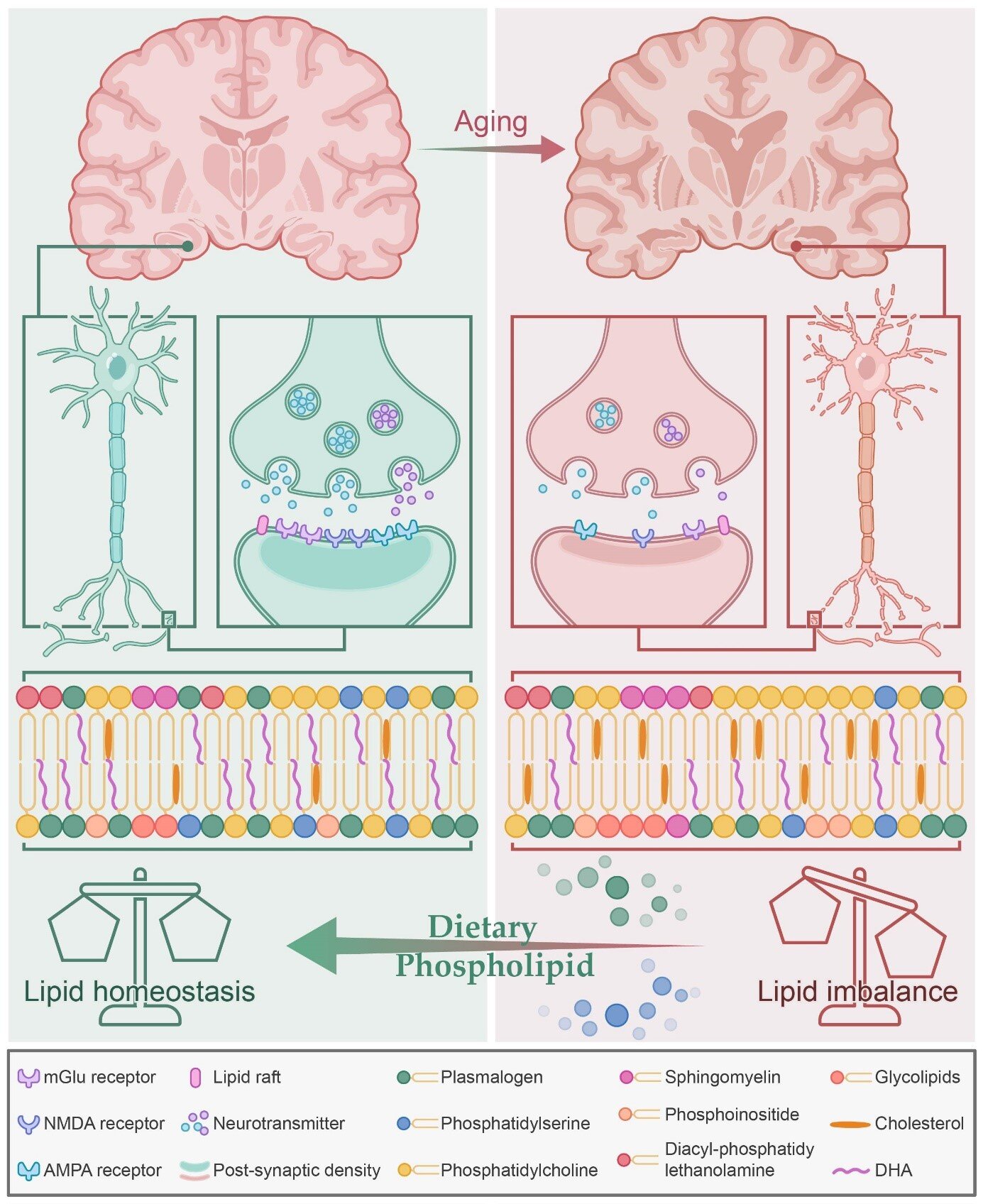
Dietary phospholipid intervention could prevent brain aging by maintaining lipid homeostasis and enhancing synaptic plasticity. Credit: Wei Xiong et al.

A new review highlights the significant role of dietary lipids in preventing brain aging and cognitive decline. As the global burden of aging-related brain diseases, particularly dementia, continues to rise, this research offers promising insights into potential nutritional interventions that could improve brain function during aging.

Cerebrospinal fluid (CSF) leaks may be one of the mechanisms that link traumatic brain injury (TBI) with dementia, according to a new hypothesis.

Short-term exposure to air pollution may be linked to an increased risk of stroke, according to a meta-analysis published in Neurology. Short-term exposure was defined as occurring within five days of the stroke.

People with a higher cumulative estrogen exposure throughout their life may have a lower risk of cerebral small vessel disease, according to a new study.

New research is painting a clearer picture of the early signs of multiple sclerosis (MS), showing that people are nearly twice as likely to experience mental illness in the years leading up to the onset of the disease.

Increased TV/DVD screen time at 1 and 2 years of age negatively affects developmental performance at 2 and 3 years of age, according to a study published in JAMA Pediatrics.

Whether you are an early bird or a night owl, your internal clock plays a critical role in maximizing your mental performance, according to a recent study. This effect is so strong that it can significantly impact academic performance for adolescent students and the results of brain health assessments for older adults.

Researchers are using ultra-high field 7 Tesla MRI to provide a better understanding of how sleep is regulated.

A new study suggests a common brain network exists among people with substance use disorder. By evaluating data from across more than 144 studies of addiction, the team found abnormalities across substance use disorders mapped to a common brain network across substances and lesion locations, suggesting a potential brain circuit to target with neurostimulation therapies.

Finally this week, people differ significantly in their memory performance and researchers have now discovered that certain brain signals are related to these differences.

Weekly Neuroscience Update

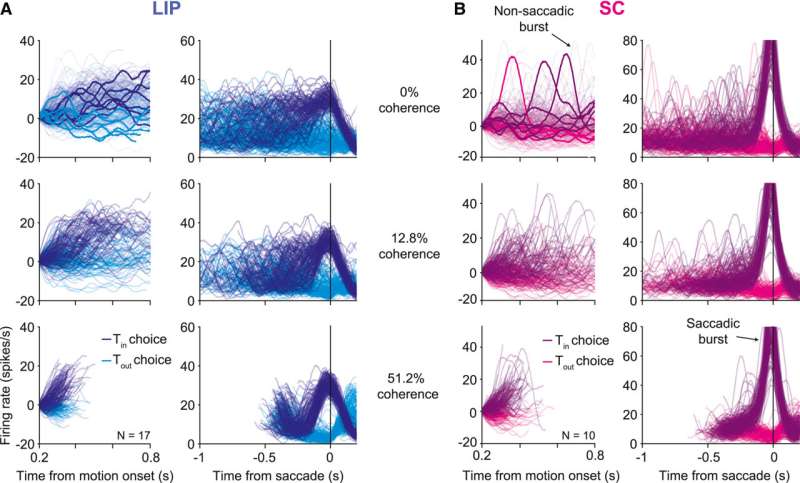
Single-trial dynamics in LIP and SC are different. (Neuron, 2023)

A new paper, published in Neuron, highlights the role of the superior colliculus (SC), a structure in the midbrain, in terminating decisions.

Degeneration of dopaminergic neurons is widely accepted as the first event that leads to Parkinson’s, but a new study suggests that a dysfunction in the neuron’s synapses—the tiny gap across which a neuron can send an impulse to another neuron—leads to deficits in dopamine and precedes the neurodegeneration.

Depression, a challenging condition to diagnose early, may now be detected more promptly using a simple 1-minute Electroencephalogram (EEG) test at home.

Scientists have confirmed that human brains are naturally wired to perform advanced calculations, much like a high-powered computer, to make sense of the world through a process known as Bayesian inference.

New research shows how repeated traumatic brain injury contributes to Alzheimer’s disease.

Racial disparities can be seen in dementia severity, functional impairment, and neuropsychiatric symptoms among patients with frontotemporal dementia (FTD), according to a study recently published in JAMA Neurology.

A new study identifies a potential new approach to PTSD treatment.

Any head injury—even a mild one—raises a person’s risk of later having an ischemic stroke. Having multiple injuries increases that risk, even more so than the severity of a single traumatic brain injury, researchers have found.

New research finds that cerebrospinal fluid net flow is markedly decreased in Huntington’s disease, with the decrease being greater in the later stages of the disease.

The targeted use of ultrasound technology can bring about significant changes in brain function that could pave the way towards treatment of conditions such as depression, addiction, or anxiety, a new study suggests.

Finally this week, new research finds that antidepressants may actually reduce negative memories in individuals suffering from depression while improving overall memory function.

Weekly Neuroscience Update

A study of brain function in cosmonauts reveals how the brain’s organization changes after an extended period in space, demonstrating the adaption required to live in a weightless environment.

Researchers are turning to artificial intelligence to find novel drugs that can block kappa opioid receptors with the hope to alleviate opioid addiction. The kappa opioid receptor is a protein in the brain that plays a role in pain management and addiction. When opioids bind to this receptor, it can produce a range of effects, including pain relief, as well as addiction and dependence.

Adults with high levels of attention-deficit hyperactivity disorder (ADHD) symptoms are more likely to experience anxiety and depression than adults with high levels of autistic traits, according to new research.

Scientists studying sleep difficulties have now published data in Frontiers in Neuroscience that shows that, even in an urban population experiencing disrupted sleep, humans experience longer REM sleep in winter than in summer and less deep sleep in autumn.

Regardless of the game type or length of time a child plays a video game, there is no correlation with a decline in cognitive ability, a new study reports.

Researchers have identified the in-vivo dynamics of synapses that underlie fear memory formation and extinction in the living brain. Fear memory formation and extinction are complex processes that involve changes in the connections between neurons, or synapses, in the brain. Understanding these processes at the level of individual synapses can provide important insights into the neural mechanisms of fear and anxiety disorders.

New research has found that children with conduct disorders exposed to maltreatment showed far more extensive changes in brain structure compared to children with conduct disorders who were not mistreated.

While kleptomania meets the criteria of addiction and is classified as a “Disruptive, Impulse-Control, and Conduct Disorder” by the American Psychiatry Society, few studies of the condition have been published to date. Now a team of researchers has recently found that patients with kleptomania exhibit distinct patterns of gazing and brain activity when shown images with environmental cues relevant to their symptoms. Such characteristics were not observed in healthy subjects.

Finally this week, researchers who examined the relationship between making music and mental health have found that musically active people have, on average, a slightly higher genetic risk for depression and bipolar disorder.