
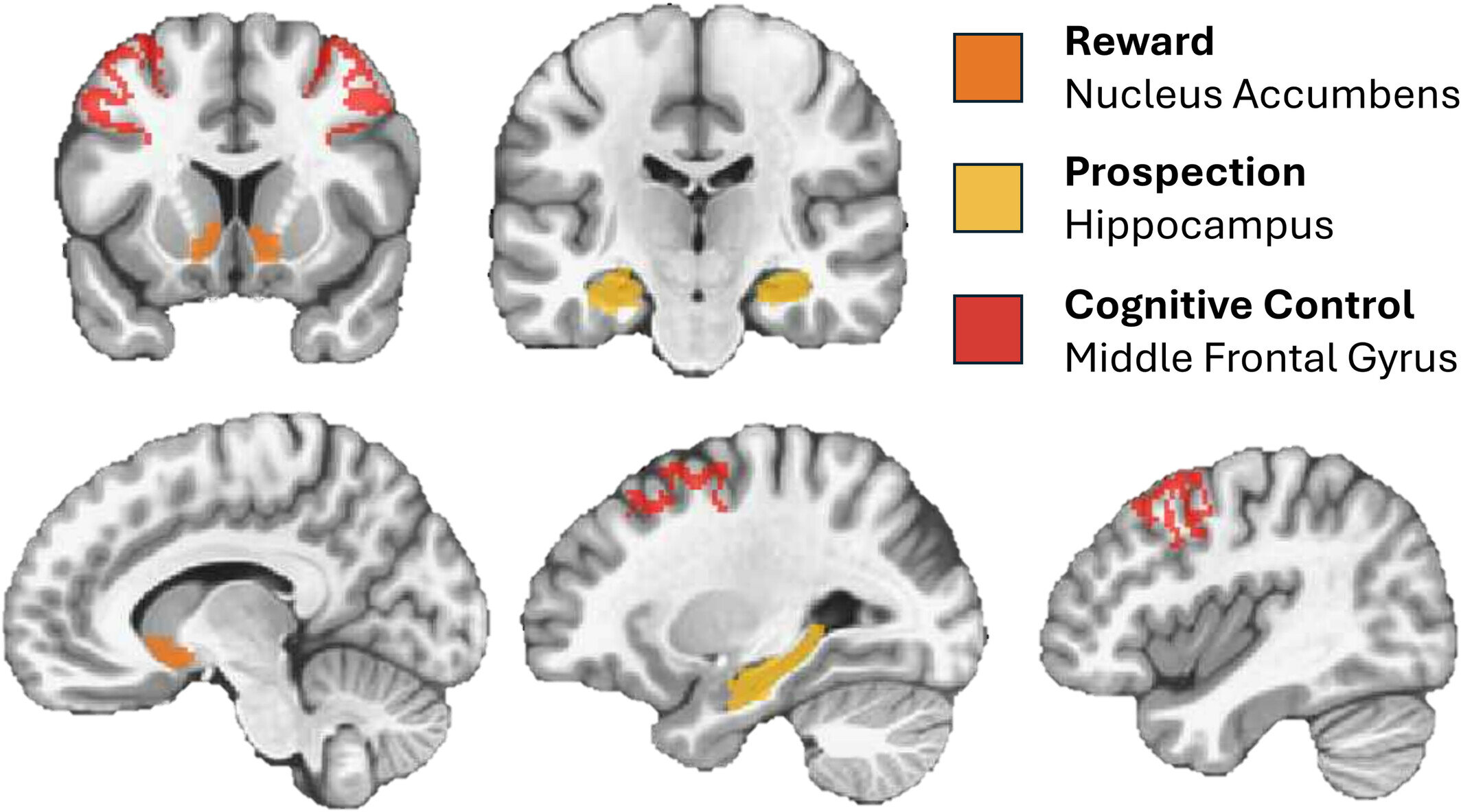
Brain activity in young adults regarding reward valuation is connected to long-term drinking habits, as shown in a study of college students with family histories of alcohol use disorder (AUD). The research suggests the potential for precision medicine to create tailored interventions for those at risk of addiction, highlighting that a family history of AUD triples or quadruples the likelihood of alcohol-related issues.
A research team has developed technology that uses artificial intelligence to analyse electroencephalogram signals triggered by thermal stimuli and objectively classify pain intensity.
A recent study analysed 73 research articles on dietary patterns and their effect on cognitive performance in youth aged 8 to 19, highlighting that nutritional deficiencies in early life can lead to lower intelligence scores in adolescence, and indicating a need for more high-quality research on potential nutritional interventions during this period.
An 8-month-old infant with severe genetic epilepsy has become the first patient in the world to receive an experimental gene replacement therapy designed to restore the function of the WWOX gene directly in the brain.
Researchers employed machine learning to detect neurological warning signs in the brain’s electrical rhythms, enabling epilepsy diagnosis without capturing active seizures. An advanced algorithm identified EEG abnormalities associated with genetic epilepsy accurately.
A recent study has found a dynamic relationship between brief physical activity and improved mood, utilising data from over 8,000 global participants with wearable sensors.
A new AI platform has been developed to decode and measure human pain, surpassing reliance on subjective self-reporting. It employs a self-correcting algorithm to analyse EEG signals in response to thermal stimuli, mapping brainwave activity to produce an objective measure of physical suffering.
Researchers found postoperative delirium was strongly associated with long-term cognitive decline, and the effect was not explained by rehospitalisations, highlighting the long-term impact of delirium on brain health.
A new study reveals that menopause is a significant neurological phase rather than just a reproductive milestone, tracking brain activity during premenopause, perimenopause, and postmenopause. It finds that “resting-state” neural networks experience substantial changes linked to estrogen fluctuations, shedding light on the biological factors affecting midlife cognitive changes and long-term brain ageing in women.
The largest genome-wide association study on anxiety has identified the polygenic basis of worry and fear responses by analysing data from 693,869 individuals, shifting the focus from binary diagnoses to the spectrum of symptom severity.
Analysing 12 years of deidentified patient electronic records using AI, researchers discovered that glucosamine use among individuals with Mild Cognitive Impairment (MCI) is associated with a 25% higher likelihood of progressing to full dementia, alongside a 25% spike in mortality for established Alzheimer’s patients.
Finally this week, a recent study has found that the relationship between a person’s progesterone and estradiol levels at a given moment, measured in saliva, could help predict participants’ performance in a learning and memory task.

