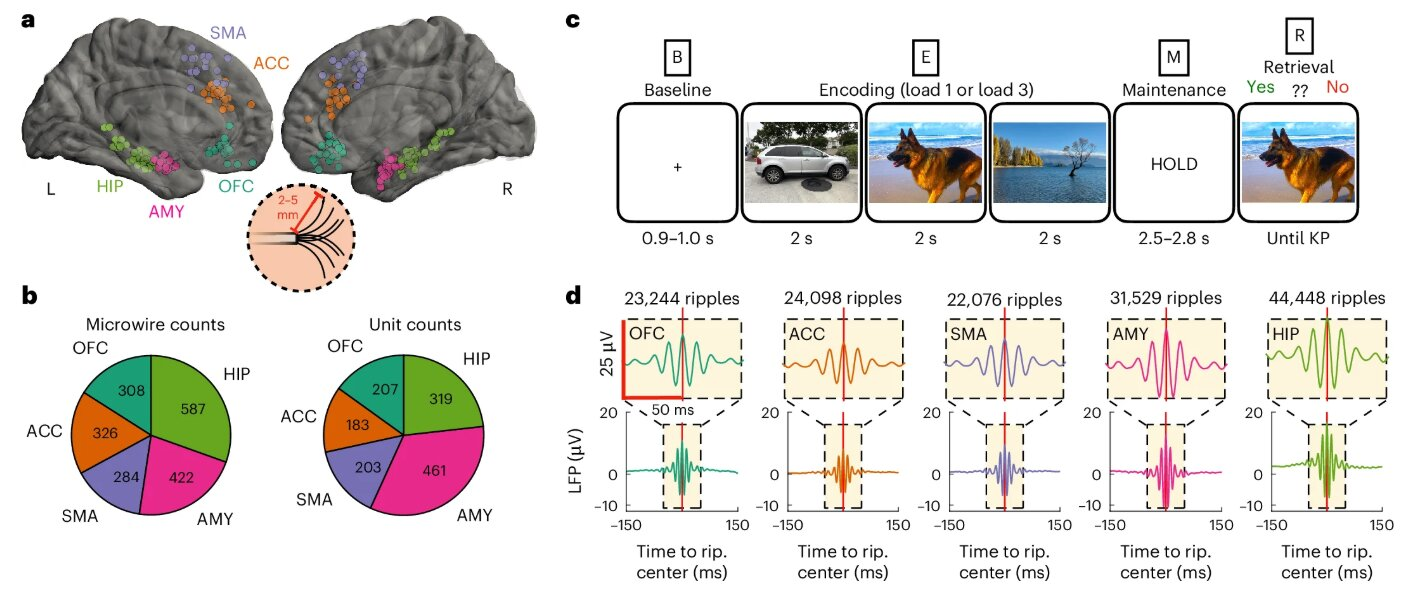
Microwire locations, task, ripple characteristics and increased co-firing during co-ripples at all recording separations. Credit: Nature Neuroscience (2026).
Researchers have discovered that high-frequency brain waves, known as ripples, may facilitate synchronization between distant brain regions during working memory tasks, highlighting their potential role in coordinating neural activity across long distances during cognitive processes.
Having normal blood pressure, no diabetes, and not smoking from age 48 to 68, are associated with nearly 13 additional years on average of dementia-free life, a new study shows.
Childhood epilepsy is linked to significantly poorer exam grades and long-term educational attainment, with the lowest levels of academic achievement among those whose neurological disorder started when they were very young, finds a large, long-term Danish study published online in the Journal of Neurology Neurosurgery & Psychiatry.
In a paper appearing in Nature Communications, researchers show how music produces distinct patterns in the regions of the brain associated with imagination and meaning, similar to those prompted by spoken narratives.
A new study suggests that Alzheimer’s disease may be detected by brain imaging more than seven years earlier than previously assumed. The study suggests that the gold standard for imaging in Alzheimer’s disease (amyloid-PET) has not been sensitive enough to detect early brain processes associated with the disease, such as the accumulation of amyloid plaques in the brain. The researchers found signs of Alzheimer’s at least seven years before plaques became visible.
A person’s sleep patterns could be an early sign of Alzheimer’s disease, a new study says. A greater number of micro-awakenings during sleep is linked to a greater genetic risk for Alzheimer’s, researchers report in the journal Sleep.
People living with severe mental illness face a substantially higher risk of dementia throughout adulthood, as well as a significantly elevated risk of stroke in early and middle adulthood, according to a large new study based on health records from Catalonia, Spain. The findings,published inEuropean Neuropsychopharmacology, suggest that physical health risks linked to severe psychiatric conditions emerge much earlier than many clinicians may expect, underscoring the need for general health care to be more integrated into mental health care.
A new study published in Brain Stimulation shows that the brain’s ongoing activity before stimulation can predict much of this variability, offering a path toward more reliable neuromodulation therapies.
A new AI model analyzes routine sleep study data to reveal patients’ long-term health risks, such as heart disease and cognitive decline. The study indicates that standard medical tests hold more physiologic information than typically recognized, with AI uncovering significant patterns in sleep data that traditional measures miss.
Published in the Journal of Cognitive Enhancement, a new study found six one-minute bouts of stair climbing improved people’s cognitive health.
Researchers have identified a possible biological marker linked to severe suicidal thoughts. The finding, published in The British Journal of Psychiatry, may also help explain why some people recover from these thoughts, opening a new path for research into resilience and suicide prevention.
A research team has demonstrated that transcranial direct current stimulation (tDCS) significantly improves depression and apathy in patients with Parkinson’s disease.
A recent study suggests that a single 20-minute session of noninvasive deep brain stimulation, paired with mindful breathing, may strengthen the brain’s response to reward and reduce anxiety. Changes in reward-related brain activity remained detectable for approximately one week after the session.
Researchers have created an AI-based method to produce detailed maps revealing how different brain areas age and their correlation with cognitive function over a lifetime.
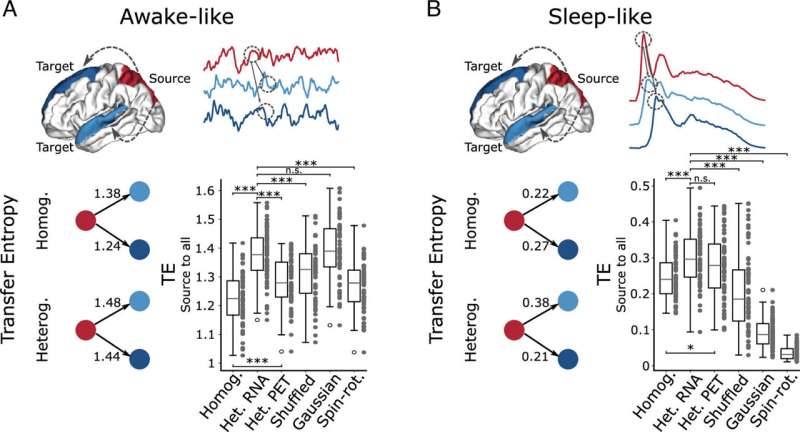
Credit: Proceedings of the National Academy of Sciences (2026)
Scientists have developed a computer model of the human cortex that links its microscopic chemistry to its brain-wide patterns of activity, providing new evidence that regional differences in receptor density help shape how activity and information move across the brain.
An international consortium has established the first consensus-based framework and standardized taxonomy for vocal biomarkers.
A novel AI model can use information collected during routine sleep studies to identify patients’ long-term health risks, according to a new study published in Nature Communications. Developed by a multidisciplinary research team, the model uncovered hidden sleep patterns linked to risks including heart disease, cognitive decline and death.
Experiencing severe stress during childhood can make a person more vulnerable to anxiety, depression and other mood disorders when faced with hardships as an adult.
A new study reveals that during deep REM sleep, the human brain shifts its sensory processing focus from external sounds to internal cardiac signals. As responsiveness to outside noise decreases, the processing of these internal signals increases. The researchers created an audio-cardio index to measure this neural shift, providing a new physiological marker for evaluating altered states of consciousness.
Researchers have created an energy-efficient AI model that mimics hippocampal brain mechanisms, enabling it to construct cognitive maps, perform stochastic computations, and solve complex planning tasks efficiently.
A new mathematical model that reproduces the relapsing-remitting pattern of multiple sclerosis (MS) offers scientists a tool to better understand how the disease progresses. The model, developed by QUT researchers from the School of Mathematical Sciences, is publishedin the Journal of the Royal Society Interface.
The first U.S. clinical trial evaluating psilocybin-assisted therapy in military veterans with treatment-resistant post-traumatic stress disorder (PTSD) has demonstrated significant safety and clinical efficacy.
A new study in Nature Genetics reveals a detailed map of brain immune cells involved in Alzheimer’s disease, highlighting a protective subtype that grows as the disease advances and identifying the molecular pathway that helps these cells defend the brain, with potential implications for future therapies.
A clinical trial, has found that oral semaglutide significantly reduces heavy drinking days, daily cravings, and alcohol-related problems in adults with moderate-to-severe Alcohol Use Disorder (AUD).
Scientists have found that the human brain processes low-frequency infrasound through a unique mechanism where acoustic waves bypass auditory hair cells and activate inner ear support cells, generating electric fields that stimulate different nerve pathways, causing infrasound to be felt more as a physical sensation than an audible sound.
Scientists have uncovered how a major Parkinson’s disease gene disrupts the brain’s most vulnerable dopamine-producing neurons before detectable neuronal loss. The study findings are published in Nature Communications.
A compound produced by bacteria in many people’s digestive tracts increases the risk of developing Alzheimer’s disease and speeds cognitive decline in dementia patients, making it a potential target for a treatment that could reduce Alzheimer’s risk, according to a new study published in Nature Communications.
Researchers have found that depression is associated with smaller volume in a specific part of the hippocampus, a brain region essential for learning and memory.
Credit: Jeffrey Parr/University of Southern Mississippi
New research indicates that athletes with ADHD need even more scrutiny when head injuries are involved.
Scientists have made progress in finding better pain treatments with a new study aimed at reducing the addictive effects of morphine. They found that activating a dopamine receptor called D4 boosts morphine’s pain-relieving effects and helps prevent tolerance.
Prefrontal transcranial pulse stimulation is associated with antidepressant effects, according to a study published in JAMA Network Open
Cerebrovascular disease can cause serious problems if not treated quickly, but it’s hard to spot before symptoms show up. Researchers have developed an AI technology that analyses daily activities and environmental data from older adults to identify signs of cerebrovascular disease risk based on small changes in their home lives.
Researchers have developed a small graphene-based sensor to noninvasively measure dopamine in artificial tears, enabling rapid neurodegenerative screening.
The Consortium for Biomedical Research and Artificial Intelligence in Neurodegeneration (C-BRAIN) has launched three open-source AI tools. These tools act as team members in biomedical research, analysing global neuroscience literature, identifying patterns in hidden data, and providing objective peer reviews to accelerate the development of life-saving treatments.
A retrospective cohort study of 19,824 NFL players confirms that professional football veterans face a fourfold increase in neurodegenerative mortality, including a 3.8-fold surge in all-cause dementia and Parkinson’s disease.
A study in Neurology found that people with early-onset dementia had lower work productivity up to 15 years before they were diagnosed, with variations by type of dementia. Early-onset dementia refers to anyone under 65 diagnosed with dementia. The study only shows a link between early-onset dementia and reduced productivity, not that one causes the other.
A research team created a brain implant that can modulate neural activity with temperature, offering new opportunities for brain-computer interfaces and neurological treatments.
New research has used advanced EEG-fMRI tracking to show that the brain doesn’t operate as a single process. Instead, the human connectome manages multiple separate, asynchronous streams of information processing that happen simultaneously, providing new insights into clinical neuro-diagnostics and cognitive complexity.
A new study has introduced a novel machine learning method for analysing how the brain organises complex behaviours, offering fresh evidence that neural activity is built from reusable “building blocks.” The study is published in Neuron.
Scientists have conducted a study that enhances the understanding of the brain’s neuromodulators—acetylcholine, dopamine, and serotonin. The research integrates advanced experimental measurements with detailed computational models of the brain, demonstrating how these chemical messengers influence the electrical activity of numerous neurons in the developing brain.
Exposure to high temperatures during pregnancy and early infancy is linked to slower thalamic growth in childhood, as indicated by research from the Barcelona Institute for Global Health.
A new study has found that older adults who participated in a structured, 2-year healthy lifestyle program saw a significant improvement in memory and thinking skills, approximately 55% greater per year, compared with those who received only general health advice.
Research has shed new light on the biological basis of schizophrenia by directly measuring synaptic connections in the human brain using specialised positron emission tomography (PET) imaging.
A major study involving over 214,000 older adults from 14 countries shows that common risk factors for dementia—like low education, high blood pressure, and smoking—differ greatly between countries. This indicates that a single approach to prevention won’t be effective everywhere.
Natural plant compounds called polyphenols, found in foods such as berries, tea, cocoa, coffee, and extra-virgin olive oil, may positively influence biological processes associated with Alzheimer’s disease and nerve cell loss, claims a recent review.
A recent study found that poor sleep affects brain communication in adults, particularly highlighting that older women with poor sleep exhibited abnormal connectivity between the Default Mode Network and the Frontal Parietal Network. This over-communication correlated with worse memory performance and resembled brain patterns observed in early stages of Alzheimer’s disease.
Rare DNA changes are most strongly linked to cognition in early childhood, but the link fades as children age, while common DNA changes show stronger links later in childhood, a new study finds.
Researchers have demonstrated a novel AI model that can predict which DNA molecules bind with which other DNA molecules. Providing a more thorough understanding of these hypercomplex binding relationships has utility in applications ranging from biomedical diagnostic tools to DNA computing.
A study revealed that heightened amygdala activity in adolescents viewing emotional faces can forecast their social health two years later, showing that for girls it indicated greater peer engagement, while for boys it indicated less.
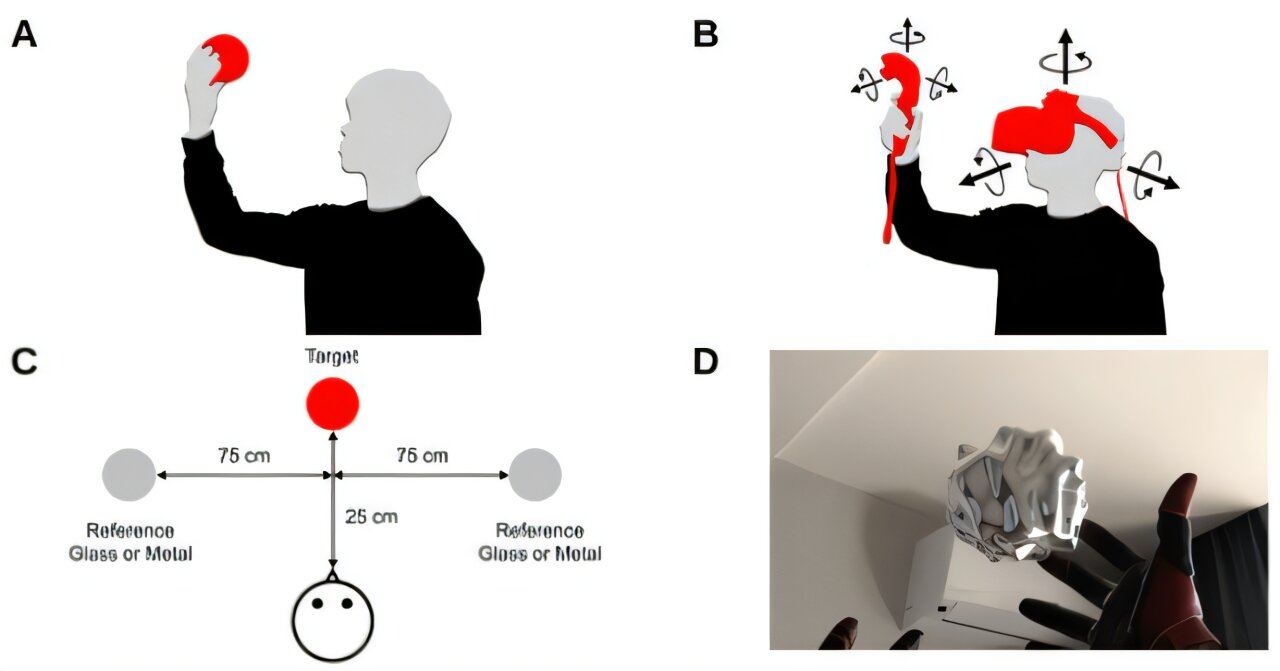
Researchers have conducted a psychophysical study using virtual reality (VR) to investigate how humans flexibly use exploratory behaviours—such as changing their viewpoint by moving their head and manipulating objects with their hands—when discriminating the material properties of objects. The study was published in the Journal of Vision.
A new study establishes a robust link between long-term exposure to air pollution and the risk of Parkinson’s disease.
An international team of scientists and clinicians have developed a generative artificial intelligence framework that unmasks these previously hidden cortical lesions by analysing existing legacy MRI scans. By synthesising minor, sub-visual discrepancies across multiple image contrasts, the AI acts as a computational lens, extracting vital diagnostic data from ordinary scans and revealing an entirely invisible layer of MS pathology.
New research in General Psychiatry has uncovered a link between higher levels of daytime light exposure and a lower risk of dementia.
A recent study discovered that randomly played sounds during sleep can actively impair memory consolidation. By utilising real-time electroencephalography (EEG) monitoring, the researchers proved that ambient sound clicks disrupt deep slow-wave sleep, arresting the physical propagation of slow brain waves across the cortex and fracturing the crucial transfer of information required to form long-term memories.
A research team has uncovered new insight into how the brain senses movement. Their findingscould potentially help improve sensation and movement for prosthetic limbs.
A new study has demonstrated that introducing inflammatory signalling molecules directly into human hippocampal stem cells halts new neuron production. Instead of simply dying or becoming damaged, the brain’s neural stem cells abandon their regenerative responsibilities, entering an “immune alert” state that fuels localised neuroinflammation.
People who speak more than one language seem to have younger brains, according to research presented at the Federation of European Neuroscience Societies (FENS) Forum 2026.
A new research framework that combines large language models (LLMs) with choice mathematics to evaluate human decision-making. By deploying LLMs to automatically interpret and code thousands of free-text participant thought justifications, the framework provides a scalable, validated methodology demonstrating that human reasoning strategies shift dynamically with a problem’s structure.
Scientists have found that human cortical neurons function like advanced microchips, demonstrating computational abilities comparable to those of deep artificial neural networks, rather than merely acting as simple switches.
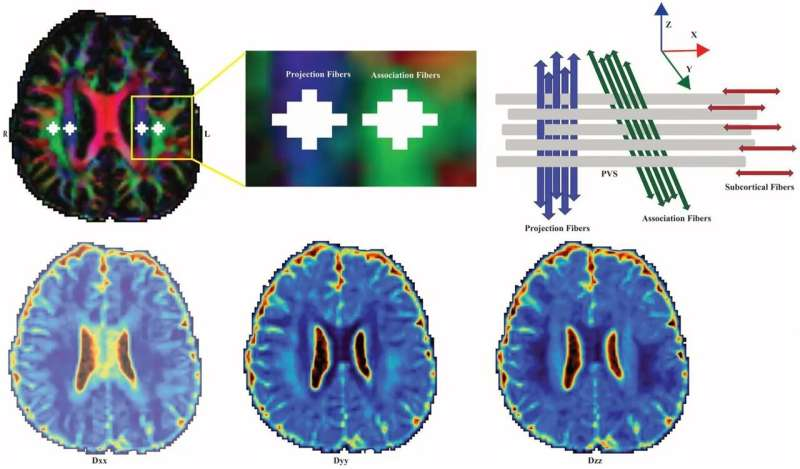
Position of regions of interest for DTI-ALPS index calculations on a color-coded fractional anisotropy map. Spherical ROIs (3 mm diameter) were positioned in the projection and association tracts. Dxx: left to right direction, Dyy: anterior to posterior direction, and Dzz: craniocaudal direction. PVS -perivascular space. Credit: Frontiers in Neuroscience (2026).
The brain’s waste clearance system is impaired in people living with myalgic encephalomyelitis/chronic fatigue syndrome (ME/CFS), which can lead to various symptoms, including brain fog, researchers have discovered.
Women with Parkinson’s disease may be more vulnerable to Alzheimer’s-related changes in the brain than men, according to new research presented at the European Academy of Neurology (EAN) Congress 2026. Parkinson’s disease and Alzheimer’s disease frequently co-occur in older adults, yet sex differences in Alzheimer’s-related pathology among people with Parkinson’s disease remain underexplored.
Researchers have shown that using paracetamol (acetaminophen) during pregnancy does not increase a child’s risk of developing autism spectrum disorder (ASD) or attention‑deficit hyperactivity disorder (ADHD).
By evaluating data from over 2,000 adults across 23 randomised controlled trials, scientists have proved that melatonin targets the bidirectional relationship between physical agony and sleep fragmentation, offering a highly accessible, non-addictive adjunct for integrated pain management plans.
Adults with both epilepsy and hearing loss who use hearing aids may have a 23% lower risk of developing dementia than those who do not, according to new research presented at the European Academy of Neurology (EAN) Congress 2026.
A new study reveals that the motor skill difference between hands is not innate but rather a result of cultural practices. Using 3D motion capture, researchers found that both hands have similar baseline capabilities, with handedness arising from asymmetrical tool use.
A research team has identified a critical molecular cause of age-related cognitive decline, potentially paving the way for new treatments to protect brain health as people age.
Mayo Clinic researchers have developed a detailed map of the pulvinar, a brain region that may enhance the targeting of brain stimulation therapies for drug-resistant epilepsy. The findings, published in the Journal of Neuroscience, show that closely located brain regions connect to distinct networks, thereby offering a blueprint for more accurate electrode placement in deep brain stimulation treatments.
A simple bedside eye test may help predict recovery of consciousness in patients with severe brain injuries, according to new research presented at the European Academy of Neurology (EAN) Congress 2026.
A research team cautions that reliance on unregulated AI may hinder emotional development and real-world relationship skills. While AI can provide support for marginalised youth, it poses risks such as relational displacement and maladaptive relational learning, potentially increasing long-term vulnerabilities to depression, anxiety, and social isolation.
Better identification and management of sleep apnea and associated vascular risk factors in midlife may provide an important opportunity to support long-term brain health, according to new research from Monash University.
A new study presents an automated cognitive mapping framework that combines Large Language Models (LLMs) with behavioural choice mathematics, demonstrating that human self-insights are a reliable data source, influenced by the specifics of a problem, in high-stakes gambling tasks.
Finally, this week, researchers have revealed how our brain reacts differently to predictable situations and surprises, showing that it is designed to gather more sensory information during unexpected events.
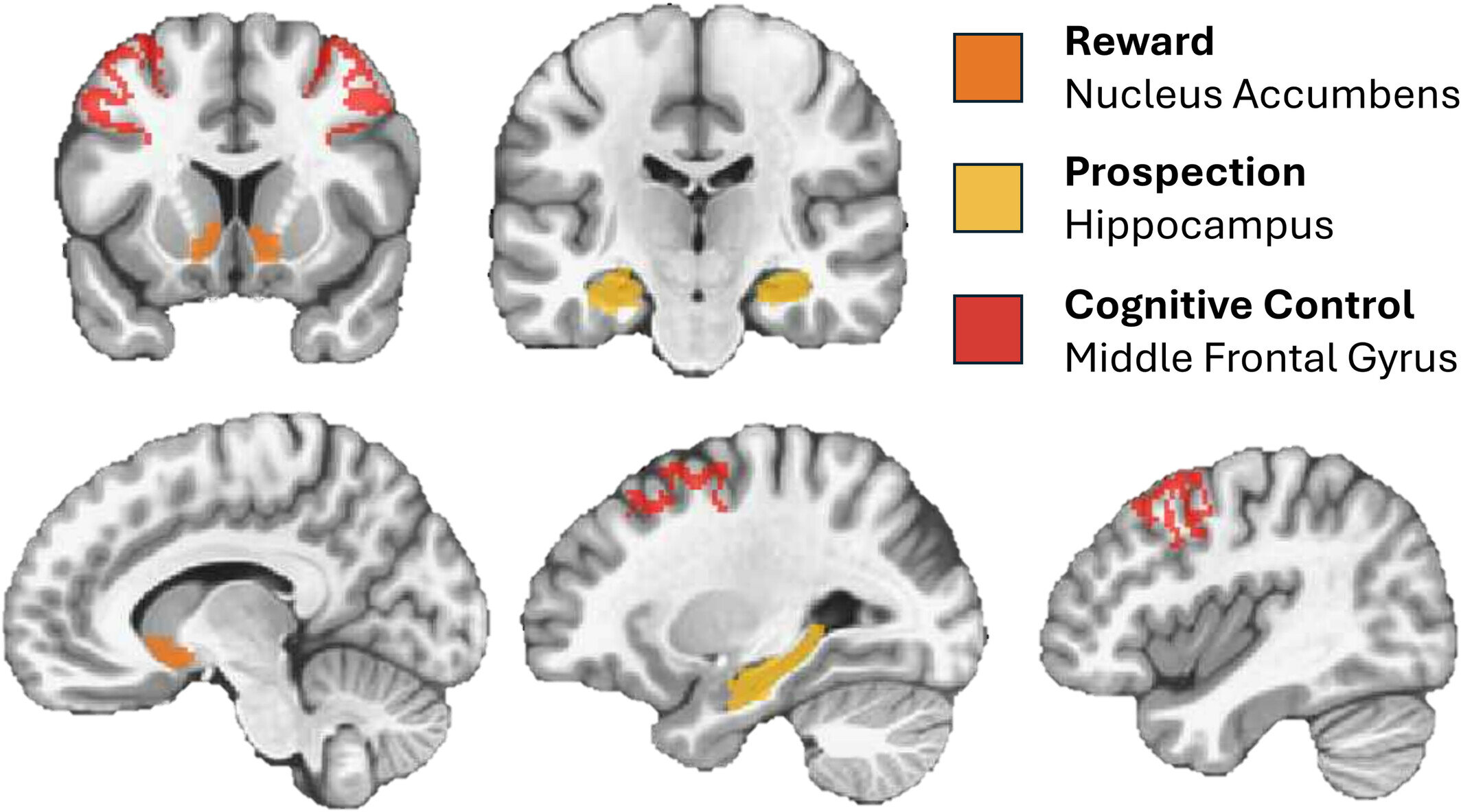
Regions-of-interest representing delay discounting neural processes. Nucleus accumbens activation represents reward valuation (orange). Hippocampal activation is involved in imagining the future or prospection (yellow). The middle frontal gyrus is involved in cognitive control (red). Regions were defined from the Desikan-Killiany atlas. Credit: Alcohol, Clinical and Experimental Research (2026). DOI: 10.1111/acer.70300
Brain activity in young adults regarding reward valuation is connected to long-term drinking habits, as shown in a study of college students with family histories of alcohol use disorder (AUD). The research suggests the potential for precision medicine to create tailored interventions for those at risk of addiction, highlighting that a family history of AUD triples or quadruples the likelihood of alcohol-related issues.
A research team has developed technology that uses artificial intelligence to analyse electroencephalogram signals triggered by thermal stimuli and objectively classify pain intensity.
A recent study analysed 73 research articles on dietary patterns and their effect on cognitive performance in youth aged 8 to 19, highlighting that nutritional deficiencies in early life can lead to lower intelligence scores in adolescence, and indicating a need for more high-quality research on potential nutritional interventions during this period.
An 8-month-old infant with severe genetic epilepsy has become the first patient in the world to receive an experimental gene replacement therapy designed to restore the function of the WWOX gene directly in the brain.
Researchers employed machine learning to detect neurological warning signs in the brain’s electrical rhythms, enabling epilepsy diagnosis without capturing active seizures. An advanced algorithm identified EEG abnormalities associated with genetic epilepsy accurately.
A recent study has found a dynamic relationship between brief physical activity and improved mood, utilising data from over 8,000 global participants with wearable sensors.
A new AI platform has been developed to decode and measure human pain, surpassing reliance on subjective self-reporting. It employs a self-correcting algorithm to analyse EEG signals in response to thermal stimuli, mapping brainwave activity to produce an objective measure of physical suffering.
Researchers found postoperative delirium was strongly associated with long-term cognitive decline, and the effect was not explained by rehospitalisations, highlighting the long-term impact of delirium on brain health.
A new study reveals that menopause is a significant neurological phase rather than just a reproductive milestone, tracking brain activity during premenopause, perimenopause, and postmenopause. It finds that “resting-state” neural networks experience substantial changes linked to estrogen fluctuations, shedding light on the biological factors affecting midlife cognitive changes and long-term brain ageing in women.
The largest genome-wide association study on anxiety has identified the polygenic basis of worry and fear responses by analysing data from 693,869 individuals, shifting the focus from binary diagnoses to the spectrum of symptom severity.
Analysing 12 years of deidentified patient electronic records using AI, researchers discovered that glucosamine use among individuals with Mild Cognitive Impairment (MCI) is associated with a 25% higher likelihood of progressing to full dementia, alongside a 25% spike in mortality for established Alzheimer’s patients.
Finally this week, a recent study has found that the relationship between a person’s progesterone and estradiol levels at a given moment, measured in saliva, could help predict participants’ performance in a learning and memory task.
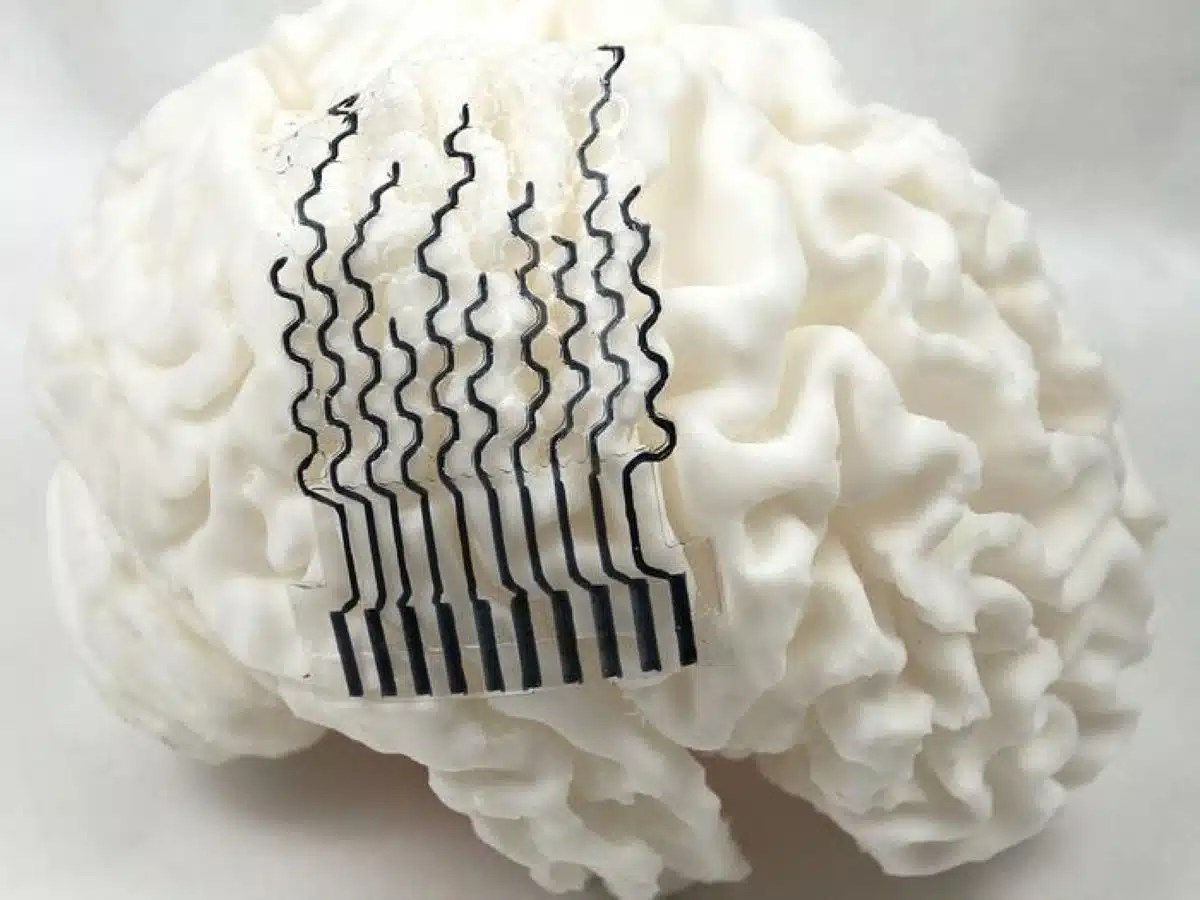
The soft bioelectrodes use a honeycomb-inspired design that allows researchers to stretch them onto the specific geometry of a patient’s brain, without sacrificing structural strength or sensitivity to electrical and physiological signals. Credit: Tao Zhou
Researchers have developed 3D-printed, honeycomb-structured hydrogel electrodes that perfectly match the unique folds of a patient’s brain for safer, high-quality neural monitoring.
We’ve long known that a run can clear your head, but a landmark one-year randomised clinical trial has finally mapped the long-term biological “why.” The study is the first to prove a cause-and-effect relationship between aerobic exercise and a sustained reduction in cortisol, the body’s primary stress hormone. By simply meeting the standard 150-minute weekly exercise goal, participants effectively lowered the biological “background noise” of stress.
A global research collaboration has discovered that social health is crucial for preserving cognitive function and enhancing the brain’s resilience to dementia.
In a creative shift for psychiatric research, a study suggests that songwriting and group music-making can help people with psychosis reconnect with reality. The research explores the concept of predictive coding, the brain’s ability to anticipate what happens next. By engaging in the rhythmic and melodic expectations of music, participants with schizophrenia and auditory hallucinations reported reduced paranoia and a significant shift away from social isolation.
Repeated menstrual cycles may not only cause endometriosis but also alter brain function. A new study indicates that ongoing inflammation associated with the condition can heighten nervous system sensitivity and lead to persistent pain.
Researchers from the University of California, San Diego discovered that teenagers who start using cannabis experience slower improvements in thinking and memory as they mature, based on a study of over 11,000 participants from the Adolescent Brain Cognitive Development (ABCD) Study published in Neuropsychopharmacology.
A 12-week study from the University of Toronto finds that daily fluctuations in mental sharpness account for an 80-minute difference in productivity between your best and worst days.
Researchers have uncovered evidence that some movement-related symptoms of Alzheimer’s disease may originate outside the brain, which could change how the disease is diagnosed and treated in the future. The study was published in Alzheimer’s & Dementia: The Journal of the Alzheimer’s Association.
Women taking antiseizure medication for epilepsy have around a 45% reduced risk of major congenital anomalies in their children—if they initiate high-dose folic acid before pregnancy.
In a recent publication appearingin Advanced Science, researchers at the Netherlands Institute for Neuroscience challenge the assumptions surrounding the design and materials used for brain implants. Softer, flexible implants are gentler than older ones, but they are not completely harmless. By carefully studying these effects, researchers can begin to design safer implants, and bring long-term, reliable implants closer to reality.
New research indicates that walking and balance issues in Alzheimer’s disease may stem from peripheral nervous system failures rather than brain decay, with a study using “human-on-a-chip” technology demonstrating that genetic mutations can directly harm nerve-muscle connections, independent of the brain or spinal cord.
A Phase II trial finds that walking and resistance exercise, along with low-dose ibuprofen, can protect cancer patients from “chemo brain” during treatment.
Researchers have found new insights into asymptomatic Alzheimer’s disease (AsymAD), wherein some older adults remain mentally sharp despite brain changes associated with the disease. Understanding this resilience may lead to earlier detection and strategies to prevent memory loss.
A landmark study has identified a significant association between prenatal prescription of commonly utilized medications and the risk of autism spectrum disorder (ASD) in children.
Researchers found that fluctuations in a person’s heartbeat relate uniquely to brain activity, with chaos-based analysis indicating significant changes in heart-brain coupling during cognitive tasks. The study shows these complex rhythms are important indicators of the central nervous system when under cognitive load.
A longitudinal study of 1,400 children links early pretend play to improved mental health outcomes, suggesting play builds brain resilience. The research suggests that imaginative play is not just recreational but a foundational developmental tool that supports long-term mental wellbeing, even when accounting for socioeconomic status, mother’s mental health, and language ability.
In a paradigm-shifting discovery, researchers have found that Alzheimer’s disease shares a surprising biological driver with blood cancers like leukaemia. The study reveals that the brain’s immune cells (microglia) accumulate specific cancer-driving mutations as they age. Rather than forming tumours, these mutant cells create a “hostile” inflammatory environment that kills neurons. This suggests that Alzheimer’s may be treatable using existing cancer drugs and detectable through simple blood tests.
A noninvasive neurostimulation technique targeting deep brain regions has been utilised to explore pain mechanisms and shows potential for clinical use in neurology and psychiatry.
A web tool designed to spark reminiscence could help people with dementia and their caregivers feel more connected to each other and less impacted by feelings of pre-death grief, according to a clinical trial co-led by USC and Weill Cornell Medicine published in JAMA Network Open.
Researchers have identified a new DNA region and two genes associated with frailty, providing insights into why some older adults are more frail. This discovery highlights the role of genetic factors in resilience to age-related declines, aiming to lead to targeted interventions for the ageing population.
Neuroscientists have discovered a secret second network in the brain. AI-mapped astrocyte webs connect distant brain regions, challenging 100 years of neuron-centric theory.
A massive transdisciplinary study has shifted the focus of Alzheimer’s research from the brain to the gut. Using AI to analyse data from nearly 10,000 people, researchers identified that common life events, specifically appendix removal and long-term dietary patterns, are among the strongest predictors of the disease. The study suggests that the gut microbiome serves as a primary line of defence for the brain, and that its disruption over decades may ultimately trigger neurodegeneration.
Researchers propose a new model for how the brain encodes and recalls emotionally meaningful touch, highlighting its role in lifelong mental health.
New research shows that a diet high in heavily processed foods can negatively impact the brain’s ability to focus and increases the risk of developing dementia. The study publishedin Alzheimer’s & Dementia: Diagnosis, Assessment & Disease Monitoring, examined the diets and cognitive health of more than 2,100 Australian dementia-free adults middle-aged and older.
A 30-year study of 42,000 adults shows that stroke severity is a primary driver of post-stroke dementia and accelerated brain aging.
Researchers have bridged the gap between biology and silicon by creating a 3D programmable device that merges living brain cells with advanced electronics. Unlike previous “brain-on-a-chip” attempts that grew cells on flat surfaces, this device uses a flexible, microscopic metal mesh as a scaffold, allowing tens of thousands of neurons to grow around and through the sensors.
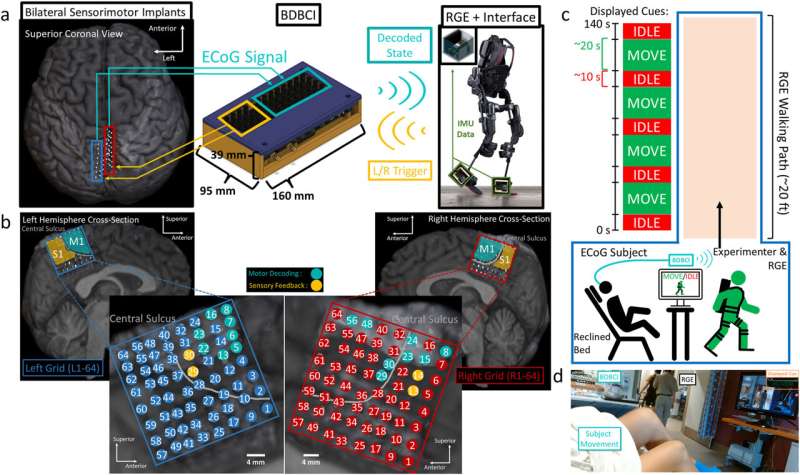
Researchers are developing a fully implantable brain-computer interface (BCI) that enables patients with paraplegia to control robotic exoskeletons with their thoughts, aiming to restore both walking and the sensation of walking.
New research indicates that time perception is a complex, multi-stage process in the brain, starting with sensory encoding and leading to a representation of time that helps us categorise experiences by duration and order. This insight paves the way for further studies on the links between cognitive functions and time perception, particularly in relation to disorders affecting this process.
Does a plant-based diet prevent Alzheimer’s? New research shows that healthful plant-based diets lower dementia risk by 7%, while unhealthful plant-based diets increase risk.
A new AI framework emulates human brain development by “pruning” unnecessary connections as it learns, becoming more compact and energy-efficient while mastering complex tasks. The study indicates that effective learning relies on the right connections rather than on an abundance of them. By mimicking infant brains, this AI enables continual learning and improves perception, motor control, and interaction, all while reducing size and energy consumption.
A new study reveals that school-age children and adolescents with medically diagnosed traumatic brain injury (TBI) have significantly higher rates of anxiety/depression, and strong family support and resilience help alleviate some of it.
Loneliness affects memory performance in older adults but does not accelerate cognitive decline, according to a European study of more than 10,000 participants over seven years. Although those reporting high levels of loneliness initially performed worse on memory tests, their decline in recall ability matched that of less lonely participants over time.
Researchers have developed a 15-minute blood test that uses europium nanoparticles and a smartphone to track melatonin levels, helping astronauts and shift workers manage their biological clocks.
A study from Mass General Brigham reveals that a blood test measuring plasma phosphorylated tau 217 (pTau217) can predict changes in amyloid PET scans and cognitive decline in healthy older adults, potentially allowing for earlier disease prediction and identifying those at risk for cognitive decline. The findings are published inNature Communications.
A high-resolution study of 30 adult brains reveals over 3,000 genes with sex-biased expression. These findings link molecular sex differences to the prevalence of disorders like ADHD and Alzheimer’s.
Air pollution is associated with increased migraine activity, according to a study published in Neurology. Both short-term and cumulative exposure to air pollution, as well as climate factors such as heat and humidity, were associated with increased migraine activity.
A new study shows how subcortical pathways can make AI models more flexible and biologically accurate.
New research indicates that high sodium intake may harm episodic memory, which is essential for recalling personal experiences. These findings emphasise the broader cognitive effects of a salty diet, underlining the significance of making healthy dietary choices for brain health.
Can brain implants restore sight? Researchers have mapped how the brain reacts to neural probes, finding that flexible polyimide is the key to long-term biocompatibility.
Scientists analysed data from over 363,000 participants in the NIH’s All of Us Research Program and found that treatable middle ear conditions, such as eardrum perforations and cholesteatoma, are associated with nearly double the odds of developing dementia; however, treating these conditions with surgery or hearing aids significantly reduced or eliminated the dementia risk.
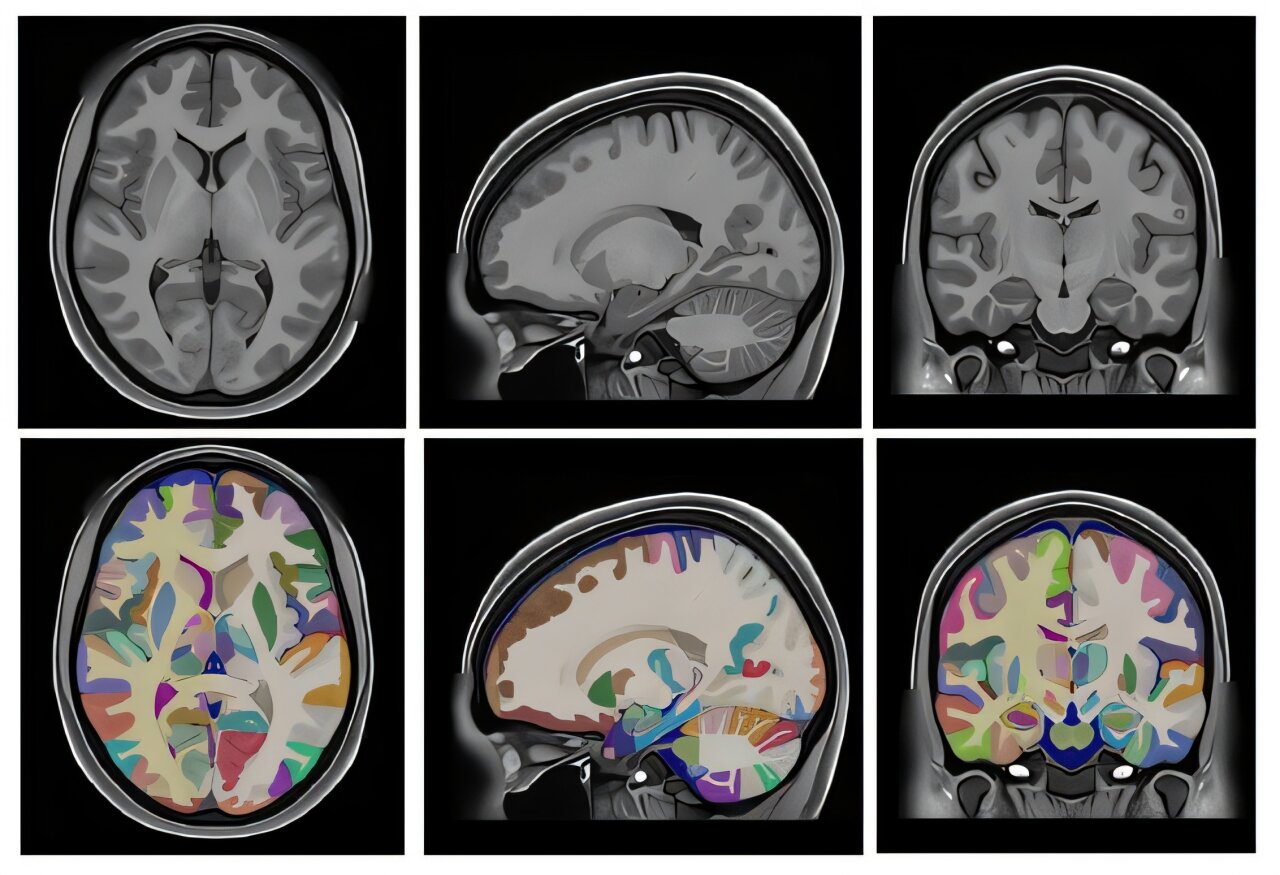
HoliAtlas Project Brain Images. Credit: Instituto de Aplicaciones de las Tecnologías de la Información y de las Comunicaciones Avanzadas (ITACA), Universitat Politècnica de València
An international team has developed one of the most comprehensive and detailed structural atlases of the human brain to date. Known as HoliAtlas, it will be particularly useful for the study and early diagnosis of neurological and neurodegenerative diseases, such as Alzheimer’s or Parkinson’s.
Scientists have uncovered a strategy that the brain uses for chemical signalling. In a new study, researchers found that in the striatum, a brain region central to learning and movement, one signalling system can seize control of another, promoting the coordinated release of both.
A meta-analysis has confirmed that exposure to nature—real, virtual, or imagined—reduces negative emotions and boosts brain health.
A massive study of over 2.2 million individuals has fundamentally redefined how we understand the genetics of addiction. The research reveals that most genetic risk for substance use disorders (SUD) isn’t about how the body reacts to a specific drug, but how the brain is “wired” for behavioural disinhibition.
A meta-analysis found no link between hormonal contraception and idiopathic intracranial hypertension (IIH), a serious condition marked by increased pressure around the brain, potentially causing chronic headaches and vision loss.
A machine-learning analysis of brain waves recorded during sleep may help identify people at high risk of developing dementia, according to a recent study. The study found that when a person’s “brain age,” estimated from sleep signals using EEG, exceeded their actual age, the risk of dementia increased.
A major study has found that treating ADHD with stimulant medication during childhood may actually lower the long-term risk of developing serious psychotic disorders, such as schizophrenia.
New research shows that the long-term neurological impact of childhood trauma is not permanently etched onto the brain. An analysis of brain communication patterns in individuals with childhood adversity indicates that lifetime physical activity can reshape neural connectivity, strengthening internal communication and optimizing stress response. The findings from the studyin Biological Psychiatry: Cognitive Neuroscience and Neuroimaging highlight physical activity as a modifiable lifestyle factor linked to neurobiological adaptation.
An international team has completed a massive “blueprint” of the human neocortex, the brain’s outer layer responsible for high-level thinking, decision-making, and sensory processing.
A clinical decision support tool that uses artificial intelligence (AI) to analyze scans after a stroke alongside treatment recommendations is associated with better quality care and long-term outcomes for patients compared with usual care, finds a recent study publishedin The BMJ.
Can a stroke make part of your brain younger? New research using deep learning reveals that undamaged brain regions reorganise and show “youthful” structural patterns to compensate for severe stroke damage.
New research identifies a leaky blood-brain barrier as the primary link between repetitive head injuries and long-term cognitive decline in retired athletes. MRI scans compared with post-mortem tissue from athletes with Chronic Traumatic Encephalopathy reveal that this barrier remains compromised even years after retirement.
Scientists have identified a new genetic disease characterised by premature ageing and deficits in brain function.
Consciousness and its impairment from brain injuries are not well understood, making disorders of consciousness (DOC), like coma and vegetative states, challenging to treat. A new study published in Nature Neurosciencesuggests that AI may help researchers tackle this issue. The research team developed an adversarial AI framework to better understand states of reduced consciousness and explore potential solutions.
Finally this week, new research shows that periodontal tissue status, peripheral immune response, and cognitive functions are closely interconnected.
For years, Alzheimer’s research has faced criticism for not being diverse, primarily focusing on participants of European ancestry. A groundbreaking study has challenged the “one-size-fits-all” approach. By examining brain markers across a diverse group, researchers found important differences in how early Alzheimer’s symptoms—such as tau protein tangles and amyloid plaques—manifest among racial and ethnic groups. These results indicate that the disease’s biological timeline varies across populations, suggesting that existing diagnostic tools and future treatments may need adjustments to be effective for everyone.
Scientists have found that a novel blood-based biomarker can predict a woman’s risk of developing dementia as many as 25 years before symptoms appear.
Blockbuster weight-loss drugs like semaglutide and liraglutide have significantly affected metabolic health, and a new study mapping GLP-1 expression in the brain reveals notable sex-specific differences. This research explains why females may experience greater appetite suppression and weight loss with these medications, and it suggests the potential for developing sex-specific treatments for addiction, depression, and Alzheimer’s.
Can you tell the difference between a real human voice and an AI-generated one? According to a new study, your conscious mind might struggle, but your brain is already picking up the clues.
Researchers have identified new genetic variants associated with autism spectrum disorder (ASD) through long-read whole genome sequencing (LR-WGS), which enhances the detection of genetic variants compared to short-read methods. These insights could result in more precise genetic testing and targeted therapies for ASD.
Increasing our level of physical fitness leads to a greater release of brain-boosting proteins following a single exercise session, a new studyhas found.
A new study has found a neural “fingerprint” that predicts our ability to understand others’ intentions, identifying a brain network that responds when our expectations of others are incorrect. This could significantly change the diagnosis and treatment of social cognition disorders such as autism and borderline personality disorder.
Scientists have successfully preserved brain tissue by deep-freezing it. When thawed, the neurons start sending signals again. This method can be used to preserve brain tissue removed during surgery for later study.
The VIVID Trial, a large study on Vitamin D, found that high doses of Vitamin D3 did not reduce the severity of COVID-19 or prevent hospitalisation, but suggested potential benefits for preventing Long COVID. Participants adhering to the Vitamin D regimen reported fewer ongoing symptoms after eight weeks, indicating that while Vitamin D isn’t a cure for COVID-19, it may aid long-term recovery.
A retinal image could help doctors quickly distinguish between similar neurodegenerative diseases such as ALS and Alzheimer’s disease, and with remarkable accuracy, according to new research.
A new study shows that immune cells called microglia can actively promote the formation of plaques in Alzheimer’s disease, challenging the long-standing view that these cells serve only as defenders against plaque buildup. The findings were recently publishedin the Proceedings of the National Academy of Sciences.
Smoking cannabis can reshape memories. A new study found that those who consumed THC were more likely to recall nonexistent words and struggled with tasks like remembering to do something later.
Fatigue is a significant and challenging symptom of major depressive disorder. Recent research shows that cells in depressed individuals overwork at rest but struggle to produce energy under stress. This indicates that mitochondria are pushed to their limits early in the illness, contributing to low mood and cognitive slowness.
A new review explains that ketogenic diets help reduce seizures in epilepsy by strengthening the brain’s energy systems, reducing inflammation, and protecting neurons, offering benefits that many medications do not provide.
In former college athletes, having had three or more concussions was associated with slightly worse physical, mental, behavioural, and cognitive health five years after graduation, according to an article published in Neurology, the medical journal of the American Academy of Neurology.
New research suggests that exercise may help people with cancer stay mentally sharp and better able to handle daily tasks, work, and social activities through chemotherapy treatment delivered on an every two-week cycle.