
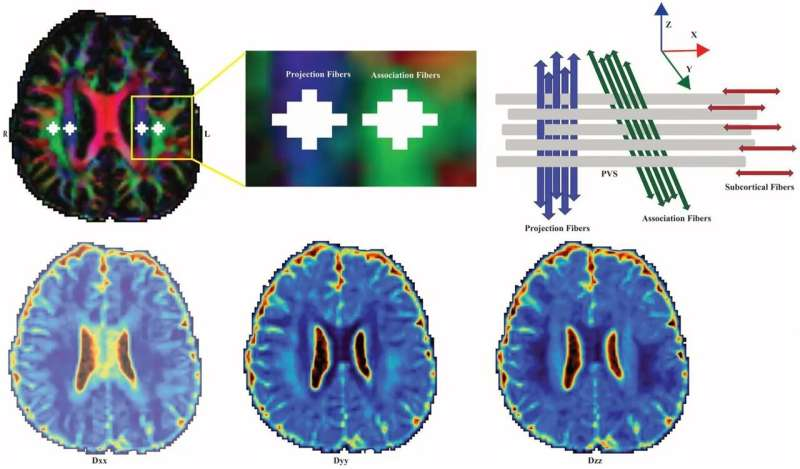
The brain’s waste clearance system is impaired in people living with myalgic encephalomyelitis/chronic fatigue syndrome (ME/CFS), which can lead to various symptoms, including brain fog, researchers have discovered.
Women with Parkinson’s disease may be more vulnerable to Alzheimer’s-related changes in the brain than men, according to new research presented at the European Academy of Neurology (EAN) Congress 2026. Parkinson’s disease and Alzheimer’s disease frequently co-occur in older adults, yet sex differences in Alzheimer’s-related pathology among people with Parkinson’s disease remain underexplored.
Researchers have shown that using paracetamol (acetaminophen) during pregnancy does not increase a child’s risk of developing autism spectrum disorder (ASD) or attention‑deficit hyperactivity disorder (ADHD).
By evaluating data from over 2,000 adults across 23 randomised controlled trials, scientists have proved that melatonin targets the bidirectional relationship between physical agony and sleep fragmentation, offering a highly accessible, non-addictive adjunct for integrated pain management plans.
Adults with both epilepsy and hearing loss who use hearing aids may have a 23% lower risk of developing dementia than those who do not, according to new research presented at the European Academy of Neurology (EAN) Congress 2026.
A new study reveals that the motor skill difference between hands is not innate but rather a result of cultural practices. Using 3D motion capture, researchers found that both hands have similar baseline capabilities, with handedness arising from asymmetrical tool use.
A research team has identified a critical molecular cause of age-related cognitive decline, potentially paving the way for new treatments to protect brain health as people age.
Mayo Clinic researchers have developed a detailed map of the pulvinar, a brain region that may enhance the targeting of brain stimulation therapies for drug-resistant epilepsy. The findings, published in the Journal of Neuroscience, show that closely located brain regions connect to distinct networks, thereby offering a blueprint for more accurate electrode placement in deep brain stimulation treatments.
A simple bedside eye test may help predict recovery of consciousness in patients with severe brain injuries, according to new research presented at the European Academy of Neurology (EAN) Congress 2026.
A research team cautions that reliance on unregulated AI may hinder emotional development and real-world relationship skills. While AI can provide support for marginalised youth, it poses risks such as relational displacement and maladaptive relational learning, potentially increasing long-term vulnerabilities to depression, anxiety, and social isolation.
Better identification and management of sleep apnea and associated vascular risk factors in midlife may provide an important opportunity to support long-term brain health, according to new research from Monash University.
A new study presents an automated cognitive mapping framework that combines Large Language Models (LLMs) with behavioural choice mathematics, demonstrating that human self-insights are a reliable data source, influenced by the specifics of a problem, in high-stakes gambling tasks.
Finally, this week, researchers have revealed how our brain reacts differently to predictable situations and surprises, showing that it is designed to gather more sensory information during unexpected events.

