
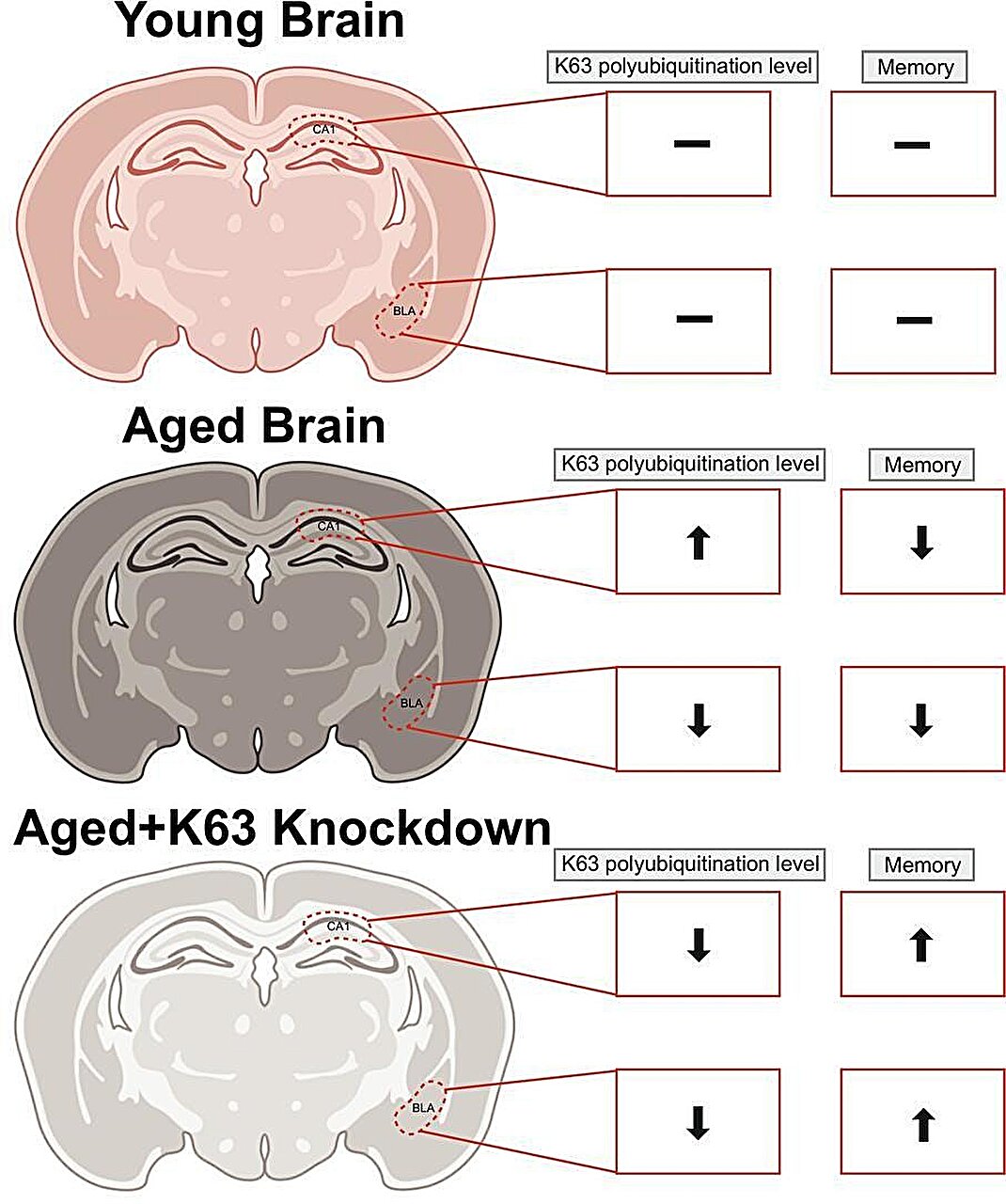
Memory loss may not simply be a symptom of getting older. New research shows that it’s tied to specific molecular changes in the brain and that adjusting those processes can improve memory.
An international consortium of researchers has created the largest-ever database compiling records of brain activity during sleep and dream reports. One of the first analyses of the database confirmed that dreams do not occur only during REM sleep, but also during deeper and calmer NREM stages. In these cases, brain activity resembles wakefulness more than deep sleep, as if the brain were “partially awake.”
A smartphone app for muscle relaxation significantly reduced migraine-related disability in patients visiting the emergency department.
A new study reveals that sleep-like slow-wave brain activity can persist for years in surgically disconnected brain hemispheres of awake epilepsy patients. Using EEG recordings, researchers found that the isolated cortex exhibits patterns similar to deep sleep, anesthesia, or vegetative states—suggesting absent or reduced awareness.
People 60 and older who are excessively sleepy during the day may have more problems with memory and thinking after surgery, suggests a study presented at the ANESTHESIOLOGY 2025 annual meeting.
Doctors and researchers at the University of Pittsburgh and UPMC have developed a new treatment for epilepsy patients who don’t respond to medication and aren’t candidates for surgery. Their approach, published in Nature Communications, uses deep brain stimulation (DBS) that is tailored to each patient’s unique brain wiring.
A new computational tool has uncovered genetic evidence directly linking Alzheimer’s disease to the loss of memory-making neurons, helping to resolve a decades-long mystery in dementia research.
While studies have linked brain areas to remembering personal experiences, brain areas involved in learning more impersonal information about the world remain unclear. In a new JNeurosci paper, researchers used fMRI on 29 human volunteers as they performed a learning task to shed light on how the brain acquires semantic, impersonal information.
Researchers have traced the earliest stages of multiple sclerosis (MS), showing that the immune system begins attacking the brain up to seven years before diagnosis.
New research has provided the strongest evidence yet that auditory verbal hallucinations—or hearing voices—in schizophrenia may stem from a disruption in the brain’s ability to recognise its own inner voice.
Adults with gum disease may be more likely to have signs of damage to the brain’s white matter than people without gum disease, according to a study published in Neurology Open Access.
A team of researchers has developed and tested a new virtual reality (VR) training task designed to help stroke survivors living with visuospatial neglect (VSN), a disabling condition that affects attention and awareness of one side of space. The exploratory case study is among the first to integrate audiovisual cues within a physiotherapy-based VR task to support rehabilitation.
Finally, this week, listening to music when you are over 70 years of age has been linked to a 39% reduction in the risk of dementia, according to a new study of over 10,800 older people.
 inside-the-brain.com