Weekly Neuroscience Update

Cinematic neuroscience laboratory with illuminated brain scan

A new study by neuroscientists at MIT’s Picower Institute for Learning and Memory shows how the brain encodes information throughout the decision-making process to keep options clearly in mind and ensure that chosen and unchosen options are remembered.

A clinical trial has shows that high-frequency spinal cord stimulation can reduce pain and improve sensory function in people with treatment-resistant diabetic neuropathy.

Education, intellectually stimulating work and an active lifestyle help preserve cognitive abilities in adults over 65 and lead to more effective verbal expression and stronger cognitive performance. But there is another important factor: emotions. The way we recognize and interpret them can significantly influence the efficiency of cognitive processes as we age.

A new UCLA study has found a connection between how quickly the brain ages and the bacteria and chemical byproducts found in the gut, offering a clue to what drives brain aging long before symptoms appear.

Scientists have identified over 830,000 brain immune cells, including a protective subtype of microglia that increases during Alzheimer’s disease. These cells, influenced by the TREM2 pathway, assist in removing harmful substances from the brain, offering a new approach for therapies that aim to enhance the brain’s innate immune defences instead of just targeting amyloid plaques.

A recent study suggests that slow electrical rhythms traveling along individual nerve fibres may do more than reflect brain activity: They may help coordinate communication between key memory centres in the hippocampus.

New research from Carnegie Mellon University reveals that dendritic spines—the tiny structures that help brain cells communicate and form memories—don’t fit neatly into a few categories. Instead, they display a continuous range of shapes, offering new insight into learning, development and neurological disease.

People living with a severe form of asthma show subtle differences in the structure of their brains compared with people whose asthma is well controlled, according to new research presented at the European Respiratory Society Congress.

Researchers have discovered that sitting on Japanese Igusa mats, made from rush grass, enhance concentration and engagement in the brain while reducing tension and anxiety in users. With centuries of use in Japan, the research aims to validate its health benefits and highlight the value of this traditional material.

New research indicates that people with invasive cancer face an elevated risk of experiencing a stroke, especially in the first few months after diagnosis and if they have certain types of cancer. The findings are published in Cancer.

A recent study compared eye-tracking data from 368 adult readers with predictions from over 400 neural network models, revealing that large language models (LLMs) struggle to predict human cognitive challenges in contextualizing words, despite being accurate in word recognition speed.

Researchers have found a method to predict the onset of symptoms in individuals at high risk for Alzheimer’s, aiding physicians in determining the appropriate timing for preventive treatments.

A study of more than half a million adults has found that higher levels of exhaled carbon monoxide were associated with a lower risk of Parkinson’s disease. The findings, published in JAMA Neurology, uncover a possible new explanation for the consistently lower rates of Parkinson’s among smokers that have long puzzled scientists.

Weekly Neuroscience Update

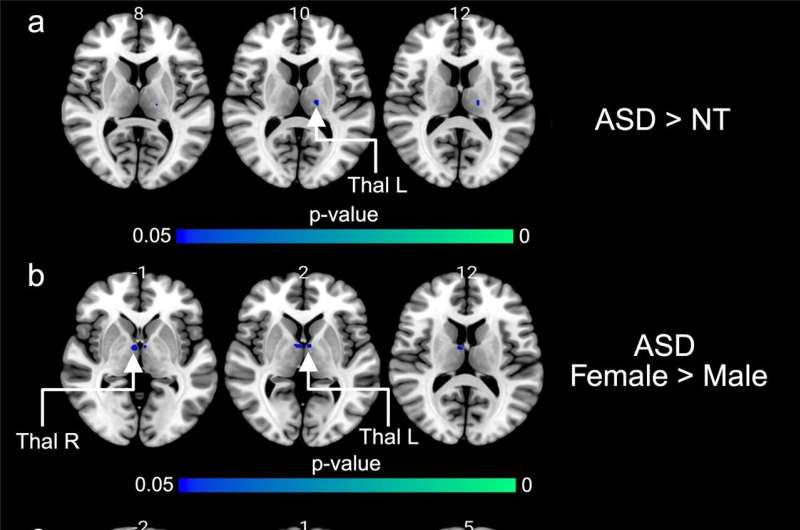
 Credit: European Journal of Nuclear Medicine and Molecular Imaging (2026).

Researchers studied how autism manifests in the brain by examining the dopamine system, energy use, and communication between brain regions in 60 adults, using three advanced brain-scanning techniques. They found a higher number of dopamine D2 receptors in autistic individuals compared to neurotypical individuals, indicating a significant role of the dopamine system in autism.

Deep brain stimulation, or DBS, may help improve speech and swallowing problems caused by traumatic brain injury (TBI), according to a new study published in Nature Communications.

As people age, cognitive functions generally decline, but language skills often remain intact or even improve unless affected by conditions like stroke or dementia. A recent study has found that older adults exhibit similar neural activity in the language-processing network as younger adults during language tasks, although activation patterns in the executive control tasks network differ significantly between the two age groups.

Research from the University of East Anglia shows how our memories change with age and why specific details associated with past events can fade over time.

Scientists have identified a previously unknown aspect of schizophrenia that offers a new way to understand how the disorder affects large-scale brain coordination. In a new study, published in the journal Translational Psychiatry, researchers introduced a method for measuring how brain networks maintain balanced activity and recover when that balance is disrupted.

Findings from a new study suggest that the trickle of neurons created in the adult hippocampus could be instrumental in preventing depression. Most of the brain’s 100 billion neurons are created before birth.

A short workout or a nap can help protect memory after a sleepless night, a recent study has found. Researchers found people who either completed 20 minutes of moderate-to-vigorous exercise or took a 90-minute nap performed about 22% better on memory tests after 30 hours without sleep than those who did neither. 

A study published in Neuron has identified the brain mechanisms that help us work out whether the consequences we experience are caused by our own actions or by circumstances beyond our control.

A new study suggests that gut bacteria may send different biological signals in Parkinson’s disease. The findings add to growing evidence that changes in the gut could be linked to Parkinson’s disease and may eventually help researchers identify new underlying mechanisms for the condition.

Scientists have found that a pattern of brain atrophy visible on MRI could help predict how quickly people with early-onset Alzheimer’s disease progress from mild cognitive impairment to dementia.

Some people with epilepsy experience delusions, hallucinations, paranoia and confusion after a seizure. While these episodes usually last only days, a new study led by researchers suggests they may place patients at significantly higher risk of developing psychiatric disorders later.

The brain may “tag” experiences during learning to better consolidate memories of them during sleep, according to a study published in the journal PLOS Biology by Dan Denis from the University of York, United Kingdom, and colleagues.

Weekly Neuroscience Update

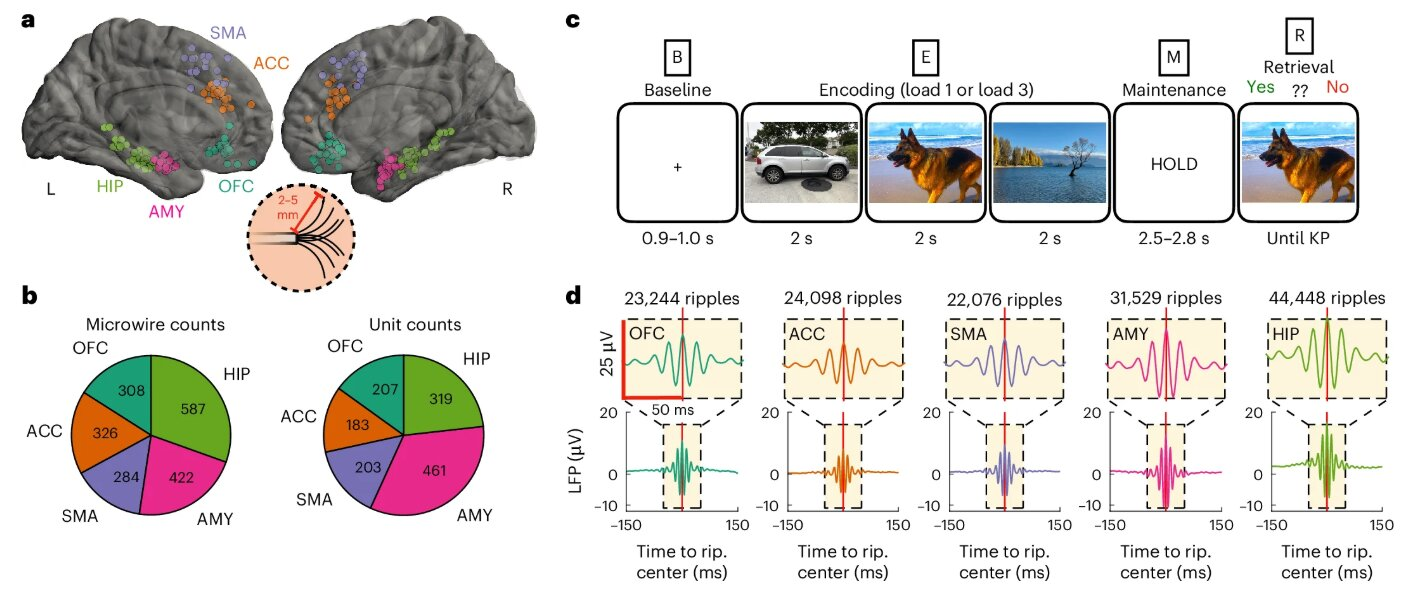
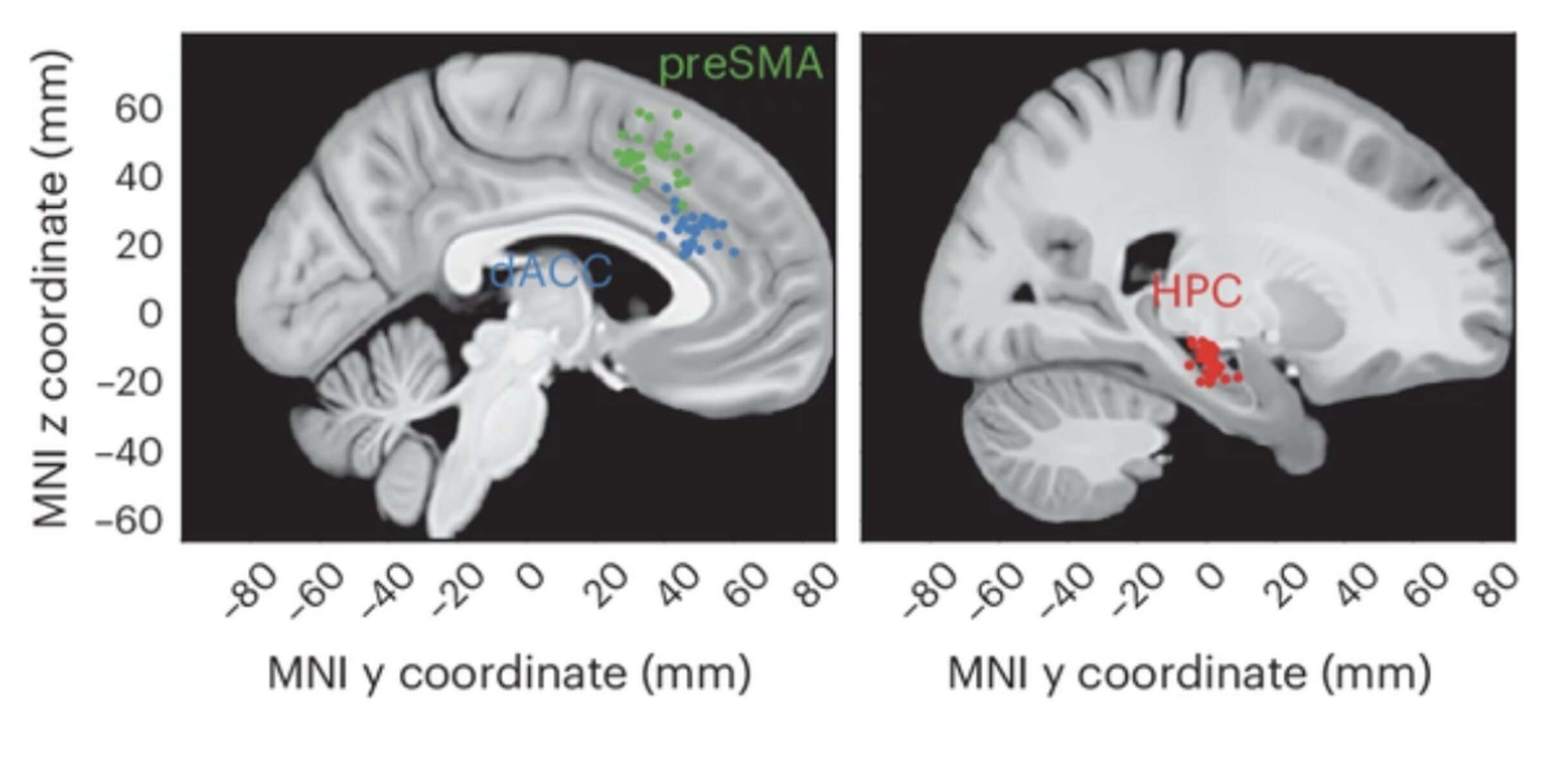
Microwire locations, task, ripple characteristics and increased co-firing during co-ripples at all recording separations. Credit: Nature Neuroscience (2026).

Researchers have discovered that high-frequency brain waves, known as ripples, may facilitate synchronization between distant brain regions during working memory tasks, highlighting their potential role in coordinating neural activity across long distances during cognitive processes.

Having normal blood pressure, no diabetes, and not smoking from age 48 to 68, are associated with nearly 13 additional years on average of dementia-free life, a new study shows.

Childhood epilepsy is linked to significantly poorer exam grades and long-term educational attainment, with the lowest levels of academic achievement among those whose neurological disorder started when they were very young, finds a large, long-term Danish study published online in the Journal of Neurology Neurosurgery & Psychiatry.

In a paper appearing in Nature Communications, researchers show how music produces distinct patterns in the regions of the brain associated with imagination and meaning, similar to those prompted by spoken narratives.

A new study suggests that Alzheimer’s disease may be detected by brain imaging more than seven years earlier than previously assumed. The study suggests that the gold standard for imaging in Alzheimer’s disease (amyloid-PET) has not been sensitive enough to detect early brain processes associated with the disease, such as the accumulation of amyloid plaques in the brain. The researchers found signs of Alzheimer’s at least seven years before plaques became visible.

A person’s sleep patterns could be an early sign of Alzheimer’s disease, a new study says. A greater number of micro-awakenings during sleep is linked to a greater genetic risk for Alzheimer’s, researchers report in the journal Sleep.

People living with severe mental illness face a substantially higher risk of dementia throughout adulthood, as well as a significantly elevated risk of stroke in early and middle adulthood, according to a large new study based on health records from Catalonia, Spain. The findings, published in European Neuropsychopharmacology, suggest that physical health risks linked to severe psychiatric conditions emerge much earlier than many clinicians may expect, underscoring the need for general health care to be more integrated into mental health care.

A new study published in Brain Stimulation shows that the brain’s ongoing activity before stimulation can predict much of this variability, offering a path toward more reliable neuromodulation therapies.

A new AI model analyzes routine sleep study data to reveal patients’ long-term health risks, such as heart disease and cognitive decline. The study indicates that standard medical tests hold more physiologic information than typically recognized, with AI uncovering significant patterns in sleep data that traditional measures miss.

Published in the Journal of Cognitive Enhancement, a new study found six one-minute bouts of stair climbing improved people’s cognitive health.

Researchers have identified a possible biological marker linked to severe suicidal thoughts. The finding, published in The British Journal of Psychiatry, may also help explain why some people recover from these thoughts, opening a new path for research into resilience and suicide prevention.

A research team has demonstrated that transcranial direct current stimulation (tDCS) significantly improves depression and apathy in patients with Parkinson’s disease.

A recent study suggests that a single 20-minute session of noninvasive deep brain stimulation, paired with mindful breathing, may strengthen the brain’s response to reward and reduce anxiety. Changes in reward-related brain activity remained detectable for approximately one week after the session.

Researchers have created an AI-based method to produce detailed maps revealing how different brain areas age and their correlation with cognitive function over a lifetime.

Weekly Neuroscience Update

Scientist fitting EEG cap on seated woman while others work on brain imaging and data analysis

Results from a small clinical trial suggest it may be possible to reduce the risk of dementia by eating during fewer hours of the day. The pilot study, which involved a weight-loss program for older women with overweight or obesity, showed modest cognitive improvements among those who limited their daily eating window instead of just reducing their calorie intake.

Scientists have introduced the world’s first chip capable of matching the operational speed of the human brain.

Researchers have developed a methodology that uses artificial intelligence to analyse the brain’s electrical activity during sleep, facilitating early diagnosis of Alzheimer’s. The study, published in the journal GeroScience, shows that analysing nocturnal brain waves through machine learning techniques allows for the identification of early neuronal alterations and the classification of patients into three distinct biological subgroups.

A new study demonstrates that whether an individual’s eyes are open or closed completely reverses the relationship between alpha band brain activity and mind wandering.

A study on human intracranial recordings shows that memory consolidation during sleep relies on coordinated activity among the orbitofrontal cortex, thalamus, and hippocampus. It provides direct evidence of how interactions between these regions affect memory performance, highlighting that synchronised neural signalling during sleep enhances memory retention.

New blood tests for early detection of Alzheimer’s disease offer a less invasive diagnostic alternative to brain scans and spinal taps, allowing for earlier identification and potentially more effective treatment options.

A recent study found that the human brain experiences significant changes in gene regulation and genome structure starting in midlife, particularly in the hippocampus. Researchers identified a notable shift in the brain’s immune system between ages 50 and 75, where embryonic-derived microglia decrease and are replaced by cells from peripheral blood with increased inflammation. These changes, along with a reduction in cells that maintain the blood-brain barrier, could explain why ageing is a key risk factor for neurodegenerative diseases like Alzheimer’s.

Scientists have shed new light on Alzheimer’s disease that could point to new directions for treatment.

Widespread evidence suggests that years of heading, tackling, and collisions in football and rugby may increase the risk of dementia and neurological diseases. A preliminary study presented at the Alzheimer’s Association International Conference in July 2026 examined 142 former professional footballers aged 30–60 alongside 56 individuals without a history of contact sports. While both groups performed similarly in cognitive tests, the retired footballers reported worse mood, higher anxiety levels, and poorer cognitive function.

A landmark study by scientists at King’s College London has identified new genetic risk factors for fibromyalgia syndrome, emphasising the nervous system’s role in the disorder’s development.

A pan-European study highlights key behavioural factors impacting health care professionals’ decisions to prescribe new treatments for neurodegenerative diseases. The findings emphasise the potential of behaviour change frameworks to enhance the adoption of these transformative therapies, addressing the rising global health care challenge posed by diseases like Parkinson’s. Understanding these prescribing influences is crucial for ensuring patient access to the best treatment options.

Analyzing UK sugar rationing data shows that limiting sugar exposure in utero and during the first two years of life reduces dementia risk by up to 23% and delays disease onset by 2.6 years

Researchers have developed an AI-powered speech neuroprosthesis that decodes high-density intracortical signals into fluent, high-fidelity synthetic speech. The dual-stage deep learning pipeline leverages a phonetic decoding layer paired with a large language model linguistic processor to achieve greater than 99% word accuracy with a processing latency of just 30 milliseconds.

A recent study showed that a three-week digital training program alongside standard drug treatment for Parkinson’s significantly improved patients’ motor function and brain motor circuits.

Weekly Neuroscience Update

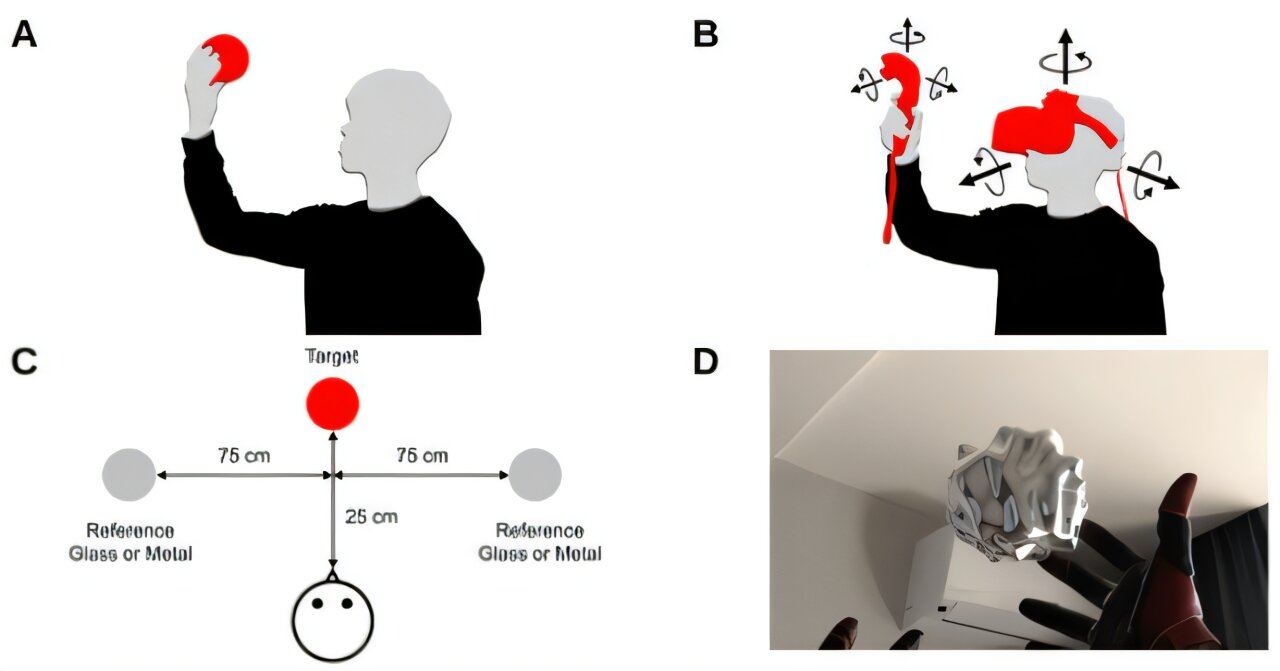
Researchers have conducted a psychophysical study using virtual reality (VR) to investigate how humans flexibly use exploratory behaviours—such as changing their viewpoint by moving their head and manipulating objects with their hands—when discriminating the material properties of objects. The study was published in the Journal of Vision.

A new study establishes a robust link between long-term exposure to air pollution and the risk of Parkinson’s disease.

An international team of scientists and clinicians have developed a generative artificial intelligence framework that unmasks these previously hidden cortical lesions by analysing existing legacy MRI scans. By synthesising minor, sub-visual discrepancies across multiple image contrasts, the AI acts as a computational lens, extracting vital diagnostic data from ordinary scans and revealing an entirely invisible layer of MS pathology.

New research in General Psychiatry has uncovered a link between higher levels of daytime light exposure and a lower risk of dementia.

A recent study discovered that randomly played sounds during sleep can actively impair memory consolidation. By utilising real-time electroencephalography (EEG) monitoring, the researchers proved that ambient sound clicks disrupt deep slow-wave sleep, arresting the physical propagation of slow brain waves across the cortex and fracturing the crucial transfer of information required to form long-term memories.

A research team has uncovered new insight into how the brain senses movement. Their findings could potentially help improve sensation and movement for prosthetic limbs.

A new study has demonstrated that introducing inflammatory signalling molecules directly into human hippocampal stem cells halts new neuron production. Instead of simply dying or becoming damaged, the brain’s neural stem cells abandon their regenerative responsibilities, entering an “immune alert” state that fuels localised neuroinflammation.

People who speak more than one language seem to have younger brains, according to research presented at the Federation of European Neuroscience Societies (FENS) Forum 2026

A new research framework that combines large language models (LLMs) with choice mathematics to evaluate human decision-making. By deploying LLMs to automatically interpret and code thousands of free-text participant thought justifications, the framework provides a scalable, validated methodology demonstrating that human reasoning strategies shift dynamically with a problem’s structure.

Scientists have found that human cortical neurons function like advanced microchips, demonstrating computational abilities comparable to those of deep artificial neural networks, rather than merely acting as simple switches.

Weekly Neuroscience Update

Credit: Brain Stimulation

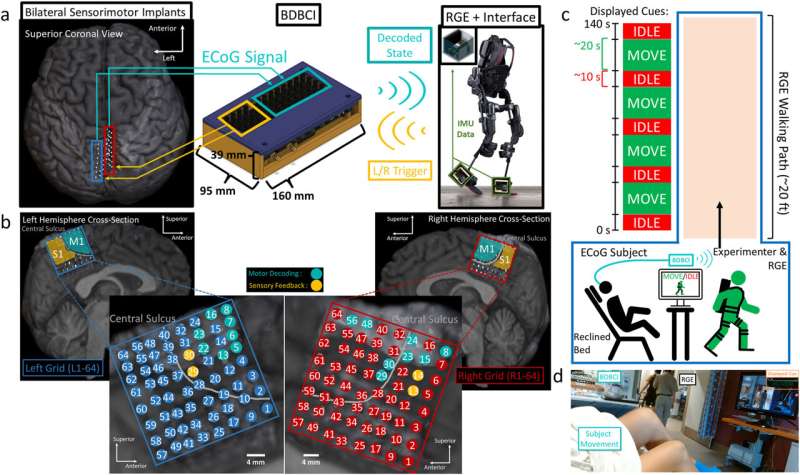
Researchers are developing a fully implantable brain-computer interface (BCI) that enables patients with paraplegia to control robotic exoskeletons with their thoughts, aiming to restore both walking and the sensation of walking.

New research indicates that time perception is a complex, multi-stage process in the brain, starting with sensory encoding and leading to a representation of time that helps us categorise experiences by duration and order. This insight paves the way for further studies on the links between cognitive functions and time perception, particularly in relation to disorders affecting this process.

Does a plant-based diet prevent Alzheimer’s? New research shows that healthful plant-based diets lower dementia risk by 7%, while unhealthful plant-based diets increase risk.

A new AI framework emulates human brain development by “pruning” unnecessary connections as it learns, becoming more compact and energy-efficient while mastering complex tasks. The study indicates that effective learning relies on the right connections rather than on an abundance of them. By mimicking infant brains, this AI enables continual learning and improves perception, motor control, and interaction, all while reducing size and energy consumption.

A new study reveals that school-age children and adolescents with medically diagnosed traumatic brain injury (TBI) have significantly higher rates of anxiety/depression, and strong family support and resilience help alleviate some of it.

Loneliness affects memory performance in older adults but does not accelerate cognitive decline, according to a European study of more than 10,000 participants over seven years. Although those reporting high levels of loneliness initially performed worse on memory tests, their decline in recall ability matched that of less lonely participants over time.

Researchers have developed a 15-minute blood test that uses europium nanoparticles and a smartphone to track melatonin levels, helping astronauts and shift workers manage their biological clocks.

A study from Mass General Brigham reveals that a blood test measuring plasma phosphorylated tau 217 (pTau217) can predict changes in amyloid PET scans and cognitive decline in healthy older adults, potentially allowing for earlier disease prediction and identifying those at risk for cognitive decline. The findings are published in Nature Communications.

A high-resolution study of 30 adult brains reveals over 3,000 genes with sex-biased expression. These findings link molecular sex differences to the prevalence of disorders like ADHD and Alzheimer’s.

Air pollution is associated with increased migraine activity, according to a study published in Neurology. Both short-term and cumulative exposure to air pollution, as well as climate factors such as heat and humidity, were associated with increased migraine activity.

A new study shows how subcortical pathways can make AI models more flexible and biologically accurate.

New research indicates that high sodium intake may harm episodic memory, which is essential for recalling personal experiences. These findings emphasise the broader cognitive effects of a salty diet, underlining the significance of making healthy dietary choices for brain health.

Can brain implants restore sight? Researchers have mapped how the brain reacts to neural probes, finding that flexible polyimide is the key to long-term biocompatibility.

Scientists analysed data from over 363,000 participants in the NIH’s All of Us Research Program and found that treatable middle ear conditions, such as eardrum perforations and cholesteatoma, are associated with nearly double the odds of developing dementia; however, treating these conditions with surgery or hearing aids significantly reduced or eliminated the dementia risk.

Finally, researchers printed artificial neurons that successfully “talk” to living brain cells. These flexible devices could lead to energy-efficient AI and advanced brain-machine implants.

Weekly Neuroscience Update

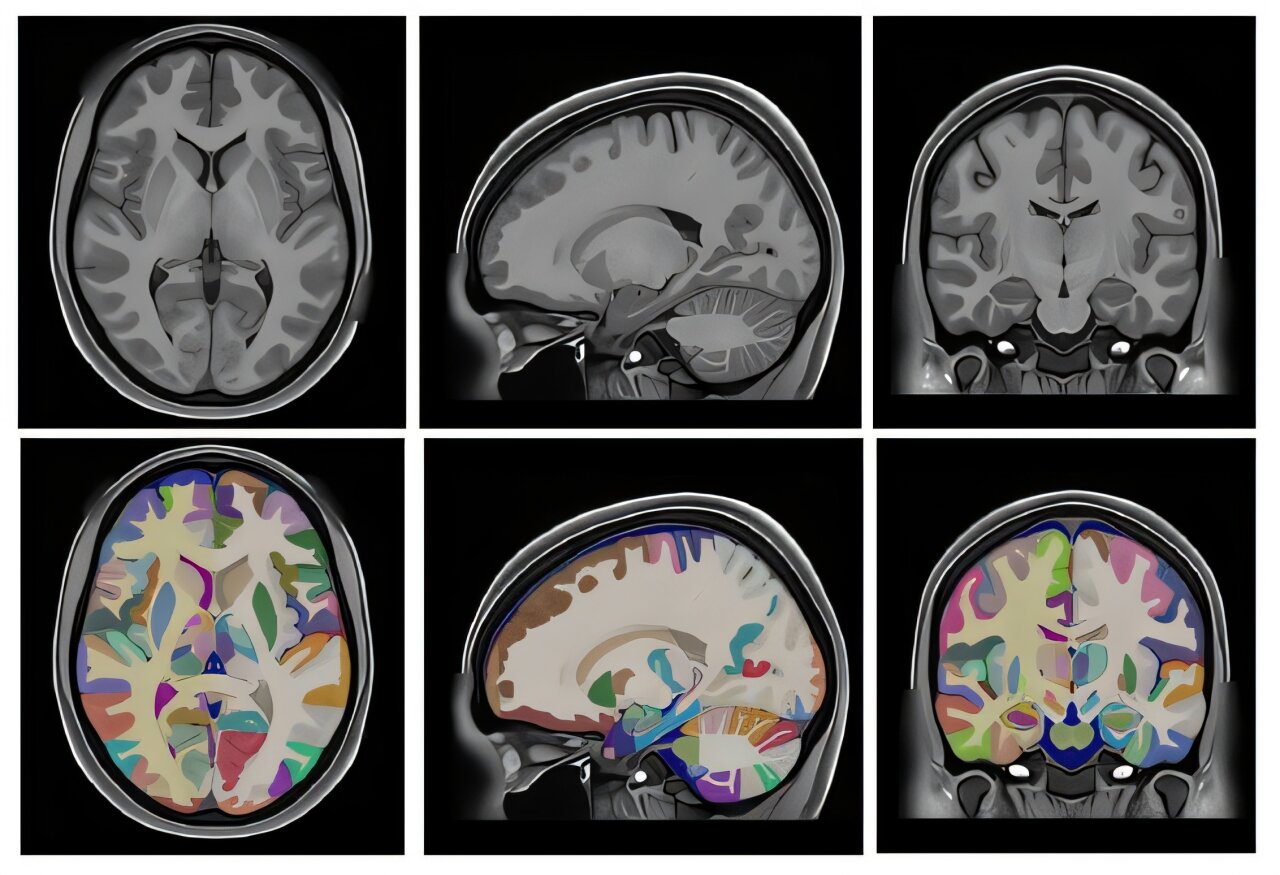
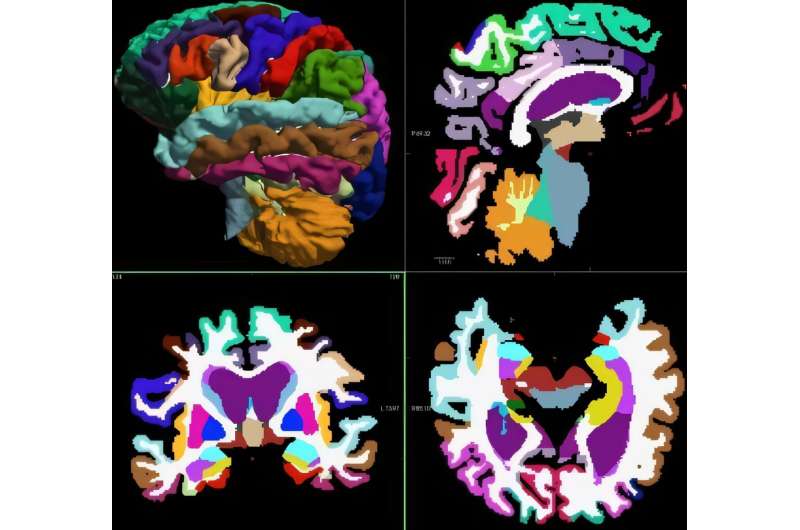
HoliAtlas Project Brain Images. Credit: Instituto de Aplicaciones de las Tecnologías de la Información y de las Comunicaciones Avanzadas (ITACA), Universitat Politècnica de València

An international team has developed one of the most comprehensive and detailed structural atlases of the human brain to date. Known as HoliAtlas, it will be particularly useful for the study and early diagnosis of neurological and neurodegenerative diseases, such as Alzheimer’s or Parkinson’s.

A large-scale study found that severe, hospital-treated infections are linked to an increased risk of dementia.

Scientists have uncovered a strategy that the brain uses for chemical signalling. In a new study, researchers found that in the striatum, a brain region central to learning and movement, one signalling system can seize control of another, promoting the coordinated release of both.

A meta-analysis has confirmed that exposure to nature—real, virtual, or imagined—reduces negative emotions and boosts brain health.

A massive study of over 2.2 million individuals has fundamentally redefined how we understand the genetics of addiction. The research reveals that most genetic risk for substance use disorders (SUD) isn’t about how the body reacts to a specific drug, but how the brain is “wired” for behavioural disinhibition.

A meta-analysis found no link between hormonal contraception and idiopathic intracranial hypertension (IIH), a serious condition marked by increased pressure around the brain, potentially causing chronic headaches and vision loss.

A machine-learning analysis of brain waves recorded during sleep may help identify people at high risk of developing dementia, according to a recent study. The study found that when a person’s “brain age,” estimated from sleep signals using EEG, exceeded their actual age, the risk of dementia increased.

A major study has found that treating ADHD with stimulant medication during childhood may actually lower the long-term risk of developing serious psychotic disorders, such as schizophrenia.

New research shows that the long-term neurological impact of childhood trauma is not permanently etched onto the brain. An analysis of brain communication patterns in individuals with childhood adversity indicates that lifetime physical activity can reshape neural connectivity, strengthening internal communication and optimizing stress response. The findings from the study in Biological Psychiatry: Cognitive Neuroscience and Neuroimaging highlight physical activity as a modifiable lifestyle factor linked to neurobiological adaptation.

An international team has completed a massive “blueprint” of the human neocortex, the brain’s outer layer responsible for high-level thinking, decision-making, and sensory processing.

A clinical decision support tool that uses artificial intelligence (AI) to analyze scans after a stroke alongside treatment recommendations is associated with better quality care and long-term outcomes for patients compared with usual care, finds a recent study published in The BMJ.

Can a stroke make part of your brain younger? New research using deep learning reveals that undamaged brain regions reorganise and show “youthful” structural patterns to compensate for severe stroke damage.

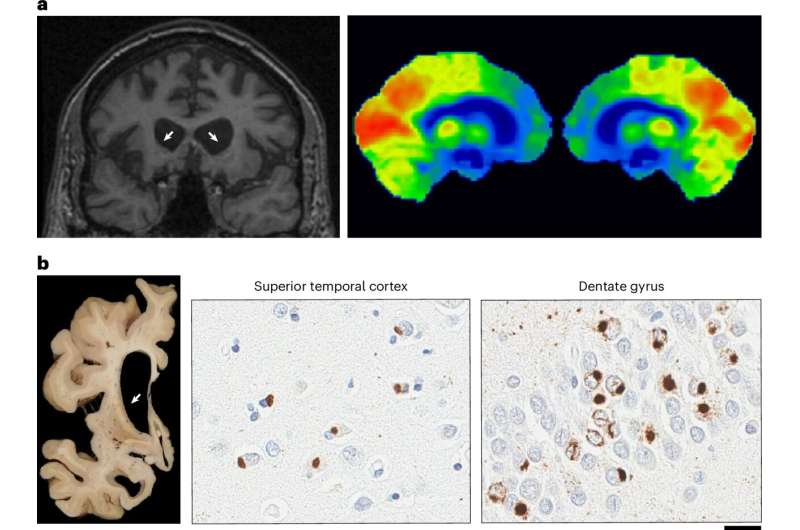
New research identifies a leaky blood-brain barrier as the primary link between repetitive head injuries and long-term cognitive decline in retired athletes. MRI scans compared with post-mortem tissue from athletes with Chronic Traumatic Encephalopathy reveal that this barrier remains compromised even years after retirement.

Scientists have identified a new genetic disease characterised by premature ageing and deficits in brain function.

Consciousness and its impairment from brain injuries are not well understood, making disorders of consciousness (DOC), like coma and vegetative states, challenging to treat. A new study published in Nature Neuroscience suggests that AI may help researchers tackle this issue. The research team developed an adversarial AI framework to better understand states of reduced consciousness and explore potential solutions.

Finally this week, new research shows that periodontal tissue status, peripheral immune response, and cognitive functions are closely interconnected.

Weekly Neuroscience Update

Credit: Nature Genetics (2026).

Researchers have identified a major genetic risk factor for a rare form of frontotemporal dementia. The discovery, published in Nature Genetics, provides a biological entry point for a disease subtype that has been difficult to study. It could not only help to improve diagnosis and patient stratification, but also opens up new avenues toward targeted treatments.

A new study suggests that merely engaging in physical activity isn’t sufficient; the structure of workouts, including session spacing and organization, may be more crucial for healthy brain aging than the total activity amount.

MIT neuroscientists have discovered how the brain focuses on a single voice amid many, addressing the “cocktail party problem.” This focus is crucial in crowded settings like cocktail parties, where multiple conversations occur. The brain can follow the voice of the person you’re talking to despite background noise. Using a computational model of the auditory system, the MIT team found that enhancing neural processing units that respond to specific voice features, like pitch, helps bring that voice to the forefront of attention.

Higher maternal physical activity is associated with early child neurodevelopment, according to a recent study.

The stress hormone cortisol disrupts the brain’s navigational system by impairing the function of grid cells essential for spatial orientation. Researchers from Ruhr University Bochum, Germany, verified this in an imaging study with 40 individuals who completed a virtual navigation experiment in an MRI scanner. Subjects who received cortisol prior to the experiment performed worse, with indistinct grid cell activity patterns.

The recreational drugs cannabis, cocaine and amphetamines significantly increase the risk of stroke—including among younger users—Cambridge researchers have concluded after analysing data from more than 100 million people.

Scientists have identified a coordinated “gene expression program” that drives neurotransmission in the living human brain by integrating real-time intracranial recordings from neurosurgical patients with molecular profiling. This study reveals specific genes associated with active signalling, offering new insights into human cognition and psychiatric disorders.

A single session of physical exercise can spawn a boost of neural activity in brain networks that underlie learning and memory, according to a new study.

A team of Spanish researchers investigated whether individuals with high psychopathic traits exhibit brain structure anomalies that prevent feelings of regret and contribute to manipulation and antisocial behaviour by interviewing men convicted of intimate partner violence and a control group, followed by brain scans. The results showed that men with thinner cortex in certain brain regions—particularly fronto-temporo-parietal areas—tended to display higher antisocial tendencies, regardless of their history of violence.

Scientists have identified seven specific types of hyperarousal, creating a new roadmap for treating the underlying tension of mental disorders.

Researchers conducted a study on the link between responses to SSRIs and SNRIs and brain connections. Their findings, published in Molecular Psychiatry, suggest that a specific link between the frontal lobe, a region in the brain’s outer layer involved in decision-making, and the amygdala, which is central to the processing of emotions, differs in patients that respond better to SSRIs and those who find SNRIs more beneficial.

New research reveals that our brain’s internal map of the world is updated by a 94% accurate prediction of our own eye movements.

Alzheimer’s research has faced criticism for its lack of diversity, with a primary focus on participants of European ancestry. A groundbreaking study has revealed significant variations in Alzheimer’s pathology, specifically tau protein tangles and amyloid plaques, among different racial and ethnic groups. This suggests the disease’s biological timeline varies across populations, indicating a need to adjust current diagnostic tools and future treatments for broader effectiveness.

A new study offers a single explanation for two major symptoms of schizophrenia.

New research has found no evidence that the transitional symptoms of menopause such as brain fog and memory problems have a lasting impact on cognitive performance. The research, published in npj Women’s Health, found that while brain fog is a real symptom commonly experienced by peri- and postmenopausal women, there is no evidence that it has an ongoing impact on a person’s cognitive abilities.

The largest-ever Parkinson’s study shows how symptoms differ between men and women.

A recent study published in NeuroImage reveals that neuroticism is linked to altered communication between different brain networks rather than isolated brain activity. Researchers discovered that people with higher levels of this personality trait show increased connectivity between brain regions responsible for processing emotions, regulating memory, and detecting threats. These findings suggest that emotional instability arises from how the brain’s emotional hubs synchronize with other areas.

New research indicates that storytelling may be linked to the evolution of human memory and could enhance everyday retention.

Having type 1 diabetes is linked to a higher risk of dementia, according to a recent study published in Neurology. Type 2 diabetes also carries a higher risk compared to those without diabetes. However, this study shows an association and does not prove that diabetes causes dementia. Type 1 diabetes is rare, representing about 5% of diabetes cases.

Finally, new research shows that harmonically consonant musical chord progressions during face-to-face interactions enhance brain circuits linked to social connection and emotional processing.

Weekly Neuroscience Update

Segmented and labelled images of a normal brain. Credit: Worcester Polytechnic Institute

Researchers utilised AI to examine anatomical brain changes, achieving a 93% accuracy in predicting Alzheimer’s disease. Their findings indicate that these changes, including brain volume loss, vary by age and sex.

Lithium—a decades-old treatment for bipolar disorder—may hold potential neuroprotective benefits beyond mood stabilisation. An exploratory clinical trial suggests that low-dose oral lithium may help slow the decline of verbal memory, or ability to remember and recall words and sentences, in older adults with mild cognitive impairment, particularly among those with evidence of amyloid beta—one of the hallmark biomarkers of Alzheimer’s disease.

Scientists have discovered new diagnostic markers for multiple sclerosis (MS), a disease that affects 3 million people worldwide.

A study published in Nature Communications, has identified specific DNA-level changes in the brains of people with Alzheimer’s disease (AD). Using advanced biological analysis, the team mapped alterations in the brain’s regulatory landscape that may help explain why Alzheimer’s presents and progresses differently from person to person. The findings could also open new avenues for understanding other neurodegenerative diseases.

Researchers have demonstrated through Magnetoencephalography (MEG) that memories can be reactivated in the brain without reaching conscious awareness, indicating these memories persist even when believed forgotten.

Could the deepest parts of the brain hold some of the secrets of sleep that still remain elusive to science? An in-depth study that penetrates into the brain, finding that during the deepest sleep, breathing patterns and brain activity become more independent of one another—unlike in lighter sleep or quiet wakefulness.

New research objectively quantifies multisensory losses in patients with COVID-19. The study, published in BMC Medicine, follows long COVID patients reporting issues in smell, taste, balance, hearing, and brain fog.

Researchers may have found a reason why young adults with autism are about six times more likely to get Parkinson’s disease as they age. Some young adults with autism have issues with dopamine transporters—small molecules in the brain that recycle dopamine—on brain scans usually used to diagnose older adults with Parkinson’s disease.

Why do people with compulsive traits—seen in OCD, addiction, and eating disorders—rely on repetitive habits? A recent study reveals it’s not due to an inability to plan for the future, but rather a paralysis by uncertainty.

A meta-analysis of over 900 scientific papers has mapped the “immune signatures” that determine if our brains recover or decline post-infection. The study reveals that the immune response creates a chemical environment in the brain that can either protect or harm our memory, attention, and processing speed.

Finally, this week, a team of researchers has developed a technology capable of enabling early diagnosis of major neurological disorders, including epilepsy, Parkinson’s disease, and schizophrenia, using only a small amount of saliva.

Weekly Neuroscience Update

Credit: Nature Medicine, 2026

Training people to activate a part of the brain linked to reward and positive expectations may be associated with an increase in the body’s immune response to a vaccine. The findings from a study involving 85 participants, published in Nature Medicine, suggest that positive thinking might help the brain support the immune system in a noninvasive way.

A new study shows that even a short afternoon nap can help the brain recover and improve its ability to learn. 

After receiving evidence-based early interventions, roughly two-thirds of non-speaking children with autism speak single words, and approximately half develop more complex language, according to a new study. The findings, published in the Journal of Clinical Child and Adolescent Psychology, offer vital insights into improving success rates for children who remain non-speaking or minimally speaking after therapy.

A newly developed AI computational models that predict the degeneration of neural networks in amyotrophic lateral sclerosis (ALS).

Researchers have determined that a measure of brain complexity, derived from magnetic stimulation and EEG, can effectively evaluate the integrity of conscious processing in patients with Alzheimer’s disease. The findings offer a new potential metric for tracking disease progression.

People with obesity and high blood pressure may face a higher risk of dementia, according to a new study published in The Journal of Clinical Endocrinology & Metabolism.

A new doctoral dissertation shows that gambling disorder is linked to brain networks involved in self-control and brain reward functions. By combining several brain imaging methods, the research provides new biological insight into the disorder and may point to promising directions for treatment development.

Researchers have proposed a neuroscience framework explaining how different types of motivation fundamentally reshape what and how the brain remembers.

Scientists have examined episodic and semantic memory, combining task based and fMRI data and have shown that there is no difference in neural activity between successful semantic and episodic retrieval.

Research by an interdisciplinary team from McGill University and Université Laval provides new insights into the links between social factors and cognitive health among aging adults. While previous research had found positive correlations between specific measures of social connectedness and a variety of health outcomes, this study appears to have been the first to create profiles aggregating multiple social factors and to see how those correlated with cognitive health in older adults, the researchers said.

A new study finds that heart attacks involve not just the heart but also the brain and the immune system, revealing a more complex interplay between these critical bodily systems than previously understood.

UCLA Health researchers have created a comprehensive map showing how eight different genetic mutations associated with autism spectrum disorder affect early brain development, providing new insights into the ways diverse genetic causes may lead to shared features and symptoms of the disorder.

The effect of obesity on brain health may depend not only on how much fat is in the body, but also on the areas of the body where fat is stored, according to a study published in Radiology.

A new study published in the journal Brain, Behavior and Immunity has found that people who have had a stroke have fewer of a specific type of immune cell called B cells, which normally produce antibodies to fight off infections.  Researchers reviewed 21 clinical trials involving more than 2,100 adults, comparing cannabis-based medicines with placebo over periods of two to 26 weeks.

A research team of has succeeded in identifying biomarkers for Parkinson’s disease in its earliest stages, before extensive brain damage has occurred. The biological processes leave measurable traces in the blood, but only for a limited period.

New research suggests that a person’s overall physical and mental abilities, known as intrinsic capacity, may help predict future cognitive decline.

Menopause is linked to reductions in gray matter volume in key brain regions as well as increased levels of anxiety and depression and difficulties with sleep, according to new research from the University of Cambridge. The study, published in Psychological Medicine, found that hormone replacement therapy (HRT) does not appear to mitigate these effects, though it can slow the decline in reaction times.

People exposed to wildfire smoke have a higher risk of suffering a stroke, according to research published in the European Heart Journal

Researchers have characterized how cellular senescence—where aging cells change their function—is linked to human brain structure in development and late life. This intriguing connection has significant implications, revealing that senescent cells may play a role in the neurodegenerative processes associated with aging, potentially influencing cognitive decline and various age-related diseases.

Finally this week, a new study has found that for people with moderate hearing loss, being prescribed hearing aids had little impact on cognitive test scores.