
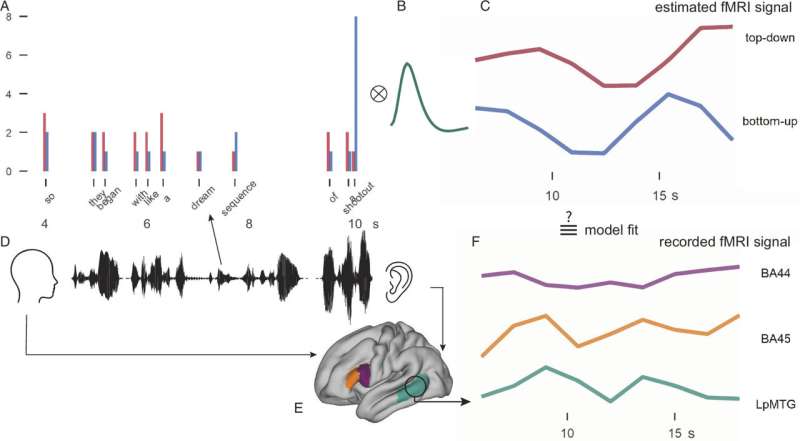
How does the brain respond to sentence structure as we speak and listen? In a neuroimaging study published in PNAS, researchers investigated sentence processing during spontaneous speech for the first time.
A research team has achieved a breakthrough in stem cell research, offering tools that can be used for patients who require highly personalized care.
Researchers demonstrated promising results for PTSD treatment in military veterans by combining brain stimulation with virtual reality exposure therapy. The clinical trial showed significant reductions in PTSD symptoms among participants who received low electrical current brain stimulation during virtual reality sessions designed to simulate warzone experiences.
A new study involving participants from 15 countries, shed light on the universal preference for simple integer ratios in rhythms, revealing significant cultural variations in musical perception.
Researchers have uncovered a strikingly similar suite of changes in gene activity in brain tissue from people with schizophrenia and from older adults. These changes suggest a common biological basis for the cognitive impairment often seen in people with schizophrenia and in the elderly.
A new study reveals a direct correlation between adversities faced in childhood and adulthood with later psychiatric and cognitive decline.
A new study reveals a strong link between daytime physical activity and improved sleep quality among both children and adults. Analyzing the daily routines of over 2500 participants, the research highlights how higher levels of moderate to vigorous physical activity correlate with fewer sleep disturbances, less daytime tiredness, and overall better sleep quality.
In an innovative study published in Science Advances, researchers have unveiled new insights into the intricate relationship between emotion and perception.
Even people whose physical activity levels fall short of recommended guidelines, but who manage to do some during their leisure time, are likely to have a lower risk of stroke than their sedentary peers, suggests a pooled data analysis of the available evidence, published online in the Journal of Neurology, Neurosurgery & Psychiatry.
A recent study showcases a significant leap in the study of brain oscillations, particularly ripples, which are crucial for memory organization and are affected in disorders like epilepsy and Alzheimer’s.
People who have headaches after experiencing concussions may also be more likely to have higher levels of iron in areas of the brain, which is a sign of injury to brain cells, according to a preliminary study that will be presented at the American Academy of Neurology’s 76th Annual Meeting taking place April 13–18, 2024.
The COVID-19 virus can persist in the blood and tissue of patients for more than a year after the acute phase of the illness has ended, according to new research.
Researchers identified sildenafil, known commercially as Viagra, as a promising candidate for treating Alzheimer’s disease. Leveraging artificial intelligence the team analyzed vast amounts of data, including insurance claims and brain cell observations, to highlight sildenafil’s potential benefits in reducing Alzheimer’s prevalence and neurotoxic proteins.
A new study provides some of the most detailed insights yet into the brain mechanisms that help people pay attention amid such distraction, as well as what’s happening when they can’t focus.
A new AI language model identifies clinical symptoms in medical summaries and links them to brain tissue from donors of the Netherlands Brain Bank. This yields new insights into the development of individual disease progression and contributes to a better understanding of common misdiagnoses of brain diseases. The model may, in the future, assist in making more accurate diagnoses.
Researchers have discovered a brain circuit that drives vocalization and ensures that you talk only when you breathe out, and stop talking when you breathe in.
For the first time, neuroscientists have established a link between shifts in our visual perception and the cadence of our steps while walking.
A new study examines the potential of artificial intelligence to shift chronic pain treatment from opioids to mindfulness-based stress reduction (MBSR). Utilizing machine learning to analyze extensive patient data, the study aims to predict which patients will benefit most from MBSR, a critical step toward personalized medicine.
Finally this week, new research reveals how the human brain processes vital signals from the heart and lungs, offering new insights into the complex brain-body integration essential for health and cognition.
 inside-the-brain.com