Weekly Neuroscience News

virtual-partner-emotion-NeuroscienceNews

Researchers have created a ‘virtual partner’ that is able to elicit emotional response from humans in real time.

New research, presented this week at the European Society of Human Genetics conference in Barcelona, Spain, demonstrates that men whose red blood cells lack Y chromosomes are more susceptible to Alzheimer’s disease. The team hopes that, in the future, these findings might help develop an early warning system for Alzheimer’s.

A new study explores the role microtubles play in neurodevelopment.

According to researchers, people with major depressive disorder could have altered purine metabolism.

Researchers report we recognize patterns in music automatically, even with no musical training.

According to a new study, during sensory stimulation, increases of blood flow are not precisely tuned to local neural activity, and this can have implications for fMRI neuroimaging.

New evidence reveals the powerful role of experience in linking language and cognition in infants.

Researchers report microglia may actually protect the brain against Alzheimer’s disease by containing the spread of amyloid plaques.

A new study reports microglia can diminish the adverse changes to neural circuitry bought on by chronic cocaine use.

Researchers report they have solved the puzzle as to how antibodies enter the nervous system to control viral infections.

A new study from the University of Rochester suggests that human intelligence might have evolved in response to the demands of caring for infants.

Researchers have investigated how the human brain implements hierarchical structures in order to design more clever algorithms for machine learning.

new study reports having high blood pressure can raise the risk of developing vascular dementia.

A new study from MIT neuroscientists reveals that a gene mutation associated with autism plays a critical role in the formation and maturation of synapses—the connections that allow neurons to communicate with each other.

Finally this week, a new study reports a number of different areas of childrens’ brains become activated when they hear their mother’s voice. This response predicts a child’s social communication ability.

Weekly Neuroscience Update

barefoot_running_480_18ec9t1-18ec9t4

Running barefoot is better than running with shoes for your working memory, according to a new study.

A new study from King’s College London offers clues as to why chronic pain can persist, even when the injury that caused it has gone. Although still in its infancy, this research could explain how small and seemingly innocuous injuries leave molecular ‘footprints’ which add up to more lasting damage, and ultimately chronic pain.

New findings demonstrate that a five-minute measurement of resting-state brain activity predicted how quickly adults learned a second language.

Danish research is behind a new epoch-making discovery, which may prove decisive to future brain research. The level of salts in the brain plays a critical role in whether we are asleep or awake. This discovery may be of great importance to research on psychiatric diseases such as schizophrenia and convulsive fits from lack of sleep as well as post-anaesthetization confusion.

Research sheds light the neural structure that controls our sleep, eating habits, hormones and more.

A new study has found that Foreign Accent Syndrome, a condition which results in patients to be perceived as non-native speakers of their mother tongue, may be caused by the impaired connections between the language centres in the front part of the brain and the cerebellum.

Symptoms of depression that steadily increase over time in older age could indicate early signs of dementia, according to new research. 

A newly discovered pathway leading to neurodegeneration in Alzheimer’s disease (AD) may unlock the door to new approaches for treating the disease.

Some adults learn a second language better than others, and their secret may involve the rhythms of activity in their brains.

Finally this week, researchers report they have discovered a backup for memory storage that comes into play when the molecular mechanism for primary long term memory storage fails.

Weekly Neuroscience Update

autism-boys-brain-scan

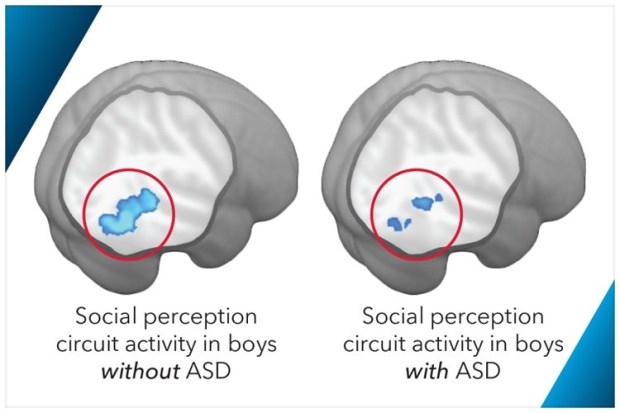
Researchers analyzed a series of 164 images from each of 114 individuals and discovered the brain scans of the social perception circuits indicated ASD only in boys. Credit: The researchers/George Washington University.

Researchers have developed a new method to map and track the function of brain circuits affected by autism spectrum disorder (ASD) in boys using brain imaging, a technique that will provide doctors with a tool that measures the progress of treatments in individual patients.

Scientists have derived a structural model of a transporter at the blood-brain barrier called Mfsd2a. This is the first molecular model of this critical transporter, and could prove important for the development of therapeutic agents that need to be delivered to the brain, across the blood-brain barrier. In future, this could help treat neurological disorders such as glioblastoma.

Research co-led by the University of Glasgow has made a potential breakthrough in the treatment of Alzheimer’s disease.

Frontotemporal dementia (FTD), the second most common cause of dementia in people under 65, may be triggered by a defect in immune cells called microglia that causes them to consume the brain’s synaptic connections, according to new research.

A new study shows that a series of play sessions with music improved 9-month-old babies’ brain processing of both music and new speech sounds.

Researchers at the RIKEN Brain Science Institute (BSI) in Japan have demonstrated that astrocytes help control the strength of connections between neurons. Published in Proceedings of the National Academy of Sciences, the study used cultured cells and brain slices to show that astrocytes in the hippocampus regulate changes in the brain brought on by neural activity.

Finally this week, people with more friends have higher pain tolerance, Oxford University researchers have found.

Weekly Neuroscience Update

consciousness-time-slices

Consciousness seems to work as continuous stream: one image or sound or smell or touch smoothly follows the other, providing us with a continuous image of the world around us. Image adapted from the EPFL press release.


Scientists propose a new way of understanding of how the brain processes unconscious information into our consciousness. According to the model, consciousness arises only in time intervals of up to 400 milliseconds, with gaps of unconsciousness in between.

A new study finds bursts of neural activity as the brain holds information in mind, overturns a long-held model.

Why do we sometimes decide to take risks and other times choose to play it safe? In a new study, researchers explored the neural mechanisms of one possible explanation: a contagion effect.

Using imagery is an effective way to improve memory and decrease certain types of false memories.

Scientists have developed an imaging process that for the first time, they say, can identify and track the progression of Alzheimer’s disease in people’s brains, even when there are no symptoms — a development that could lead to earlier diagnosis and treatment.

People prone to seeking stimulation and acting impulsively may have differences in the structure of their brains according to a study published in the Journal of Neuroscience. What’s more, those differences may predispose them to substance abuse.

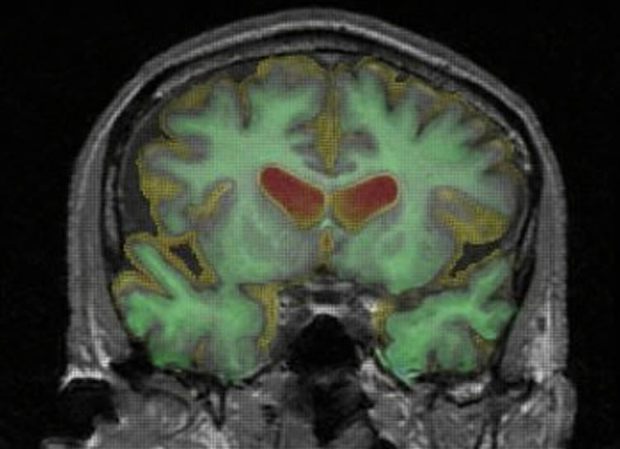
In a recent study, researchers found evidence of a compromised dopamine system in heavy users of marijuana. Lower dopamine release was found in the striatum – a region of the brain that is involved in working memory, impulsive behavior, and attention. Previous studies have shown that addiction to other drugs of abuse, such as cocaine and heroin, have similar effects on dopamine release, but such evidence for cannabis was missing until now.

Finally this week an innovative collaboration between neuroscientists and developmental psychologists that investigated how infants’ brains process other people’s action provides the first evidence that directly links neural responses from the motor system to overt social behaviour in infants.


Weekly Neuroscience Update

Early-diagnosis-staging-of-Alzheimers-disease-seen-in-PET-scans

Dr. William Jagust explains how tau and beta amyloid, two proteins associated with Alzheimer’s disease, develop in the aging brain, which his research team has visualized using positron emission tomography, or PET, scans. Photo by Stephen McNally/University of California Berkeley

Researchers have visualized the development of Alzheimer’s disease in the brain in living people using positron emission tomography, or PET scans, which they say will aid with its diagnosis and treatment. 

Researchers have  also identified a drug that targets the first step in the toxic chain reaction leading to the death of brain cells, suggesting that treatments could be developed to protect against Alzheimer’s disease, in a similar way to how statins are able to reduce the risk of developing heart disease.

new study shows that a variety of physical activities from walking to gardening and dancing can improve brain volume and cut the risk of Alzheimer’s disease by 50%.

In another study jointly led by King’s College London and the University of Southampton has found a link between gum disease and greater rates of cognitive decline in people with early stages of Alzheimer’s Disease.

Women may have a better memory for words than men despite evidence of similar levels of shrinkage in areas of the brain that show the earliest signs of Alzheimer’s disease, according to a study published in Neurology.

Refugees face a substantially higher risk of psychotic disorders, including schizophrenia, compared to non-refugee migrants from the same regions of origin, finds a study published in The BMJ

Research on decision-making bias found that interactive training exercises using video games improved participants’ general decision-making abilities when used alongside other traditional training methods.

Reducing a person’s calorie intake can protect against the development of neurodegenerative diseases such as Parkinson’s Disease.  Meanwhile, researchers may be closer to unraveling the underlying causes of Parkinson’s disease, after identifying the point at which alpha-synuclein – a protein believed to play a key role in the condition – becomes toxic to the brain.

Scientists have developed a 3D micro-scaffold technology that promotes reprogramming of stem cells into neurons, and supports growth of neuronal connections capable of transmitting electrical signals.

Finally this week, researchers in Japan have found that repetitive movements in slow-learning stages can alter an area of the brain responsible for movement, and help individuals retain these motor skills.

Weekly Neuroscience Update

kaufmann_sleep_fmri

Missing out on a night’s sleep causes “robust alterations” in the functional connectivity of the brain, according to a new paper in Neuroimage.

Two genetic variants previously linked to Alzheimer’s disease have been more specifically tied to brain atrophy that is characteristic of the disease.

Researchers have identified the specific brain circuit that wakes us from sleep, and it could have great implications for the future of sleep disorder therapies.

Researchers have measured intriguing differences in the brain connectivity of individuals with internet gaming disorder.

New findings show that the brain devotes more processing resources to social situations that signal threat than those that are benign.

Researchers have discovered how to diagnose Alzheimer’s disease with more than 82 per cent accuracy by evaluating the interplay between four linguistic factors; and developing automated technology to detect these impairments.

Cumulative exposure to stress hormones affects the regulation of genes associated with aging and age-related diseases.

Weekly Neuroscience Update

The research revealed that sounds that came from the left were processed in the right inferior colliculus and thalamus and vice versa. Image is for illustrative purposes only. Credit: AxelBoldt.

The research revealed that sounds that came from the left were processed in the right inferior colliculus and thalamus and vice versa. Image is for illustrative purposes only. Credit: AxelBoldt.

Some parts of our brain that process sound have a subsequent spot for each pitch, just like the keyboard on a piano. One part – the auditory part of the thalamus – even processes each sound on two ‘keyboards’ next to each other. That is one of the discoveries brain researcher Michelle Moerel of Maastricht University made while carrying out measurements into human sound processing at the Center for Magnetic Resonance Research (CMRR) in Minneapolis (USA) with Rubicon funding from NWO Social Sciences.

A new scientific model that incorporates the myriad drivers of depression could lead to more precise treatment for an illness that affects 350 million worldwide.

Targeted magnetic pulses to the brain were shown to reduce craving and substance use in cocaine-addicted patients, report scientists. The results of this pilot study suggest that this may become an effective medical treatment for patients with cocaine addiction, although a larger trial is needed to confirm the initial findings.

A gene which slows the onset of Alzheimer’s disease by 17 years has been discovered by scientists leading to hopes that its effects could be mimicked with drugs to delay the devastating condition.

A new study finds that a component of aspirin binds to an enzyme called GAPDH, which is believed to play a major role in neurodegenerative diseases, including Alzheimer’s, Parkinson’s and Huntington’s diseases.

Learning, memory, and brain repair depend on the ability of our neurons to change with experience. Now, researchers reporting in the Cell Press journal Current Biology on December 7 have evidence from a small study in people that exercise may enhance this essential plasticity of the adult brain.

Concentrating attention on a visual task can render you momentarily ‘deaf’ to sounds at normal levels, reports a new UCL study funded by the Wellcome Trust.

Finally, this week young people with behavioural problems, such as antisocial and aggressive behaviour, show reduced grey matter volume in a number of areas of the brain, according to a new study published in JAMA Psychiatry.


Weekly Neuroscience Update

Percentage of known neuron-, astrocyte- and oligodendrocyte-enriched genes in 32 modules, ordered by proportion of neuron-enriched gene membership. (credit: Michael Hawrylycz et al./Nature Neuroscience)

Percentage of known neuron-, astrocyte- and oligodendrocyte-enriched genes in 32 modules, ordered by proportion of neuron-enriched gene membership. (credit: Michael Hawrylycz et al./Nature Neuroscience)

Allen Institute researchers have identified a surprisingly small set of just 32 gene-expression patterns for all 20,000 genes across 132 functionally distinct human brain regions, and these patterns appear to be common to all individuals.

Evidence is mounting that gratitude makes a powerful impact on our bodies, including our immune and cardiovascular health. But how does gratitude work in the brain? A team at the University of Southern California has shed light on the neural nuts and bolts of gratitude in a new study, offering insights into the complexity of this social emotion and how it relates to other cognitive processes.

Subjective memory complaints (SMCs) are associated with cognitive impairment nearly two decades later among older women, a prospective study of aging has demonstrated.

Older adults that improved their fitness through a moderate intensity exercise program increased the thickness of their brain’s cortex, the outer layer of the brain that typically atrophies with Alzheimer’s disease, according to a new study. These effects were found in both healthy older adults and those diagnosed with mild cognitive impairment (MCI), an early stage of Alzheimer’s disease.

When it comes to the brain, “more is better” seems like an obvious assumption. But in the case of synapses, which are the connections between brain cells, too many or too few can both disrupt brain function. Research, recently published in the Journal of Neuroscience, reports  that an immune-system protein called MHCI, or major histocompatibility complex class I, moonlights in the nervous system to help regulate the number of synapses, which transmit chemical and electrical signals between neurons. MHCI could play an unexpected role in conditions such as Alzheimer’s disease, type II diabetes and autism.

Researchers have developed a simple technique to measure an individual’s visual processing speed–the speed at which an individual can comprehend visual information–in order to identify whether or not they may have cognitive issues.

Sleep is usually considered an all-or-nothing state: The brain is either entirely awake or entirely asleep. However, MIT neuroscientists have discovered a brain circuit that can trigger small regions of the brain to fall asleep or become less alert, while the rest of the brain remains awake.

Weekly Neuroscience Update

The link between vision problems and schizophrenia is well established, with as many as 62 percent of adult patients with schizophrenia experience visual distortions involving form, motion, or color. Image is for illustrative purposes only. Credit: University of Bristol.

The link between vision problems and schizophrenia is well established, with as many as 62 percent of adult patients with schizophrenia experience visual distortions involving form, motion, or color. Image is for illustrative purposes only. Credit: University of Bristol.

New research has identified the mechanisms that trigger disruption in the brain’s communication channels linked to symptoms in psychiatric disorders including schizophrenia. The study, published in the Proceedings of National Academy of Sciences, could have important implications for treating symptoms of brain disorders.

Genetic analysis of human patients has shown that mutations in genes involved in synaptic communication can drive neuropsychiatric and neurological diseases such as autism spectrum disorder and Alzheimer’s disease.

Researchers have discovered a way to predict human emotions based on brain activity.

Working 55 hours or more per week is linked to a 33% greater risk of stroke compared with working a standard 35 to 40 hour week, according to the largest study in this field so far,  published in The Lancet.

The permanence of memories has long thought to be mediated solely by the production of new proteins. However, new research has shown that the electrical activity of the brain may be a more primary factor in memory solidification.

The hippocampus in the brain’s temporal lobe is responsible for more than just long-term memory. Researchers have for the first time demonstrated that it is also involved in quick and successful conflict resolution

A brief period of postnatal visual deprivation, when early in life, drives a rewiring of the brain areas involved in visual processing, even if the visual restoration is completed well before the baby reaches one year of age, researchers revealed in Current Biology.

New research published in the British Journal of Psychiatry suggests that serious disorders of mood such as bipolar disorder may be the price that human beings have had to pay for more adaptive traits such as intelligence, creativity and verbal proficiency.

Finally this week, people with psychopathic characteristics are less likely to be affected by “contagious yawning” than those who are empathetic, according to a Baylor University psychology study.