
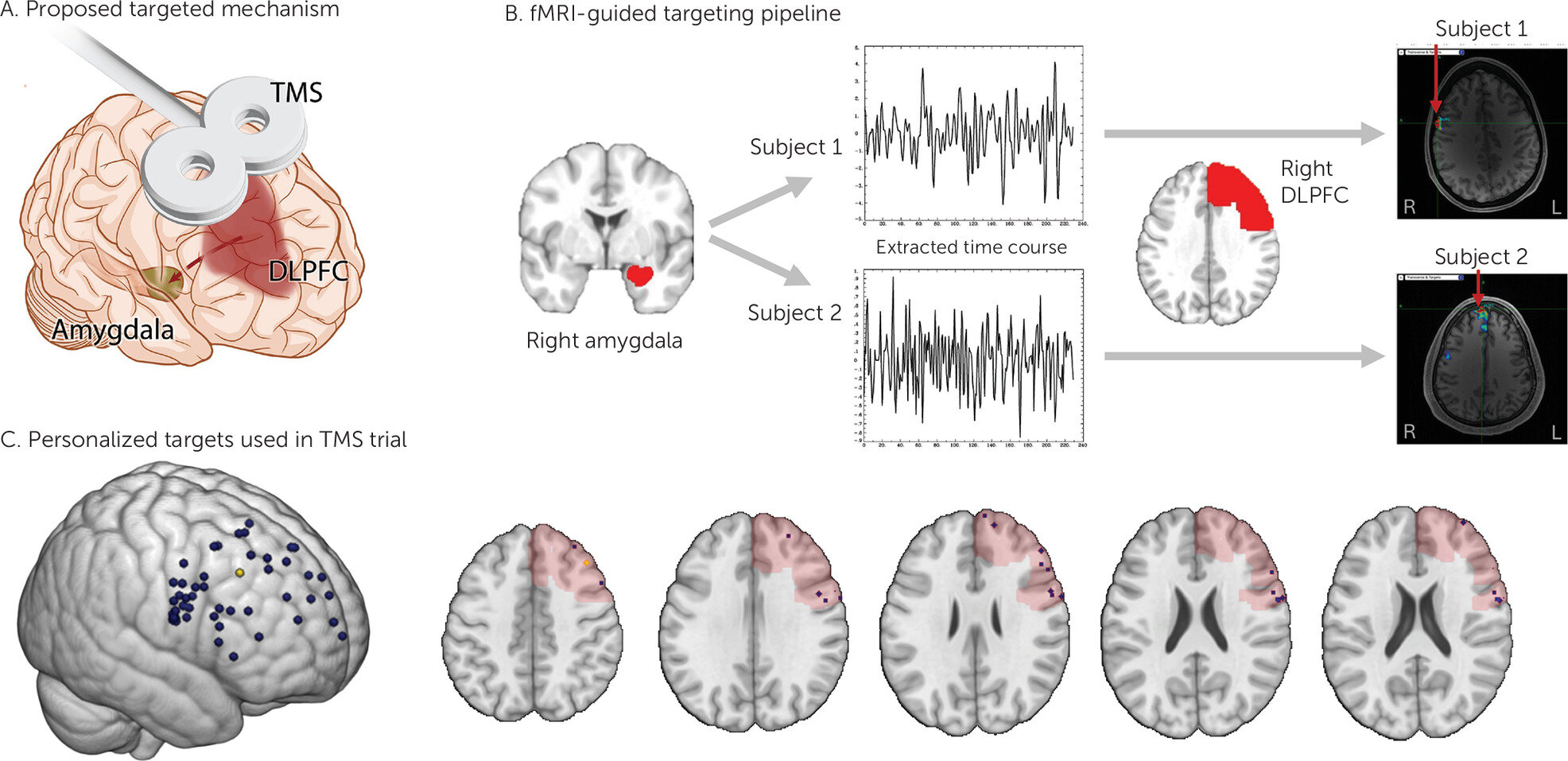
A new study reveals that transcranial magnetic stimulation (TMS) can soothe the brain’s fear centre and greatly alleviate symptoms of post-traumatic stress disorder (PTSD), with effects lasting for months post-treatment.
Research published in the Journal of the National Cancer Institute suggests that electroacupuncture may enhance cognitive function and alleviate psychological distress in breast cancer survivors with lingering neuropsychiatric symptoms, offering a nondrug solution for issues like “brain fog,” fatigue, insomnia, and emotional distress post-treatment.
A study of 28,000 people identifies genetic markers in the GLP1R and GIPR genes that explain why some patients lose more weight or experience more nausea on GLP-1 drugs.
A new review suggests that how we interpret ambiguity is a core part of our personality and a major “red flag” for future mental health. While children typically start with a negative bias and shift toward positivity around age 10, those who stay “stuck” in a negative loop face a significantly higher risk of depression, anxiety, and stress-related physical illnesses later in life.
Brain swelling in the days following a stroke caused by a brain bleed is linked to a higher risk of death and disability, a study suggests. The research is published in the journal Stroke.
A 34-country study reveals that the “exposome”—the combination of pollution, social inequality, and political context—is 15 times more predictive of brain aging than any single risk factor. The research calls for a shift from individual “lifestyle” advice to broad structural policy changes to protect global brain health.
Cognitive and physical training can help older adults with mild cognitive impairment (MCI) maintain or improve their ability to move and think simultaneously, but hearing ability and sex influence outcomes, according to a new study.
Researchers have discovered that the brain activates the same neurons when imagining an object as when actually seeing it, highlighting the connection between mental visualisation and visual perception and suggesting that conjuring images is closely related to how we perceive reality. These findings may inform new treatment strategies for mental health issues like PTSD and OCD by clarifying the neural pathways involved in both processes, leading to better therapeutic interventions.
Researchers are developing a multiscale model of the hippocampus to identify why certain neurons are vulnerable to Alzheimer’s disease. The virtual testbed aims to find therapeutic tipping points before memory loss becomes irreversible.
 inside-the-brain.com