
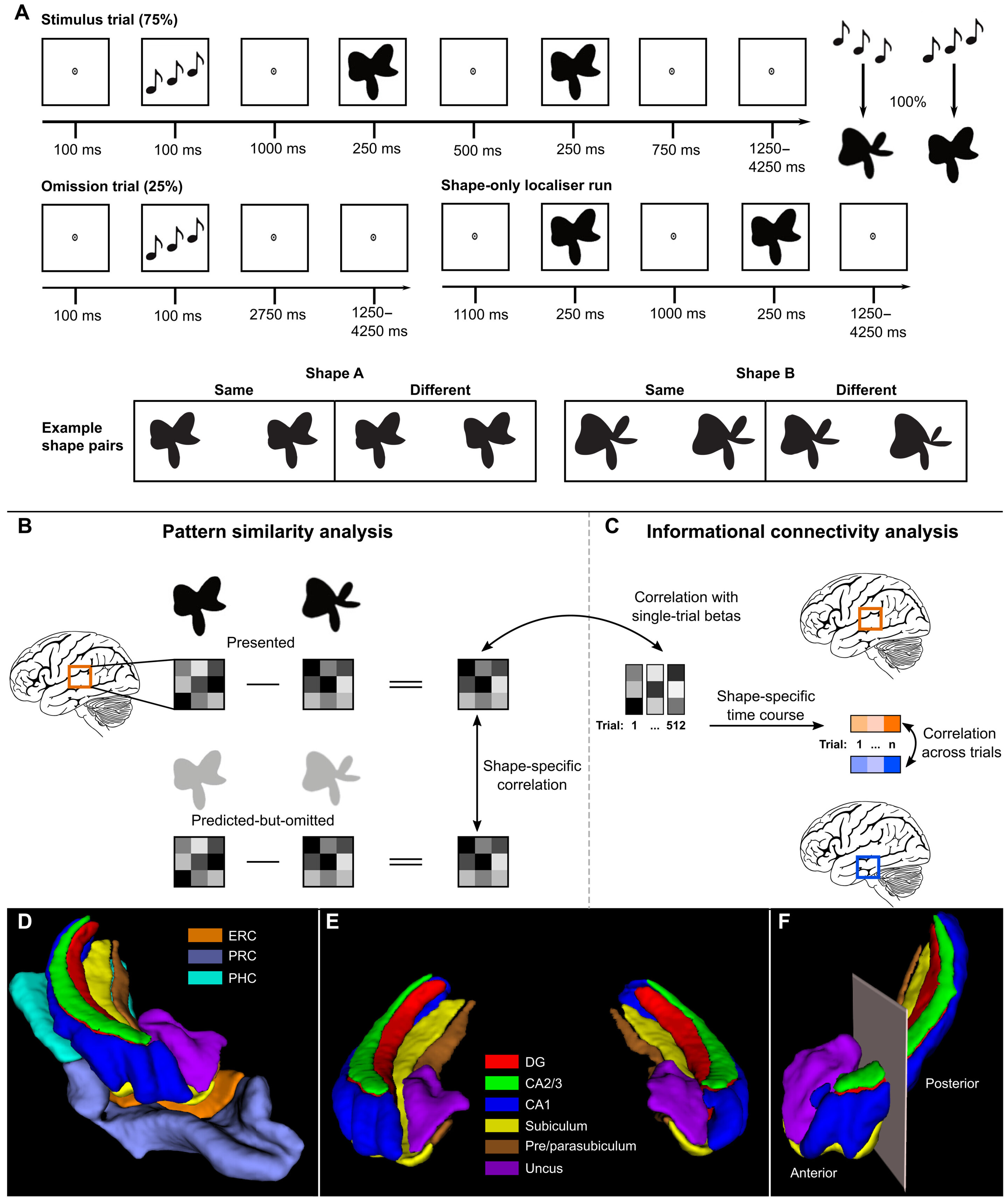
A recent study has shown that the hippocampus sends signals to the visual cortex to predict what we are about to see.
Researchers have achieved a significant milestone in the treatment of depression, demonstrating the effectiveness of personalized transcranial magnetic stimulation (TMS) therapy offering a new treatment option for people who have had little success with other therapies.
A large study suggests that following the MIND diet—rich in leafy greens, berries, nuts, and olive oil—significantly reduces the risk of Alzheimer’s and related dementias.
New research finds that patients with insomnia often retain accurate sleep-wake perception and intact regulatory systems, despite feeling as though they sleep poorly. Using serial awakenings during sleep lab monitoring, researchers found no significant difference in sleep perception between healthy individuals and those with insomnia.
A recent study has found that physical exercise helps maintain brain size as we age, regardless of body mass.
Emerging research indicates that psychedelics such as psilocybin don’t just change brain activity; they also modify the communication network between the brain and the immune system. Scientists have pinpointed a mechanism where persistent stress interferes with signals from the amygdala, setting off immune reactions that amplify feelings of fear and anxiety.
A large study suggests that following the MIND diet—rich in leafy greens, berries, nuts, and olive oil—significantly reduces the risk of Alzheimer’s and related dementias.
By pinpointing hospitalized patients at high risk for delirium, an artificial intelligence (AI) model has quadrupled the rate at which the condition is both detected and treated. The model’s alerts prompt a dedicated team to assess these patients and implement a treatment plan if needed, leading to significantly better outcomes.
Areas of the brain that help a person differentiate between what is real and what is imaginary have been uncovered in a recent study.
A new predictive model combining genetics with developmental milestones may help forecast which autistic children are at risk of developing intellectual disabilities. In a large study of over 5,600 children, researchers were able to correctly predict 10% of such cases and differentiate between low and high-risk groups twice as well as current methods.
New research finds that elevated cortisol levels in midlife are linked to increased brain amyloid deposition—a key marker of Alzheimer’s disease—specifically in post-menopausal women.
Scientists explored the associations between telomere length—which decreases as a person ages or is exposed to unhealthy environments—and the risk for age-related brain diseases and found evidence suggesting that healthier lifestyle choices could mitigate telomere length-associated risks.
Finally this week, greater symptoms of depression are linked to less microbial diversity in the mouth, according to a recent study.
 inside-the-brain.com