Weekly Neuroscience Update

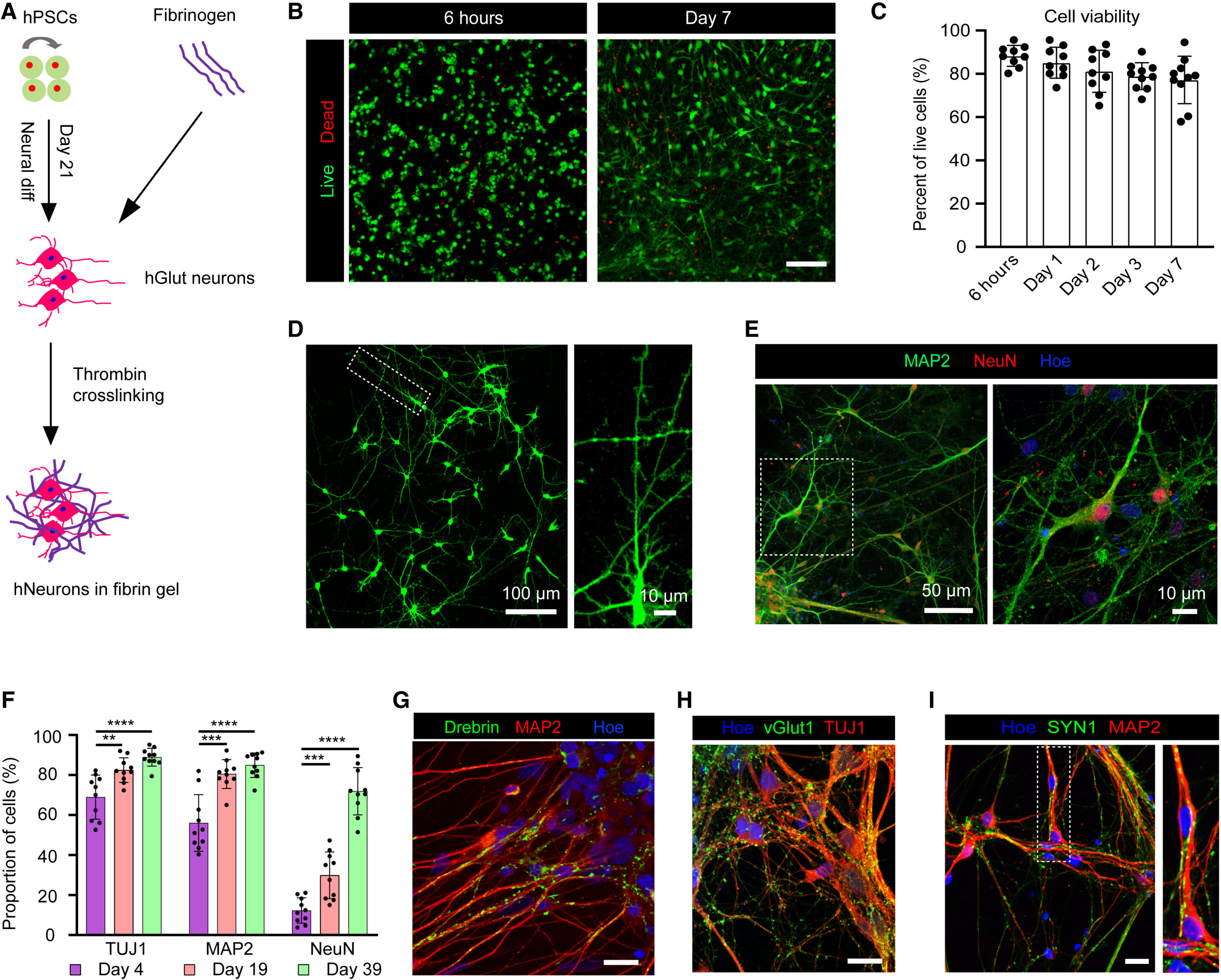
Credit: Cell Stem Cell (2024). DOI: 10.1016/j.stem.2023.12.009

Researchers have developed the world’s first 3D-printed brain tissue that grows and behaves similarly to natural brain tissue, marking a significant leap forward for neurological and neurodevelopmental disorder research.

For patients with Parkinson disease differences in quality of life outcomes are seen with deep brain stimulation of the subthalamic nucleus (STN-DBS), according to a recent study.

New findings published in the journal Nature Neuroscience have shed light on a mysterious pathway between the reward center of the brain that is key to how we form habits, known as the basal ganglia, and another anatomically distinct region where nearly three-quarters of the brain’s neurons reside and assist in motor learning, known as the cerebellum.

Researchers have shown that a blood test can pinpoint the underlying cause of brain injury in newborns.

A new study suggests that high-intensity training (HIT), compared to conventional training, may improve walking ability in patients with chronic traumatic brain injury (TBI). Possible secondary benefits may include improved aerobic capacity/efficiency and cognition.

A team of scientists has unveiled a potential game-changer in the fight against glioblastoma, the most common and currently incurable form of brain cancer.

Combining brain stimulation with intense physical rehabilitation helped stroke survivors recover movement in their arms and hands and maintain these improvements for one year, according to a study to be presented at the American Stroke Association’s International Stroke Conference 2024.

Psychologists have investigated the extent to which neuromodulation of the brain with ultrasound waves influences people’s behavior. The results can also be used as a basis for therapeutic purposes.

A preliminary study reveals that intravenous injections of ginkgo biloba components could significantly improve early cognitive recovery in ischemic stroke patients. Conducted across multiple centers in China, the research tested the effects of ginkgo diterpene lactone meglumine (GDLM) on 3,163 stroke survivors, showing notable improvements in cognitive scores compared to a placebo group.

The brains and blood of people with a history of excessive drinking show cellular evidence of premature aging.

A new study gives insights into the underlying mechanisms of the formation of protein clumps in Alzheimer’s disease. The study could pave the way for new treatments for this devastating neurodegenerative disorder.

Finally, this week, engaging in music throughout your life is associated with better brain health in older age, according to a new study.

Weekly Neuroscience Update

Credit: Psychological Bulletin (2023)

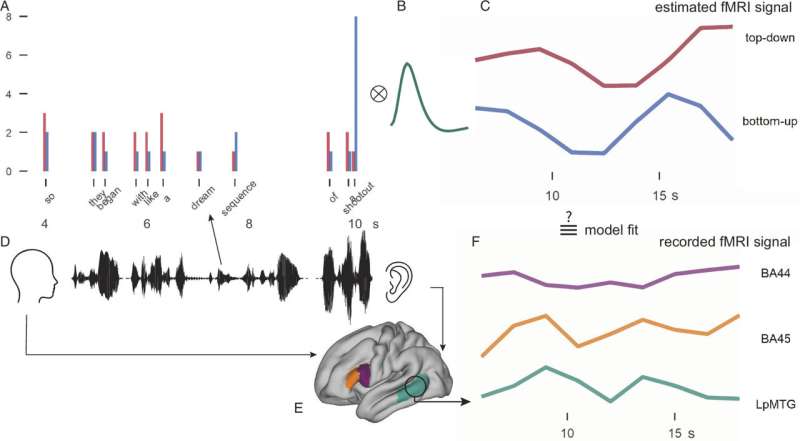
A new study has provided the first clear picture of where language processes are located in the brain. The findings may be useful in clinical trials involving language recovery after brain injury.

Researchers have developed a model for studying one type of familial epilepsy, opening the door to understanding—and eventually targeting—the mechanisms that lead to the disorder and its associated fatalities.

A new study published in Nature Medicine sheds light on how biological sex influences brain function and its impact on the risk of various brain-related diseases.

A breakthrough technique developed by University of Oxford researchers could one day provide tailored repairs for those who suffer brain injuries. The researchers have demonstrated for the first time that neural cells can be 3D-printed to mimic the architecture of the cerebral cortex.

A research team has identified new potential treatments for children with rare genetic conditions of blood vessels, which cause severe, symptoms like seizures and impaired development.

Scientists have discovered new insights into how our brain stores episodic memories—a type of long-term, conscious memory of a previous experience—that could be critical to the development of new neuroprosthetic devices to help patients with memory problems, like Alzheimer’s disease and dementia.

A global blood test for concussion could be a step closer after a new study discovered specific proteins or biomarkers that can help diagnose concussions relatively quickly and accurately.

The brain circuitry that is disrupted in Alzheimer’s disease appears to influence memory through a type of brain wave known as theta oscillation, a team led by UT Southwestern Medical Center researchers report. The findings, published in Nature Communications, could help researchers design and evaluate new treatments for Alzheimer’s, a condition that affects millions of people around the globe and has no cure.

Finally this week, a new study reveals the role of vascular system cells—pericytes—in the formation of long-term memories of life events—memories that are lost in diseases such as Alzheimer’s disease. 

Weekly Neuroscience Update

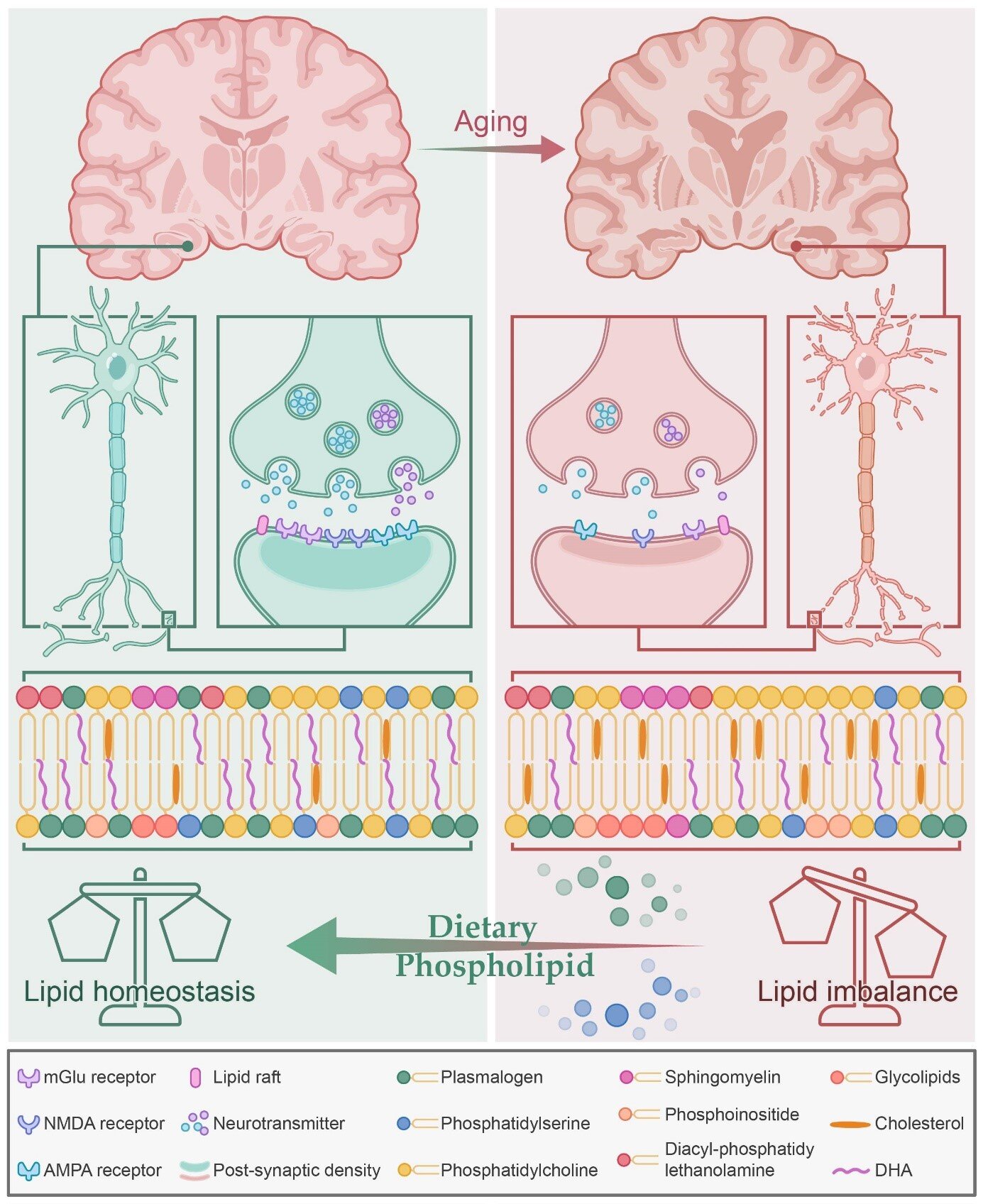
Dietary phospholipid intervention could prevent brain aging by maintaining lipid homeostasis and enhancing synaptic plasticity. Credit: Wei Xiong et al.

A new review highlights the significant role of dietary lipids in preventing brain aging and cognitive decline. As the global burden of aging-related brain diseases, particularly dementia, continues to rise, this research offers promising insights into potential nutritional interventions that could improve brain function during aging.

Cerebrospinal fluid (CSF) leaks may be one of the mechanisms that link traumatic brain injury (TBI) with dementia, according to a new hypothesis.

Short-term exposure to air pollution may be linked to an increased risk of stroke, according to a meta-analysis published in Neurology. Short-term exposure was defined as occurring within five days of the stroke.

People with a higher cumulative estrogen exposure throughout their life may have a lower risk of cerebral small vessel disease, according to a new study.

New research is painting a clearer picture of the early signs of multiple sclerosis (MS), showing that people are nearly twice as likely to experience mental illness in the years leading up to the onset of the disease.

Increased TV/DVD screen time at 1 and 2 years of age negatively affects developmental performance at 2 and 3 years of age, according to a study published in JAMA Pediatrics.

Whether you are an early bird or a night owl, your internal clock plays a critical role in maximizing your mental performance, according to a recent study. This effect is so strong that it can significantly impact academic performance for adolescent students and the results of brain health assessments for older adults.

Researchers are using ultra-high field 7 Tesla MRI to provide a better understanding of how sleep is regulated.

A new study suggests a common brain network exists among people with substance use disorder. By evaluating data from across more than 144 studies of addiction, the team found abnormalities across substance use disorders mapped to a common brain network across substances and lesion locations, suggesting a potential brain circuit to target with neurostimulation therapies.

Finally this week, people differ significantly in their memory performance and researchers have now discovered that certain brain signals are related to these differences.

Weekly Neuroscience Update

Single-trial dynamics in LIP and SC are different. (Neuron, 2023)

A new paper, published in Neuron, highlights the role of the superior colliculus (SC), a structure in the midbrain, in terminating decisions.

Degeneration of dopaminergic neurons is widely accepted as the first event that leads to Parkinson’s, but a new study suggests that a dysfunction in the neuron’s synapses—the tiny gap across which a neuron can send an impulse to another neuron—leads to deficits in dopamine and precedes the neurodegeneration.

Depression, a challenging condition to diagnose early, may now be detected more promptly using a simple 1-minute Electroencephalogram (EEG) test at home.

Scientists have confirmed that human brains are naturally wired to perform advanced calculations, much like a high-powered computer, to make sense of the world through a process known as Bayesian inference.

New research shows how repeated traumatic brain injury contributes to Alzheimer’s disease.

Racial disparities can be seen in dementia severity, functional impairment, and neuropsychiatric symptoms among patients with frontotemporal dementia (FTD), according to a study recently published in JAMA Neurology.

A new study identifies a potential new approach to PTSD treatment.

Any head injury—even a mild one—raises a person’s risk of later having an ischemic stroke. Having multiple injuries increases that risk, even more so than the severity of a single traumatic brain injury, researchers have found.

New research finds that cerebrospinal fluid net flow is markedly decreased in Huntington’s disease, with the decrease being greater in the later stages of the disease.

The targeted use of ultrasound technology can bring about significant changes in brain function that could pave the way towards treatment of conditions such as depression, addiction, or anxiety, a new study suggests.

Finally this week, new research finds that antidepressants may actually reduce negative memories in individuals suffering from depression while improving overall memory function.

Weekly Neuroscience Update

Scientists have shown that the hypothalamus, a key region of the brain involved in controlling appetite, is different in the brains of people who are overweight and people with obesity when compared to people who are a healthy weight.

Researchers have shown in lab-based experiments that variants of SARS-CoV-2, the virus that causes COVID-19, can affect the blood-brain barrier and damage brain cells in different ways.

Unlike previously thought, speech production and singing are supported by the same circuitry in the brain. Observations in a new study can help develop increasingly effective rehabilitation methods for patients with aphasia.

Scientists have discovered an additional potential cause of the genetic mutations that result in rare conditions such as Huntington’s disease (HD).

Neuroscientists report the first results from experimental tests designed to explore the idea that “forgetting” might not be a bad thing, and that it may represent a form of learning—and outline results that support their core idea.

The largest-ever study of the genetics of the brain—encompassing some 36,000 brain scans—has identified more than 4,000 genetic variants linked to brain structure.

A first-in-human trial of deep brain stimulation (DBS) for post-stroke rehabilitation patients has shown that using DBS to target the dentate nucleus—which regulates fine-control of voluntary movements, cognition, language, and sensory functions in the brain—is safe and feasible.

New research finds that genetic risk for higher blood pressure even in those in their 40s and 50s may contribute to poorer cognitive function.

An obscure class of molecules, part of the vast system that helps the human body distinguish “self” from “non-self,” may also hold the key to stopping SARS-CoV-2 from commandeering healthy cells, scientists have found in a series of experiments.

Scientists have discovered how HIV hijacks intracellular processes to proliferate and contribute to neurodegeneration, according to a new study published in Nature Communications.

Researchers have discovered a potential breakthrough for people with myalgic encephalomyelitis/chronic fatigue syndrome (ME/CFS), marked by extreme exhaustion, post-exertional malaise and cognitive issues.

Finally this week, in a small, exploratory study, levels of certain types of microbes in babies’ guts have been shown to be associated with performance in tests of early cognitive development.

Weekly Neuroscience Update

Can people who understand the emotions of others better interpret emotions conveyed through music? A new study by an international team of researchers suggests the abilities are linked. People who are more accurate at reading another person’s emotions are better able to understand what a musician is trying to convey through their compositions. Additionally, those with higher empathetic accuracy are better able to feel the emotions conveyed through music.

A team of researchers affiliated with several institutions in the U.S. has identified a subtype of brain cells that die in Parkinson’s patients.

Elevated levels of PHGDH in the blood could signal the earliest stages of Alzheimer’s disease. Researchers caution older adults against using “brain-boosting” supplements that contain serine due to its link to PHGDH. As PHGDH is a key enzyme in serine production, elevated PHGDH levels result in increased serine levels in the brain.

A new study examines the role of a brain area called the anterior superior temporal sulcus (aSTS) in forgiving those who make unintentional mistakes.

Using artificial intelligence technology, researchers have identified both risk and protective factors for depression in middle-aged to older adults. Social isolation, the study found, was the biggest risk factor for depression, followed by mobility difficulties and health issues.

Could there be a link between cognitive decline and excessive daytime napping? New research published in Alzheimer’s and Dementia suggests a potential connection.

Stimulating the vagus nerve, which provides a direct link between the gut and brain, makes people pay less attention to sad facial expressions according to new research published in the journal Neuroscience.

A new study reveals a mechanism that appears to reverse the build-up of protein aggregates by refolding them, rather than removing them.

Researchers found idiopathic autism occurs as the result of epigenetic abnormalities in hematopoietic cells during fetal development, leading to immune dysregulation in the brain and gut.

A specific Parkinson’s related gene could be a driver behind vocal production problems associated with the disease. The findings could lead to earlier diagnosis and treatment of Parkinson’s disease.

Finally this week by scanning the brains of 24 people actively suppressing a particular memory, researchers found a neural circuit that detects, inhibits, and eventually erodes intrusive memories.

Weekly Neuroscience Update

A baby next to fMRI scanning images of its brain. Understanding how an infant’s brain is typically organized may help answer questions when something goes awry. The image is credited to Cory Inman.

A newborn’s brain is more adult-like than previously assumed. Neuroimaging revealed much of the visual cortex scaffolding is in place, along with patterns of brain activity at 27 days of age, although it is not quite as strong as seen in adult brains.

New research uses the mating songs of birds to show how intrinsic properties of cells are closely tied to the complex processes of learning.

People with a life-long history of antisocial behavior had decreased mean surface area of the brain and lower mean cortical thickness than those with no history of antisocial behavior. Much of the cortical thinning was in areas associated with emotional regulation, motivation, and goal-directed behavior.

Two separate studies display the fascinating relations between AI and neuroscience.

Low-intensity exercise triggers brain networks associated with cognitive control and attention processing, while high-intensity exercise activates networks involved in emotional processing.

Following a stroke, dysfunction in the glymphatic system causes cerebrospinal fluid to flood the brain, drowning neurons, and triggering cerebral edema.

An unexpected research finding is providing new information that could lead to new treatments of certain neurological diseases and disorders, including multiple sclerosis, Alzheimer’s disease and spinal cord injury.

Male patients on the autism spectrum who were given oxytocin for four weeks experienced improvements in social attachment behaviors for up to 12 months.

Finally this week, new brain networks come ‘online’ during adolescence, allowing teenagers to develop more complex adult social skills, but potentially putting them at increased risk of mental illness, according to new research.

Weekly Neuroscience Update

deep-learning-neurosciencenews.jpg

AI research has come full circle, helping neuroscientist better understand how the human brain works, researchers say.

Babies removed from their mothers for 24 hours when they were 9 days old exhibited significant behavioral and brain structural abnormalities in adulthood, a new study reports. Researchers noted memory impairment and less communication between specific brain regions in those removed from maternal care.

Researchers have identified three genes linked to hemiplegic migraine.

People whose negative emotional responses to stress carry over to the following day are more likely to report health problems and physical limitations later in life compared with peers who are able to “let it go,” according to findings published in Psychological Science.

Using electrical fields to simulate slow wave sleep, researchers enhance memory.

A new study has identified a link between visual processing problems and an increased risk of developing a mental health disorder. The study reports the risk for mental illness increases when the visual cortex has difficulty communicating with networks associated with focus and introspection.

The superior size and complexity of the human brain compared to other mammals may actually originate from fewer initial starting materials, new research has suggested.

According to researchers, dopamine neurons may play a key role in the formation of episodic memory. The findings could help in the development of new treatments for neurodegenerative disorders that affect memory.

A new study reveals up to 25% of rhythmic genes lose their biological rhythm following a 4-day night shift simulation.

Damage to some of the pathways that carry information throughout the brain may be responsible for attention deficit in patients who have had a subcortical stroke in the brain’s right hemisphere, according to a study published online in the journal Radiology. Researchers hope the findings may provide a measure for selecting suitable patients for early interventions aimed at reducing cognitive decline following a stroke.

Finally this week, a new machine learning study has revealed a novel combination of factors that can increase a person’s risk of developing dementia.


Weekly Neuroscience Update

astrocytes-neurosciencenews.jpg

Thousands of branches and branchlets emanate from an astrocyte’s cell body, which is the dense portion in the middle of the image.

A new study published in Neuron challenges the idea that astrocytes across the brain are largely identical.

Researchers have identified a new protein, CIB2, that is key to helping the auditory system to turn soundwaves into meaningful brain signals. Mutations of this gene leave people unable to convert the soundwaves into signals that the brain can interpret, and are deaf.

The more regularly people report doing word puzzles such as crosswords, the better their brain function in later life, a large-scale online trial has found.

How short-term memories become long-term ones has frequently been explored by researchers. While a definitive answer remains elusive, scientists conclude that this transformation is best explained by a “temporal hierarchy” of “time windows” that collectively alter the state of the brain.

Greater muscle strength is associated with better cognitive function in ageing men and women, according to a new Finnish study.

Researchers at King’s College London have identified a molecular mechanism that allows neural connections to adapt as a result of experience. This adaptation fuels our ability for memory and learning.

Researchers have developed a concept called Empowerment to help robots and humans to work and live side-by-side safely and effectively.

A study of post-traumatic stress disorder (PTSD) has identified a new potential mechanism contributing to the biology of the disorder that may be targeted by future treatments.

A new study reveals those who die at 100 tend to suffer from fewer diseases than those who die at younger ages.

A new paper identifies 100 of the most cited neuroscience research papers. Of these papers, 78 focus on five topics. According to the authors of the paper, the most cited neuroscience research topics include the prefrontal cortex, neural connectivity, methodology, brain mapping and neurological disorders. The findings could have significant impact for future neuroscience studies.

Changes in the brain’s structure that could be the result of depression have been identified in a major scanning study.

The same mechanisms that quickly separate mixtures of oil and water are at play when controlling the organization in an unusual part of our DNA called heterochromatin, according to a new study.

New research has shown just how adaptive the brain can be, knowledge that could one day be applied to recovery from conditions such as stroke.

Changes in the orbitofrontal cortex and basolateral amygdala may help explain a person’s preference for uncertain outcomes, as well as a preference for order and certainty, a new study reports.

Finally this week, a small patch of neurons in the brain can encode the movements of many body parts, according to new research.

Weekly Neuroscience Update

infographic5_jorntell_en_0.jpg

In a collaboration between Swedish and Italian researchers, the aim was to analyse how the brain interprets information from a virtual experience of touch, created by a finger prosthesis with artificial sensation. The result was – completely unexpectedly – a new method for measuring brain health.

Stroke patients who learned to use their minds to open and close a device fitted over their paralyzed hands gained some control over their hands, according to a new study.

As children age into adolescence and on into young adulthood, they show dramatic improvements in their ability to control impulses, stay organized, and make decisions. Those ‘executive functions’ of the brain are key factors in determining outcomes, including educational success, drug use, and psychiatric illness. Now, researchers have mapped the changes in the network organization of the brain that underlie those improvements in executive function.

Despite numerous claims, researchers discover transcranial direct current stimulation likely adds no meaningful benefit to cognitive training.

Neuropsychiatric symptoms, specifically sleep behavior and irritability, are linked to metabolic dysfunction on specialized positron emission tomography (PET) imaging and may be an early noncognitive symptom of Alzheimer’s dementia, according to results published in Neurology.

Individual neurons can learn not only single responses to a particular signal, but also a series of reactions at precisely timed intervals.

Researchers from the Radboud University in the Netherlands have observed the human brain’s ability to visually “predict” future events. By scanning the brains of students during an experiment, they saw this predictive imaging in action.

Vicsoelasticity in the hippocampus is associated with better performance on both memory and fitness tests, a new study reports.

The visual cortex, the human brain’s vision-processing centre that was previously thought to mature and stabilize in the first few years of life, actually continues to develop until sometime in the late 30s or early 40s, neuroscientists have found.

New Finnish research reveals how brain’s opioids modulate responses towards other people’s pain.

Finally this week, researches report memory isn’t a single entity and memory formation can be enhanced by different brain states.