Weekly Neuroscience Update

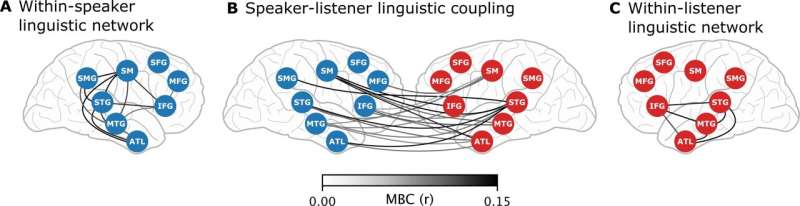
Coupling between speaker and listener brains. Credit: Neuron / Zada et al.

When two individuals interact, their brain activities tend to synchronize. Previously, it was uncertain how much of this “brain-to-brain coupling” resulted from linguistic information versus other factors like body language or tone of voice. However, researchers reported in the journal Neuron that this coupling during conversation could be modeled by considering the words used and the context of their use.

Worsening air quality and temperature extremes are linked to increased stroke burden, according to a new study.

A team of scientists has pinpointed how different areas of the neuron age differently, with a potential knock-on effect on healthy cell function and the development of neurodegenerative conditions. The paper is published in the journal Aging Cell.

The inflammatory activity in the body caused by rheumatoid arthritis is linked to specific cognitive impairments, finds a small comparative study.

An interdisciplinary team of scientists has found changes in the strength of neural pathways in an area of the brain involved in reward processing and movement coordination when someone has Parkinson’s disease.

New research links diets rich in vitamins and minerals, with low added sugar, to younger biological age.

For patients with major depressive disorder (MDD), seizure duration of 60 to 69 seconds induced by electroconvulsive therapy (ECT) is associated with the highest remission rates compared with seizure duration of less than 20 seconds, according to a studpublished in JAMA Network Open.

A new study reveals that the part of the brain that receives and processes visual information in sighted people develops a unique connectivity pattern in people born blind.

New research finds that specialized MRI scans can detect early brain changes that indicate a higher risk for Alzheimer’s disease (AD) before significant cognitive decline occurs. Researchers discovered that cortical microstructural changes in the brain closely resemble patterns seen in AD pathology.

A recent study reveals that certain genetic factors may protect against ALS, enabling partial or full recovery. 

A new report highlights that addressing 14 modifiable risk factors from childhood could prevent or delay nearly half of dementia cases. The study identifies high LDL cholesterol and untreated vision loss as new significant risks.

The general anesthetic propofol may hold the keys to developing new treatment strategies for epilepsy and other neurological disorders, according to a new study.

Researchers have developed a computer model that mimics how the hippocampus stores new episodic memories without erasing old ones. The findings reveal insights into how the brain organizes personal experiences and maintains stability despite constant updates. The model shows promise for enhancing our understanding of memory retention and cognitive processing.

Finally this week, new research highlights the critical role of healthy blood vessels in maintaining brain health and addressing age-related cognitive decline.

Weekly Neuroscience Update

 Credit: Radiological Society of North America

Low-level light therapy appears to affect healing in the brains of people who suffered significant brain injuries, according to a study published in Radiology.

An international team of clinicians and neuroscientists has published a new perspective on the process of neurodegeneration. Their findings review evidence for a mechanism upstream of amyloid including the key neurochemical driving this process.

A new study reveals the brain mechanisms behind speech impairment in Parkinson’s disease.

Researchers designed and implanted a transparent window in the skull of a patient, then used functional ultrasound imaging to collect high-resolution brain imaging data through the window. Their preliminary findings, published in Science Translational Medicine, suggest that this sensitive, non-invasive approach could open new avenues for patient monitoring and clinical research, as well as broader studies of how the brain functions.

New research finds that reports of cognitive decline from patients and their partners are linked to the accumulation of tau tangles, a hallmark of Alzheimer’s disease.

A new study finds a link between a diet high in ultra-processed foods and an increased risk of cognitive impairment and stroke. This association was particularly pronounced among Black participants. While more research is needed, the findings highlight the potential impact of food processing on brain health.

New research has found a distinct relationship between sleep duration, social media usage, and brain activation across brain regions that are key for executive control and reward processing.

For patients with chronic migraine, nerve decompression surgery effectively reduces the number of headache days—the outcome measure preferred by neurologists—along with other measures including the frequency and intensity of migraine attacks, reports a study in the June issue of Plastic and Reconstructive Surgery.

A new study uncovers a key biological process targeted by SSRIs, suggesting new clinical applications.

Researchers have reported that patients with Parkinson’s disease exhibiting sympathetic denervation in the major salivary glands and the heart tend to have more advanced non-motor symptoms as they age, suggesting that age plays an important role in disease progression.

An international study, published in Nature Communications, may facilitate the creation of new personalized treatments for people diagnosed with schizophrenia. 

A World Health Organization-commissioned systematic review finds that radio wave exposure from mobile phones does not affect learning, memory, attention span and other cognitive functions like coordination.

Researchers have leveraged the power of artificial intelligence analytical models to match a patient’s medical history to the most effective antidepressant, allowing patients to find symptom relief sooner.

A new study finds a strong association between teen cannabis use and a significantly increased risk of developing psychotic disorders. This risk appears to be age-dependent, with adolescents being particularly vulnerable to the effects of cannabis on their developing brains. While further research is needed, these findings raise concerns about early cannabis use and highlight the importance of prevention strategies.

Does sleep clear more toxins from the brain than when we’re awake? The latest research casts doubt on the theory.

A new study finds that urolithin A, a substance found in pomegranates, can improve memory and may help treat Alzheimer’s disease. This natural compound works by removing damaged mitochondria from the brain, similar to the effects of NAD supplements. While dosage is still being determined, this discovery offers promising potential for treating and preventing neurodegenerative diseases.

Finally this week, our willingness to help others is governed by a specific brain region pinpointed by researchers in a study of patients with brain damage to that region.

Weekly Neuroscience Update

Massively parallel characterization and prediction of gene regulatory activity in the developing brain. Credit: Science (2024).

Scientists have leveraged machine learning to decode gene regulation in the developing human brain.

A new study has unveiled the most detailed view of the complex biological mechanisms underlying autism, showing the first link between genetic risk of the disorder to observed cellular and genetic activity across different layers of the brain.

Researchers have identified the unique features of an exceptionally rare set of childhood brain tumors—a discovery that could pave the way for more effective treatments.

Scientists have found that a new class of light-sensitive proteins are capable of turning off brain cells with light, offering scientists an unprecedentedly effective tool to investigate brain function. The study, published in Nature Communications, opens exciting new opportunities to apply optogenetics to investigate the brain activity underlying neurodegenerative and psychiatric disorders such as Parkinson’s disease and depression.

A new study suggests that increased nightmares and hallucinations can signal the onset of autoimmune diseases like lupus.

Researchers are investigating the connection between gut bacteria and Alzheimer’s disease. They believe harmful metabolites from bad bacteria can travel to the brain, causing inflammation and potentially triggering dementia.

Nostalgic music activates brain areas linked to memory, reward, and self-processing. This discovery could help improve the quality of life for those with dementia.

A new study finds widespread differences in brain development between autistic boys and girls ages 2-13. The study found that girls have a thicker cortex at age 3 and faster cortical thinning into middle childhood compared to boys.

A research team has made a major stride in using AI to replicate how the brain organizes sensory information to make sense of the world, opening up new frontiers for virtual neuroscience.

Researchers who have studied how dehydration affects cognitive performance found that even mild dehydration can diminish a person’s ability to pay attention to tasks over time. The findings underscore the importance of proper hydration to the healthy functioning of people as they age.

By exploring the effects of sport on memory, scientists have discovered compensatory mechanisms in the brains of young individuals at genetic risk of developing Alzheimer’s disease.

A new 3D model shows how implantable stimulators—the kind used to treat chronic pain—can target neurons that control specific muscles to provide rehabilitation for people with neurological disorders such as stroke and spinal cord injuries.

A new study published in the journal Brain has identified a specific brain network hub that plays a key role in stuttering.

Regular high caffeine consumption affects dopamine function in patients with Parkinson’s disease, shows a new international study. Caffeine consumption before undergoing diagnostic brain dopamine imaging may also affect the imaging results. The research results were published in the Annals of Neurology.

Finally this week new research shows aging reduces sensitivity and discriminative ability for heat pain, but not pressure pain. 

Weekly Neuroscience Update

This illustration depicts a single cell RNA-sequencing study of PTSD, major depression and normal controls. In this plot, more than 363,000 nuclei are represented and categorized into eight broad cell types, allowing researchers to visualize the cellular and molecular changes associated with these conditions. Credit: Dell Medical School

In a new study, investigators have uncovered both shared and distinct molecular changes across brain regions, genomic layers, cell types, and blood in individuals with post-traumatic stress disorder (PTSD) and major depressive disorder (MDD).

New research has revealed that areas of age-related damage in the brain relate to motor outcomes after a stroke—a phenomenon that may be under-recognized in stroke research.

A large study using pre-pandemic brain scans of adolescents reveals that brain wiring before COVID-19 predicted mental health outcomes during the pandemic. Adolescents with stronger connections within the brain’s “salience network,” responsible for emotion and reward processing, demonstrated greater resilience to stress and negative emotions. Conversely, weaker connections in the prefrontal cortex and other areas linked to emotional processing were associated with higher levels of stress and sadness.These findings highlight the importance of understanding individual brain differences in predicting and addressing mental health vulnerabilities during challenging times.

A team of medical researchers at the National Children’s Medical Center, Children’s Hospital, Fudan University, China, has developed a technique to freeze and thaw brain tissue without causing damage.

Singing can improve language recovery in stroke patients by repairing the brain’s language network. This positive effect is attributed to increased grey matter volume in language regions and improved connectivity within the network.

A new AI tool to more quickly and accurately classify brain tumours has been developed by researchers at The Australian National University.

An international research collaboration investigated how highly organised patterns of neural activity emerge during development and found the cortex of the brain can transform unorganised inputs into highly organized patterns of activity.

Results from a new study suggest that long-term exposure to air pollution leads to increased risk in dementia in Denmark.

A recent study published in Health Data Science reveals the significant impact of high cumulative body mass index (BMI) on brain health. The research found that high BMI is associated with smaller brain volume, larger white matter lesions, and abnormal microstructural integrity.

A team of neurosurgeons and AI specialists has found some success in restoring speech to a patient who lost the ability after a stroke.

A study published in iScience from researchers from the Ivcher Institute for Brain, Cognition, and Technology at Reichman University offers a new perspective towards the plasticity of the brain, and integration of the senses, paving the way for the enhancement of prosthetics and assistive technologies, and even our interactions with virtual and augmented realities.

Finally this week, research addresses a gap in understanding how ketamine’s impact on individual neurons leads to pervasive and profound changes in brain network function.

Weekly Neuroscience Update

Credit: Nature Neuroscience(2024).

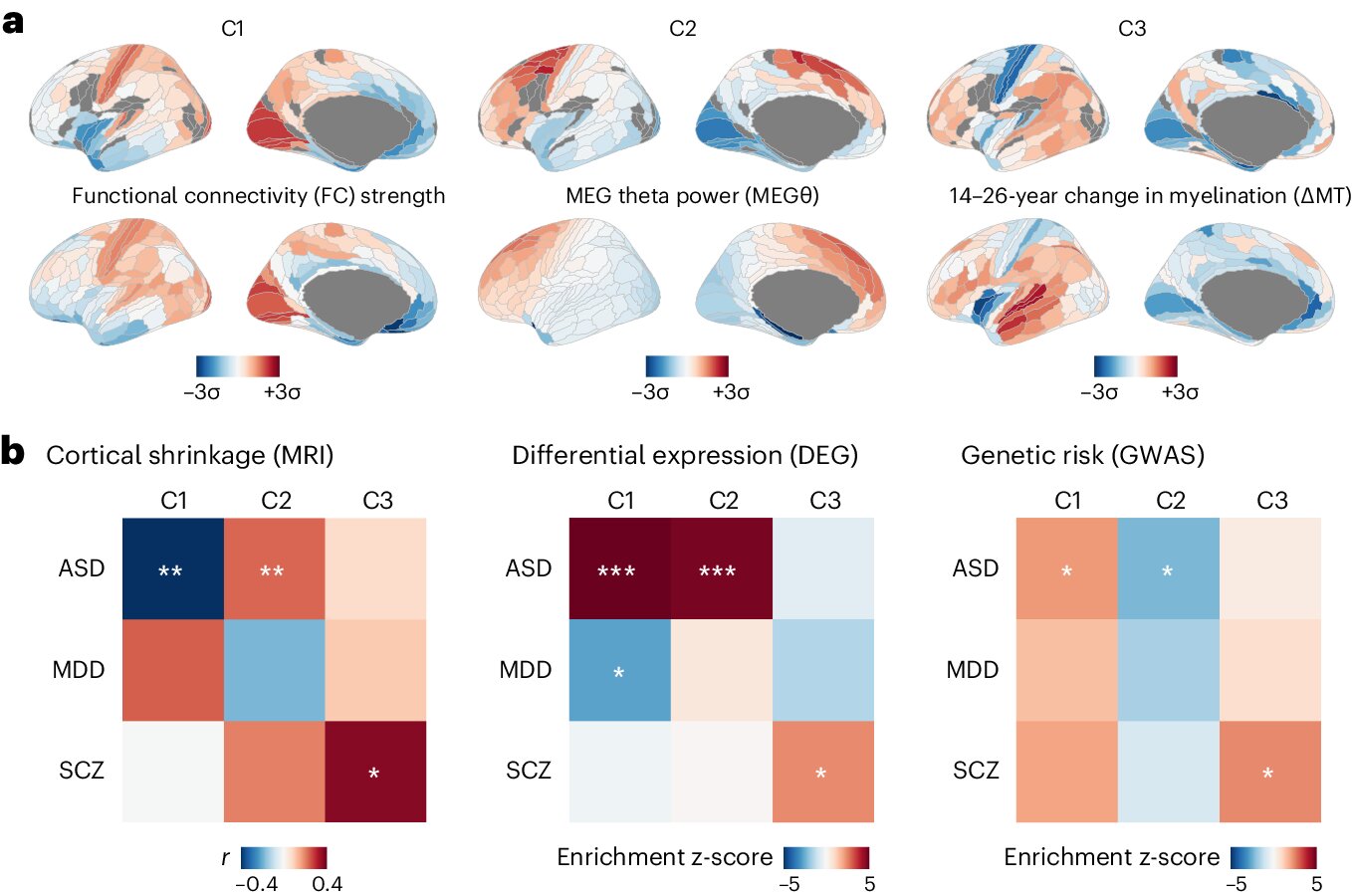
Researchers at University of Cambridge and other institutes worldwide recently carried out a study that linked gene expression in healthy brains to the imaging, transcriptomics and genetics of autism spectrum disorder and schizophrenia. Their paper, published in Nature Neuroscience, unveiled three distinct spatial patterns of cortical gene expression each with specific associations to autism and schizophrenia

A study published in the Journal of the American College of Cardiology suggests that physical activity may reduce cardiovascular disease risk by lowering stress-related brain activity.

A team of researchers at Baylor College of Medicine and Yale University incorporated generative artificial intelligence (AI) to create a foundational model for brain activity. The Brain Language Model (BrainLM) was developed to model the brain in silico and to determine how brain activities are related to human behavior and brain diseases.

Using MRI, engineers have found a way to detect light deep in the brain.

Stressful life events, such as the death of a loved one or divorce, put a person at greater risk of developing dementia in later life, a recent study has found. But only if the stressful event happened in childhood or midlife.

Our brains process odours differently depending on the names assigned to them, according to new research. 

People with neurological disease have a greater chance of death after contracting COVID-19, according to a new study. The research also confirms a higher risk of developing new neurological disorders after COVID infection.

Children who experience chronic lack of sleep from infancy may be at increased risk of developing psychosis in early adulthood, new research shows. 

A team of brain specialists at the California Institute of Technology has developed a brain–computer interface approach to decode words “spoken” entirely in the brain by recording signals from individual neurons in real time.

A new study shows that the cerebellum is involved in processing emotions, with implications for ataxia care.

A research team has revealed the link between the frequency of sleep apnea events during the rapid-eye-movement stage and the severity of verbal memory impairment in older adults at risk for Alzheimer’s disease. Verbal memory refers to the cognitive ability to retain and recall information presented through spoken words or written text and is particularly vulnerable to Alzheimer’s.

Results from a recent neuroplasticity study show how singing rehabilitates speech production in post-stroke aphasia.

For the first time, researchers have succeeded in explaining the propagation of traveling waves of activity in the human brain using a computer simulation. Previous studies indicate that these waves are important for various cognitive functions such as memory.

A new publication in Scientific Reports unveils a promising non-opioid pain treatment.

Repeated blows to the heads of football players can damage the small blood vessels of the brain, according to research by scientists who believe this damage may contribute to brain dysfunction in some athletes years after play has ended.

New research has shed light in the complex interplay between cell proteins, and how they impact on neurons in neurodevelopmental disorders and Alzheimer’s disease.

Artificial intelligence (AI) computer programs that process MRI results show differences in how the brains of men and women are organized at a cellular level, a new study shows. These variations were spotted in white matter, tissue primarily located in the human brain’s innermost layer, which fosters communication between regions.

Finally, this week, climate change, and its effects on weather patterns and adverse weather events is likely to negatively affect the health of people with brain conditions.

Weekly Neuroscience Update

Variant definition, splitting and classification as border or ectopic. Credit: Nature Neuroscience (2024)

A new study has revealed brain differences that may explain why humans demonstrate a variety of cognitive abilities and behaviors. The research shows that two forms of individual differences may predict cognitive abilities, explain behavioral differences and even pinpoint biomarkers of brain disease.

A team of neuroscientists has found that so-called superagers maintain memory as they grow older because they do not experience a decline in the integrity of their white brain matter.

Researchers have developed an artificial intelligence technique that can effectively estimate an individual’s brain age based on electroencephalogram (EEG) brain scans. The technology could help to make early, regular screening for degenerative brain diseases more accessible.

A simple blood test could allow doctors to determine whether a person may be at higher risk for stroke or cognitive decline during their lifetime, according to a new study.

A brief episode of anger triggered by remembering past experiences may negatively impact the blood vessels’ ability to relax, which is essential for proper blood flow, according to new research published in the Journal of the American Heart Association.

Using neuroimaging, researchers have identified a brain network crucial to human consciousness. 

An individual’s experience of pain from medical treatment can be heightened by witnessing other people’s responses to the same treatment, with this negative experience subsequently spreading to others, scientists have discovered.

Listening to music benefits older adults’ cognitive health, even if it’s music they haven’t heard before or don’t enjoy very much, according to a new study.

Researchers have found a way to better control the preclinical generation of key neurons depleted in Parkinson’s disease, pointing toward a new approach for a disease with no cure and few effective treatments.

An international research team led by Karolinska Institutet has mapped the early genetic development of the brain and can now present an atlas of embryonic development between weeks 6 and 13.

Researchers have identified a key mechanism in brain stem cells that prevents identity conflicts during gene expression. This mechanism allows the cells to retain stemness while being primed for neuronal differentiation. The discovery includes finding that keeping neuronal gene messengers within the nucleus, while allowing stem cell gene messengers to be translated, avoids premature differentiation.

A new study demonstrates the potential of virtual reality in treating major depressive disorder.

Exercise prompts muscles to release molecular cargo that boosts brain cell function and connection, but the process is not well understood. Now new research has found that the nerves that tell muscles to move also prompt them to release more of the brain-boosting factors.

A pattern of brain activity that helps prevent us from getting lost has been identified in a new study, published in Nature Human Behaviour.

A new study highlights a novel mechanism of brain plasticity involving chondroitin sulfate clusters outside nerve cells. Researchers identified these cartilage-like structures as crucial for the brain’s ability to adapt and store information.

Finally this week, a new computer model may have cracked the code on helpful memory cues.

Weekly Neuroscience Update

Vertex-wise comparisons between ADHD (N = 60) and controls (N = 23), and between ADHD responders (N = 42) and non-responders (N = 18). Credit: Nature Mental Health (2024).

New research has found that the effectiveness of ADHD medication may be associated with an individual’s neuroanatomy.

Although there are still some aspects pending confirmation for its use in the clinical setting, and its resolution needs to be improved slightly, a new study has shown that a method routinely used to carry out ophthalmological tests can also be used to monitor the neurodegeneration that occurs in Parkinson’s patients.

Scientists have uncovered a mechanism in the brain that allows cocaine and morphine to take over natural reward processing systems.

New research has identified a specific pattern of autoantibodies in the blood that precedes the clinical onset of multiple sclerosis (MS), potentially paving the way for early diagnosis and treatment. Their study found that 10% of MS patients displayed a unique set of autoantibodies against both human proteins and common pathogens like the Epstein-Barr Virus years before showing symptoms.

Researchers have identified a promising new approach to treating persistent neurological symptoms associated with Lyme disease.

A new study investigates why everyday actions like locking a door are often forgotten. The study revealed that while emotionally charged or unique events are initially memorable, even these can fade within 24 hours, particularly positive experiences. This research provides insight into the selective nature of memory and suggests that our brains prioritize and even forget information to manage cognitive load.

Managing a stroke patient’s blood sugar levels after they receive powerful clot-busting drugs might help them survive their health crisis, a new trial finds.

Researchers have created a thin film that combines an electrode grid and LEDs that can both track and produce a visual representation of the brain’s activity in real time during surgery. The device is designed to provide neurosurgeons with visual information about a patient’s brain to monitor brain states during surgical interventions to remove brain lesions including tumors and epileptic tissue.

A new study identifies a new metric for diagnosing autism.

New research has found a significant association between participating in low to moderate intensity exercise and reduced rates of depression.  However, this was not strongly observed for high-intensity exercise. Physical activity was also significantly associated with reduced risk of severe mental health conditions, including a reduction in psychosis/schizophrenia by 27%.

An international collaborative research team has discovered a novel mechanism underlying memory involving rapid changes in a specific DNA structure.

People who take acid-reducing drugs may have a higher risk of migraine and other severe headache than people who do not take these medications, according to a study published in the online issue of Neurology Clinical Practice

Finally this week, new research has highlighted the profound link between dietary choices and brain health.

Weekly Neuroscience Update

To the left of the figure, the red-yellow color denotes the regions that degenerate earlier than the rest of the brain, and are vulnerable to Alzheimer’s disease. These brain areas are higher-order regions that process and combine information coming from our different senses. To the right of the figure, each dot represents the brain data from one UK Biobank participant. The overall curve shows that, in these particularly fragile regions of the brain, there is accelerated degeneration with age. Credit: G. Douaud and J. Manuello.

In a new study published in Nature Communications, researchers investigated the genetic and modifiable influences on fragile brain regions by looking at the brain scans of 40,000 UK Biobank participants aged over 45.

Scientists have shown for the first time that a type of thinking that has been described for over a century as a developmental milestone of adolescence may grow teenagers’ brains over time.

A team of neurologists, stem cell specialists and molecular biologists affiliated with several institutions in the U.S. and led by a group at Stanford University School of Medicine has found evidence that the root cause of Alzheimer’s disease may be fat buildup in brain cells. The study is published in the journal Nature.

New research highlights the critical role of unique gut bacteria in newborns, producing serotonin to educate immune cells and prevent allergic reactions early in life.

People continuously exposed to bright, artificial light at night may be at increased risk of developing conditions that affect blood flow to the brain and having a stroke, according to research published in Stroke.

Researchers reveal new findings on the complexity of age-related memory decline and neural dedifferentiation, challenging existing theories on cognitive aging.

A new study has found that amyotrophic lateral sclerosis (ALS) and frontotemporal lobar degeneration (FTLD) exhibit strikingly similar cellular and molecular characteristics, despite affecting different brain regions and showing distinct clinical symptoms.

New research reveals how the human brain processes vital signals from the heart and lungs, offering new insights into the complex brain-body integration essential for health and cognition.

In a new study, AI processed text from health histories and neurologic examinations to locate lesions in the brain. The study, which looked specifically at the large language model called generative pre-trained transformer 4 (GPT-4), is published in the online issue of Neurology Clinical Practice.

New research shows that disturbed gut flora during the first years of life is associated with diagnoses such as autism and ADHD later in life.

Bilingualism may serve as a powerful tool against age-related cognitive decline, particularly in social cognition areas such as the theory of mind. A new study demonstrates that early bilingualism leads to beneficial structural changes in the brain, including increased gray matter volume and cortical thickness, which contribute to a stronger cognitive reserve.

In a study published in Nature Mental Health, scientists have found that individuals suffering from chronic musculoskeletal pain (CMP) may face a higher risk of brain aging.

A new analysis involving over 13,000 people has found changes to blood vessels in the brain that can increase the risk of stroke and dementia are common in people with a range of heart conditions, regardless of whether they have experienced a stroke.

A Canadian-led study has identified genes that may be partially responsible for the development of cerebral palsy.

Researchers have introduced a new, refined method for analyzing brain signals, enhancing our understanding of brain functionality. This research has the potential to improve treatments for neurological conditions such as Parkinson’s disease, pain, epilepsy and depression.

A study reveals that Lewy body disease, a major neurodegenerative disorder, may start developing in individuals as early as middle age, well before symptoms manifest.

Researchers have shown that the brain chemical GABA regulates activity in the retina of the eye in autistic and non-autistic individuals differently. Autistic people have larger responses to single light flashes in the retina of the eye and this new study shows that increasing GABA activity can reduce this response.

Finally this week, a study by the University of Sheffield has cast doubt on the efficacy of non-invasive brain stimulation techniques in improving visual working memory.

Weekly Neuroscience Update

Graphical representation of the analysis procedure to relate word-by-word predictors of linguistic complexity to BOLD activity. Credit: Proceedings of the National Academy of Sciences (2024). 

How does the brain respond to sentence structure as we speak and listen? In a neuroimaging study published in PNAS, researchers investigated sentence processing during spontaneous speech for the first time.

A research team has achieved a breakthrough in stem cell research, offering tools that can be used for patients who require highly personalized care.

Researchers demonstrated promising results for PTSD treatment in military veterans by combining brain stimulation with virtual reality exposure therapy. The clinical trial showed significant reductions in PTSD symptoms among participants who received low electrical current brain stimulation during virtual reality sessions designed to simulate warzone experiences.

A new study involving participants from 15 countries, shed light on the universal preference for simple integer ratios in rhythms, revealing significant cultural variations in musical perception.

Researchers have uncovered a strikingly similar suite of changes in gene activity in brain tissue from people with schizophrenia and from older adults. These changes suggest a common biological basis for the cognitive impairment often seen in people with schizophrenia and in the elderly.

A new study reveals a direct correlation between adversities faced in childhood and adulthood with later psychiatric and cognitive decline.

A new study reveals a strong link between daytime physical activity and improved sleep quality among both children and adults. Analyzing the daily routines of over 2500 participants, the research highlights how higher levels of moderate to vigorous physical activity correlate with fewer sleep disturbances, less daytime tiredness, and overall better sleep quality.

In an innovative study published in Science Advances, researchers have unveiled new insights into the intricate relationship between emotion and perception.

Even people whose physical activity levels fall short of recommended guidelines, but who manage to do some during their leisure time, are likely to have a lower risk of stroke than their sedentary peers, suggests a pooled data analysis of the available evidence, published online in the Journal of Neurology, Neurosurgery & Psychiatry.

A recent study showcases a significant leap in the study of brain oscillations, particularly ripples, which are crucial for memory organization and are affected in disorders like epilepsy and Alzheimer’s. 

People who have headaches after experiencing concussions may also be more likely to have higher levels of iron in areas of the brain, which is a sign of injury to brain cells, according to a preliminary study that will be presented at the American Academy of Neurology’s 76th Annual Meeting taking place April 13–18, 2024.

The COVID-19 virus can persist in the blood and tissue of patients for more than a year after the acute phase of the illness has ended, according to new research.

Researchers identified sildenafil, known commercially as Viagra, as a promising candidate for treating Alzheimer’s disease. Leveraging artificial intelligence the team analyzed vast amounts of data, including insurance claims and brain cell observations, to highlight sildenafil’s potential benefits in reducing Alzheimer’s prevalence and neurotoxic proteins.

A new study provides some of the most detailed insights yet into the brain mechanisms that help people pay attention amid such distraction, as well as what’s happening when they can’t focus.

A new AI language model identifies clinical symptoms in medical summaries and links them to brain tissue from donors of the Netherlands Brain Bank. This yields new insights into the development of individual disease progression and contributes to a better understanding of common misdiagnoses of brain diseases. The model may, in the future, assist in making more accurate diagnoses.

Researchers have discovered a brain circuit that drives vocalization and ensures that you talk only when you breathe out, and stop talking when you breathe in.

For the first time, neuroscientists have established a link between shifts in our visual perception and the cadence of our steps while walking.

A new study examines the potential of artificial intelligence to shift chronic pain treatment from opioids to mindfulness-based stress reduction (MBSR). Utilizing machine learning to analyze extensive patient data, the study aims to predict which patients will benefit most from MBSR, a critical step toward personalized medicine.

Finally this week, new research reveals how the human brain processes vital signals from the heart and lungs, offering new insights into the complex brain-body integration essential for health and cognition.

Weekly Neuroscience Update

Synergetic framework. Credit: Trends in Cognitive Sciences

A new model for understanding the brain paves the way for more accurate diagnoses and treatments.

For people with drug-resistant epilepsy, having a dog companion trained in detecting seizures and other epilepsy-related tasks may reduce the amount of seizures they have, according to new research published in Neurology

New research shows that continued cocaine use disrupts communication between major brain networks.

Researchers are embarking on a pioneering study to uncover how genes associated with autism spectrum disorders (ASD) converge to affect brain neurons, particularly leading to heightened sound sensitivity. This research aims to identify common neural circuit mechanisms that may underlie the diverse genetic pathways contributing to ASD, focusing on auditory hypersensitivity, a condition that significantly impacts individuals’ lives.

Two new studies explore how closely attention and eye movements are linked and reveal how the brain coordinates the two processes.

A pioneering new study using virtual reality (VR) aims to identify early signs of Alzheimer’s disease through impaired spatial navigation in asymptomatic adults at risk. By testing 100 middle-aged adults with genetic, familial, or lifestyle risk factors for Alzheimer’s, the study discovered that spatial navigation difficulties in VR environments precede traditional cognitive decline symptoms. Notably, this impairment was more pronounced in men than women, suggesting a gender-specific vulnerability

Mounting research shows that COVID-19 leaves its mark on the brain, including significant drops in IQ scores.

A daily fiber supplement improved brain function in people over 60 in just 12 weeks. The study, published recently in Nature Communications showed that this simple and cheap addition to diet can improve performance in memory tests associated with early signs of Alzheimer’s disease.

A new study has found mutations in key brain cells among individuals with chronic opioid use that could shift how we think about treatment strategies for opioid use disorder.

According to a Mayo Clinic study published in Nature Neuroscience, the cells that act as the central nervous system’s first line of defense against harm also play a role in helping the brain awaken from anesthesia. This discovery could help pave the way for innovative methods that address post-anesthesia complications.

Scientists have trained a bank of AI models to identify patterns of brain activity that signal memory formation.

People who experience sleep apnea may be more likely to also have memory or thinking problems, according to a preliminary study that will be presented at the American Academy of Neurology’s 76th Annual Meeting taking place April 13–18, 2024.

Schizophrenia is associated with an increased risk of subsequent cardiovascular disease events, with the association stronger in women, according to a new study.

New research delves into the genetic underpinnings of language development in early childhood and its implications for later cognitive abilities and neurodevelopmental disorders such as Attention-Deficit/Hyperactivity Disorder (ADHD) and Autism Spectrum Disorder (ASD). Interestingly, the research highlights a developmental shift in the genetic associations with ADHD symptoms, suggesting that the role of genetics in language development and its impact on neurodevelopmental outcomes is complex and changes over time. This study underscores the importance of understanding the early linguistic journey as a window into a child’s future mental health and cognitive prowess.

Finally this week, a new neuroimaging study is the first to reveal how the brain gets to the creative flow state.