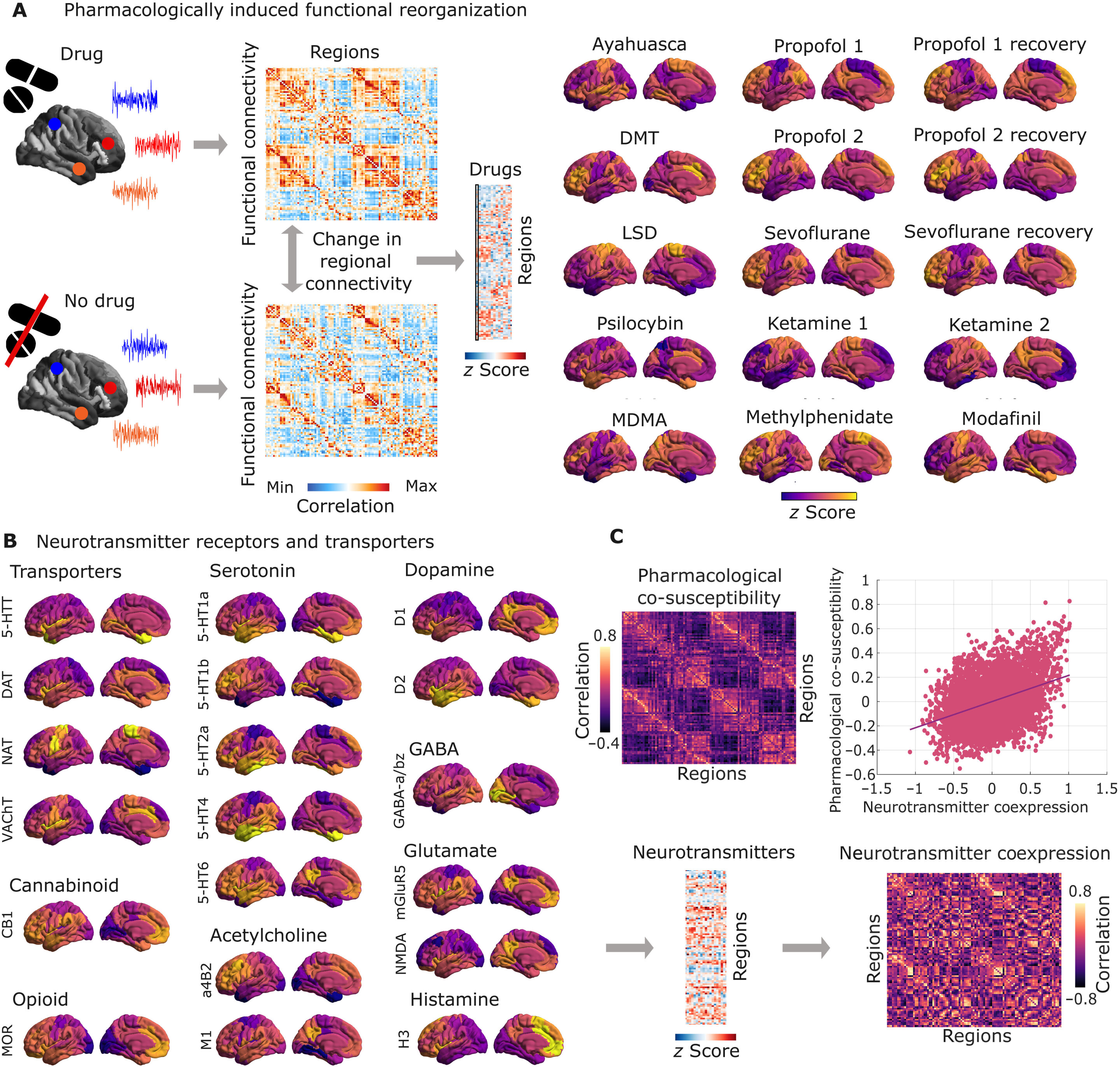
An international team of neuroscientists, anesthesiologists and other medical researchers has learned more about the changes that occur in brain neurotransmitter systems under the influence of psychedelics, anesthetics and cognitive enhancers by studying PET and fMRI scans of brains of people administered such drugs. The study is published in Science Advances.
With as little as 1 percent loss in body weight, a Mediterranean diet appears to slow the signs of accelerated brain aging typical of obesity, according to a new study.
Scientists have uncovered swirling spiral patterns of brain signals on the human cortex. The research indicates that these patterns, observed during both resting and cognitive states, play a crucial role in organizing brain activity and cognitive processing.
New research on why some people have allergies more than others has revealed that changing a specific protein called ETS1 can affect our body’s response to allergies.
Researchers have found compelling molecular evidence suggesting that bipolar disorder and schizophrenia, traditionally viewed as distinct conditions, may have more similarities than previously thought.
Finally this week, new research sheds light on the role of astrocytes, a type of brain cell, in olfactory perception or smell detection.
A new study sheds light on gender differences in risk-taking behavior. The research reveals women are more averse to risk than men due to heightened sensitivity to potential losses. Conversely, men, exhibiting greater optimism, are more willing to engage in risk-taking.
Scientists have discovered children’s ability to process emotional cues is largely established by the time they start school. Analyzing brain scans from children aged five to 15, the study revealed that such brain activity becomes increasingly similar to their peers as they reach adolescence. The research emphasizes the importance of early intervention to address issues related to understanding emotional cues.
In a paper published in Science Advances, an international team reveal the discovery of sequence variants in the gene ABCC9 that influence the pitch of voices.The scientists found that ABCC9 variants associate with higher voice pitch in both men and women. The same sequence variants are also linked to higher pulse pressure, a cardiovascular risk factor, highlighting links between voice pitch and health-related traits.
Researchers have discovered a promising new avenue for treating glioblastoma, a deadly brain cancer.
Research led by the University of Texas Health Science Center, San Antonio, Texas, has looked into premature brain aging in individuals with type 1 diabetes. The findings of this study show an increase in brain aging among individuals with type 1 diabetes without any early signs of AD-related neurodegeneration. These increases were associated with reduced cognitive performance, but according to the authors, the abnormal patterns observed in the samples were modest.
Finally this week, intricate links between breathing and memory recall have been unraveled by recent scientific research, painting a more complex picture of our cognitive processes.
A new study shows that walking can enhance connections within and between three critical brain networks, one of which is linked to Alzheimer’s disease. The research, involving older adults with normal cognitive function and those with mild cognitive impairment, showcased an improvement in memory recollection abilities after a 12-week walking exercise regimen. The brain activity observed was stronger and more synchronized post-exercise, providing hope for combating cognitive impairment and potentially delaying the onset of Alzheimer’s dementia.
Researchers have found a correlation between patients with rheumatoid arthritis and Parkinson’s disease. In their paper published in JAMA Neurology, researchers found a significantly higher risk of Parkinson’s disease (PD) in patients with rheumatoid arthritis (RA).
Researchers have delved into the brain’s grey and white matter, investigating the impacts of fibromyalgia. Using MRI, the team detected reduced grey matter volume in the pain-processing areas of fibromyalgia patients.
Neuroscientists have discovered how vitamin D deficiency impacts the development of neurons, contributing to disorders such as schizophrenia. These findings underscore the importance of vitamin D in the structural differentiation of dopaminergic neurons and suggest that maternal vitamin D deficiency might alter how early dopaminergic circuits form.
Finally this week, researchers have cracked the mystery behind how the Botulinum neurotoxin type-A, also known as Botox, infiltrates neurons.
Deep sleep, also known as non-REM slow-wave sleep, may help reduce memory loss in older adults facing a heightened burden of Alzheimer’s disease. The research indicates that superior amounts of deep sleep can act as a protective factor against memory decline in those with existing high amounts of Alzheimer’s disease pathology, potentially helping to alleviate some of dementia’s most devastating outcomes.
Researchers have discovered new genetic risk factors for non-Alzheimer’s dementia, specifically Lewy body dementia (LBD) and frontotemporal dementia (FTD).
Scientists have made strides in uncovering the mechanisms underlying memory formation and consolidation in the brain during rest or sleep. A new study focuses on the role of the hippocampus, a brain region important for memory, and its place cells which “replay” neuronal sequences. The researchers built an artificial intelligence model to better understand these processes, discovering that sequences of experiences are prioritized during replay based on familiarity and rewards. The AI agent was found to learn spatial information more effectively when replaying these prioritized sequences, offering valuable insight into the way our brains learn and process information.
New research finds that the brains of otherwise healthy military personnel who are exposed to explosions show an abnormal brain accumulation of amyloid-beta protein—a protein that plays a role in the development of Alzheimer’s disease.
A new study has found that people with a genetic risk for psychosis have an imbalance of glutamate and GABA neurotransmitters in their brains, specifically in the hippocampus. This imbalance is associated with hippocampal atrophy, which may lead to the development of psychotic symptoms.
Researchers have developed human brain organoids that contain microglia, the immune cells of the brain. These organoids allow researchers to study how microglia develop and function in a more realistic setting than previous models.
Researchers used artificial intelligence to analyze speech in Parkinson’s disease patients, revealing distinct patterns. The AI found Parkinson’s patients used more verbs but fewer nouns and fillers in their speech, even before cognitive decline typically associated with PD was evident.
A research team has found that the risk of long COVID and its symptoms present very differently across diverse populations.
A new study sheds light on the potential role of diet in preventing dementia. The analysis explored the relationship between gut health and Alzheimer’s disease, uncovering a strong link between specific types of gut bacteria and the likelihood of developing dementia. The findings highlight the significance of gut microbiota in brain health and provide insights into the underlying mechanisms of Alzheimer’s disease.
Finally this week, researchers have created a revolutionary device that emulates the human eye’s ability to see colour.
Viewing interactive art online can improve our mood and reduce anxiety. People reported significant improvements in mood and anxiety after just a few minutes of viewing an interactive Monet Water Lily art exhibition.
The way our senses adjust while playing virtual reality (VR) games affects the severity of cybersickness experienced. Researchers measured how participants perceived the orientation of vertical lines before and after playing two VR games, one high-intensity, and one low-intensity. They found that those who experienced less sickness were more likely to have the largest change in the subjective visual vertical following exposure to VR. The findings could be useful for VR designers and developers in creating more comfortable and enjoyable experiences.
In a new study, scientists have discovered anatomical changes that occur in the brains of patients after their sight is restored.
Scientists have explored the links between three measures known to independently predict healthy aging: nutrient intake, brain structure and cognitive function. Their analysis adds to the evidence that these factors jointly contribute to brain health in older adults.
Young men with cannabis use disorder are more likely to develop schizophrenia, according to a new study.
A new study challenges conventional thinking on the role of short and long-term memories in relearning motor skills. Researchers found that fleeting short-term memories, rather than long-term ones, are responsible for rapid motor learning, indicating the existence of mechanisms for regulating the learning rates for memories that are distinct from the memories themselves.
Poor verbal memory may increase the risk of psychiatric hospitalization for patients diagnosed with bipolar disorder or depression. The severity of the illness was previously thought to have an impact on poor memory, but new research shows that poor memory may also have an impact on the risk of being hospitalized.
Researchers have uncovered crucial findings regarding Long COVID, discovering significant immune system and nervous system changes that could explain the neurological symptoms experienced by patients.
A new study from Aarhus University indicates that certain types of epilepsy medication taken during pregnancy may increase the risk of severe psychiatric disorders in children.The research found a worrying link between the antiseizure medication valproate and the child’s risk of developing psychiatric disorders such as autism, ADHD and intellectual disability.
Finally this week,scientists have recently identified a unique form of cell messaging occurring in the human brain that’s not been seen before. Excitingly, the discovery hints that our brains might be even more powerful units of computation than we realized.
A new study provides the first evidence that rotigotine, a drug that acts on dopamine transmission in the brain, improves cognitive function in patients with mild-to-moderate Alzheimer’s disease.
Tiny eye movements can be used as an index of humans’ ability to anticipate relevant information in the environment independent of the information’s sensory modality, a team of scientists has found. The work reveals a connection between eye movements and the sense of touch.
A team of researchers has identified for the first time brain-wide neural correlates of the transition from fear to anxiety.
A new studyprovides evidence that hearing is the last sense to go during the process of active death. Many people become unresponsive during the final hours of life, however, EEG data revealed the dying brain responds to sounds throughout the final moments of life.
Neurological complications of Covid-19 can include delirium, brain inflammation, stroke and nerve damage, finds new research.
A new study uncovers DNA hypermethylation is responsible for reduced amygdala volume in male patients with schizophrenia and bipolar disorder.
Finally this week,new research has identified the specific brain cells that control how much sugar you eat and how much you crave sweet tasting food.
Researchers using MRI have found that iron accumulationin the outer layer of the brain is associated with cognitive deterioration in people with Alzheimer’s disease, according to a study published in the journal Radiology.
Examining the brains of frequent cannabis users, researchers have identified a pattern of connectivity related to craving the substance.
Auditory hallucinations, a common feature of psychosis and schizophrenia, may be the result of increased connectivity between sensory and language processing areas in the brain.
Nitrous oxide may provide temporary relief to veterans suffering from PTSD, a new study reports.
Light to moderate weekly alcohol consumption during middle age could help preserve brain function as we get older. Compared to non-drinkers, those who had a drink or two a day tended to have better performance on cognitive tests over time.
Low levels of the stress hormone cortisol and the GLIZ protein can trigger chronic inflammatory responses in the body, contributing to the aging process.
The placentas of sixteen women who contracted COVID-19 during pregnancy showed evidence of significant injury, a new study reports. The placental injuries were consistent with abnormal blood flow between mother and baby in-utero, suggesting another complication of coronavirus infection in pregnant women.
Finally this week, a new study highlights the most common neurological and psychological complications that arise as a result of coronavirus infection.
Brain regions where symptoms of depression and anxiety were associated with decreased opioid receptor availability. Image is credited to Lauri Nummenmaa
New research reveals how the brain’s opioid system is linked to mood changes associated with depression and anxiety. Neuroimaging revealed, in those with depression, there is a decreased number of opioid receptors in specific areas of the brain.
Chandelier cells have an unusual direct method of communication. Unlike other neurons, chandelier cells connect directly to the part of a target neuron that initiates a spike.
Using optogenetics, researchers were able to manipulate oxytocin producing cells in a highly precise manner. They discovered oxytocin can amplify aggression as well as social friendliness.
Some coronavirus patients exhibit clinical and neurochemical signs of brain injury associated with the viral infection.
When it comes to processing information about motion, neurons in the ventral intraparietal area of the brain are more flexible in switching between reference frames. The findings could be used to develop neural prosthetics designed for motion control.
The suicide rate for people with schizophrenia spectrum disorders (SSD) is 170 times higher than the general population according to a study published in the journal Schizophrenia Research.
Repetitive negative thinking in those aged over 55 is associated with an increased risk of cognitive decline and deposition of proteins associated with Alzheimer’s disease.
Researchers have identified a specific, front-line defense that limits the infection to the olfactory bulb and protects the neurons of the olfactory bulb from damage due to the infection.
A new study offers clues to how neurons can rewire and restore pathways following injury or illness.
Older men who have a weak or irregular circadian rhythm guiding their daily cycles of rest and activity are more likely to later develop Parkinson’s disease, according to a new study.
Finally this week, a team of researchers has created a new technology that enhances scientists’ ability to communicate with neural cells using light.
Neurodegeneration sets in earlier for those with unhealthy diets and lifestyle choices.
A new study shows a particularly marked impairment of moral emotions in patients with frontotemporal dementia (FTD). The results, published in the Journal of Alzheimer’s Disease, open a new approach for early, sensitive and specific diagnosis of FTD.
People with a genetic predisposition for Alzheimer’s disease may exhibit changes in memory up-to four decades before the typical age of dementia onset.
Without being aware of it, people sometimes wrongly perceive tactile sensations. A new study in the scientific journal “Current Biology” shows how healthy people can sometimes misattribute touch to the wrong side of their body, or even to a completely wrong part of the body.
A new study has found that information acts on the brain’s dopamine-producing reward system in the same way as money or food.
A linkbetween disease activity in those with inflammatory bowel disease and less positive biases in emotional regulation could explain a higher risk of depression in those with IBD.
Researchers have identified a rare genetic mutation which occurs in clinical disorders with psychotic features, such as schizophrenia and bipolar disorder.
A newly developed mathematical framework describes the ecology of the microbiomecoupled to its host. The approach allows researchers to evaluate the microbiome-host interaction landscape and examine why diverse microbiome are associated with similar health outcomes.
Combining multiple artificial intelligence agents sheds light on the aging process and can help further understanding of what contributes to healthy aging.
A novel surgical technique that connects functioning nerves with injured nerves helps restore function to paralyzed muscles. Following surgery, 13 young adults with tetraplegia now have restored hand and elbow function, allowing them to feed themselves, hold a drink and write.
Finally this week, exposure to unpleasant smells is associated with better memory recall 24 hours later.
A new study reports babies’ brains are sensitive to different emotional tones they hear in voices. Researchers suggest maternal interactions may help to shape the same brain region adults use for emotional processing.
Researchers report brain alterations associated with heightened feelings of negative emotion and alienation in people who have a dependence on cannabis.
Further evidence that the brain undergoes a continuous phase transition when we awaken from sleep has been discovered.
A new deep learning algorithm can predict those at risk of psychosis with 93% accuracy by examining the latent semantic content of an individual’s speech.
Scientists in Sweden have found that some viruses can increase the buildup of protein ‘plaques’ linked to Alzheimer’s disease, a discovery that could lead to new vaccines treating the condition.
Individual differences in the striatum of habitual cannabis users distinguish between who is at increased risk of addiction and cannabis use disorder.
A new studyreports areas of the brain housing alertness and determination may be on the right side for left dominant people. The new theory suggests the location of a person’s neural system for emotion depends on their handedness.
Finally this week, new research shows that 2 hours a week is a key dose of nature for health and wellbeing.