Weekly Neuroscience Update

A new way of mapping activity and connections between different regions of the brain has revealed fresh insights into how higher-order functions like language, thought and attention, are organized.

Researchers at the University of Copenhagen have demonstrated that the brain’s ability to learn certain skills can be significantly enhanced if both the brain and nervous system are primed by carefully-calibrated, precisely-timed electrical and magnetic stimulations. This new research has the potential to open entirely new perspectives in rehabilitation and possibly elite sports.

A study of patients with epilepsy shows how making new neurons benefits cognition.

New AI software can read the brain scans of patients who have had a stroke to more accurately pinpoint when it happened and help doctors work out whether it can be successfully treated. It is hoped that the new technology will ultimately enable faster and more accurate emergency treatment of patients in a hospital setting.

Researchers have discovered the structural details of a brain receptor called GPR6, which could lead to new treatments for Parkinson’s disease.

Living in disadvantaged neighbourhoods is associated with higher blood pressure and lower cognitive performance, even in individuals without mild cognitive impairment. Researchers analyzed over 500 adults, finding that poor social and economic resources in neighborhoods exacerbate cardiometabolic health issues and reduce brain function.

Scientists have developed a new approach to learning through noninvasive manipulation of brain activity patterns.

A new study is helping solve the mystery as to why the brain shrinks in a unique pattern, known as atrophy, in chronic traumatic encephalopathy (CTE). Published in Acta Neuropathologica, this research provides novel evidence that cumulative repetitive head impacts are driving the specific patterns of brain degeneration found at the base of the folds of the surface of the brain, known as the cortical sulcus.

A global research collaboration has revealed a hidden cause of a rare intellectual disorder associated with severe language delay, epileptic seizures, motor impairment and brain abnormalities.

A multi-sensory digital treatment protocol, incorporating sensory integration, sensory substitution, and sensory masking (e.g., blindfolding), significantly improved participants’ performance on spatial memory tasks. Resting-state fMRI analysis showed that these improvements were associated with enhanced connectivity between memory-related brain regions, executive frontal areas, and the default mode network (DMN).

People with high blood pressure who also lack sleep may be at increased risk of reduced cognitive performance and greater brain injury, new research has found.

Researchers have uncovered a groundbreaking mechanism called Electro-Calcium (E-Ca) coupling that integrates electrical and calcium signaling in brain capillaries. This process ensures precise blood flow delivery to active neurons, crucial for brain health and cognitive function.

Researchers at the University of Helsinki have made a breakthrough in understanding what neural mechanisms allow the extreme sensitivity of human vision in darkness. 

New research reveals that music can do more than trigger memories—it can alter their emotional tone. When participants recalled neutral stories while listening to emotionally charged music, they later remembered the stories as matching the music’s mood. These findings hint at music’s potential for therapeutic interventions, like reframing negative memories in depression or PTSD.

Finally this week a recent study has found that high blood sugar may impair brain health even in people without diabetes. 

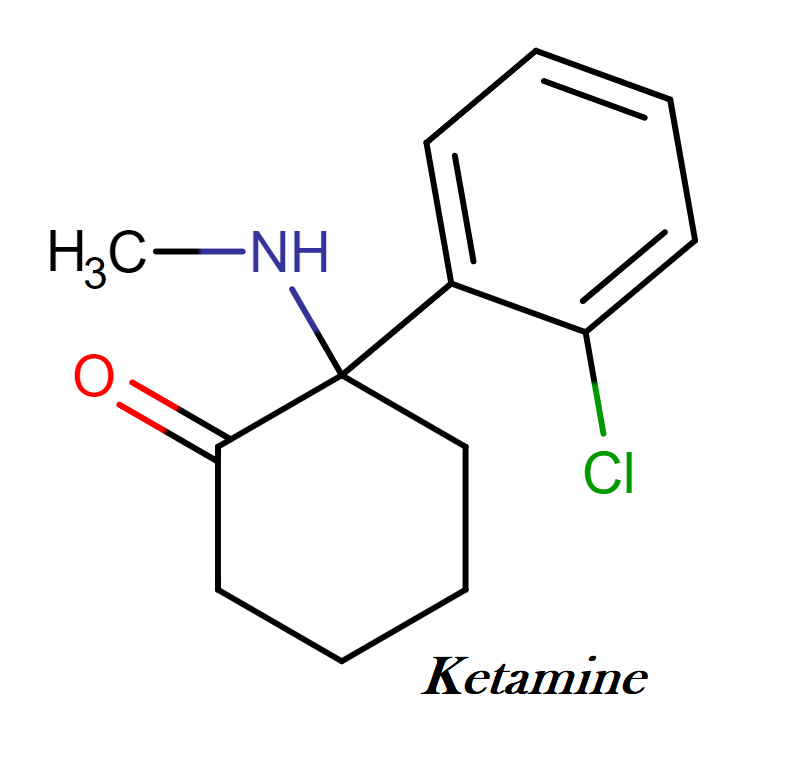
Ketamine: Lessons from the Death of Matthew Perry

The entertainment world was recently shaken by the tragic passing of Matthew Perry, the beloved actor best known for his role as Chandler Bing on the iconic sitcom “Friends.” Perry’s death, linked to a ketamine overdose, has cast a spotlight on this complex drug, its therapeutic potential, and its inherent dangers. In this post, we’ll explore ketamine’s effects on the brain, its promise in mental health treatment, and the critical need for responsible use and regulation.

Ketamine: A Brief Overview

Ketamine, first synthesized in 1962, has a long history as an anesthetic and analgesic. During the late 1960s, ketamine was marketed as the dissociative (out-of-body experience) anesthetic, under the name Ketalar and was used to treat soldiers in the Vietnam War. The abuse potential of ketamine was recognized in the early 1970s, but reports of ketamine abuse in human and veterinary medicine did not appear until the early 1980s in Australia and in the early 1990s in the United States. In recent years, it has gained significant attention for its rapid antidepressant effects, particularly in cases of treatment-resistant depression. Ketamine’s primary mechanism of action involves blocking the NMDA receptor for glutamate in the brain, leading to a dissociative state and a cascade of neurochemical changes.

Ketamine’s Impact on the Brain

Findings from my own laboratory in 1997 showed that repeated ketamine intake alters the balance between the neurotransmitters dopamine and serotonin in the brain. Ketamine’s interaction with the NMDA receptor for glutamate triggers a surge in glutamate, a neurotransmitter vital for learning and memory. This glutamate surge is thought to promote the growth of new synapses and neural connections, particularly in brain regions associated with mood regulation. Additionally, ketamine disrupts the default mode network (DMN), a brain network linked to rumination and self-referential thinking, which may contribute to its antidepressant effects. Research also suggests that ketamine may stimulate neurogenesis (the growth of new neurons) and promote neuroplasticity (changes in neural connections).

Ketamine’s Impact on the Mind

Ketamine’s psychological actions have been characterized as similar to temporary schizophrenia. Healthy volunteers receiving ketamine in an experiment have experienced sensations reminiscent of LSD. Ketamine can prompt people to feel like they are becoming transparent, blending into nearby individuals, or becoming an animal or object. Users may feel like their bodies are transforming into harder or softer substances. Persons may think they remember experiences from a past life. Some users take the drug to enter a semi-paralytic state described as similar to near-death experiences in which people perceive their consciousness as floating above their bodies, sometimes accompanied by meaningful hallucinations and by insights about the user’s life and its proper place in the cosmos.

The Promise of Ketamine in Mental Health

When administered at a therapeutic dose ketamine’s rapid antidepressant effects have revolutionized the field of mental health treatment. Studies have shown that a single therapeutic dose of ketamine can alleviate depressive symptoms within hours, offering hope to individuals who have not responded to traditional antidepressants. In fact, so effective is therapeutic ketamine that it has been proposed as a chemical replacement for electroconvulsive therapy (ECT) and it may eventually replace the need for ECT altogether. Beyond depression, ketamine is being investigated for its potential in treating anxiety disorders, PTSD, and addiction.

The Perils of Ketamine

While ketamine holds immense therapeutic promise, it is crucial to acknowledge its risks. Ketamine can cause dissociative effects, hallucinations, and other adverse reactions. Moreover, it has a potential for abuse and addiction, as tragically illustrated by Matthew Perry’s case. Long-term effects of ketamine use on brain function and cognition remain an area of ongoing research.

Lessons from the Death of Matthew Perry

Matthew Perry’s untimely death serves as a poignant reminder of the dangers of substance abuse, even with substances that have therapeutic potential. It underscores the critical need for responsible use, careful monitoring, and effective regulation of ketamine.

Weekly Neuroscience Update

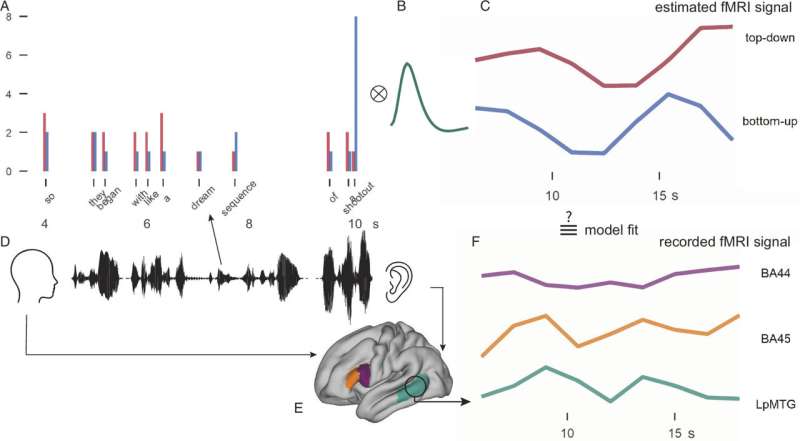
Graphical representation of the analysis procedure to relate word-by-word predictors of linguistic complexity to BOLD activity. Credit: Proceedings of the National Academy of Sciences (2024). 

How does the brain respond to sentence structure as we speak and listen? In a neuroimaging study published in PNAS, researchers investigated sentence processing during spontaneous speech for the first time.

A research team has achieved a breakthrough in stem cell research, offering tools that can be used for patients who require highly personalized care.

Researchers demonstrated promising results for PTSD treatment in military veterans by combining brain stimulation with virtual reality exposure therapy. The clinical trial showed significant reductions in PTSD symptoms among participants who received low electrical current brain stimulation during virtual reality sessions designed to simulate warzone experiences.

A new study involving participants from 15 countries, shed light on the universal preference for simple integer ratios in rhythms, revealing significant cultural variations in musical perception.

Researchers have uncovered a strikingly similar suite of changes in gene activity in brain tissue from people with schizophrenia and from older adults. These changes suggest a common biological basis for the cognitive impairment often seen in people with schizophrenia and in the elderly.

A new study reveals a direct correlation between adversities faced in childhood and adulthood with later psychiatric and cognitive decline.

A new study reveals a strong link between daytime physical activity and improved sleep quality among both children and adults. Analyzing the daily routines of over 2500 participants, the research highlights how higher levels of moderate to vigorous physical activity correlate with fewer sleep disturbances, less daytime tiredness, and overall better sleep quality.

In an innovative study published in Science Advances, researchers have unveiled new insights into the intricate relationship between emotion and perception.

Even people whose physical activity levels fall short of recommended guidelines, but who manage to do some during their leisure time, are likely to have a lower risk of stroke than their sedentary peers, suggests a pooled data analysis of the available evidence, published online in the Journal of Neurology, Neurosurgery & Psychiatry.

A recent study showcases a significant leap in the study of brain oscillations, particularly ripples, which are crucial for memory organization and are affected in disorders like epilepsy and Alzheimer’s. 

People who have headaches after experiencing concussions may also be more likely to have higher levels of iron in areas of the brain, which is a sign of injury to brain cells, according to a preliminary study that will be presented at the American Academy of Neurology’s 76th Annual Meeting taking place April 13–18, 2024.

The COVID-19 virus can persist in the blood and tissue of patients for more than a year after the acute phase of the illness has ended, according to new research.

Researchers identified sildenafil, known commercially as Viagra, as a promising candidate for treating Alzheimer’s disease. Leveraging artificial intelligence the team analyzed vast amounts of data, including insurance claims and brain cell observations, to highlight sildenafil’s potential benefits in reducing Alzheimer’s prevalence and neurotoxic proteins.

A new study provides some of the most detailed insights yet into the brain mechanisms that help people pay attention amid such distraction, as well as what’s happening when they can’t focus.

A new AI language model identifies clinical symptoms in medical summaries and links them to brain tissue from donors of the Netherlands Brain Bank. This yields new insights into the development of individual disease progression and contributes to a better understanding of common misdiagnoses of brain diseases. The model may, in the future, assist in making more accurate diagnoses.

Researchers have discovered a brain circuit that drives vocalization and ensures that you talk only when you breathe out, and stop talking when you breathe in.

For the first time, neuroscientists have established a link between shifts in our visual perception and the cadence of our steps while walking.

A new study examines the potential of artificial intelligence to shift chronic pain treatment from opioids to mindfulness-based stress reduction (MBSR). Utilizing machine learning to analyze extensive patient data, the study aims to predict which patients will benefit most from MBSR, a critical step toward personalized medicine.

Finally this week, new research reveals how the human brain processes vital signals from the heart and lungs, offering new insights into the complex brain-body integration essential for health and cognition.

Weekly Neuroscience Update

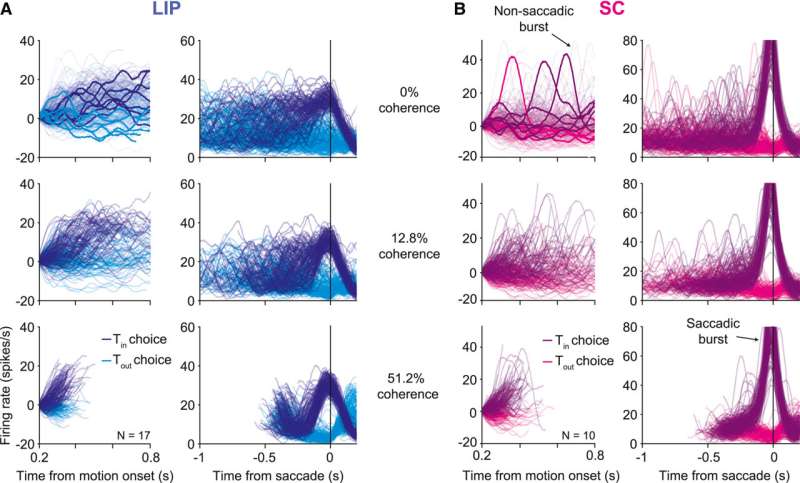
Single-trial dynamics in LIP and SC are different. (Neuron, 2023)

A new paper, published in Neuron, highlights the role of the superior colliculus (SC), a structure in the midbrain, in terminating decisions.

Degeneration of dopaminergic neurons is widely accepted as the first event that leads to Parkinson’s, but a new study suggests that a dysfunction in the neuron’s synapses—the tiny gap across which a neuron can send an impulse to another neuron—leads to deficits in dopamine and precedes the neurodegeneration.

Depression, a challenging condition to diagnose early, may now be detected more promptly using a simple 1-minute Electroencephalogram (EEG) test at home.

Scientists have confirmed that human brains are naturally wired to perform advanced calculations, much like a high-powered computer, to make sense of the world through a process known as Bayesian inference.

New research shows how repeated traumatic brain injury contributes to Alzheimer’s disease.

Racial disparities can be seen in dementia severity, functional impairment, and neuropsychiatric symptoms among patients with frontotemporal dementia (FTD), according to a study recently published in JAMA Neurology.

A new study identifies a potential new approach to PTSD treatment.

Any head injury—even a mild one—raises a person’s risk of later having an ischemic stroke. Having multiple injuries increases that risk, even more so than the severity of a single traumatic brain injury, researchers have found.

New research finds that cerebrospinal fluid net flow is markedly decreased in Huntington’s disease, with the decrease being greater in the later stages of the disease.

The targeted use of ultrasound technology can bring about significant changes in brain function that could pave the way towards treatment of conditions such as depression, addiction, or anxiety, a new study suggests.

Finally this week, new research finds that antidepressants may actually reduce negative memories in individuals suffering from depression while improving overall memory function.

Weekly Neuroscience Update

covid-4948866_640

A new review of neurological symptoms of COVID-19 patients reveals the disease poses a global threat to the entire nervous system, reports a study in Annals of Neurology.

Researchers have combined tools from machine learning and neuroscience to discover that the brain uses a mathematical system to organize visual objects according to their principal components.

A new system for high-density EEG helps with the imaging of the origin and path of both normal and abnormal neural activity.

Brain function depends on inhibitory cells that balance or ‘brake’ excitation. These neurons allow the brain to process information and also prevent runaway seizures. A new study however, reports that in some critical structures of the developing brain, the inhibitory neurons cause excitation rather than suppression of brain activity. The findings, published in Science Advances, could have implications for the treatment of neonatal seizures.

New research shows changes in gut mucus may contribute to Alzheimer’s, Parkinson’s, and other neurological disorders.

Researchers have identified how specific genetic mutations cause ALS. The pathway, they believe, may also be responsible for the development of frontotemporal dementia.

Cancer itself, rather than chemotherapy alone, may contribute to the development of neuropathy some patients experience.

Finally this week, results from a new study suggest that whether certain genes are expressed — turned on or off– may play a role in susceptibility to post-traumatic stress disorder (PTSD).


Weekly Neuroscience Update

cell-printing-neuroscienews.jpg
 
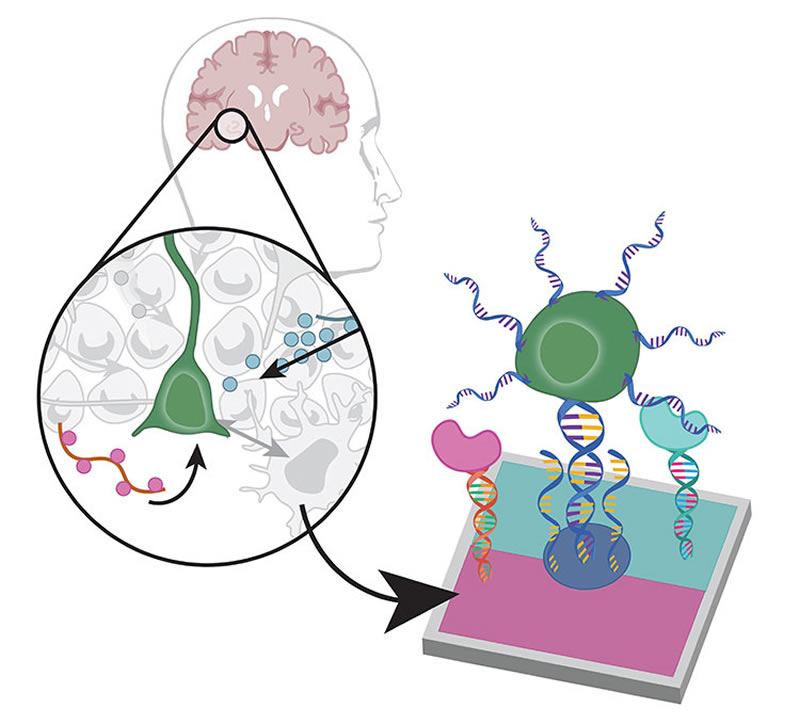
Researchers have created a new technique that can rapidly “print’ two-dimensional arrays of cells and proteins that mimic a variety of cellular environments in the body.
 

People who develop Parkinson’s disease before age 50 may have been born with disordered brain cells that went undetected for decades, according to new research. The research points to a drug that potentially might help correct these disease processes.

A new substance named Lu AF60097 may help reduce side effects from tricyclic antidepressants in those with severe depression.

Researchers have uncovered a key role of medial prefrontal cortex corticotropin-releasing factor interneurons for bidirectionally controlling motivated behavioral styles under stress. The findings could help in the development of new treatments for PTSD.

MIT researchers have identified a protein fragment that may inhibit COVID-19’s ability to enter human lung cells. 

Researchers have developed a new method to record brain activity at scale. The new technique could help in the development of new neuroprosthetic devices to help amputees and those with movement restricting neurological conditions.

New research suggests that eye movements may come before hand movements in actions that require a two-step decision-making process. 

A new method to accurately record brain activity at scale has been developed by researchers. The technique could lead to new medical devices to help amputees, people with paralysis or people with neurological conditions such as motor neuron disease.

Stress, loneliness, and sleep loss can weaken the immune system, leaving people more susceptible to COVID-19.

Finally this week. using robotics, researchers have uncovered mechanisms in the cerebellum and spinal cord that determine how the nervous system responds to induced changes in step length. The findings could have implications for physical rehabilitation programs for people with movement disorders.


Weekly Neuroscience Update

artificial-membrane-brain-tisuse-neurosciencenews

A newly developed microfluidic device microfluidic device allowed researchers to keep tissue from the suprachiasmatic nucleus alive for over 25 days.

Neuroscientists have proved how different parts of the human brain work together to create and retrieve episodic memory.  Models suggested that, during formation of a memory, information is routed from cortex to hippocampus whilst retrieving a memory should see this information flow in reverse.

A collaborative study published today in the journal Cell Reports provides evidence for a new molecular cause for neurodegeneration in Alzheimer’s disease.

Researchers have identified brain circuitry differences that might be associated with suicidal behavior in individuals with mood disorders. The study, published in Psychological Medicine, provides a promising lead toward tools that can predict which individuals are at the highest risk for suicide.

A period of wakeful rest can help reduce memory intrusions associated with PTSD.

Does dementia spread gradually and evenly in all directions across the brain, or can it “jump” from one brain area to another? New research helps to settle the question by examining the progression of frontotemporal dementia.

Examining postmortem brains of autism spectrum disorder patients, researchers discover an accumulation of immune cells surrounding blood vessels in the brain.

Your personality type may influence addiction to certain drugs, a new study reveals. Those whose personalities rank higher for impulsivity are more likely to use ecstasy, while those who score higher for neurotic traits are more likely to use opioid like heroin, researchers report.

Finally this week, researchers have mapped out some of the mechanisms that may affect women’s fertility from the teenage years to menopause.


Weekly Neuroscience Update

cochlear-stereo-hearing-neurosciencenews.jpg

Image credited to Ruth Litovsky (via NeuroscienceNews.com)

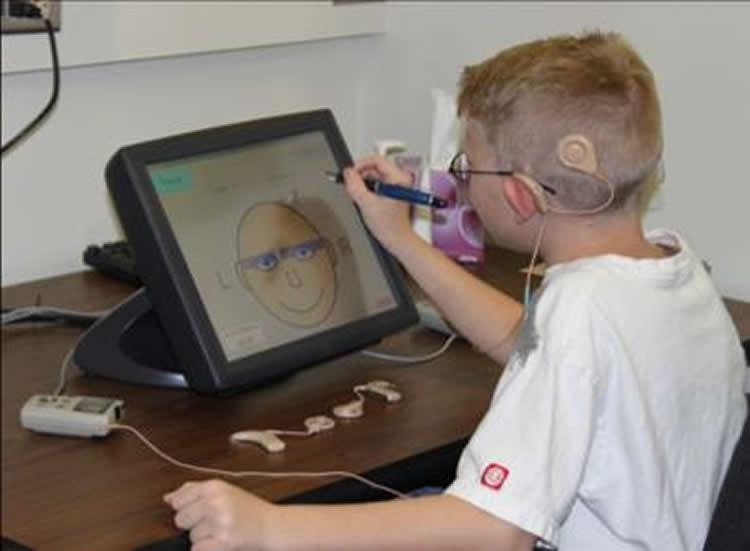
A new technique synchronizes cochlear signals in those with implants, stimulating the brain in a way that is similar to hearing people. This can allow those with cochlear implants to hear in stereo.

According to a new study, melatonin works by suppressing neurons that keep you awake and alert. The findings could pave the way for new treatments for insomnia.

When viewing OCD related images, those with the disorder had increased distress and higher levels of activity in emotion-related brain regions than their siblings who did not suffer from OCD, researchers report.

Magnetic resonance imaging can be used to detect the development of psychosis in the brains of high-risk patients at an early stage, according to a new study. 

Researchers have identified the mechanisms behind how noise-induced hearing loss occurs and have shown a simple injection to the middle ear may help to preserve hearing following exposure to loud blast noises.

A new article looks at theories of consciousness and novel research aimed at providing a better understanding of the roots of consciousness.

Sleep is known to be important for creative thinking, but exactly how it helps and what role each sleep stage–REM and non-REM–plays remains unclear. A team of researchers has now developed a hypothesis to explain how the interleaving of REM and non-REM sleep might facilitate creative problem-solving in different but complementary ways.

A study of Parkinson’s patients reveals neural activity alternates between the right and left sides of the brain as we walk.

A new study has linked the APOE4 gene to mental health issues some people face following TBI. Researchers report people with the APOE4 gene had significantly higher scores for depression, PTSD and anxiety following TBI than those without the genetic variant.

Finally this week, a group of researchers has uncovered a new way of telling how well people are learning English: tracking their eyes.

A new study reports people who have a family history of alcohol use disorder release more dopamine in the ventral striatum as a response to the expectation of receiving an alcoholic drink than those without a family history of alcoholism

A new study reveals children who are either overweight or obese during the first two years of life may have problems with memory and learning at the age of 5. Researchers say IQ scored may be lower for higher weight children.

A new study reveals older adults with greater symptoms of depression have a smaller brain volume and a 55% greater chance of vascular lesions in the brain than those who do not have depression.

Researchers report the critical period of language learning may be longer than previously believed. A new study reveals children remain skilled at learning new languages until age 18.

Research has shown that a developing child’s brain structure and function can be adversely affected when the child is raised in an environment lacking adequate education, nutrition and access to health care.

Scientists have uncovered dozens of genes that increase the risk of depression — a major finding that underscores the complexity of the disease and reveals why antidepressant therapies work well for some people but are utterly ineffective for others.

A new study reports Alzheimer’s disease does not appear to affect the salience network. Researchers found, when listening to music, the salience network along with other networks, show higher functional connectivity in Alzheimer’s patients.

Neuroscientists at the University of California-Berkeley are developing a technique that could give us the ability to fool our brain into thinking that we’d experienced something that never happened by manipulating electrical activity in the brain.


Weekly Neuroscience Update

161206110138_1_540x360.jpg

Neuroscientists at the University of Bristol are a step closer to understanding how the connections in our brain which control our episodic memory work in sync to make some memories stronger than others. The findings, published in Nature Neuroscience, reveal a previously unsuspected division of memory function in the pathways between two areas of the brain, and suggest that certain subnetworks within the brain work separately, to enhance the distinctiveness of memories.

A new study pinpoints the brain area responsible for forming direct links between environmental stimuli and enhanced focus.

Every few seconds, our eyelids automatically shutter and our eyeballs roll back in their sockets. So why doesn’t blinking plunge us into intermittent darkness and light? New research led by the University of California, Berkeley, shows that the brain works extra hard to stabilize our vision despite our fluttering eyes.

Our personality traits are linked to differences in the thickness and volume of various parts of our brains, an international study has suggested.

Researchers have found significant differences in the brains of teens with bipolar disorder that attempt to take their lives over those with the disorder who have never attempted suicide.

Women with lower estrogen levels may be more susceptible to developing PTSD according to new research.

A new study raises the question of whether a genetic mutation associated with neurodegeneration in one environment could act in a positive way in a different setting.

Researchers report early indicators of depression and anxiety may be evident in the brain from birth.

A cutting edge, non-invasive brain stimulation technique could improve cognitive control for people with conditions such as schizophrenia and autism.

A new computerized ‘mirror game’ has been shown to give more accurate diagnosis of schizophrenia than clinical interviews.

A new study reports on how a single instance of extreme stress can lead to long term neurological changes and trauma.

Social difficulties in people with autism are exacerbated by how other people perceive them at first meeting, researchers say.

Finally this week, researchers have revealed regions of the brain implicated in delusional misidentification syndromes.

Weekly Neuroscience Update

earworm-music-neurosciencenews-public.jpg

A new study finds those “earworm” songs that get stuck in our heads are usually faster, fairly generic and easier to remember, but with unique intervals that set them apart from ‘average’ pop songs.

Researchers have for the first time recorded how cells of the epidermis behave during the regrowth of adult limbs after amputation.

Proper communication between the left and right sides of the brain is critical for the development of advanced language skills, according to new research.

A team of researchers at TU Dresden has examined the underlying neural processes associated with short term task learning in a current imaging study. The results of the study are published today in Nature Communications.

A new study confirms that scanning a person’s brain with an fMRI is more accurate at picking up lies than a traditional polygraph test.

Contrary to popular belief, language is not limited to speech. A  recent study published in the journal PNAS, reveals that people also apply the rules of their spoken language to sign language.

Scientists at The University of Manchester have shown for the first time that if the brain is ‘tuned-in’ to a particular frequency, pain can be alleviated.

A new study appears to build on the previous research that suggests genetic mutations which affect mitochondria function could be critical to the development and progression of Alzheimer’s disease. Meanwhile, researchers have also discovered a possible new treatment for the disease after noticing the way in which insulin signaling works in the brains and pancreas of diabetic patients; and in another study degeneration of the basal forebrain appears before cognitive and behavioural symptoms of Alzheimer’s occur.

Researchers were able to predict the orientation preference of individual neurons by adding up the responses of their dendritic spines, a new study reports.

Scientists have mapped what happens neurologically when new information influences a person to change his or her mind, a finding that offers more insight into the mechanics of learning.

The brain regulates social behaviour differently in males and females, according to a new study published in the Proceedings of the National Academy of Sciences.

A team of  researchers has uncovered new details about the biology of telomeres, “caps” of DNA that protect the tips of chromosomes and play key roles in a number of health conditions, including cancer, inflammation and aging.

A new study uses retinal prosthetics to assess the brain’s ability to process visual information years after blindness occurs.

People suffering medical conditions causing low levels of oxytocin perform worse on empathy tasks, according to new research. And a new measuring method has detected oxytocin at much higher rates in blood serum and plasma than researchers previously thought.

Researchers believe they may have pinpointed an area of the brain that plays a role in maintaining human consciousness.

Scientists have uncovered new details about how a repeating nucleotide sequence in the gene for a mutant protein may trigger Huntington’s disease and other neurological diseases.

Finally this  week, a new study reports context processing problems could help to explain some of the symptoms and neuroimaging findings associated with PTSD.