Weekly Neuroscience Update

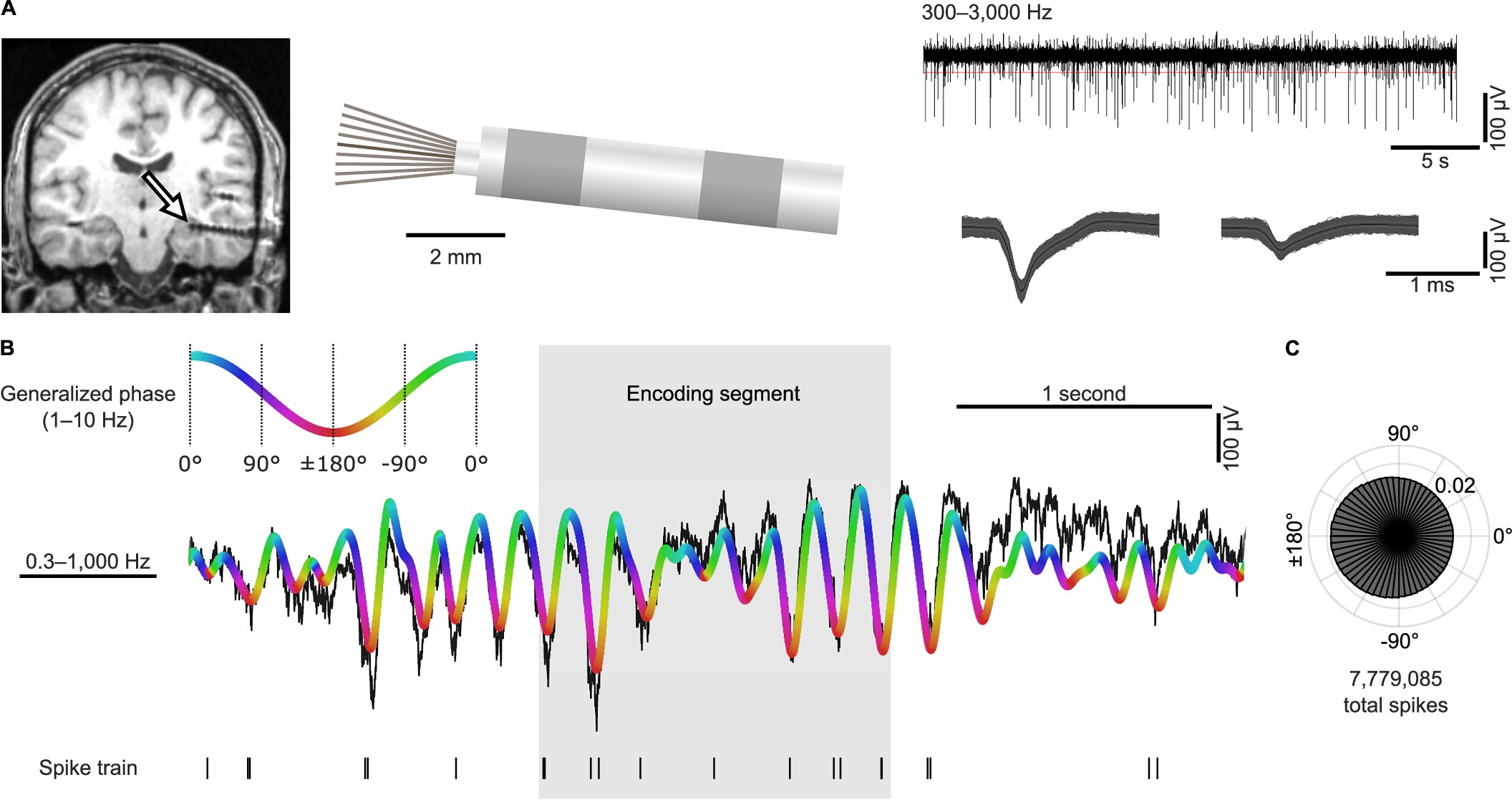
Neural recordings and general theta-phase locking. Credit: Nature Communications (2025). 

A research team has gained new insights into the brain processes involved in encoding and retrieving new memory content. The study is based on measurements of individual nerve cells in people with epilepsy and shows how they follow an internal rhythm.

A new study published in the Proceedings of the National Academy of Sciences offers insight into how past stress impacts a person’s response to new stress.

Stimulating the vagus nerve with a device attached to the outer ear can help make compassion meditation training more effective at boosting people’s capacity for self-kindness and mindfulness, finds a new study.

A world-first study into young adults’ brain activity has found that TV and gaming are associated with increased focus, while social media is associated with decreased focus.

Researchers have discovered that whether you are right- or left-handed influences which side of your brain processes fine visual details. The new “action asymmetry hypothesis” proposes that brain specialization for high- and low-frequency visual information develops from the everyday way we use our hands. In right-handers, the left hemisphere processes high-frequency vision; in left-handers, this is reversed. The findings challenge long-standing theories that such asymmetries develop in the womb or are tied directly to language processing.

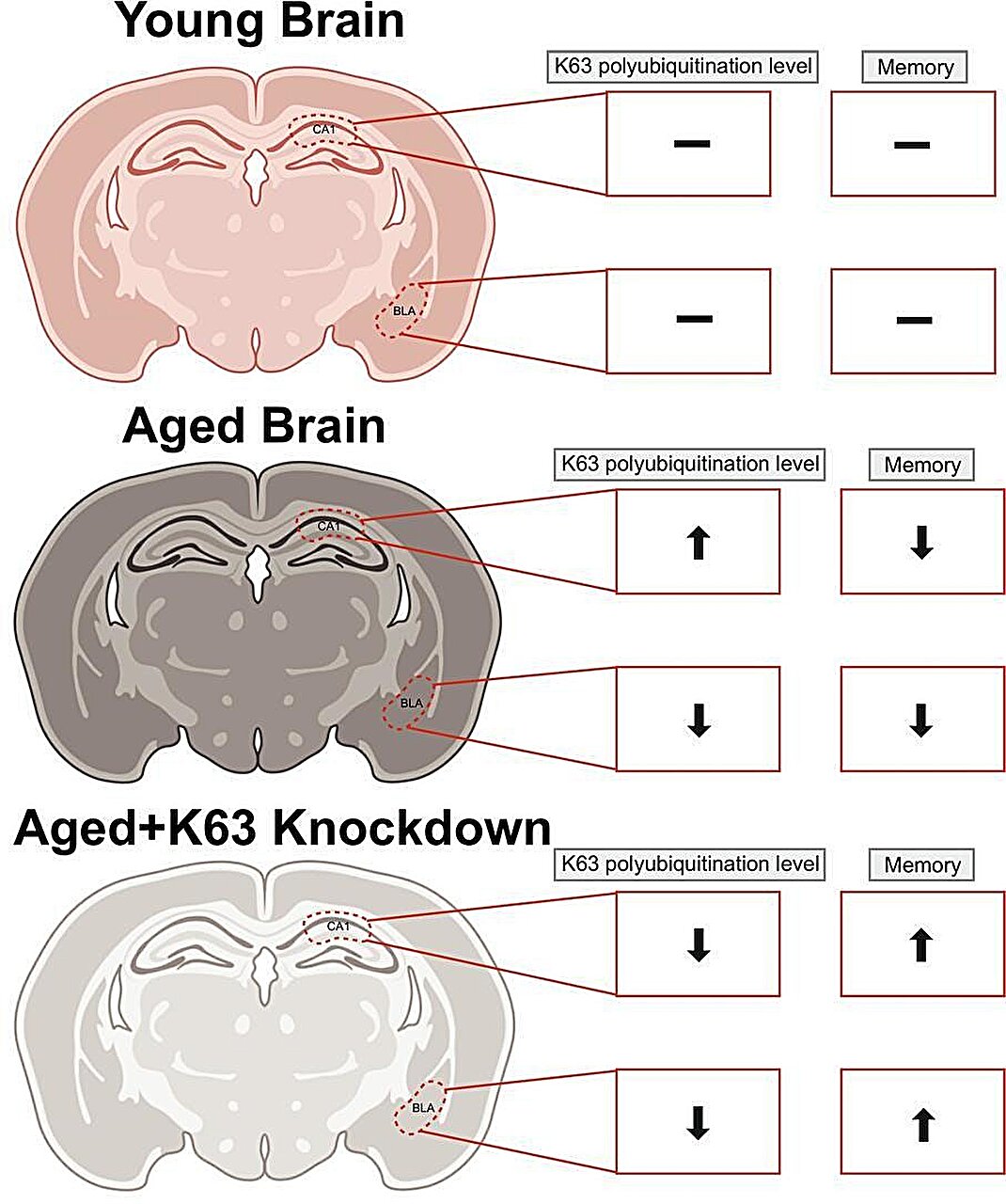
Scientists have identified a promising nonpharmaceutical treatment that rejuvenates aging brain cells and clears away the buildup of harmful proteins associated with Alzheimer’s disease.

It may be time to rethink certain genetic mutations associated with two devastating neurodegenerative disorders—amyotrophic lateral sclerosis (ALS) and frontotemporal dementia (FTD)—according to a new Nature Neuroscience study.

Research has shed new light on an age-old question: what makes the human brain unique? The study is published online in Science Advances.

Athletes who participate in combat sports like boxing and mixed martial arts and grow up in disadvantaged neighborhoods may be more likely to show signs of brain changes associated with neurodegeneration than athletes from affluent neighborhoods, according to a study published in Neurology Open Access.

A team of researchers has developed a data-driven method for optimizing deep brain stimulation (DBS) settings that significantly improved walking performance in people with Parkinson’s disease.

Scientists have built the first “microwave brain” chip capable of processing both ultrafast data and wireless communication signals at once. By harnessing analog, nonlinear microwave physics instead of conventional digital circuitry, the chip can decode radio signals, track radar targets, and classify high-speed data streams in real time.

Finally, this week, stronger coordination between the brain and the stomach’s natural rhythm is linked to higher levels of anxiety, depression, and stress, according to the largest study of its kind.

Weekly Neuroscience Update

Researchers at King’s College London have found that exposure to higher levels of air pollution during midlife is associated with slower processing speed, lower scores on a cognitive screening tool, and differences in brain structure later in life.

People who use psychedelic substances may think about themselves in a different way — not just psychologically, but also neurologically.

A large Danish study shows that most mental illnesses—like schizophrenia, bipolar disorder, and depression—occur in people with no close family history of the condition. Analyzing data from over 3 million individuals, researchers found that while heredity increases risk, most diagnosed individuals do not have affected relatives.

Living through the Covid-19 pandemic may have accelerated brain ageing, even in people who were never infected, a new study finds.

Scientists developed a computational “aging clock” that measures the biological age of brain cells and identifies compounds with rejuvenating potential. By analyzing gene activity from healthy and neurodegenerative brain tissue, they pinpointed 453 interventions predicted to reverse cellular aging.

Adolescents who use e-cigarettes or conventional tobacco products are significantly more likely to report symptoms of depression and anxiety than non-users, according to a recent study.

For the first time, researchers have identified what happens in neural networks deep within the brain during obsessive thoughts and compulsive behaviours. Using electrodes implanted in the brain, they observed how specific brain waves became active. These brain waves serve as a biomarker for obsessive-compulsive disorder (OCD) and are an important step towards more targeted treatments.

In a breakthrough that reimagines the way the gut and brain communicate, scientists have uncovered what they call a “neurobiotic sense.”

A new study reveals that a brain circuit driving negative emotions during cocaine withdrawal plays a key role in relapse. Researchers found that this “anti-reward” network becomes hyperactive during abstinence, amplifying distress and pushing users back toward the drug.

Researchers have made a significant breakthrough in understanding how the human brain forms, stores and recalls visual memories.

A new study finds that inflammation affects how cannabis impacts anxiety and sleep quality. Researchers observed no significant changes in inflammation levels after 4 weeks of cannabis use, but initial inflammation influenced the results.

Finally, this week, Alzheimer’s disease spreads unevenly through the brain, and novel mathematical modelling may help explain why.

Weekly Neuroscience Update

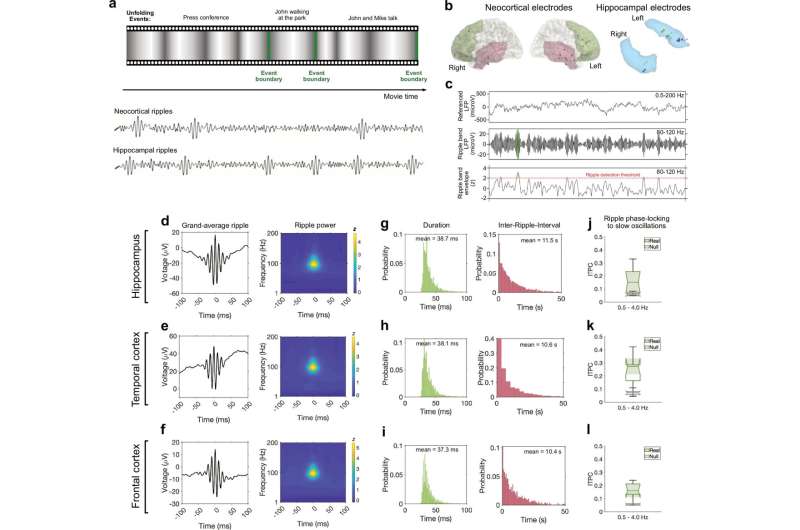
Experimental design, ripple detection, and ripple properties. Credit: Nature Communications (2025)

A research team has identified, for the first time in humans a key neurophysiological mechanism in memory formation: ripple-type brain waves—high-frequency electrical oscillations that mark and organize the different episodes or fragments of information that the brain stores as memories.

Scientists have discovered how a key protein helps maintain strong connections between brain cells that are crucial for learning and memory.

New research shows that signs of Alzheimer’s disease can already be detected in the blood of people as young as their 40s. Finnish scientists found elevated Alzheimer’s-related biomarkers in middle-aged adults, especially among those with maternal history or kidney disease.

A new study questions whether playing youth football leads to harmful protein buildup in the brain.

Receiving six or more prescriptions of the drug gabapentin for low back pain is associated with significantly increased risks of developing dementia and mild cognitive impairment, finds a large medical records study.

A large genetic study reveals that cannabis use disorder is strongly linked to increased risk for multiple psychiatric disorders, including depression, PTSD, ADHD, and schizophrenia.

A common sugar substitute, erythritol, widely used in “sugar-free” and low-carb products, may increase stroke risk by damaging brain blood vessel cells. A new study found that erythritol exposure reduced nitric oxide, increased vessel constrictors, impaired clot-busting abilities, and boosted free radical production in these cells.

Finally, this week, neuroscientists have discovered a signature ‘wave’ of activity as the brain awakens from sleep.

Weekly Neuroscience Update

After following a protocol of sensory-motor activities with cognitive engagement for two months, eleven children aged 10 to 12 who were diagnosed with dyslexia showed improvement in reading speed. This initiative combined recreational activities that incorporated motor and social skills, demonstrating promise in improving children’s reading performance.

Parkinson’s disease often starts on one side of the body, and new research shows this asymmetry influences how non-motor symptoms progress. 

Memory helps us make sense of the present by retrieving past experiences based on either surface-level similarities or deeper conceptual connections. A recent study reveals that when a familiar mental category — like excuses or conflicts — is available, memory prioritizes structural, abstract links over superficial cues.

A device combining ultrasound and advanced imaging to provide information for the safe delivery of drugs into the brain has been developed by University of Queensland researchers.

A new study has upended decades of neuroscience dogma, revealing that dopamine, a neurotransmitter critical for movement, motivation, learning and mood, communicates in the brain with extraordinary precision, not broad diffusion as previously believed.

Researchers have found a new drug that may boost the brain’s ability to heal itself after injury. The discovery could lead to significant advances in treating traumatic brain injuries, or TBIs.

A study published in iScience suggests that the magic of live performance art may be reflected in our brains. When people watched a live contemporary dance performance, their brainwaves synced up, signaling shared focus and attention—but that synchrony didn’t occur when people watched the same performance alone on video.

A research team has developed a novel deep learning framework that significantly improves the accuracy and interpretability of detecting neurological disorders through speech.

A new study reveals that our organs age at different speeds, and those differences can predict future disease risk and even life expectancy. Using blood-based protein signatures from over 44,000 participants, researchers developed an algorithm to estimate the biological age of 11 organ systems.

Finally this week, a study in the journal Science presents compelling new evidence that neurons in the brain’s memory center, the hippocampus, continue to form well into late adulthood.

Weekly Neuroscience Update

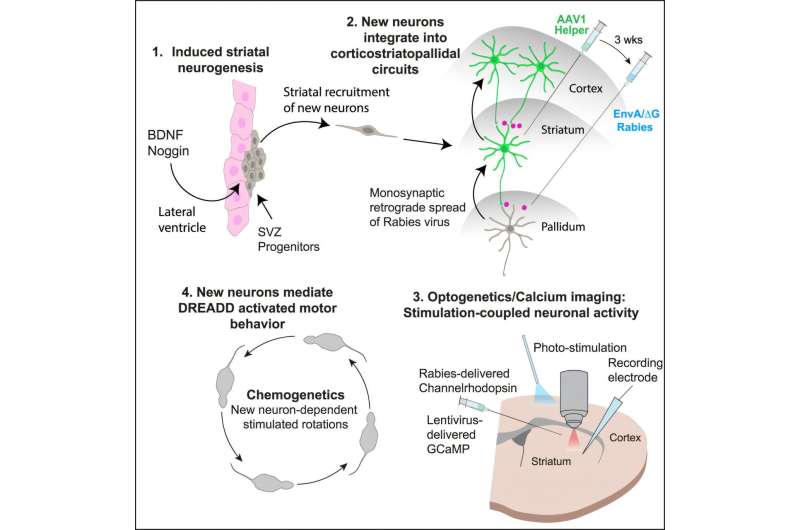
Credit: Cell Reports (2025).

New research shows that the adult brain can generate new neurons that integrate into key motor circuits. The findings demonstrate that stimulating natural brain processes may help repair damaged neural networks in Huntington’s and other diseases.

A study published in Brain Communications highlights a new approach to treating drug-resistant epilepsy.

A novel human study with intracranial recordings demonstrates the thalamus’s pivotal role, especially its higher-order regions, in the onset of conscious perception, with activation preceding that of the prefrontal cortex.

New findings reveal that long-term obesity patterns have distinct impacts on brain structure, function, and cognition. 

Researchers have discovered new potential therapeutic targets for multiple sclerosis (MS). While current treatments prevent further damage, the current findings may form the starting point for the development of new treatments for tissue recovery in MS. The research is published in the journal Brain.

Research published in the Journal of Magnetic Resonance Imaging has uncovered changes in brain connectivity during chemotherapy in patients with breast cancer.

Mass General Brigham investigators have linked difficult early life experiences with reduced quality and quantity of the white matter communication highways throughout the adolescent brain. This reduced connectivity is also associated with lower performance on cognitive tasks.

A team of engineers has developed a microscale brain–computer interface that is small enough to be placed between hair follicles on a user’s head.

Researchers have identified specific high-order thalamic nuclei that drive human conscious perception by activating the prefrontal cortex. Their findings enhance understanding of how the brain forms conscious experience, offering new empirical support for theories that assign a central role to thalamic structures rather than cortical areas alone.

A natural compound found in everyday fruits and vegetables may hold the key to protecting nerve cells—and it’s showing promise as a potential treatment for ALS and dementia.

New research highlights how smartphones are transforming memory science by capturing real-world data on sleep, emotion, and daily experiences. Studies show that replaying memories before sleep, experiencing novel events, and feeling positive emotions can all strengthen autobiographical memory.

An artificial intelligence tool that can help interpret and assess how well treatments are working for patients with multiple sclerosis has been developed by UCL researchers.

A recent study indicates that brain cells possess a higher degree of plasticity than previously understood. This suggests that the brain’s ability to adapt and change throughout life is more extensive than earlier scientific models suggested.

Researchers have discovered that increased blood flow leads to stiffness in the hippocampus, a region of the brain that plays important roles in learning and memory. 

By mapping the presynaptic inputs to single neurons within the primary somatosensory cortex researchers have shown how these neurons integrate brain-wide signals related to behavior, offering a more nuanced understanding of cortical activity.

Seventeen modifiable risk factors are shared by stroke, dementia, and late-life depression, according to a review published in the Journal of Neurology, Neurosurgery & Psychiatry.

A recent study has shown how aspects of brain function change with age, revealing that excitatory processes in the brain decrease, while inhibitory processes increase as children get older. The findings are an important step in understanding disorders like autism.

Finally this week, research shows that a blow to the head can significantly impact a child’s or adolescent’s future education. Even a mild concussion can have far-reaching consequences.

Weekly Neuroscience Update

Illustration of the wearable rTMS device. Credit: Nature Communications (2025).

A new wearable brain stimulation device is being developed, aiming to make therapeutic brain stimulation portable and accessible. This technology could potentially allow for on-the-go treatment of various neurological and psychiatric conditions, moving brain stimulation therapy out of clinical settings and into everyday life.

A recent study provides the first detailed cellular insights into how psilocin, the active ingredient in magic mushrooms, promotes the growth and networking of human nerve cells.

Scientists have developed tiny, magnetically controlled robots designed for minimally invasive brain surgery. These robots can perform precise actions like gripping and cutting tissue, guided by external magnetic fields, potentially eliminating the need for large skull openings. The technology aims to significantly reduce patient recovery time and risks associated with traditional neurosurgery.

Marking a breakthrough in the field of brain-computer interfaces (BCIs), a team of researchers has unlocked a way to restore naturalistic speech for people with severe paralysis.

For the first time, scientists have confirmed a neurobiochemical link between dopamine and cognitive flexibility, according to new research published in The Journal of Nuclear Medicine. PET imaging shows that the brain increases dopamine production when completing cognitively demanding tasks, and that the more dopamine released, the more efficiently the tasks are completed. Armed with this information, physicians may soon be able to develop more precise treatment strategies for neurological and psychiatric disorders.

The risk of a full-blown stroke will remain high for at least a decade after a person has a slight brush with stroke, in the form of a transient ischemic attack or minor stroke, a new study says.

By analyzing DNA and proteins in the blood of people with and without acute spinal cord injuries (SCIs), researchers have developed a novel blood test that has the potential to rapidly predict the severity and likelihood of sensory and motor recovery within six months in a cost-effective manner.

A new study has demonstrated that the brains of people who experience migraines and other types of headaches cannot modulate visual stimulation in the same way a person without these conditions can.

Scientists have developed a way to map how individual connections between neurons change across the entire brain during learning, giving scientists a new view into how changes in behaviour show up in the brain. The new imaging method, DELTA, provides scientists with a brain-wide map of how individual synaptic proteins change over time. Proteins important for synaptic plasticity are known to be degraded or synthesized as synaptic connections change.

Research has found that metal particles from artificial joint implants can enter the central nervous system and accumulate in cerebrospinal fluid, raising concerns about potential neurological effects.

Though Alzheimer’s disease is often described as a buildup of proteins in the brain in the form of plaques and tangles, a new study has shown that blood vessels in the brain might hold another important clue to the disease.

Finally this week, virtual reality reveals that curiosity is key in shaping our spatial memory and mental map formation, according to new research.

Weekly Neuroscience Update

Cortical Resting-State Networks defined by Gordon’s Parcellation. Credit: Journal of the American Academy of Child & Adolescent Psychiatry (2025).

Exposure to high ambient temperatures is associated with lower connectivity in three brain networks in preadolescents, suggesting that heat may impact brain function. 

A new study reveals that consuming high-calorie, highly processed foods for just five days can reduce the brain’s sensitivity to insulin, a key factor in obesity and type 2 diabetes. Researchers found that even in healthy individuals, short-term unhealthy eating altered brain function, mimicking effects seen in people with obesity.

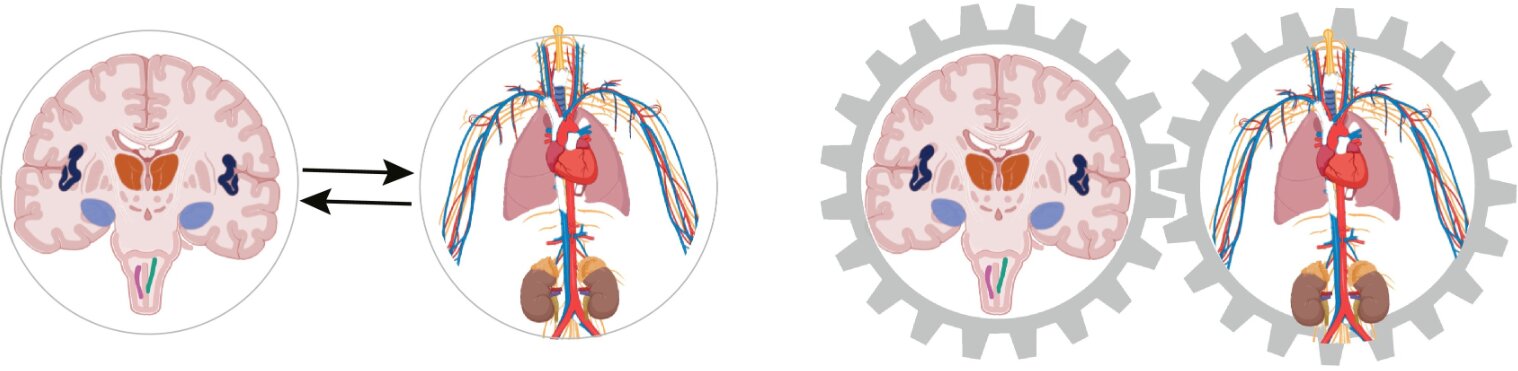
Scientists are exploring the role of gut-brain axis in Parkinson’s, anxiety and long COVID.

New research highlights that optimal brain health is strongly linked to cardiovascular wellness. The study underscores that dementia and cognitive decline share risk factors with heart disease, suggesting these conditions are largely preventable by managing diet, exercise, cholesterol, blood sugar, and blood pressure.

Approximately 40 percent of adults with chronic pain experience depression or anxiety, according to a review published in JAMA Network Open.

A multidisciplinary team of researchers has discovered how lateral inhibition helps our brains process visual information, and it could expand our knowledge of sensory perception, leading to applications in neuro-medicine and artificial intelligence.

Brain changes may remain visible in brain scans after recovery from concussion, a new study shows.

Researchers are using photoacoustic imaging to observe brain activity and, in the process, discovering more about how it responds to different types of learning and experiences. Photoacoustic imaging uses optics and acoustics to generate a signal in biological tissues—in this case, the brain—where the signal provides structural and functional data and allows researchers to track factors such as brain activity. 

A study exploring a new brain imaging technique is bringing stroke experts a step closer to better tailoring rehabilitation.

Scientists have uncovered new insights into how neurofilaments act like Velcro in neurodegenerative diseases, clogging up the brain and preventing normal function, according to a study published in the journal JCI Insight.

Poor sleep could have an impact on brain health, according to a new study from The Australian National University (ANU) published in the journal Sleep Medicine.

Mayo Clinic researchers have found a new way to more precisely detect and monitor brain cell activity during deep brain stimulation, a common treatment for movement disorders such as Parkinson’s disease and tremor. This precision may help doctors adjust electrode placement and stimulation in real time, providing better, more personalized care for patients receiving the surgical procedure.

A new neuroimaging study has revealed that viewing nature can help ease how people experience pain, by reducing the brain activity linked to pain perception.

An international team of scientists has revealed new clues about the neural mechanisms underlying memory formation and recognition in the developing human brain, according to a study published in Science Advances.

Poor sleep among older adults is linked to disruptions in the brain’s “waste removal system,” according to a recent study.

Research published in the Proceedings of the National Academy of Sciences  reveals that brain aging isn’t a steady decline, but rather a series of shifts with key turning points. These transition points follow an S-shaped statistical curve with clear transition points, rather than either the late-life clinical onset or gradual linear decline previously assumed, suggesting there are specific windows when intervention could be most impactful.

Finally this week, new research reveals that our brains simplify complex social interactions by using basic mental “building blocks” or shortcuts.

Weekly Neuroscience Update

Regional Cortical Volume and Thickness Associations With Early Substance Use Initiation in the Adolescent Brain Cognitive Development (ABCD) Study. Credit: JAMA Network Open (2024). 

A new study has identified neuroanatomical differences in children associated with early substance use initiation.

Vagus nerve stimulation (VNS) shows a positive treatment effect and improved quality of life (QoL) among patients with treatment-resistant depression according to two studies published in Brain Stimulation.

A new analysis of U.S. mortality data reveals the disproportionate impact of traumatic brain injuries on older adults, males and certain racial and ethnic groups.

Gender differences define how the human brain ages and telltale biomarkers in the blood may be strongly suggestive of cognitive impairment and dementia, according to a comprehensive new study involving more than 500 people.

Researchers have identified genetic variations in brain cells, particularly microglia and oligodendrocytes, that influence both aging and Alzheimer’s risk.

New research shows that not all brain cells age equally, with certain cells, such as those in the hypothalamus, experiencing more age-related genetic changes. These changes include reduced activity in neuronal circuitry genes and increased activity in immunity-related genes.

A recent study has found that menopause revs up the progression of multiple sclerosis (MS).

Researchers have discovered that pupil size during non-REM sleep correlates with memory consolidation. When pupils contract, the brain focuses on consolidating new memories; when dilated, it processes older ones. This separation prevents “catastrophic forgetting,” allowing the brain to efficiently manage both new and existing knowledge. These findings could lead to better memory enhancement techniques for humans and inspire more efficient artificial neural networks.

A new study shows head trauma may activate latent viruses, leading to neurodegeneration.

A collaborative effort between Mount Sinai and Memorial Sloan Kettering Cancer Center has shed valuable light on how monoamine neurotransmitters such as serotonin, dopamine, and now histamine help regulate brain physiology and behavior through chemical bonding of these monoamines to histone proteins, the core DNA-packaging proteins of our cells.

Finally this week, sex differences in brain structure are present from birth, new research shows.

Weekly Neuroscience Update

A new way of mapping activity and connections between different regions of the brain has revealed fresh insights into how higher-order functions like language, thought and attention, are organized.

Researchers at the University of Copenhagen have demonstrated that the brain’s ability to learn certain skills can be significantly enhanced if both the brain and nervous system are primed by carefully-calibrated, precisely-timed electrical and magnetic stimulations. This new research has the potential to open entirely new perspectives in rehabilitation and possibly elite sports.

A study of patients with epilepsy shows how making new neurons benefits cognition.

New AI software can read the brain scans of patients who have had a stroke to more accurately pinpoint when it happened and help doctors work out whether it can be successfully treated. It is hoped that the new technology will ultimately enable faster and more accurate emergency treatment of patients in a hospital setting.

Researchers have discovered the structural details of a brain receptor called GPR6, which could lead to new treatments for Parkinson’s disease.

Living in disadvantaged neighbourhoods is associated with higher blood pressure and lower cognitive performance, even in individuals without mild cognitive impairment. Researchers analyzed over 500 adults, finding that poor social and economic resources in neighborhoods exacerbate cardiometabolic health issues and reduce brain function.

Scientists have developed a new approach to learning through noninvasive manipulation of brain activity patterns.

A new study is helping solve the mystery as to why the brain shrinks in a unique pattern, known as atrophy, in chronic traumatic encephalopathy (CTE). Published in Acta Neuropathologica, this research provides novel evidence that cumulative repetitive head impacts are driving the specific patterns of brain degeneration found at the base of the folds of the surface of the brain, known as the cortical sulcus.

A global research collaboration has revealed a hidden cause of a rare intellectual disorder associated with severe language delay, epileptic seizures, motor impairment and brain abnormalities.

A multi-sensory digital treatment protocol, incorporating sensory integration, sensory substitution, and sensory masking (e.g., blindfolding), significantly improved participants’ performance on spatial memory tasks. Resting-state fMRI analysis showed that these improvements were associated with enhanced connectivity between memory-related brain regions, executive frontal areas, and the default mode network (DMN).

People with high blood pressure who also lack sleep may be at increased risk of reduced cognitive performance and greater brain injury, new research has found.

Researchers have uncovered a groundbreaking mechanism called Electro-Calcium (E-Ca) coupling that integrates electrical and calcium signaling in brain capillaries. This process ensures precise blood flow delivery to active neurons, crucial for brain health and cognitive function.

Researchers at the University of Helsinki have made a breakthrough in understanding what neural mechanisms allow the extreme sensitivity of human vision in darkness. 

New research reveals that music can do more than trigger memories—it can alter their emotional tone. When participants recalled neutral stories while listening to emotionally charged music, they later remembered the stories as matching the music’s mood. These findings hint at music’s potential for therapeutic interventions, like reframing negative memories in depression or PTSD.

Finally this week a recent study has found that high blood sugar may impair brain health even in people without diabetes. 

Weekly Neuroscience Update

The four sensory networks of the brain network partition. The partition comprises four sensory networks, with the somatomotor network encompassing the somatosensory cortex. The thalamus contains parcels of each sensory network. Credit: Molecular Psychiatry (2024).

Researchers have uncovered a potential new biomarker for psychosis diagnosis.

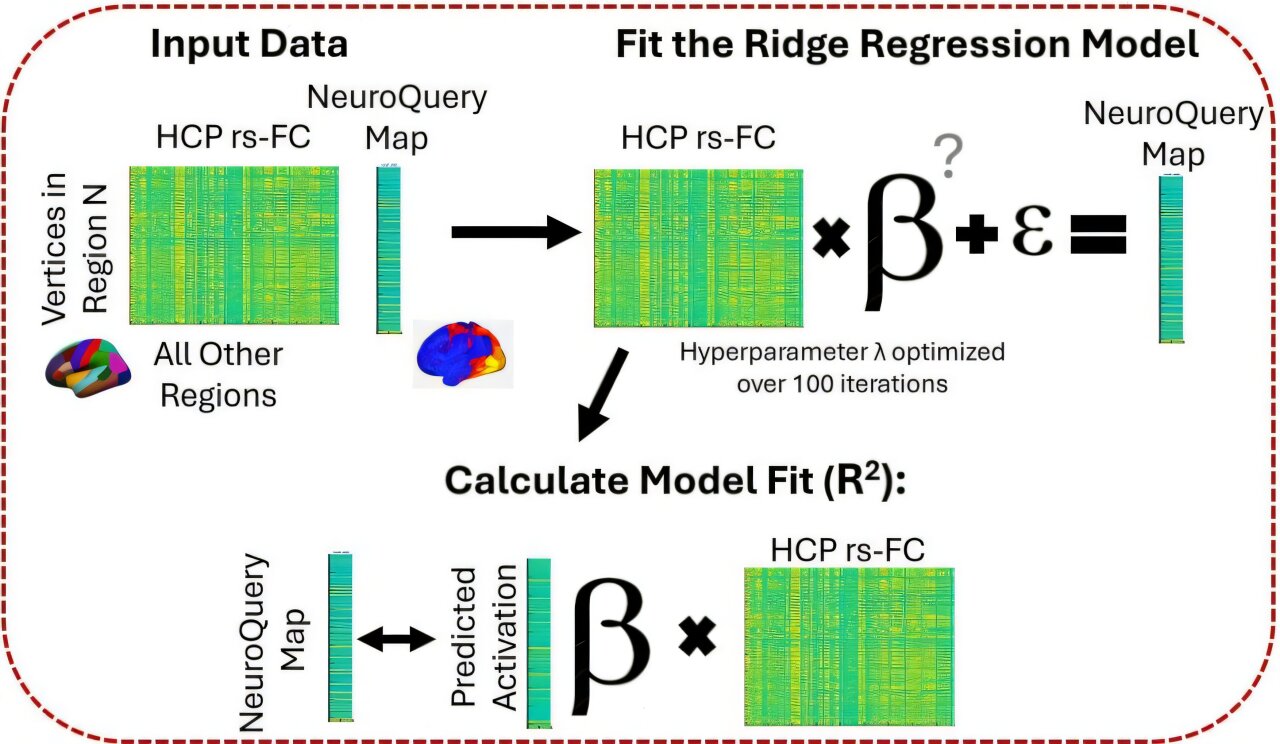
A new approach to analyzing brain scans could help researchers better understand psychiatric illness using much smaller groups of patients than previously thought necessary, potentially accelerating the development of more precise mental health treatments.

A new study reveals how specific brain cells called interneurons can act as our in-built traffic controllers. The findings are published in the journal PLOS Biology.

Younger and middle-aged patients seem to be disproportionately affected by neurologic manifestations of post-acute sequelae of severe acute respiratory syndrome coronavirus 2 infection (Neuro-PASC), according to a study published in the Annals of Neurology.

Investigators have defined new biologic and clinical biomarkers for better identifying patients with different stages of Parkinson’s disease and Lewy body dementia.

Researchers have developed the most detailed 3D computational models of key brain regions, including the hippocampus and sensory cortices, to better understand their roles in memory formation and connectivity.

Healing the gut may be the key to improving long-term recovery in stroke patients, scientists at Texas A&M University have found.

New research provides critical insights into the role of sleep in motor learning for individuals recovering from traumatic brain injury (TBI). The study sheds light on how sleep, specifically a short nap, influences brain activity associated with motor skill improvement, with implications for optimizing rehabilitation strategies.

A recent study of high school football players found that concussions affect an often-overlooked but important brain signal.

Researchers have uncovered that stress changes how our brain encodes and retrieves aversive memories, and discovered a promising new way to restore appropriate memory specificity in people with post-traumatic stress disorder (PTSD).

Cognitive neuroscientists at Trinity College Dublin have published new research describing a brand new approach to making habit change achievable and lasting.

A new study uncovers constant communication between the human brain’s social cognitive network, responsible for understanding others’ thoughts, and the amygdala, known for processing fear and emotions. High-resolution brain scans revealed that this connection helps the brain integrate emotional importance into social interactions. This insight could lead to non-invasive treatments like transcranial magnetic stimulation (TMS) for anxiety and depression by targeting these regions. The findings highlight how evolutionary brain expansion enhances social understanding while linking it to ancient emotional processing centers.

Neuroscientists have demonstrated that dopamine and serotonin work in opposition to shape learning.

Researchers have identified a novel role for the brain’s ‘locus coeruleus’ in sleep and its disruptions. This brain region facilitates the transition between NREM and REM sleep states while maintaining an unconscious vigilance toward the external world. Stress disrupts its functions and negatively impacts on sleep quality.

A future treatment for Alzheimer disease may involve a nasal spray. 

A new method to profile gene activity in the living human brain has been developed by researchers at FutureNeuro, the Research Ireland Center for Translational Brain Science and RCSI University of Medicine and Health Sciences, in collaboration with international partners. This innovative approach, published in JCI Insight, opens new avenues for understanding and treating neurological conditions such as epilepsy.

A study led by the University of Glasgow has revealed differences in the brains of pediatric and adult patients that might explain the sometimes catastrophic outcomes seen in children following a traumatic brain injury.

Finally this week, new research has examined the relationship of emotion regulation to real-world responses to stress to better understand stress-related increases in suicide risk in depression.