Weekly Neuroscience Update

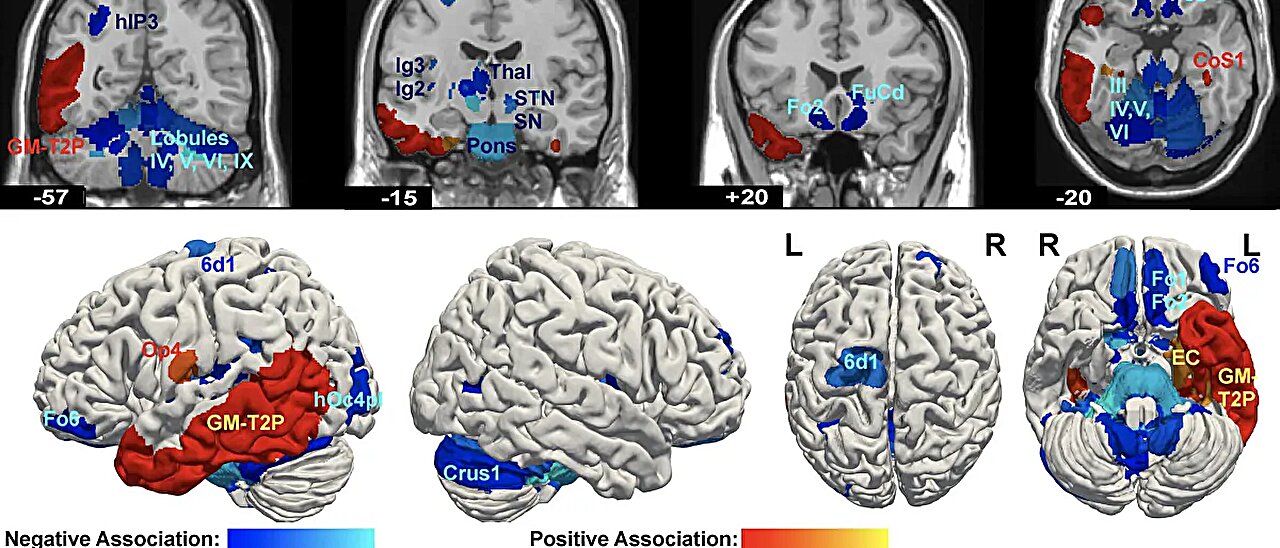
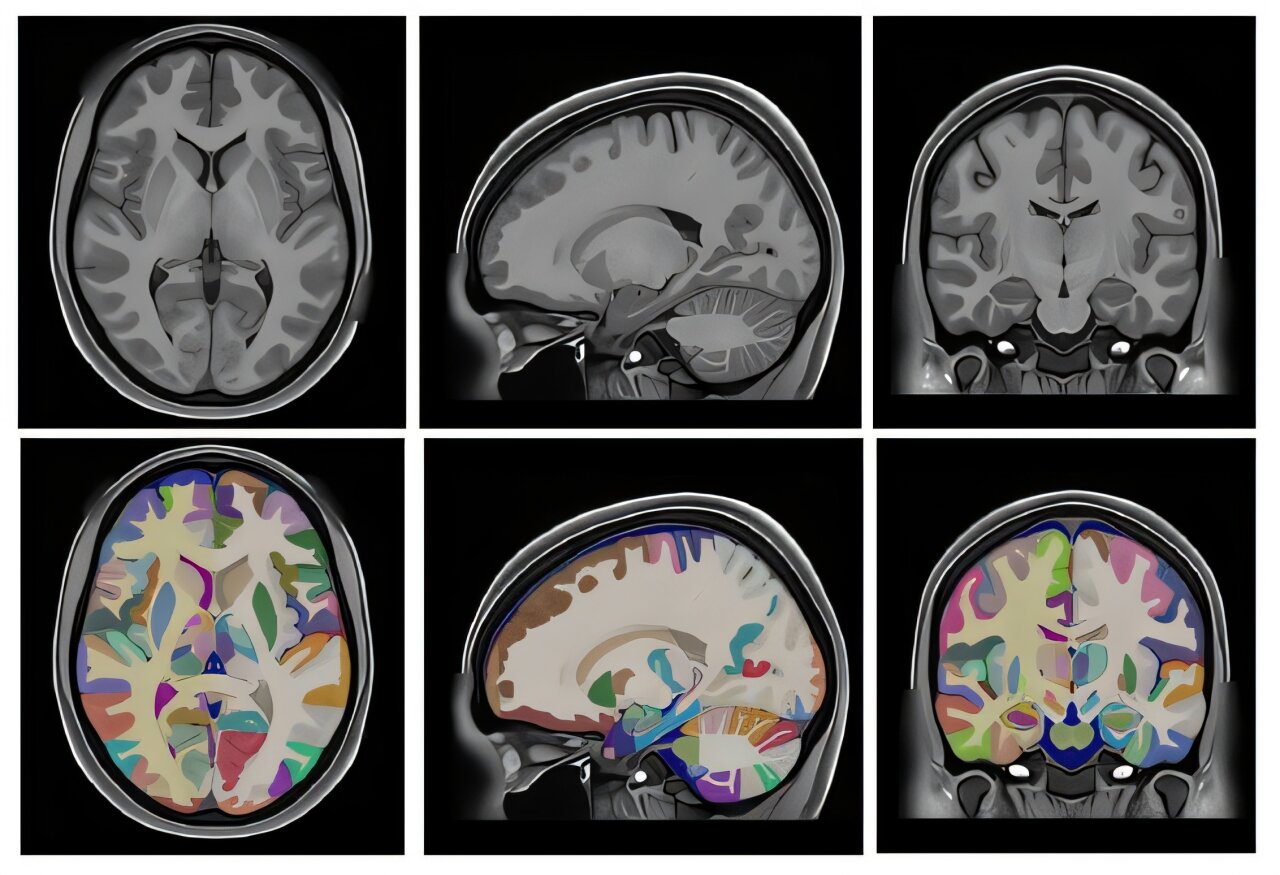
Coloured regions show where brain volume was associated with deviant lifestyle and antisocial behavior in individuals with psychopathic traits. Credit: European Archives of Psychiatry and Clinical Neuroscience (2025).

A recent study has shed light on the brain structure differences associated with psychopathy—a condition known to be one of the strongest predictors of persistent violent behaviour. The findings are published in the journal European Archives of Psychiatry and Clinical Neuroscience.

Researchers are using a new approach to brain imaging that could improve how drugs are prescribed to treat Parkinson’s disease.

An analysis of over 375 trials shows that structured exercise significantly reduces depression and anxiety in children and teens. Low-intensity resistance activities like light weights were most effective for easing anxiety, while moderate mixed-mode programmes worked best for depression, especially when lasting under 12 weeks.

A new technology that uses clinical MRI machines to image metabolic activity in the brain could give researchers and clinicians unique insight into brain function and disease.

Diets rich in phosphate additives, commonly found in processed foods, can increase blood pressure by triggering a brain signaling pathway and overactivating the sympathetic nervous system that regulates cardiovascular function, UT Southwestern researchers discovered. Their findings could lead to treatment strategies for patients with hypertension caused by overconsumption of foods containing high levels of phosphates.

The long-standing belief that left-handed people are more creative has been challenged by a new meta-analysis of over a century of research. 

New research proposes a unified theory of brain function based on criticality—a state where the brain teeters between order and chaos, allowing it to learn, adapt, and process information optimally. When the brain strays from this delicate balance, cognitive performance weakens, and neurological disorders such as Alzheimer’s may begin to take hold.

A drug used for Parkinson’s disease has been shown to be effective in reducing the symptoms of difficult to treat depression, according to a study led by the University of Oxford.

A recent study shows that older adults may compensate for age-related cognitive decline by enhancing activity in a specific brain region linked to attention—the locus coeruleus (LC). In a brain imaging study, older participants showed stronger LC responses when interpreting ambiguous facial expressions, compared to younger adults.

Individuals with versus those without tinnitus have significantly lower scores on cognitive function tests, according to a recent study published in Frontiers in Neurology.

New research shows how the brain navigates emotional transitions, using music as a tool to map changing neural patterns. Scientists found that emotional responses in the brain depend heavily on the listener’s prior emotional state.

A clinical trial has revealed that Ambroxol, a common cough medicine in Europe, may help slow cognitive decline in people with Parkinson’s disease dementia.

In a study of 200 former professional rugby players (aged 30–61 years old), researchers from Imperial College London, University College London and the UK Dementia Research Institute found no cases of early-onset dementia.

Finally this week, new research findings show how synaptic connections in the cerebral cortex can strengthen during sleep, offering insight into how the brain continues learning even while we rest.

Weekly Neuroscience Update

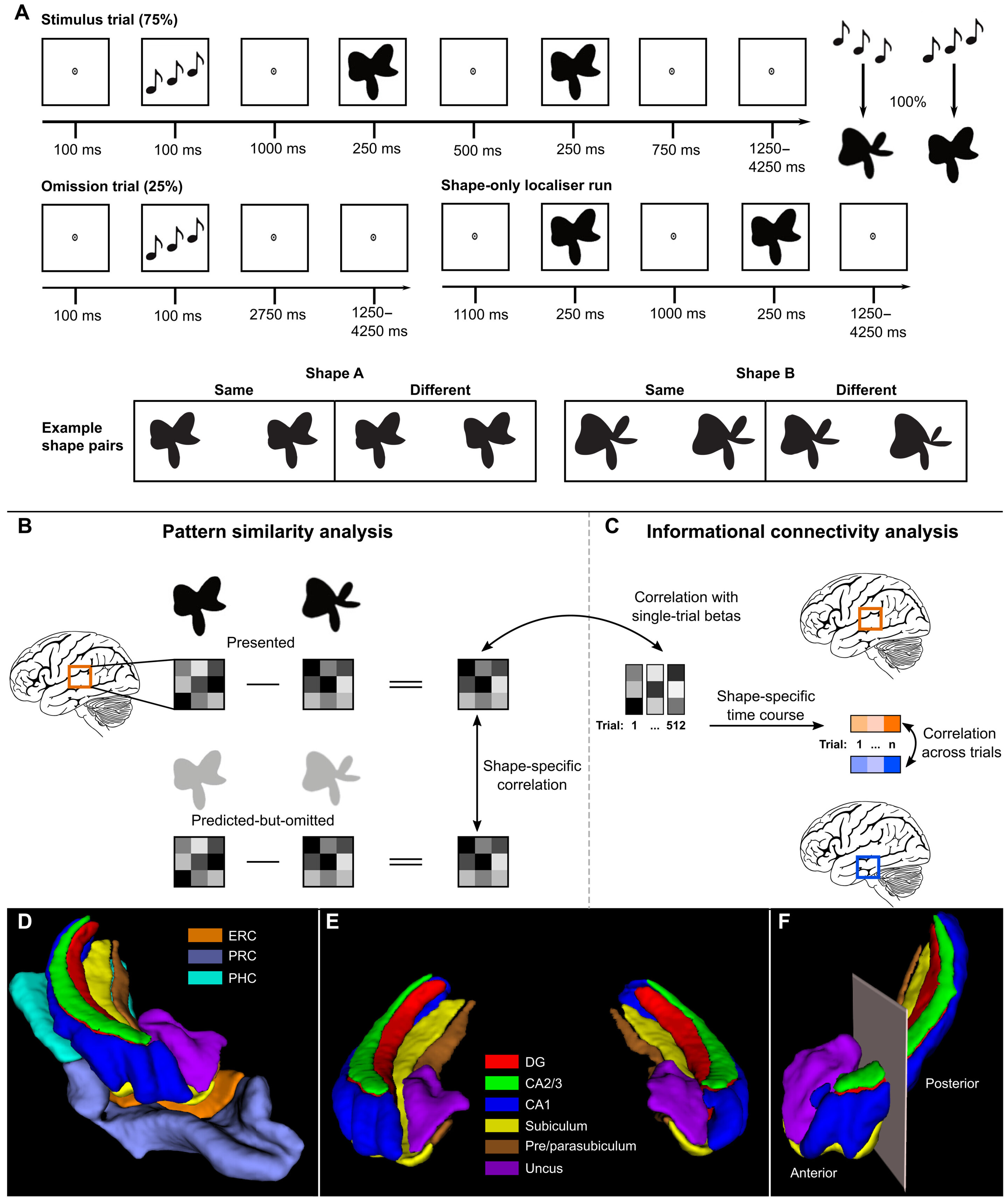
Overview of experimental paradigm and analysis. Credit: Science Advances

A recent study has shown that the hippocampus sends signals to the visual cortex to predict what we are about to see.

Researchers have achieved a significant milestone in the treatment of depression, demonstrating the effectiveness of personalized transcranial magnetic stimulation (TMS) therapy offering a new treatment option for people who have had little success with other therapies.

A large study suggests that following the MIND diet—rich in leafy greens, berries, nuts, and olive oil—significantly reduces the risk of Alzheimer’s and related dementias.

New research finds that patients with insomnia often retain accurate sleep-wake perception and intact regulatory systems, despite feeling as though they sleep poorly. Using serial awakenings during sleep lab monitoring, researchers found no significant difference in sleep perception between healthy individuals and those with insomnia.

A recent study has found that physical exercise helps maintain brain size as we age, regardless of body mass.

Emerging research indicates that psychedelics such as psilocybin don’t just change brain activity; they also modify the communication network between the brain and the immune system. Scientists have pinpointed a mechanism where persistent stress interferes with signals from the amygdala, setting off immune reactions that amplify feelings of fear and anxiety.

A large study suggests that following the MIND diet—rich in leafy greens, berries, nuts, and olive oil—significantly reduces the risk of Alzheimer’s and related dementias. 

By pinpointing hospitalized patients at high risk for delirium, an artificial intelligence (AI) model has quadrupled the rate at which the condition is both detected and treated. The model’s alerts prompt a dedicated team to assess these patients and implement a treatment plan if needed, leading to significantly better outcomes.

Areas of the brain that help a person differentiate between what is real and what is imaginary have been uncovered in a recent study.

A new predictive model combining genetics with developmental milestones may help forecast which autistic children are at risk of developing intellectual disabilities. In a large study of over 5,600 children, researchers were able to correctly predict 10% of such cases and differentiate between low and high-risk groups twice as well as current methods.

New research finds that elevated cortisol levels in midlife are linked to increased brain amyloid deposition—a key marker of Alzheimer’s disease—specifically in post-menopausal women

Scientists explored the associations between telomere length—which decreases as a person ages or is exposed to unhealthy environments—and the risk for age-related brain diseases and found evidence suggesting that healthier lifestyle choices could mitigate telomere length-associated risks.

Finally this week, greater symptoms of depression are linked to less microbial diversity in the mouth, according to a recent study.

Weekly Neuroscience Update

A global research collaboration has revealed how certain gut cells switch on pain signals, which can linger long after the initial trigger has passed, potentially contributing to chronic pain in conditions like irritable bowel syndrome (IBS) and inflammatory bowel disease (IBD).

Researchers have identified specific neuronal cells that are essential to our understanding of other people.

A new study reveals that older adults experience the least attention difficulties when home temperatures remain between 68–75 ˚F (20–24 ˚C). Deviations beyond this range double the risk of attention lapses, highlighting how even current climate conditions may harm cognitive health. This risk is especially pronounced for low-income seniors who may lack the means to regulate indoor temperatures.

How the brain feels about the world around it is the subject of a new paper published in Proceedings of the National Academy of Sciences.

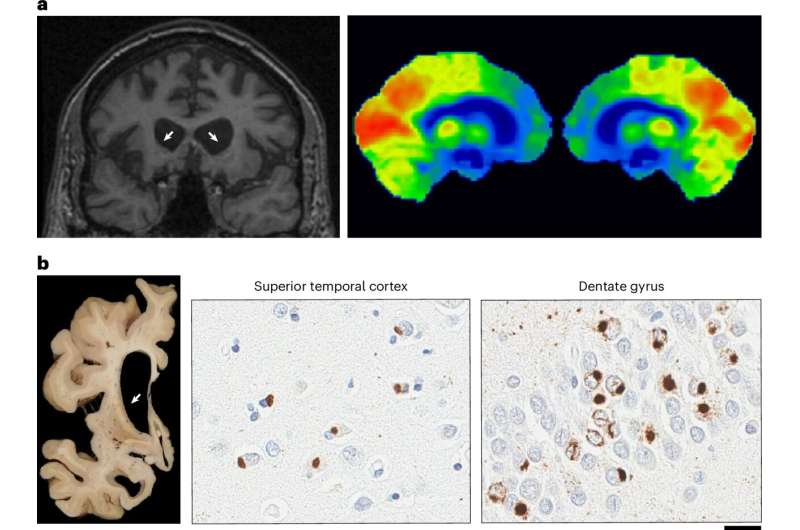
Striking brain similarities have been found in patients with long COVID and Myalgic Encephalomyelitis/Chronic Fatigue Syndrome (ME/CFS), in particular, a larger than normal hippocampus. The research also reported the hippocampal volume was associated with symptom severity in both patient groups.

A recent study suggests that first-time transient ischemic attacks (TIA) are associated with long-term cognitive decline.

A new international and multidisciplinary study has unveiled a novel framework for understanding the concept of time persistence in the human brain, shedding light on its essential role in brain functioning and cognition. This research, which explores how long the brain’s functional networks remain in a particular state before transitioning to another, opens new doors to our understanding of human cognition and behavior.

Stress hormones shift neuron types in the developing brain, a new study suggests.

Researchers have developed a new method for deep brain stimulation. The technique, called “DeepFocus,” uses transcranial electrical stimulation (TES) on the scalp and transnasal electrical stimulation (TnES) to achieve more accurate electrical stimulation in the brain.

A new study has found that a short-term, high-caloric diet impairs brain insulin responsiveness and increases liver fat in healthy-weight men, with effects extending beyond the consumption period.

Even when within the normal range, lower levels of vitamin B12 may contribute to cognitive decline, according to a new study that found that older adults with lower biologically active B12 had slower cognitive processing and more white matter.

Researchers have developed an AI that accelerates the identification of genes that contribute to neurodevelopmental conditions such as autism spectrum disorder, epilepsy and developmental delay.

A new study based on data from 18,740 dementia patients suggests that antidepressants may accelerate cognitive decline. Researchers found that patients taking antidepressants, particularly SSRIs like escitalopram, citalopram, and sertraline, experienced faster deterioration compared to those not on medication.

A decade-long study reveals how childhood adversity alters brain development, increasing risks for mental health disorders and substance use. 

The brain may play a role in helping the ear regulate its sensitivity to sound and compensate for hearing loss by sending a signal to a structure in the inner ear known as the cochlea, according to a study that was published in the Journal of Neuroscience.

The symptoms of schizophrenia vary greatly from person to person. A recent study shows how these differences manifest themselves in the structure of the brain.

Researchers have discovered a fundamental mechanism that affects the size of the pupil, namely our breathing. The study, published in the Journal of Physiology, shows that the pupil is smallest during inhalation and largest during exhalation—something that could affect our vision.

Finally this week, a large study found that people who engage in moderate to vigorous physical activity are less likely to develop dementia, stroke, anxiety, depression, and sleep disorders.

Weekly Neuroscience Update

Scientists have highlighted the most effective treatments for neurological diseases by overcoming one of medicine’s most difficult challenges: the blood–brain barrier. The findings offer new hope for patients with conditions including Alzheimer’s, and Parkinson’s disease, brain tumors, and epilepsy.

A study conducted in Finland showed that changes in the functioning of opioid neurotransmitters in the brain may underlie anorexia.

Poorer cardiovascular health in childhood and adolescence may be linked to early differences in brain structure, particularly in areas of the brain known to be affected in dementia in later life, according to a new scientific study.

Researchers have uncovered how specific patterns in brain activity can predict an individual’s sensitivity to pain, expanding opportunities for improved pain management strategies.

Delayed rapid eye movement (REM) sleep may be an early indicator of Alzheimer’s disease. Researchers found that participants with delayed REM sleep had higher levels of toxic proteins associated with Alzheimer’s and reduced levels of brain-derived neurotrophic factor (BDNF), which supports memory.

The microbial ecosystems in our mouths may impact cognitive function as we age, with pathogenic bacteria linked to cognitive decline.

New research suggests that mood swings in bipolar disorder are regulated by two clocks: the body’s 24-hour circadian rhythm and a dopamine-based clock that influences alertness. When these clocks align at specific intervals, they may trigger shifts between mania and depression.

A study in the Journal of Neuroscience reveals a new mechanism for how brain cells transmit signals from their tips to their nucleus, triggering gene activation crucial for learning and memory.

Investigators have discovered that activity in two widely distributed brain networks previously considered separate are actually correlated with each other and together play a key role in recognition memory, according to a study published in Cell Reports.

Cannabinoids offer new hope for safe and effective pain relief.

Researchers analyzed the genetic connection of retinal cells and several neuropsychiatric disorders. By combining different datasets, they found that schizophrenia risk genes were associated with specific neurons in the retina. The involved risk genes suggest an impairment of synapse biology, so the ability of neurons to communicate with each other. This impairment might also be present in the brains of schizophrenia patients.

Researchers at the University of Barcelona have identified a deficit in contrast perception in people with schizophrenia.

A study of nearly 1,000 people with post-COVID-19 syndrome (PCS) revealed that two-thirds still experienced significant symptoms, including reduced exercise capacity and cognitive performance, two years after infection. Persistent symptom clusters included fatigue, neurocognitive disturbances, and post-exertional malaise, with worse outcomes in individuals with obesity, lower education, or severe initial infections.

Finally this week, new research shows diets high in processed meat, fast food, and sugary drinks accelerate biological aging, even in young adults.

Weekly Neuroscience Update

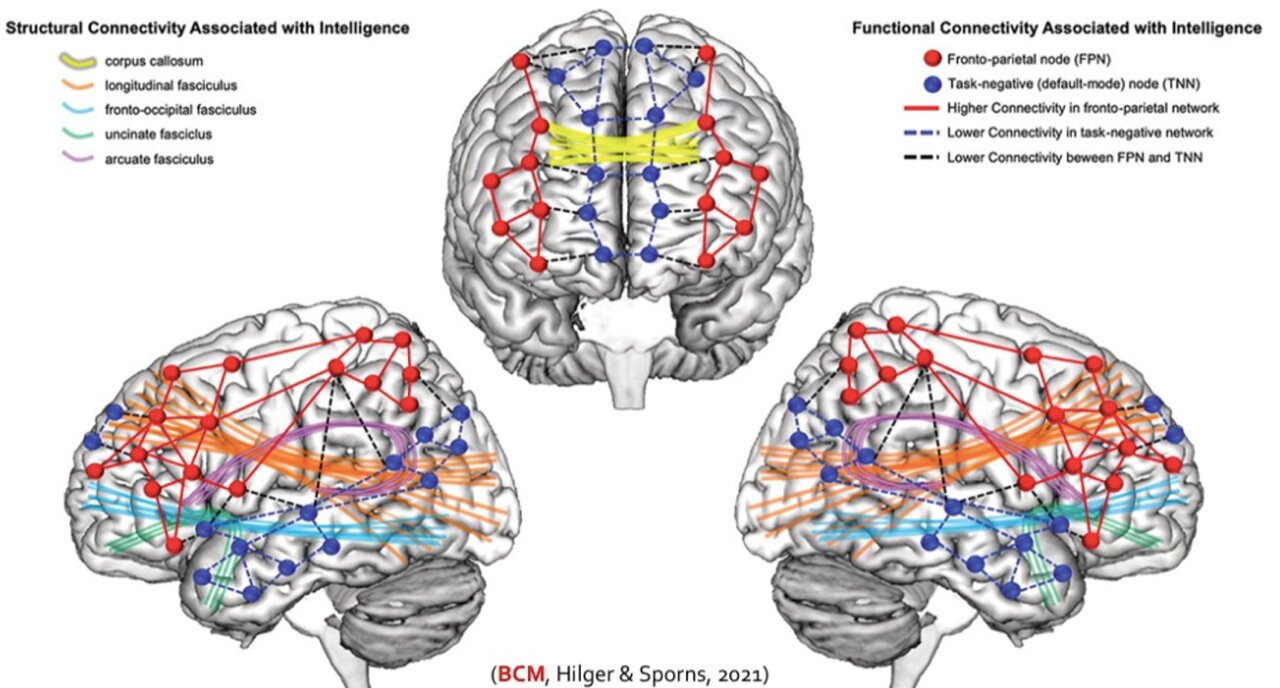
The Brain Connectivity Model of Intelligence. Schematic illustration of selected brain connections that have been linked to intelligence differences across studies. Adapted from Hilger & Sporns, 2021. Credit: Thiele et al.

Neuroscientists have developed machine learning models to predict human intelligence.

Researchers have found that incorporating specific nutrients into a regular diet may reduce iron buildup in the brain—a factor associated with cognitive decline in normal aging. The research team said the findings offer valuable insights for future clinical trials aimed at evaluating the impact of similar nutritional intake on brain iron accumulation and cognitive function.

The short-term boost our brains get after we do exercise persists throughout the following day, suggests a study led by UCL (University College London) researchers.

Thirteen proteins linked to brain aging in humans are identified in a Nature Aging paper. Changes in the concentrations of these blood proteins may peak at 57, 70, and 78 years old in humans, and suggest that these ages may be important for potential interventions in the brain aging process.

Brain scans show vulnerability to gaming addiction in teens.

A team of scientists has uncovered a novel mechanism that reshapes our understanding of how blood flow is regulated in the brain. The study, published in The Proceedings of the National Academy of Sciences introduces Electro-Calcium (E-Ca) Coupling, a process that integrates electrical and calcium signaling in brain capillaries to ensure precise blood flow delivery to active neurons.

Researchers at the Yale School of Medicine found structural and functional alterations in specific brain regions of individuals with opioid use disorder. The study’s results were published in Radiology.

A new study has identified a unique brain network that links varied patterns of brain atrophy, or shrinkage, associated with schizophrenia. By combining neuroimaging data from multiple studies involving more than 8,000 participants, the research team found a specific connectivity pattern of atrophy that was present across different stages and symptoms of schizophrenia—and distinct from brain networks associated with other psychiatric disorders.

New research provides valuable insights into the brain-body immune connection, identifying key communication hubs in the dural sinuses and skull bone marrow at the back of the head.

New research shows that slow-wave sleep strengthens synaptic connections in the neocortex, making it more receptive to long-term memory formation. Researchers found that during deep sleep, synapses in the neocortex reach peak efficiency at precise moments within slow-wave oscillations.

A new study suggests how brain, with sleep, learns meaningful maps of spaces.

A large-scale study revealed that genetic variants linked to dyslexia are associated with differences in brain areas controlling motor coordination, vision, and language. Using data from over a million individuals, researchers calculated genetic “polygenic scores” for dyslexia and analyzed their relationship to brain structures. Higher genetic risk for dyslexia was tied to lower volumes in brain regions related to speech processing and movement, and increased volumes in the visual cortex. Differences in the brain’s internal capsule, which connects regions, were also observed.

Cognitive impairment, especially in learning and memory, is more likely among people with epilepsy, according to a newly published study.

A recent study explores how connections across the entire brain predict human intelligence, moving beyond traditional focus on specific brain areas like the prefrontal cortex. Using fMRI data from over 800 individuals, researchers analyzed communication between brain regions to predict fluid, crystallized, and general intelligence scores. Findings reveal that distributed brain-wide connections play a crucial role, surpassing existing models that emphasize localized regions. This research highlights intelligence as a global property of the brain, offering fresh perspectives for understanding cognitive processes.

The chromosomal disorder 22q11.2 deletion syndrome (22q) has emerged as one of the strongest risks for schizophrenia.

New research reveals that brain structure varies with reading ability, particularly in the left hemisphere. Better readers have distinct traits, including a larger anterior temporal lobe for integrating word meaning and a thicker left Heschl’s gyrus for phonological processing.

Night shifts and poor sleep quality are associated with an increased risk for incident epilepsy, according to a study published in BMC Public Health.

People with severe, treatment-resistant depression who received a nerve-stimulating therapy showed significant improvement in depressive symptoms, quality of life and ability to complete everyday tasks after a year, according to the results of a national, multicenter clinical trial.

Finally this week, researchers have found a relationship between lifestyle choices that affect dementia risk and early signs of aging in the brain.

Weekly Neuroscience Update

Scientists have identified how depression alters the brain’s response to positive and negative stimuli, particularly in the amygdala, a key emotional processing center. The study found that depression reduces neural activity linked to positive perceptions while increasing it for negative perceptions.

People with atrial fibrillation (AF) who have a stroke could benefit from blood thinning treatments, known as anticoagulants, at an earlier stage than is currently recommended, finds a new study.

Researchers from the University of Oxford have identified a key biochemical mechanism relevant to the development of Huntington’s disease. This discovery opens up the possibility of studying the disease before its clinical onset and eventually stopping its progression.

Childhood attention issues, coupled with genetic predispositions, increase the likelihood of experiencing psychotic-like symptoms in adolescence.

UCLA Health researchers have found that people who experienced discrimination had pro-inflammatory bacteria and gene activity in their gut microbiome that was different from those who did not experience discrimination. The researchers could also predict with 91% accuracy which study participants faced discrimination by only analyzing their gut microbiome using stool samples.

A new study links hundreds of brain proteins to differences in how brain regions communicate, revealing how microscale molecules can influence macroscale brain connectivity.

Lifetime cannabis use is associated with several changes in brain structure and function in later life, suggests an observational study, but these associations may not be causal, finds a genetic analysis of the same data, published in the open access journal BMJ Mental Health. Meanwhile, new research shows that prenatal exposure to cannabis can negatively impact children’s thinking and behavioral skills, including impulse control, attention, and aggression.

A type of therapy that involves applying a magnetic field to both sides of the brain has been shown to be effective at rapidly treating depression in patients for whom standard treatments have been ineffective. The treatment—known as repetitive transcranial magnetic stimulation (TMS)—involves placing an electromagnetic coil against the scalp to relay a high-frequency magnetic field to the brain.

Scientists have identified new cell clusters in the amygdala for anxiety treatment.

Just one or two sessions of physical activity at the weekend may be just as likely to lower the risk of cognitive decline, which can often precede dementia, as more frequent sessions, concludes research published online in the British Journal of Sports Medicine.

A new study finds a link between genetic markers and neuropathic pain.

Finally this week, ultrasound, once used almost exclusively to take images of the body, is quickly developing into a targeted therapy that can have a potentially life-changing impact on our brains, according to the authors of a new article.


Weekly Neuroscience Update

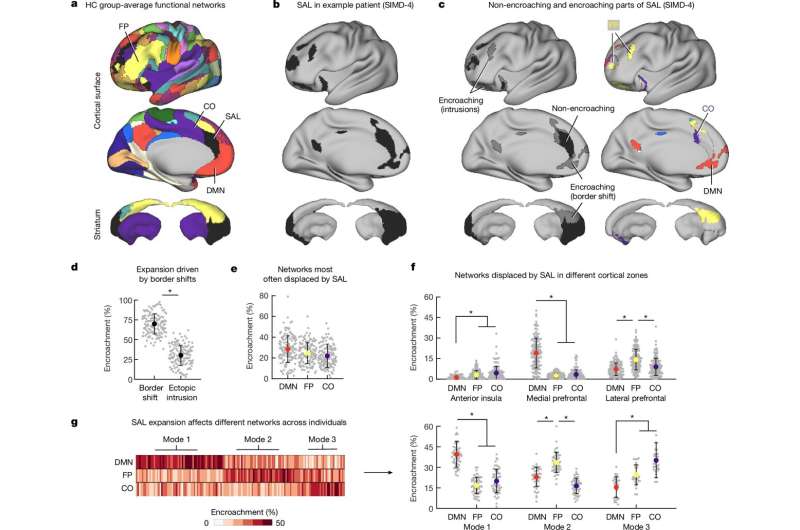
Three modes of salience network expansion in depression. Credit: Nature (2024)

By repeatedly scanning the brains of a small group of patients for a year and a half, researchers have identified a distinct pattern of neuronal interactions that appears to predispose some people to developing depression.

A new study reveals that higher levels of inequality—whether economic, environmental, or health-related—are associated with faster brain aging, particularly in countries with greater disparities

Researchers have published a new clinical protocol examining the combination of aerobic exercise and cognitive rehabilitation to improve learning and memory in individuals with multiple sclerosis (MS) who have mobility disability.

A new study reveals that the protein Tau – a key player implicated in several neurodegenerative conditions including Alzheimer’s disease – also plays a positive role in the brain.

Scientists have revealed new insights into the mechanisms behind cerebral small vessel disease, a condition that affects the smaller blood vessels in the brain and causes approximately half of all dementia cases.

Sports-related concussions may not be associated with long-term cognitive risks for non-professional athletes, a new study suggests.

Researchers have discovered that the Tau protein, often linked to neurodegenerative diseases like Alzheimer’s, also has a protective role in the brain. Tau helps combat oxidative stress by aiding in the formation of lipid droplets in glial cells, which sequester toxic lipids and protect neurons.

Scientists have developed an integrated optical sensor capable of detecting dopamine directly from an unprocessed blood sample.

A recent study has mapped genes linked to schizophrenia and uncovered a mechanism that disrupts synaptic plasticity in affected individuals. The researchers showed the role of three proteins in mediating the impairments of plasticity in schizophrenia. The findings may hold promise for the development of new treatments.

Finally this week, researchers have identified a protein called OSER1 that plays a key role in regulating longevity, offering new insights into why some people live longer than others. 

Weekly Neuroscience Update

Credit: Frontiers in Human Neuroscience (2024)

Scientists have determined that more than 60% of people who contracted COVID-19 have neurological symptoms that impact their cognitive function and quality of life, even two and three years after COVID-19.

Lip-read words can be decoded from the brain’s auditory regions similarly to heard speech, according to a new report that looked at how vision supports verbal perception.

Exercising is healthy, but not always appealing. Now research may have found a “switch” that activates the desire to get moving, as it shows that during exercise the muscle activates proteins which encourage further activity. The paper is published in Science Advances.

Researchers have demonstrated that a simple blood test that reflects brain health can predict which people are most at risk of suffering a stroke.

Our brain interprets visual information by combining what we see with what we already know. A study published in the journal Neuron, reveals a mechanism for learning and storing this existing knowledge about the world.

A newly developed brain-computer interface translates brain signals into speech with up to 97% accuracy, making it the most precise system of its kind.

Researchers have discovered that spontaneous brain activity during early development drives neural wiring before sensory experiences shape the brain. This spontaneous activity in neurons strengthens connections, following Hebb’s rule, where “cells that fire together wire together.”

According to new research, cognitive impairments in psychotic disorders, such as schizophrenia and bipolar disorder, are linked to brain network organization. 

A recently published study has unveiled significant findings that could enhance brain-computer interface (BCI) technologies, marking a crucial step towards more intuitive neuroprosthetic control and advanced rehabilitation therapies.

Researchers have discovered that the hippocampus stores multiple copies of a single memory, each within different neuron groups that develop at different stages.

Scientists have developed a promising preventative therapeutic approach against Alzheimer’s disease, targeting the amyloid beta biomolecule that typically triggers nerve cell hyperactivity in the early stages of the brain disease.

A new study finds that COVID-19 proteins left in the brain may lower cortisol levels, leading to heightened inflammation and an exaggerated response to stressors.

Through a large-scale brain imaging study, an international research team has identified five patterns of age-related degeneration in older people experiencing mental decline. In their study, the team conducted the multi-year study of thousands of MRI scans using machine learning applications to find patterns in brain degeneration as people age.

A new machine learning model, AutMedAI, can predict autism in children under two with nearly 80% accuracy, offering a promising tool for early detection and intervention.

Researchers have discovered the neurons responsible for “item memory,” deepening our understanding of how the brain stores and retrieves the details of “what” happened and offering a new target for treating Alzheimer’s disease.

Contrary to previous research, a new study of female participants finds no link between migraine and the risk of developing Parkinson’s disease.

Children who have persistently raised inflammation are at a higher risk of experiencing serious mental health disorders including psychosis and depression in early adulthood, according to a study published today in JAMA Psychiatry.

Researchers have identified a link between brain overgrowth and the severity of social and communication symptoms in children with autism spectrum disorder. 

People with multiple sclerosis (MS) are far less likely than those without the condition to have the molecular hallmarks of Alzheimer’s disease, according to new research. The discovery suggests a new avenue of research through which to seek Alzheimer’s treatment.

Scientists have discovered a new method to regulate the receptors responsible for the sense of touch, potentially leading to more effective treatments for chronic pain.

Researchers have found that nondeceptive placebos—placebos given with the full knowledge that they are placebos—can effectively manage stress, even when administered remotely. In a two-week randomized controlled trial, participants experiencing prolonged stress were divided into two groups: one group received nondeceptive placebos, while the other served as a control.

Return to work two years after a breast cancer diagnosis is associated with higher cognitive speed performance before and after treatment, according to a study published in JAMA Network Open.

Researchers have discovered a mutation in the SARS-CoV-2 spike protein that enhances its ability to infect the central nervous system, potentially explaining neurological symptoms and long COVID. The mutation was found to allow the virus to better infiltrate the brain, with implications for future treatments targeting COVID-19’s effects on the brain. 

Finally, this week, while everyone knows that a good night’s sleep restores energy, a new study finds it resets another vital function: memory.

Weekly Neuroscience Update

Distribution of cholesterol in the human brain. Credit: Maria Osetrova

Scientists have found that 93% of the lipids in brain tissue are distributed differently in the white and gray matter, the subcortex, the visual and motor cortices, and the prefrontal cortex, which is responsible for decision-making, social behavior, and other functions.

Researchers have shown how glial cells are reprogrammed into neurons via epigenetic modifications.

Young adults who have higher levels of inflammation, which is associated with obesity, physical inactivity, chronic illness, stress and smoking, may experience reduced cognitive function in midlife, a new study has found.

A paper recently published in Nature Communications advances our understanding of how the brain responds to emotionally charged objects and scenes.

A new study finds that higher inflammation in young adulthood is associated with reduced cognitive function in midlife. Inflammation due to factors like obesity and smoking can impact memory and processing speed. This link, previously noted in older adults, now extends to early adulthood, suggesting long-term brain health effects. Reducing inflammation through lifestyle changes may help prevent cognitive decline.

Researchers have discovered why migraines are often one-sided, revealing that proteins released during aura are carried to pain-signaling nerves via cerebrospinal fluid.

A recent study has pinpointed brain regions associated with mood fluctuations and pleasure responses in bipolar disorder. The findings revealed that people with bipolar disorder show heightened activity in the ventral striatum during rewards, explaining extreme mood shifts.

In groundbreaking research, scientists have determined the structure of molecules within a human brain affected by Alzheimer’s disease. 

A global research team has discovered a gene whose variants potentially cause neurodevelopmental disorders (NDDs) in hundreds of thousands of people across the world. The findings published in Nature, are an exciting first step towards the development of future treatments for the disorders which have devastating impacts on learning, behavior, speech, and movement.

A longitudinal study has found that high-intensity interval exercise improves brain function in older adults for up to five years.

A new research collaboration has harnessed a powerful machine learning model to predict concussion status in patients.

A new study shows that human biases in handedness and visual field processing have social and cognitive implications. Researchers found that people with a reversed bias (left hand, right visual) are more likely to have social difficulties and conditions like autism or ADHD.

A recent study sheds light on how the brain adapts hearing in different listening situations.

Finally this week, a study investigating the effect of sleep on brain performance has found a link between an individual’s preference for morning or evening activity and their brain function, suggesting that self-declared “night owls” generally tend to have higher cognitive scores.

Weekly Neuroscience Update

Credit: Nature Neuroscience(2024).

Researchers at University of Cambridge and other institutes worldwide recently carried out a study that linked gene expression in healthy brains to the imaging, transcriptomics and genetics of autism spectrum disorder and schizophrenia. Their paper, published in Nature Neuroscience, unveiled three distinct spatial patterns of cortical gene expression each with specific associations to autism and schizophrenia

A study published in the Journal of the American College of Cardiology suggests that physical activity may reduce cardiovascular disease risk by lowering stress-related brain activity.

A team of researchers at Baylor College of Medicine and Yale University incorporated generative artificial intelligence (AI) to create a foundational model for brain activity. The Brain Language Model (BrainLM) was developed to model the brain in silico and to determine how brain activities are related to human behavior and brain diseases.

Using MRI, engineers have found a way to detect light deep in the brain.

Stressful life events, such as the death of a loved one or divorce, put a person at greater risk of developing dementia in later life, a recent study has found. But only if the stressful event happened in childhood or midlife.

Our brains process odours differently depending on the names assigned to them, according to new research. 

People with neurological disease have a greater chance of death after contracting COVID-19, according to a new study. The research also confirms a higher risk of developing new neurological disorders after COVID infection.

Children who experience chronic lack of sleep from infancy may be at increased risk of developing psychosis in early adulthood, new research shows. 

A team of brain specialists at the California Institute of Technology has developed a brain–computer interface approach to decode words “spoken” entirely in the brain by recording signals from individual neurons in real time.

A new study shows that the cerebellum is involved in processing emotions, with implications for ataxia care.

A research team has revealed the link between the frequency of sleep apnea events during the rapid-eye-movement stage and the severity of verbal memory impairment in older adults at risk for Alzheimer’s disease. Verbal memory refers to the cognitive ability to retain and recall information presented through spoken words or written text and is particularly vulnerable to Alzheimer’s.

Results from a recent neuroplasticity study show how singing rehabilitates speech production in post-stroke aphasia.

For the first time, researchers have succeeded in explaining the propagation of traveling waves of activity in the human brain using a computer simulation. Previous studies indicate that these waves are important for various cognitive functions such as memory.

A new publication in Scientific Reports unveils a promising non-opioid pain treatment.

Repeated blows to the heads of football players can damage the small blood vessels of the brain, according to research by scientists who believe this damage may contribute to brain dysfunction in some athletes years after play has ended.

New research has shed light in the complex interplay between cell proteins, and how they impact on neurons in neurodevelopmental disorders and Alzheimer’s disease.

Artificial intelligence (AI) computer programs that process MRI results show differences in how the brains of men and women are organized at a cellular level, a new study shows. These variations were spotted in white matter, tissue primarily located in the human brain’s innermost layer, which fosters communication between regions.

Finally, this week, climate change, and its effects on weather patterns and adverse weather events is likely to negatively affect the health of people with brain conditions.