Weekly Neuroscience Update

Scientists have identified how depression alters the brain’s response to positive and negative stimuli, particularly in the amygdala, a key emotional processing center. The study found that depression reduces neural activity linked to positive perceptions while increasing it for negative perceptions.

People with atrial fibrillation (AF) who have a stroke could benefit from blood thinning treatments, known as anticoagulants, at an earlier stage than is currently recommended, finds a new study.

Researchers from the University of Oxford have identified a key biochemical mechanism relevant to the development of Huntington’s disease. This discovery opens up the possibility of studying the disease before its clinical onset and eventually stopping its progression.

Childhood attention issues, coupled with genetic predispositions, increase the likelihood of experiencing psychotic-like symptoms in adolescence.

UCLA Health researchers have found that people who experienced discrimination had pro-inflammatory bacteria and gene activity in their gut microbiome that was different from those who did not experience discrimination. The researchers could also predict with 91% accuracy which study participants faced discrimination by only analyzing their gut microbiome using stool samples.

A new study links hundreds of brain proteins to differences in how brain regions communicate, revealing how microscale molecules can influence macroscale brain connectivity.

Lifetime cannabis use is associated with several changes in brain structure and function in later life, suggests an observational study, but these associations may not be causal, finds a genetic analysis of the same data, published in the open access journal BMJ Mental Health. Meanwhile, new research shows that prenatal exposure to cannabis can negatively impact children’s thinking and behavioral skills, including impulse control, attention, and aggression.

A type of therapy that involves applying a magnetic field to both sides of the brain has been shown to be effective at rapidly treating depression in patients for whom standard treatments have been ineffective. The treatment—known as repetitive transcranial magnetic stimulation (TMS)—involves placing an electromagnetic coil against the scalp to relay a high-frequency magnetic field to the brain.

Scientists have identified new cell clusters in the amygdala for anxiety treatment.

Just one or two sessions of physical activity at the weekend may be just as likely to lower the risk of cognitive decline, which can often precede dementia, as more frequent sessions, concludes research published online in the British Journal of Sports Medicine.

A new study finds a link between genetic markers and neuropathic pain.

Finally this week, ultrasound, once used almost exclusively to take images of the body, is quickly developing into a targeted therapy that can have a potentially life-changing impact on our brains, according to the authors of a new article.


Weekly Neuroscience Update

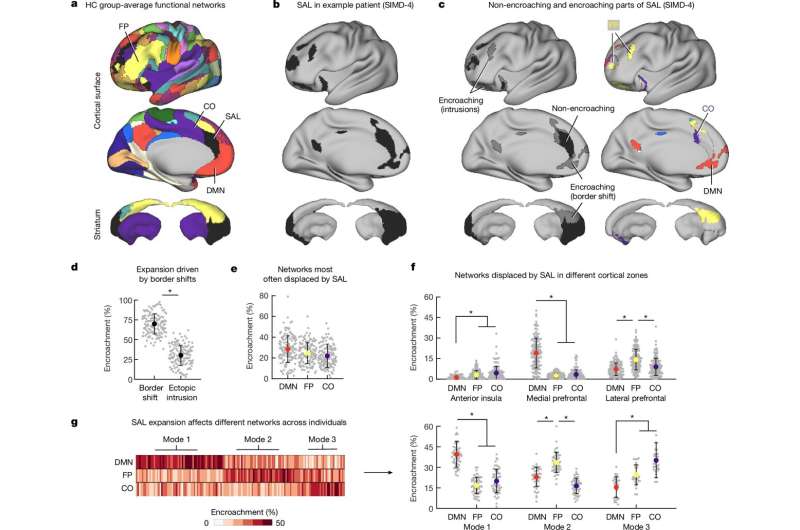
Three modes of salience network expansion in depression. Credit: Nature (2024)

By repeatedly scanning the brains of a small group of patients for a year and a half, researchers have identified a distinct pattern of neuronal interactions that appears to predispose some people to developing depression.

A new study reveals that higher levels of inequality—whether economic, environmental, or health-related—are associated with faster brain aging, particularly in countries with greater disparities

Researchers have published a new clinical protocol examining the combination of aerobic exercise and cognitive rehabilitation to improve learning and memory in individuals with multiple sclerosis (MS) who have mobility disability.

A new study reveals that the protein Tau – a key player implicated in several neurodegenerative conditions including Alzheimer’s disease – also plays a positive role in the brain.

Scientists have revealed new insights into the mechanisms behind cerebral small vessel disease, a condition that affects the smaller blood vessels in the brain and causes approximately half of all dementia cases.

Sports-related concussions may not be associated with long-term cognitive risks for non-professional athletes, a new study suggests.

Researchers have discovered that the Tau protein, often linked to neurodegenerative diseases like Alzheimer’s, also has a protective role in the brain. Tau helps combat oxidative stress by aiding in the formation of lipid droplets in glial cells, which sequester toxic lipids and protect neurons.

Scientists have developed an integrated optical sensor capable of detecting dopamine directly from an unprocessed blood sample.

A recent study has mapped genes linked to schizophrenia and uncovered a mechanism that disrupts synaptic plasticity in affected individuals. The researchers showed the role of three proteins in mediating the impairments of plasticity in schizophrenia. The findings may hold promise for the development of new treatments.

Finally this week, researchers have identified a protein called OSER1 that plays a key role in regulating longevity, offering new insights into why some people live longer than others. 

Weekly Neuroscience Update

Credit: Frontiers in Human Neuroscience (2024)

Scientists have determined that more than 60% of people who contracted COVID-19 have neurological symptoms that impact their cognitive function and quality of life, even two and three years after COVID-19.

Lip-read words can be decoded from the brain’s auditory regions similarly to heard speech, according to a new report that looked at how vision supports verbal perception.

Exercising is healthy, but not always appealing. Now research may have found a “switch” that activates the desire to get moving, as it shows that during exercise the muscle activates proteins which encourage further activity. The paper is published in Science Advances.

Researchers have demonstrated that a simple blood test that reflects brain health can predict which people are most at risk of suffering a stroke.

Our brain interprets visual information by combining what we see with what we already know. A study published in the journal Neuron, reveals a mechanism for learning and storing this existing knowledge about the world.

A newly developed brain-computer interface translates brain signals into speech with up to 97% accuracy, making it the most precise system of its kind.

Researchers have discovered that spontaneous brain activity during early development drives neural wiring before sensory experiences shape the brain. This spontaneous activity in neurons strengthens connections, following Hebb’s rule, where “cells that fire together wire together.”

According to new research, cognitive impairments in psychotic disorders, such as schizophrenia and bipolar disorder, are linked to brain network organization. 

A recently published study has unveiled significant findings that could enhance brain-computer interface (BCI) technologies, marking a crucial step towards more intuitive neuroprosthetic control and advanced rehabilitation therapies.

Researchers have discovered that the hippocampus stores multiple copies of a single memory, each within different neuron groups that develop at different stages.

Scientists have developed a promising preventative therapeutic approach against Alzheimer’s disease, targeting the amyloid beta biomolecule that typically triggers nerve cell hyperactivity in the early stages of the brain disease.

A new study finds that COVID-19 proteins left in the brain may lower cortisol levels, leading to heightened inflammation and an exaggerated response to stressors.

Through a large-scale brain imaging study, an international research team has identified five patterns of age-related degeneration in older people experiencing mental decline. In their study, the team conducted the multi-year study of thousands of MRI scans using machine learning applications to find patterns in brain degeneration as people age.

A new machine learning model, AutMedAI, can predict autism in children under two with nearly 80% accuracy, offering a promising tool for early detection and intervention.

Researchers have discovered the neurons responsible for “item memory,” deepening our understanding of how the brain stores and retrieves the details of “what” happened and offering a new target for treating Alzheimer’s disease.

Contrary to previous research, a new study of female participants finds no link between migraine and the risk of developing Parkinson’s disease.

Children who have persistently raised inflammation are at a higher risk of experiencing serious mental health disorders including psychosis and depression in early adulthood, according to a study published today in JAMA Psychiatry.

Researchers have identified a link between brain overgrowth and the severity of social and communication symptoms in children with autism spectrum disorder. 

People with multiple sclerosis (MS) are far less likely than those without the condition to have the molecular hallmarks of Alzheimer’s disease, according to new research. The discovery suggests a new avenue of research through which to seek Alzheimer’s treatment.

Scientists have discovered a new method to regulate the receptors responsible for the sense of touch, potentially leading to more effective treatments for chronic pain.

Researchers have found that nondeceptive placebos—placebos given with the full knowledge that they are placebos—can effectively manage stress, even when administered remotely. In a two-week randomized controlled trial, participants experiencing prolonged stress were divided into two groups: one group received nondeceptive placebos, while the other served as a control.

Return to work two years after a breast cancer diagnosis is associated with higher cognitive speed performance before and after treatment, according to a study published in JAMA Network Open.

Researchers have discovered a mutation in the SARS-CoV-2 spike protein that enhances its ability to infect the central nervous system, potentially explaining neurological symptoms and long COVID. The mutation was found to allow the virus to better infiltrate the brain, with implications for future treatments targeting COVID-19’s effects on the brain. 

Finally, this week, while everyone knows that a good night’s sleep restores energy, a new study finds it resets another vital function: memory.

Weekly Neuroscience Update

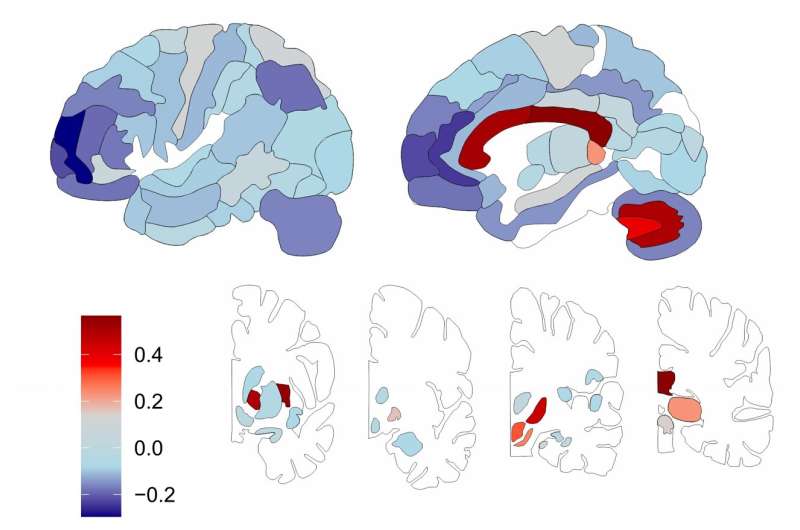
Distribution of cholesterol in the human brain. Credit: Maria Osetrova

Scientists have found that 93% of the lipids in brain tissue are distributed differently in the white and gray matter, the subcortex, the visual and motor cortices, and the prefrontal cortex, which is responsible for decision-making, social behavior, and other functions.

Researchers have shown how glial cells are reprogrammed into neurons via epigenetic modifications.

Young adults who have higher levels of inflammation, which is associated with obesity, physical inactivity, chronic illness, stress and smoking, may experience reduced cognitive function in midlife, a new study has found.

A paper recently published in Nature Communications advances our understanding of how the brain responds to emotionally charged objects and scenes.

A new study finds that higher inflammation in young adulthood is associated with reduced cognitive function in midlife. Inflammation due to factors like obesity and smoking can impact memory and processing speed. This link, previously noted in older adults, now extends to early adulthood, suggesting long-term brain health effects. Reducing inflammation through lifestyle changes may help prevent cognitive decline.

Researchers have discovered why migraines are often one-sided, revealing that proteins released during aura are carried to pain-signaling nerves via cerebrospinal fluid.

A recent study has pinpointed brain regions associated with mood fluctuations and pleasure responses in bipolar disorder. The findings revealed that people with bipolar disorder show heightened activity in the ventral striatum during rewards, explaining extreme mood shifts.

In groundbreaking research, scientists have determined the structure of molecules within a human brain affected by Alzheimer’s disease. 

A global research team has discovered a gene whose variants potentially cause neurodevelopmental disorders (NDDs) in hundreds of thousands of people across the world. The findings published in Nature, are an exciting first step towards the development of future treatments for the disorders which have devastating impacts on learning, behavior, speech, and movement.

A longitudinal study has found that high-intensity interval exercise improves brain function in older adults for up to five years.

A new research collaboration has harnessed a powerful machine learning model to predict concussion status in patients.

A new study shows that human biases in handedness and visual field processing have social and cognitive implications. Researchers found that people with a reversed bias (left hand, right visual) are more likely to have social difficulties and conditions like autism or ADHD.

A recent study sheds light on how the brain adapts hearing in different listening situations.

Finally this week, a study investigating the effect of sleep on brain performance has found a link between an individual’s preference for morning or evening activity and their brain function, suggesting that self-declared “night owls” generally tend to have higher cognitive scores.

Weekly Neuroscience Update

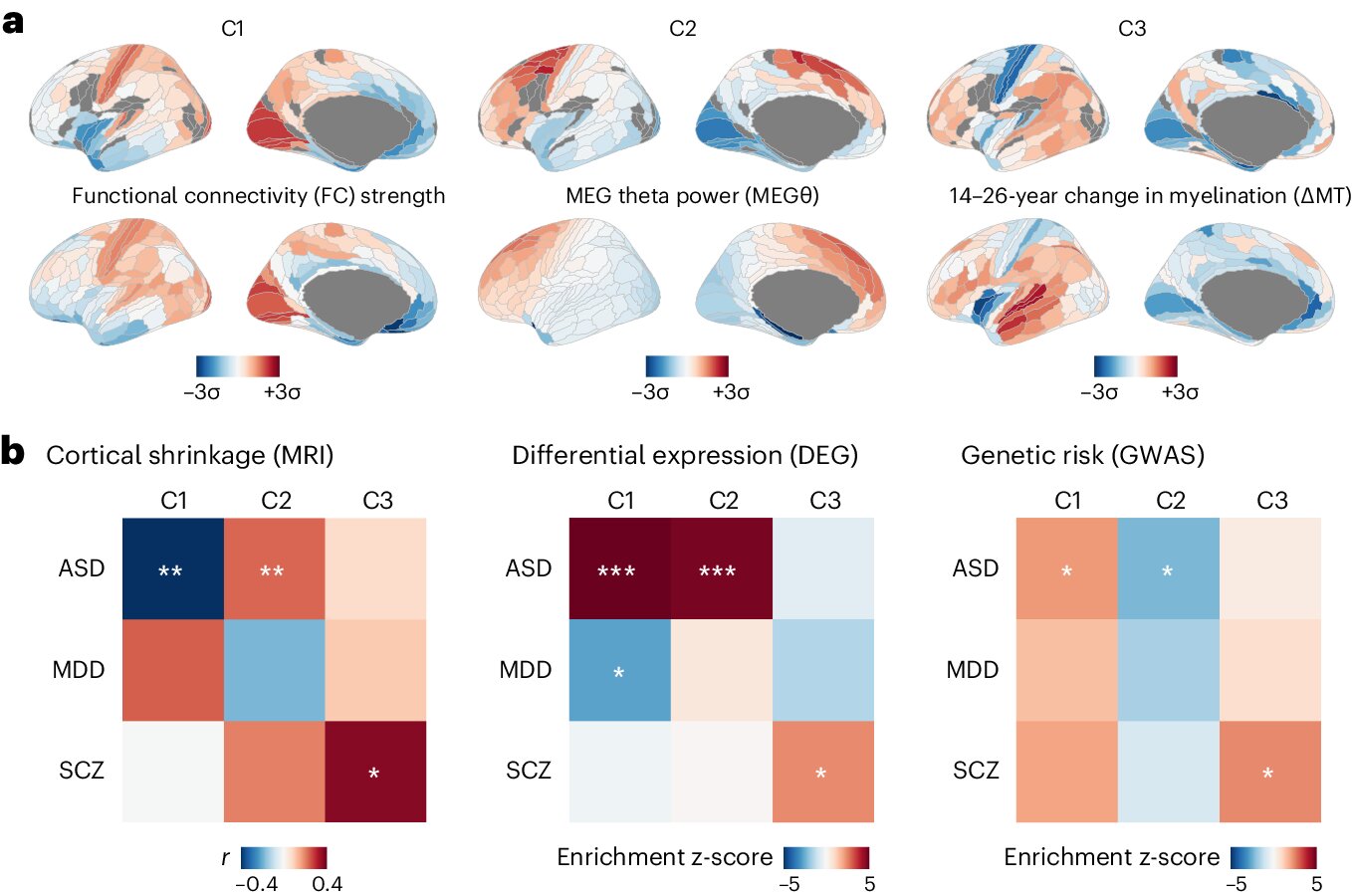
Credit: Nature Neuroscience(2024).

Researchers at University of Cambridge and other institutes worldwide recently carried out a study that linked gene expression in healthy brains to the imaging, transcriptomics and genetics of autism spectrum disorder and schizophrenia. Their paper, published in Nature Neuroscience, unveiled three distinct spatial patterns of cortical gene expression each with specific associations to autism and schizophrenia

A study published in the Journal of the American College of Cardiology suggests that physical activity may reduce cardiovascular disease risk by lowering stress-related brain activity.

A team of researchers at Baylor College of Medicine and Yale University incorporated generative artificial intelligence (AI) to create a foundational model for brain activity. The Brain Language Model (BrainLM) was developed to model the brain in silico and to determine how brain activities are related to human behavior and brain diseases.

Using MRI, engineers have found a way to detect light deep in the brain.

Stressful life events, such as the death of a loved one or divorce, put a person at greater risk of developing dementia in later life, a recent study has found. But only if the stressful event happened in childhood or midlife.

Our brains process odours differently depending on the names assigned to them, according to new research. 

People with neurological disease have a greater chance of death after contracting COVID-19, according to a new study. The research also confirms a higher risk of developing new neurological disorders after COVID infection.

Children who experience chronic lack of sleep from infancy may be at increased risk of developing psychosis in early adulthood, new research shows. 

A team of brain specialists at the California Institute of Technology has developed a brain–computer interface approach to decode words “spoken” entirely in the brain by recording signals from individual neurons in real time.

A new study shows that the cerebellum is involved in processing emotions, with implications for ataxia care.

A research team has revealed the link between the frequency of sleep apnea events during the rapid-eye-movement stage and the severity of verbal memory impairment in older adults at risk for Alzheimer’s disease. Verbal memory refers to the cognitive ability to retain and recall information presented through spoken words or written text and is particularly vulnerable to Alzheimer’s.

Results from a recent neuroplasticity study show how singing rehabilitates speech production in post-stroke aphasia.

For the first time, researchers have succeeded in explaining the propagation of traveling waves of activity in the human brain using a computer simulation. Previous studies indicate that these waves are important for various cognitive functions such as memory.

A new publication in Scientific Reports unveils a promising non-opioid pain treatment.

Repeated blows to the heads of football players can damage the small blood vessels of the brain, according to research by scientists who believe this damage may contribute to brain dysfunction in some athletes years after play has ended.

New research has shed light in the complex interplay between cell proteins, and how they impact on neurons in neurodevelopmental disorders and Alzheimer’s disease.

Artificial intelligence (AI) computer programs that process MRI results show differences in how the brains of men and women are organized at a cellular level, a new study shows. These variations were spotted in white matter, tissue primarily located in the human brain’s innermost layer, which fosters communication between regions.

Finally, this week, climate change, and its effects on weather patterns and adverse weather events is likely to negatively affect the health of people with brain conditions.

Weekly Neuroscience Update

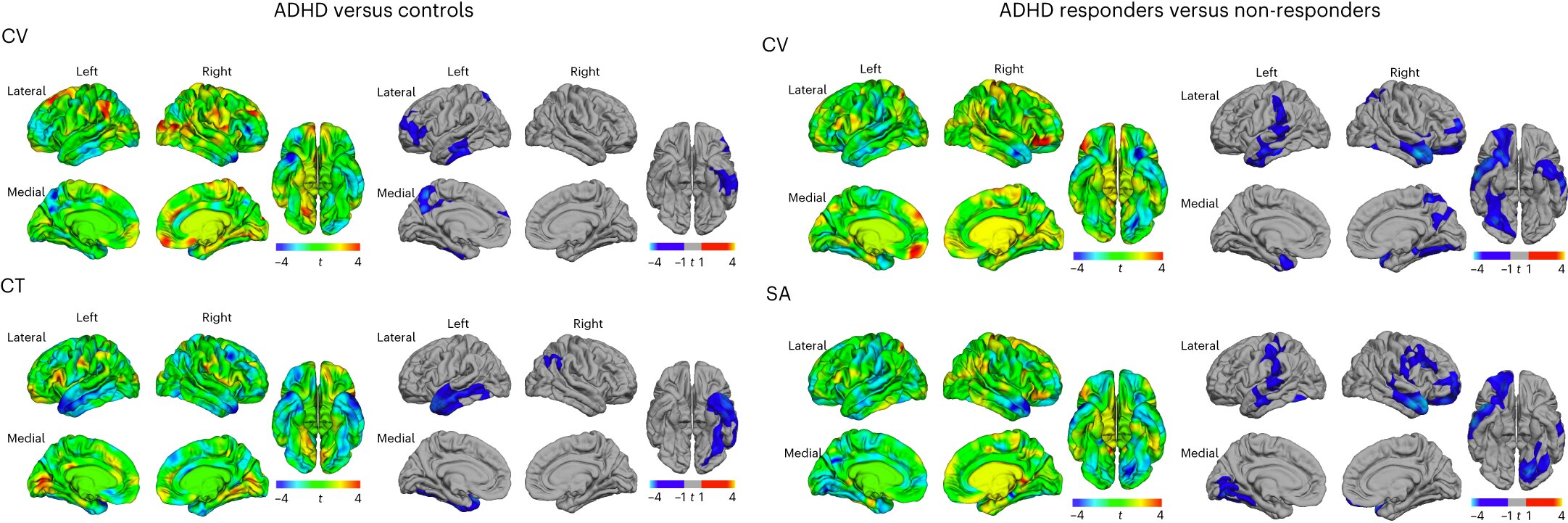
Vertex-wise comparisons between ADHD (N = 60) and controls (N = 23), and between ADHD responders (N = 42) and non-responders (N = 18). Credit: Nature Mental Health (2024).

New research has found that the effectiveness of ADHD medication may be associated with an individual’s neuroanatomy.

Although there are still some aspects pending confirmation for its use in the clinical setting, and its resolution needs to be improved slightly, a new study has shown that a method routinely used to carry out ophthalmological tests can also be used to monitor the neurodegeneration that occurs in Parkinson’s patients.

Scientists have uncovered a mechanism in the brain that allows cocaine and morphine to take over natural reward processing systems.

New research has identified a specific pattern of autoantibodies in the blood that precedes the clinical onset of multiple sclerosis (MS), potentially paving the way for early diagnosis and treatment. Their study found that 10% of MS patients displayed a unique set of autoantibodies against both human proteins and common pathogens like the Epstein-Barr Virus years before showing symptoms.

Researchers have identified a promising new approach to treating persistent neurological symptoms associated with Lyme disease.

A new study investigates why everyday actions like locking a door are often forgotten. The study revealed that while emotionally charged or unique events are initially memorable, even these can fade within 24 hours, particularly positive experiences. This research provides insight into the selective nature of memory and suggests that our brains prioritize and even forget information to manage cognitive load.

Managing a stroke patient’s blood sugar levels after they receive powerful clot-busting drugs might help them survive their health crisis, a new trial finds.

Researchers have created a thin film that combines an electrode grid and LEDs that can both track and produce a visual representation of the brain’s activity in real time during surgery. The device is designed to provide neurosurgeons with visual information about a patient’s brain to monitor brain states during surgical interventions to remove brain lesions including tumors and epileptic tissue.

A new study identifies a new metric for diagnosing autism.

New research has found a significant association between participating in low to moderate intensity exercise and reduced rates of depression.  However, this was not strongly observed for high-intensity exercise. Physical activity was also significantly associated with reduced risk of severe mental health conditions, including a reduction in psychosis/schizophrenia by 27%.

An international collaborative research team has discovered a novel mechanism underlying memory involving rapid changes in a specific DNA structure.

People who take acid-reducing drugs may have a higher risk of migraine and other severe headache than people who do not take these medications, according to a study published in the online issue of Neurology Clinical Practice

Finally this week, new research has highlighted the profound link between dietary choices and brain health.

Weekly Neuroscience Update

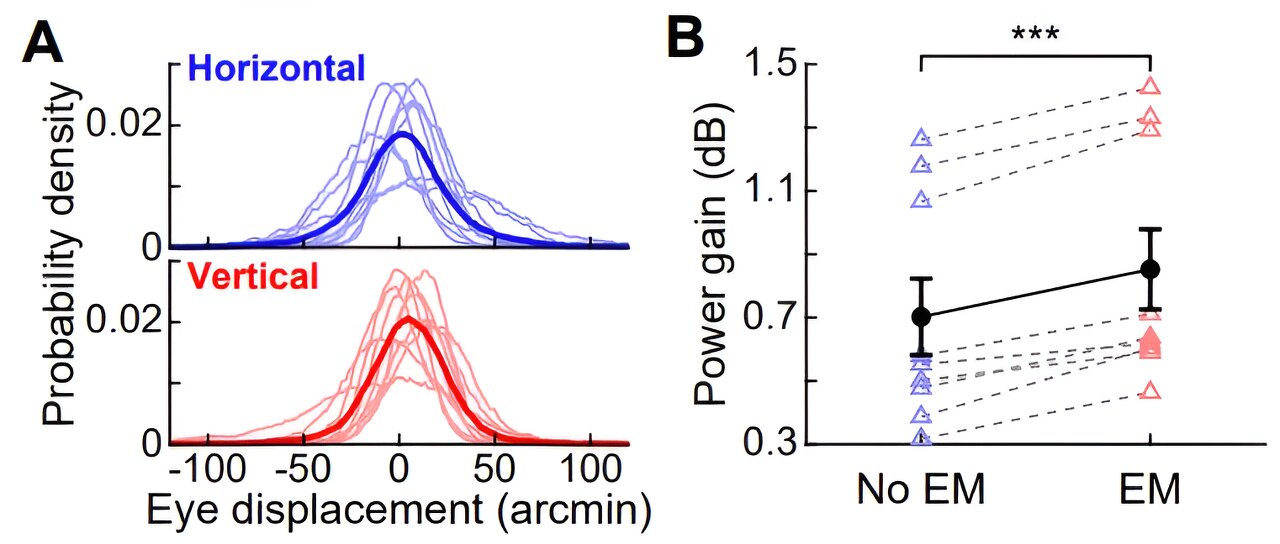
Eye movements associated with blinks and their consequences on luminance transients. (A) Distributions of blink-induced gaze displacements. Data represent the offsets in horizontal (top) and vertical eye position (bottom) between the times at which the eyelid starts moving and its return to normal opening. (B) Contributions of eye movements to the strength of the luminance modulations caused by blinks. Credit: Proceedings of the National Academy of Sciences

Scientists at the University of Rochester, in the U.S., have found that eye blinking does more than simply wet the eyes—it also helps to keep vision sharp by maintaining the strength of visual signals.

A new study investigates the brain’s mechanisms behind deep focus. The research employs fMRI to explore low-frequency fluctuations in brain networks during focused and less-focused states. The team discovered that certain brain networks synchronize and desynchronize, affecting an individual’s ability to maintain attention. This insight into the dynamic nature of brain activity could lead to better strategies for enhancing focus and attention in various cognitive tasks.

New research indicates that physical activity lowers cardiovascular disease risk in part by reducing stress-related signaling in the brain.

Researchers released new findings on how sex and gender influence cognitive abilities. The research found that while spatial cognition correlates more with biological factors such as sex at birth and hormones, verbal cognition is more influenced by sociocultural factors like gender identity.

Scientists have published a study in Neuron that identified two types of interneurons, the inhibitory neurons of the brain, as instructors of a key developmental process in the brain.

A new study involving jazz guitarists has explored the brain processes that enable creative flow. The research reveals that achieving flow requires a solid foundation of expertise, after which one must learn to relax conscious control to allow creativity to flourish.

Researchers have developed a groundbreaking approach using Diffusion MRI to explore the brain structures of individuals with autism spectrum disorder (ASD).

A new study emphasizes the importance of brain rhythms in understanding cognition. The research explores how rhythmic electrical fields, generated by neurons, influence and align neighboring neurons, enhancing cognitive function.

The harder your brain works at your job, the less likely you may be to have memory and thinking problems later in life, according to a new study published in Neurology.

Researchers have shed light on how individuals with treatment-resistant depression (TRD) process emotions differently due to abnormalities in the amygdala and prefrontal cortex. By using stereotactic electroencephalography (sEEG), they were able to observe how these brain regions react to positive and negative stimuli, revealing a significant imbalance in emotional processing.

A new study offers new insight into the development of the human forebrain.

Researchers have linked a region in the brain to how humans redirect thoughts and attention when distracted. The connection is important because it offers insights into the cognitive and behavioral side effects of a technique being used to treat patients with Parkinson’s disease.

Finally this week, some people with tough-to-treat epilepsy might benefit if doctors target a brain region newly linked to the disorder, a new study suggests.

Weekly Neuroscience Update

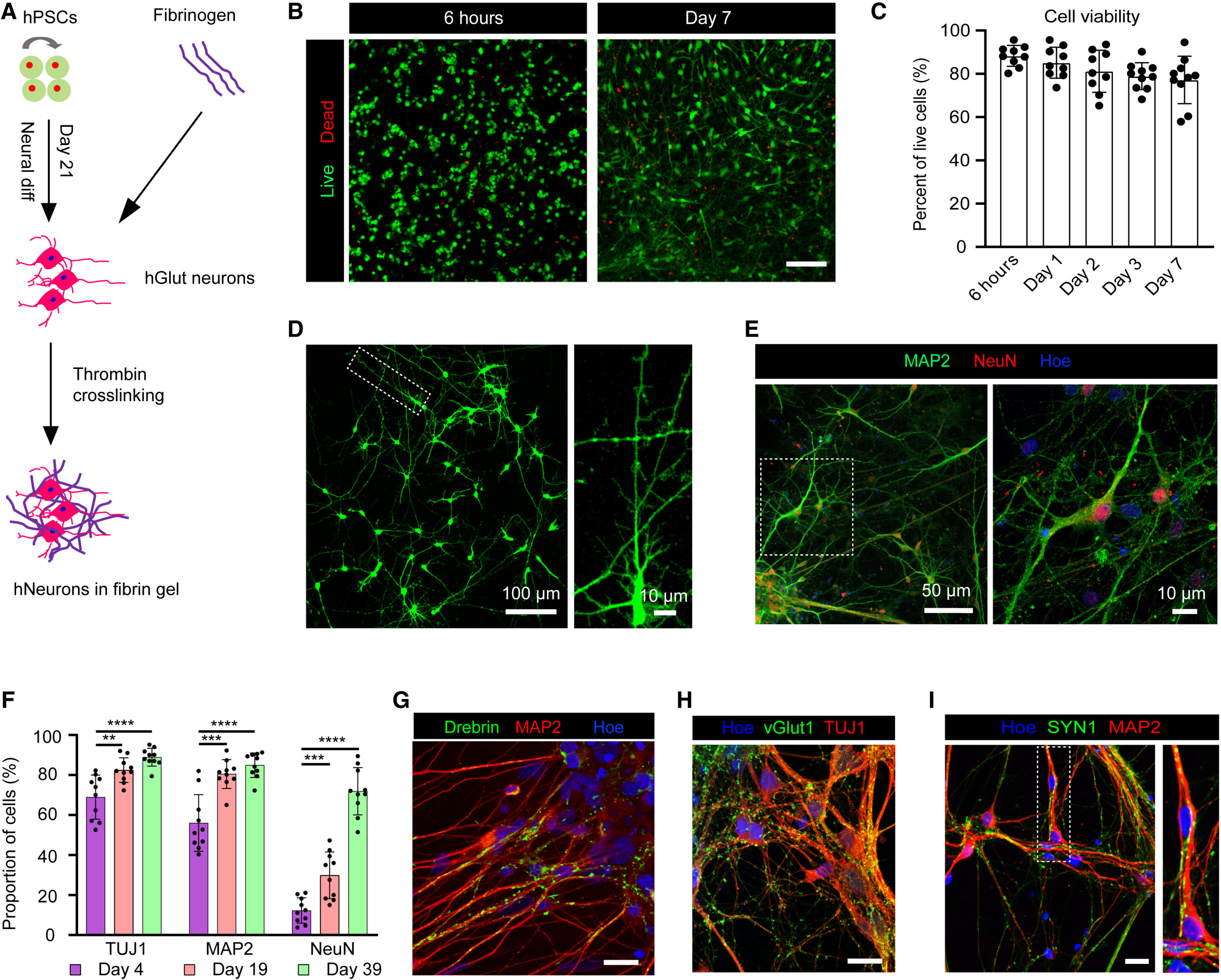
Credit: Cell Stem Cell (2024). DOI: 10.1016/j.stem.2023.12.009

Researchers have developed the world’s first 3D-printed brain tissue that grows and behaves similarly to natural brain tissue, marking a significant leap forward for neurological and neurodevelopmental disorder research.

For patients with Parkinson disease differences in quality of life outcomes are seen with deep brain stimulation of the subthalamic nucleus (STN-DBS), according to a recent study.

New findings published in the journal Nature Neuroscience have shed light on a mysterious pathway between the reward center of the brain that is key to how we form habits, known as the basal ganglia, and another anatomically distinct region where nearly three-quarters of the brain’s neurons reside and assist in motor learning, known as the cerebellum.

Researchers have shown that a blood test can pinpoint the underlying cause of brain injury in newborns.

A new study suggests that high-intensity training (HIT), compared to conventional training, may improve walking ability in patients with chronic traumatic brain injury (TBI). Possible secondary benefits may include improved aerobic capacity/efficiency and cognition.

A team of scientists has unveiled a potential game-changer in the fight against glioblastoma, the most common and currently incurable form of brain cancer.

Combining brain stimulation with intense physical rehabilitation helped stroke survivors recover movement in their arms and hands and maintain these improvements for one year, according to a study to be presented at the American Stroke Association’s International Stroke Conference 2024.

Psychologists have investigated the extent to which neuromodulation of the brain with ultrasound waves influences people’s behavior. The results can also be used as a basis for therapeutic purposes.

A preliminary study reveals that intravenous injections of ginkgo biloba components could significantly improve early cognitive recovery in ischemic stroke patients. Conducted across multiple centers in China, the research tested the effects of ginkgo diterpene lactone meglumine (GDLM) on 3,163 stroke survivors, showing notable improvements in cognitive scores compared to a placebo group.

The brains and blood of people with a history of excessive drinking show cellular evidence of premature aging.

A new study gives insights into the underlying mechanisms of the formation of protein clumps in Alzheimer’s disease. The study could pave the way for new treatments for this devastating neurodegenerative disorder.

Finally, this week, engaging in music throughout your life is associated with better brain health in older age, according to a new study.

Weekly Neuroscience Update

Microscopic photos observed through changes of the flourescence of the synapse sensor (SynapShot) by cultivating the neurons of an experimental rat and expressing the SynapShot. The changes in the synapse that is created when the pre- and post-synaptic terminals come into contact and the synapse that disappears after a certain period of time are measured by the fluorescence of the SynapShot. Credit: KAIST Optogenetics & RNA therapeutics Lab

New research has observed the processes of memory and cognition in real-time.

A new study reveals significant findings in the fight against Long Covid. Through a comprehensive analysis of blood serum from 113 patients, researchers discovered changes in blood serum proteins related to the complement system, coagulation, and tissue injury in Long Covid patients.

New research has found that exercising both before and after learning optimizes memory formation, with a notable 10% improvement in remembering motor skills.

A new study employs generative AI to shed light on how the human brain processes memories for learning, imagination, and planning. The study used a computational model resembling the hippocampus and neocortex’s neural networks to simulate memory encoding and retrieval.

A new study has reported that SARS-CoV-2, the virus that causes COVID, can infect dopamine neurons in the brain and trigger senescence—when a cell loses the ability to grow and divide.

Researchers have taken the first steps to treat Alzheimer’s disease, Parkinson’s disease and Type 2 diabetes by creating multiple patent-pending compounds shown to inhibit protein aggregation associated with those diseases.

A neuroscientific study is paving the way for improving the diagnosis and treatment of Alzheimer’s.

A new study reveals limitations in the current use of mathematical models for personalized medicine, particularly in schizophrenia treatment. Although these models can predict patient outcomes in specific clinical trials, they fail when applied to different trials, challenging the reliability of AI-driven algorithms in diverse settings.

Research into the nature of memory reveals how cells that store information are stabilized over time.

A new study explores how infants and toddlers acquire language. Findings reveal early comprehension begins around 6-7 months, and significant improvements in language understanding occur around a child’s first birthday.

New research looks at ways to predict when a migraine attack will occur.

Researchers at the National Institutes of Health have found overactivation in many brain regions, including the frontal and parietal lobes and the amygdala, in unmedicated children with anxiety disorders. They also showed that treatment with cognitive behavioral therapy (CBT) led to improvements in clinical symptoms and brain functioning.

An international research has proposed a new model for classifying Parkinson’s disease.

A ribbon of brain tissue called cortical gray matter grows thinner in people who go on to develop dementia, and this appears to be an accurate biomarker of the disease five to 10 years before symptoms appear, scientists report.

3D bioprinting sheds light on why blood vessel curvature may foster brain cancer metastasis.

Researchers achieved a significant advancement in robotics by replicating human-like variable speed walking using a musculoskeletal model. This model, steered by a reflex control method akin to the human nervous system, enhances our understanding of human locomotion and sets new standards for robotic technology.

There is a difference between how the brains of healthy older adults perceive color compared to younger adults, finds a new study.

Researchers conducted a study to explore the neuroscientific basis of fairness in social situations, investigating the interplay between personal interests and societal norms. By applying electric brain stimulation to 60 participants, the researchers pinpointed specific brain regions crucial to fairness decisions.

Finally this week, scientists have made a significant discovery using an artificial neural network model, suggesting that musical instinct may emerge naturally from the human brain.

Weekly Neuroscience Update

Credit: Nature (2023)

A new study has identified the link between memory and appetite.

Scientists have made a ‘paradigm shifting’ discovery on the mechanisms required for learning and memory that could lead to new therapies for Alzheimer’s disease and potentially Down syndrome.

Researchers have analyzed which physiological indicators recorded when watching a movie can predict the audience’s assessment. It turned out that the activity of zygomaticus major (the “smiling muscle”), heart rate variability and EEG indicators can tell us most about the viewer’s impression of the movie.

The largest genetic study of its kind has discovered specific changes in our DNA that increase the risk of developing epilepsy.

Researchers found that the skin, not pre-existing genetic programming, instructs nerve cells on how to mature for specific sensory tasks. The findings showcase that skin cues determine whether nerve endings develop to detect sensations in hairy or hairless skin. If corroborated by further research, this discovery could pave the way for therapies to mend damaged nerves or better comprehend congenital neuropathies.

A new study has explored the link between infant birthweight, gestational age and future cognitive problems.

Researchers have successfully developed temporary, organic electrodes that can be seamlessly integrated into biological systems. The method opens up a future where bioelectronics can be implanted in and removed from the body without surgery.

New research shows wildfire smoke impacts on the brain.

A new study has found that, among a sample of 152 young athletes exposed to repetitive head impacts (RHI) who were under age 30 at the time of death, 41.4% (63) had neuropathological evidence of CTE, a degenerative brain disease caused by RHI.

New research supports the idea that the brains of older adults who maintain physical fitness by engaging in regular strenuous exercise more closely resemble those of younger adults.

Researchers have succeeded in transforming brain signals into audible speech. By decoding signals from the brain through a combination of implants and AI, they were able to predict the words people wanted to say with an accuracy of 92 to 100%. Their findings are published in the Journal of Neural Engineering.

Finally this week, a virtual reality study has revealed a link between a sense of presence and cognitive abilities.