Weekly Neuroscience Update

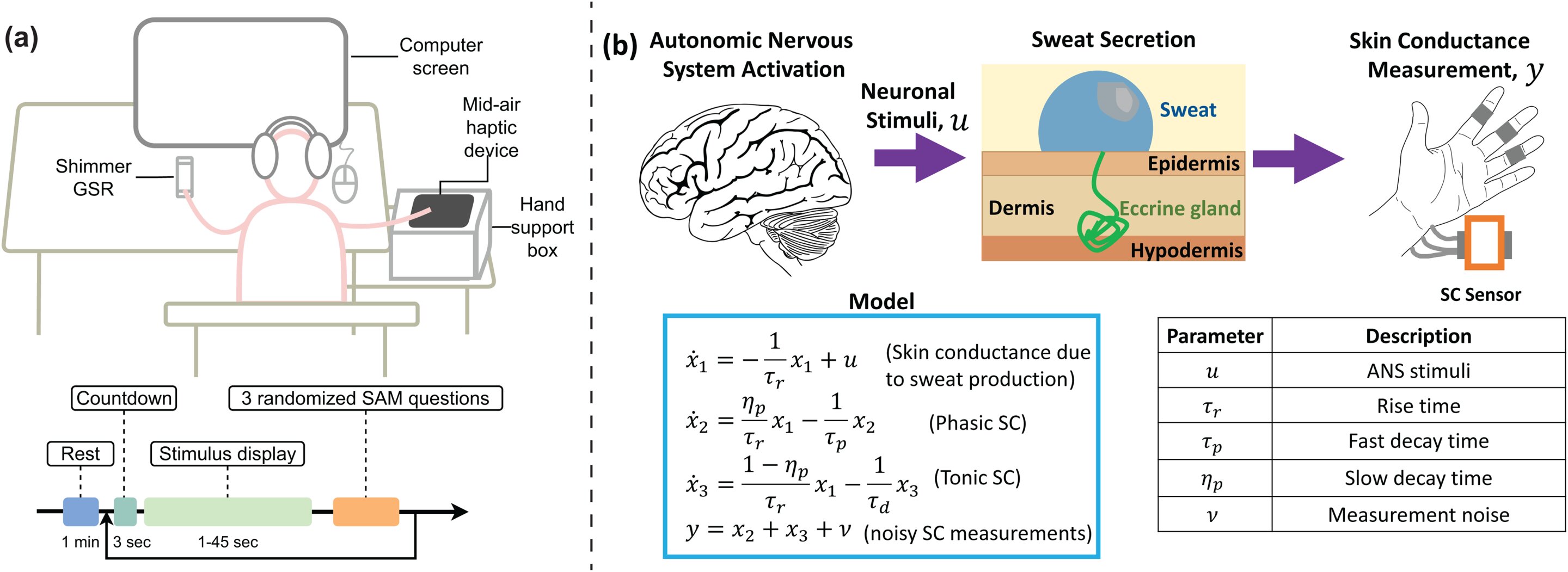
Credit: PLOS Mental Health (2025). DOI: 10.1371/journal.pmen.0000463

A recent study explores how physiological signals can reveal cognitive arousal—the level of mental alertness and emotional activation—without relying on subjective reporting.

New research reveals that women with long COVID show distinct biological disruptions — including gut inflammation, anaemia, and abnormal hormone levels — that may explain their heightened and persistent symptoms. These findings emerged from immune, biomarker, and genetic analyses in people one year after infection.

A new software enables brain simulations which both imitate the processes in the brain in detail and can solve challenging cognitive tasks. 

University of Auckland researchers report that an 8-week, twice-weekly LSD microdosing regimen for major depressive disorder was feasible and well-tolerated, with Montgomery-Åsberg Depression Rating Scale (MADRS) scores reduced by 59.5% at the end of treatment and sustained to six months.

Dance styles engage the brain in different ways depending on the movements, aesthetics, and emotions associated with the dance, according to a study published in Nature Communications.

New research shows that depression beginning before age 25 has a much stronger hereditary component than depression that emerges later in life. By analysing genetic data from over 150,000 people with depression, researchers identified distinct genetic regions linked specifically to early-onset cases.

Scientists have developed an innovative, non-invasive brain stimulation therapy to significantly improve visual function in stroke patients who have suffered vision loss following a stroke.

A rare intracranial brain-recording study revealed that tirzepatide, a GLP-1 and GIP receptor agonist, temporarily silences craving-related neural activity in a key reward circuit of the brain. Researchers observed that the drug initially shut down signaling in the nucleus accumbens of a patient with treatment-resistant obesity. However, after five months, both the “food noise” and the corresponding neural patterns returned, suggesting the effect was short-lived. The findings highlight how these metabolic drugs influence human brain circuits and underscore the need for more durable treatments targeting impulsivity in eating disorders.

Researchers report that ketogenic diets are associated with modest reductions in depressive symptoms in adults, while evidence for anxiety remains uncertain.

An international study has uncovered similar structural changes in the brains of young people diagnosed with anxiety disorders, depression, ADHD and conduct disorder, offering new insights into the biological roots of mental health conditions in children and young people.

A randomised, placebo-controlled trial shows that cannabis with active THC reduces immediate alcohol cravings and lowers drinking levels in heavy-drinking young adults.

New research shows that the brain distinguishes between “what an odour is” and “how it feels,” processing them at different times. After smelling, the brain sends a quick signal that identifies molecular features for differentiation.

“Drains” in the brain, responsible for clearing toxic waste in the organ, tend to get clogged up in people who show signs of developing Alzheimer’s disease, a new study shows.

Researchers have discovered how the brain keeps time for precise movements, revealing a neural “hourglass” mechanism between the motor cortex and striatum. The motor cortex sends timing signals that accumulate in the striatum until they reach a threshold that triggers action.

Finally this week, a new brain imaging study reveals that music activates the same chemical system in the brain that is responsible for the pleasure associated with food and social bonding. 
Weekly Neuroscience Update

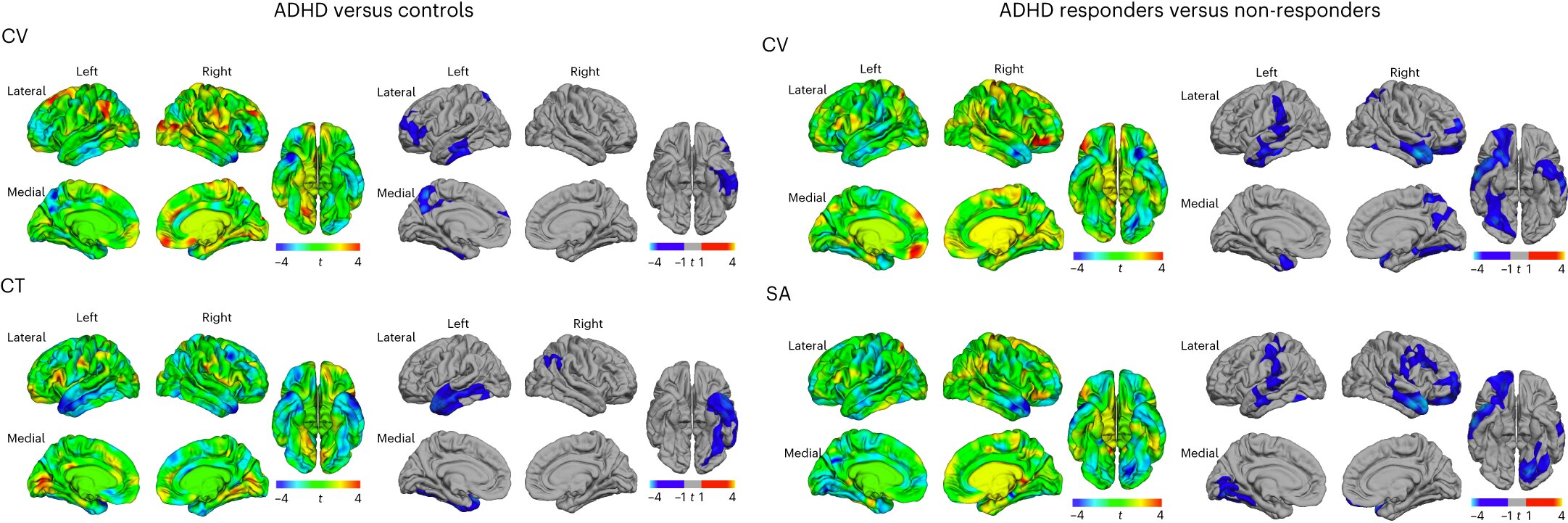
Vertex-wise comparisons between ADHD (N = 60) and controls (N = 23), and between ADHD responders (N = 42) and non-responders (N = 18). Credit: Nature Mental Health (2024).

New research has found that the effectiveness of ADHD medication may be associated with an individual’s neuroanatomy.

Although there are still some aspects pending confirmation for its use in the clinical setting, and its resolution needs to be improved slightly, a new study has shown that a method routinely used to carry out ophthalmological tests can also be used to monitor the neurodegeneration that occurs in Parkinson’s patients.

Scientists have uncovered a mechanism in the brain that allows cocaine and morphine to take over natural reward processing systems.

New research has identified a specific pattern of autoantibodies in the blood that precedes the clinical onset of multiple sclerosis (MS), potentially paving the way for early diagnosis and treatment. Their study found that 10% of MS patients displayed a unique set of autoantibodies against both human proteins and common pathogens like the Epstein-Barr Virus years before showing symptoms.

Researchers have identified a promising new approach to treating persistent neurological symptoms associated with Lyme disease.

A new study investigates why everyday actions like locking a door are often forgotten. The study revealed that while emotionally charged or unique events are initially memorable, even these can fade within 24 hours, particularly positive experiences. This research provides insight into the selective nature of memory and suggests that our brains prioritize and even forget information to manage cognitive load.

Managing a stroke patient’s blood sugar levels after they receive powerful clot-busting drugs might help them survive their health crisis, a new trial finds.

Researchers have created a thin film that combines an electrode grid and LEDs that can both track and produce a visual representation of the brain’s activity in real time during surgery. The device is designed to provide neurosurgeons with visual information about a patient’s brain to monitor brain states during surgical interventions to remove brain lesions including tumors and epileptic tissue.

A new study identifies a new metric for diagnosing autism.

New research has found a significant association between participating in low to moderate intensity exercise and reduced rates of depression.  However, this was not strongly observed for high-intensity exercise. Physical activity was also significantly associated with reduced risk of severe mental health conditions, including a reduction in psychosis/schizophrenia by 27%.

An international collaborative research team has discovered a novel mechanism underlying memory involving rapid changes in a specific DNA structure.

People who take acid-reducing drugs may have a higher risk of migraine and other severe headache than people who do not take these medications, according to a study published in the online issue of Neurology Clinical Practice

Finally this week, new research has highlighted the profound link between dietary choices and brain health.

Weekly Neuroscience Update

Findings from a mega-analysis of differences in seed-based subcortico-cortical connectivity in youths with attention deficit hyperactivity disorder (ADHD) and unaffected control subjects. Credit: American Journal of Psychiatry (2024). 

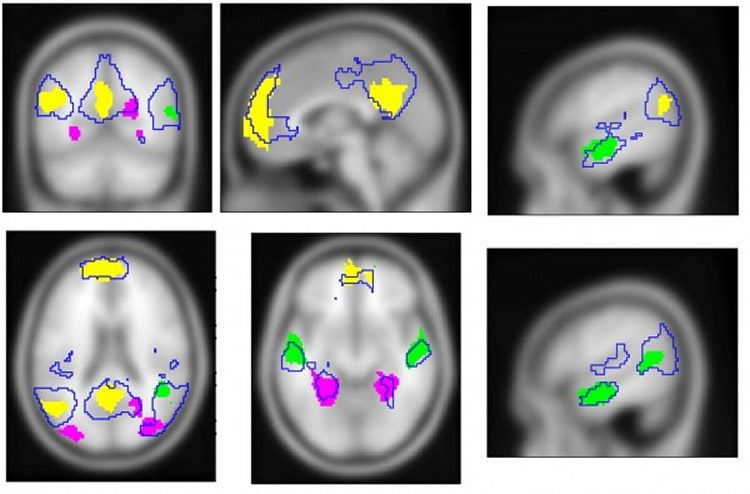
Researchers have discovered that symptoms of attention-deficit/hyperactivity disorder (ADHD) are tied to atypical interactions between the brain’s frontal cortex and information-processing centers deep in the brain.

A new study has identified a genetic mutation underlying a rare form of epilepsy and reveals novel molecular and cellular mechanisms by which the disorder manifests in patients.

For the first time, researchers have shown that non-invasive brain stimulation can change a specific brain mechanism directly related to human behavior. This is a major step forward for discovering new therapies to treat brain disorders such as schizophrenia, depression, Alzheimer’s disease, and Parkinson’s disease.

A test that shows how good or bad we are at perceiving the rhythm of language can predict the ability to acquire language, and may also help us understand individual differences in brain biology.

A new study reveals the mechanisms behind proprioception, our body’s innate ability to sense limb position and movement, critical for movement without visual cues. Utilizing musculoskeletal simulations and neural network models, researchers have advanced our understanding of how the brain integrates sensory data from muscle spindles to perceive bodily position and motion.

Specialized brain scans may accurately predict whether a psychotic patient will go on to develop treatment-resistant schizophrenia, Dutch researchers report.

Researchers have uncovered a significant correlation between social isolation and accelerated biological aging, indicating that individuals with limited social connections are at a higher risk of premature mortality.

Scientists have revealed new insights into how the brain processes speech and listening during conversations through advanced investigations using functional magnetic resonance imaging (fMRI).

A unique multicenter study, including about 3,500 youth between 10 and 25 years old from across the globe, shows that artificial intelligence—specifically machine learning—can identify individuals with anxiety disorders based on their unique brain structure.

Researchers have identified four distinct sleep patterns linked to long-term health outcomes, revealing the profound impact of sleep habits on chronic health conditions.

A new study uncovers the nuanced effects of spaced learning on memory, emphasizing the importance of the content’s variability and the intervals between learning sessions. The study contrasts the impact of learning identical content versus content with variations, across different timescales, on memory retention.

Finally, this week, spending quality time with dogs reduces stress and increases the power of brain waves associated with relaxation and concentration, according to a recent study.

Weekly Neuroscience Update

Viewing interactive art online can improve our mood and reduce anxiety. People reported significant improvements in mood and anxiety after just a few minutes of viewing an interactive Monet Water Lily art exhibition.

The way our senses adjust while playing virtual reality (VR) games affects the severity of cybersickness experienced. Researchers measured how participants perceived the orientation of vertical lines before and after playing two VR games, one high-intensity, and one low-intensity. They found that those who experienced less sickness were more likely to have the largest change in the subjective visual vertical following exposure to VR. The findings could be useful for VR designers and developers in creating more comfortable and enjoyable experiences.

In a new study, scientists have discovered anatomical changes that occur in the brains of patients after their sight is restored.

Scientists have explored the links between three measures known to independently predict healthy aging: nutrient intake, brain structure and cognitive function. Their analysis adds to the evidence that these factors jointly contribute to brain health in older adults. 

Young men with cannabis use disorder are more likely to develop schizophrenia, according to a new study.

A new study challenges conventional thinking on the role of short and long-term memories in relearning motor skills. Researchers found that fleeting short-term memories, rather than long-term ones, are responsible for rapid motor learning, indicating the existence of mechanisms for regulating the learning rates for memories that are distinct from the memories themselves.

Researchers have identified spatial and temporal abnormalities in spontaneous fixational saccades as a potential biomarker for cognitive and positive symptoms in schizophrenia.

Poor verbal memory may increase the risk of psychiatric hospitalization for patients diagnosed with bipolar disorder or depression. The severity of the illness was previously thought to have an impact on poor memory, but new research shows that poor memory may also have an impact on the risk of being hospitalized.

Researchers have uncovered crucial findings regarding Long COVID, discovering significant immune system and nervous system changes that could explain the neurological symptoms experienced by patients.

A new study from Aarhus University indicates that certain types of epilepsy medication taken during pregnancy may increase the risk of severe psychiatric disorders in children.The research found a worrying link between the antiseizure medication valproate and the child’s risk of developing psychiatric disorders such as autism, ADHD and intellectual disability.

Finally this week, scientists have recently identified a unique form of cell messaging occurring in the human brain that’s not been seen before. Excitingly, the discovery hints that our brains might be even more powerful units of computation than we realized.

Weekly Neuroscience Update


A new study reveals a high fructose diet could contribute to bipolar disorder, ADHD, and behavioral aggression.

In Alzheimer’s disease, impaired blood flow to brain regions coincides with tau protein buildup. This relationship strengthens as cognition declines, according to new research published in Journal of Neuroscience.

A new lab test can accurately pinpoint and analyze the deadliest cells in the most common and aggressive brain cancer in adults.

A greater density of cells in a key reward center of the brain is associated with obesity in children and predicts future weight gain, a new study finds.

A team of researchers has found that an amino acid produced by the brain could play a crucial role in preventing a type of epileptic seizure.

The characteristics of language structure and writing system may explain why some bilingual people are dyslexic in English, but not in their other proficient language.

Finally this week,  a study of four drugs to combat chronic neuropathic pain finds Nortriptyline has the highest efficacious percentage and lowest quit rate.


Weekly Neuroscience Update

Researchers have developed a new method of measuring axons using MRI neuroimaging.

People with autism spectrum disorder (ASD) appear to suffer malfunctions in a cell that produces a special coating around nerve fibers that facilitates efficient electrical communication across the brain. 

New findings about dopaminergic neurons in the striatum could have implications for treating Parkinson’s disease and Tourette syndrome.

Researchers have found that it is possible to assess a person’s ability to feel empathy by studying their brain activity while they are resting rather than while they are engaged in specific tasks.

Boys who exhibit inattention-hyperactivity by age 10 have an increased risk for traumatic brain injury later in life.

Combining fMRI and behavioral data, researchers examined gender identity in cisgender and transgender individuals using a new machine learning algorithm. The AI identified at least nine dimensions of brain-gender variation.

New research has provided insights into why people often make unrealistic plans that are doomed to fail.

Finally this week, a new study has found that dopamine — a neurotransmitter that plays an important role in our cognitive, emotional, and behavioral functioning — plays a direct role in the reward experience induced by music. The findings have been published in the Proceedings of the National Academy of Sciences.

Weekly Neuroscience Update

2-discoveryofn.jpg

Image Credit: Guillaume Sandoz, CNRS

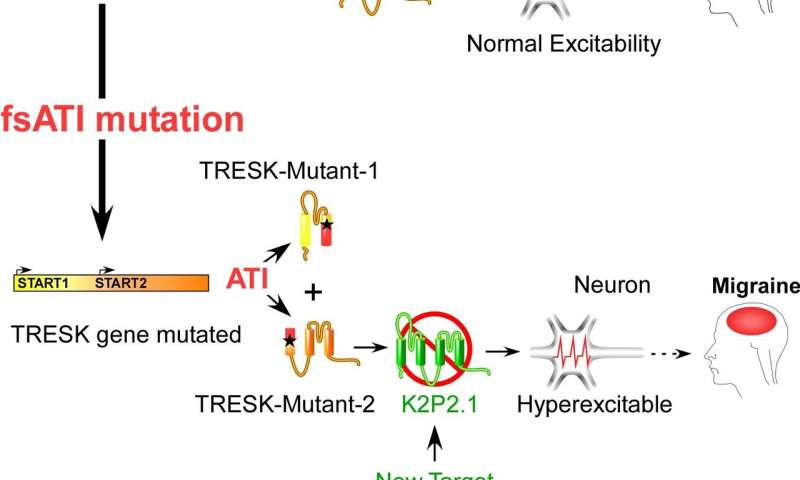
Researchers at CNRS, Université Côte d’Azur and Inserm have demonstrated a new mechanism related to the onset of migraine. In fact, they found how a mutation, causes dysfunction in a protein which inhibits neuronal electrical activity, induces migraines. These results, published in Neuron on Dec. 17, 2018, open a new path for the development of anti-migraine medicines.

Scientists using eye tracking software, report what we look at helps guide our decisions when faced with two visible choices.

A new study reports children and teens who face chronic bullying have altered brain structure, as well as problems with anxiety and depression. Researchers found those who were bullies had structural changes to the putamen and caudate, contributing to the development of anxiety related behaviors and emotional processing.

Researchers have identified specific neurons in the medial prefrontal cortex, called self-monitoring error neurons, that fire immediately after people make a mistake.

New findings show how alcohol influences dopaminergic and inhibitory neurons in the ventral tegmental area. The findings could help develop new treatments for alcohol dependence.

A diet of fast food, cakes and processed meat increases your risk of depression, according to a new study.

Scientists who recently identified the molecular start of Alzheimer’s disease have used that finding to determine that it should be possible to forecast which type of dementia will develop over time – a form of personalized medicine for neurodegenerative diseases.

A new study reports lightly stroking an infant, at a speed of 3 centimeters per second, can help to provide pain relief prior to medical procedures.

Researchers have identified cognitive subgroups related to genetic differences in Alzheimer’s patients. The findings could open the door for more personalized treatments of the neurodegenerative disease.

A previously unknown brain mechanism that regulates anxiety has come to light. It allows a gene-altering protein to enter the nucleus of brain cells.

Finally this week, researchers discovered activity in brain regions involved in reward response from dopamine was higher in subjects injected with the hormone ghrelin, but only when responding to images associated with food smells. The study reports ghrelin controls the extent to which the brain associates reward with food odors.


Weekly Neuroscience Update

boy-3360415_960_720.jpg

Researchers have found “different patterns” in brain scans among children who record heavy smart device and video game use, according to initial data from a major ongoing US study.

A new study reports the combination of a toxic herbicide and lectins may trigger Parkinsonism after the toxins travel from the stomach to the brain.

Later-born siblings of children with autism spectrum disorder (ASD) or attention-deficit/hyperactivity disorder (ADHD) are at elevated risk for both disorders, a new study has concluded. The study suggests that families who already have a child diagnosed with ASD or ADHD may wish to monitor younger siblings for symptoms of both conditions.

Researchers have shed light on the dual nature of dopamine, as a neurotransmitter that makes us seek pleasure and also reinforces avoidance of pain.

A new neuroimaging study reveals imagination may help people with fear or anxiety disorders overcome them. The study reports imagining a threat can alter the way it is represented in the brain.

Stimulating the lateral orbitofrontal cortex improves mood in those suffering from depression, a new study reveals.

Scientists report low levels of GABA producing bacteria is associated with brain signatures of depression. They believe it may be possible to treat clinical depression by increasing GABA producing bacteria.

Finally, this week, using machine learning to analyze fMRI brain scans of grieving people, researchers shed light on how unconscious suppression occurs.

Weekly Neuroscience Update

kindle-1867751_960_720.jpg

Researchers have uncovered how specific retinal cells respond to the artificial light generated by cell phone and tablets. The study reveals how retinal ganglion cells process ambient light and reset our circadian clocks, leading to sleep disruptions.

Stimulating the lateral orbitofrontal cortex improves mood in those suffering from depression, a new study reveals.

New research has discovered that a type of adult stem cell found in a variety of tissues can be manipulated to enhance tissue regeneration and potentially treat inflammatory diseases.

A new study reports obesity can significantly increase the risk of depression, even in the absence of other health problems.

Researchers have made a breakthrough in understanding the development of attention deficit hyperactivity disorder. In a new study, the researchers reveal they have identified specific gene variants which increase the risk of ADHD.

A new study combines hundreds of brain scans of patients with OCD and pinpoints problems with error processing in the brain that leads to repetitive behaviors.

Researchers say a new discovery about the pathways associated with consciousness contradicts conventional belief. The study reports the thalamus is not a critical part of the brain’s pathway involved in wakefulness and consciousness, a finding that could help develop better methods for treating comas.

A new study reveals how the brain processes sound and how quickly neurons transition from processing the sound of speech to the language based words.

With a finding that will “rewrite neuroanatomy textbooks,” scientists have shown that the thalamus is not a critical part of the brain pathway involved in keeping humans awake and conscious.

Finally this week, older adults who take up drawing could enhance their memory, according to a new study.


Weekly Neuroscience Update

internal-experience-neurosciencenews.jpg

Simultaneous activity of three cognitive systems found in the study NeuroscienceNews.com image is credited to Vadim Axelrod, Bar-Ilan University.

Internal experiences, such as recalling personal memories, are associated with the simultaneous activity of at least three different cognitive systems, a new study reports.

Neuroscientists have shown how the human brain can predict what our eyes will see next, using functional magnetic resonance imaging (fMRI).

A new study sheds light on ADHD, reporting teens with the disorder fit into one of three specific subgroups with distinct brain impairments and no common abnormalities between them.

Musical training may enhance the ability to process speech in noisy settings, a new study reveals.

Scientists are examining the feasibility of treating autistic children with neuromodulation after a new study showed social impairments can be corrected by brain stimulation.

The fear of losing control over thoughts and actions can impact OCD behaviors and other anxiety disorders, researchers report.

Recent functional studies suggest that noise sensitivity, a trait describing attitudes towards noise and predicting noise annoyance, is associated with altered processing in the central auditory system.

Finally this week, a new study reveals the frontal regions of the brain play a vital role in assessing and interpreting emotions communicated orally.