Weekly Neuroscience Update

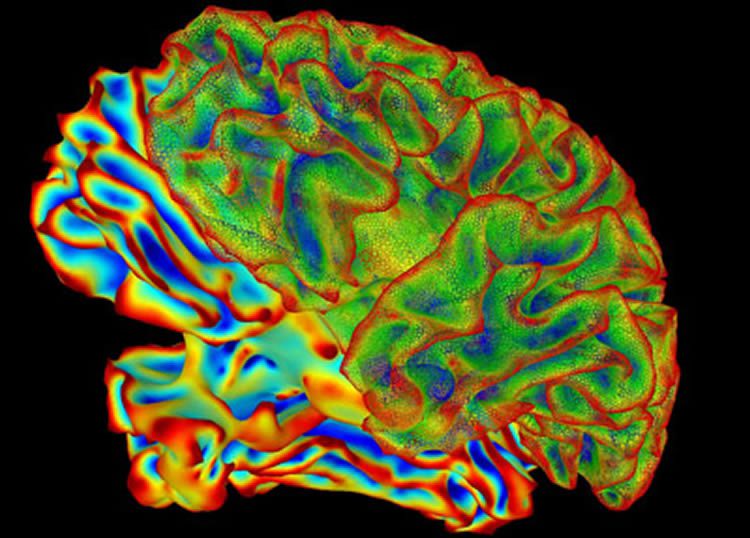
The researchers conducted an experiment using a brain-machine interface, a device that allows the brain to control a computer cursor using thought alone. By studying the brain’s activity, the researchers could see how the brain thinks an action should be performed. Image is adapted from the Carnegie Mellon University press release.

The researchers conducted an experiment using a brain-machine interface, a device that allows the brain to control a computer cursor using thought alone. By studying the brain’s activity, the researchers could see how the brain thinks an action should be performed. Image is adapted from the Carnegie Mellon University press release.

A study conducted at Carnegie Mellon University investigated the brain’s neural activity during learned behavior and found that the brain makes mistakes because it applies incorrect inner beliefs, or internal models, about how the world works.

People with post-traumatic stress disorder (PTSD) appear to have an imbalance between two of the brain’s signaling systems, a new study suggests.

A study, by researchers from the University of Glasgow’s Institute of Neuroscience and Psychology, has found that our inability to hold onto new memories is essential to the brain’s learning process.

Researchers have identified a Christmas spirit network in the brain – an area that they believe may play a role in the feelings of joy and nostalgia many of us feel during the holiday season.

Scientists have identified a key mechanism in the brain which might be associated with the onset and development of psychosis.

The decision to be generous or not arises from a specific process in the amygdala, a tiny structure deep in the brain long associated with emotions such as fear, according to a new study conducted by researchers at Yale and Duke universities.

Scientists have shed new light on the molecular basis of memory. Their study confirms that the formation of memories is accompanied by an altered activity of specific genes.

Finally this week, a pioneering study has found that the human brain has a dedicated set of nerve cells that respond only to the sound of music, which contradicts the widely accepted view that musical appreciation is merely “piggybacking” on the ability to hear other everyday sounds such as speech.
Weekly Neuroscience Update

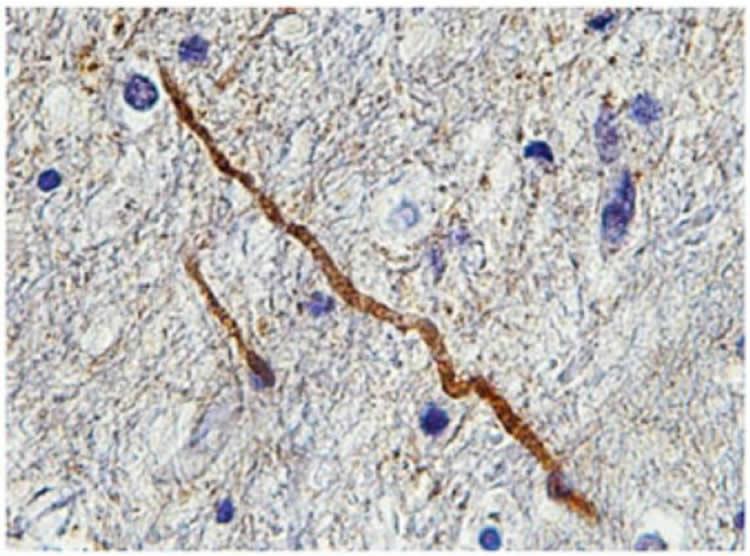
SNTF stained axons (brown) shortly after traumatic brain injury are pictured. The undulating course suggests damage to the internal skeleton, and the SNTF stain shows the high calcium concentration- activated enzymes that destroy the axon from the inside out. Credit: The laboratory of Douglas Smith, MD, Perelman School of Medicine, University of Pennsylvania.

SNTF stained axons (brown) shortly after traumatic brain injury are pictured. The undulating course suggests damage to the internal skeleton, and the SNTF stain shows the high calcium concentration- activated enzymes that destroy the axon from the inside out. Credit: The laboratory of Douglas Smith, MD, Perelman School of Medicine, University of Pennsylvania.

Physicians and others now recognize that seemingly mild, concussion-type head injuries lead to long-term cognitive impairments surprisingly often. A brain protein called SNTF, which rises in the blood after some concussions, signals the type of brain damage that is thought to be the source of these cognitive impairments, according to a new study.

About one third of people with depression have high levels of inflammation markers in their blood. New research indicates that persistent inflammation affects the brain in ways that are connected with stubborn symptoms of depression, such as anhedonia, the inability to experience pleasure.

Scientists have reported measurements of dopamine release with unprecedented temporal precision in the brains of people with Parkinson’s disease. The measurements, collected during brain surgery as the conscious patients played an investment game, demonstrate how rapid dopamine release encodes information crucial for human choice.

Scientists have uncovered a mechanism in the brain that could account for some of the neural degeneration and memory loss in people with Alzheimer’s disease.

Regardless of gender, young adults who have greater aerobic fitness also have greater volume of their entorhinal cortex, an area of the brain responsible for memory. Better aerobic fitness however does not appear to impact hippocampal volume, another area in the brain responsible for memory.

A new scientific model that incorporates the myriad drivers of depression could lead to more precise treatment for an illness that affects 350 million worldwide.

Finally this week, could staying physically active improve quality of life by delaying cognitive decline and prolonging an independent lifestyle? A new study has found that older adults who take more steps either by walking or jogging perform better on memory tasks than those who are more sedentary.


Weekly Neuroscience Update

Percentage of known neuron-, astrocyte- and oligodendrocyte-enriched genes in 32 modules, ordered by proportion of neuron-enriched gene membership. (credit: Michael Hawrylycz et al./Nature Neuroscience)

Percentage of known neuron-, astrocyte- and oligodendrocyte-enriched genes in 32 modules, ordered by proportion of neuron-enriched gene membership. (credit: Michael Hawrylycz et al./Nature Neuroscience)

Allen Institute researchers have identified a surprisingly small set of just 32 gene-expression patterns for all 20,000 genes across 132 functionally distinct human brain regions, and these patterns appear to be common to all individuals.

Evidence is mounting that gratitude makes a powerful impact on our bodies, including our immune and cardiovascular health. But how does gratitude work in the brain? A team at the University of Southern California has shed light on the neural nuts and bolts of gratitude in a new study, offering insights into the complexity of this social emotion and how it relates to other cognitive processes.

Subjective memory complaints (SMCs) are associated with cognitive impairment nearly two decades later among older women, a prospective study of aging has demonstrated.

Older adults that improved their fitness through a moderate intensity exercise program increased the thickness of their brain’s cortex, the outer layer of the brain that typically atrophies with Alzheimer’s disease, according to a new study. These effects were found in both healthy older adults and those diagnosed with mild cognitive impairment (MCI), an early stage of Alzheimer’s disease.

When it comes to the brain, “more is better” seems like an obvious assumption. But in the case of synapses, which are the connections between brain cells, too many or too few can both disrupt brain function. Research, recently published in the Journal of Neuroscience, reports  that an immune-system protein called MHCI, or major histocompatibility complex class I, moonlights in the nervous system to help regulate the number of synapses, which transmit chemical and electrical signals between neurons. MHCI could play an unexpected role in conditions such as Alzheimer’s disease, type II diabetes and autism.

Researchers have developed a simple technique to measure an individual’s visual processing speed–the speed at which an individual can comprehend visual information–in order to identify whether or not they may have cognitive issues.

Sleep is usually considered an all-or-nothing state: The brain is either entirely awake or entirely asleep. However, MIT neuroscientists have discovered a brain circuit that can trigger small regions of the brain to fall asleep or become less alert, while the rest of the brain remains awake.

Weekly Neuroscience Update

v

The brain’s immune cells are hyperactive in people who are at risk of developing schizophrenia, as well as during the earliest stages of the disease, according to a new study. The findings suggest that inflammatory processes play an important role in the development of the disease, and raise the possibility that it could be treated with drugs that block or reduce this cellular response.

A new study suggests that receiving rewards as you learn can help cement new facts and skills in your memory, particularly when combined with a daytime nap.

Protein deposits associated with dementia influence brain activity during sleep.

Hearing loss accelerates cognitive decline in elderly adults, but the use of hearing aids counters this acceleration. A new scientific longitudinal study shows that those who use hearing aids have about the same cognitive level as those with no hearing loss.

The brain cells of patients with bipolar disorder, characterized by severe swings between depression and elation, are more sensitive to stimuli than other people’s brain cells, researchers have discovered.

Neuroscientists have determined some of the specific characteristics of electrical stimuli that should be applied to the brain to produce different sensations in an artificial upper limb intended to restore natural motor control and sensation in amputees.

A research study has debunked the widely-held belief that the hippocampus, a crucial part of the brain that consolidates new memories and helps connect emotions to the senses, is larger in females than in males.

In order to retain a piece of information for a short time, working memory is required. The underlying processes are considerably more complex than hitherto assumed, as researchers report in the journal “Cell Reports”. Two brain states must alternate rhythmically in order for a piece of information to be successfully maintained.

A study led by Johns Hopkins Medicine researchers suggests that awakening several times throughout the night is more detrimental to people’s positive moods than getting the same shortened amount of sleep without interruption.

Early life stress is a major risk factor for later episodes of depression. Scientific research into this link has revealed that the increased risk following such childhood adversity is associated with sensitization of the brain circuits involved with processing threat and driving the stress response. More recently, research has begun to demonstrate that in parallel to this stress sensitization, there may also be diminished processing of reward in the brain and associated reductions in a person’s ability to experience positive emotions.


Weekly Neuroscience Update

twentyqs

Scientists have successfully completed what is believed to be the most complex human brain-to-brain communication experiment ever. It allowed two people located a mile apart to play a game of “20 Questions” using only their brainwaves, a nearly imperceptible flash of light, and an internet connection to communicate.

A new study reveals clues to how thoughts take shape.

University of Pennsylvania researchers have made another advance in understanding how the brain detects errors caused by unexpected sensory events. This type of error detection is what allows the brain to learn from its mistakes, which is critical for improving fine motor control.

A new study shows that music can improve the quality of sleep of adults with sleep disorders.

From “brain games” designed to enhance mental fitness, to games used to improve real-world problems, to games created purely to entertain, today’s video games can have a variety of potential impacts on the brain. A new article argues that it is the specific content, dynamics, and mechanics of individual games that determine their effects on the brain and that action video games might have particularly positive benefits.

Training people to be compassionate rather than empathic might help to solve problems such as depression, burnout and narcissism, according to researchers at the Max Planck Institute for Human Cognitive and Brain Sciences.

How does the brain determine which direction to let its thoughts fly? Looking for the mechanisms behind cognitive control of thought, researchers have used brain scans to shed new light on this question.

The risk of suffering a stroke is significantly reduced for up to two months after receiving a flu vaccine, a major new study has shown.

A new study sheds light on why people with schizophrenia misinterpret social cues in others, often leading to unpleasant paranoid and persecutory thoughts.

A malfunctioning enzyme may be a reason that binge drinking increases the odds of alcoholism, according to a study by scientists at the Stanford University School of Medicine.

A new study finds that the part of the brain responsible for seeing is more powerful than previously believed. In fact, the visual cortex can essentially make decisions just like the brain’s traditional “higher level” areas.

The brain’s wiring patterns can shed light on a person’s positive and negative traits, researchers report in Nature Neuroscience.

Combining MRI and other data helps machine-learning systems predict effects of neurodegenerative disease.

The way our brain responds to others’ good fortune is linked to how empathetic people report themselves to be, according to new research.

Finally this week, a team of researchers have discovered that images of brain activity scanned by using functional magnetic resonance imaging (fMRI) can act as a signature pattern to accurately identify certain individuals.

Weekly Neuroscience Update

Total correct score on the Eyes test for each individual is plotted as a dot, coloured according to group, to illustrate the distribution of performance by group. Mean score for each group is shown by a black dot, and the error bars indicate the 95% confidence interval of the mean score. Credit: Baron-Cohen et al./PLOS ONE.

Total correct score on the Eyes test for each individual is plotted as a dot, coloured according to group, to illustrate the distribution of performance by group. Mean score for each group is shown by a black dot, and the error bars indicate the 95% confidence interval of the mean score. Credit: Baron-Cohen et al./PLOS ONE.

New results published by researchers at the Autism Research Centre (ARC) show both men and women with autism show an extreme of the typical male pattern on the ‘Reading the Mind in the Eyes’ test.

Researchers at Mayo clinic completed analysis of a 4 year prospective study comparing detailed neurologic examination versus magnetic resonance imaging (MRI) of the brain to localize neurologic dysfunction. The findings, demonstrated MRI’s superior performance to the clinical exam.

Researchers at the University of Oslo have tested a new device for delivering hormone treatments for mental illness through the nose. This method was found to deliver medicine to the brain with few side effects.

Researchers have performed the first focused ultrasound treatments in the United States for dyskinesia associated with Parkinson’s disease.

A computer-based brain-training game could improve the daily lives of people with schizophrenia, say University of Cambridge researchers.

A gene linked in previous research, appears to predict more severe post-traumatic stress disorder (PTSD) symptoms as well as a thinner cortex in regions of the brain critical for regulating strong emotions and coping with stressful experiences. This study is believed to be the first to show that the spindle and kinetochore-associated complex subunit 2 (SKA2) gene may play a role in the development of PTSD.

Midday naps are associated with reduced blood pressure levels and prescription of fewer antihypertensive medications, according to new research.

A ‘gene signature’ that could be used to predict the onset of diseases, such as Alzheimer’s, years in advance has been developed in research published in the open access journal Genome Biology.

Weekly Neuroscience Update

Using a technique dubbed “brainbow,” the Virginia Tech Carilion Research Institute scientists tagged synaptic terminals with proteins that fluoresce different colors. The researchers thought one color, representing the single source of the many terminals, would dominate in the clusters. Instead, several different colors appeared together, intertwined but distinct. Credit: Virginia Tech.

Using a technique dubbed “brainbow,” the Virginia Tech Carilion Research Institute scientists tagged synaptic terminals with proteins that fluoresce different colors. The researchers thought one color, representing the single source of the many terminals, would dominate in the clusters. Instead, several different colors appeared together, intertwined but distinct. Image Credit: Virginia Tech.

Neuroscientists know that some connections in the brain are pruned through neural development. Function gives rise to structure, according to the textbooks. But scientists have discovered that the textbooks might be wrong. Their results were published this week in Cell Reports.

In 2011, MIT neuroscientist Rebecca Saxe and colleagues reported that in blind adults, brain regions normally dedicated to vision processing instead participate in language tasks such as speech and comprehension. Now, in a study of blind children, Saxe’s lab has found that this transformation occurs very early in life, before the age of 4. The study, appearing in the Journal of Neuroscience, suggests that the brains of young children are highly plastic, meaning that regions usually specialized for one task can adapt to new and very different roles. The findings also help to define the extent to which this type of remodeling is possible.

New research suggests individuals with autistic traits may have more advanced creativity skills than those without such traits.

Physically fit people tend to have larger brain volumes and more intact white matter than their less-fit peers. Now a new study reveals that older adults who regularly engage in moderate to vigorous physical activity have more variable brain activity at rest than those who don’t. This variability is associated with better cognitive performance, researchers say.

Young adults diagnosed with attention deficit/hyperactivity disorder (ADHD) in adolescence show differences in brain structure and perform poorly in memory tests compared to their peers, according to new research from the University of Cambridge, UK, and the University of Oulu, Finland.

People who will develop dementia may begin to lose awareness of their memory problems two to three years before the actual onset of the disease, according to a new study published in the online issue of Neurology. The study also found that several dementia-related brain changes, or pathologies, are associated with the decline in memory awareness.

People with Alzheimer’s disease have fat deposits in the brain. For the first time researchers have discovered accumulations of fat droplets in the brain of patients who died from the disease and have identified the nature of the fat.

Finally this week, a computer analyzing speech has correctly identified five individuals who would later experience a psychotic episode against 29 who would not among a group of high-risk patients in a proof-of-principle study. The findings raise the prospect of a clinical tool to aid the diagnosis and prognosis of severe mental disorders such as schizophrenia.


Weekly Neuroscience Update

The link between vision problems and schizophrenia is well established, with as many as 62 percent of adult patients with schizophrenia experience visual distortions involving form, motion, or color. Image is for illustrative purposes only. Credit: University of Bristol.

The link between vision problems and schizophrenia is well established, with as many as 62 percent of adult patients with schizophrenia experience visual distortions involving form, motion, or color. Image is for illustrative purposes only. Credit: University of Bristol.

New research has identified the mechanisms that trigger disruption in the brain’s communication channels linked to symptoms in psychiatric disorders including schizophrenia. The study, published in the Proceedings of National Academy of Sciences, could have important implications for treating symptoms of brain disorders.

Genetic analysis of human patients has shown that mutations in genes involved in synaptic communication can drive neuropsychiatric and neurological diseases such as autism spectrum disorder and Alzheimer’s disease.

Researchers have discovered a way to predict human emotions based on brain activity.

Working 55 hours or more per week is linked to a 33% greater risk of stroke compared with working a standard 35 to 40 hour week, according to the largest study in this field so far,  published in The Lancet.

The permanence of memories has long thought to be mediated solely by the production of new proteins. However, new research has shown that the electrical activity of the brain may be a more primary factor in memory solidification.

The hippocampus in the brain’s temporal lobe is responsible for more than just long-term memory. Researchers have for the first time demonstrated that it is also involved in quick and successful conflict resolution

A brief period of postnatal visual deprivation, when early in life, drives a rewiring of the brain areas involved in visual processing, even if the visual restoration is completed well before the baby reaches one year of age, researchers revealed in Current Biology.

New research published in the British Journal of Psychiatry suggests that serious disorders of mood such as bipolar disorder may be the price that human beings have had to pay for more adaptive traits such as intelligence, creativity and verbal proficiency.

Finally this week, people with psychopathic characteristics are less likely to be affected by “contagious yawning” than those who are empathetic, according to a Baylor University psychology study.

Weekly Neuroscience Update

math-model-memory

Human memory is the result of different mental processes, such as learning, remembering and forgetting. However, these distinct processes cannot be observed directly. Researchers have now succeeded at describing them using computational models. The scientists were thus for the first time able to identify gene sets responsible for steering specific memory processes. Their results have been published in the current issue of the journal PNAS.

A new study has demonstrated how stress can influence regions of the brain involved with self-control.

A groundbreaking new study has found for the first time that emotions are not only the product of the processing of information by the brain, but that they also directly influence processes of learning and memory in the brain.

A new study suggests that your fat tissue can send mixed signals to your brain when stress strikes.

The brains of people with epilepsy appear to react to music differently from the brains of those who do not have the disorder, a finding that could lead to new therapies to prevent seizures, according to research presented at the American Psychological Association’s 123rd Annual Convention.

Researchers have discovered a way to predict human emotions based on brain activity.

Recent research published in the journal Microsystems & Nanoengineering could eventually change the way people living with prosthetics and spinal cord injury lead their lives.

A growing body of research suggests a link between kidney impairment and brain disorders.

A new study may have unlocked understanding of a mysterious part of the brain — with implications for neurodegenerative conditions such as Alzheimer’s. The results, published in Translational Vision Science & Technology (TVST), open up new areas of research in the pursuit of neuroprotective therapies.

Children who suffer an injury to the brain — even a minor one — are more likely to experience attention issues.

New research has identified a novel learning and memory brain network that processes incoming information based on whether it’s something we’ve experienced previously or is deemed to be altogether new and unknown, helping us recognize, for instance, whether the face before us is that of a familiar friend or a complete stranger.

Finally, this week, A new study sheds light on what motivates people to trust. 


Weekly Neuroscience Update

The stage when a brain is actively engaged in a new experience can be described as “online” activity. On the flip side of this neurological process, “offline” activity, or neural replay, is the process by which the brain rehearses what has been learned in order to strengthen the most important memories. The image is for illustrative purposes only. Image credit: NIH.

The stage when a brain is actively engaged in a new experience can be described as “online” activity. On the flip side of this neurological process, “offline” activity, or neural replay, is the process by which the brain rehearses what has been learned in order to strengthen the most important memories. The image is for illustrative purposes only. Image credit: NIH.

The permanence of memories has long thought to be mediated solely by the production of new proteins. However, new research has shown that the electrical activity of the brain may be a more primary factor in memory solidification.

Sleeping not only protects memories from being forgotten, it also makes them easier to access, according to new research. The findings suggest  that after sleep we are more likely to recall facts which we could not remember while still awake.

The tendency of more intelligent people to live longer has been shown, for the first time, to be mainly down to their genes by new research published in the International Journal of Epidemiology.

Dogs have a specialized region in their brains for processing faces, a new study finds.

The first ever genetic analysis of people with extremely high intelligence has revealed small but important genetic differences between some of the brightest people in the United States and the general population.

A new study, published in the Journal of the American Medical Association Neurology, found a strong association between insulin resistance and memory function decline, increasing the risk for Alzheimer’s disease. Insulin resistance is common in people who are obese, pre-diabetic or have Type 2 diabetes.

New brain research has mapped a key trouble spot likely to contribute to intellectual disability in Down syndrome.

Fundamental differences between how the brain forms during adolescence have been discovered in children with schizophrenia and their siblings, a new study shows. The study opens up new avenues for researchers to explore when developing treatment for the illness, which can be hugely debilitating for children.