Weekly Neuroscience Update

cochlear-stereo-hearing-neurosciencenews.jpg

Image credited to Ruth Litovsky (via NeuroscienceNews.com)

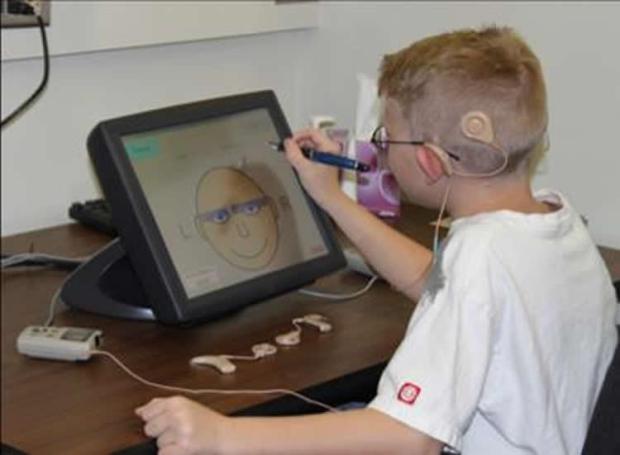
A new technique synchronizes cochlear signals in those with implants, stimulating the brain in a way that is similar to hearing people. This can allow those with cochlear implants to hear in stereo.

According to a new study, melatonin works by suppressing neurons that keep you awake and alert. The findings could pave the way for new treatments for insomnia.

When viewing OCD related images, those with the disorder had increased distress and higher levels of activity in emotion-related brain regions than their siblings who did not suffer from OCD, researchers report.

Magnetic resonance imaging can be used to detect the development of psychosis in the brains of high-risk patients at an early stage, according to a new study. 

Researchers have identified the mechanisms behind how noise-induced hearing loss occurs and have shown a simple injection to the middle ear may help to preserve hearing following exposure to loud blast noises.

A new article looks at theories of consciousness and novel research aimed at providing a better understanding of the roots of consciousness.

Sleep is known to be important for creative thinking, but exactly how it helps and what role each sleep stage–REM and non-REM–plays remains unclear. A team of researchers has now developed a hypothesis to explain how the interleaving of REM and non-REM sleep might facilitate creative problem-solving in different but complementary ways.

A study of Parkinson’s patients reveals neural activity alternates between the right and left sides of the brain as we walk.

A new study has linked the APOE4 gene to mental health issues some people face following TBI. Researchers report people with the APOE4 gene had significantly higher scores for depression, PTSD and anxiety following TBI than those without the genetic variant.

Finally this week, a group of researchers has uncovered a new way of telling how well people are learning English: tracking their eyes.

A new study reports people who have a family history of alcohol use disorder release more dopamine in the ventral striatum as a response to the expectation of receiving an alcoholic drink than those without a family history of alcoholism

A new study reveals children who are either overweight or obese during the first two years of life may have problems with memory and learning at the age of 5. Researchers say IQ scored may be lower for higher weight children.

A new study reveals older adults with greater symptoms of depression have a smaller brain volume and a 55% greater chance of vascular lesions in the brain than those who do not have depression.

Researchers report the critical period of language learning may be longer than previously believed. A new study reveals children remain skilled at learning new languages until age 18.

Research has shown that a developing child’s brain structure and function can be adversely affected when the child is raised in an environment lacking adequate education, nutrition and access to health care.

Scientists have uncovered dozens of genes that increase the risk of depression — a major finding that underscores the complexity of the disease and reveals why antidepressant therapies work well for some people but are utterly ineffective for others.

A new study reports Alzheimer’s disease does not appear to affect the salience network. Researchers found, when listening to music, the salience network along with other networks, show higher functional connectivity in Alzheimer’s patients.

Neuroscientists at the University of California-Berkeley are developing a technique that could give us the ability to fool our brain into thinking that we’d experienced something that never happened by manipulating electrical activity in the brain.


Weekly Neuroscience Update

man-3337573_960_720.jpg

A new study reports people who sit down too much during middle to older age show signs of thinning in the medial temporal cortex, an area of the brain associated with the formation of new memories.

Researchers explore the neuroscience behind binge eating and the triggers that might make us reach for comfort foods.

According to a new study, children with executive function deficits were more likely to show physical and reactive aggression later in life. Researchers suggest helping children to improve executive function could help to reduce aggression levels.

Olfactory system neurons appear to play a role in the connection between rhythmic breathing and emotional regulation, researchers report.

Researchers report newly identified risk factors differ from currently known genetic causes of autism. The variants identified do not alter the genes directly, but disrupt the neighboring DNA control elements that turn genes on or off. Additionally, the variants do not occur as new mutations in autistic children, but are inherited from parents.

A new study reveals we quickly process opinions we agree with as facts, even if the opinion is non-factual.

New research implicates the hippocampus in conceptual memory formation. The study reveals activity within the hippocampus and ventromedial prefrontal cortex is consistent with the retrieval of new concepts.

Researchers report the later a women enters into natural menopause, the better, on average, her verbal memory is later in life.

A new study adds to growing evidence that early exposure to pollution can increase both suicide risks in younger people and Alzheimer’s disease as people age.

Finally this week, new research reveals specific parts of the hippocampus may play a key role in emotional regulation.


Weekly Neuroscience Update

real-time-neuron-interaction-neurosciencenws.jpg

An astrocyte (green) interacts with a synapse (red), producing an optical signal (yellow). NeuroscienceNews.com image is credited to UCLA/Khakh lab.

Researchers have developed a new method that allows them to see how astrocytes influence neural communication in real time.

The chronic neurodegenerative Parkinson’s disease affects an increasing number of people. However, scientists still do not know why some people develop Parkinson’s disease. Now researchers have taken an important step towards a better understanding of the disease.

Researchers have published a new research framework that defines Alzheimer’s disease by brain changes, not symptoms.

The risk of dementia, including Alzheimer’s, was significantly higher in people who had experienced a traumatic brain injury (TBI) than with people who had no history of TBI, according to one of the largest studies to date on that association.

A new voice manipulation algorithm allows researchers to visualize the neural codes people use to judge others by the tone of their voices.

UCLA researchers have developed a way to use brain scans and machine learning — a form of artificial intelligence — to predict whether people with OCD will benefit from cognitive behavior therapy. The technique could help improve the overall success rate of cognitive behavioral therapy, and it could enable therapists to tailor treatment to each patient.

Researchers report synchrony of brain waves within three regions of the brain can ‘break down’ when visual working memory load becomes too extensive to handle.

A new study reveals our brains process weak visual stimuli better in the evenings and mornings than during daylight hours. Researchers say the transition from light to dark has greater influence on visual perception than previously believed.

A new neuroimaging study reveals babies with Fragile X syndrome have less developed white matter in the brain compared to children without the condition.

Finally this week, a new study builds on previous findings that demonstrate EEG recordings of the rostral anterior cingulate cortex can predict eventual response to treatments for depression.

Weekly Neuroscience Update


loopster-3010073_960_720.jpg

A new guideline for medical practitioners says they should recommend twice-weekly exercise to people with mild cognitive impairment to improve memory and thinking.

Researchers reveal Parkinson’s patients have more copies of mitochondrial DNA in the brain stem, leading to increased cell death within that area.

Musical training may enhance the ability to process speech in noisy settings, a new study shows.

A new study reveals the piriform cortex is able to archive long term memory, but requires instruction from the orbiotfrontal cortex to indicate the event is to be stored as a long-term memory.

Greater muscle strength is associated with better cognitive function in ageing men and women, according to a new Finnish study

Researchers have discovered a new biomarker that can help diagnose Huntington’s disease. They note the findings could result in the development of treatments to postpone neuron death in those who carry the Huntington’s gene mutation, but who do not currently show symptoms of the disease.

A new study reveals the superior temporal gyrus appears to be critical for voice recognition.

Researchers have identified several new genes responsible for Alzheimer’s disease (AD) including those leading to functional and structural changes in the brain and elevated levels of AD proteins in cerebrospinal fluid (CSF).

Finally this week, a new study adds to evidence that current clinical tools can fail to capture autism presentations in females.


Weekly Neuroscience Update


smellsensiti.jpg

Credit: Herz et. al./Brown University

new study provides the first direct evidence that within each person, smell sensitivity varies over the course of each day. The pattern, according to the data, tracks with the body’s internal day-night cycle, or circadian rhythm.

Researchers have revealed the neural signatures for explicit and implicit learning.

Neuroscientists have discovered precisely where and how to electrically stimulate the human brain to enhance people’s recollection of distinct memories. People with epilepsy who received low-current electrical pulses showed a significant improvement in their ability to recognize specific faces and ignore similar ones.

Adults likely do not develop ADHD, according to new research.

Researchers propose a new theory of memory formation, reporting memory storage does not rely on the strengthening of connection between memory cells, but on the pattern of connections that form within the first few minutes of an event.

A new Finnish study shows that individual circadian preference is associated with brain activity patterns during the night.

According to researchers, the size, shape and number of dendritic spines in the brain may determine whether a person develops Alzheimer’s disease.

Finally this week, migraine triggers can increase oxidative stress, a new study reports. Targeting oxidative stress may help to prevent migraines.


Weekly Neuroscience Update

forest-868715_960_720.jpgA neuroimaging study reveals city dwellers who live closer to forests were more likely to have healthier amygdala structure and were better able to deal with stressful situations.
New research has found that a specific combination of techniques will increase people’s chances of having lucid dreams, in which the dreamer is aware they’re dreaming while it’s still happening and can control the experience.

A new study reports women who are exposed to trauma and suffer post-traumatic stress are at an increased risk of developing Lupus.

When mental and physical tasks are put in direct competition, cognition tends to win out. Researchers suggest more energy is directed to the brain than the body, supporting the ‘selfish brain’ theory of evolution.

Researchers have revealed the neural signatures for explicit and implicit learning.

A delayed neurological response to processing the written word could be an indicator that a patient with mild memory problems is at an increased risk of developing Alzheimer’s disease, research led by the University of Birmingham has discovered.

A new study reveals MRI brain scans can help identify neurological changes associated with multiple sclerosis before symptoms appear in children.

Researchers have shown for the first time a comprehensive picture of cell diversity in the amygdala, a vital brain region involved in the regulation of emotions and social behavior, as well as in autism spectrum disorders, depression and other mental disorders. As part of the study, the team also reported on a new method for systematically linking the distinct types of brain cells to specific behavioral functions.

Using three different training models, researchers report mental training, mindfulness and meditation can induce structural brain plasticity and reduce social stress.

Most cases of autism appear to be associated with the appearance of new mutations that are not inherited from the child’s parents, researchers from the University of Washington School of Medicine report.

A new brain-imaging study published in The American Journal of Psychiatry suggests scientists may be able to predict how likely children are to develop depression. 

Researchers have developed a new assessment model that breaks emotional regulation into three different elements. The MAS assessment will provide clinicians a new way in which to diagnose mood and mental health disorders.

A new study reports transcranial magnetic stimulation of the prefrontal cortex improves a person’s ability to evaluate their performance during a working memory task.

Researchers at Salk Institute report astrocytes initiate communication between pairs of neurons during early development, inducing specific neural changes. Findings may have implications for neurodevelopmental disorders such as ASD and ADHD.

Researchers have discovered a cellular mechanism that may contribute to the breakdown of communication between neurons in Alzheimer’s disease.


Weekly Neuroscience Update


bci-arm-control-neurosciencenews.jpg

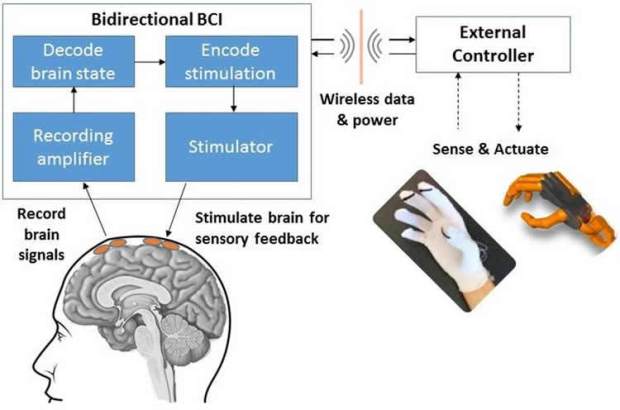
A bidirectional brain-computer interface (BBCI) can both record signals from the brain and send information back to the brain through stimulation. Credit: Center for Sensorimotor Neural Engineering (CSNE).


Researchers are investigating advances in brain-computer interface technologies and considering the implications of linking our brains up to technology.

A new study published in the online journal Radiology suggested that disconnections in the areas of the brain, which are involved in attention and visual processing might lead to visual hallucinations in patients with Parkinson’s disease.

Researchers present a new theory about dreaming, suggesting dreams may be an accidental byproduct of our waking cognitive abilities.

Scientists have long deemed the ability to recognize faces innate for people and other primates — something our brains just know how to do immediately from birth. However, the findings of a new Harvard Medical School study published Sept. 4 in the journal Nature Neuroscience cast doubt on this longstanding view.

Genetic processes that allow cells to transform so they can mend damaged nerves have been identified by scientists.

For the first time, researchers have been able to see changes in the neural structures in specific areas of the brains of people who suffered severe abuse as children.

A new study reveals molecular details of what happens when axons are damaged or completely severed.

A researcher has discovered the molecule that stores long-term memories — it’s called calcium/calmodulin dependent protein kinase (CaMKII).

Finally, this week, how well we are able to complete simple and complex tasks depends upon the organization of subnetworks in the brain, a new study reports.


Weekly Neuroscience Update

tandem-skydivers-603631_960_720.jpg

Our brain’s changing structure, not simply getting older and wiser, most affects our attitudes to risk, according to new research.

A new study from Center for Music in the Brain (MIB) Aarhus University/The Royal Academy of Music, Denmark, published in Scientific Reports, shows that participants receiving oxytocin – a hormone known to promote social bonding – are more synchronized when finger-tapping together, than participants receiving placebo. This effect was observed when pairs of participants, placed in separate rooms tapped together in a leader/follower relationship.

Researchers have identified a population of neurons that appear to be responsible for muscle paralysis during REM sleep.

A team of scientists has mapped out how our brains process visuals we don’t even know we’ve seen, indicating that the neuronal encoding and maintenance of subliminal images is more substantial than previously thought.

Mutations of the GBA gene, a known risk factor for Parkinson’s disease, appear to also influence the development of cognitive decline, a new study reports.

Women and men look at faces and absorb visual information in different ways, which suggests there is a gender difference in understanding visual cues, according to a team of scientists.

A new neuroimaging study finds iron is distributed in an unusual way in the brains of people with Parkinson’s disease.

Scientists have discovered for the first time that the rhythm of breathing creates electrical activity in the human brain that enhances emotional judgements and memory recall.

A new study reveals sleep could be used as an early prevention strategy against PTSD.

Finally this week, researchers discover metaphors that involve body parts such as arms or legs, such as ‘twist my arm, engage a brain region responsible for the visual perception of those parts.


Weekly Neuroscience Update

taste.jpg

Researchers report the gustatory cortex relies on all the senses to anticipate taste.

A research group has identified an enzyme whose production is turned off in nerve cells of the frontal lobe when alcohol dependence develops. The deficiency in this enzyme leads to continued use of alcohol despite adverse consequences.

Scientists have identified a brain circuit that’s indispensable to the sleep-wake cycle.

Studying brain electrical activity of volunteers, researchers found that language acquisition enhances brain plasticity and capacity for learning. In particular, they note that early language learning plays a significant role in the rapid formation of memory circuits for coding new information.

A new study reports that relaxing flexed muscles in your foot can reduce the ability of your hands to respond to stimulation.

We all know that we can quickly lose cardiovascular endurance if we stop exercising for a few weeks, but what impact does the cessation of exercise have on our brains? New research examined cerebral blood flow in healthy, physically fit older adults (ages 50-80 years) before and after a 10-day period during which they stopped all exercise. Using MRI brain imaging techniques, they found a significant decrease in blood flow to several brain regions, including the hippocampus, after they stopped their exercise routines.

Brain cells grow faster in children with some forms of autism due to distinct changes in core cell signaling patterns, according to new research.

Researchers have identified a brain mechanism that could be a drug target to help prevent tolerance and addiction to opioid pain medication, such as morphine, according to a study by Georgia State University and Emory University. The findings, published in the Nature journal Neuropsychopharmacology in August, show for the first time that morphine tolerance is due to an inflammatory response produced in the brain. This brain inflammation is caused by the release of cytokines, chemical messengers in the body that trigger an immune response, similar to a viral infection.

A new study reports researchers discover a signaling pathway that enables cells to reach their destinations through repulsion.

To remember events in the order they occur, the brain’s neurons function in a coordinated way that is akin to a symphony, a team of New York University scientists has found. Their findings offer new insights into how we recall information and point to factors that may disrupt certain types of memories.

Researchers have mapped out a serotonin-driven anxiety circuit that may explain the side effects of anxiety and fear experienced by some patients taking SSRIs. 

A new study published in the journal Neuron, delves into the anatomy and function of the striatum by employing cutting-edge strategies to comprehensively map one of the brain’s lesser-known forms of organization.

Finally this week, a new paper looks at why some of us are extreme thrill seekers, and others don’t even enjoy a gentle roller coaster ride.


Weekly Neuroscience Update

desk-1148994_960_720

Getting some sleep in between study sessions may make it easier to recall what you studied and relearn what you’ve forgotten, even 6 months later, according to new findings.

Metabolic syndrome, a cluster of cardiometabolic conditions, may be a biological mechanism linking posttraumatic stress disorder (PTSD) to structural brain abnormalities, according to a new study in Biological Psychiatry. The findings highlight the need to develop effective interventions for PTSD to treat not only the symptoms associated with the disorder, but also potential ensuing metabolic and neurodegenerative consequences, which may be suggestive of premature aging.

A new study strengthens previous research that claims performing cognitive tasks later in life may reduce the risk of developing dementia.

Your brain activity differs depending on whether you’re working on a task, or at rest — and just how much that activity differs may be linked to how smart you are, a new study finds.

Researchers have developed a new, non-invasive technique that could be used to treat patients with consciousness disorders.

New research published in the New Journal of Physics tries to decompose the structural layers of the cortical network to different hierarchies enabling to identify the network’s nucleus, from which our consciousness could emerge.

A new neuroimaging study links alcohol cravings to the right ventral striatum.

According to researchers, age related changes in the organisation of neural networks when performing short term memory tasks may help to compensate for other aspects of brain ageing.

Researchers have identified a circuit that seems to be related to serotonin-driven anxiety.

A test of how sticky a protein molecule is could help diagnose the early stages of Parkinson’s disease, a study from the University of Edinburgh suggests.

Finally, this week a new study reports dogs have the ability to understand human speech intonation and vocabulary by using similar brain areas to humans.