Weekly Neuroscience Update

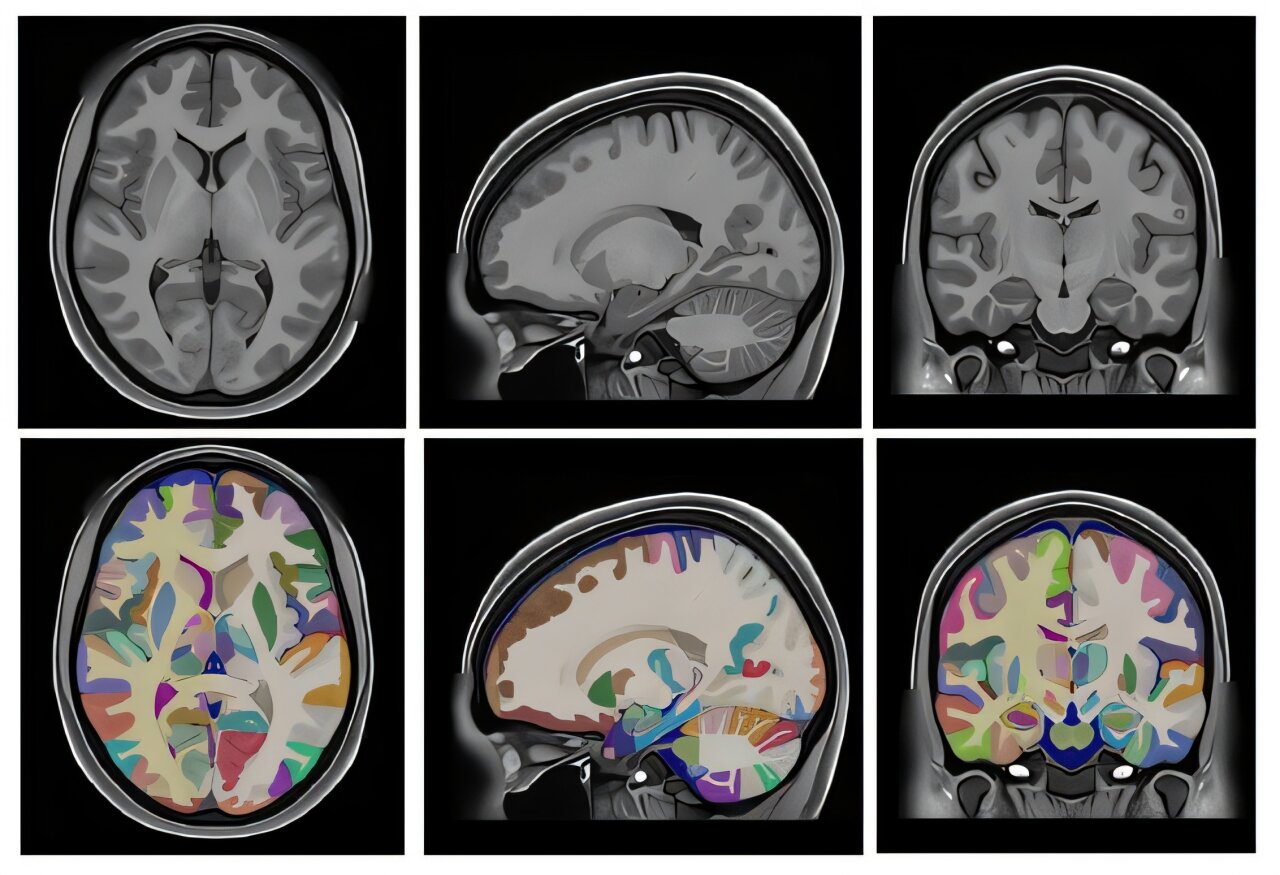
HoliAtlas Project Brain Images. Credit: Instituto de Aplicaciones de las Tecnologías de la Información y de las Comunicaciones Avanzadas (ITACA), Universitat Politècnica de València

An international team has developed one of the most comprehensive and detailed structural atlases of the human brain to date. Known as HoliAtlas, it will be particularly useful for the study and early diagnosis of neurological and neurodegenerative diseases, such as Alzheimer’s or Parkinson’s.

A large-scale study found that severe, hospital-treated infections are linked to an increased risk of dementia.

Scientists have uncovered a strategy that the brain uses for chemical signalling. In a new study, researchers found that in the striatum, a brain region central to learning and movement, one signalling system can seize control of another, promoting the coordinated release of both.

A meta-analysis has confirmed that exposure to nature—real, virtual, or imagined—reduces negative emotions and boosts brain health.

A massive study of over 2.2 million individuals has fundamentally redefined how we understand the genetics of addiction. The research reveals that most genetic risk for substance use disorders (SUD) isn’t about how the body reacts to a specific drug, but how the brain is “wired” for behavioural disinhibition.

A meta-analysis found no link between hormonal contraception and idiopathic intracranial hypertension (IIH), a serious condition marked by increased pressure around the brain, potentially causing chronic headaches and vision loss.

A machine-learning analysis of brain waves recorded during sleep may help identify people at high risk of developing dementia, according to a recent study. The study found that when a person’s “brain age,” estimated from sleep signals using EEG, exceeded their actual age, the risk of dementia increased.

A major study has found that treating ADHD with stimulant medication during childhood may actually lower the long-term risk of developing serious psychotic disorders, such as schizophrenia.

New research shows that the long-term neurological impact of childhood trauma is not permanently etched onto the brain. An analysis of brain communication patterns in individuals with childhood adversity indicates that lifetime physical activity can reshape neural connectivity, strengthening internal communication and optimizing stress response. The findings from the study in Biological Psychiatry: Cognitive Neuroscience and Neuroimaging highlight physical activity as a modifiable lifestyle factor linked to neurobiological adaptation.

An international team has completed a massive “blueprint” of the human neocortex, the brain’s outer layer responsible for high-level thinking, decision-making, and sensory processing.

A clinical decision support tool that uses artificial intelligence (AI) to analyze scans after a stroke alongside treatment recommendations is associated with better quality care and long-term outcomes for patients compared with usual care, finds a recent study published in The BMJ.

Can a stroke make part of your brain younger? New research using deep learning reveals that undamaged brain regions reorganise and show “youthful” structural patterns to compensate for severe stroke damage.

New research identifies a leaky blood-brain barrier as the primary link between repetitive head injuries and long-term cognitive decline in retired athletes. MRI scans compared with post-mortem tissue from athletes with Chronic Traumatic Encephalopathy reveal that this barrier remains compromised even years after retirement.

Scientists have identified a new genetic disease characterised by premature ageing and deficits in brain function.

Consciousness and its impairment from brain injuries are not well understood, making disorders of consciousness (DOC), like coma and vegetative states, challenging to treat. A new study published in Nature Neuroscience suggests that AI may help researchers tackle this issue. The research team developed an adversarial AI framework to better understand states of reduced consciousness and explore potential solutions.

Finally this week, new research shows that periodontal tissue status, peripheral immune response, and cognitive functions are closely interconnected.
Weekly Neuroscience Update

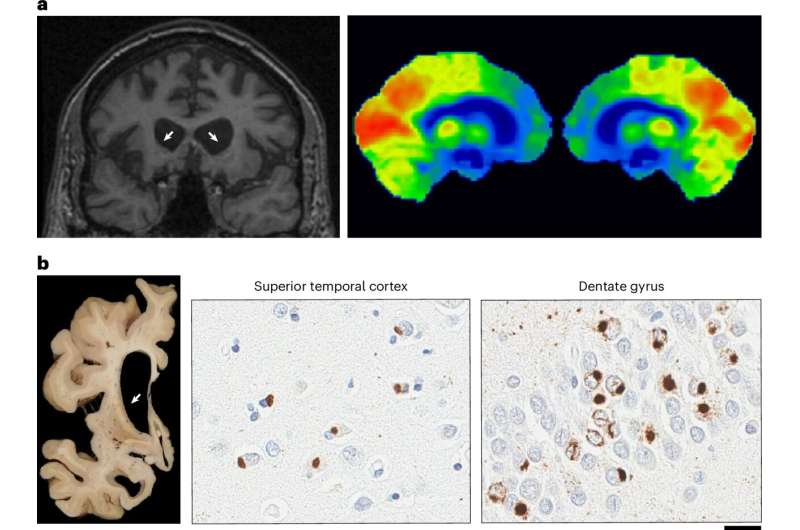
Credit: Nature Genetics (2026).

Researchers have identified a major genetic risk factor for a rare form of frontotemporal dementia. The discovery, published in Nature Genetics, provides a biological entry point for a disease subtype that has been difficult to study. It could not only help to improve diagnosis and patient stratification, but also opens up new avenues toward targeted treatments.

A new study suggests that merely engaging in physical activity isn’t sufficient; the structure of workouts, including session spacing and organization, may be more crucial for healthy brain aging than the total activity amount.

MIT neuroscientists have discovered how the brain focuses on a single voice amid many, addressing the “cocktail party problem.” This focus is crucial in crowded settings like cocktail parties, where multiple conversations occur. The brain can follow the voice of the person you’re talking to despite background noise. Using a computational model of the auditory system, the MIT team found that enhancing neural processing units that respond to specific voice features, like pitch, helps bring that voice to the forefront of attention.

Higher maternal physical activity is associated with early child neurodevelopment, according to a recent study.

The stress hormone cortisol disrupts the brain’s navigational system by impairing the function of grid cells essential for spatial orientation. Researchers from Ruhr University Bochum, Germany, verified this in an imaging study with 40 individuals who completed a virtual navigation experiment in an MRI scanner. Subjects who received cortisol prior to the experiment performed worse, with indistinct grid cell activity patterns.

The recreational drugs cannabis, cocaine and amphetamines significantly increase the risk of stroke—including among younger users—Cambridge researchers have concluded after analysing data from more than 100 million people.

Scientists have identified a coordinated “gene expression program” that drives neurotransmission in the living human brain by integrating real-time intracranial recordings from neurosurgical patients with molecular profiling. This study reveals specific genes associated with active signalling, offering new insights into human cognition and psychiatric disorders.

A single session of physical exercise can spawn a boost of neural activity in brain networks that underlie learning and memory, according to a new study.

A team of Spanish researchers investigated whether individuals with high psychopathic traits exhibit brain structure anomalies that prevent feelings of regret and contribute to manipulation and antisocial behaviour by interviewing men convicted of intimate partner violence and a control group, followed by brain scans. The results showed that men with thinner cortex in certain brain regions—particularly fronto-temporo-parietal areas—tended to display higher antisocial tendencies, regardless of their history of violence.

Scientists have identified seven specific types of hyperarousal, creating a new roadmap for treating the underlying tension of mental disorders.

Researchers conducted a study on the link between responses to SSRIs and SNRIs and brain connections. Their findings, published in Molecular Psychiatry, suggest that a specific link between the frontal lobe, a region in the brain’s outer layer involved in decision-making, and the amygdala, which is central to the processing of emotions, differs in patients that respond better to SSRIs and those who find SNRIs more beneficial.

New research reveals that our brain’s internal map of the world is updated by a 94% accurate prediction of our own eye movements.

Alzheimer’s research has faced criticism for its lack of diversity, with a primary focus on participants of European ancestry. A groundbreaking study has revealed significant variations in Alzheimer’s pathology, specifically tau protein tangles and amyloid plaques, among different racial and ethnic groups. This suggests the disease’s biological timeline varies across populations, indicating a need to adjust current diagnostic tools and future treatments for broader effectiveness.

A new study offers a single explanation for two major symptoms of schizophrenia.

New research has found no evidence that the transitional symptoms of menopause such as brain fog and memory problems have a lasting impact on cognitive performance. The research, published in npj Women’s Health, found that while brain fog is a real symptom commonly experienced by peri- and postmenopausal women, there is no evidence that it has an ongoing impact on a person’s cognitive abilities.

The largest-ever Parkinson’s study shows how symptoms differ between men and women.

A recent study published in NeuroImage reveals that neuroticism is linked to altered communication between different brain networks rather than isolated brain activity. Researchers discovered that people with higher levels of this personality trait show increased connectivity between brain regions responsible for processing emotions, regulating memory, and detecting threats. These findings suggest that emotional instability arises from how the brain’s emotional hubs synchronize with other areas.

New research indicates that storytelling may be linked to the evolution of human memory and could enhance everyday retention.

Having type 1 diabetes is linked to a higher risk of dementia, according to a recent study published in Neurology. Type 2 diabetes also carries a higher risk compared to those without diabetes. However, this study shows an association and does not prove that diabetes causes dementia. Type 1 diabetes is rare, representing about 5% of diabetes cases.

Finally, new research shows that harmonically consonant musical chord progressions during face-to-face interactions enhance brain circuits linked to social connection and emotional processing.

Weekly Neuroscience Update

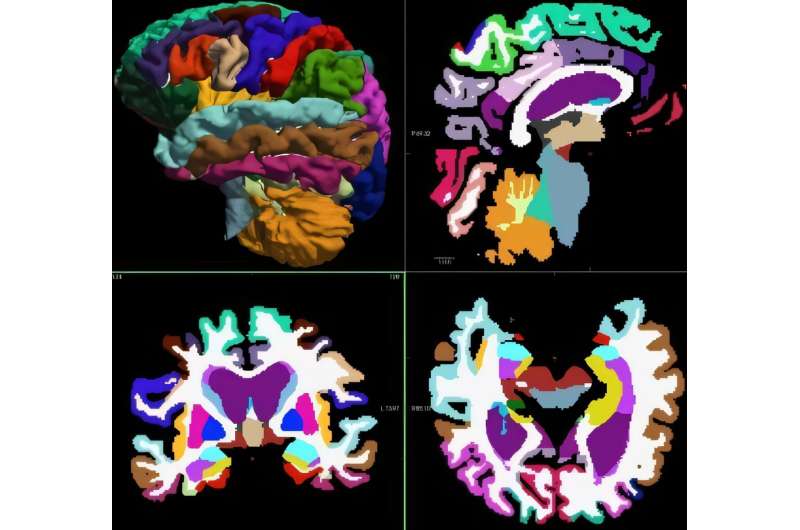
Segmented and labelled images of a normal brain. Credit: Worcester Polytechnic Institute

Researchers utilised AI to examine anatomical brain changes, achieving a 93% accuracy in predicting Alzheimer’s disease. Their findings indicate that these changes, including brain volume loss, vary by age and sex.

Lithium—a decades-old treatment for bipolar disorder—may hold potential neuroprotective benefits beyond mood stabilisation. An exploratory clinical trial suggests that low-dose oral lithium may help slow the decline of verbal memory, or ability to remember and recall words and sentences, in older adults with mild cognitive impairment, particularly among those with evidence of amyloid beta—one of the hallmark biomarkers of Alzheimer’s disease.

Scientists have discovered new diagnostic markers for multiple sclerosis (MS), a disease that affects 3 million people worldwide.

A study published in Nature Communications, has identified specific DNA-level changes in the brains of people with Alzheimer’s disease (AD). Using advanced biological analysis, the team mapped alterations in the brain’s regulatory landscape that may help explain why Alzheimer’s presents and progresses differently from person to person. The findings could also open new avenues for understanding other neurodegenerative diseases.

Researchers have demonstrated through Magnetoencephalography (MEG) that memories can be reactivated in the brain without reaching conscious awareness, indicating these memories persist even when believed forgotten.

Could the deepest parts of the brain hold some of the secrets of sleep that still remain elusive to science? An in-depth study that penetrates into the brain, finding that during the deepest sleep, breathing patterns and brain activity become more independent of one another—unlike in lighter sleep or quiet wakefulness.

New research objectively quantifies multisensory losses in patients with COVID-19. The study, published in BMC Medicine, follows long COVID patients reporting issues in smell, taste, balance, hearing, and brain fog.

Researchers may have found a reason why young adults with autism are about six times more likely to get Parkinson’s disease as they age. Some young adults with autism have issues with dopamine transporters—small molecules in the brain that recycle dopamine—on brain scans usually used to diagnose older adults with Parkinson’s disease.

Why do people with compulsive traits—seen in OCD, addiction, and eating disorders—rely on repetitive habits? A recent study reveals it’s not due to an inability to plan for the future, but rather a paralysis by uncertainty.

A meta-analysis of over 900 scientific papers has mapped the “immune signatures” that determine if our brains recover or decline post-infection. The study reveals that the immune response creates a chemical environment in the brain that can either protect or harm our memory, attention, and processing speed.

Finally, this week, a team of researchers has developed a technology capable of enabling early diagnosis of major neurological disorders, including epilepsy, Parkinson’s disease, and schizophrenia, using only a small amount of saliva.

Weekly Neuroscience Update

Credit: Molecular and Cellular Biochemistry (2025)

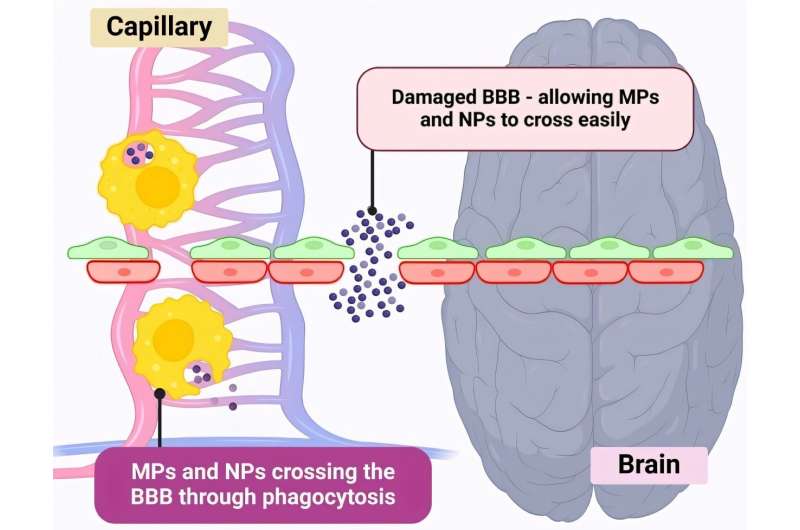
A new review highlights five major ways microplastics can harm the brain, raising concerns that they may worsen neurodegenerative diseases like Alzheimer’s and Parkinson’s. These tiny particles can trigger inflammation, disrupt the blood–brain barrier, generate oxidative stress, impair mitochondria, and damage neurons.

Researchers have mapped how brain networks differ in individuals at Clinical High Risk (CHR) for psychosis, providing a new perspective on the mechanisms underlying the disease onset.

A new study found that variations in the brain’s insulin receptor network affect how women respond to early-life adversity. This effect has a lesser impact in men, suggesting there is a sex-specific process at play.

Dopamine neurons—the cells that drive reward and motivation while we’re awake—become surprisingly active during nonrapid eye movement sleep right after we learn something new.

The human brain processes spoken language in a step-by-step sequence that closely matches how large language models transform text. Using electrocorticography recordings from people listening to a podcast, researchers found that early brain responses aligned with early AI layers, while deeper layers corresponded to later neural activity in regions such as Broca’s area.

In a new leap for neurobiology and bioelectronics, scientists have developed a wireless device that uses light to send information directly to the brain—bypassing the body’s natural sensory pathways.

Young children exposed to unusually high temperatures are less likely to reach basic developmental milestones in literacy and numeracy. Analyzing data from over 19,000 children across multiple countries, the study found that average maximum temperatures above 86 °F were associated with measurable declines in early learning outcomes.

new study shows that dance can be beneficial in halting the cognitive decline associated with Parkinson’s disease and, for some participants, they even showed signs of improvement.

A research team has developed a new AI foundation model that creatively solved the problem of the “label data shortage,” regarded as the biggest challenge in deep learning-based brain signal analysis. This technology is designed to self-learn brain signals and is gaining attention for its ability to deliver high accuracy with very small amounts of labels.

Semaglutide medications like Ozempic and Wegovy can help lower the risk of heart and metabolic diseases in people with schizophrenia spectrum disorders, according to a new study.

A newly discovered biological signal in the blood could help health care teams and researchers better understand how children respond to brain injuries at the cellular level, according to research in the Journal of Neurotrauma.

Neuroscientists have developed a first-of-its-kind method to rapidly produce synchronized, human brain wave-like activity in lab-grown neural networks that can communicate over long distances. 

A new analysis shows that anti-inflammatory medications may help reduce symptoms for a subset of people with depression who also have chronic, low-grade inflammation. By reviewing randomized controlled trials that specifically enrolled individuals with elevated inflammatory markers, researchers found that anti-inflammatory treatments significantly reduced both overall depressive symptoms and anhedonia.

An international study has found that wearable technology could help detect Parkinson’s disease (PD) up to nine years before clinical diagnosis simply by monitoring how people turn when they walk.

Researchers have identified a distinct immuno-inflammatory biomarker across major psychiatric disorders that can be detected using noninvasive brain imaging. Patients exhibiting this brain signature showed systemic inflammation and poorer response to standard treatments.

A preliminary study of people with diabetes suggests that use of glucose-lowering GLP-1 drugs may be linked to a lower risk of developing epilepsy.

A new study proposes that autism arises when genetic vulnerability, an early environmental trigger, and prolonged activation of the cellular stress response align during critical developmental windows. This “three-hit” metabolic model reframes autism as a disorder of disrupted cellular communication and energy metabolism rather than an inevitable genetic outcome.

Finally this week, researchers have discovered how a neural circuit drives relapse after opioid use, a finding that could lead to more effective treatments for opioid use disorders.

Weekly Neuroscience Update

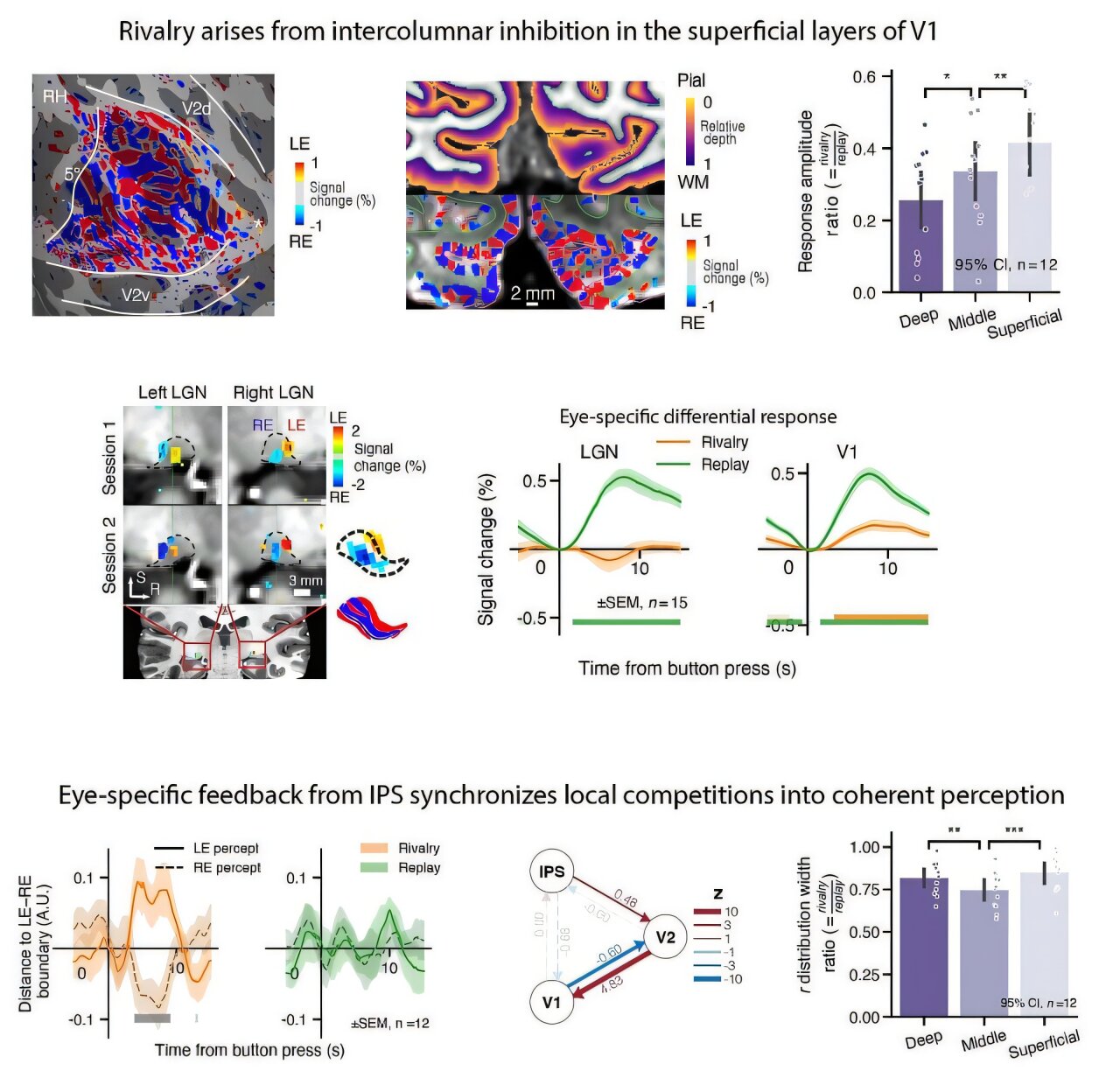
Mesoscale neural mechanisms of binocular rivalry in humans. Credit: Zhang Peng’s group

A research group has revealed how the human brain resolves perceptual conflicts and generates conscious perception through local inhibition in the sensory cortex and feedback integration from the parietal cortex.

A new clinical trial shows that deep brain stimulation (DBS) improved symptoms in half of adults with treatment-resistant depression, with one-third reaching remission.

A large-scale analysis of nearly 1,900 children found that those with a family history of substance use disorder show early differences in how their brains transition between activity states, long before any drug exposure. Girls with a family history showed increased transition energy in introspective networks, suggesting greater difficulty shifting out of internal, stress-linked states.

New research shows that spontaneous eye blinks naturally sync to the beat of music, revealing a hidden form of auditory-motor synchronisation that occurs even without conscious movement.

An extensive, two-year study of nearly 12,000 children found that higher screen time at ages 9–10 predicts an increase in ADHD symptoms, independent of a child’s starting symptom level. Brain imaging revealed that heavy screen use is associated with smaller cortical volume and disrupted development in regions critical for attention, cognition, and reward processing.

Researchers have identified five major phases of human brain wiring that unfold from birth to old age, marked by four major turning points at ages 9, 32, 66, and 83.

A new study shows that when two people work together toward a shared goal, their brains begin to process information in increasingly similar ways. Using EEG recordings, researchers found that while all participants showed similar early responses to visual patterns, only collaborating pairs developed sustained neural alignment linked to the rules they agreed upon.

A large analysis of more than 11 million medical records found that people with untreated obstructive sleep apnea face a substantially higher risk of developing Parkinson’s disease over time.

New research has revealed that Parkinson’s disease causes significant and progressive changes to blood vessels in the brain, changing our understanding of the disease which may lead to new treatment methods.

Diesel exhaust particles disrupt the function of the brain’s immune cells, a new study shows.

Researchers have developed a “virtual clinical trial” exploring a unique pharmacological treatment in patients who do not fully regain consciousness after a coma. The proposed treatment involves employing psychedelic drugs, such as psilocybin and lysergic acid diethylamide (LSD) that have intense, consciousness-altering effects in healthy volunteers.

A new meta-analysis shows that lithium supplementation does not significantly slow cognitive decline in people with mild cognitive impairment or Alzheimer’s disease.

New research shows that young adults with obesity already display biological patterns associated with liver stress, chronic inflammation, and early neural injury—changes typically seen in older adults with cognitive impairment. Participants with obesity also had unusually low blood choline levels, a nutrient critical for liver function, inflammation control, and long-term brain health.

A new study demonstrates that an AI assistant can conduct psychiatric assessment interviews with greater diagnostic accuracy than widely used mental health rating scales.

New brain imaging research shows that structural damage in schizophrenia spectrum disorders may begin in specific “epicenter” regions before spreading across connected brain networks. Individuals with the condition showed widespread reductions in structural similarity between key cognitive and emotional brain regions.

Finally, this week, researchers are exploring whether a person’s genetic risk for depression can help predict how multiple sclerosis (MS) progresses.

Weekly Neuroscience Update

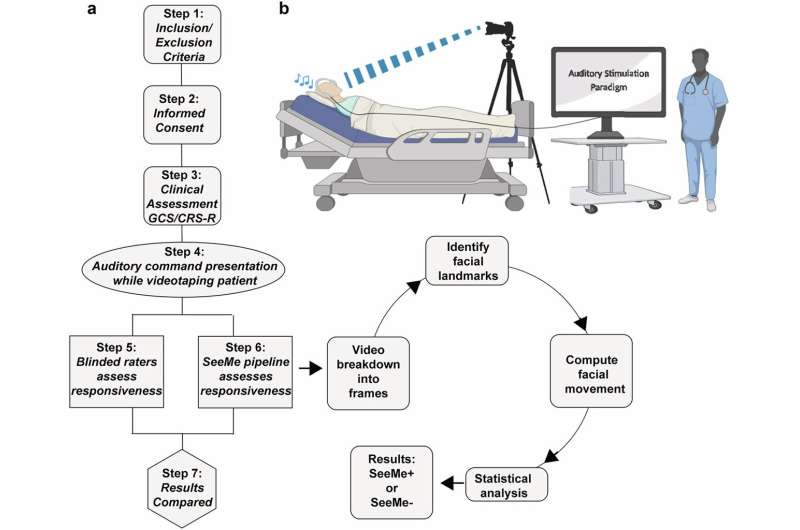
The study design and data processing pipeline for SeeMe. Credit: Communications Medicine (2025).

SeeMe, a computer vision tool, was able to detect low-amplitude, voluntary facial movements in comatose patients with acute brain injury days before clinicians could identify overt responses.

A new neuroimaging study reveals that child neglect alone, without other forms of abuse, can alter critical brain pathways. Researchers found abnormalities in white matter regions tied to movement, attention, language, and emotional regulation.

Scientists have identified a distinct neurochemical signature that distinguishes Parkinson’s disease from essential tremor.

A team of researchers has developed a simple, three-minute brainwave test called Fastball EEG that can detect early signs of memory impairment associated with Alzheimer’s disease. Unlike traditional memory tests, it is passive and requires no active participation, making it more objective and accessible.

A large-scale study with 600 participants shows that music can genuinely evoke feelings of companionship by sparking social imagination.

A toxic protein forms dynamic pores in the membranes of brain cells—and that may be the key to understanding how Parkinson’s disease develops. This is the conclusion of a new study from Aarhus University, where researchers have developed an advanced method to track molecular attacks in real time.

A hormone produced by the brain, orexin, may play a central role in the functioning of the brain’s glymphatic system, which clears waste, according to a new study.

Researchers at Johns Hopkins Medicine say they have revealed a possible molecular connection between air pollution and an increased risk of developing Lewy body dementia. The findings contribute to a growing body of evidence suggesting that environmental factors may trigger harmful protein changes in the brain, leading to neurodegeneration.

A new treatment offers hope to end the pain of neuropathy.

Two new papers from Clinical Gastroenterology and Hepatology and Gastroenterology shed light on how gut-brain interactions, influenced by both biology and life circumstances, shape eating behaviors. Together, they highlight the importance of multidisciplinary, personalized approaches to digestive health and nutrition.

Neuroscientsts have shown for the first time the precise timing of nerve signals determines how the brain processes information.

A new large-scale study shows that Alzheimer’s disease is marked by the erosion of epigenomic control, where brain cells lose the ability to maintain stable gene expression. Using a multi-region atlas of 3.5 million cells, researchers found that vulnerable cells in key memory regions such as the hippocampus suffer breakdowns in nuclear compartmentalization and lose their “epigenomic information.”

Individuals with an increased risk of dementia due to Alzheimer’s disease may have impaired spatial orientation skills.

UCLA engineers have developed a wearable, noninvasive brain-computer interface system that utilizes artificial intelligence as a co-pilot to help infer user intent and complete tasks by moving a robotic arm or a computer cursor.

Macquarie University hearing researchers have discovered how our brains learn to listen, and how this can help us understand speech in noisy, echo-filled spaces.

Some sugar substitutes may come with unexpected consequences for long-term brain health, according to a study published in Neurology. The study examined seven low- and no-calorie sweeteners and found that individuals who consumed the highest amounts experienced faster declines in cognitive function, specifically thinking and memory skills, compared to those who consumed the lowest amounts.

Finally this week, scientists studying ways of improving motion sickness have found that playing different types of music may help people recover more effectively. 

Weekly Neuroscience Update

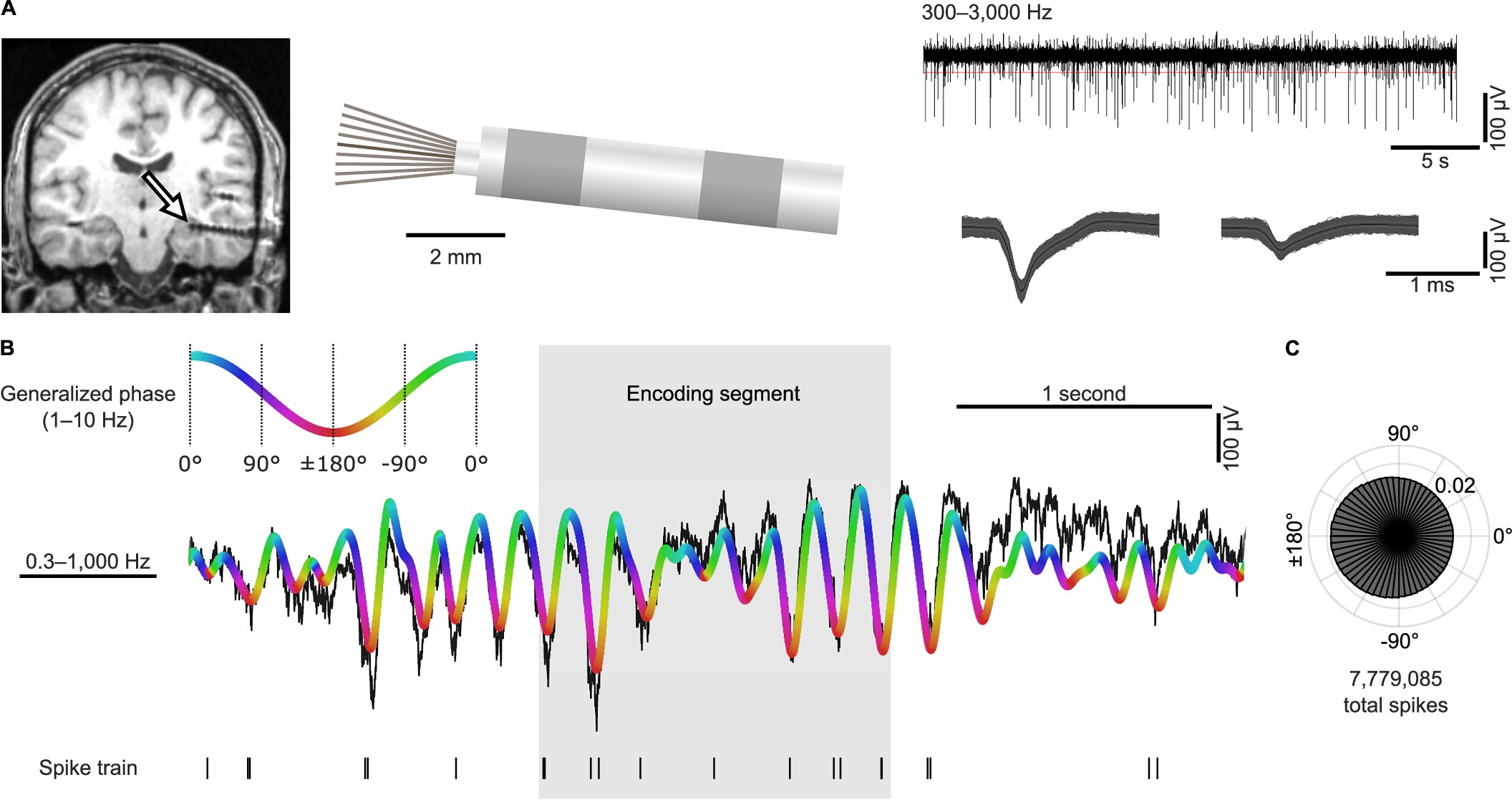
Neural recordings and general theta-phase locking. Credit: Nature Communications (2025). 

A research team has gained new insights into the brain processes involved in encoding and retrieving new memory content. The study is based on measurements of individual nerve cells in people with epilepsy and shows how they follow an internal rhythm.

A new study published in the Proceedings of the National Academy of Sciences offers insight into how past stress impacts a person’s response to new stress.

Stimulating the vagus nerve with a device attached to the outer ear can help make compassion meditation training more effective at boosting people’s capacity for self-kindness and mindfulness, finds a new study.

A world-first study into young adults’ brain activity has found that TV and gaming are associated with increased focus, while social media is associated with decreased focus.

Researchers have discovered that whether you are right- or left-handed influences which side of your brain processes fine visual details. The new “action asymmetry hypothesis” proposes that brain specialization for high- and low-frequency visual information develops from the everyday way we use our hands. In right-handers, the left hemisphere processes high-frequency vision; in left-handers, this is reversed. The findings challenge long-standing theories that such asymmetries develop in the womb or are tied directly to language processing.

Scientists have identified a promising nonpharmaceutical treatment that rejuvenates aging brain cells and clears away the buildup of harmful proteins associated with Alzheimer’s disease.

It may be time to rethink certain genetic mutations associated with two devastating neurodegenerative disorders—amyotrophic lateral sclerosis (ALS) and frontotemporal dementia (FTD)—according to a new Nature Neuroscience study.

Research has shed new light on an age-old question: what makes the human brain unique? The study is published online in Science Advances.

Athletes who participate in combat sports like boxing and mixed martial arts and grow up in disadvantaged neighborhoods may be more likely to show signs of brain changes associated with neurodegeneration than athletes from affluent neighborhoods, according to a study published in Neurology Open Access.

A team of researchers has developed a data-driven method for optimizing deep brain stimulation (DBS) settings that significantly improved walking performance in people with Parkinson’s disease.

Scientists have built the first “microwave brain” chip capable of processing both ultrafast data and wireless communication signals at once. By harnessing analog, nonlinear microwave physics instead of conventional digital circuitry, the chip can decode radio signals, track radar targets, and classify high-speed data streams in real time.

Finally, this week, stronger coordination between the brain and the stomach’s natural rhythm is linked to higher levels of anxiety, depression, and stress, according to the largest study of its kind.

Weekly Neuroscience Update

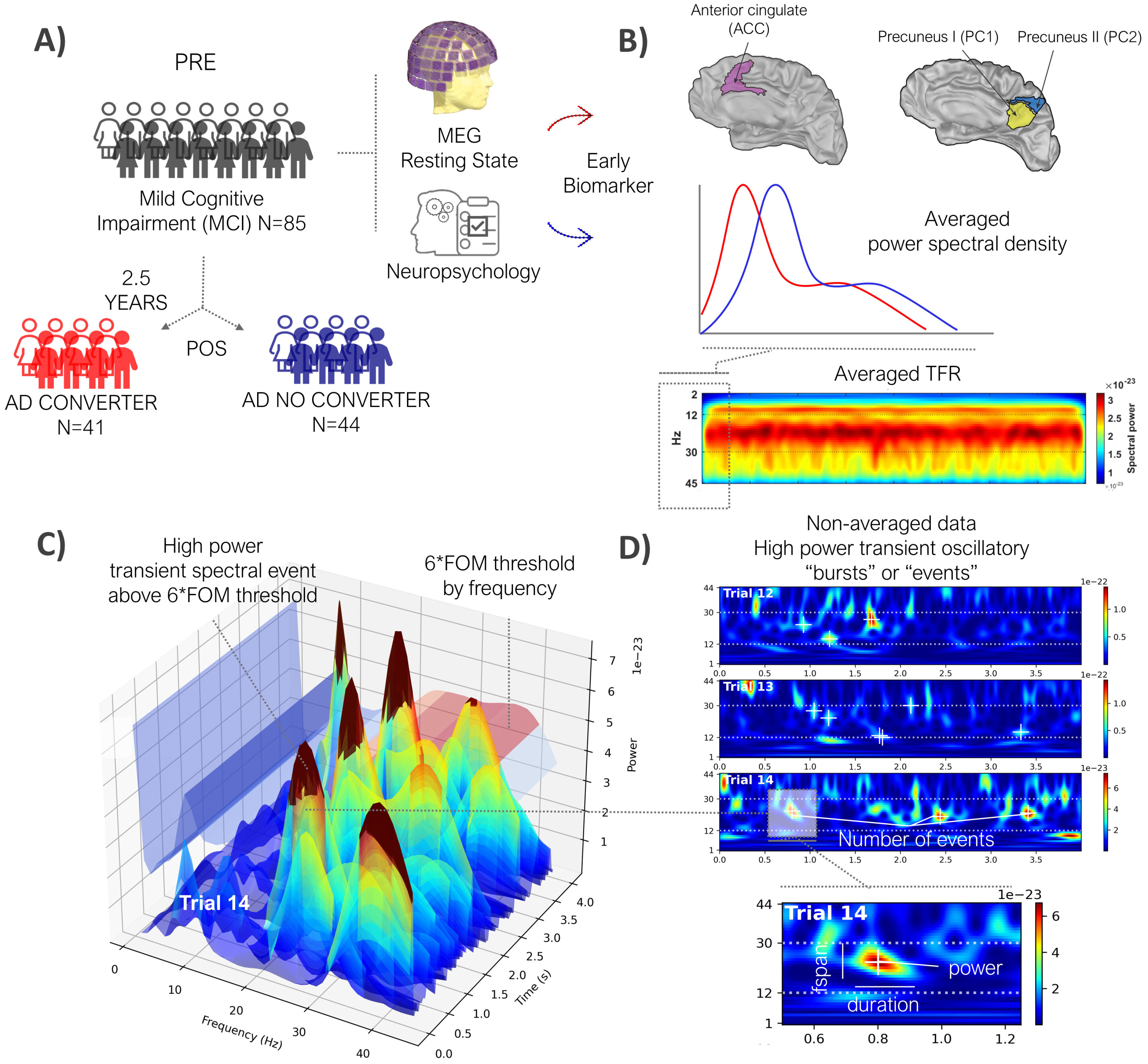
A) Illustration of the experimental design. B) Averaged power spectra and time–frequency representations (TFR) were extracted from two regions of interest. Credit: Imaging Neuroscience (2025)

Using a custom-built tool to analyze the electrical activity from neurons, researchers have identified a brain-based biomarker that could be used to predict whether mild cognitive impairment will develop into Alzheimer’s disease.

New research reveals neurocognitive correlates of testosterone in young men that shape generosity and self-worth.

By understanding differences in how people’s brains are wired, clinicians may be able to predict who would benefit from a self-guided anxiety care app, according to a new analysis from a clinical trial led by Weill Cornell Medicine and NewYork-Presbyterian investigators.

Novel imaging research indicates that young adults with a higher genetic risk for depression showed less brain activity in several areas when responding to rewards and punishments.

A new study reveals that long-term adaptive cycling can measurably reshape brain signals in people with Parkinson’s Disease, offering clues into how exercise relieves motor symptoms. Researchers used deep brain stimulation (DBS) implants to track neural activity before and after 12 sessions of dynamic cycling.

Scientists bring us closer to understanding how the body detects different sensations such as pain, itch, and touch.

A recent genetic study has identified neurological mechanisms as key drivers of chronic cough. The findings significantly advance our biological understanding of the condition, shedding light on potential avenues for new treatments.

A large-scale analysis of health records reveals that subtle signs of multiple sclerosis (MS) may appear more than a decade before diagnosis.

In a discovery that could guide the development of next-generation antidepressants and antipsychotic medications, researchers have developed new insights into how a critical brain receptor works at the molecular level and why that matters for mental health treatments.

Finally, this week, new research has found stress-controlling brain cells switch on and off in a steady rhythm about once every hour—even when nothing stressful is happening.

Weekly Neuroscience Update

A new study published in Scientific Reports has introduced a promising diagnostic tool that could dramatically shorten the long wait times many families face when seeking evaluations for autism and attention-related conditions. The research team used artificial intelligence to analyse subtle patterns in how people move their hands during simple tasks, identifying with surprising accuracy whether someone is likely to have autism, attention-deficit traits, or both. The method, which relies on wearable motion sensors and deep learning, could one day serve as a rapid and objective screening tool to help clinicians triage children for further assessment.

New research is investigating how childhood adversity rewires brain circuits that control emotion, memory, and attention, increasing the risk of impulsive and pathological aggression.

A groundbreaking study has revealed that genes linked to mental and neurodegenerative disorders, such as autism, depression, and Parkinson’s, begin influencing brain development during the earliest fetal stages. These genes are already active in neural stem cells—the progenitors that form the brain—long before symptoms arise.

Researchers at the University of Michigan have illuminated a complete sensory pathway showing how the skin communicates the temperature of its surroundings to the brain.

Patients with myalgic encephalomyelitis/chronic fatigue syndrome (ME/CFS) may be closer to personalized care, according to new research that shows how the disease disrupts interactions between the microbiome, immune system, and metabolism.

A new study using direct recordings from human brains reveals how the amygdala and hippocampus coordinate to form and retrieve emotional memories.

A personalised brain stimulation system powered by AI that can safely enhance concentration from home has been developed by researchers from the University of Surrey, the University of Oxford and Cognitive Neurotechnology. Designed to adapt to individual characteristics, the system could help people improve focus during study, work, or other mentally demanding tasks.

In the largest study of its kind, researchers linked irregular sleep patterns to elevated risk for 172 diseases.

Neuroscientists have grown a novel whole-brain organoid, complete with neural tissues and rudimentary blood vessels. This advance could usher in a new era of research into neuropsychiatric disorders such as autism.

Researchers have successfully mapped the entire neural circuit responsible for transmitting cool temperature signals from the skin to the brain.

A new brain imaging study reveals that how people expect pain relief—through visual cues or treatment explanations—can significantly influence how much pain they actually feel. External cues, like symbols signaling less pain, consistently reduced pain perception and altered brain regions tied to pain processing.

Finally this week, a new international study confirmed a significant post-pandemic rise in disorders of gut-brain interaction, including irritable bowel syndrome (IBS) and functional dyspepsia.

Weekly Neuroscience Update

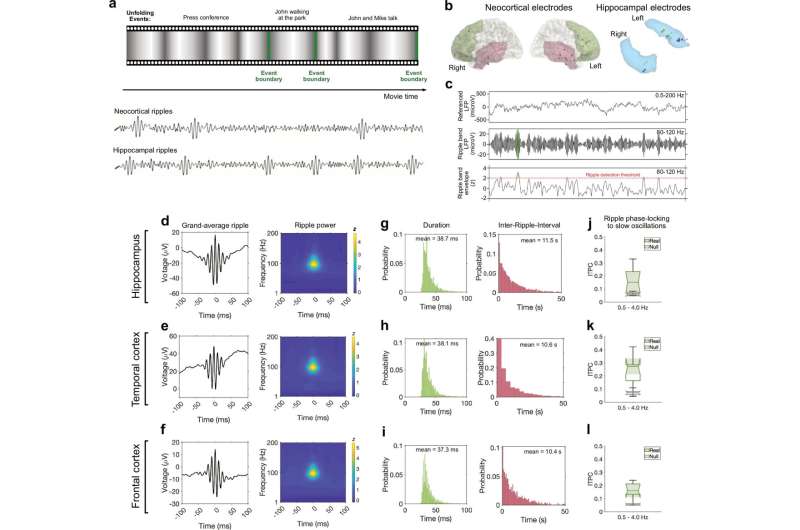
Experimental design, ripple detection, and ripple properties. Credit: Nature Communications (2025)

A research team has identified, for the first time in humans a key neurophysiological mechanism in memory formation: ripple-type brain waves—high-frequency electrical oscillations that mark and organize the different episodes or fragments of information that the brain stores as memories.

Scientists have discovered how a key protein helps maintain strong connections between brain cells that are crucial for learning and memory.

New research shows that signs of Alzheimer’s disease can already be detected in the blood of people as young as their 40s. Finnish scientists found elevated Alzheimer’s-related biomarkers in middle-aged adults, especially among those with maternal history or kidney disease.

A new study questions whether playing youth football leads to harmful protein buildup in the brain.

Receiving six or more prescriptions of the drug gabapentin for low back pain is associated with significantly increased risks of developing dementia and mild cognitive impairment, finds a large medical records study.

A large genetic study reveals that cannabis use disorder is strongly linked to increased risk for multiple psychiatric disorders, including depression, PTSD, ADHD, and schizophrenia.

A common sugar substitute, erythritol, widely used in “sugar-free” and low-carb products, may increase stroke risk by damaging brain blood vessel cells. A new study found that erythritol exposure reduced nitric oxide, increased vessel constrictors, impaired clot-busting abilities, and boosted free radical production in these cells.

Finally, this week, neuroscientists have discovered a signature ‘wave’ of activity as the brain awakens from sleep.