After following a protocol of sensory-motor activities with cognitive engagement for two months, eleven children aged 10 to 12 who were diagnosed with dyslexia showed improvement in reading speed. This initiative combined recreational activities that incorporated motor and social skills, demonstrating promise in improving children’s reading performance.
Parkinson’s disease often starts on one side of the body, and new research shows this asymmetry influences how non-motor symptoms progress.
Memory helps us make sense of the present by retrieving past experiences based on either surface-level similarities or deeper conceptual connections. A recent study reveals that when a familiar mental category — like excuses or conflicts — is available, memory prioritizes structural, abstract links over superficial cues.
A device combining ultrasound and advanced imaging to provide information for the safe delivery of drugs into the brain has been developed by University of Queensland researchers.
A new study has upended decades of neuroscience dogma, revealing that dopamine, a neurotransmitter critical for movement, motivation, learning and mood, communicates in the brain with extraordinary precision, not broad diffusion as previously believed.
Researchers have found a new drug that may boost the brain’s ability to heal itself after injury. The discovery could lead to significant advances in treating traumatic brain injuries, or TBIs.
A study published in iScience suggests that the magic of live performance art may be reflected in our brains. When people watched a live contemporary dance performance, their brainwaves synced up, signaling shared focus and attention—but that synchrony didn’t occur when people watched the same performance alone on video.
A new study reveals that our organs age at different speeds, and those differences can predict future disease risk and even life expectancy. Using blood-based protein signatures from over 44,000 participants, researchers developed an algorithm to estimate the biological age of 11 organ systems.
Finally this week, a study in the journal Sciencepresents compelling new evidence that neurons in the brain’s memory center, the hippocampus, continue to form well into late adulthood.
Coloured regions show where brain volume was associated with deviant lifestyle and antisocial behavior in individuals with psychopathic traits. Credit: European Archives of Psychiatry and Clinical Neuroscience (2025).
A recent study has shed light on the brain structure differences associated with psychopathy—a condition known to be one of the strongest predictors of persistent violent behaviour. The findings arepublishedin the journal European Archives of Psychiatry and Clinical Neuroscience.
Researchers are using a new approach to brain imaging that could improve how drugs are prescribed to treat Parkinson’s disease.
An analysis of over 375 trials shows that structured exercise significantly reduces depression and anxiety in children and teens. Low-intensity resistance activities like light weights were most effective for easing anxiety, while moderate mixed-mode programmes worked best for depression, especially when lasting under 12 weeks.
A new technology that uses clinical MRI machines to image metabolic activity in the brain could give researchers and clinicians unique insight into brain function and disease.
Diets rich in phosphate additives, commonly found in processed foods, can increase blood pressure by triggering a brain signaling pathway and overactivating the sympathetic nervous system that regulates cardiovascular function, UT Southwestern researchers discovered. Their findings could lead to treatment strategies for patients with hypertension caused by overconsumption of foods containing high levels of phosphates.
New research proposes a unified theory of brain function based on criticality—a state where the brain teeters between order and chaos, allowing it to learn, adapt, and process information optimally. When the brain strays from this delicate balance, cognitive performance weakens, and neurological disorders such as Alzheimer’s may begin to take hold.
A drug used for Parkinson’s disease has been shown to be effective in reducing the symptoms of difficult to treat depression, according to a study led by the University of Oxford.
A recent study shows that older adults may compensate for age-related cognitive decline by enhancing activity in a specific brain region linked to attention—the locus coeruleus (LC). In a brain imaging study, older participants showed stronger LC responses when interpreting ambiguous facial expressions, compared to younger adults.
Individuals with versus those without tinnitus have significantly lower scores on cognitive function tests, according to a recent study published in Frontiers in Neurology.
New research shows how the brain navigates emotional transitions, using music as a tool to map changing neural patterns. Scientists found that emotional responses in the brain depend heavily on the listener’s prior emotional state.
A clinical trial has revealed that Ambroxol, a common cough medicine in Europe, may help slow cognitive decline in people with Parkinson’s disease dementia.
In a study of 200 former professional rugby players (aged 30–61 years old), researchers from Imperial College London, University College London and the UK Dementia Research Institute found no cases of early-onset dementia.
Finally this week, new research findings show how synaptic connections in the cerebral cortex can strengthen during sleep, offering insight into how the brain continues learning even while we rest.
A novel study aimed at disentangling the neurological underpinnings of depression shows that multiple brain profiles may manifest as the same clinical symptoms, providing evidence to support the presence of both one-to-one and many-to-one heterogeneity in depression. The findings of the study in Biological Psychiatry, highlight the layered and complex interactions between clinical symptoms and neurobiological sources of variation.
Brain networks responsible for sensing, understanding, and responding emotionally to pain develop at different rates in infants, with the conscious understanding of pain not fully developed until after birth, finds a new study.
People living with autoimmune diseases face nearly twice the risk of developing persistent mental health disorders like depression, anxiety, and bipolar disorder, according to a massive UK-based study.
New research shows that individuals with higher cognitive ability have stronger, more flexible synchronization of brain rhythms—specifically theta waves—in the midfrontal region during mentally demanding tasks. These neural signals coordinate dynamically, especially during moments of decision-making, allowing people to maintain focus and adapt more quickly to changing rules.
A recent study leveraged machine learning to identify the key lifestyle and health factors influencing cognitive performance throughout life.
New research reveals that autism and congenital heart disease may share a common biological basis—tiny cellular structures called cilia. Scientists found that mutations in genes affecting cilia formation disrupt both brain and heart development, helping explain why the two conditions often co-occur.
A first-of-its-kind clinical trial shows that ketamine treatment for severe, treatment-resistant depression is significantly more effective when paired with psychotherapy and supportive environments. Patients who underwent this combined treatment reported a 30% drop in depression symptoms, with reduced anxiety and suicidal thoughts lasting at least eight weeks.
A crucial link between the brain’s cleaning system and deterioration of neurons associated with Alzheimer’s disease has been discovered.
In a studypublished in Science Advances, researchers reveal that our bodies respond to acute (short‑term) and chronic (long‑lasting) pain in surprisingly different ways at the cellular level. Their discovery sheds new light on how pain becomes chronic—and opens the door to better‑targeted treatments.
A paper published in the Cochrane Database of Systematic Reviews has found that virtual reality (VR), when used in addition to standard therapy, can help stroke survivors regain arm movement.
Researchers investigating post-traumatic stress disorder (PTSD) at the single-cell level, aiming to understand how cellular communication may be disrupted in affected brains. They found impaired signaling in inhibitory neurons in PTSD, potentially explaining hyperarousal symptoms, and opposing patterns of microglial activity in PTSD versus depression. Vascular endothelial cells in PTSD brains also showed signs of dysfunction, possibly increasing stress hormone exposure.
A recent study shows that individual neurons in the hippocampus can respond to both slow and fast brain waves at the same time by switching between different firing modes.
For the first time, scientists using cryo-electron microscopy have discovered the structure and shape of key receptors connecting neurons in the brain’s cerebellum, which is located behind the brainstem and plays a critical role in functions such as coordinating movement, balance and cognition.
In a paper published in the journal Nature Communications, biomedical engineers have shown how two brain regions quickly adapt to shift focus from one planned destination to another.
A new neuroimaging study has identified distinct structural brain differences in individuals with psychopathy, particularly those with high antisocial traits. Reduced volumes were found in subcortical and cortical areas involved in emotion, decision-making, and social behavior.
Groundbreaking research has identified a new brain protein involved in the development of Parkinson’s disease and a way to modify it, paving the way for future treatments for the disease.
Living in disadvantaged neighborhoods may increase the risk of Alzheimer’s disease by elevating biomarkers associated with inflammation and neurodegeneration. A long-term study of 334 older adults found higher levels of tau and YKL-40, biomarkers linked to Alzheimer’s and brain inflammation, in people from less advantaged areas.
Psychosis may start not with hallucinations, but with subtle motor changes like reduced grip strength according to a new study.
In experiments with healthy volunteers undergoing functional MRI imaging, scientists have found increased activity in two areas of the brain that work together to react to, and possibly regulate, the brain when it’s “feeling” tired and either quits or continues exerting mental effort.
Finally, this week, newborn babies and patients with Alzheimer’s disease share an unexpected biological trait: elevated levels of a well-known biomarker for Alzheimer’s, as shown in a recent study.
Cortical Resting-State Networks defined by Gordon’s Parcellation. Credit: Journal of the American Academy of Child & Adolescent Psychiatry (2025).
Exposure to high ambient temperatures is associated with lower connectivity in three brain networks in preadolescents, suggesting that heat may impact brain function.
A new study reveals that consuming high-calorie, highly processed foods for just five days can reduce the brain’s sensitivity to insulin, a key factor in obesity and type 2 diabetes. Researchers found that even in healthy individuals, short-term unhealthy eating altered brain function, mimicking effects seen in people with obesity.
Scientists are exploring the role of gut-brain axis in Parkinson’s, anxiety and long COVID.
New research highlights that optimal brain health is strongly linked to cardiovascular wellness. The study underscores that dementia and cognitive decline share risk factors with heart disease, suggesting these conditions are largely preventable by managing diet, exercise, cholesterol, blood sugar, and blood pressure.
Approximately 40 percent of adults with chronic pain experience depression or anxiety, according to a review published in JAMA Network Open.
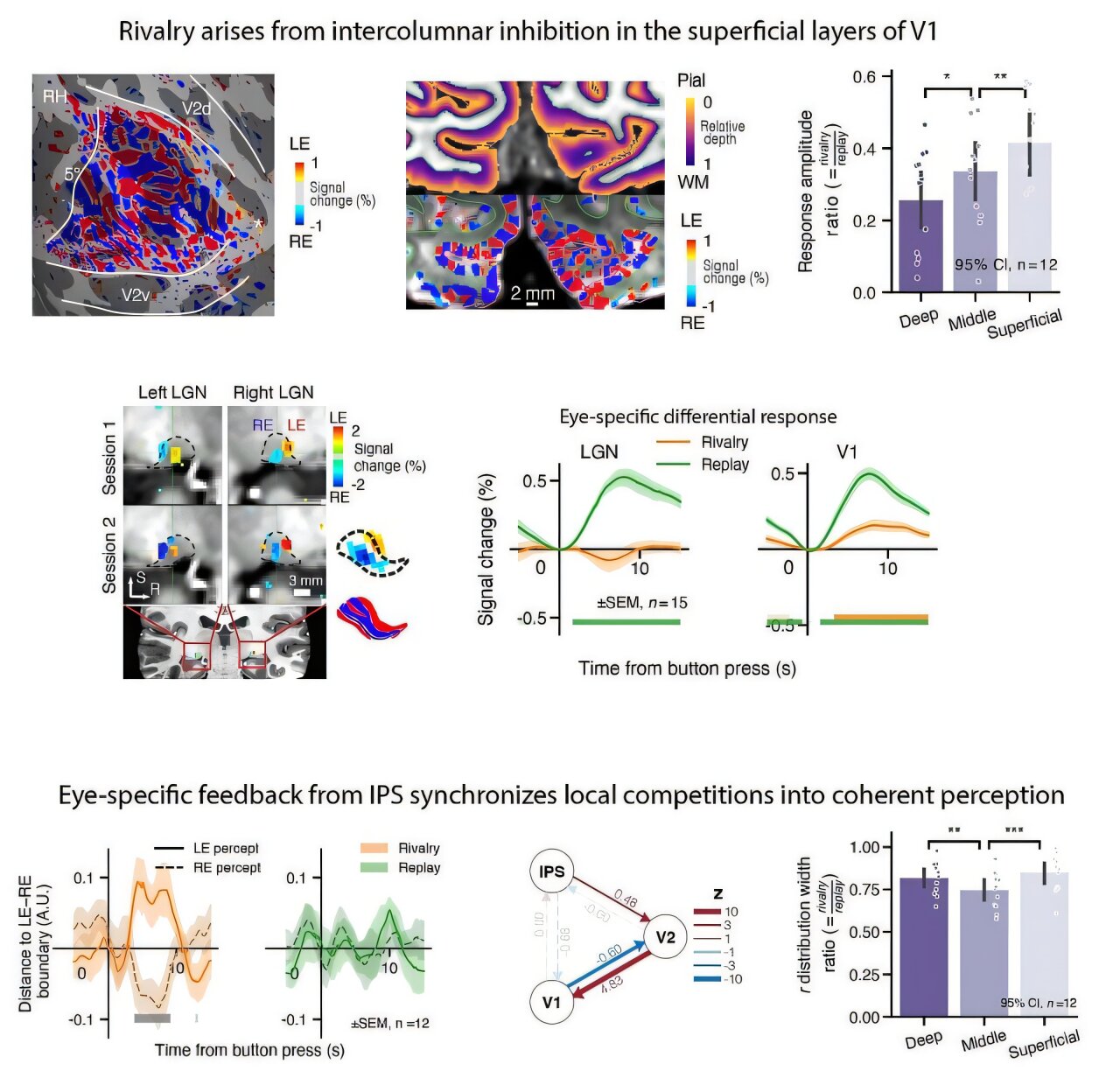
A multidisciplinary team of researchers has discovered how lateral inhibition helps our brains process visual information, and it could expand our knowledge of sensory perception, leading to applications in neuro-medicine and artificial intelligence.
Brain changes may remain visible in brain scans after recovery from concussion, a new study shows.
Researchers are using photoacoustic imaging to observe brain activity and, in the process, discovering more about how it responds to different types of learning and experiences. Photoacoustic imaging uses optics and acoustics to generate a signal in biological tissues—in this case, the brain—where the signal provides structural and functional data and allows researchers to track factors such as brain activity.
A study exploring a new brain imaging technique is bringing stroke experts a step closer to better tailoring rehabilitation.
Scientists have uncovered new insights into how neurofilaments act like Velcro in neurodegenerative diseases, clogging up the brain and preventing normal function, according to a study published in the journal JCI Insight.
Poor sleep could have an impact on brain health, according to a new study from The Australian National University (ANU) published in the journal Sleep Medicine.
Mayo Clinic researchers have found a new way to more precisely detect and monitor brain cell activity during deep brain stimulation, a common treatment for movement disorders such as Parkinson’s disease and tremor. This precision may help doctors adjust electrode placement and stimulation in real time, providing better, more personalized care for patients receiving the surgical procedure.
A new neuroimaging study has revealed that viewing nature can help ease how people experience pain, by reducing the brain activity linked to pain perception.
An international team of scientists has revealed new clues about the neural mechanisms underlying memory formation and recognition in the developing human brain, according to a study publishedin Science Advances.
Research published in the Proceedings of the National Academy of Sciences reveals that brain aging isn’t a steady decline, but rather a series of shifts with key turning points. These transition points follow an S-shaped statistical curve with clear transition points, rather than either the late-life clinical onset or gradual linear decline previously assumed, suggesting there are specific windows when intervention could be most impactful.
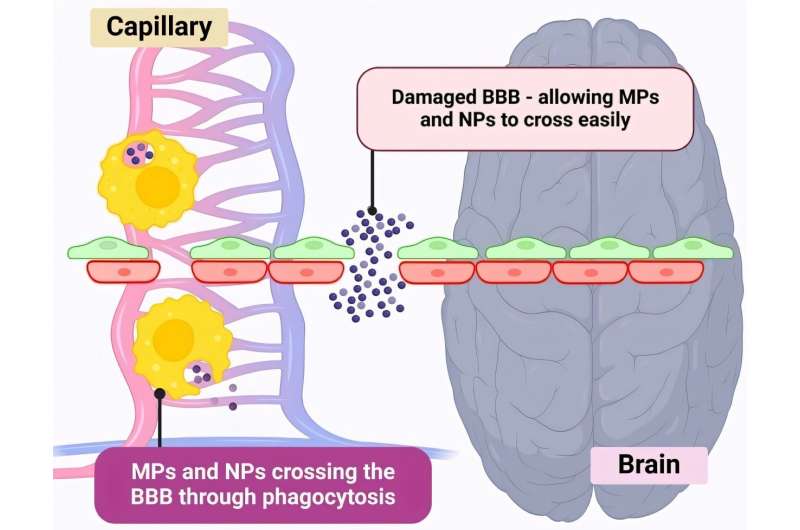
Scientists have highlighted the most effective treatments for neurological diseases by overcoming one of medicine’s most difficult challenges: the blood–brain barrier. The findings offer new hope for patients with conditions including Alzheimer’s, and Parkinson’s disease, brain tumors, and epilepsy.
A study conducted in Finland showed that changes in the functioning of opioid neurotransmitters in the brain may underlie anorexia.
Poorer cardiovascular health in childhood and adolescence may be linked to early differences in brain structure, particularly in areas of the brain known to be affected in dementia in later life, according to a new scientific study.
Researchers have uncovered how specific patterns in brain activity can predict an individual’s sensitivity to pain, expanding opportunities for improved pain management strategies.
Delayed rapid eye movement (REM) sleep may be an early indicator of Alzheimer’s disease. Researchers found that participants with delayed REM sleep had higher levels of toxic proteins associated with Alzheimer’s and reduced levels of brain-derived neurotrophic factor (BDNF), which supports memory.
The microbial ecosystems in our mouths may impact cognitive function as we age, with pathogenic bacteria linked to cognitive decline.
New research suggests that mood swings in bipolar disorder are regulated by two clocks: the body’s 24-hour circadian rhythm and a dopamine-based clock that influences alertness. When these clocks align at specific intervals, they may trigger shifts between mania and depression.
A study in the Journal of Neuroscience reveals a new mechanism for how brain cells transmit signals from their tips to their nucleus, triggering gene activation crucial for learning and memory.
Investigators have discovered that activity in two widely distributed brain networks previously considered separate are actually correlated with each other and together play a key role in recognition memory, according to a study publishedin Cell Reports.
Cannabinoids offer new hope for safe and effective pain relief.
Researchers analyzed the genetic connection of retinal cells and several neuropsychiatric disorders. By combining different datasets, they found that schizophrenia risk genes were associated with specific neurons in the retina. The involved risk genes suggest an impairment of synapse biology, so the ability of neurons to communicate with each other. This impairment might also be present in the brains of schizophrenia patients.
Researchers at the University of Barcelona have identified a deficit in contrast perception in people with schizophrenia.
A study of nearly 1,000 people with post-COVID-19 syndrome (PCS) revealed that two-thirds still experienced significant symptoms, including reduced exercise capacity and cognitive performance, two years after infection. Persistent symptom clusters included fatigue, neurocognitive disturbances, and post-exertional malaise, with worse outcomes in individuals with obesity, lower education, or severe initial infections.
Finally this week, new research shows diets high in processed meat, fast food, and sugary drinks accelerate biological aging, even in young adults.
A new way of mapping activity and connections between different regions of the brain has revealed fresh insights into how higher-order functions like language, thought and attention, are organized.
Researchers at the University of Copenhagen have demonstrated that the brain’s ability to learn certain skills can be significantly enhanced if both the brain and nervous system are primed by carefully-calibrated, precisely-timed electrical and magnetic stimulations. This new research has the potential to open entirely new perspectives in rehabilitation and possibly elite sports.
A study of patients with epilepsy shows how making new neurons benefits cognition.
New AI software can read the brain scans of patients who have had a stroke to more accurately pinpoint when it happened and help doctors work out whether it can be successfully treated. It is hoped that the new technology will ultimately enable faster and more accurate emergency treatment of patients in a hospital setting.
Researchers have discovered the structural details of a brain receptor called GPR6, which could lead to new treatments for Parkinson’s disease.
Living in disadvantaged neighbourhoods is associated with higher blood pressure and lower cognitive performance, even in individuals without mild cognitive impairment. Researchers analyzed over 500 adults, finding that poor social and economic resources in neighborhoods exacerbate cardiometabolic health issues and reduce brain function.
Scientists have developed a new approach to learning through noninvasive manipulation of brain activity patterns.
A new study is helping solve the mystery as to why the brain shrinks in a unique pattern, known as atrophy, in chronic traumatic encephalopathy (CTE). Published in Acta Neuropathologica, this research provides novel evidence that cumulative repetitive head impacts are driving the specific patterns of brain degeneration found at the base of the folds of the surface of the brain, known as the cortical sulcus.
A global research collaboration has revealed a hidden cause of a rare intellectual disorder associated with severe language delay, epileptic seizures, motor impairment and brain abnormalities.
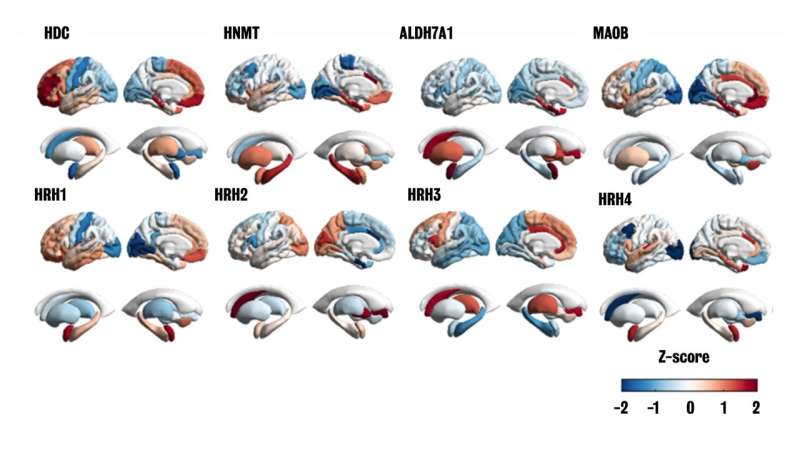
A multi-sensory digital treatment protocol, incorporating sensory integration, sensory substitution, and sensory masking (e.g., blindfolding), significantly improved participants’ performance on spatial memory tasks. Resting-state fMRI analysis showed that these improvements were associated with enhanced connectivity between memory-related brain regions, executive frontal areas, and the default mode network (DMN).
People with high blood pressure who also lack sleep may be at increased risk of reduced cognitive performance and greater brain injury, new research has found.
Researchers have uncovered a groundbreaking mechanism called Electro-Calcium (E-Ca) coupling that integrates electrical and calcium signaling in brain capillaries. This process ensures precise blood flow delivery to active neurons, crucial for brain health and cognitive function.
Researchers at the University of Helsinki have made a breakthrough in understanding what neural mechanisms allow the extreme sensitivity of human vision in darkness.
New research reveals that music can do more than trigger memories—it can alter their emotional tone. When participants recalled neutral stories while listening to emotionally charged music, they later remembered the stories as matching the music’s mood. These findings hint at music’s potential for therapeutic interventions, like reframing negative memories in depression or PTSD.
Finally this week a recent study has found that high blood sugar may impair brain health even in people without diabetes.
The four sensory networks of the brain network partition. The partition comprises four sensory networks, with the somatomotor network encompassing the somatosensory cortex. The thalamus contains parcels of each sensory network. Credit: Molecular Psychiatry (2024).
A new approach to analyzing brain scans could help researchers better understand psychiatric illness using much smaller groups of patients than previously thought necessary, potentially accelerating the development of more precise mental health treatments.
A new study reveals how specific brain cells called interneurons can act as our in-built traffic controllers. The findings are published in the journal PLOS Biology.
Younger and middle-aged patients seem to be disproportionately affected by neurologic manifestations of post-acute sequelae of severe acute respiratory syndrome coronavirus 2 infection (Neuro-PASC), according to a study publishedin the Annals of Neurology.
Investigators have defined new biologic and clinical biomarkers for better identifying patients with different stages of Parkinson’s disease and Lewy body dementia.
Researchers have developed the most detailed 3D computational models of key brain regions, including the hippocampus and sensory cortices, to better understand their roles in memory formation and connectivity.
New research provides critical insights into the role of sleep in motor learning for individuals recovering from traumatic brain injury (TBI). The study sheds light on how sleep, specifically a short nap, influences brain activity associated with motor skill improvement, with implications for optimizing rehabilitation strategies.
A recent study of high school football players found that concussions affect an often-overlooked but important brain signal.
Cognitive neuroscientists at Trinity College Dublin have published new research describing a brand new approach to making habit change achievable and lasting.
A new study uncovers constant communication between the human brain’s social cognitive network, responsible for understanding others’ thoughts, and the amygdala, known for processing fear and emotions. High-resolution brain scans revealed that this connection helps the brain integrate emotional importance into social interactions. This insight could lead to non-invasive treatments like transcranial magnetic stimulation (TMS) for anxiety and depression by targeting these regions. The findings highlight how evolutionary brain expansion enhances social understanding while linking it to ancient emotional processing centers.
Neuroscientists have demonstrated that dopamine and serotonin work in opposition to shape learning.
Researchers have identified a novel role for the brain’s ‘locus coeruleus’ in sleep and its disruptions. This brain region facilitates the transition between NREM and REM sleep states while maintaining an unconscious vigilance toward the external world. Stress disrupts its functions and negatively impacts on sleep quality.
A new method to profile gene activity in the living human brain has been developed by researchers at FutureNeuro, the Research Ireland Center for Translational Brain Science and RCSI University of Medicine and Health Sciences, in collaboration with international partners. This innovative approach, published in JCI Insight, opens new avenues for understanding and treating neurological conditions such as epilepsy.
A study led by the University of Glasgow has revealed differences in the brains of pediatric and adult patients that might explain the sometimes catastrophic outcomes seen in children following a traumatic brain injury.
Finally this week, new research has examined the relationship of emotion regulation to real-world responses to stress to better understand stress-related increases in suicide risk in depression.
Large-scale functional networks are embedded along two principal gradients. Credit: Nature Neuroscience (2024).
Scientists have uncovered how different types of brain cells work together to form large-scale functional networks in the human brain—interconnected systems that support everything from sensory processing to complex decision-making—paving the way for new insights into brain health and disease.
A new neuroimaging marker of cerebral small vessel disease is related to general cognition and may serve to identify persons at risk of dementia in future clinical trials, a landmark study has found.
A recent study reveals that the genetic mutation causing Huntington’s disease (HD) enhances brain development and intelligence in early life, but leads to degeneration in adulthood. Children with the HD gene exhibit larger brains and higher IQs than those without the mutation.
In what could one day become a new treatment for epilepsy, researchers have used pulses of light to prevent seizure-like activity in neurons.
A team of researchers has found that certain factors are linked to faster brain shrinkage and quicker progression from normal thinking abilities to mild cognitive impairment (MCI). People with type 2 diabetes and low levels of specific proteins in their cerebrospinal fluid showed more rapid brain changes and developed MCI sooner than others.
Neuroscientists have identified the binding site of low-dose ketamine, providing critical insight into how the medication, often described as a wonder drug, alleviates symptoms of major depression in as little as a few hours with effects lasting for several days.
New research indicates that cannabis use causes cellular damage that increases the risk of highly cancerous tumors by disrupting mitochondria and damaging DNA.
Fampridine, used for improving walking in multiple sclerosis, may also enhance working memory in individuals with schizophrenia or depression. A study found that the drug significantly improved working memory in participants with initially poor performance, but had no effect on those with strong baseline memory.
A recent study links satellite and brain imaging data to identify how environmental factors can impact mental health, cognition and brain development in young people.
A new Alzheimer’s test collects just a few drops of blood from a finger prick, which can be mailed to a lab for analysis. The test measures biomarkers like pTau217 and has shown similar accuracy to traditional venous blood sampling.
Researchers have shed light on the puzzling relationship between dopamine and rest tremor in Parkinson’s disease, finding that preserved dopamine in certain brain regions may actually contribute to tremor symptoms, challenging common beliefs.
New research has revealed the diverse assembly and regulation of Type-A GABA receptors (GABAARs), which are crucial for balancing brain activity.
A recent study has found fascinating similarities in how the human brain and artificial intelligence models process language. The research, published in Nature Communications, suggests that the brain, like AI systems such as GPT-2, may use a continuous, context-sensitive embedding space to derive meaning from language, a breakthrough that could reshape our understanding of neural language processing.
A team of researchers has investigated the composition and communication of cells in so-called subcortical lesions, tissue damage to deep brain structures at different stages of multiple sclerosis.
Care for stroke survivors urgently needs to focus on non-motor skill outcomes such as fatigue, anxiety and reduced social participation to improve survivors’ quality of life and minimize care needs, according to a new study.
An international research collaboration has discovered how unusual spherical structures form in the brains of people with a mutation that causes a form of inherited Alzheimer’s disease.
A new study identifies previously hidden brain network patterns in schizophrenia by focusing on nonlinear connectivity, offering potential biomarkers for early diagnosis. Traditional imaging methods often overlook these patterns, but researchers developed advanced statistical tools to uncover this new dimension of brain organization.
Finally this week, research published in the Journal of the American Geriatrics Society has identified several community-level factors that may increase people’s risk of experiencing cognitive impairment.
Functional MRI before and after HBOT. Credit: The Shamir Medical Center
Researchers have demonstrated that hyperbaric oxygen therapy (HBOT) improves the condition of PTSD sufferers who have not responded to psychotherapy or psychiatric medications.
Scientists have discovered for the first time a neural mechanism for memory integration that stretches across both time and personal experience. These findings, reported in Nature, demonstrate how memories stored in neural ensembles in the brain are constantly being updated and reorganized with salient information, and represent an important step in deciphering how our memories stay current with the most recently available information.
Neuroscientists have discovered brain cells that form multiple coordinate systems to tell us “where we are” in a sequence of behaviours. The findings help us understand the algorithms used by the brain to flexibly generate complex behaviors, such as planning and reasoning, and might be useful in understanding how such processes go wrong in psychiatric conditions such as schizophrenia.
New research finds that even single bouts of intense exercise can improve cognitive performance in young adults, particularly in memory, attention, and executive functioning.
By scanning the brains of people while they watched movie clips, neuroscientists have created the most detailed functional map of the brain to date. The fMRI analysis, published in Neuron, shows how different brain networks light up when participants viewed short clips from a range of independent and Hollywood films, including Inception, The Social Network, and Home Alone.
Asthma is associated with memory difficulties in children, and early onset of asthma may exacerbate memory deficits, according to a new study.
Older adults with significant fluctuations in cholesterol levels are at increased risk for dementia and cognitive decline, even without medication changes. Researchers studied nearly 10,000 older adults, tracking their cholesterol levels and cognitive function over six years. High variability in total and LDL (“bad”) cholesterol was associated with a 60% increase in dementia and 23% increase in cognitive decline.
Scientists have successfully reprogrammed astroglia, a type of brain support cell, into neurons that mimic specific interneurons critical for brain function.
Exercise has been shown to improve brain health and reduce the risk of cognitive decline and dementia over the long-term. But engaging in everyday physical activity has immediate benefits for brain health, according to a new study.
New research highlights neuroglia (or glia cells) as critical players in mental health, potentially influencing conditions like depression and schizophrenia. Glia cells, long considered “support cells” in the brain, have now been shown to communicate through unique calcium signaling, impacting neuronal function and stress responses. Studies suggest that compromised astrocyte function, a glial cell type, may relate to depressive symptoms and schizophrenia.
A study investigated how cannabis use influences metabolomic patterns linked to psychotic-like experiences in adolescents. Blood samples revealed that non-cannabis users showed inflammatory metabolic changes associated with hallucinations, while cannabis users exhibited shifts in energy-related metabolites tied to brain ketogenesis.
Finally this week, a new study links satellite data with brain imaging to reveal how environmental factors like light pollution, green spaces, and urban density affect the mental health and brain development of children.
Brain structural (MRI) scans from a selection of individuals from the Lothian Birth Cohort 1936 taken during Wave 2 (when all participants were about 73 years old). Credit: Ian J. Deary
A 25-year research program has unveiled key insights into how our brains age and what factors influence cognitive performance throughout life. The findings, published on 7 November 2024 in Genomic Psychiatry, draw from the Lothian Birth Cohorts (LBC) studies, which uniquely tracked participants’ cognitive abilities from childhood through their eighth decade of life.
A team of researchers has uncovered a mechanism in the formation of harmful protein aggregates that lead to neurodegenerative diseases such as Parkinson’s disease.
People with stronger autistic traits exhibit distinct and highly effective exploration patterns, according to a new study. These individuals tend to persist longer in curiosity-driven tasks, leading to better overall performance. In the study, participants with higher autistic traits explored consistently, even when faced with challenging learning environments, while those with lower traits engaged more briefly.
A new study shows how gut bacteria play a key role in regulating stress by interacting with circadian rhythms, opening possibilities for microbiome-based therapies for mental health.
Research led by the University of Michigan has provided compelling evidence that could solve a fundamental mystery in the makeup of fibrils that play a role in Alzheimer’s, Parkinson’s and other neurodegenerative diseases.
Researchers have developed tiny, wireless devices capable of wrapping around individual neurons, potentially aiding in the treatment of neurological disorders like multiple sclerosis.
A new international study has brought to light how blood sugar control can significantly impact brain health. The study suggests that improved blood sugar control could be one of the most important factors in slowing down age-related brain changes.
People with schizophrenia show distinct brain activity when faced with conflicting information, new research finds.
Finally this week, poor sleep quality may be associated with incidental, but not prevalent, motoric cognitive risk syndrome (MCR), a predementia syndrome characterized by slow gait speed and cognitive complaints, according to a study published in Neurology.