Weekly Neuroscience Update

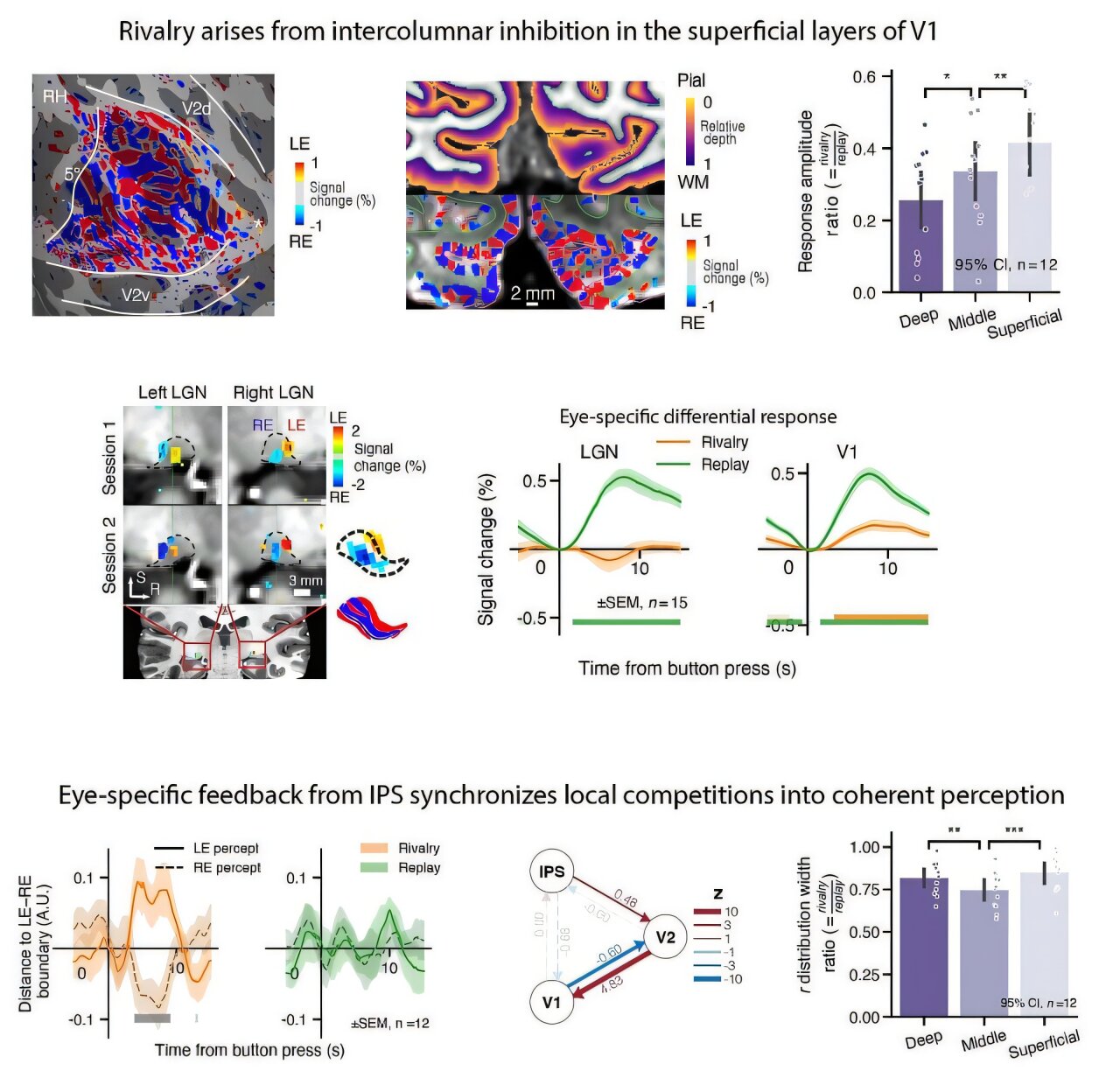
Mesoscale neural mechanisms of binocular rivalry in humans. Credit: Zhang Peng’s group

A research group has revealed how the human brain resolves perceptual conflicts and generates conscious perception through local inhibition in the sensory cortex and feedback integration from the parietal cortex.

A new clinical trial shows that deep brain stimulation (DBS) improved symptoms in half of adults with treatment-resistant depression, with one-third reaching remission.

A large-scale analysis of nearly 1,900 children found that those with a family history of substance use disorder show early differences in how their brains transition between activity states, long before any drug exposure. Girls with a family history showed increased transition energy in introspective networks, suggesting greater difficulty shifting out of internal, stress-linked states.

New research shows that spontaneous eye blinks naturally sync to the beat of music, revealing a hidden form of auditory-motor synchronisation that occurs even without conscious movement.

An extensive, two-year study of nearly 12,000 children found that higher screen time at ages 9–10 predicts an increase in ADHD symptoms, independent of a child’s starting symptom level. Brain imaging revealed that heavy screen use is associated with smaller cortical volume and disrupted development in regions critical for attention, cognition, and reward processing.

Researchers have identified five major phases of human brain wiring that unfold from birth to old age, marked by four major turning points at ages 9, 32, 66, and 83.

A new study shows that when two people work together toward a shared goal, their brains begin to process information in increasingly similar ways. Using EEG recordings, researchers found that while all participants showed similar early responses to visual patterns, only collaborating pairs developed sustained neural alignment linked to the rules they agreed upon.

A large analysis of more than 11 million medical records found that people with untreated obstructive sleep apnea face a substantially higher risk of developing Parkinson’s disease over time.

New research has revealed that Parkinson’s disease causes significant and progressive changes to blood vessels in the brain, changing our understanding of the disease which may lead to new treatment methods.

Diesel exhaust particles disrupt the function of the brain’s immune cells, a new study shows.

Researchers have developed a “virtual clinical trial” exploring a unique pharmacological treatment in patients who do not fully regain consciousness after a coma. The proposed treatment involves employing psychedelic drugs, such as psilocybin and lysergic acid diethylamide (LSD) that have intense, consciousness-altering effects in healthy volunteers.

A new meta-analysis shows that lithium supplementation does not significantly slow cognitive decline in people with mild cognitive impairment or Alzheimer’s disease.

New research shows that young adults with obesity already display biological patterns associated with liver stress, chronic inflammation, and early neural injury—changes typically seen in older adults with cognitive impairment. Participants with obesity also had unusually low blood choline levels, a nutrient critical for liver function, inflammation control, and long-term brain health.

A new study demonstrates that an AI assistant can conduct psychiatric assessment interviews with greater diagnostic accuracy than widely used mental health rating scales.

New brain imaging research shows that structural damage in schizophrenia spectrum disorders may begin in specific “epicenter” regions before spreading across connected brain networks. Individuals with the condition showed widespread reductions in structural similarity between key cognitive and emotional brain regions.

Finally, this week, researchers are exploring whether a person’s genetic risk for depression can help predict how multiple sclerosis (MS) progresses.

Weekly Neuroscience Update

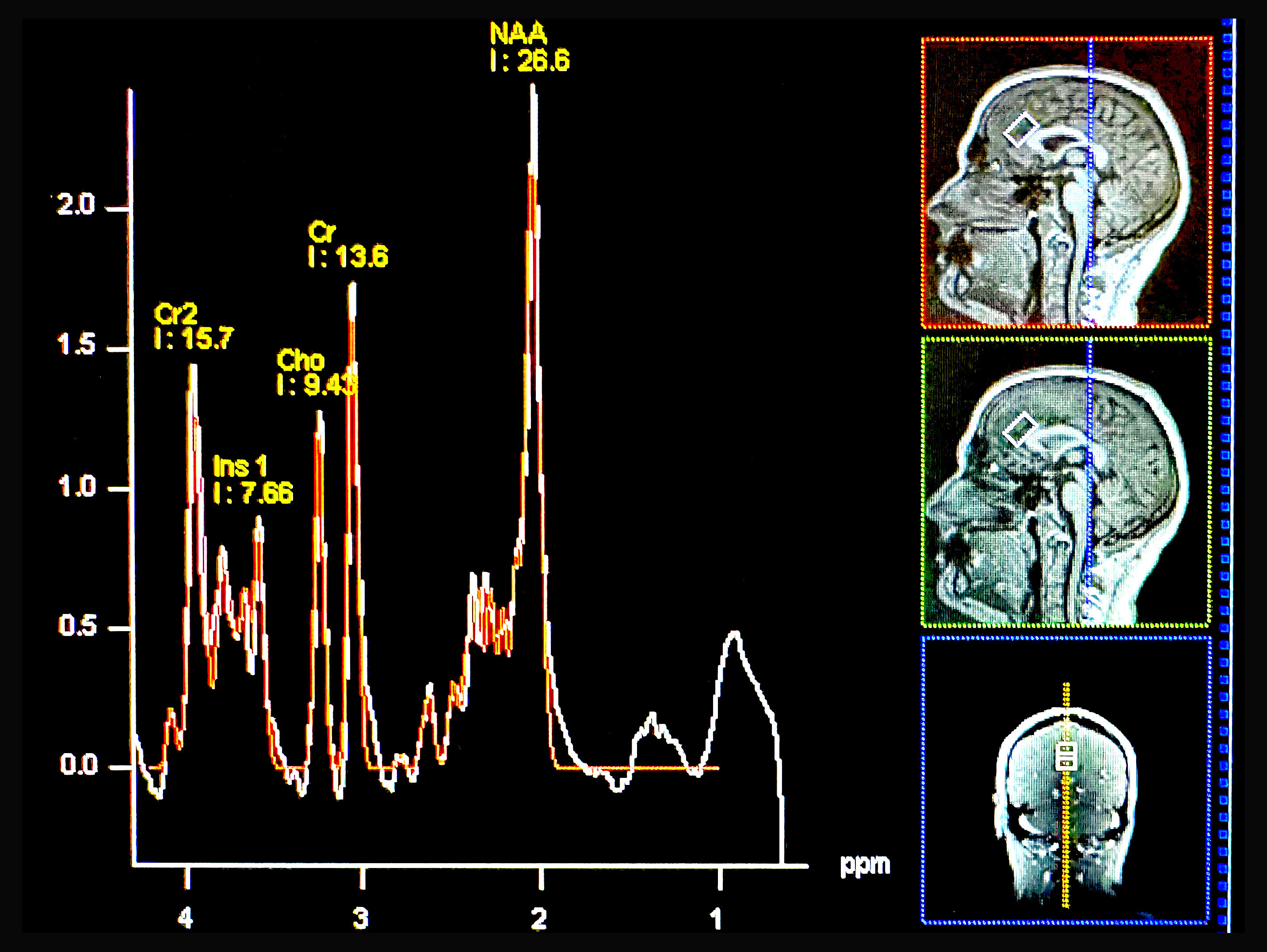
A non-invasive imaging technique, 1H-MRS, can detect chemicals in different parts of the brain. Choline is represented by “Cho” in the above graph. Credit: UC Regents

A new study shows that people with anxiety disorders tend to have lower levels of a chemical called choline in their brains compared to people without anxiety. Choline is a nutrient that plays an important role in brain function. It helps produce acetylcholine, a neurotransmitter involved in memory, mood regulation, and muscle control. It’s also a component of cell membranes, helping brain cells communicate efficiently.

Researchers have developed a highly sensitive diagnostic that predicts a person’s stage of dementia based on neurovascular and metabolic changes.

The way we speak in everyday conversation may hold important clues about brain health, according to a new study that found that subtle features of speech timing, such as pauses, fillers (‘uh,’ ‘um’) and word-finding difficulty, are strongly linked to executive function, the set of mental skills that support memory, planning and flexible thinking. 

ADHD symptoms are influenced by socioeconomic factors in regions affected by conflict and resource limitations, a new study focusing on non-Western populations has found.

Infants born deaf or hard of hearing show adverse changes in how their brains organise and specialise, which can significantly affect their cognitive and linguistic development. However, recent studies indicate that timely exposure to sound and language, even in modified forms, can considerably help these children develop more normally and bridge the gap in their learning processes.

A research team has discovered extensive genetic links between neurological disorders like migraine, stroke and epilepsy, and psychiatric illnesses such as schizophrenia and depression.

New research reveals that trait shyness is linked to reduced spontaneous neural activity in the cerebellum, a brain region traditionally associated with motor control but increasingly recognised for its role in emotion and social cognition.

Scientists have developed the most detailed molecular map yet of how the brain develops and reacts to inflammation, revealing that disease processes can “reawaken” genes from early life.

A new brain decoding method called mind captioning can generate accurate text descriptions of what a person is seeing or recalling—without relying on the brain’s language system. Instead, it uses semantic features from vision-related brain activity and deep learning models to translate nonverbal thoughts into structured sentences.

Researchers have found that living in a socioeconomically deprived neighbourhood can harm brain health as early as midlife.

A new study reveals that autism symptom severity correlates with shared brain-connectivity patterns in children with autism or ADHD. Stronger autistic traits are linked to increased connectivity between frontoparietal and default-mode networks, which are vital for social cognition and executive functions.

Mayo Clinic researchers have developed a new tool that can estimate a person’s risk of developing memory and thinking problems associated with Alzheimer’s disease years before symptoms appear.

Using full-genome sequencing data from more than 347,000 individuals, researchers have quantified how much genetic variation explains human traits such as height, body mass index, fertility, and disease risk. The results show that genes account for roughly 30% of the variation between individuals, with higher estimates for traits like height and lower for fertility.

Finally this week, a large-scale study of more than 86,000 Europeans found that speaking multiple languages may help slow biological and cognitive aging. 

Weekly Neuroscience Update

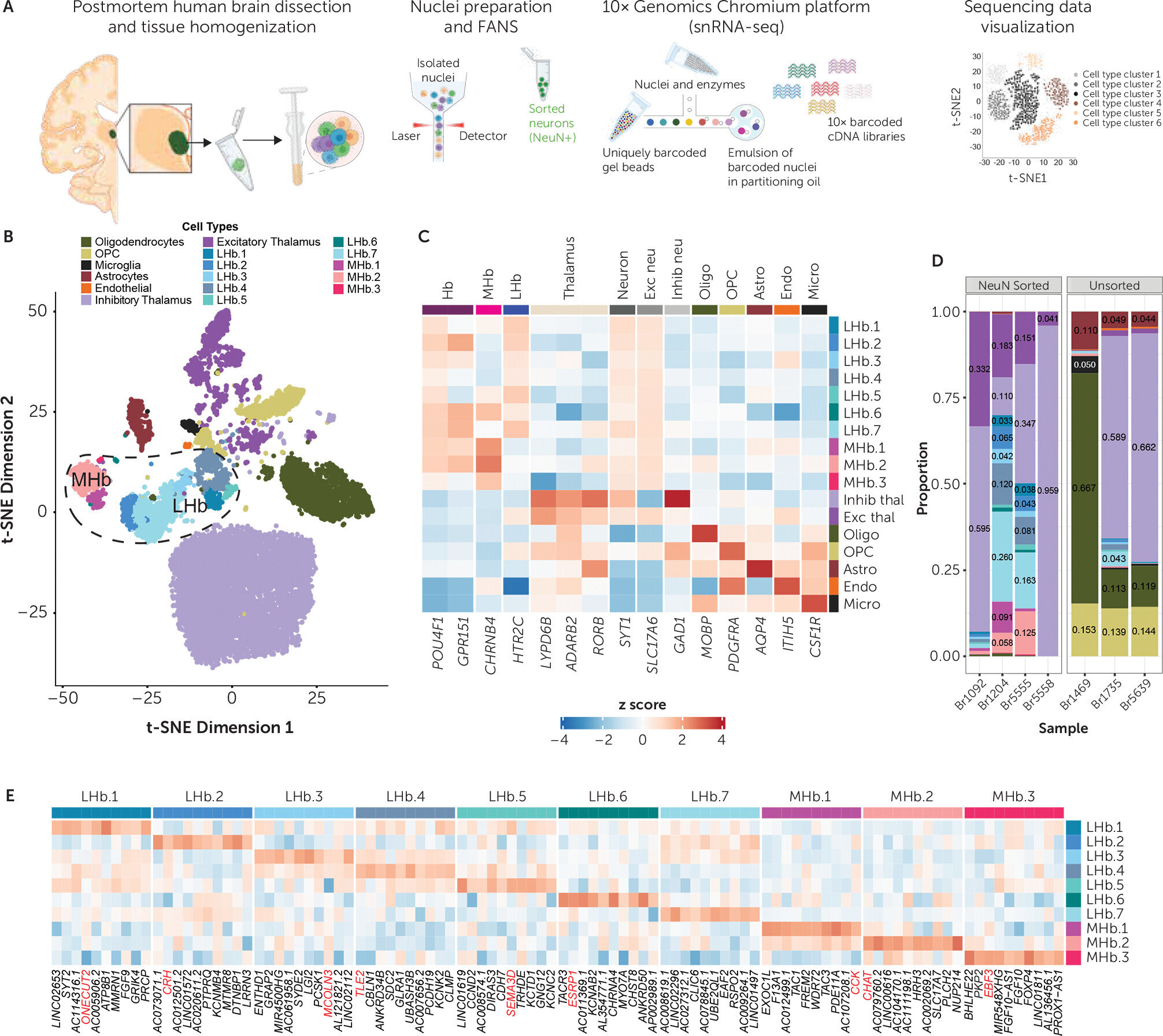
Single-Cell Transcriptomic Atlas of the Human Habenula Credit: American Journal of Psychiatry (2025)

New research published in the American Journal of Psychiatry provides new molecular insights into the role of the habenula, a pea-sized brain region that helps regulate motivation and mood, in contributing to the risk of schizophrenia.

In an article published in Brain Medicine, a European research team presents a focused review of emerging neuromodulation techniques for treatment-resistant obsessive-compulsive disorder (OCD).

A study using wearable scanning technology has revealed how brain function differs in people with multiple sclerosis (MS). This is the first study to utilise this newly developed technology in MS, demonstrating its potential for investigating neurological diseases.

A new large-scale, open data resource helps researchers link brain development with mental health disorders.

Scientists have created one of the most comprehensive single-cell maps of the developing human brain. The atlas captures nearly every cell type, their genetic fingerprints, and how they grow and interact. It also benchmarks best-in-class laboratory methods for producing high-quality neurons, marking a significant step toward new therapies for Parkinson’s disease and other brain disorders.

Creative experience might enhance brain health, potentially slowing the brain’s ageing.

For the first time, scientists have mapped the genetic architecture of the brain’s communication bridge—the corpus callosum—using AI and MRI data from over 50,000 people. The study uncovered dozens of genes that shape the size and thickness of this vital structure, many of which are active during prenatal development when the brain’s wiring is established.

Researchers have discovered that the gut’s rhythmic muscle movements may help explain how blood vessels in the brain expand and contract in coordination.

Researchers have uncovered a previously overlooked role of the hippocampus in shaping memory, revealing how social interactions can enhance the brain’s ability to convert fleeting experiences into lasting memories.

An analysis of brain scans from 572 people reveals that activity in brain regions linked to reward and social processing can predict how effective messages will be. The work is published in PNAS Nexus.

Differences between men and women in intelligence and behaviour have been proposed and disputed for decades. Now, a growing body of scientific evidence shows hundreds of genes act differently in the brains of biologically male or female humans. What this means isn’t yet clear, though some of the genes may be linked to sex-biased brain disorders such as Alzheimer’s and Parkinson’s diseases.

A new study reveals that humans possess a form of “remote touch,” enabling them to detect hidden objects in sand without making direct contact. 

A week-long retreat combining meditation and mind-body healing produced significant changes in brain activity and blood biology, demonstrating how consciousness-based practices can transform physical health. Participants showed reduced default-mode activity, enhanced neural connectivity, elevated natural opioids, immune activation, and metabolic shifts—effects that extended beyond the brain into the entire body.

Scientists have created an advanced visual neuroprosthesis that communicates bidirectionally with the brain, marking one of the most significant steps yet toward restoring functional vision

A new study has found that consuming unsalted, skin-roasted peanuts can significantly improve brain vascular function and memory. The findings were published online in the international, peer-reviewed journal Clinical Nutrition.

A new imagery-focused therapy called iMAPS may help people with psychosis gain control over disturbing mental images that fuel paranoia, fear, and hallucinations. 

Finally, this week, a new brain decoding method called mind captioning can generate accurate text descriptions of what a person is seeing or recalling—without relying on the brain’s language system. Instead, it uses semantic features from vision-related brain activity and deep learning models to translate nonverbal thoughts into structured sentences.

Weekly Neuroscience Update

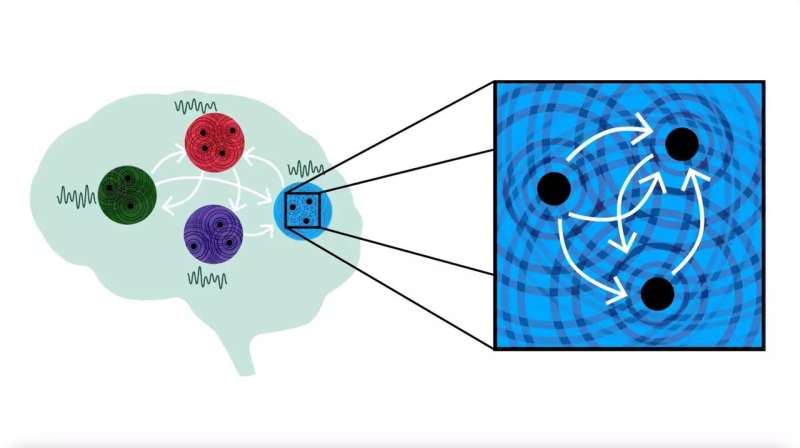
Schematic representation of the “Harmonic Oscillator Recurrent Network Model” (HORN). Credit: ESI

Researchers have made a new discovery in understanding fundamental brain processes. For the first time, the team has provided compelling evidence that the brain’s characteristic rhythmic patterns play a crucial role in information processing. While these oscillatory dynamics have long been observed in the brain, their purpose has remained mostly elusive until now.

Music has the best chance of providing pain relief when it is played at our natural rhythm, a McGill University research team has discovered.

Tiny plastic particles may accumulate at higher levels in the human brain than in the kidney and liver, with greater concentrations detected in postmortem samples from 2024 than in those from 2016, suggests a paper published in Nature Medicine. Although the potential implications for human health remain unclear, these findings may highlight a consequence of rising global concentrations of environmental plastics.

The first-ever ethics checklist developed for portable MRI brain researchers.

A team of scientists from the Center for Neuroscience Imaging Research (CNIR) at the Institute for Basic Science (IBS) has unveiled how the hippocampus orchestrates multiple memory processes, including encoding new information, forming memories, and retrieving them. The study is published in Nature Communications.

A recent study suggests that frequent treatment with intranasal oxytocin a hormone linked to empathy, may help address a key symptom in patients with frontotemporal dementia.

Researchers using intracranial electroencephalogram (EEG) recordings from deep within the brain found that meditation led to changes in activity in the amygdala and hippocampus, key brain regions involved in emotional regulation and memory.

Could the key to easing anxiety be hidden in our gut? Scientists have discovered a crucial connection between gut microbes and anxiety-related behaviour.

People’s ability to interpret emotions or focus on performing a task is reduced by short-term exposure to particulate matter air pollution, potentially making everyday activities more challenging, according to a new study.

New research has revealed clear evidence that changes in the orchestration of brain oxygenation dynamics and neuronal function in Alzheimer’s disease contribute to the neurodegeneration.

Researchers are paving the way for the design of bionic limbs that feel natural to users. They demonstrate the connection between hand movement patterns and motoneuron control patterns. The study, published in Science Robotics, also reports the application of these findings to a soft prosthetic hand, which was successfully tested by individuals with physical impairments.

Occupational exposure to noise and/or vibrations is associated with the presence of vertigo, according to a study recently published in the Journal of Clinical Medicine.

A team of researchers recently carried out a study aimed at exploring the differences among patients with OCD. Their findings, published in Translational Psychiatry, allowed them to identify two broad OCD subtypes, which are associated with different patterns in gray matter volumes and disease epicenters.

A Canadian research team has revealed important new insights into the activation dynamics of neural stem cells (NSCs). These are the stem cells that build our central nervous systems and self-renew.

New research reveals that brain cells use a muscle-like signaling mechanism to relay information over long distances. Scientists discovered that dendrites, the branch-like extensions of neurons, contain a structured network of contact sites that amplify calcium signals—similar to how muscles contract. These contact sites regulate calcium release, activating key proteins involved in learning and memory.

Finally this week, a large study has found that heavy cannabis use, both recent and lifetime, is linked to reduced brain activity during working memory tasks in over 1,000 young adults.

Inside The Meditative Brain

This video delves into a groundbreaking study revealing how experienced meditators can voluntarily enter states of deep unconsciousness and reawaken with heightened mental clarity.

These states are sometimes called “cessations” or “nirvana with remainder” in Buddhist terminology. Cessation refers to the temporary suspension of the ordinary flow of consciousness. It is considered a deep state of tranquility where the usual mental activities come to a temporary halt. This is often described as a profound stillness or emptiness.

After experiencing cessation, practitioners often report a profound sense of clarity, heightened awareness, and a deep understanding of the nature of the mind and reality. This clarity is said to result from the temporary suspension of normal cognitive processes, allowing for a direct, unmediated perception of reality.

Weekly Neuroscience Update

Credit: PLOS Pathogens (2022). DOI: 10.1371/journal.ppat.1010339

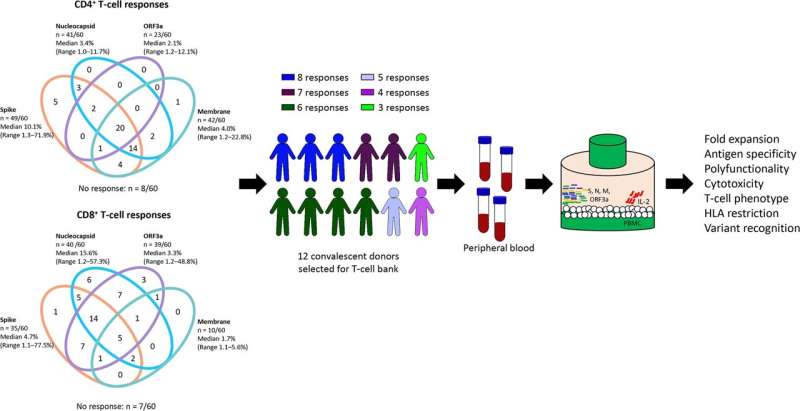
New research is providing hope to immunocompromised people who are vulnerable to COVID-19. Scientists have discovered promising evidence that T cell immunotherapy could help them to fight against multiple strains of the virus.

Treatments integrating music and auditory beat stimulation are effective in reducing state anxiety in some patients, according to a new study published in the open-access journal PLOS ONE.

The underlying molecular mechanisms that promote autoimmune diseases are multilayered and complex. Now, scientists have succeeded in deciphering new details of these processes. Their work supports the notion that excessive consumption of glucose directly promotes the pathogenic functions of certain cells of the immune system and that, conversely, a calorie-reduced diet can have a beneficial effect on immune diseases.

Teens who had an insecure attachment to their mothers as toddlers are more likely to overestimate the trustworthiness of strangers, a new study reports.

A new study reveals that oleic acid produced in the brain is an essential regulator of the process that enables learning and memory and supports proper mood regulation. The finding has paved the path to discovering potential new therapeutic strategies to counteract cognitive and mood decline in patients with neurological disorders.

A small study found people who received lithium, a drug commonly associated with the treatment of bipolar disorder, are less likely to develop dementia.

Scientists have found that people with Parkinson’s disease have a clear “genetic signature” of the disease in their memory T cells. The scientists hope that targeting these genes may open the door to new Parkinson’s treatments and diagnostics.

If you are forgetful or make mistakes when in a hurry, a new study found that meditation could help you to become less error-prone.

Older adults who take statin drugs have a lower risk of developing Parkinson’s disease or parkinsonism symptoms later in life compared to those who do not take statins. Researchers speculate this may be because statins have a neuroprotective effect on arteries in the brain.

Finally this week, researchers have developed a new, fully automated prosthetic arm that learns during normal use and adapts to varying conditions.

Weekly Neuroscience Update

csm_190527_brain-info_MBK_FK_web_0ff4414865

A team of neuroscientists from Göttingen and Tehran has shown. how our brain combines visual features to achieve a unified percept.

Research published in the journal Cerebral Cortex has shown that stronger functional connectivity—that is, communication among neurons in various networks of the brain—is linked to youthful memory in older adults. Those with superior memories—called superagers—have the strongest connectivity.

Scientists have found a link between brain’s emotion circuit and movement.

High-fat diets are not only bad for your waistline, they are also bad for your brain health. A new study reveals high-fat diets contribute to hypothalamic inflammation which occurs long before symptoms of obesity arise.

Patients with schizophrenia show increased brain activity in central areas of the brain, but lower activity in the temporal sulcus when hearing metaphors.

Researchers have developed a system that measures a patient’s pain level by analyzing brain activity from a portable neuroimaging device. The system could help doctors diagnose and treat pain in unconscious and noncommunicative patients, which could reduce the risk of chronic pain that can occur after surgery.

Finally this week, a new study reports maternal marijuana use may be detrimental to the brain development of children.

Weekly Neuroscience Update

reading-925589_960_720.jpg

A new brain mapping experiment shows that whether you read or listen to a book, the same parts of the brain are stimulated to help you understand and respond to the meaning of the words

Poor oral health has been linked to cognitive decline and increased symptoms of stress.

The brains’ of first degree relatives of those with schizophrenia and bipolar disorder differ from those with no family history of the disorders. Relatives of those with bipolar disorder tend to have larger intracranial volume, while those who had a relative with schizophrenia had smaller brain volume.

Minute-to-minute fluctuations in human brain activity, linked to changing levels of dopamine, impact whether we make risky decisions, finds a new study.

Meditation and yoga practice is associated with smaller right amygdala volume, a brain region involved in emotional processing, according to research published in Brain Imaging and Behavior.

Tiny changes in the microscopic structure of the human brain may affect how patients respond to an emerging therapy for neurological problems.

The brains of people with epilepsy appear to react to music differently from the brains of those who do not have the disorder, a finding that could lead to new therapies to prevent seizures.

Major depressive disorder has been linked to at least 22 distinct diseases, including asthma, coronary heart disease, and an increased risk of E. coli infection.

Researchers have identified a specific area of the brain responsible for auditory verbal hallucinations in people with schizophrenia. The researchers were able to control the hallucinations with the help of transcranial magnetic stimulation.

A new study challenges the existing theory that testosterone levels are linked to reduced cognitive empathy.

Finally this week, new research provides insights into what happens in our brains when curiosity is piqued. The findings could help scientists find ways to enhance overall learning and memory in both healthy individuals and those with neurological conditions.


Weekly Neuroscience Update

buddhist-1807526_960_720.jpgResearchers have discovered differences in the brain’s emotional networks between those who do not meditate, novice meditators and those who have practiced meditation for a long time.

According to researchers, people find it easier to lie in a foreign language than their native tongue.

A new study could revolutionize understanding of how signal flow can be measured in the brain and could have an impact into the development of new artificial neural networks.

Scientists in the US have announced they’ve developed an Artificial Intelligence (AI) system that can tell how smart a person is just by looking at a scan of their brain.

Researchers have developed a new, non-surgical method to manipulate brain circuitry. The technique uses sound waves in combination with small bubble injections into the bloodstream that temporarily opens the blood-brain barrier.

A new study reports disrupted transportation routes in nerve cells are a significant cause of Parkinson’s disease.

According to researchers, vision and brain circuits perform regular background scans, making neurons available for focus based tasks. The process makes it possible for us to pay, and maintain attention.

Researchers report high density of neurons in the dorsolateral prefrontal cortex play a significant role in resilient dyslexia.

Finally this week, a new study reports children who exhibit excessive self-control and have tendencies toward perfectionism are twice as likely to develop OCD by their teenage years.

Weekly Neuroscience Update

With the aid of this detailed brain map, researchers were able to identify previously unknown cell types, including six different types of oligodendrocytes and a nerve cell. This image of an oligodendrocyte is for illustrative purposes only. Image credit: Jurjen Broeke.

With the aid of this detailed brain map, researchers were able to identify previously unknown cell types, including six different types of oligodendrocytes and a nerve cell. This image of an oligodendrocyte is for illustrative purposes only. Image credit: Jurjen Broeke.

Using a process known as single cell sequencing, scientists at Karolinska Institutet have produced a detailed map of cortical cell types and the genes active within them. The study, which is published in the journal ‘Science’, marks the first time this method of analysis has been used on such a large scale on such complex tissue.

Researchers have identified five genetic variants that influence the size of structures within the brain, a discovery that could help determine the genetic processes that underlie neuropsychiatric diseases.

A new study sheds light on the brain cells that function in establishing one’s location and direction. The findings contribute to our understanding of the neural mechanisms underlying our abilities to successfully navigate our environment, which may be crucial to dealing with brain damage due to trauma or a stroke and the onset of diseases such as Alzheimer’s.

Meditation over many years is tied to smaller age-related decreases in brain volume, according to a new study.

In the social world, people constantly gather information through visual cues that are used to evaluate others and interact. A new study has determined that babies can make sense of complex social situations, and that they expect people to behave appropriately.

According to a new study published in the journal JAMA Psychiatry, clinical depression is associated with a 30 percent increase of inflammation in the brain. The study set out to investigate whether inflammation is a driver of clinical depression independent of other physical illness.

Finally this week, the brain’s speech area, named after 19th century French physician Pierre Paul Broca, shuts down when we talk out loud, according to a new study that challenges the long-held assumption that ‘Broca’s area’ governs all aspects of speech production.