Weekly Neuroscience Update

brain-waves-memory-neurosciencenews.jpgAlpha and theta oscillations move rhythmically across the brain, reflecting neural activity propagating across the cortex to help form working memory, a new study reports.

Researchers have developed a new computational model of major depressive disorder. The model reveals older memories, as well as short term memories, are affected by major depressive disorder. Researchers say how long the memory deficits go back depends on how long the depressive episode lasts.

A new brain cancer atlas maps out comprehensive, visually rich information about the anatomical and genetic bases of glioblastoma, researchers report.

A new study reports people who have a family history of alcohol use disorder release more dopamine in the ventral striatum as a response to the expectation of receiving an alcoholic drink than those without a family history of alcoholism.

A drug that blocks the alpha7 nicotinic acetylcholine receptor may provide a new method for combating drug addiction relapse, researchers report.

A groundbreaking study reveals human immune cells in the blood can be transformed into functional neurons within 3 weeks by adding four proteins. The discovery could be used to generate neurons to study specific psychological and neurological disorders, researchers say.

Researchers report transcranial magnetic stimulation predisposes neural connections in the visual cortex for reorganization.

Researchers have created a new model that may help explain how the brain stores memories of tangible events. The new model explains how neural activity in the hippocampus can help map space, time and context in episodic memories.

A new study reveals people respond to stimuli in another person’s peripersonal space as they could their own.

Research has shown that a developing child’s brain structure and function can be adversely affected when the child is raised in an environment lacking adequate education, nutrition and access to health care.

Finally this week, researchers report intuition is the result of information processing in the brain that results in prediction based on previous experience.


Weekly Neuroscience Update

cochlear-stereo-hearing-neurosciencenews.jpg

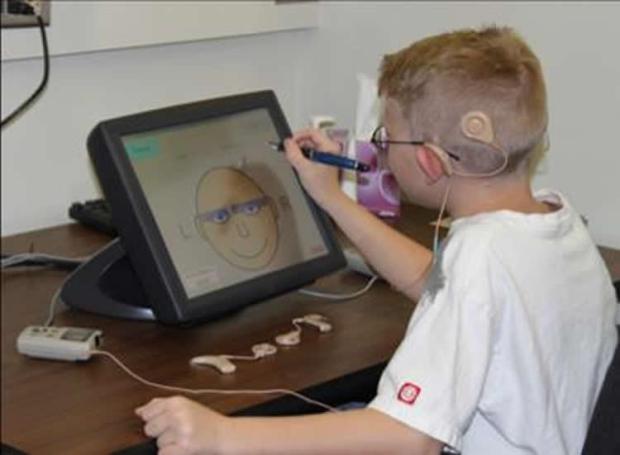
Image credited to Ruth Litovsky (via NeuroscienceNews.com)

A new technique synchronizes cochlear signals in those with implants, stimulating the brain in a way that is similar to hearing people. This can allow those with cochlear implants to hear in stereo.

According to a new study, melatonin works by suppressing neurons that keep you awake and alert. The findings could pave the way for new treatments for insomnia.

When viewing OCD related images, those with the disorder had increased distress and higher levels of activity in emotion-related brain regions than their siblings who did not suffer from OCD, researchers report.

Magnetic resonance imaging can be used to detect the development of psychosis in the brains of high-risk patients at an early stage, according to a new study. 

Researchers have identified the mechanisms behind how noise-induced hearing loss occurs and have shown a simple injection to the middle ear may help to preserve hearing following exposure to loud blast noises.

A new article looks at theories of consciousness and novel research aimed at providing a better understanding of the roots of consciousness.

Sleep is known to be important for creative thinking, but exactly how it helps and what role each sleep stage–REM and non-REM–plays remains unclear. A team of researchers has now developed a hypothesis to explain how the interleaving of REM and non-REM sleep might facilitate creative problem-solving in different but complementary ways.

A study of Parkinson’s patients reveals neural activity alternates between the right and left sides of the brain as we walk.

A new study has linked the APOE4 gene to mental health issues some people face following TBI. Researchers report people with the APOE4 gene had significantly higher scores for depression, PTSD and anxiety following TBI than those without the genetic variant.

Finally this week, a group of researchers has uncovered a new way of telling how well people are learning English: tracking their eyes.

A new study reports people who have a family history of alcohol use disorder release more dopamine in the ventral striatum as a response to the expectation of receiving an alcoholic drink than those without a family history of alcoholism

A new study reveals children who are either overweight or obese during the first two years of life may have problems with memory and learning at the age of 5. Researchers say IQ scored may be lower for higher weight children.

A new study reveals older adults with greater symptoms of depression have a smaller brain volume and a 55% greater chance of vascular lesions in the brain than those who do not have depression.

Researchers report the critical period of language learning may be longer than previously believed. A new study reveals children remain skilled at learning new languages until age 18.

Research has shown that a developing child’s brain structure and function can be adversely affected when the child is raised in an environment lacking adequate education, nutrition and access to health care.

Scientists have uncovered dozens of genes that increase the risk of depression — a major finding that underscores the complexity of the disease and reveals why antidepressant therapies work well for some people but are utterly ineffective for others.

A new study reports Alzheimer’s disease does not appear to affect the salience network. Researchers found, when listening to music, the salience network along with other networks, show higher functional connectivity in Alzheimer’s patients.

Neuroscientists at the University of California-Berkeley are developing a technique that could give us the ability to fool our brain into thinking that we’d experienced something that never happened by manipulating electrical activity in the brain.


Weekly Neuroscience Update

tired-brain-cells-mental-lapses-neurosciencenews.jpg

Sleep-deprived brain cells react more slowly and fire more weakly, and their signals are more drawn out. NeuroscienceNews.com image is credited to UCLA.

A Japanese research group has revealed that elderly people with mild cognitive impairment (MCI) have a particularly weakened ability to memorize human faces in the short term when compared to healthy elderly people. MCI patients also had a different gaze behavior when trying to memorize a face. This research may lead to the early detection of dementia.

Researchers provide new insight into human consciousness, reporting we don’t consciously choose our feelings or thoughts; we simply become aware of them.

If a mother’s immune system is activated by infection during pregnancy, it could result in critical cognitive deficits linked to schizophrenia in her offspring, a new study has revealed.

People on the autism spectrum appear to have different reactions to subliminal social odors, researchers report.

Information from brain MRIs can help identify people with attention deficit hyperactivity disorder (ADHD) and distinguish among subtypes of the condition, according to a study appearing online in the journal Radiology.

Migraine triggers can increase oxidative stress, a new study reports. Targeting oxidative stress may help to prevent migraines.

A new study reveals how the mechanism for storing olfactory memories differs slightly from erasing unnecessary memories. Understanding how the brain gets rid of unimportant memories could help unlock new avenues of research to better understand memory loss in aging, researchers say.

Finally this week, researchers report a developmental abnormality more prevalent in premature and male babies, may contribute to SIDS risk, in conjunction to the sleep position.


Weekly Neuroscience Update

forest-868715_960_720.jpgA neuroimaging study reveals city dwellers who live closer to forests were more likely to have healthier amygdala structure and were better able to deal with stressful situations.
New research has found that a specific combination of techniques will increase people’s chances of having lucid dreams, in which the dreamer is aware they’re dreaming while it’s still happening and can control the experience.

A new study reports women who are exposed to trauma and suffer post-traumatic stress are at an increased risk of developing Lupus.

When mental and physical tasks are put in direct competition, cognition tends to win out. Researchers suggest more energy is directed to the brain than the body, supporting the ‘selfish brain’ theory of evolution.

Researchers have revealed the neural signatures for explicit and implicit learning.

A delayed neurological response to processing the written word could be an indicator that a patient with mild memory problems is at an increased risk of developing Alzheimer’s disease, research led by the University of Birmingham has discovered.

A new study reveals MRI brain scans can help identify neurological changes associated with multiple sclerosis before symptoms appear in children.

Researchers have shown for the first time a comprehensive picture of cell diversity in the amygdala, a vital brain region involved in the regulation of emotions and social behavior, as well as in autism spectrum disorders, depression and other mental disorders. As part of the study, the team also reported on a new method for systematically linking the distinct types of brain cells to specific behavioral functions.

Using three different training models, researchers report mental training, mindfulness and meditation can induce structural brain plasticity and reduce social stress.

Most cases of autism appear to be associated with the appearance of new mutations that are not inherited from the child’s parents, researchers from the University of Washington School of Medicine report.

A new brain-imaging study published in The American Journal of Psychiatry suggests scientists may be able to predict how likely children are to develop depression. 

Researchers have developed a new assessment model that breaks emotional regulation into three different elements. The MAS assessment will provide clinicians a new way in which to diagnose mood and mental health disorders.

A new study reports transcranial magnetic stimulation of the prefrontal cortex improves a person’s ability to evaluate their performance during a working memory task.

Researchers at Salk Institute report astrocytes initiate communication between pairs of neurons during early development, inducing specific neural changes. Findings may have implications for neurodevelopmental disorders such as ASD and ADHD.

Researchers have discovered a cellular mechanism that may contribute to the breakdown of communication between neurons in Alzheimer’s disease.


Weekly Neuroscience Update


bci-arm-control-neurosciencenews.jpg

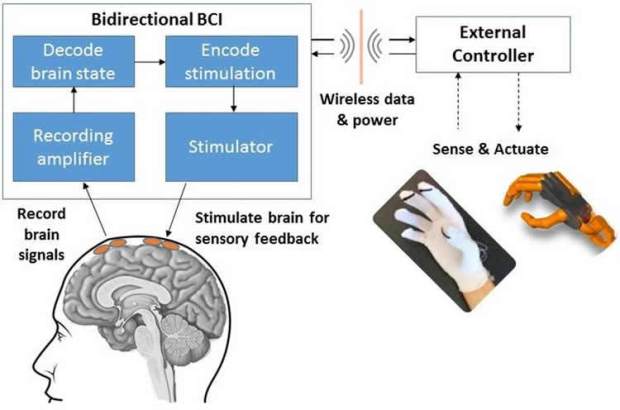
A bidirectional brain-computer interface (BBCI) can both record signals from the brain and send information back to the brain through stimulation. Credit: Center for Sensorimotor Neural Engineering (CSNE).


Researchers are investigating advances in brain-computer interface technologies and considering the implications of linking our brains up to technology.

A new study published in the online journal Radiology suggested that disconnections in the areas of the brain, which are involved in attention and visual processing might lead to visual hallucinations in patients with Parkinson’s disease.

Researchers present a new theory about dreaming, suggesting dreams may be an accidental byproduct of our waking cognitive abilities.

Scientists have long deemed the ability to recognize faces innate for people and other primates — something our brains just know how to do immediately from birth. However, the findings of a new Harvard Medical School study published Sept. 4 in the journal Nature Neuroscience cast doubt on this longstanding view.

Genetic processes that allow cells to transform so they can mend damaged nerves have been identified by scientists.

For the first time, researchers have been able to see changes in the neural structures in specific areas of the brains of people who suffered severe abuse as children.

A new study reveals molecular details of what happens when axons are damaged or completely severed.

A researcher has discovered the molecule that stores long-term memories — it’s called calcium/calmodulin dependent protein kinase (CaMKII).

Finally, this week, how well we are able to complete simple and complex tasks depends upon the organization of subnetworks in the brain, a new study reports.


Weekly Neuroscience Update

dog-2751115_960_720.jpgThe tendency of dogs to seek contact with their owners is associated with genetic variations in sensitivity for the hormone oxytocin, according to a new study from Linköping University, Sweden.

A new study reveals schizophrenia is up to 79% hereditary.

Metacognition of a tactile working memory task has been demonstrated by researchers for the first time. Understanding this brain function might help in the development of new treatments for neuropsychiatric illnesses in the future.

Researchers have shed light on how motor signals help sharpen our ability to decipher complex sound flows.

Increased communication between distant brain regions helps older adults compensate for the negative aspects of ageing, reports a new study published this week in Human Brain Mapping.

Scientists report brain network organization changes can influence executive function in young adults.

A news study has found that brain functions in young men and women are changed by long-term alcohol use, but that these changes are significantly different in men and women.

Mindfulness and meditation can affect brain plasticity, resulting in the ability for adults to acquire new social skills, researchers report.

A new study has found that chronic tinnitus (ringing or buzzing in the ears) is associated with changes in certain networks in the brain, and furthermore, those changes cause the brain to stay more at attention and less at rest.

Finnish researchers have revealed how eating stimulates brain’s endogenous opioid system to signal pleasure and satiety.

Finally this week, sleep deprivation — typically administered in controlled, inpatient settings — rapidly reduces symptoms of depression in roughly half of depression patients, according to the first meta-analysis on the subject in nearly 30 years.


Weekly Neuroscience Update

sleep-55792_960_720.jpg

Researchers report people with poor sleep quality were less likely to experience symptoms of depression if they had higher activity in the ventral striatum.

A new study, published in the open-access journal Frontiers in Human Neuroscience, has uncovered a simple, measurable explanation that can determine your preference for one song over another.

Almost a quarter of girls and one-tenth of boys show signs of depression at age 14, say researchers from the University College London.

Excessive neurogenesis following brain injury may lead to neurological problems and cognitive decline researchers report. The findings challenge common assumptions that excessive brain cell growth following injury is advantageous.

Whether we are consciously aware of seeing a familiar face and object or not, our brains actively notice

A new study has investigated which neurons react to different vocal pitches, discerning between different voices and reacting to emphasis. The findings help us to understand how the brain gains meaning from the sound of speech.

A new report examines the effect stress can have on our bodies and general health.

Finnish researchers have revealed that exercise-induced endorphin release in the brain depends on the intensity of the exercise. Endorphin release induced by exercise may be an important mechanism which affects exercise motivation and maintenance of regular physical activity.

Researchers reveal people who report higher levels of moral reasoning show increased activity in brain areas associated with reward. 

Finally this week, for most people, laughter is highly contagious. But researchers reporting in Current Biology on September 28 have new evidence to show that boys at risk of developing psychopathy when they become adults don’t have that same urge.


Weekly Neuroscience Update

gettyimages-176426057_wide-c6d79c47986bd46b88ffe656b1ca09afd3b7e7b3-s800-c85.jpg

Getty Images

People who played action video games that involve first-person shooters experienced shrinkage in a brain region called the hippocampus, according to a study published in Molecular Psychiatry. That part of the brain is associated with spatial navigation, stress regulation and memory. Playing Super Mario games, in which the plumber strives to rescue a princess, had the opposite effect on the hippocampus, causing growth in it.

Researchers have revealed a helpful strategy to help those with cognitive problems to improve their memory.

The part of the brain that helps control emotion may be larger in people who develop post-traumatic stress disorder (PTSD) after brain injury compared to those with a brain injury without PTSD, according to a new study.

A new study reports cognitive abilities mutually assist each other during development. This results in improved cognitive skills and general intelligence over time.

A sleeping brain can form fresh memories, according to a team of neuroscientists. The researchers played complex sounds to people while they were sleeping, and afterward the sleepers could recognize those sounds when they were awake.

Researchers report social norms together with increasing oxytocin can counter xenophobia by enhancing altruistic behaviors.

A new Johns Hopkins University study adds further evidence to the link between serotonin and dementia. According to researchers, lower serotonin levels may play a key role in memory decline and drive the progression of Alzheimer’s.

Researchers have devised a new odor identification test that could help doctors predict those at risk of Alzheimer’s and track the progression of the disease.

Finally this week, a new study reveals a neurobiological reason behind why we feel happy when we are being generous. Researchers discovered the connectivity between the temporal parietal junction and ventral striatum, an area of the brain associated with happiness, was enhanced in people who committed to generosity.


Weekly Neuroscience Update

aging-sharpness-neuroscinencew.jpg

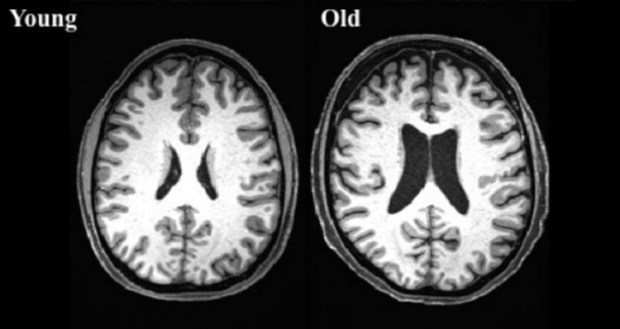
Brain scans from a 38-year-old, left, and a 73-year-old. 

Researchers are embarking on a new study to answer how some people are able to stay sharper than others as they age.

Neurons in the brain that produce the pleasure-signaling neurotransmitter dopamine also directly control the brain’s circadian center, or “body clock” – the area that regulates eating cycles, metabolism and waking/resting cycles – a key link that possibly affects the body’s ability to adapt to jet lag and rotating shift work, a new study has demonstrated.

A molecule produced by insulating glial cells facilitates the functional wiring of brain cells involved in motor coordination.

Using the latest MRI scanning procedures, a team of researchers has shown how certain disorders of the hippocampus can initiate a drug resistant epilepsy. The team has discovered biomarkers that – if used for screening – could massively improve treatment options for epilepsy. The researchers have published their results in the online journal eLife.

A new study reveals the role circular RNA plays in brain function, including synaptic transmission and sensorimotor gating.

Depression has been shown to alter the structure of the brain’s white matter, which contains the circuitry that allows brain cells to communicate with each other, and which underpins brain function.

According to a new Nature study, in order for our taste system to work, the connection between neurons and taste bud cells have to rewire correctly each time.

A new optogenetic method called Optobow is helping researchers to discover specific and individual components of functional neural networks in the living brain. A Nature Communications report states this new method can help provide more detailed insights into both brain function and structure.

A neuroimaging study reveals people who report widespread pain have increased gray matter and functional connectivity in sensory and motor areas of the brain.

Finally this week, a large scale SPECT imaging study reveals women’s brains are significantly more active in more regions than males, including the prefronal cortex and limbic areas. Visual and areas associated with coordination were more active in males, researchers noted.

Weekly Neuroscience Update

astrocytes-neurosciencenews.jpg

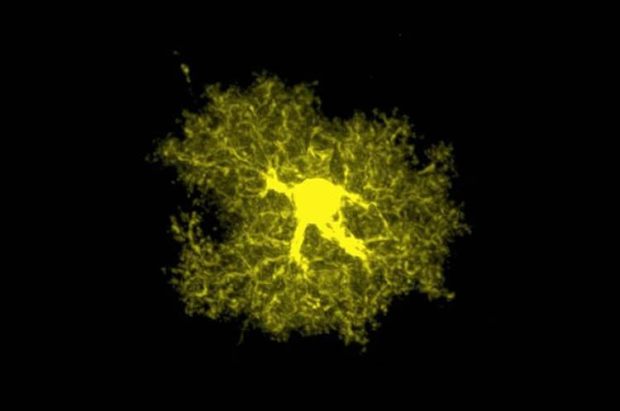
Thousands of branches and branchlets emanate from an astrocyte’s cell body, which is the dense portion in the middle of the image.

A new study published in Neuron challenges the idea that astrocytes across the brain are largely identical.

Researchers have identified a new protein, CIB2, that is key to helping the auditory system to turn soundwaves into meaningful brain signals. Mutations of this gene leave people unable to convert the soundwaves into signals that the brain can interpret, and are deaf.

The more regularly people report doing word puzzles such as crosswords, the better their brain function in later life, a large-scale online trial has found.

How short-term memories become long-term ones has frequently been explored by researchers. While a definitive answer remains elusive, scientists conclude that this transformation is best explained by a “temporal hierarchy” of “time windows” that collectively alter the state of the brain.

Greater muscle strength is associated with better cognitive function in ageing men and women, according to a new Finnish study.

Researchers at King’s College London have identified a molecular mechanism that allows neural connections to adapt as a result of experience. This adaptation fuels our ability for memory and learning.

Researchers have developed a concept called Empowerment to help robots and humans to work and live side-by-side safely and effectively.

A study of post-traumatic stress disorder (PTSD) has identified a new potential mechanism contributing to the biology of the disorder that may be targeted by future treatments.

A new study reveals those who die at 100 tend to suffer from fewer diseases than those who die at younger ages.

A new paper identifies 100 of the most cited neuroscience research papers. Of these papers, 78 focus on five topics. According to the authors of the paper, the most cited neuroscience research topics include the prefrontal cortex, neural connectivity, methodology, brain mapping and neurological disorders. The findings could have significant impact for future neuroscience studies.

Changes in the brain’s structure that could be the result of depression have been identified in a major scanning study.

The same mechanisms that quickly separate mixtures of oil and water are at play when controlling the organization in an unusual part of our DNA called heterochromatin, according to a new study.

New research has shown just how adaptive the brain can be, knowledge that could one day be applied to recovery from conditions such as stroke.

Changes in the orbitofrontal cortex and basolateral amygdala may help explain a person’s preference for uncertain outcomes, as well as a preference for order and certainty, a new study reports.

Finally this week, a small patch of neurons in the brain can encode the movements of many body parts, according to new research.