Weekly Neuroscience Update

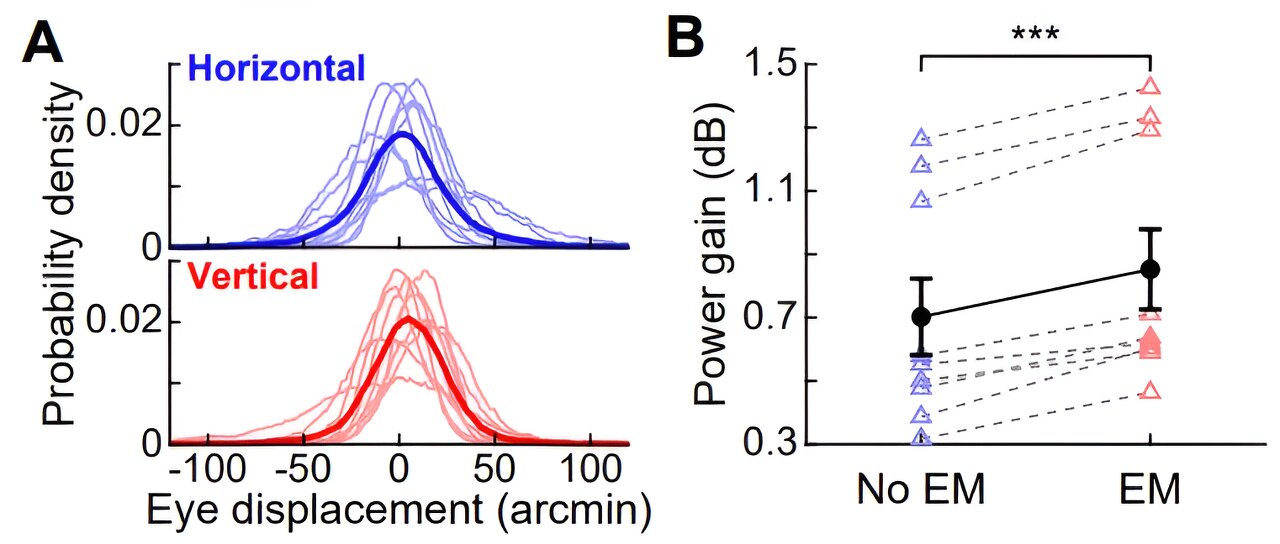
Three experiments to test how dopamine affects cognitive performance during acute exercise. Credit: The Journal of Physiology (2024)

A study exploring the mechanisms behind why cognitive performance improves in response to exercise, has found that dopamine plays a key role.

Researchers have discovered that children with autism spectrum disorders (ASD) develop distinct attentional preferences compared to typically developing children, focusing more on non-social stimuli like objects and textures.

Brain structure predicts treatment response to antidepressant and placebo medications, according to a new study.

Recent research contrasts the learning mechanisms of the human brain with those of deep learning in AI. Despite having fewer layers and slower, noisier dynamics, the brain can perform complex classification tasks as effectively as AI with hundreds of layers.

A new study uncovers a unique aspect of human memory: our ability to recall events is sharper after experiencing negative emotions.

A major clinical trial has shown that by using MRI and tracking to guide the delivery of magnetic stimulation to the brains of people with severe depression, patients will see their symptoms ease for at least six months, which could vastly improve their quality of life.

New research reveals that coming off antidepressants like Prozac can cause not only physical symptoms but also emotional, cognitive, and social difficulties.

Through transcriptomic profiling of more than 300,000 cells in human substantia nigra, a part of the brain that helps control the body’s movements, a research team has identified a previously unreported neuron type with vulnerability in Parkinson’s disease. This novel finding could help explain the complexity of the disease symptoms and direct new therapeutics development.

Researchers have found evidence suggesting that children exposed to elevated levels of early life adversity exhibit an accelerated pattern of brain development during the preschool years.

New research for the first time reveals the function of a little-understood junction between cells in the brain that could have important treatment implications for conditions ranging from multiple sclerosis to Alzheimer’s disease, to a type of brain cancer known as glioma.

Finally this week, a third major study finds that multivitamin supplements improve memory and slow cognitive aging in older adults.

Weekly Neuroscience Update

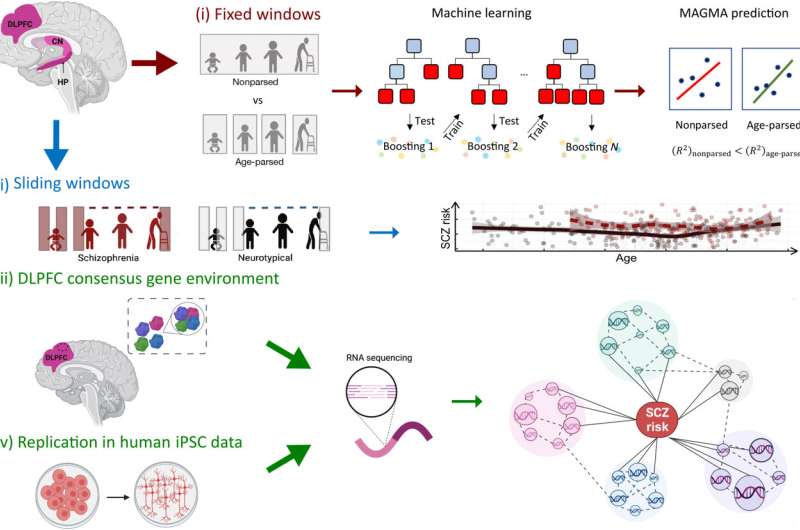
 Credit: Science Advances (2023)

Researchers have published a study in Science Advances that looks into the genetic mechanisms behind the development of schizophrenia.

Students whose brainwaves are more in sync with their classmates and teacher are likely to learn better than those lacking this “brain-to-brain synchrony,” shows a new study by a team of psychology and education researchers. The findings, which appear in the journal Psychological Science, offer new insights into the learning process. 

Scientists are testing a new personalized immunotherapy approach that is designed to work similarly to a vaccine by training the immune system to fight glioblastoma brain cancer.

People experiencing hearing loss who are not using a hearing aid may have a higher risk of dementia than people without hearing loss, suggests a new study published in The Lancet Public Health journal. However, using a hearing aid may reduce this risk to the same level as that of people without hearing loss.

Researchers have shown for the first time that in middle-aged men, Obstructive Sleep Apnea may cause early cognitive decline, even in patients who are otherwise healthy and not obese.

In a new study, teens who added walnuts to their diet for 100 days showed improvements in attention function, and for those with ADHD, frequent walnut consumption was associated with improvements in behavior. Researchers also noted an increase in fluid intelligence in those who frequently consumed walnuts as part of their daily diet.

Listening to or practicing music had positive implications on cognitive decline in older adults by stimulating the production of gray matter in key brain areas, a new study reveals.

Researchers have used machine learning to investigate the molecular and neural mechanisms that could underlie differences among individuals diagnosed with autism spectrum disorder (ASD). Their paper, published in Nature Neuroscience, identifies different subgroups of ASD associated with distinct functional connections in the brain and symptomatology, which could be related to the expression of different ASD-related genes.

A novel imaging technique is capable of showing reactive astrocyte-neuron interactions. The technique sheds new light on Alzheimer’s pathologies and offers a potential breakthrough for the diagnosis and treatment of dementia.

An international team of 79 researchers has collaborated on a study published in Nature Medicine to delve into perivascular spaces (PVS), a poorly understood artifact seen in magnetic resonance imaging of cerebral small vessel disease, a leading cause of stroke and dementia.

Finally this week, new research findings show that probiotic supplementation could be a positive strategy to counteract oxidative stress and inflammation promoted by sleep loss.

Weekly Neuroscience Update

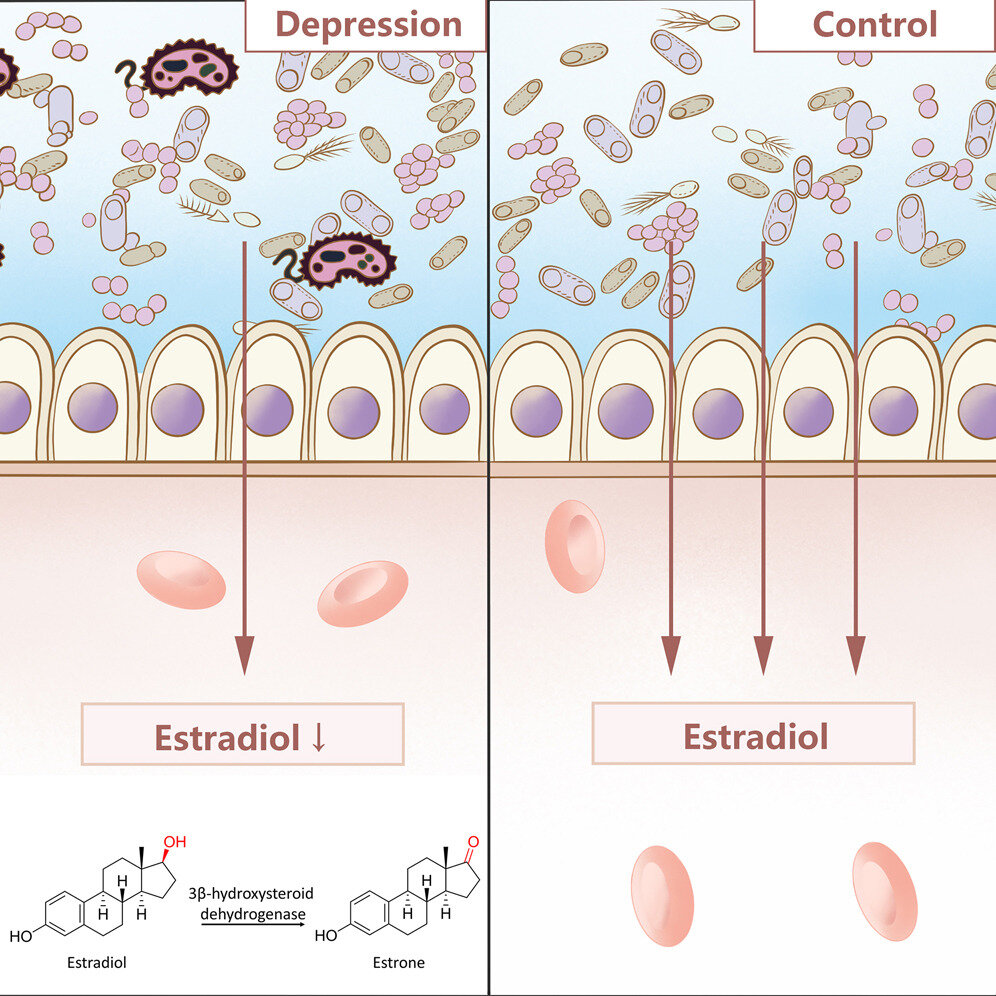
Credit: Cell Metabolism (2023). DOI: 10.1016/j.cmet.2023.02.017

Researchers have found a previously unknown mechanism linking gut bacteria, estradiol, and depression in women. The study, “Gut-microbiome-expressed 3b-hydroxysteroid dehydrogenase degrades estradiol and is linked to depression in premenopausal females,” is published in the journal Cell Metabolism.

Researchers at the Max Planck Institute for Metabolism Research in Cologne, in collaboration with Yale University, have shown that foods with high fat and sugar content change our brain.

Children with autism spectrum disorder (ASD) may benefit from early screening and intervention for cardiometabolic conditions according to a meta-analysis of the association between ASD and cardiometabolic conditions in children. Researchers analyzed data from 10 studies and found that children with ASD have a higher risk of developing cardiometabolic conditions such as obesity, hypertension, and dyslipidemia.

Researchers have developed a new wearable technology that records the activity of neurons in the brain as a human walks or moves.

New research published in Human Brain Mapping reveals sex differences and developmental changes in the brain’s white matter in healthy developing infants and 5-year-olds.These findings could help improve our understanding of brain development and potentially inform interventions to support healthy development in children and young adults.

Criteria used by neurologists to assess for multiple sclerosis in adults may fail to identify the illness in children with imaging suspicious for the disease, an oversight that could delay treatment of the disease at its earliest stages.

Elite male soccer players were 1.5 times more likely to develop neurodegenerative disease than population controls, according to an observational study published in The Lancet Public Health journal. The researchers believe that the repeated heading of the ball during practice and games may be a contributing factor to the increased risk of dementia. The findings raise concerns about the long-term health consequences of playing soccer and highlight the need for further research into ways to reduce the risk of dementia in professional athletes.

Using artificial intelligence, researchers have discovered how to screen for genetic mutations in cancerous brain tumors in under 90 seconds.

A common genetic signature has been linked to an increased risk of substance use disorders from smoking addiction to addiction to narcotics. The findings could pave the way to the development of new therapies for substance use disorder and may help diagnose those at risk of multiple substance use disorders.

Finally this week, listening to music may help boost the beneficial effects of medicine while helping to reduce some of the side effects. 

Weekly Neuroscience Update

Graphical summary of the methodological framework of the study. Credit: Nature Medicine (2023)

The most common type of brain cyst (arachnoid) has no known cause. New research investigating patients with these cysts has found something unexpected—a potential genetic link.

As we age, most of us tend to stop paying attention to new music and stick with the songs from our past. Researchers explored why we narrow our horizons for exploring new music as we age and say listening to new tracks can help create new memory bonds and experience new pleasures.

Adding to the growing body of evidence on sleep disturbances and cognitive impairment, new research finds significant links between three measures of sleep disturbance and the risk for developing dementia over a 10-year period.

A new study confirms that brain development in people with autism differs from those with typical neurodevelopment. According to the study published in PNAS, these differences are linked to genes involved in inflammation, immunity response and neural transmissions. They begin in childhood and evolve across the lifespan.

New research that focused on nutrition and mental health of adolescent athletes found an association between high protein consumption and a decrease in symptoms of depression.

Infants who are born preterm do not habituate to repeated pain the same way in which full-term babies or adults do. Researchers believe this is because preterm infants have not yet developed the mechanism that enables people to adapt to moderate pain, which is thought to develop during the third trimester of pregnancy.

Finally this week, a new study that focused on the nutrition and mental health of adolescent athletes found an association between high protein consumption and a decrease in symptoms of depression.

Weekly Neuroscience Update

Any regular leisure-time physical activity at any age is linked to better brain function in later life, but maintaining an exercise routine throughout adulthood seems to be best for preserving mental acuity and memory, suggests a long-term study published in the Journal of Neurology Neurosurgery & Psychiatry.

Researchers have conducted a world-first pilot study investigating a sleep intervention for autistic adults, showing promising evidence at reducing insomnia and co-occurring anxiety symptoms.

Patients with Parkinson’s disease achieved a significant improvement in their tremors, mobility, and other physical symptoms after having a minimally invasive procedure involving focused ultrasound, according to a new study published in the New England Journal of Medicine.

Researchers have identified a mechanism for how signals from the environment are integrated with genetic information to influence the health and survival of brain cells, providing insight into the development of Parkinson’s disease.

A new study suggests a link between irritable bowel syndrome (IBS) and mental health disorders such as anxiety and depression. The study found that individuals with IBS were more likely to experience symptoms of anxiety and depression than those without IBS.

In a first-of-its-kind study, researchers developed an electronic implant that collected information about brain activity from a single neuron for over one year.

A new AI-powered tool developed by researchers can predict which patients with mild cognitive impairment (MCI) are most likely to develop Alzheimer’s disease. The tool uses machine learning algorithms to analyze data from brain scans, blood tests, and cognitive assessments to identify specific biomarkers associated with Alzheimer’s disease.

Finally this week, a person’s personality and psychopathology levels may be associated with how strongly they prefer to focus on human faces within images, according to a study published in the open-access journal PLOS ONE.

Weekly Neuroscience Update

Researchers have investigated whether the perception of time changes with age, and if so, how, and why we perceive the passage of time differently.

In a study recently published in Dementia and Geriatric Cognitive Disorders, researchers have revealed changes in the cerebral neural network that could function as a biomarker for degenerative neurological conditions such as Alzheimer’s disease and dementia with Lewy bodies—abnormal protein deposits in the brain.

Experiencing three or more concussions is linked with worsened brain function in later life, according to new research.

Levodopa, a drug commonly prescribed for the treatment of Parkinson’s disease that increases dopamine in the brain has been found to have the potential to reverse the effects of inflammation on brain reward circuitry, ultimately improving symptoms of depression.

A team of researchers has found evidence linking motor neurons’ large cell size and supporting structure with the genes that underlie their vulnerability to degeneration in ALS.

A new study has examined the pain perception among people with autism and found that they experience pain at a higher intensity than the general population and are less adaptable to the sensation. This finding is contrary to the prevalent belief that people with autism are supposedly ‘indifferent to pain’. The researchers expressed the hope that the findings of their study will lead to more appropriate treatment on the part of medical staff, caregivers, and parents toward people with autism, who do not always express the experience of pain in the usual way.

Researchers have identified two distinct processes that are triggered in the brain when a person is exposed to prolonged or repeated sensory input.

Among people who received more intensive treatment for high blood pressure, evaluations of MRI scans indicated a positive change in brain structures involved in its ability to clear toxins and other byproducts, according to preliminary research to be presented at the American Stroke Association’s International Stroke Conference 2023.

New research has linked major depression in older adults to mitochondrial deterioration.

People exposed to noise pollution as a result of heavy traffic close to their homes are at greater risk of developing tinnitus, a new study reports. Tinnitus is a condition where an individual hears ringing, buzzing, or whistling sounds in their ears, even when there is no external source of the sound. Prolonged exposure to loud noise can cause damage to the hair cells in the inner ear, which are responsible for transmitting sound to the brain. As a result, the brain can create its own sounds, leading to tinnitus.

Finally this week, cinnamon could do more than just wake up your taste buds. A new study reveals eating products with cinnamon can help improve memory and learning, and may also reduce some symptoms of anxiety.

Weekly Neuroscience Update

New research shows that moderate physical activity was linked to increased volume in brain areas associated with memory, especially in older adults.

The biological changes that occur as a result of aging could be a mechanism behind why older adults with depression do not have a full resolution of symptoms following taking antidepressants. The persistence of depressive symptoms becomes a source of depleted psychological well-being, increased disability, accelerated cognitive decline, and premature aging in older adults.

Researchers have identified a pathway that begins in the gut and ends with a pro-inflammatory protein in the brain that appears to contribute to the development of Alzheimer’s disease.

A new study looks at the brains of black women who reported having experiences with racial discrimination. The goal of the study was to determine whether racial discrimination could affect the brain. After doing MRI scans on the women’s brains, the researchers found changes in their white matter.

The smell of fresh cut grass or blooming flowers appears to have a positive effect on a person’s overall well-being, a new study reveals.

A new study proposes a new learning method for people with autism that may accelerate the learning process and even significantly improve capabilities in terms of visual perception. According to the researchers, improving the perceptual capacity of people with autism is often a challenge, which usually requires long and tedious training alongside additional learning challenges that characterizes autism, such as the ability to generalize learning to new situations.

The unique features of an individual adolescent’s brain can help predict their risks of developing mental health problems later in life.

The effects of COVID-19 infection on neurological health are becoming more apparent. A new study reveals COVID-19 can predispose people to irreversible neurological conditions, accelerate brain aging, and increase the risk of stroke and brain bleeds.

Finally this week, researchers have found that transcranial brain stimulation can improve the age-related impairment in learning new motor skills.

Weekly Neuroscience Update

A newly designed baby jumpsuit that monitors motor development carries the possibility for assessing overall neurodevelopment in infants. It is now commonly accepted that the motor development of a young child is not independent of all other neurocognitive development. The strong innate drive of the child to move has emerged from a clear need: the child must move a lot to gain experience and learn from the surrounding environment. It is now commonly accepted that the motor development of a young child is not independent of all other neurocognitive development. The strong innate drive of the child to move has emerged from a clear need: the child must move a lot to gain experience and learn from the surrounding environment.

A new brain mapping study finds damage to one part of the brain changes connections between neurons across the entire brain.

A recent study, published in Neurology, shows that social isolation is linked to changes in brain structure and cognition – the mental process of acquiring knowledge – it even carries an increased risk of dementia in older adults.

Measuring the electrical activity of the retina in response to light stimulus could be a biomarker for ADHD and autism, researchers report.

A large international team of researchers has found 69 unique genetic variants linked to the ability to keep time to a beat. In their paper published in the journal Nature Human Behavior, the group describes their genetic study involving more than 600,000 volunteers.

Researchers have identified the exertion level where aerosol particle emission increases exponentially, offering an explanation as to why exercise intensity may be linked to the transmission of infections.

New research reports girls and boys show similar rates of concern for autism spectrum disorder and identifies several biases contributing to the inflated sex ratio for autism diagnosis. The findings could help with the early identification of girls on the autism spectrum.

Finally this week a new study has identified potential targets to develop a therapy that could prevent Alzheimer’s disease.

Weekly Neuroscience Update

Measuring changes in the activity of neurons in a cortical area while perturbing the activity in another area. Credit: Sainsbury Wellcome Centre

Researchers have discovered how two neocortical areas in the brain communicate with one another and found that their influence on each other changes over much faster timescales than previously thought.

Neuroscientists using MRI scans discovered that psychopathic people have a 10% larger striatum, a cluster of neurons in the subcortical basal ganglia of the forebrain, than regular people. This represents a clear biological distinction between psychopaths and non-psychopathic people.

Glycan, a special sugar protein, appears to play a significant role in the development of Alzheimer’s disease.

Genetic studies have offered clues, identifying genes associated with Autism Spectrum Disorder, but despite finding many pieces to the puzzle, scientists have not yet figured out how they all fit together, and why there is such wide variation in ASD symptoms. Now an international team of scientists report significant progress in understanding how the combined effects of rare mutations and common genetic variation determine whether a child will develop ASD.

Researchers identify the exertion level where aerosol particle emission increases exponentially, offering an explanation as to why exercise intensity may be linked to the transmission of infections.

The dopaminergic system appears to play an important but overlooked role in LSD’s effects on consciousness, according to new research published in the journal Psychopharmacology. The findings provide new insight into the neurophysiological mechanisms responsible for the unique effects of psychedelic drugs.

Finally this week, a new study has identified potential targets to develop a therapy that could prevent Alzheimer’s disease.

Weekly Neuroscience Update

Researchers from the UMH-CSIC Neurosciences Institute have developed an innovative strategy that allows imaging of microglial and astrocyte activation in the gray matter of the brain using diffusion-weighted magnetic resonance imaging (dw-MRI). Credit: IN-CSIC-UMH

Research has made it possible to visualize for the first time and in great detail brain inflammation using diffusion-weighted Magnetic Resonance Imaging. This detailed “X-ray” of inflammation cannot be obtained with conventional MRI, but requires data acquisition sequences and special mathematical models. Once the method was developed, the researchers were able to quantify the alterations in the morphology of the different cell populations involved in the inflammatory process in the brain.

A new study conducted at 38 schools in Barcelona suggests that traffic noise at schools has a detrimental effect on the development of working memory and attention in primary-school students.

People who can frequently recall their dreams tend to be more creative and exhibit increased functional connectivity in a key brain network, according to new research published in the journal Nature and Science of Sleep. The findings provide new insights into the neurophysiological correlates of dreaming.

Researchers have identified elevated levels of a biomarker in the blood that persists for months in long COVID patients who experience neuropsychiatric symptoms.

Plenty of people claim they can’t function without their morning coffee, but is there a neurological basis to it? A study published in Scientific Reports suggests that coffee does have beneficial effects on cognitive function, and it may do this by reorganizing brain functional connectivity.

Low exposure to gonadal hormones during early gestation and infancy predicts higher recalled childhood gender nonconformity in men, according to new research.

Researchers at Carnegie Mellon University have explored the regions of the brain where concrete and abstract concepts materialize. A new study now explores if people who grow up in different cultures and speak different languages form these concepts in the same regions of the brain.

Finally this week, new research will explore how psilocybin affects specific brain pathways in autistic adults and is the first-ever mechanistic study of psilocybin in autistic adults.