Weekly Neuroscience Update

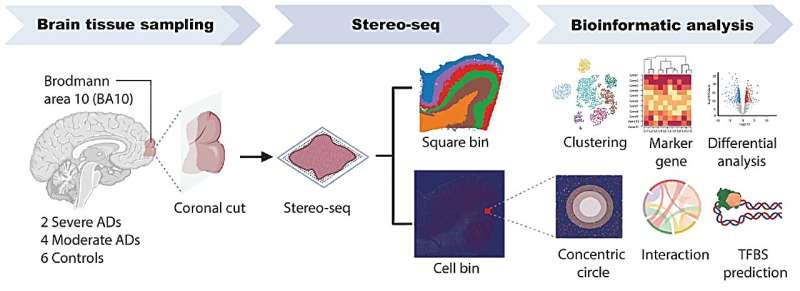
The analysis pipeline of the study, with select figures created using BioRender. Credit: Nature Communications (2025)

Scientists have developed a novel, detailed map at the subcellular level of a brain region frequently impacted by Alzheimer’s disease. This groundbreaking achievement represents a significant advancement in understanding the mechanisms underlying the development of this neurodegenerative condition.

New research shows that AI can identify complex regional pain syndrome (CRPS) with over 90% accuracy by analyzing gut microbiome patterns. 

Mindfulness exercises paired with music were found to engage both neural and cardiac systems, potentially reducing symptoms of anxiety and depression. A recent study showed that live and virtual music mindfulness sessions lowered stress and altered states of consciousness, though only live sessions fostered social connection.

A long-term study shows that teenagers who maintain or increase physical activity levels are less likely to develop symptoms of depression.

Researchers have developed a brain-computer interface (BCI) that enables computer cursor control and clicking, using neural signals from the speech motor cortex. One participant with amyotrophic lateral sclerosis (ALS) used the interface for daily life activities, including independent control of a personal desktop computer and text entry.

New research shows that targeting emotional processing is key to treating and managing chronic pain.

In a first-of-its-kind clinical study, researchers have shown that patients with treatment-resistant PTSD were symptom-free up to six months after completing traditional therapy paired with vagus nerve stimulation (VNS).

Scientists using living human brain tissue have shown for the first time how a toxic form of a protein linked to Alzheimer’s can stick to and damage the connections between brain cells.

People whose biological age is higher than their chronological age may be more likely to develop dementia than people whose biological age matches or is lower than their chronological age, according to a study published online in Neurology. Biological age is based on biomarkers of aging such as lung function, blood pressure and cholesterol.

A recent study reveals that oxygen tension elevation during weeks four to six promotes neurogenesis in brain organoids, regulated by neuroglobin. The research is published in Science Advances.

Obstructive sleep apnea, a condition that causes lower oxygen levels during sleep, is linked to degeneration of brain regions associated with memory through damage to the brain’s small blood vessels, according to a study published in Neurology.

A new theory suggests that psychedelics promote empathy, insight, and psychological flexibility by making the brain’s right hemisphere temporarily dominant over the left. 

A revolutionary microscopy method called LICONN enables scientists to reconstruct brain tissue and map synaptic connections using standard light microscopes. By embedding brain tissue in hydrogel, expanding it, and imaging at nanoscale resolution, researchers achieve a detailed view of neuronal architecture previously only possible with electron microscopy.

A new music therapy-based tool called MuSICCA may transform how healthcare teams assess consciousness in children with severe brain injuries. 

Research from Emory University has identified a biological connection between inflammation and deficits in motivation in individuals with schizophrenia, offering new hope for treating symptoms that have long been resistant to existing therapies.

A Yale-led study shows that the senses stimulate a region of the brain that controls consciousness—a finding that might inform treatment for disorders related to attention, arousal, and more.

Finally this week, a new study has debunked the common myth that autistic people are less effective communicators than non-autistic individuals. Researchers found no difference in how well information was shared between autistic-only, non-autistic-only, or mixed groups.

Weekly Neuroscience Update

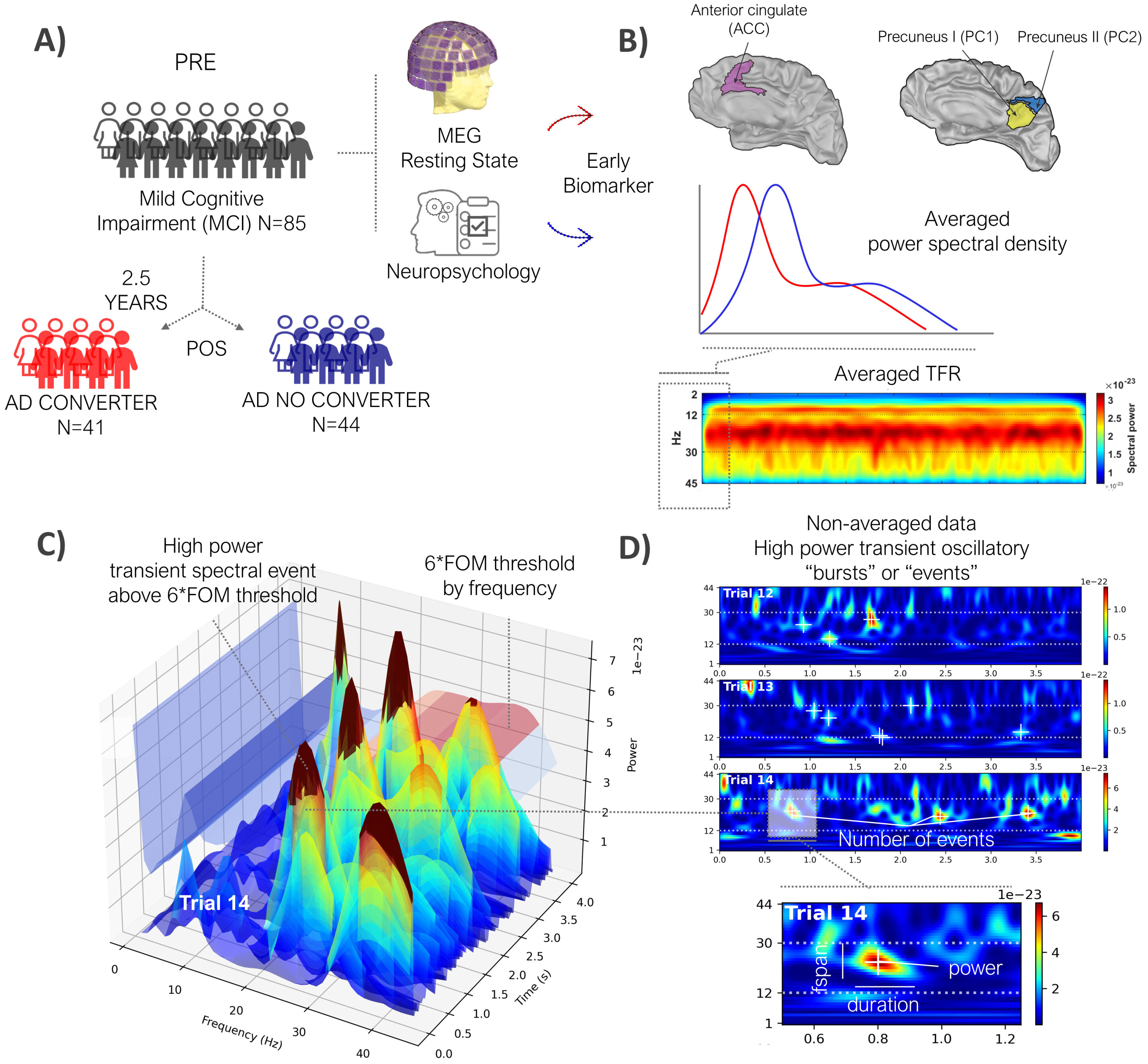
Credit: Nature Mental Health (2025)

Pioneering research has identified the brain mechanisms that enable psychosis to remit. These findings could significantly inform the development of novel intervention strategies for patients with psychosis.

Contrary to fears of “digital dementia,” new research finds that using digital technology is linked to a reduced risk of cognitive decline in older adults. A large-scale meta-analysis of over 400,000 participants revealed that digital engagement correlates with a 58% lower risk of cognitive impairment.

A simple method of brain stimulation has been shown to change how people make decisions. These were the findings of a new study published in the Journal of Cognitive Neuroscience.

A team of researchers has identified the key brain regions that are essential for logical thinking and problem solving. The findings help to increase our understanding of how the human brain supports our ability to comprehend, draw conclusions, and deal with new and novel problems—otherwise known as reasoning skills.

Medial temporal lobectomy is effective in improving seizure outcomes among patients with drug-resistant temporal lobe epilepsy, according to a recent study.

New research links fatty, sugary diets to impaired brain function. The findings build on a growing body of evidence showing the negative impact of high-fat, high-sugar (HFHS) diets on cognitive ability, adding to their well-known physical effects.

A recent study reveals that the basolateral amygdala plays a key role in calibrating prosocial behavior based on emotional closeness.

New research reveals that gut imbalances in children with autism may influence brain activity and behaviour by disrupting the production of key neurotransmitters like serotonin. Scientists found that changes in gut-derived metabolites are linked to differences in brain structure and function in children with autism.

Chronic pain is closely intertwined with depression. Individuals living with pain’s persistent symptoms may be up to four times more likely to experience depression according to a new study.

Our brains can adapt to filter out repeated distractions, according to a new EEG study. Participants learned to ignore frequent visual distractions, such as a red shape in the same location, while searching for a target.

Repetitive transcranial magnetic stimulation is showing promise in Alzheimer’s treatment.

A new international study reveals a possible connection between GLP1 receptor agonists—used in drugs like Ozempic—and increased risk of depression and suicidal ideation, especially in people with low dopamine function.

Researchers have found a potential link between the trauma of climate-related events, exemplified by devastating wildfires, and persistent effects on cognitive function.

Researchers have developed a personalized blood test that may offer a faster, less invasive way to track high-grade glioma progression. By identifying unique DNA junctions from each patient’s tumour, the test can detect tumor DNA in the bloodstream, even before changes appear on MRI scans.

A new study demonstrates for the first time that listening to favorite music activates the brain’s opioid receptors.

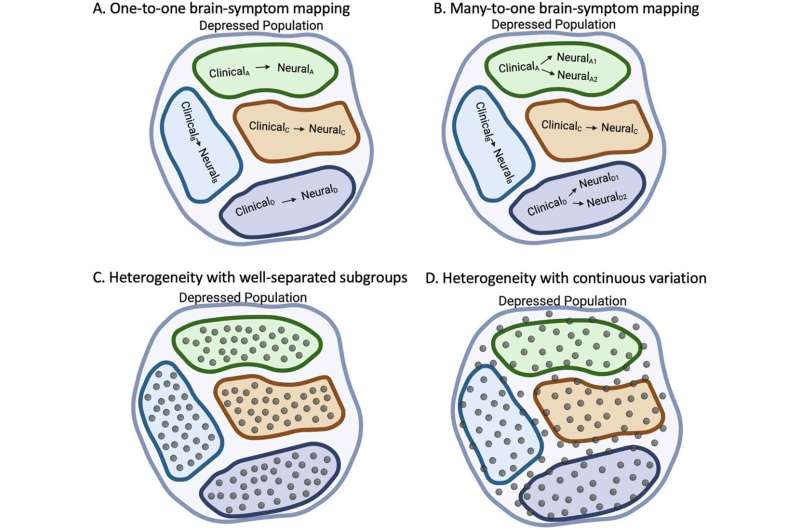
Promising a more personalized approach to treating major depressive disorder (MDD), a new study reveals that brain connectivity patterns, especially in the dorsal anterior cingulate cortex, can significantly predict patient response to antidepressant medications. This finding was validated in two large, independent clinical trials using brain imaging and clinical information.

Contrary to potential assumptions, recent research demonstrates that the spatial working memory of older people with autistic traits and neurotypical individuals shows no difference in change over time.

A major international study has provided the most comprehensive evidence to date on treatments for neuropathic pain —defined as pain caused by disease of the nervous system, affecting up to 10% of the population worldwide.

Finally, this week, exercise appears to be vital for maintaining sharp minds, even when a key brain energy source is lacking, according to a new study.

Weekly Neuroscience Update

Credit: Cell Reports (2025).

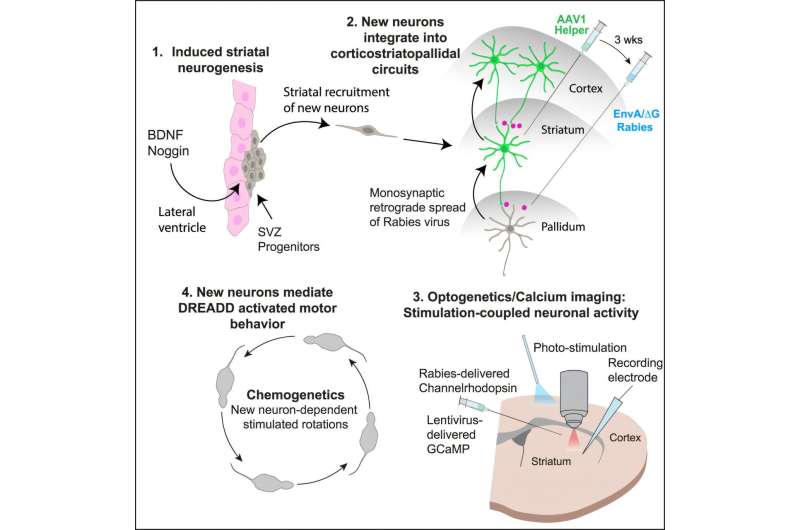
New research shows that the adult brain can generate new neurons that integrate into key motor circuits. The findings demonstrate that stimulating natural brain processes may help repair damaged neural networks in Huntington’s and other diseases.

A study published in Brain Communications highlights a new approach to treating drug-resistant epilepsy.

A novel human study with intracranial recordings demonstrates the thalamus’s pivotal role, especially its higher-order regions, in the onset of conscious perception, with activation preceding that of the prefrontal cortex.

New findings reveal that long-term obesity patterns have distinct impacts on brain structure, function, and cognition. 

Researchers have discovered new potential therapeutic targets for multiple sclerosis (MS). While current treatments prevent further damage, the current findings may form the starting point for the development of new treatments for tissue recovery in MS. The research is published in the journal Brain.

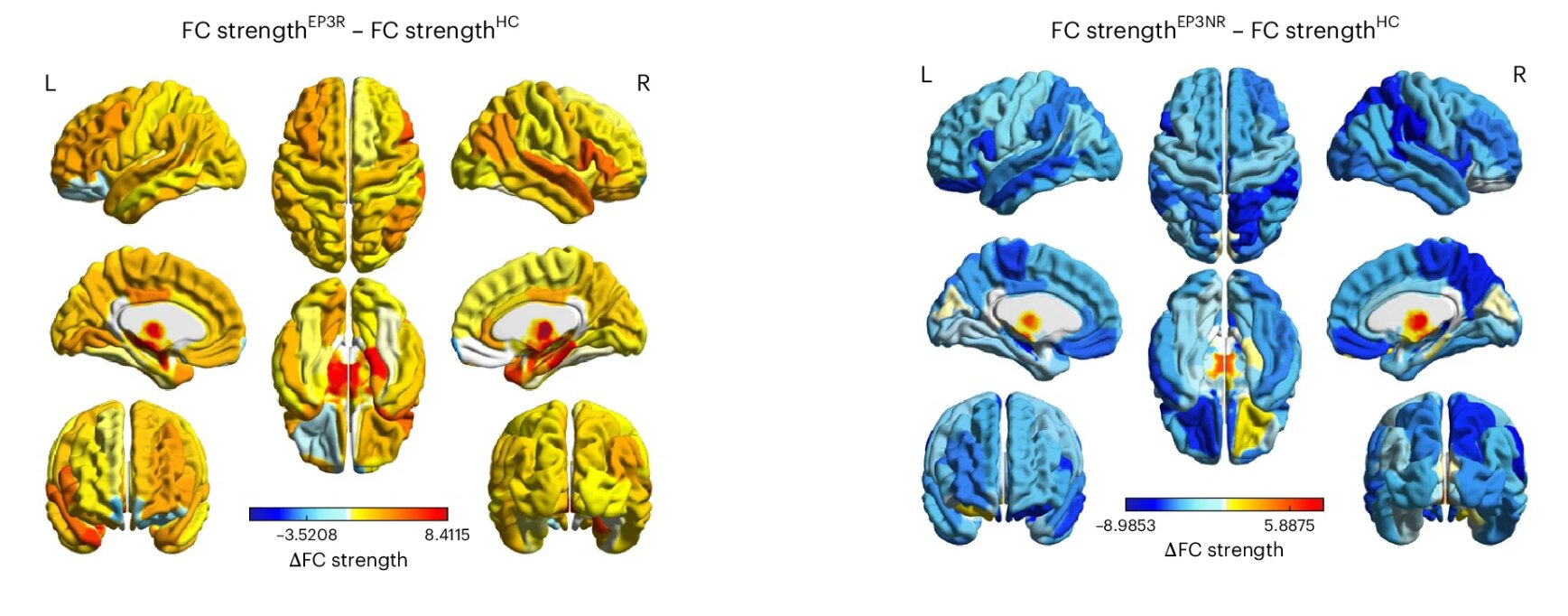
Research published in the Journal of Magnetic Resonance Imaging has uncovered changes in brain connectivity during chemotherapy in patients with breast cancer.

Mass General Brigham investigators have linked difficult early life experiences with reduced quality and quantity of the white matter communication highways throughout the adolescent brain. This reduced connectivity is also associated with lower performance on cognitive tasks.

A team of engineers has developed a microscale brain–computer interface that is small enough to be placed between hair follicles on a user’s head.

Researchers have identified specific high-order thalamic nuclei that drive human conscious perception by activating the prefrontal cortex. Their findings enhance understanding of how the brain forms conscious experience, offering new empirical support for theories that assign a central role to thalamic structures rather than cortical areas alone.

A natural compound found in everyday fruits and vegetables may hold the key to protecting nerve cells—and it’s showing promise as a potential treatment for ALS and dementia.

New research highlights how smartphones are transforming memory science by capturing real-world data on sleep, emotion, and daily experiences. Studies show that replaying memories before sleep, experiencing novel events, and feeling positive emotions can all strengthen autobiographical memory.

An artificial intelligence tool that can help interpret and assess how well treatments are working for patients with multiple sclerosis has been developed by UCL researchers.

A recent study indicates that brain cells possess a higher degree of plasticity than previously understood. This suggests that the brain’s ability to adapt and change throughout life is more extensive than earlier scientific models suggested.

Researchers have discovered that increased blood flow leads to stiffness in the hippocampus, a region of the brain that plays important roles in learning and memory. 

By mapping the presynaptic inputs to single neurons within the primary somatosensory cortex researchers have shown how these neurons integrate brain-wide signals related to behavior, offering a more nuanced understanding of cortical activity.

Seventeen modifiable risk factors are shared by stroke, dementia, and late-life depression, according to a review published in the Journal of Neurology, Neurosurgery & Psychiatry.

A recent study has shown how aspects of brain function change with age, revealing that excitatory processes in the brain decrease, while inhibitory processes increase as children get older. The findings are an important step in understanding disorders like autism.

Finally this week, research shows that a blow to the head can significantly impact a child’s or adolescent’s future education. Even a mild concussion can have far-reaching consequences.

Weekly Neuroscience Update

Credit: Brain Communications (2025)

The parts of the brain that are needed to remember words, and how these are affected by a common form of epilepsy, have been identified by a team of neurologists and neurosurgeons.

New research published in PLOS ONE, reveals that witnessing trauma triggers unique brain changes, distinct from those caused by experiencing trauma firsthand. The study is the first to shed light on the molecular differences between directly acquired PTSD and bystander PTSD and could pave the way for changes in how the disorders are treated.

Scientists have discovered that neural changes in teens may predict how decision-making and behavioural control develop.

A new study shows that the rubber hand illusion can reduce the intensity of pain caused by heat. Researchers found that when participants viewed a rubber hand being illuminated while their hidden hand received a heat stimulus, they reported feeling less pain. This suggests that integrating visual and sensory cues can influence pain perception. The findings may one day help develop new treatments for chronic pain conditions such as complex regional pain syndrome.

Verbal fluency, the ability to recall and use vocabulary, is the strongest cognitive predictor of longevity in a 20-year study of elderly adults. This suggests a link between linguistic ability and overall health.

Neuroscientists have discovered a way to control how much zinc is released to specific locations in the brain. The essential mineral plays a major role in the brain’s function, including improving memory and lessening symptoms of some neurological disorders, but getting the right amount to the right place is key.

According to new research, inflammation inside and outside the brain may contribute to neurological complications in COVID-19.

A study published  in the British Journal of Psychiatry has found that nearly half of people diagnosed with depression don’t respond to multiple antidepressant medications and are considered “treatment-resistant.” The study found that 48% of patients whose electronic health care records reported a diagnosis of depression had tried at least two antidepressants, and 37% had tried four or more different options.

Scientists have developed a computational framework that maps how the brain processes speech during real-world conversations.

For children with autism who severely injure themselves, a pilot study suggests that deep brain stimulation (DBS) of the brain’s reward centre (nucleus accumbens) is a safe and possible treatment that could be beneficial, especially when behavioural therapies don’t work.

New research suggests that factors present in the placenta during pregnancy might play a role in increasing the risk of a child developing schizophrenia.

Scientists at Peking University have used a new method to discover that dopamine helps protect and control the function of a protein called Tau. This finding helps us better understand how dopamine works normally and in diseases of the brain.

A research team has uncovered the neural mechanisms underlying the processing of pain and itch in the anterior cingulate cortex (ACC).

A new study finds that women in their 80s who develop increasing daytime sleepiness over five years are twice as likely to develop dementia. Researchers tracked 733 women without cognitive impairment, using wrist devices to monitor sleep and circadian rhythms. Those who showed stable sleep patterns had the lowest dementia risk, while those with increasing sleepiness faced the highest risk. Surprisingly, declining nighttime sleep was not significantly linked to dementia risk.

A research team has developed an electrode capable of safely encasing nerves without causing damage.

Finally this week, new research shows that even 12-month-old babies can form memories, as indicated by activity in the hippocampus. This challenges the idea that infants can’t remember and suggests that infantile amnesia (not remembering early childhood) might be because we can’t access those memories later, rather than not forming them in the first place.

Weekly Neuroscience Update

EEG setup with e-tattoo electrodes. Credit: Nanshu Lu

For the first time, scientists have invented a liquid ink that doctors can print onto a patient’s scalp to measure brain activity. The technology offers a promising alternative to the cumbersome process currently used for monitoring brainwaves and diagnosing neurological conditions. It also has the potential to enhance non-invasive brain-computer interface applications.

People who have chronic traumatic encephalopathy (CTE) who have a family history of mental illness may have a higher risk of aggression in middle age, according to a new study.

A loss of brain volume associated with new immunotherapies for Alzheimer’s disease may be caused by the removal of amyloid plaques, rather than the loss of neurons or brain tissue, finds a study led by UCL researchers.

A common heart drug may slow the progression of Huntington’s disease according to new research.

Men with cardiovascular disease risk factors, including obesity, face brain health decline a decade earlier—from their mid 50s to mid 70s—than similarly affected women who are most susceptible from their mid 60s to mid 70s, suggest the findings of a long term study, published online in the Journal of Neurology Neurosurgery & Psychiatry.

In a new study published in Briefings in Bioinformatics, researchers have found that depression can increase the chances of a person experiencing menstrual pain (dysmenorrhea).

Researchers have achieved a major milestone in the treatment of spinal cord injuries (SCI). By applying deep brain stimulation (DBS) to an unexpected region in the brain—the lateral hypothalamus (LH)—the team has improved the recovery of lower limb movements in two individuals with partial SCI, greatly improving their autonomy and well-being.

Soccer heading may cause more damage to the brain than previously thought, according to a study presented at the annual meeting of the Radiological Society of North America (RSNA).

New research reveals subtle changes in the visual pathways of individuals with chronic mild traumatic brain injury (TBI), even when standard eye examinations show no abnormalities. These findings include structural and functional deficits despite participants showing normal visual acuity during clinical examination.

A recent study identifies research strategies for tying brain function and structure to behaviour and health.

COVID-19 may be a risk factor for multiple sclerosis (MS). This has been shown by new research at Örebro University and Örebro University Hospital, Sweden. The study is published in the journal Brain Communications.

A study appearing in Nature Neuroscience has linked distinct neural and behavioral characteristics in autism spectrum disorder (ASD) to a simple computational principle.

Everyday physical activity, like going for a short walk or playing with the kids, may provide short-term benefits for cognitive health, equivalent to reversing four years of cognitive aging. That was a key finding a new study, published in the journal Annals of Behavioral Medicine.

Voice experiments in people with epilepsy have helped trace the circuit of electrical signals in the brain that allow its hearing center to sort out background sounds from their own voices.

A study led by University College London researchers found that large language models, a type of AI that analyzes text, can predict the results of proposed neuroscience studies more accurately than human experts.

Skeletal muscle loss is a risk factor for developing dementia, according to a study presented at the annual meeting of the Radiological Society of North America (RSNA).

A pioneering study has meticulously mapped the brain’s intricate neural pathways, shedding light on how specific regions work together to control impulsive actions. By employing advanced neuroimaging and noninvasive brain stimulation techniques, researchers uncover the mechanisms that allow us to halt unwanted actions.

Finally this week, new research reveals the unique human ability to conceptualize numbers may be rooted deep within the brain. 

Weekly Neuroscience Update

Brain structural (MRI) scans from a selection of individuals from the Lothian Birth Cohort 1936 taken during Wave 2 (when all participants were about 73 years old). Credit: Ian J. Deary

A 25-year research program has unveiled key insights into how our brains age and what factors influence cognitive performance throughout life. The findings, published on 7 November 2024 in Genomic Psychiatry, draw from the Lothian Birth Cohorts (LBC) studies, which uniquely tracked participants’ cognitive abilities from childhood through their eighth decade of life.

A team of researchers has uncovered a mechanism in the formation of harmful protein aggregates that lead to neurodegenerative diseases such as Parkinson’s disease.

People with stronger autistic traits exhibit distinct and highly effective exploration patterns, according to a new study. These individuals tend to persist longer in curiosity-driven tasks, leading to better overall performance. In the study, participants with higher autistic traits explored consistently, even when faced with challenging learning environments, while those with lower traits engaged more briefly.

A new study shows how gut bacteria play a key role in regulating stress by interacting with circadian rhythms, opening possibilities for microbiome-based therapies for mental health.

Research led by the University of Michigan has provided compelling evidence that could solve a fundamental mystery in the makeup of fibrils that play a role in Alzheimer’s, Parkinson’s and other neurodegenerative diseases.

Researchers have developed tiny, wireless devices capable of wrapping around individual neurons, potentially aiding in the treatment of neurological disorders like multiple sclerosis.

A new international study has brought to light how blood sugar control can significantly impact brain health. The study suggests that improved blood sugar control could be one of the most important factors in slowing down age-related brain changes.

People with schizophrenia show distinct brain activity when faced with conflicting information, new research finds.

Finally this week, poor sleep quality may be associated with incidental, but not prevalent, motoric cognitive risk syndrome (MCR), a predementia syndrome characterized by slow gait speed and cognitive complaints, according to a study published in Neurology.

Weekly Neuroscience Update

Credit: The Journal of Physiology (2024). 

The team that first recorded vagus nerve signals in humans has now isolated the electrical activity of individual neurons responsible for cardiovascular regulation. Published in the Journal of Physiology, the Monash University-led discovery paves the way for more research into how and why cardiovascular disease develops.

New research reveals that dopamine is not directly responsible for the formation of placebo analgesia, contrary to previous beliefs.

Scientists have developed a new brain-mapping tool called START, which combines transcriptomics and viral tracing to map the connections between specific neuronal subtypes with unprecedented detail. This technology allows researchers to identify distinct patterns of connectivity in inhibitory neurons within the cerebral cortex, providing a blueprint of the brain’s circuits.

A new study has demonstrated that emotion enhances memory for contextual details, challenging the view that emotion impairs the ability to remember such information.

Researchers compared the diagnostic accuracy of GPT-4 based ChatGPT and radiologists using 150 brain tumor MRI reports. ChatGPT achieved 73% accuracy, slightly outperforming neuroradiologists (72%) and general radiologists (68%).

Deep brain stimulation may provide immediate improvement in arm and hand strength and function weakened by traumatic brain injury or stroke.

People with Parkinson’s disease (PD) who experience visual hallucinations have reduced brain responses to unexpected visual changes, a marker known as visual mismatch negativity (vMMN). Using EEG, researchers compared brain activity in PD patients with and without hallucinations and discovered that those with hallucinations showed weaker vMMN signals

Lower attention ability in adolescence can predict cigarette and cannabis use in young adulthood, according to new research from Trinity College Dublin.

New research has found that frequent consumption of fizzy drinks and fruit juice significantly increases the risk of stroke. The study, which analyzed data from nearly 27,000 participants across 27 countries, showed a 22% increased risk of stroke from drinking fizzy drinks, with the risk rising further with multiple servings per day. Additionally, drinking more than four cups of coffee daily raised stroke risk by 37%, while tea consumption was associated with a reduced stroke risk. 

New research shows that even pollution levels that are below government air-quality standards are associated with differences in children’s brains.

University of Queensland researchers have made a significant step towards enabling women with epilepsy safer access to a common and highly effective anti-seizure medication.

A new study shows that brain synchronization between a neurotypical person and someone with autism is weaker compared to two neurotypical individuals interacting. Using EEG hyperscanning, researchers observed reduced inter-brain synchrony during hand movement imitation between mixed pairs, with autistic individuals more likely to follow than lead.

Certain immune cells play an important role in the early stages of multiple sclerosis, a twin study shows.

New evidence from the Centre for Healthy Brain Ageing indicates that older adults who experience a stroke for the first time will have substantial immediate and accelerated long term-cognitive decline. The new research, published iJAMA Network Open, looked at finding out exactly how a stroke impacts a person’s cognitive abilities.

A new study shows how individual brain cells in the hippocampus respond to pronouns.

Scientists are examining the brains of individuals with asymptomatic Alzheimer’s disease who, despite having amyloid plaque and tau buildup—the primary indicators of Alzheimer’s—did not show diagnosable dementia symptoms while alive. They’ve identified crucial mechanisms that may safeguard against cognitive decline in Alzheimer’s disease.

Finally this week, In a first-of-its-kind study, University of South Florida researchers are finding that music can help boost cognition in patients undergoing chemotherapy. 

Weekly Neuroscience Update

Crime films, action films, comedies, or documentaries? A person’s favourite film genre reveals a lot about how their brain works. This is the finding of a new study that compared data on film preferences with recordings of the brain activity of around 260 people.

Using functional magnetic resonance imaging (fMRI), neuroscientists have identified several regions of the brain that are responsible for processing language.

Certain regions of the brain show changes during the early stages after quitting drinking that may contribute to increased anxiety and relapse rates in people attempting recovery from alcohol use disorder, according to a recent study.

A research team has found evidence suggesting that minor brain injuries that occur early in life, may have health impacts later on.

Scientists have discovered a mutation in SARS-CoV-2, the virus that causes COVID-19, that plays a key role in its ability to infect the central nervous system. The findings may help scientists understand its neurological symptoms and the mystery of “long COVID,” and they could one day even lead to specific treatments to protect and clear the virus from the brain.

Scientists have identified how gene variations lead to brain changes associated with essential tremor, a common movement disorder affecting over 60 million people worldwide.

A new study reveals that non-cognitive skills like motivation and self-regulation are as crucial as intelligence in determining academic success. These skills, influenced by both genetics and environment, grow increasingly important throughout a child’s education.

Researchers have developed an innovative device that can diagnose glioblastoma, an aggressive brain cancer, in under an hour using a novel biochip.

A recent study investigates how the brain reacts to different types of love, ranging from parental to romantic, through sophisticated imaging methods. The findings indicate that the love for one’s children elicits the strongest brain response, particularly within the reward system.

Researchers have developed a system that detects genetic markers of autism in brain images with 89-95% accuracy, potentially enabling earlier diagnosis and treatment.

In a small pilot study, researchers used a new closed-loop system to measure the electrical brain patterns of individual patients and then stimulate those patterns with a weak electrical current, resulting in significantly improved symptoms of major depressive disorder.

A deeper understanding of the communication inside the body when someone is going through opioid withdrawal has led to a new clinical trial at the University of Calgary.

Researchers have developed a brain-inspired AI technique that utilizes neural networks to model the complex quantum states of molecules, which are essential for technologies such as solar panels and photocatalyst.

Finally this week, a new finding could open doors to new treatments for a range of psychiatric and neurological disorders attributed to dysfunctions in specific dopamine pathways.

Weekly Neuroscience Update

Credit: Frontiers in Human Neuroscience (2024)

Scientists have determined that more than 60% of people who contracted COVID-19 have neurological symptoms that impact their cognitive function and quality of life, even two and three years after COVID-19.

Lip-read words can be decoded from the brain’s auditory regions similarly to heard speech, according to a new report that looked at how vision supports verbal perception.

Exercising is healthy, but not always appealing. Now research may have found a “switch” that activates the desire to get moving, as it shows that during exercise the muscle activates proteins which encourage further activity. The paper is published in Science Advances.

Researchers have demonstrated that a simple blood test that reflects brain health can predict which people are most at risk of suffering a stroke.

Our brain interprets visual information by combining what we see with what we already know. A study published in the journal Neuron, reveals a mechanism for learning and storing this existing knowledge about the world.

A newly developed brain-computer interface translates brain signals into speech with up to 97% accuracy, making it the most precise system of its kind.

Researchers have discovered that spontaneous brain activity during early development drives neural wiring before sensory experiences shape the brain. This spontaneous activity in neurons strengthens connections, following Hebb’s rule, where “cells that fire together wire together.”

According to new research, cognitive impairments in psychotic disorders, such as schizophrenia and bipolar disorder, are linked to brain network organization. 

A recently published study has unveiled significant findings that could enhance brain-computer interface (BCI) technologies, marking a crucial step towards more intuitive neuroprosthetic control and advanced rehabilitation therapies.

Researchers have discovered that the hippocampus stores multiple copies of a single memory, each within different neuron groups that develop at different stages.

Scientists have developed a promising preventative therapeutic approach against Alzheimer’s disease, targeting the amyloid beta biomolecule that typically triggers nerve cell hyperactivity in the early stages of the brain disease.

A new study finds that COVID-19 proteins left in the brain may lower cortisol levels, leading to heightened inflammation and an exaggerated response to stressors.

Through a large-scale brain imaging study, an international research team has identified five patterns of age-related degeneration in older people experiencing mental decline. In their study, the team conducted the multi-year study of thousands of MRI scans using machine learning applications to find patterns in brain degeneration as people age.

A new machine learning model, AutMedAI, can predict autism in children under two with nearly 80% accuracy, offering a promising tool for early detection and intervention.

Researchers have discovered the neurons responsible for “item memory,” deepening our understanding of how the brain stores and retrieves the details of “what” happened and offering a new target for treating Alzheimer’s disease.

Contrary to previous research, a new study of female participants finds no link between migraine and the risk of developing Parkinson’s disease.

Children who have persistently raised inflammation are at a higher risk of experiencing serious mental health disorders including psychosis and depression in early adulthood, according to a study published today in JAMA Psychiatry.

Researchers have identified a link between brain overgrowth and the severity of social and communication symptoms in children with autism spectrum disorder. 

People with multiple sclerosis (MS) are far less likely than those without the condition to have the molecular hallmarks of Alzheimer’s disease, according to new research. The discovery suggests a new avenue of research through which to seek Alzheimer’s treatment.

Scientists have discovered a new method to regulate the receptors responsible for the sense of touch, potentially leading to more effective treatments for chronic pain.

Researchers have found that nondeceptive placebos—placebos given with the full knowledge that they are placebos—can effectively manage stress, even when administered remotely. In a two-week randomized controlled trial, participants experiencing prolonged stress were divided into two groups: one group received nondeceptive placebos, while the other served as a control.

Return to work two years after a breast cancer diagnosis is associated with higher cognitive speed performance before and after treatment, according to a study published in JAMA Network Open.

Researchers have discovered a mutation in the SARS-CoV-2 spike protein that enhances its ability to infect the central nervous system, potentially explaining neurological symptoms and long COVID. The mutation was found to allow the virus to better infiltrate the brain, with implications for future treatments targeting COVID-19’s effects on the brain. 

Finally, this week, while everyone knows that a good night’s sleep restores energy, a new study finds it resets another vital function: memory.

Weekly Neuroscience Update

Serotonin changes how people learn and respond to negative information

Selective serotonin releasing agent is not negated by 5-HT1A supersensitivity, resulting in a rapid onset of pro-serotonergic activity. Credit: Nature Communications (2024).

Increasing serotonin can change how people learn from negative information, as well as improving how they respond to it, according to a new study published in the journal Nature Communications.

A recent review outlines the genetic complexity of schizophrenia, highlighting nearly 300 common genetic variants and over 20 rare variants linked to the disorder. Researchers emphasize that schizophrenia’s genetic basis is multifaceted, involving multiple genes rather than a single cause. Environmental factors like lifestyle and stress also play crucial roles.

Researchers have conducted a study examining the impact of alcohol on the electrical conductivity of the brain, highlighting its sedative effects.

New research indicates that 20% of children with an older sibling diagnosed with autism are also likely to be diagnosed with autism spectrum disorder (ASD), with this rate increasing to 36% when there are multiple siblings with ASD.

A new study suggests that the risk of developing dementia in Parkinson’s disease patients may be lower or occur later than previously reported.

An international team of researchers has investigated the neural mechanisms underlying imitative behavior: a phenomenon that facilitates interaction and social cohesion and allows people to engage spontaneously with others. The study—published in Proceedings of the National Academy of Sciences (PNAS)—has uncovered new insights into how the brain regulates this behavior, opening up new perspectives for clinical and therapeutic applications.

Advanced MRI scans, particularly diffusion tensor imaging (DTI), have shown promise in predicting which concussion patients are at risk for long-term symptoms. 

A significant breakthrough in the understanding of sleep mechanism opens new promise for treating sleep disorders and associated neuropsychiatric conditions: Scientists have pinpointed the melatonin receptor MT1 as a crucial regulator of REM (Rapid Eye Movement) sleep.

Innovative new research has revealed that the activity of different versions of genes expressed in the brain is associated with the accumulation of the protein tau, which is a hallmark of Alzheimer’s disease.

Finally this week, western classical music can significantly affect brain activity, particularly in people with treatment-resistant depression. By measuring brainwaves and neural imaging, scientists discovered that music synchronizes neural oscillations between brain regions associated with sensory and emotional processing, enhancing mood.