How does the brain change with age?

Some people’s minds remain sharp and intact well into their 80s and 90s, whereas others can slide into cognitive decline from their early 50s. Why such a divergence? And then there are the people struck by the spectrum of conditions known as Alzheimer’s disease; why do some people succumb to such a slow and debilitating fate, while others live longer, healthier lives?

A major £5M grant from BBSRC has established a new team called the Cambridge Centre for Ageing and Neuroscience (Cam-CAN) that seeks answers to these questions. By studying the brain and its cognitive functions using advanced brain imaging techniques and cognitive experiments, the team of researchers, based at the University of Cambridge and the MRC Cognition and Brain Sciences Unit, hope to unravel the mechanisms and processes of healthy brain ageing.

Weekly Neuroscience Update

sad music

Sad music might actually evoke positive emotions reveals a new study by Japanese researchers. The findings help to explain why people enjoy listening to sad music, say Ai Kawakami and colleagues from Tokyo University of the Arts and the RIKEN Brain Science Institute, Japan.

Extroverts may be more outgoing and cheerful in part because of their brain chemistry, reports a study by Cornell neuroscientists.

Researchers at Neuroscience Research Australia (NeuRA) have discovered that the region of the brain called the orbitofrontal cortex plays a key role in linking emotion and memories. The finding comes from a new study, which demonstrates that patients with frontotemporal dementia (FTD) lose the “emotional content” of their memories.

Researchers in Oxford have demonstrated a significant improvement in the treatment of advanced Parkinson’s disease with deep brain stimulation.

In a study examining how bilingual children learn the two different sound systems of languages they are acquiring simultaneously, researchers have discovered insights that indicate children can learn two native languages as easily as they can learn one.

Scientists have developed a method with which the chances of success of a surgical procedure for temporal lobe epilepsy can be accurately predicted.

Weekly Neuroscience Update

reading

Keeping mentally active by reading books or writing letters helps protect the brain in old age, a study suggests.

The rate and extent of damage to the spinal cord and brain following spinal cord injury have long been a mystery. Now new research has found evidence that patients already have irreversible tissue loss in the spinal cord within 40 days of injury. The study, published in the journal Lancet Neurology, used a new imaging , developed at the Wellcome Trust Centre for Neuroimaging (UCL). This enables the impact of therapeutic treatments and rehabilitative interventions to be determined more quickly and directly.

UCSF neuroscientists have found that by training on attention tests, people young and old can improve brain performance and multitasking skills.

Researchers are striving to understand the different genetic structures that underlie at least a subset of autism spectrum disorders. In cases where the genetic code is in error, did that happen anew in the patient, perhaps through mutation or copying error, or was it inherited? A new study in the American Journal of Human Genetics finds evidence that there may often be a recessive, inherited genetic contribution in autism with significant intellectual disability.

A specific brain disruption is present both in individuals diagnosed with schizophrenia and those with bipolar disorder, adding to evidence that many mental illnesses have biological similarities.

Weekly Neuroscience Update

A still-shot of a wave of brain activity measured by electrical signals in the outside (left view) and inside (right view) surface of the brain. The colour scale shows the peak of the wave as hot colours and the trough as dark colours. (Credit: © D.A.)

Our understanding of brain activity has traditionally been linked to brain areas – when we speak, the speech area of the brain is active. New research by an international team of psychologists shows that this view may be overly rigid. The entire cortex, not just the area responsible for a certain function, is activated when a given task is initiated. Furthermore, activity occurs in a pattern: waves of activity roll from one side of the brain to the other.

A new study has shown that a drug widely used to treat Parkinson’s Disease can help to reverse age-related impairments in decision-making in some older people.

Researchers have discovered that the extra chromosome inherited in Down syndrome impairs learning and memory because it leads to low levels of SNX27 protein in the brain.

A new study published in Nature reveals some of the dynamics of neural activity when people articulate syllables commonly used in English.

A new study suggests that migraines are related to brain abnormalities present at birth and others that develop over time. The research is published online in the journal Radiology.

A research team studying alcohol addiction has new research that might shed light on why some drinkers are more susceptible to addiction than others.

Weekly Neuroscience Update

UCL Medical staff discussing an image of a human brain

Researchers at University College London have made a breakthrough in the way that drugs could be delivered to the brain, tackling the difficult problem of constructing drugs which are able to pass through the blood-brain barrier – a mechanism which prevents many chemicals in the bloodstream from passing into the brain, including synthetic compounds administered as medication as well as harmful environmental toxins.

For older adults looking to sharpen their mental abilities, it might be time to log on to Facebook. Preliminary research findings from the University of Arizona suggest that men and women older than 65 who learn to use Facebook could see a boost in cognitive function.

A single concussion may cause lasting structural damage to the brain, according to a new study published online in the journal Radiology.

In an effort to better evaluate and prevent concussions and head traumas, researchers at Johns Hopkins University have developed a computer model to identify what types of jarring movements to the body can cause injury to the brain

A team of sleep researchers has confirmed the mechanism that enables the brain to consolidate memory and found that a commonly prescribed sleep aid enhances the process. Those discoveries could lead to new sleep therapies that will improve memory for aging adults and those with dementia, Alzheimer’s and schizophrenia.

How do neurons store information about past events? In the Nencki Institute of Experimental Biology of the Polish Academy of Sciences in Warsaw, a previously unknown mechanism of memory trace formation has been discovered. It appears that at least some events are remembered thanks to geometry.

It is possible to tell who a person is thinking about by analyzing images of his or her brain. Our mental models of people produce unique patterns of brain activation, which can be detected using advanced imaging techniques according to a study by Cornell University neuroscientist Nathan Spreng and his colleagues.

Columbia University Medical Center (CUMC) researchers have found the first evidence that selective activation of the dentate gyrus, a portion of the hippocampus, can reduce anxiety without affecting learning.

Weekly Neuroscience Update

medium_5030497812

The brains of deaf people reorganize not only to compensate for the loss of hearing, but also to process language from visual stimuli—sign language, according to a study published  in Nature Communications. Despite this reorganization for interpreting visual language, however, language processing is still completed in the same brain region.

Our love of music and appreciation of musical harmony is learnt and not based on natural ability – a new study by University of Melbourne researchers has found.

For many patients with difficult-to-treat neuropathic pain, deep brain stimulation (DBS) can lead to long-term improvement in pain scores and other outcomes, according to a study in the February issue of Neurosurgery.

New brain imaging research from Carnegie Mellon University provides some of the first evidence showing how the brain unconsciously processes decision information in ways that lead to improved decision making. Published in the journal Social Cognitive and Affective Neuroscience, the study found that the brain regions responsible for making decisions continue to be active even when the conscious brain is distracted with a different task.

An interdisciplinary team of researchers has found a new way to influence the vital serotonin signaling system—possibly leading to more effective medications with fewer side effects.

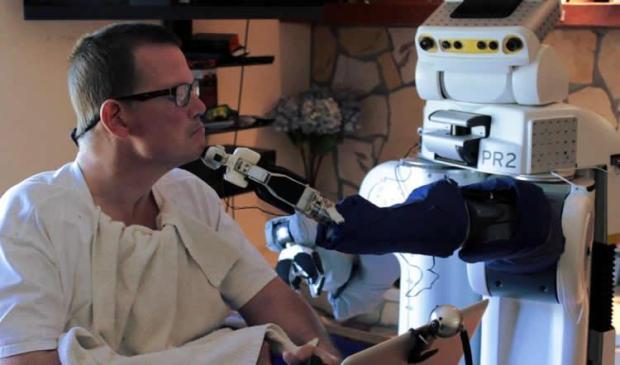
Researchers at the University of Pittsburgh School of Medicine and UPMC describe in PLoS ONE how an electrode array sitting on top of the brain enabled a 30-year-old paralyzed man to control the movement of a character on a computer screen in three dimensions with just his thoughts. It also enabled him to move a robot arm to touch a friend’s hand for the first time in the seven years since he was injured in a motorcycle accident.

Researchers have discovered a molecule that accumulates with age and inhibits the formation of new neurons. The finding might help scientists design therapies to prevent age-related cognitive decline.

Wearing a nerve stimulator for 20 minutes a day may be a new option for migraine sufferers, according to new research published in the February 6, 2013, online issue of Neurology®, the medical journal of the American Academy of Neurology.

photo credit: Hindrik S via photopin cc

Weekly Neuroscience Update

xbox

When selecting a video game to play, opting to turn on your Wii may provide a different experience than playing your Xbox, according to a study from Mississippi State University.

Excessive alcohol use accounts for 4% of the global burden of disease, and binge drinking particularly is becoming an increasing health issue. A new review article published Cortex highlights the significant changes in brain function and structure that can be caused by alcohol misuse in young people.

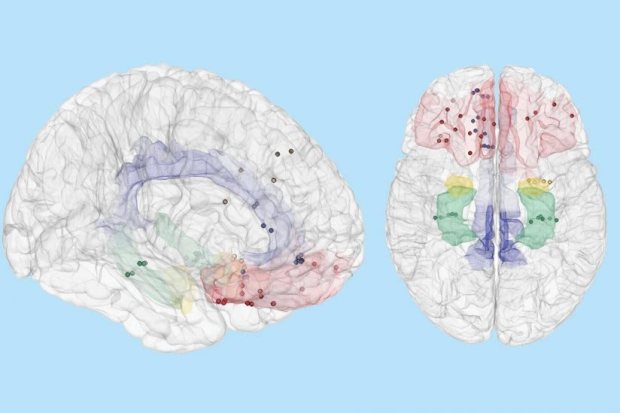
Working with patients with electrodes implanted in their brains, researchers have shown for the first time that areas of the brain work together at the same time to recall memories. The unique approach promises new insights into how we remember details of time and place.

Researchers at the University of Glasgow are hoping to help victims of stroke to overcome physical disabilities by helping their brains to ‘rewire’ themselves.

Keeping active can slow down the progression of memory loss in people with Alzheimer’s disease, a study has shown.

Neuroscientists have released the results of a new study that examines how fear responses are learned, controlled, and memorized. They show that a particular class of neurons in a subdivision of the amygdala plays an active role in these processes.

Neuroscience researchers from Tufts University have found that our star-shaped brain cells, called astrocytes, may be responsible for the rapid improvement in mood in depressed patients after acute sleep deprivation. This in vivo study, published in the current issue ofTranslational Psychiatry, identified how astrocytes regulate a neurotransmitter involved in sleep. The researchers report that the findings may help lead to the development of effective and fast-acting drugs to treat depression, particularly in psychiatric emergencies.

UC Berkeley neuroscientists have found that the slow brain waves generated during the deep, restorative sleep we typically experience in youth play a key role in transporting memories from the hippocampus – which provides short-term storage for memories – to the prefrontal cortex’s longer term “hard drive.”

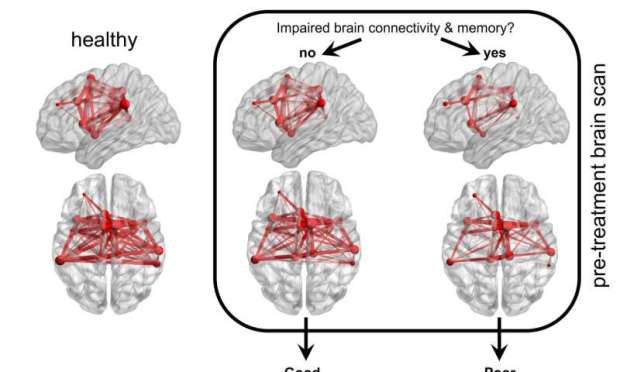
Researchers have found altered connectivity in the brain network for body perception in people with anorexia: The weaker the connection, the greater the misjudgement of body shape.

A group of scientists planning to map all the major connections in the human brain began studying their first test subjects in August. The $30 million Human Connectome Project will trace the main neural pathways that link the roughly 500 major regions in the brain, illuminating how biological circuitry underlies our mental functions. MRI scans of 1,200 people, including 300 pairs of twins, will be used to compile an atlas of communication routes throughout the brain. The resulting blueprint will also reveal how brain connectivity varies from person to person.

Weekly Neuroscience Update

Mind wandering may increase creative thinking, according to a new international study.

Simple mental activity such as reading, writing, playing games and doing puzzles may protect brain health in old age, according to a new study.

Reduced production of myelin, a type of protective nerve fiber that is lost in diseases like multiple sclerosis, may also play a role in the development of mental illness, according to researchers at the Graduate School of Biomedical Sciences at Mount Sinai School of Medicine.

A small molecule known to regulate white blood cells has a surprising second role in protecting brain cells from the deleterious effects of stroke, Johns Hopkins researchers report.

Scientists have revealed the minutely detailed pain map of the hand that is contained within our brains, shedding light on how the brain makes us feel discomfort and potentially increasing our understanding of the processes involved in chronic pain.

People with Parkinson’s disease benefit from exercise programs on stationary bicycles, with the greatest effect for those who pedal faster, according to a study presented at the annual meeting of the Radiological Society of North America (RSNA).

A new method to study widespread networks of neurons responsible for our memory has been discovered by scientists from the Max Planck Institute for Biological Cybernetics.

The first study to estimate rates of traumatic brain injury (TBI), without relying on official figures, suggests the worldwide incidence of TBI could be six times higher than previously estimated.

MRI shows changes in the brains of people with post-concussion syndrome (PCS), according to a new study published online in the journal Radiology. Researchers hope the results point the way to improved detection and treatment for the disorder.

photo credit: pamlau.com via photopin cc

Weekly Neuroscience Update

An aspirin a day may slow brain decline in elderly women at high risk of cardiovascular disease, research finds.

The hippocampus represents an important brain structure for learning. Scientists at the Max Planck Institute of Psychiatry in Munich discovered how it filters electrical neuronal signals through an input and output control, thus regulating learning and memory processes.

Scientists performing experimental brain surgery on a man aged 50 have stumbled across a mechanism that could unlock how memory works. The accidental breakthrough came during an experiment originally intended to suppress the obese man’s appetite, using the increasingly successful technique of deep-brain stimulation. Electrodes were pushed into the man’s brain and stimulated with an electric current. Instead of losing appetite, the patient instead had an intense experience of déjà vu. He recalled, in intricate detail, a scene from 30 years earlier. More tests showed his ability to learn was dramatically improved when the current was switched on and his brain stimulated.

Brain metastases are common secondary complications of other types of cancer, particularly lung, breast and skin cancer. The body’s own immune response in the brain is rendered powerless in the fight against these metastases by inflammatory reactions. Researchers in Vienna have now, for the first time, precisely characterised the brain’s immune response to infiltrating metastases. This could pave the way to the development of new, less aggressive treatment options.

Weekly Neuroscience Update

Have you ever wondered why some people find it so much easier to stop smoking than others? New research shows that vulnerability to smoking addiction is shaped by our genes. A study from the Montreal Neurological Institute and Hospital — The Neuro, McGill University shows that people with genetically fast nicotine metabolism have a significantly greater brain response to smoking cues than those with slow nicotine metabolism.

When children learn to play a musical instrument, they strengthen a range of auditory skills. Recent studies suggest that these benefits extend all through life, at least for those who continue to be engaged with music. But a study published last month is the first to show that music lessons in childhood may lead to changes in the brain that persist years after the lessons stop.

A team of Australian researchers, led by University of Melbourne has developed a genetic test that is able to predict the risk of developing autism spectrum disorder (ASD).

Recent findings by an international collaboration including IRCM researchers hold new implications for the pathogenesis of myotonic dystrophy.

Researchers at Newcastle University have revealed the mechanism by which neurons, the nerve cells in the brain and other parts of the body, age. The research opens up new avenues of understanding for conditions where the ageing of neurons are known to be responsible, such as dementia and Parkinson’s disease.
Finally, this week…a new study has shown that it’s possible to predict how well people will remember information by monitoring their brain activity while they study.