
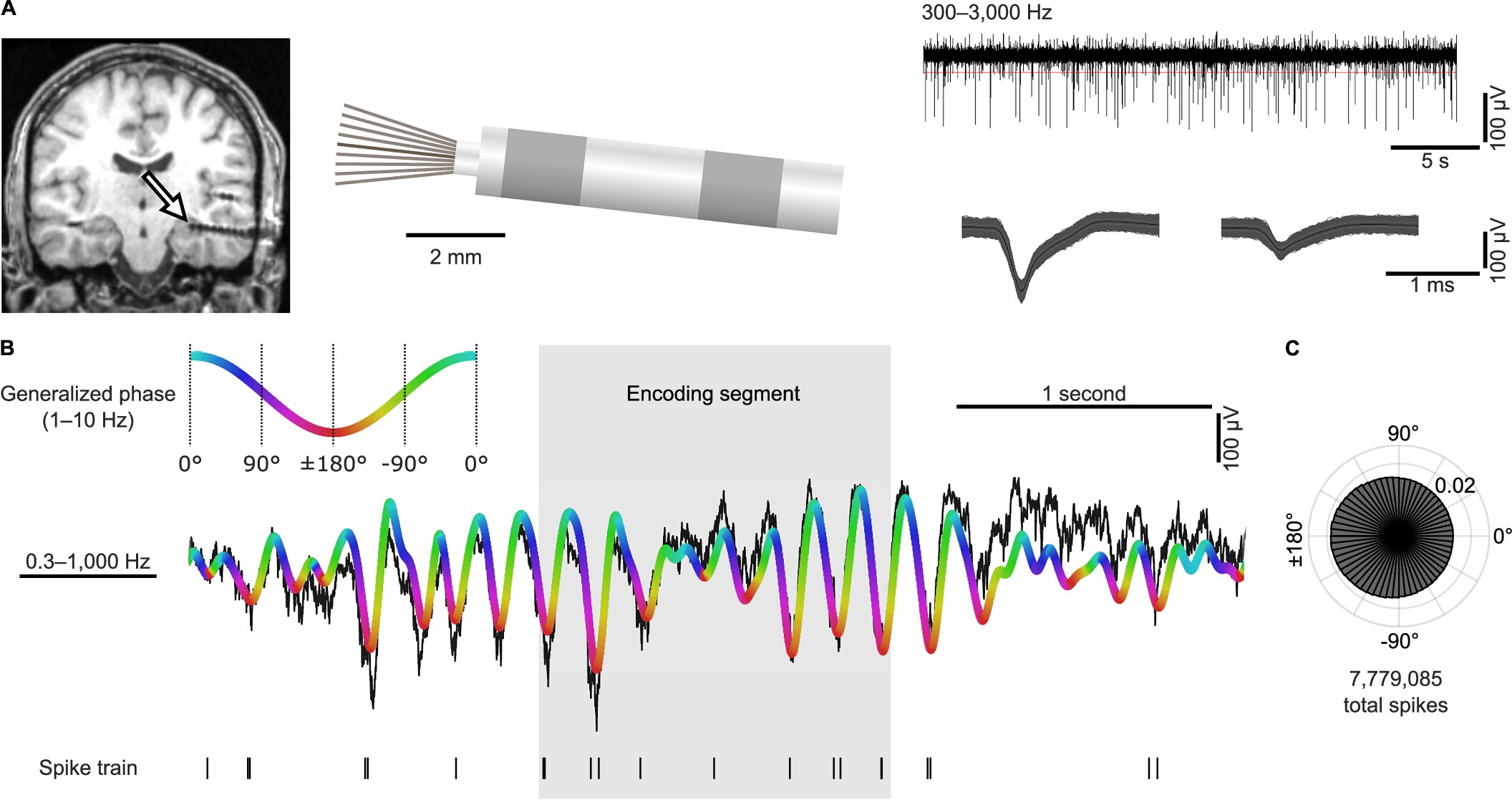
A research team has gained new insights into the brain processes involved in encoding and retrieving new memory content. The study is based on measurements of individual nerve cells in people with epilepsy and shows how they follow an internal rhythm.
A new study published in the Proceedings of the National Academy of Sciences offers insight into how past stress impacts a person’s response to new stress.
Stimulating the vagus nerve with a device attached to the outer ear can help make compassion meditation training more effective at boosting people’s capacity for self-kindness and mindfulness, finds a new study.
A world-first study into young adults’ brain activity has found that TV and gaming are associated with increased focus, while social media is associated with decreased focus.
Researchers have discovered that whether you are right- or left-handed influences which side of your brain processes fine visual details. The new “action asymmetry hypothesis” proposes that brain specialization for high- and low-frequency visual information develops from the everyday way we use our hands. In right-handers, the left hemisphere processes high-frequency vision; in left-handers, this is reversed. The findings challenge long-standing theories that such asymmetries develop in the womb or are tied directly to language processing.
Scientists have identified a promising nonpharmaceutical treatment that rejuvenates aging brain cells and clears away the buildup of harmful proteins associated with Alzheimer’s disease.
It may be time to rethink certain genetic mutations associated with two devastating neurodegenerative disorders—amyotrophic lateral sclerosis (ALS) and frontotemporal dementia (FTD)—according to a new Nature Neuroscience study.
Research has shed new light on an age-old question: what makes the human brain unique? The study is published online in Science Advances.
Athletes who participate in combat sports like boxing and mixed martial arts and grow up in disadvantaged neighborhoods may be more likely to show signs of brain changes associated with neurodegeneration than athletes from affluent neighborhoods, according to a study published in Neurology Open Access.
A team of researchers has developed a data-driven method for optimizing deep brain stimulation (DBS) settings that significantly improved walking performance in people with Parkinson’s disease.
Scientists have built the first “microwave brain” chip capable of processing both ultrafast data and wireless communication signals at once. By harnessing analog, nonlinear microwave physics instead of conventional digital circuitry, the chip can decode radio signals, track radar targets, and classify high-speed data streams in real time.
Finally, this week, stronger coordination between the brain and the stomach’s natural rhythm is linked to higher levels of anxiety, depression, and stress, according to the largest study of its kind.
 inside-the-brain.com