
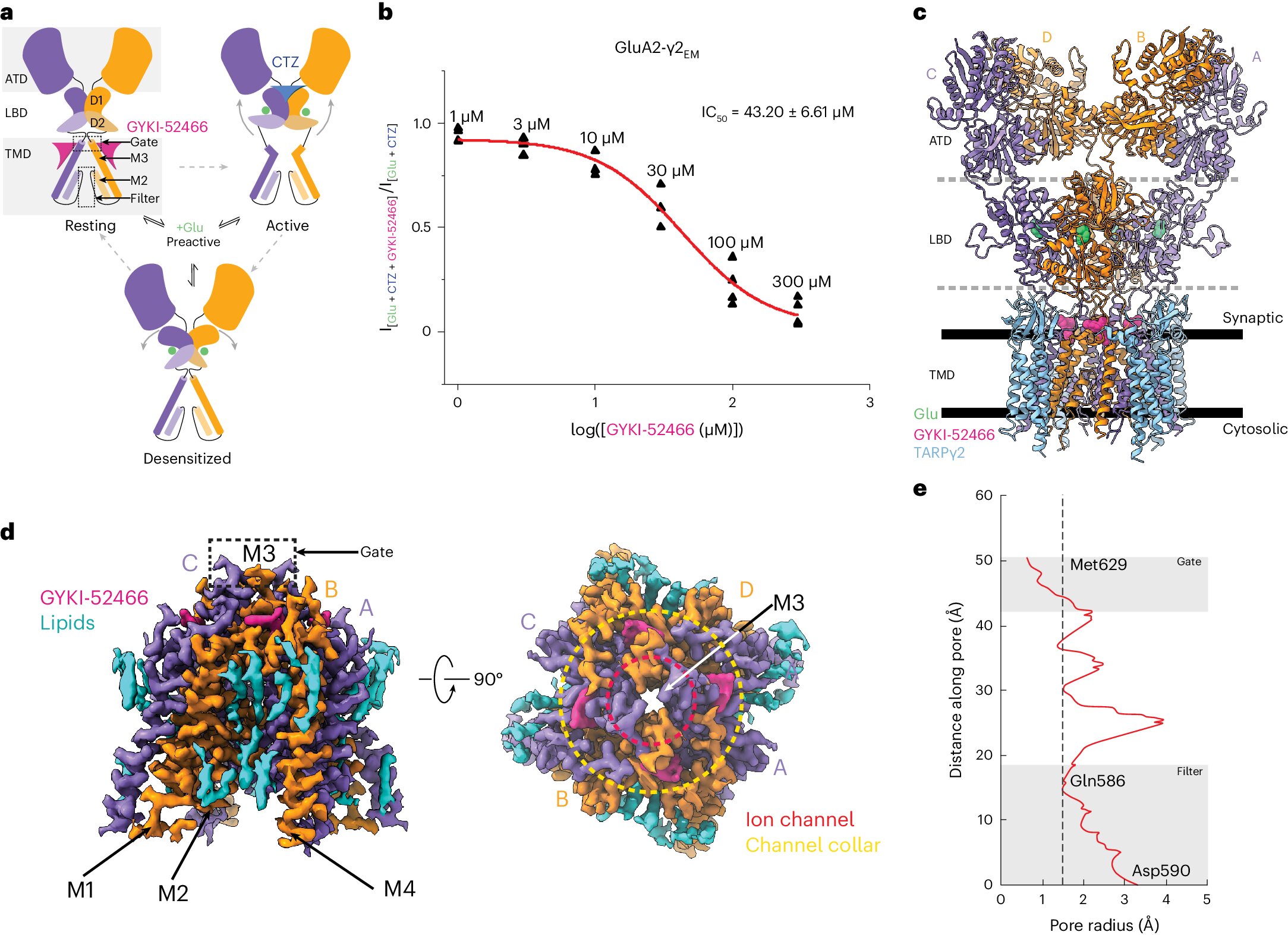
By super cooling a molecule on the surface of brain cells down to about minus 180 degrees Celsius—nearly twice as cold as the coldest places in Antarctica—scientists say they have determined how a widely-used epilepsy drug works to dampen the excitability of brain cells and help to control, although not cure, seizures.
Scientists have identified a positive molecular feedback loop which could explain stroke-induced memory loss.
A team of Australia’s leading health researchers has developed a new “dictionary” to better predict outcomes for people who have experienced a moderate-severe traumatic brain injury (TBI). The work is published in the Journal of Neurotrauma.
Research to be presented at the SLEEP 2024 annual meeting found that low-dose acetylsalicylic acid, also known as aspirin, can reduce inflammatory responses to sleep restriction.
A new study has found that resilient people exhibit neural activity in the brain regions associated with improved cognition and regulating of emotions, and were more mindful and better at describing their feelings. The same group also exhibited gut microbiome activity linked to a healthy gut, with reduced inflammation and gut barrier.
A blood test can accurately detect the ongoing effects of sport-related concussion and help determine when it’s safe to return to the field, new research has found.
Researchers have developed a method to predict dementia with over 80% accuracy up to nine years before diagnosis. Using fMRI scans, the team analyzed changes in the brain’s default mode network (DMN), which is affected early in Alzheimer’s disease.
Poor olfaction in older adults may predict the development of heart failure according to new research.
A new study finds that adults’ phobias can be correlated with changes in the structure of their brains. What’s more, the neurological differences seen in adults with phobias are more extensive than those observed in people with other forms of anxiety.
Neuroscientists have discovered a special type of human white blood cell that can potentially regrow nerve fibers.
Researchers have identified six depression subtypes through brain imaging and machine learning, revealing tailored treatment options. This breakthrough in precision psychiatry can improve treatment outcomes by matching patients with the most effective therapies based on their brain activity patterns.
Finally this week, scientists have discovered a protein that prunes nerve endings, regulating sensitivity to pain.
 inside-the-brain.com