Weekly Neuroscience Update

Researchers at King’s College London have found that exposure to higher levels of air pollution during midlife is associated with slower processing speed, lower scores on a cognitive screening tool, and differences in brain structure later in life.

People who use psychedelic substances may think about themselves in a different way — not just psychologically, but also neurologically.

A large Danish study shows that most mental illnesses—like schizophrenia, bipolar disorder, and depression—occur in people with no close family history of the condition. Analyzing data from over 3 million individuals, researchers found that while heredity increases risk, most diagnosed individuals do not have affected relatives.

Living through the Covid-19 pandemic may have accelerated brain ageing, even in people who were never infected, a new study finds.

Scientists developed a computational “aging clock” that measures the biological age of brain cells and identifies compounds with rejuvenating potential. By analyzing gene activity from healthy and neurodegenerative brain tissue, they pinpointed 453 interventions predicted to reverse cellular aging.

Adolescents who use e-cigarettes or conventional tobacco products are significantly more likely to report symptoms of depression and anxiety than non-users, according to a recent study.

For the first time, researchers have identified what happens in neural networks deep within the brain during obsessive thoughts and compulsive behaviours. Using electrodes implanted in the brain, they observed how specific brain waves became active. These brain waves serve as a biomarker for obsessive-compulsive disorder (OCD) and are an important step towards more targeted treatments.

In a breakthrough that reimagines the way the gut and brain communicate, scientists have uncovered what they call a “neurobiotic sense.”

A new study reveals that a brain circuit driving negative emotions during cocaine withdrawal plays a key role in relapse. Researchers found that this “anti-reward” network becomes hyperactive during abstinence, amplifying distress and pushing users back toward the drug.

Researchers have made a significant breakthrough in understanding how the human brain forms, stores and recalls visual memories.

A new study finds that inflammation affects how cannabis impacts anxiety and sleep quality. Researchers observed no significant changes in inflammation levels after 4 weeks of cannabis use, but initial inflammation influenced the results.

Finally, this week, Alzheimer’s disease spreads unevenly through the brain, and novel mathematical modelling may help explain why.

Brain Matters: 6 Ways to Boost Brain Health for World Brain Day

On World Brain Day, take a moment to reflect on how you’re caring for your brain. Small, consistent choices today lay the foundation for lifelong neurological well-being.

Here are six evidence-backed ways to boost your brainpower and support long-term neurological health.

1. Move Your Body, Support Your Brain

Regular aerobic exercise has been shown to increase the volume of the hippocampus. In a landmark study published in PNAS (Erickson et al., 2011), older adults who engaged in moderate aerobic activity three times a week showed a 2% increase in hippocampal volume over one year. In contrast, a control group performing only stretching exercises experienced 1.4% hippocampal shrinkage, a common pattern with age. Notably, the exercise group also demonstrated improvements in spatial memory, directly correlating with brain growth.

Practical Recommendations

  • Aim for at least 3 sessions per week of moderate aerobic activity (e.g., brisk walking, cycling, swimming).
  • Sessions of 30–60 minutes appear most effective for cognitive benefits.
  • Long-term, regular exercise yields the greatest hippocampal and cognitive gains.

2. Prioritise Restorative Sleep

Restorative sleep is increasingly recognised as a core pillar of brain health—not just a luxury, but a biological necessity. It supports memory consolidation, mood regulation, and the brain’s glymphatic system, which clears neurotoxic waste, including beta-amyloid. Poor sleep has been linked to increased risk of Alzheimer’s disease, making sleep a modifiable risk factor for cognitive decline. A regular, high-quality sleep routine is as essential as exercise and nutrition in maintaining long-term neurological function.

Practical Recommendations

  • Maintain a regular sleep-wake cycle, even on weekends.
  • Aim for 7–9 hours per night for adults, as recommended by sleep experts.
  • Seek treatment for sleep disorders like insomnia or sleep apnea, which can impair brain function over time.

3. Keep Learning and Challenging Yourself

The brain thrives on novelty and complexity. Lifelong mental stimulation helps preserve cognitive flexibility and may delay or prevent the onset of dementia. Longitudinal studies, such as the Nun Study, show that individuals who engage in continuous intellectual activities throughout life enjoy better cognitive outcomes in older age. These activities promote cognitive reserve—the brain’s ability to adapt and find new pathways even in the presence of damage.

Practical Recommendations

  • Prioritise activities that are mentally challenging and unfamiliar, such as learning a new language, musical instrument, or strategic game (e.g., chess).
  • Combine learning with social interaction (e.g., group classes, book clubs), which has additional cognitive and emotional benefits.
  • Consistency matters; regular, incremental learning is more beneficial than sporadic activity.

4. Nourish Your Brain

What we eat profoundly shapes brain health. Diets rich in antioxidants, healthy fats, and low-glycaemic foods combat oxidative stress and neuroinflammation, both of which are implicated in neurodegenerative diseases. The MIND diet—an evidence-based hybrid of the Mediterranean and DASH diets—has been shown to reduce Alzheimer’s risk by up to 53% in those who follow it closely. Even moderate adherence is linked to slower cognitive decline.

Practical Recommendations

  • Increase consumption of berries, leafy green vegetables, nuts, beans, whole grains, fish, poultry, and olive oil.
  • Consider adopting dietary patterns consistent with the MIND, Mediterranean, or DASH diets for long-term brain support.
  • Combine nutritional improvements with other lifestyle strategies—synergy matters in neuroprotection.

5. Manage Stress Proactively

Prolonged stress harms both the structure and function of the brain. Elevated cortisol levels can impair memory, shrink the hippocampus, and interfere with emotional regulation. However, stress is not an inevitable decline—it can be managed. Mindfulness-Based Stress Reduction (MBSR) has been shown to increase grey matter density in regions linked to learning and emotional processing (Hölzel et al., 2011), offering a tangible tool for resilience.

Practical Recommendations

  • Just 10 minutes of focused breathing or mindfulness meditation can lower cortisol levels and calm the nervous system. Apps like Headspace or Calm offer easy guided sessions.
  • Physical activity, such as a brisk 10-minute walk, boosts mood-regulating endorphins and helps reduce stress hormones.
  • Create clear boundaries around screen time and work, especially in the evenings, to give your brain space to decompress and recover.

6. Stay Connected

Human connection isn’t just emotionally fulfilling—it’s biologically protective. Social interaction activates brain regions involved in memory, empathy, and executive function, while loneliness has been identified as a significant risk factor for cognitive decline. Research by Cacioppo and Hawkley (2009) found that frequent social engagement is associated with slower memory loss and better overall cognitive performance in older adults.

Practical Recommendations

  • Make time for meaningful conversations and shared experiences—these stimulate the brain more than passive interactions.
  • Join community activities, clubs, or volunteer groups to build social networks, particularly after major life transitions.
  • Prioritise quality over quantity—even a few close, supportive relationships offer substantial brain benefits.

Protecting Brain Health Is a Lifelong Investment

Your brain shapes how you move through the world—how you think, feel, connect, and remember. While some risk factors for neurological disease are beyond our control, many protective habits are not. As this evidence shows, brain health is something we can influence every day, through simple, sustainable choices that build resilience over time.


References

Erickson, K. I., et al. (2011). Exercise training increases size of hippocampus and improves memory. Proceedings of the National Academy of Sciences, 108(7), 3017-3022.

Ju, Y.-E. S., et al. (2013). Sleep quality and preclinical Alzheimer disease. JAMA Neurol., 70(5), 587-593.

Morris, M. C., et al. (2015). MIND diet associated with reduced incidence of Alzheimer’s disease. Alzheimer’s & Dementia, 11(9), 1007-1014.

Holzel, B. K., et al. (2011). Mindfulness practice leads to increases in regional brain gray matter density. Psychiatry Research: Neuroimaging, 191(1), 36-43.

Cacioppo, J. T., & Hawkley, L. C. (2009). Perceived social isolation and cognition. Trends in Cognitive Sciences, 13(10), 447-454.


Weekly Neuroscience Update

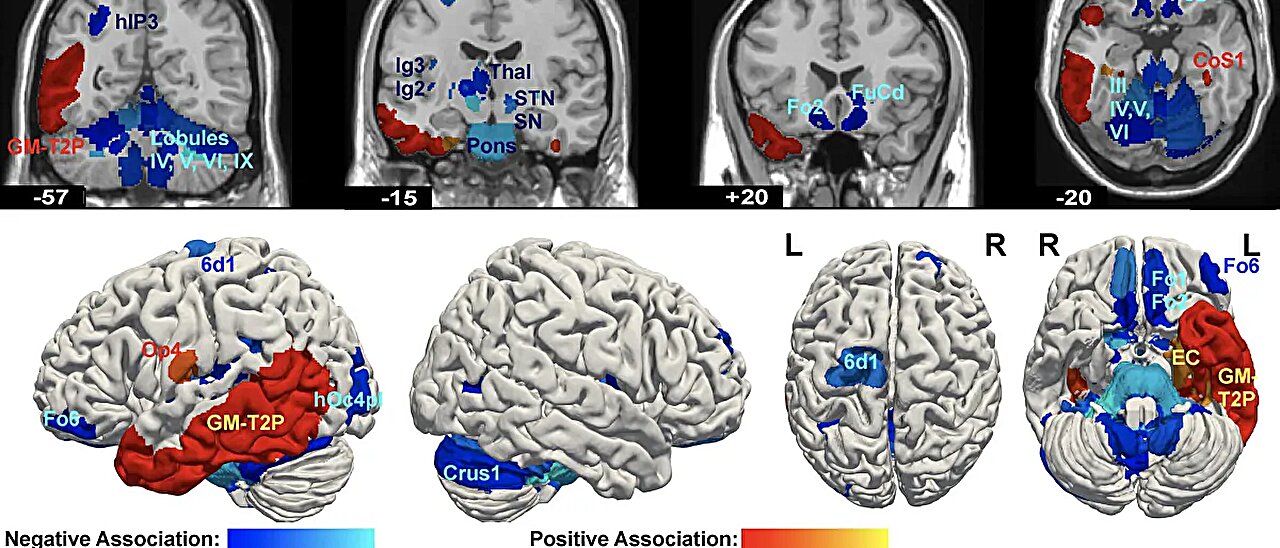
Coloured regions show where brain volume was associated with deviant lifestyle and antisocial behavior in individuals with psychopathic traits. Credit: European Archives of Psychiatry and Clinical Neuroscience (2025).

A recent study has shed light on the brain structure differences associated with psychopathy—a condition known to be one of the strongest predictors of persistent violent behaviour. The findings are published in the journal European Archives of Psychiatry and Clinical Neuroscience.

Researchers are using a new approach to brain imaging that could improve how drugs are prescribed to treat Parkinson’s disease.

An analysis of over 375 trials shows that structured exercise significantly reduces depression and anxiety in children and teens. Low-intensity resistance activities like light weights were most effective for easing anxiety, while moderate mixed-mode programmes worked best for depression, especially when lasting under 12 weeks.

A new technology that uses clinical MRI machines to image metabolic activity in the brain could give researchers and clinicians unique insight into brain function and disease.

Diets rich in phosphate additives, commonly found in processed foods, can increase blood pressure by triggering a brain signaling pathway and overactivating the sympathetic nervous system that regulates cardiovascular function, UT Southwestern researchers discovered. Their findings could lead to treatment strategies for patients with hypertension caused by overconsumption of foods containing high levels of phosphates.

The long-standing belief that left-handed people are more creative has been challenged by a new meta-analysis of over a century of research. 

New research proposes a unified theory of brain function based on criticality—a state where the brain teeters between order and chaos, allowing it to learn, adapt, and process information optimally. When the brain strays from this delicate balance, cognitive performance weakens, and neurological disorders such as Alzheimer’s may begin to take hold.

A drug used for Parkinson’s disease has been shown to be effective in reducing the symptoms of difficult to treat depression, according to a study led by the University of Oxford.

A recent study shows that older adults may compensate for age-related cognitive decline by enhancing activity in a specific brain region linked to attention—the locus coeruleus (LC). In a brain imaging study, older participants showed stronger LC responses when interpreting ambiguous facial expressions, compared to younger adults.

Individuals with versus those without tinnitus have significantly lower scores on cognitive function tests, according to a recent study published in Frontiers in Neurology.

New research shows how the brain navigates emotional transitions, using music as a tool to map changing neural patterns. Scientists found that emotional responses in the brain depend heavily on the listener’s prior emotional state.

A clinical trial has revealed that Ambroxol, a common cough medicine in Europe, may help slow cognitive decline in people with Parkinson’s disease dementia.

In a study of 200 former professional rugby players (aged 30–61 years old), researchers from Imperial College London, University College London and the UK Dementia Research Institute found no cases of early-onset dementia.

Finally this week, new research findings show how synaptic connections in the cerebral cortex can strengthen during sleep, offering insight into how the brain continues learning even while we rest.

Weekly Neuroscience Update

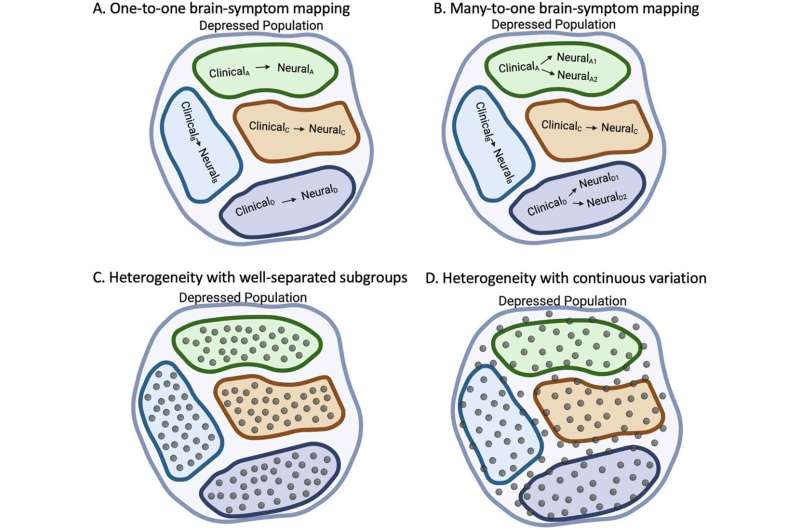
Credit: Biological Psychiatry / Hannon et al.

A novel study aimed at disentangling the neurological underpinnings of depression shows that multiple brain profiles may manifest as the same clinical symptoms, providing evidence to support the presence of both one-to-one and many-to-one heterogeneity in depression. The findings of the study in Biological Psychiatry, highlight the layered and complex interactions between clinical symptoms and neurobiological sources of variation.

New research shows that babies as young as eight months can flexibly adapt their learning strategies to changing environments.

Brain networks responsible for sensing, understanding, and responding emotionally to pain develop at different rates in infants, with the conscious understanding of pain not fully developed until after birth, finds a new study.

People living with autoimmune diseases face nearly twice the risk of developing persistent mental health disorders like depression, anxiety, and bipolar disorder, according to a massive UK-based study.

New research shows that individuals with higher cognitive ability have stronger, more flexible synchronization of brain rhythms—specifically theta waves—in the midfrontal region during mentally demanding tasks. These neural signals coordinate dynamically, especially during moments of decision-making, allowing people to maintain focus and adapt more quickly to changing rules. 

A recent study leveraged machine learning to identify the key lifestyle and health factors influencing cognitive performance throughout life.

New research reveals that autism and congenital heart disease may share a common biological basis—tiny cellular structures called cilia. Scientists found that mutations in genes affecting cilia formation disrupt both brain and heart development, helping explain why the two conditions often co-occur.

Researchers have identified a novel gene associated with neurodevelopmental disorders and epilepsy.

A first-of-its-kind clinical trial shows that ketamine treatment for severe, treatment-resistant depression is significantly more effective when paired with psychotherapy and supportive environments. Patients who underwent this combined treatment reported a 30% drop in depression symptoms, with reduced anxiety and suicidal thoughts lasting at least eight weeks.

A crucial link between the brain’s cleaning system and deterioration of neurons associated with Alzheimer’s disease has been discovered.

In a study published in Science Advances, researchers reveal that our bodies respond to acute (short‑term) and chronic (long‑lasting) pain in surprisingly different ways at the cellular level. Their discovery sheds new light on how pain becomes chronic—and opens the door to better‑targeted treatments.

A paper published in the Cochrane Database of Systematic Reviews has found that virtual reality (VR), when used in addition to standard therapy, can help stroke survivors regain arm movement.

Researchers investigating post-traumatic stress disorder (PTSD) at the single-cell level, aiming to understand how cellular communication may be disrupted in affected brains. They found impaired signaling in inhibitory neurons in PTSD, potentially explaining hyperarousal symptoms, and opposing patterns of microglial activity in PTSD versus depression. Vascular endothelial cells in PTSD brains also showed signs of dysfunction, possibly increasing stress hormone exposure.

A recent study shows that individual neurons in the hippocampus can respond to both slow and fast brain waves at the same time by switching between different firing modes.

For the first time, scientists using cryo-electron microscopy have discovered the structure and shape of key receptors connecting neurons in the brain’s cerebellum, which is located behind the brainstem and plays a critical role in functions such as coordinating movement, balance and cognition.

In a paper published in the journal Nature Communications, biomedical engineers have shown how two brain regions quickly adapt to shift focus from one planned destination to another.

A new neuroimaging study has identified distinct structural brain differences in individuals with psychopathy, particularly those with high antisocial traits. Reduced volumes were found in subcortical and cortical areas involved in emotion, decision-making, and social behavior.

Groundbreaking research has identified a new brain protein involved in the development of Parkinson’s disease and a way to modify it, paving the way for future treatments for the disease.

Living in disadvantaged neighborhoods may increase the risk of Alzheimer’s disease by elevating biomarkers associated with inflammation and neurodegeneration. A long-term study of 334 older adults found higher levels of tau and YKL-40, biomarkers linked to Alzheimer’s and brain inflammation, in people from less advantaged areas.

Psychosis may start not with hallucinations, but with subtle motor changes like reduced grip strength according to a new study.

In experiments with healthy volunteers undergoing functional MRI imaging, scientists have found increased activity in two areas of the brain that work together to react to, and possibly regulate, the brain when it’s “feeling” tired and either quits or continues exerting mental effort.

Finally, this week, newborn babies and patients with Alzheimer’s disease share an unexpected biological trait: elevated levels of a well-known biomarker for Alzheimer’s, as shown in a recent study.

Weekly Neuroscience Update

A new study that is the first to compare inflammation and brain stress responses in long COVID-19 patients with individuals who have fully recovered shows that those with continued brain fog and other cognitive issues have a lower ability to adapt to stress and higher levels of inflammation in their brains.

Researchers have identified a remarkably small but critical piece of genetic code that helps determine how brain cells connect, communicate, and function. 

Conditions such as Tourette syndrome (TS), schizophrenia, and attention-deficit/hyperactivity disorder (ADHD) have sex differences with unknown mechanisms. These sex-specific mechanisms may inform the development of more effective treatments.

A new study reveals that type 2 diabetes is associated with thinning of the brain’s cortex in older adults, particularly in regions responsible for memory and cognition. 

Specific cannabinoids produced by the human body may help to quell excessive fear responses in people with post-traumatic stress disorder and anxiety, according to a Northwestern Medicine-led study published in the Journal of Clinical Investigation.

People taking antidepressants for more than two years are more likely to experience withdrawal symptoms compared to short-term users when they come off the medication, finds a new study.

Researchers have identified nine blood-based microRNAs that are elevated in teens diagnosed with depression, offering a potential biomarker for early detection. These molecules, absent in adult depression, may signal unique biological processes in adolescents.

People who have obstructive sleep apnea may have an increased risk of dementia if left untreated, according to a new study of UK electronic health care records.

New research reveals that acute stress can impair key brain functions involved in emotion regulation, particularly in individuals with distress-related disorders like depression, anxiety, and borderline personality disorder. The study found that executive functions—such as working memory, impulse control, and cognitive flexibility—are more likely to be disrupted in these individuals during high-stress moments.

A large-scale study of over 2,500 toddlers found no significant clinical differences in autistic traits between males and females at the time of early diagnosis.

A research team has uncovered the cause and molecular mechanism of chronic brain inflammation that results in repetitive behavioural disorders. The research team demonstrated that an inflammatory response by immune cells in the brain induces overactivity in certain receptors, which may, in turn, lead to the meaningless repetitive behaviours observed in people with autism spectrum disorder (ASD) and obsessive-compulsive disorder (OCD).

Measuring the interaction of brain networks could help identify teens at risk for dangerous drinking, according to a novel study that explored how brain signals relate to future drinking behaviour.

In a demographically diverse sample of healthy people, researchers found dramatic changes over the human lifespan in the brain’s “blue spot”—a tiny region involved in cognition and believed to be the first affected by neurodegenerative conditions including Alzheimer’s disease.

Researchers at Karolinska Institutet have identified three types of nerve cells connected to the intestinal villi, suggesting that previously unknown neural networks regulate fluid balance in the gut.

A study in rural China found that intensively lowering blood pressure significantly reduces the risk of dementia and cognitive decline in people with hypertension. Over 48 months, patients who received targeted care saw a 15% reduction in dementia and a 16% drop in cognitive impairment risk.

A new adaptive brain modeling framework offers fresh hope for objective diagnosis of neuropsychiatric disorders, which currently lack reliable neuroimaging biomarkers. 

People who naturally stay up late, are more likely to experience faster cognitive decline than those who are early risers, according to a long-term study. Researchers found that unhealthy behaviors common in the evening, such as poor sleep, smoking, and drinking, may explain part of this risk.

A comprehensive new analysis reveals that depression significantly increases the risk of developing dementia, whether it begins in midlife or later in life.

Researchers have discovered how an ion channel in the brain’s neurons has a kind of “molecular memory,” which contributes to the formation and preservation of lifelong memories. The researchers have identified a specific part of the ion channel at which new drugs for certain genetic diseases could be targeted. The study, led by Linköping University in Sweden, has been published in Nature Communications.

A decade-long brain health study has released its full dataset, offering rare longitudinal insights into how cognition and brain structure change across adulthood.

Neuroscientists have discovered that the brain uses a dual system for learning through trial and error. This is the first time a second learning system has been identified, which could help explain how habits are formed and provide a scientific basis for new strategies to address conditions related to habitual learning, such as addictions and compulsions.

Finally, this week, parental education may protect offspring’s cognitive health later in life, according to a study published online May 30 in JAMA Network Open.

Weekly Neuroscience Update

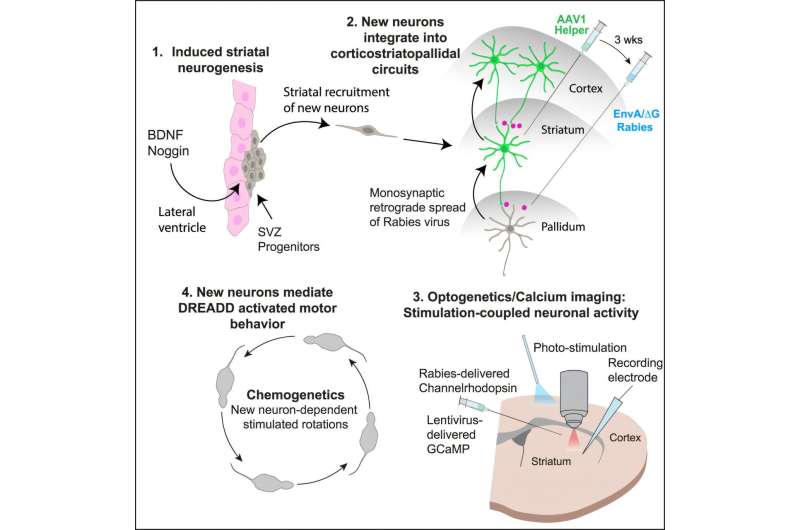
Credit: Cell Reports (2025).

New research shows that the adult brain can generate new neurons that integrate into key motor circuits. The findings demonstrate that stimulating natural brain processes may help repair damaged neural networks in Huntington’s and other diseases.

A study published in Brain Communications highlights a new approach to treating drug-resistant epilepsy.

A novel human study with intracranial recordings demonstrates the thalamus’s pivotal role, especially its higher-order regions, in the onset of conscious perception, with activation preceding that of the prefrontal cortex.

New findings reveal that long-term obesity patterns have distinct impacts on brain structure, function, and cognition. 

Researchers have discovered new potential therapeutic targets for multiple sclerosis (MS). While current treatments prevent further damage, the current findings may form the starting point for the development of new treatments for tissue recovery in MS. The research is published in the journal Brain.

Research published in the Journal of Magnetic Resonance Imaging has uncovered changes in brain connectivity during chemotherapy in patients with breast cancer.

Mass General Brigham investigators have linked difficult early life experiences with reduced quality and quantity of the white matter communication highways throughout the adolescent brain. This reduced connectivity is also associated with lower performance on cognitive tasks.

A team of engineers has developed a microscale brain–computer interface that is small enough to be placed between hair follicles on a user’s head.

Researchers have identified specific high-order thalamic nuclei that drive human conscious perception by activating the prefrontal cortex. Their findings enhance understanding of how the brain forms conscious experience, offering new empirical support for theories that assign a central role to thalamic structures rather than cortical areas alone.

A natural compound found in everyday fruits and vegetables may hold the key to protecting nerve cells—and it’s showing promise as a potential treatment for ALS and dementia.

New research highlights how smartphones are transforming memory science by capturing real-world data on sleep, emotion, and daily experiences. Studies show that replaying memories before sleep, experiencing novel events, and feeling positive emotions can all strengthen autobiographical memory.

An artificial intelligence tool that can help interpret and assess how well treatments are working for patients with multiple sclerosis has been developed by UCL researchers.

A recent study indicates that brain cells possess a higher degree of plasticity than previously understood. This suggests that the brain’s ability to adapt and change throughout life is more extensive than earlier scientific models suggested.

Researchers have discovered that increased blood flow leads to stiffness in the hippocampus, a region of the brain that plays important roles in learning and memory. 

By mapping the presynaptic inputs to single neurons within the primary somatosensory cortex researchers have shown how these neurons integrate brain-wide signals related to behavior, offering a more nuanced understanding of cortical activity.

Seventeen modifiable risk factors are shared by stroke, dementia, and late-life depression, according to a review published in the Journal of Neurology, Neurosurgery & Psychiatry.

A recent study has shown how aspects of brain function change with age, revealing that excitatory processes in the brain decrease, while inhibitory processes increase as children get older. The findings are an important step in understanding disorders like autism.

Finally this week, research shows that a blow to the head can significantly impact a child’s or adolescent’s future education. Even a mild concussion can have far-reaching consequences.

Weekly Neuroscience Update

Illustration of the wearable rTMS device. Credit: Nature Communications (2025).

A new wearable brain stimulation device is being developed, aiming to make therapeutic brain stimulation portable and accessible. This technology could potentially allow for on-the-go treatment of various neurological and psychiatric conditions, moving brain stimulation therapy out of clinical settings and into everyday life.

A recent study provides the first detailed cellular insights into how psilocin, the active ingredient in magic mushrooms, promotes the growth and networking of human nerve cells.

Scientists have developed tiny, magnetically controlled robots designed for minimally invasive brain surgery. These robots can perform precise actions like gripping and cutting tissue, guided by external magnetic fields, potentially eliminating the need for large skull openings. The technology aims to significantly reduce patient recovery time and risks associated with traditional neurosurgery.

Marking a breakthrough in the field of brain-computer interfaces (BCIs), a team of researchers has unlocked a way to restore naturalistic speech for people with severe paralysis.

For the first time, scientists have confirmed a neurobiochemical link between dopamine and cognitive flexibility, according to new research published in The Journal of Nuclear Medicine. PET imaging shows that the brain increases dopamine production when completing cognitively demanding tasks, and that the more dopamine released, the more efficiently the tasks are completed. Armed with this information, physicians may soon be able to develop more precise treatment strategies for neurological and psychiatric disorders.

The risk of a full-blown stroke will remain high for at least a decade after a person has a slight brush with stroke, in the form of a transient ischemic attack or minor stroke, a new study says.

By analyzing DNA and proteins in the blood of people with and without acute spinal cord injuries (SCIs), researchers have developed a novel blood test that has the potential to rapidly predict the severity and likelihood of sensory and motor recovery within six months in a cost-effective manner.

A new study has demonstrated that the brains of people who experience migraines and other types of headaches cannot modulate visual stimulation in the same way a person without these conditions can.

Scientists have developed a way to map how individual connections between neurons change across the entire brain during learning, giving scientists a new view into how changes in behaviour show up in the brain. The new imaging method, DELTA, provides scientists with a brain-wide map of how individual synaptic proteins change over time. Proteins important for synaptic plasticity are known to be degraded or synthesized as synaptic connections change.

Research has found that metal particles from artificial joint implants can enter the central nervous system and accumulate in cerebrospinal fluid, raising concerns about potential neurological effects.

Though Alzheimer’s disease is often described as a buildup of proteins in the brain in the form of plaques and tangles, a new study has shown that blood vessels in the brain might hold another important clue to the disease.

Finally this week, virtual reality reveals that curiosity is key in shaping our spatial memory and mental map formation, according to new research.

Weekly Neuroscience Update

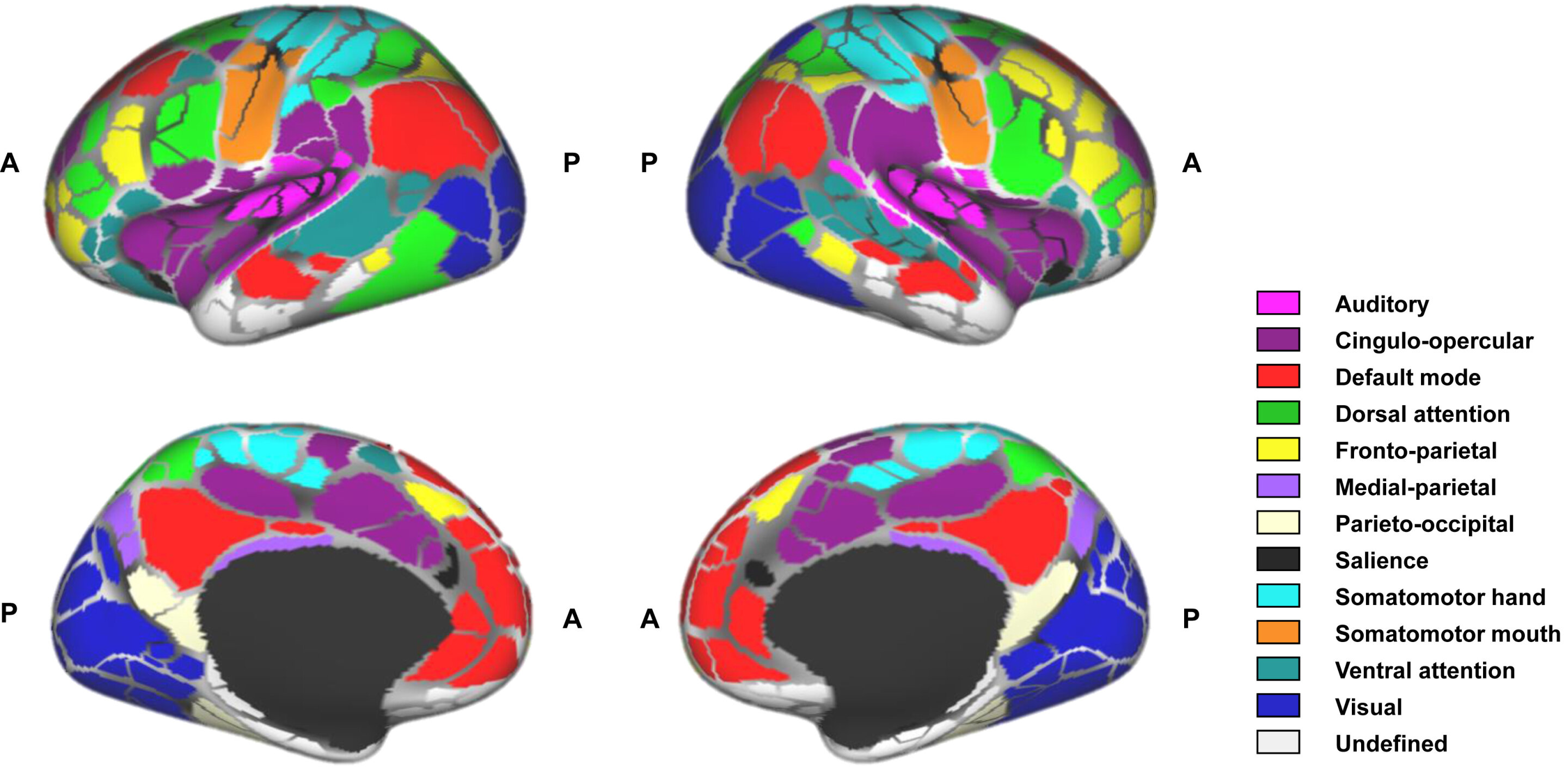
Cortical Resting-State Networks defined by Gordon’s Parcellation. Credit: Journal of the American Academy of Child & Adolescent Psychiatry (2025).

Exposure to high ambient temperatures is associated with lower connectivity in three brain networks in preadolescents, suggesting that heat may impact brain function. 

A new study reveals that consuming high-calorie, highly processed foods for just five days can reduce the brain’s sensitivity to insulin, a key factor in obesity and type 2 diabetes. Researchers found that even in healthy individuals, short-term unhealthy eating altered brain function, mimicking effects seen in people with obesity.

Scientists are exploring the role of gut-brain axis in Parkinson’s, anxiety and long COVID.

New research highlights that optimal brain health is strongly linked to cardiovascular wellness. The study underscores that dementia and cognitive decline share risk factors with heart disease, suggesting these conditions are largely preventable by managing diet, exercise, cholesterol, blood sugar, and blood pressure.

Approximately 40 percent of adults with chronic pain experience depression or anxiety, according to a review published in JAMA Network Open.

A multidisciplinary team of researchers has discovered how lateral inhibition helps our brains process visual information, and it could expand our knowledge of sensory perception, leading to applications in neuro-medicine and artificial intelligence.

Brain changes may remain visible in brain scans after recovery from concussion, a new study shows.

Researchers are using photoacoustic imaging to observe brain activity and, in the process, discovering more about how it responds to different types of learning and experiences. Photoacoustic imaging uses optics and acoustics to generate a signal in biological tissues—in this case, the brain—where the signal provides structural and functional data and allows researchers to track factors such as brain activity. 

A study exploring a new brain imaging technique is bringing stroke experts a step closer to better tailoring rehabilitation.

Scientists have uncovered new insights into how neurofilaments act like Velcro in neurodegenerative diseases, clogging up the brain and preventing normal function, according to a study published in the journal JCI Insight.

Poor sleep could have an impact on brain health, according to a new study from The Australian National University (ANU) published in the journal Sleep Medicine.

Mayo Clinic researchers have found a new way to more precisely detect and monitor brain cell activity during deep brain stimulation, a common treatment for movement disorders such as Parkinson’s disease and tremor. This precision may help doctors adjust electrode placement and stimulation in real time, providing better, more personalized care for patients receiving the surgical procedure.

A new neuroimaging study has revealed that viewing nature can help ease how people experience pain, by reducing the brain activity linked to pain perception.

An international team of scientists has revealed new clues about the neural mechanisms underlying memory formation and recognition in the developing human brain, according to a study published in Science Advances.

Poor sleep among older adults is linked to disruptions in the brain’s “waste removal system,” according to a recent study.

Research published in the Proceedings of the National Academy of Sciences  reveals that brain aging isn’t a steady decline, but rather a series of shifts with key turning points. These transition points follow an S-shaped statistical curve with clear transition points, rather than either the late-life clinical onset or gradual linear decline previously assumed, suggesting there are specific windows when intervention could be most impactful.

Finally this week, new research reveals that our brains simplify complex social interactions by using basic mental “building blocks” or shortcuts.

10 Things You Can Do for Better Brain Health in 2025

Your brain is the most complex organ in your body, responsible for everything you think, feel, and do. Keeping it healthy is essential for a fulfilling life. Here are 10 things you can do to boost your brainpower:

1. Engage in Regular Exercise

Physical activity isn’t just good for your body; it’s also a powerful brain booster. Exercise increases blood flow to the brain, delivering essential nutrients and oxygen. It also stimulates the growth of new brain cells and improves cognitive function.

Aim for at least 30 minutes of moderate-intensity exercise most days of the week.

2. Prioritize Quality Sleep

Sleep is crucial for consolidating memories and clearing out brain waste products. Aim for 7-9 hours of quality sleep each night.

Establish a regular sleep schedule, create a relaxing bedtime routine, and optimize your sleep environment.

3. Challenge Your Mind

Just like muscles, your brain needs to be challenged to stay strong. Engage in activities that require mental effort, such as:

  • Learning a new language
  • Playing brain games
  • Reading challenging books
  • Solving puzzles

4. Eat a Brain-Healthy Diet

Nutritious foods provide the fuel your brain needs to function optimally. Include plenty of fruits, vegetables, whole grains, and lean protein in your diet.

Limit processed foods, sugary drinks, and excessive alcohol.

5. Manage Stress

Chronic stress can damage brain cells and impair cognitive function. Find healthy ways to manage stress, such as:

  • Meditation
  • Yoga
  • Spending time in nature
  • Listening to music

6. Stay Socially Connected

Social interaction is essential for brain health. Spending time with loved ones, friends, and community members provides mental stimulation and emotional support.

Join clubs, volunteer, or participate in social activities.

7. Learn a New Skill

Learning new things keeps your brain flexible and adaptable. Take a class, learn a musical instrument, or pick up a new hobby.

The challenge of learning something new helps to form new neural connections.

8. Protect Your Head

Head injuries can have serious consequences for brain health. Wear a helmet when engaging in activities that carry a risk of head injury, such as biking, skateboarding, or playing contact sports.

9. Limit Screen Time

Excessive screen time can be detrimental to brain health, especially for children.

*Set limits on screen time and encourage activities that don’t involve screens.

10. Consult a Healthcare Professional

If you have concerns about your brain health, talk to your doctor. They can assess your risk factors and recommend strategies for maintaining optimal brain function.

Early intervention can be crucial for managing conditions that affect brain health.

By incorporating these tips into your daily life, you can take steps to protect your brain and ensure a healthier, happier future.

Weekly Neuroscience Update

Credit: Proceedings of the National Academy of Sciences (2024). 

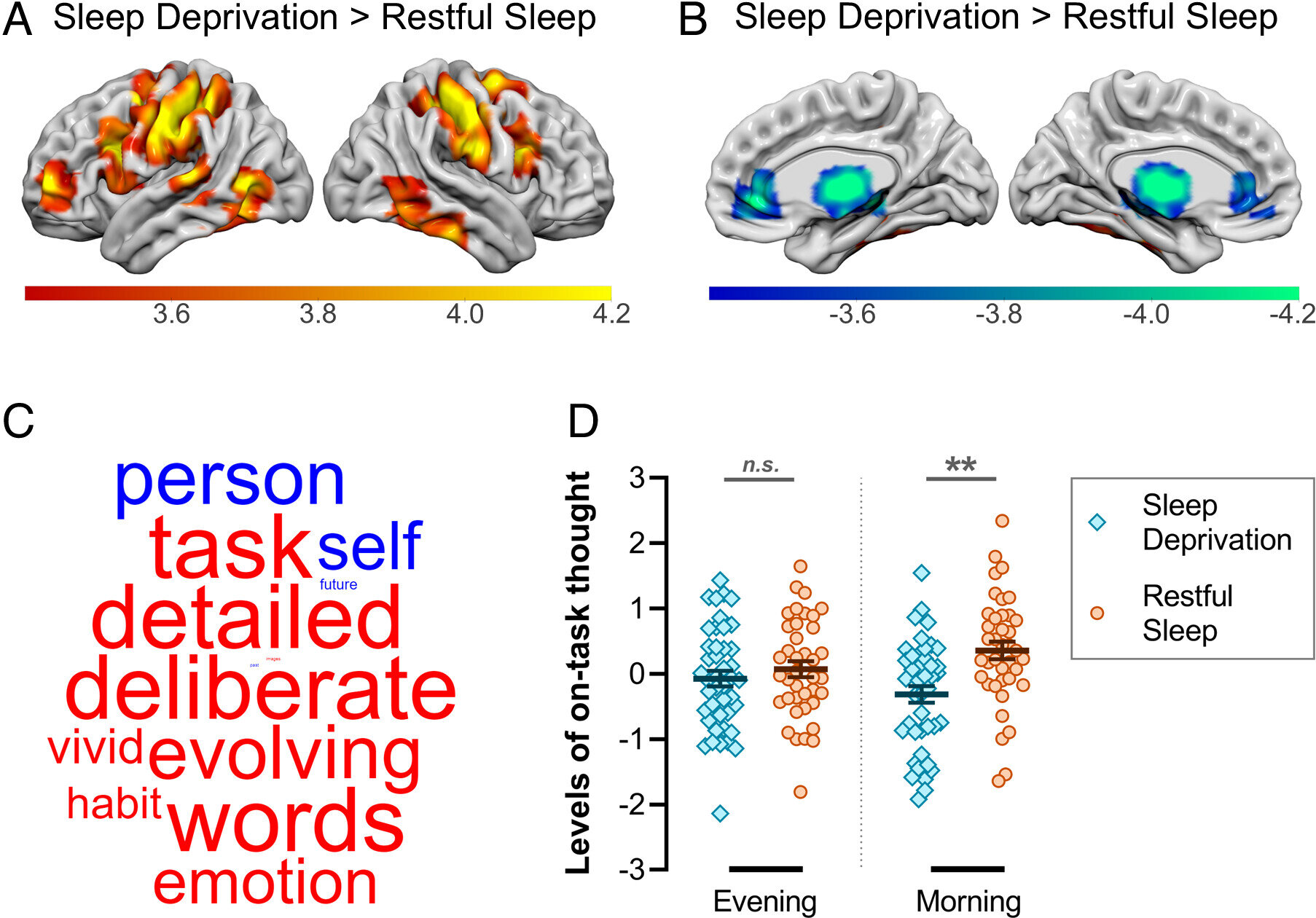
The link between poor sleep and mental health problems could be related to deficits in brain regions that keep unwanted thoughts out of the mind, according to hew research.

Researchers from Trinity College Dublin have collaborated with international partners to explore if societal inequality affects the brain. The study reveals a direct link between structural inequality—such as socioeconomic disparities measured by a country-level index (GINI)—and changes in brain structure and connectivity associated with aging and dementia.

New research has explained how the body’s internal clock influences the inflammatory process of the immune system.

Researchers used AI to analyze brain images from 70-year-olds, estimating their biological brain age and uncovering connections to lifestyle and health factors. Diabetes, inflammation, and high glucose levels were linked to older-looking brains, while regular exercise and healthy habits were associated with younger-looking brains.

An international research team, including researchers at Karolinska Institutet, has mapped the genes expressed in the brain cells of people with multiple sclerosis.

Gestational hypertension, preeclampsia, and eclampsia are associated with an increased risk for neurological outcomes in the months or years after giving birth, according to a recent study published in JAMA Neurology.

People with breathing problems during sleep may have a larger hippocampus, the area of the brain responsible for memory and thinking, according to a new study.

Researchers have discovered a connection between Alzheimer’s disease and herpes simplex virus-1 (HSV-1), suggesting viral infections may contribute to neurodegeneration. The study found that tau protein, typically seen as harmful in Alzheimer’s, might initially protect the brain from the virus but later exacerbate damage.

COVID-19 infection is not associated with immediate changes in multiple sclerosis (MS) symptom severity or disability, according to a study published in Neurology.

A study of nearly 10,000 adolescents found that those who initiated substance use before age 15 exhibited distinct differences in brain structures compared to their peers. Many of these differences were present before substance use, suggesting a role in predisposing factors like genetics and environment.

A new study reveals that humans think at a rate of 10 bits per second, while sensory systems process a billion bits per second—100 million times faster. 

New research in epigenetics reveals how early-life experiences influence gene expression and brain development. By bridging the gap between nature and nurture, this work shows that environmental factors leave lasting biological imprints, shaping long-term health and resilience.

For patients with neurodevelopmental disorders, a genomics-informed model can provide clinical benefits, directly affecting management, according to a new study.

A new “molecular lantern” technique allows researchers to monitor molecular changes in the brain non-invasively using a thin light-emitting probe. This innovative tool utilizes Raman spectroscopy to detect chemical changes caused by tumors, injuries, or other pathologies without altering the brain beforehand.

Finally this week, researchers have found that the pupil is key to understanding how, and when, the brain forms strong, long-lasting memories.