Weekly Neuroscience Update

After following a protocol of sensory-motor activities with cognitive engagement for two months, eleven children aged 10 to 12 who were diagnosed with dyslexia showed improvement in reading speed. This initiative combined recreational activities that incorporated motor and social skills, demonstrating promise in improving children’s reading performance.

Parkinson’s disease often starts on one side of the body, and new research shows this asymmetry influences how non-motor symptoms progress. 

Memory helps us make sense of the present by retrieving past experiences based on either surface-level similarities or deeper conceptual connections. A recent study reveals that when a familiar mental category — like excuses or conflicts — is available, memory prioritizes structural, abstract links over superficial cues.

A device combining ultrasound and advanced imaging to provide information for the safe delivery of drugs into the brain has been developed by University of Queensland researchers.

A new study has upended decades of neuroscience dogma, revealing that dopamine, a neurotransmitter critical for movement, motivation, learning and mood, communicates in the brain with extraordinary precision, not broad diffusion as previously believed.

Researchers have found a new drug that may boost the brain’s ability to heal itself after injury. The discovery could lead to significant advances in treating traumatic brain injuries, or TBIs.

A study published in iScience suggests that the magic of live performance art may be reflected in our brains. When people watched a live contemporary dance performance, their brainwaves synced up, signaling shared focus and attention—but that synchrony didn’t occur when people watched the same performance alone on video.

A research team has developed a novel deep learning framework that significantly improves the accuracy and interpretability of detecting neurological disorders through speech.

A new study reveals that our organs age at different speeds, and those differences can predict future disease risk and even life expectancy. Using blood-based protein signatures from over 44,000 participants, researchers developed an algorithm to estimate the biological age of 11 organ systems.

Finally this week, a study in the journal Science presents compelling new evidence that neurons in the brain’s memory center, the hippocampus, continue to form well into late adulthood.
Weekly Neuroscience Update

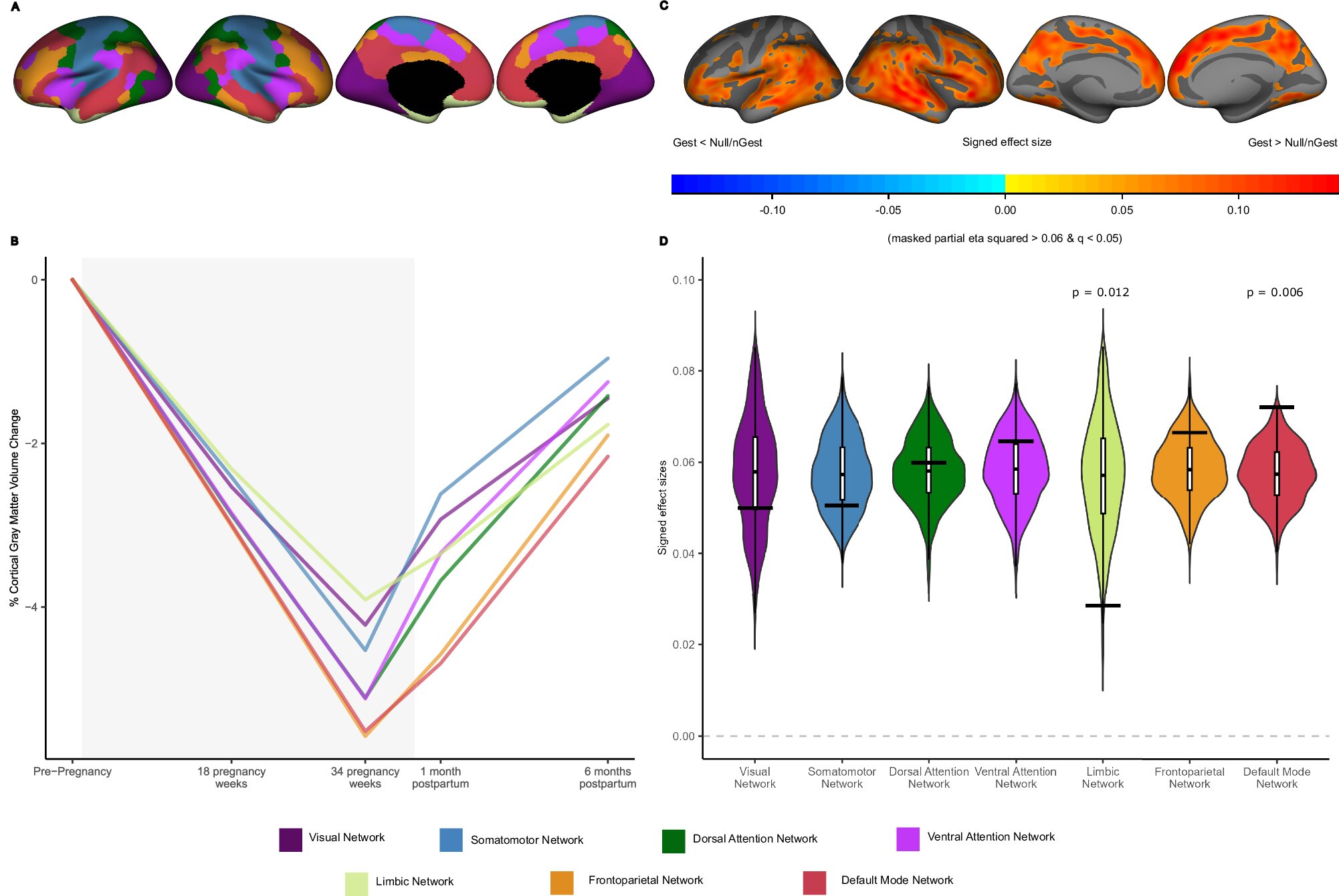
Cortical gray matter volume trajectories based on the functional location of the changes in gestational mothers (N = 179). Credit: Nature Communications (2025).

A new study has analyzed the brains of women during pregnancy for the first time using neuroimaging techniques. The research shows that there is a reduction and partial recovery of almost 5% of gray matter in 94% of the total gray matter volume of the brain, especially in regions linked to social cognition.

An international team has shown the relationship of activity of neurotransmitters to how humans process the emotional content of language.

More than half of 23-year-olds in a European study show restrictive, emotional or uncontrolled eating behaviours, according to new research led by the Institute of Psychiatry, Psychology & Neuroscience (IoPPN) at King’s College London. Structural brain differences appear to play a role in the development of these eating habits.

A new framework links brainwaves to individual cognitive states.

In a recent study, scientists have shown neurotransmitters in the human brain are active during the processing of the emotional content of language, providing new understanding into how people interpret the significance of words.

A new study shows stem cell therapy ‘jump-start’ brain repair after stroke.

Researchers have developed a flexible, biodegradable electrode capable of stimulating neural precursor cells in the brain, offering a safer and more precise alternative for neural repair. The electrode dissolves naturally after seven days, eliminating the need for surgical removal while promoting tissue regeneration.

Music supports babies in neonatal intensive care units, according to a recent neuroimaging study.

A study analyzing data from over 130 million individuals found that antibiotics, antivirals, vaccines, and anti-inflammatory medications are associated with a reduced risk of dementia. This supports the idea that infections and inflammation contribute to dementia and highlights the potential of repurposing existing drugs for prevention or treatment.

New research has uncovered psychological profiles associated with mental and brain health in middle-aged and older adults.

An experimental treatment for depression that triggers seizures with magnets significantly improved mental health in patients without some cognitive effects associated with electroconvulsive therapy (ECT), according to a clinical trial led by UT Southwestern Medical Center.

A research team has gathered new insight into the neural underpinnings of human cooperation.

A new study has identified three psychological profiles that influence brain health, cognitive decline, and dementia risk in aging adults. Profiles with high protective traits, like purpose and openness, show better cognition and brain integrity, while those with low protective traits or high negative traits face accelerated brain atrophy and mental health issues.

Stanford Medicine scientists are generating a periodic table of sorts for psychiatric disorders, providing a better understanding of these conditions and paving the way toward targeted treatment.

A study analyzing data from over 2 million veterans found that GLP-1 receptor agonists, popular weight-loss drugs like Ozempic and Wegovy, provide significant neurological and behavioral health benefits, including reduced risks of addiction, Alzheimer’s, and dementia. However, they also pose risks for pancreatitis and kidney conditions.

Finally, this week, a brain signal that lights up when we anticipate rewards may hold the secret to helping people overcome depression, and researchers are working to unlock its potential.

Weekly Neuroscience Update

A new study has shown neurotransmitters in the human brain are released during the processing of the emotional content of language, providing new insights into how people interpret the significance of words.

Researchers have identified how cerebrovascular disease disrupts brain connectivity, contributing to cognitive decline and neurodegeneration alongside Alzheimer’s disease. 

There may be a link between hearing impairment and an increased risk of developing Parkinson’s according to research led by Lancaster University.  Researchers analyzed data from over 159,000 individuals, finding that every 10-decibel increase in hearing loss corresponded to a 57% higher risk of Parkinson’s. While the findings highlight a strong association, the causality between hearing loss and Parkinson’s remains unclear.

A new systematic literature search has identified the highest priority clinical actions aimed at improving post-acute care for non-hospitalized traumatic brain injury.

Researchers are making strides in restoring touch sensations to prosthetic limbs through brain stimulation. By using electrodes in the brain’s touch center, they can evoke stable, precise sensations, even allowing users to feel the shape and motion of objects.

Increasing physical fitness levels has a causal link with better language comprehension, according to the first study to show this effect.

New research reveals that certain cells inactivate one parent’s copy of a gene, leading to a bias in gene activity that may explain why some individuals with disease-causing mutations remain symptom-free. This selective gene inactivation, known as monoallelic expression, affects about 1 in 20 genes and varies between cell types.

A new study from Karolinska Institutet and Mayo Clinic has revealed important insights into brain degeneration in dementia with Lewy bodies.

Tourette syndrome is currently diagnosed about three times more frequently in males than in females. A new study finds that females are less likely to be diagnosed with the syndrome, take longer to receive a diagnosis and are older when they are diagnosed than male individuals.

Finally this week, a new study has found that eating greater quantities of red meat, especially in processed forms, increases the risk for dementia.

Weekly Neuroscience Update

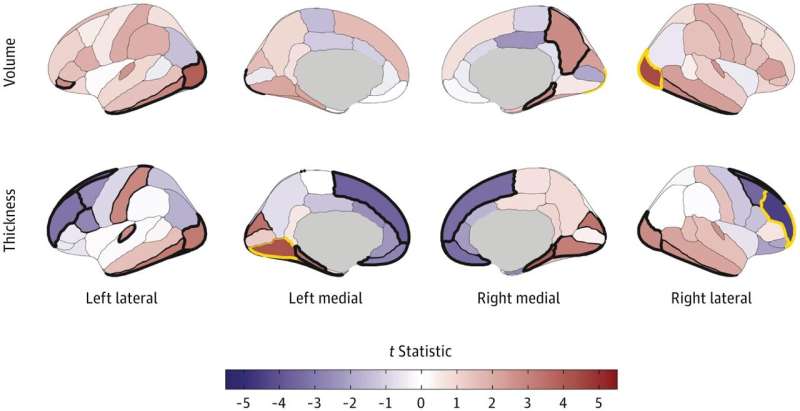
Regional Cortical Volume and Thickness Associations With Early Substance Use Initiation in the Adolescent Brain Cognitive Development (ABCD) Study. Credit: JAMA Network Open (2024). 

A new study has identified neuroanatomical differences in children associated with early substance use initiation.

Vagus nerve stimulation (VNS) shows a positive treatment effect and improved quality of life (QoL) among patients with treatment-resistant depression according to two studies published in Brain Stimulation.

A new analysis of U.S. mortality data reveals the disproportionate impact of traumatic brain injuries on older adults, males and certain racial and ethnic groups.

Gender differences define how the human brain ages and telltale biomarkers in the blood may be strongly suggestive of cognitive impairment and dementia, according to a comprehensive new study involving more than 500 people.

Researchers have identified genetic variations in brain cells, particularly microglia and oligodendrocytes, that influence both aging and Alzheimer’s risk.

New research shows that not all brain cells age equally, with certain cells, such as those in the hypothalamus, experiencing more age-related genetic changes. These changes include reduced activity in neuronal circuitry genes and increased activity in immunity-related genes.

A recent study has found that menopause revs up the progression of multiple sclerosis (MS).

Researchers have discovered that pupil size during non-REM sleep correlates with memory consolidation. When pupils contract, the brain focuses on consolidating new memories; when dilated, it processes older ones. This separation prevents “catastrophic forgetting,” allowing the brain to efficiently manage both new and existing knowledge. These findings could lead to better memory enhancement techniques for humans and inspire more efficient artificial neural networks.

A new study shows head trauma may activate latent viruses, leading to neurodegeneration.

A collaborative effort between Mount Sinai and Memorial Sloan Kettering Cancer Center has shed valuable light on how monoamine neurotransmitters such as serotonin, dopamine, and now histamine help regulate brain physiology and behavior through chemical bonding of these monoamines to histone proteins, the core DNA-packaging proteins of our cells.

Finally this week, sex differences in brain structure are present from birth, new research shows.

Weekly Neuroscience Update

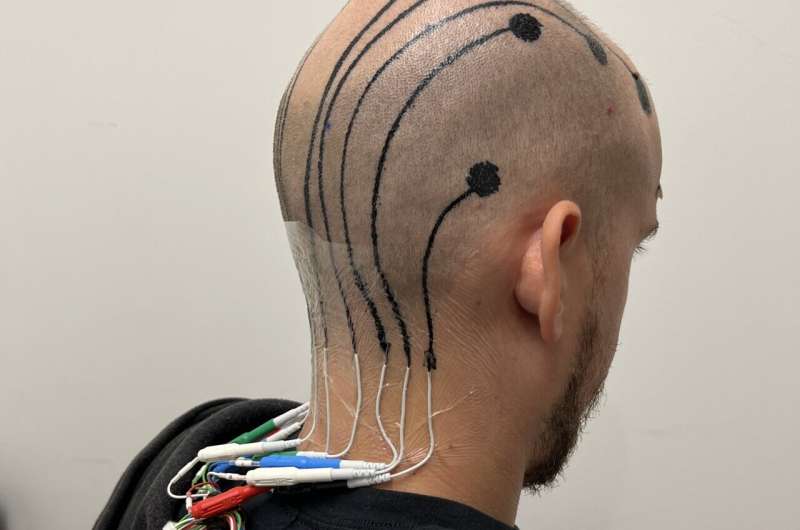
EEG setup with e-tattoo electrodes. Credit: Nanshu Lu

For the first time, scientists have invented a liquid ink that doctors can print onto a patient’s scalp to measure brain activity. The technology offers a promising alternative to the cumbersome process currently used for monitoring brainwaves and diagnosing neurological conditions. It also has the potential to enhance non-invasive brain-computer interface applications.

People who have chronic traumatic encephalopathy (CTE) who have a family history of mental illness may have a higher risk of aggression in middle age, according to a new study.

A loss of brain volume associated with new immunotherapies for Alzheimer’s disease may be caused by the removal of amyloid plaques, rather than the loss of neurons or brain tissue, finds a study led by UCL researchers.

A common heart drug may slow the progression of Huntington’s disease according to new research.

Men with cardiovascular disease risk factors, including obesity, face brain health decline a decade earlier—from their mid 50s to mid 70s—than similarly affected women who are most susceptible from their mid 60s to mid 70s, suggest the findings of a long term study, published online in the Journal of Neurology Neurosurgery & Psychiatry.

In a new study published in Briefings in Bioinformatics, researchers have found that depression can increase the chances of a person experiencing menstrual pain (dysmenorrhea).

Researchers have achieved a major milestone in the treatment of spinal cord injuries (SCI). By applying deep brain stimulation (DBS) to an unexpected region in the brain—the lateral hypothalamus (LH)—the team has improved the recovery of lower limb movements in two individuals with partial SCI, greatly improving their autonomy and well-being.

Soccer heading may cause more damage to the brain than previously thought, according to a study presented at the annual meeting of the Radiological Society of North America (RSNA).

New research reveals subtle changes in the visual pathways of individuals with chronic mild traumatic brain injury (TBI), even when standard eye examinations show no abnormalities. These findings include structural and functional deficits despite participants showing normal visual acuity during clinical examination.

A recent study identifies research strategies for tying brain function and structure to behaviour and health.

COVID-19 may be a risk factor for multiple sclerosis (MS). This has been shown by new research at Örebro University and Örebro University Hospital, Sweden. The study is published in the journal Brain Communications.

A study appearing in Nature Neuroscience has linked distinct neural and behavioral characteristics in autism spectrum disorder (ASD) to a simple computational principle.

Everyday physical activity, like going for a short walk or playing with the kids, may provide short-term benefits for cognitive health, equivalent to reversing four years of cognitive aging. That was a key finding a new study, published in the journal Annals of Behavioral Medicine.

Voice experiments in people with epilepsy have helped trace the circuit of electrical signals in the brain that allow its hearing center to sort out background sounds from their own voices.

A study led by University College London researchers found that large language models, a type of AI that analyzes text, can predict the results of proposed neuroscience studies more accurately than human experts.

Skeletal muscle loss is a risk factor for developing dementia, according to a study presented at the annual meeting of the Radiological Society of North America (RSNA).

A pioneering study has meticulously mapped the brain’s intricate neural pathways, shedding light on how specific regions work together to control impulsive actions. By employing advanced neuroimaging and noninvasive brain stimulation techniques, researchers uncover the mechanisms that allow us to halt unwanted actions.

Finally this week, new research reveals the unique human ability to conceptualize numbers may be rooted deep within the brain. 

Weekly Neuroscience Update

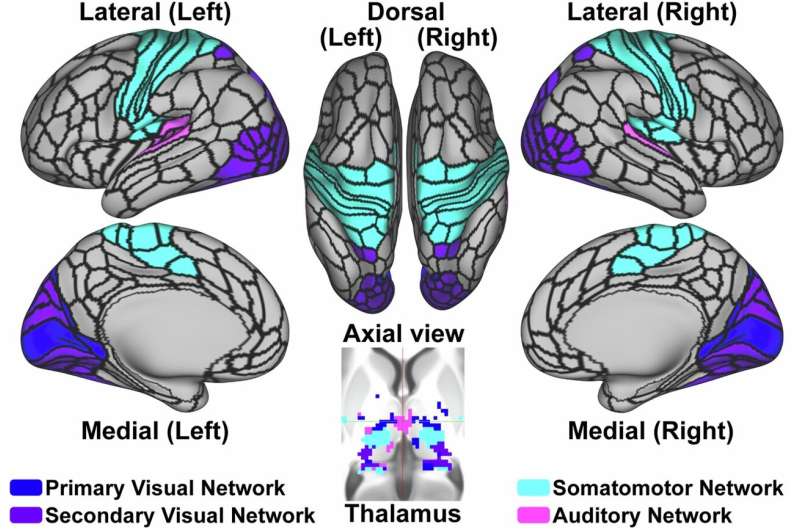
The four sensory networks of the brain network partition. The partition comprises four sensory networks, with the somatomotor network encompassing the somatosensory cortex. The thalamus contains parcels of each sensory network. Credit: Molecular Psychiatry (2024).

Researchers have uncovered a potential new biomarker for psychosis diagnosis.

A new approach to analyzing brain scans could help researchers better understand psychiatric illness using much smaller groups of patients than previously thought necessary, potentially accelerating the development of more precise mental health treatments.

A new study reveals how specific brain cells called interneurons can act as our in-built traffic controllers. The findings are published in the journal PLOS Biology.

Younger and middle-aged patients seem to be disproportionately affected by neurologic manifestations of post-acute sequelae of severe acute respiratory syndrome coronavirus 2 infection (Neuro-PASC), according to a study published in the Annals of Neurology.

Investigators have defined new biologic and clinical biomarkers for better identifying patients with different stages of Parkinson’s disease and Lewy body dementia.

Researchers have developed the most detailed 3D computational models of key brain regions, including the hippocampus and sensory cortices, to better understand their roles in memory formation and connectivity.

Healing the gut may be the key to improving long-term recovery in stroke patients, scientists at Texas A&M University have found.

New research provides critical insights into the role of sleep in motor learning for individuals recovering from traumatic brain injury (TBI). The study sheds light on how sleep, specifically a short nap, influences brain activity associated with motor skill improvement, with implications for optimizing rehabilitation strategies.

A recent study of high school football players found that concussions affect an often-overlooked but important brain signal.

Researchers have uncovered that stress changes how our brain encodes and retrieves aversive memories, and discovered a promising new way to restore appropriate memory specificity in people with post-traumatic stress disorder (PTSD).

Cognitive neuroscientists at Trinity College Dublin have published new research describing a brand new approach to making habit change achievable and lasting.

A new study uncovers constant communication between the human brain’s social cognitive network, responsible for understanding others’ thoughts, and the amygdala, known for processing fear and emotions. High-resolution brain scans revealed that this connection helps the brain integrate emotional importance into social interactions. This insight could lead to non-invasive treatments like transcranial magnetic stimulation (TMS) for anxiety and depression by targeting these regions. The findings highlight how evolutionary brain expansion enhances social understanding while linking it to ancient emotional processing centers.

Neuroscientists have demonstrated that dopamine and serotonin work in opposition to shape learning.

Researchers have identified a novel role for the brain’s ‘locus coeruleus’ in sleep and its disruptions. This brain region facilitates the transition between NREM and REM sleep states while maintaining an unconscious vigilance toward the external world. Stress disrupts its functions and negatively impacts on sleep quality.

A future treatment for Alzheimer disease may involve a nasal spray. 

A new method to profile gene activity in the living human brain has been developed by researchers at FutureNeuro, the Research Ireland Center for Translational Brain Science and RCSI University of Medicine and Health Sciences, in collaboration with international partners. This innovative approach, published in JCI Insight, opens new avenues for understanding and treating neurological conditions such as epilepsy.

A study led by the University of Glasgow has revealed differences in the brains of pediatric and adult patients that might explain the sometimes catastrophic outcomes seen in children following a traumatic brain injury.

Finally this week, new research has examined the relationship of emotion regulation to real-world responses to stress to better understand stress-related increases in suicide risk in depression.

Weekly Neuroscience Update

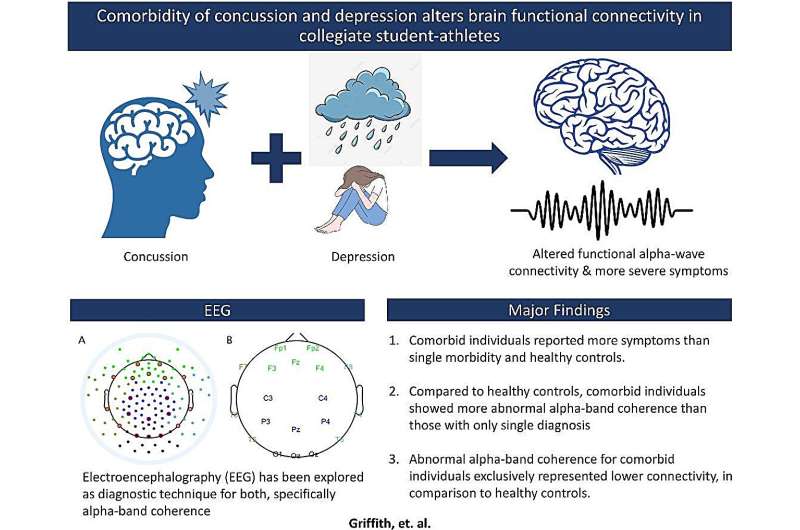
Credit: Brain Research (2024)

Researchers have demonstrated that the co-occurrence of depression and concussion was associated with significantly worse symptoms for both conditions. 

A recent study has mapped how molecules in food interact with gut bacteria, revealing why people respond differently to the same diets. By examining 150 dietary compounds, researchers found that these molecules can reshape gut microbiomes in some individuals while having little effect in others. This breakthrough could enable personalized nutrition strategies to better manage health risks. The findings offer a deeper understanding of the gut microbiome’s role in health and disease.

Scientists have independently validated a new blood test platform that can simultaneously measure more than a hundred biomarkers of Alzheimer’s disease.

A new computer simulation of how our brains develop and grow neurons has been built by scientists from the University of Surrey. Along with improving our understanding of how the brain works, researchers hope that the models will contribute to neurodegenerative disease research and, someday, stem cell research that helps regenerate brain tissue.

Brain endurance training (BET), a combined cognitive and exercise approach, has been shown to significantly improve cognitive and physical performance in older adults.

New research demonstrates that learning a second language enhances brain connectivity, particularly when started in childhood. Scientists found that bilingual individuals have more efficient communication between brain regions, notably between the cerebellum and left frontal cortex.

In a new study evaluating meditation for chronic lower back pain, researchers have discovered that men and women utilize different biological systems to relieve pain. While men relieve pain by releasing endogenous opioids, the body’s natural painkillers, women rely instead on other, non-opioid based pathways.

New research explores how traumatic brain injury may be linked to Alzheimer’s disease.

A study has identified mutations arising during brain development that may contribute to schizophrenia. Unlike inherited genes, these somatic mutations occur after conception and were found more frequently in schizophrenia patients’ brain tissue.

There is an imbalance in the gut flora of patients with epilepsy compared with healthy controls, according to a study published in the Journal of Health, Population and Nutrition.

Researchers have developed a breakthrough technology using magnetic fields to control specific brain circuits non-invasively, potentially transforming treatments for conditions like Parkinson’s and depression. This technique, termed “magnetogenetics,” delivers gene therapy to target neurons and uses magnetic fields to activate or inhibit them, allowing precise manipulation without invasive implants.

Bursts of exercise boost cognitive function according to new research.

A recent study reveals that specific brain cells respond not only to smells but also to images and written words related to those scents, providing deeper insight into human odour perception. Researchers found that neurons in the olfactory cortex and other brain regions, like the hippocampus and amygdala, distinguish between different smells and associate them with visual cues.

A collaborative study has identified genetic mutations that occur during brain development and may contribute to the development of schizophrenia.

A research team has published a randomized clinical trial demonstrating for the first time that a multidisciplinary approach integrating specific physiotherapy and cognitive-behavioral therapy is effective in improving the symptoms and physical aspects of the quality of life of patients with functional movement disorders.

Finally this week, scientists have discovered an unexpected link between genes involved in human brain evolution and developmental disorders.


Weekly Neuroscience Update

Credit: The Journal of Physiology (2024). 

The team that first recorded vagus nerve signals in humans has now isolated the electrical activity of individual neurons responsible for cardiovascular regulation. Published in the Journal of Physiology, the Monash University-led discovery paves the way for more research into how and why cardiovascular disease develops.

New research reveals that dopamine is not directly responsible for the formation of placebo analgesia, contrary to previous beliefs.

Scientists have developed a new brain-mapping tool called START, which combines transcriptomics and viral tracing to map the connections between specific neuronal subtypes with unprecedented detail. This technology allows researchers to identify distinct patterns of connectivity in inhibitory neurons within the cerebral cortex, providing a blueprint of the brain’s circuits.

A new study has demonstrated that emotion enhances memory for contextual details, challenging the view that emotion impairs the ability to remember such information.

Researchers compared the diagnostic accuracy of GPT-4 based ChatGPT and radiologists using 150 brain tumor MRI reports. ChatGPT achieved 73% accuracy, slightly outperforming neuroradiologists (72%) and general radiologists (68%).

Deep brain stimulation may provide immediate improvement in arm and hand strength and function weakened by traumatic brain injury or stroke.

People with Parkinson’s disease (PD) who experience visual hallucinations have reduced brain responses to unexpected visual changes, a marker known as visual mismatch negativity (vMMN). Using EEG, researchers compared brain activity in PD patients with and without hallucinations and discovered that those with hallucinations showed weaker vMMN signals

Lower attention ability in adolescence can predict cigarette and cannabis use in young adulthood, according to new research from Trinity College Dublin.

New research has found that frequent consumption of fizzy drinks and fruit juice significantly increases the risk of stroke. The study, which analyzed data from nearly 27,000 participants across 27 countries, showed a 22% increased risk of stroke from drinking fizzy drinks, with the risk rising further with multiple servings per day. Additionally, drinking more than four cups of coffee daily raised stroke risk by 37%, while tea consumption was associated with a reduced stroke risk. 

New research shows that even pollution levels that are below government air-quality standards are associated with differences in children’s brains.

University of Queensland researchers have made a significant step towards enabling women with epilepsy safer access to a common and highly effective anti-seizure medication.

A new study shows that brain synchronization between a neurotypical person and someone with autism is weaker compared to two neurotypical individuals interacting. Using EEG hyperscanning, researchers observed reduced inter-brain synchrony during hand movement imitation between mixed pairs, with autistic individuals more likely to follow than lead.

Certain immune cells play an important role in the early stages of multiple sclerosis, a twin study shows.

New evidence from the Centre for Healthy Brain Ageing indicates that older adults who experience a stroke for the first time will have substantial immediate and accelerated long term-cognitive decline. The new research, published iJAMA Network Open, looked at finding out exactly how a stroke impacts a person’s cognitive abilities.

A new study shows how individual brain cells in the hippocampus respond to pronouns.

Scientists are examining the brains of individuals with asymptomatic Alzheimer’s disease who, despite having amyloid plaque and tau buildup—the primary indicators of Alzheimer’s—did not show diagnosable dementia symptoms while alive. They’ve identified crucial mechanisms that may safeguard against cognitive decline in Alzheimer’s disease.

Finally this week, In a first-of-its-kind study, University of South Florida researchers are finding that music can help boost cognition in patients undergoing chemotherapy. 

Weekly Neuroscience Update

Researchers at the University of Birmingham have uncovered a surprising role of the hippocampus—linking this part of the brain to the control of skilled actions such as handwriting, typing, and playing music.

The psychedelic drug psilocybin may rewire brain connectivity to treat body dysmorphic disorder, new research suggests.

A significant breakthrough in the understanding of sleep mechanism opens new promise for treating sleep disorders and associated neuropsychiatric conditions: Scientists have pinpointed the melatonin receptor MT1 as a crucial regulator of REM (Rapid Eye Movement) sleep.

Researchers have developed a new method that allows scientists to cultivate brain organoids with distinct cortical areas and front-to-back patterning.

A recent study published in Science has identified a previously unknown mechanism in the brain that occurs during sleep, helping to reset memory pathways. Researchers found that a burst of neural silence in a specific part of the brain, the hippocampus, allows neurons involved in memory to reset and prepare for new learning the following day. This phenomenon, termed a “barrage of action potentials” or “BARR,” allows neurons to reset, ensuring that our brains can continue storing new information without overwhelming the neural networks responsible for memory.

Monash University-led research, believed to be the first of its kind, has used blood tests and MRI scans to show that the effects of traumatic brain injuries (TBI) can last decades.

Researchers have found that SSRI (selective serotonin reuptake inhibitor) antidepressants have the potential to improve certain cognitive functions, such as verbal memory. They measured brain function in patients before and after taking the SSRI, escitalopram, and correlated this to a drop in the level of one of the serotonin receptors in the brain and to cognitive improvements during treatment.

In the U.K.’s largest study to date, researchers have come to a better understanding of the immediate and long-term impacts of COVID-19 on the brain.

New research has found that cannabis use during pregnancy can cause molecular changes in the genes of exposed children, impacting brain development. The study identified significant DNA alterations in genes related to neurodevelopment, suggesting a direct link between prenatal cannabis exposure and developmental issues.

Finally this week, a new study has uncovered new insights into how the brain processes and integrates pain information.

Weekly Neuroscience Update

Credit: Nature Structural & Molecular Biology (2024)

By super cooling a molecule on the surface of brain cells down to about minus 180 degrees Celsius—nearly twice as cold as the coldest places in Antarctica—scientists say they have determined how a widely-used epilepsy drug works to dampen the excitability of brain cells and help to control, although not cure, seizures.

Scientists have identified a positive molecular feedback loop which could explain stroke-induced memory loss.

A team of Australia’s leading health researchers has developed a new “dictionary” to better predict outcomes for people who have experienced a moderate-severe traumatic brain injury (TBI). The work is published in the Journal of Neurotrauma.

Research to be presented at the SLEEP 2024 annual meeting found that low-dose acetylsalicylic acid, also known as aspirin, can reduce inflammatory responses to sleep restriction.

A new study has found that resilient people exhibit neural activity in the brain regions associated with improved cognition and regulating of emotions, and were more mindful and better at describing their feelings. The same group also exhibited gut microbiome activity linked to a healthy gut, with reduced inflammation and gut barrier.

A blood test can accurately detect the ongoing effects of sport-related concussion and help determine when it’s safe to return to the field, new research has found.

Researchers have developed a method to predict dementia with over 80% accuracy up to nine years before diagnosis. Using fMRI scans, the team analyzed changes in the brain’s default mode network (DMN), which is affected early in Alzheimer’s disease.

Poor olfaction in older adults may predict the development of heart failure according to new research.

A new study finds that adults’ phobias can be correlated with changes in the structure of their brains. What’s more, the neurological differences seen in adults with phobias are more extensive than those observed in people with other forms of anxiety.

Neuroscientists have discovered a special type of human white blood cell that can potentially regrow nerve fibers.

Researchers have identified six depression subtypes through brain imaging and machine learning, revealing tailored treatment options. This breakthrough in precision psychiatry can improve treatment outcomes by matching patients with the most effective therapies based on their brain activity patterns.

Finally this week, scientists have discovered a protein that prunes nerve endings, regulating sensitivity to pain.