Weekly Neuroscience Update

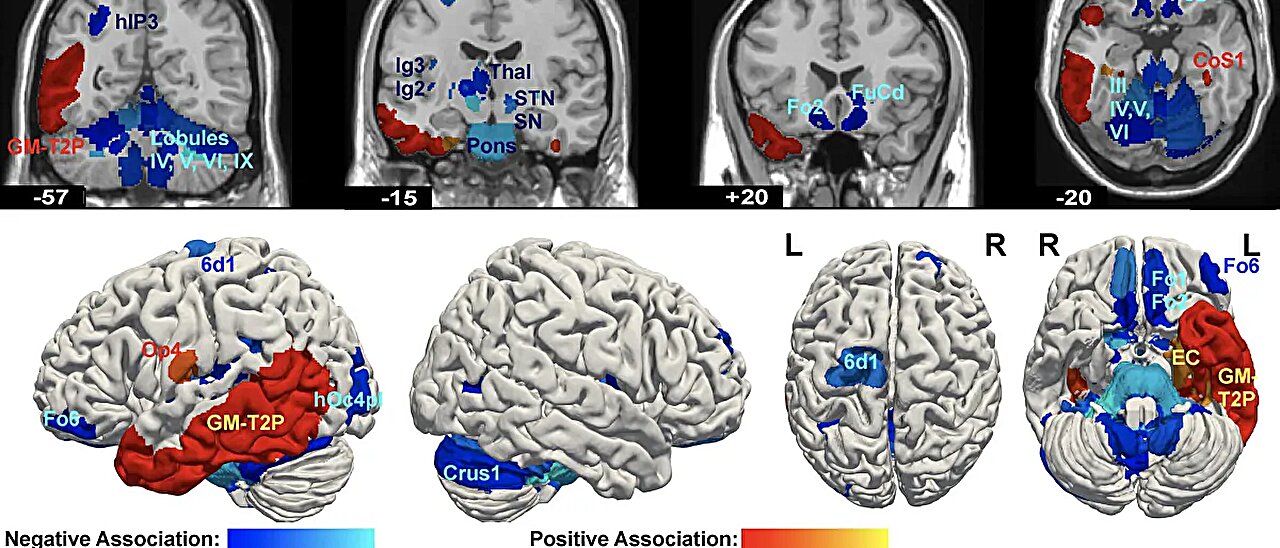
Coloured regions show where brain volume was associated with deviant lifestyle and antisocial behavior in individuals with psychopathic traits. Credit: European Archives of Psychiatry and Clinical Neuroscience (2025).

A recent study has shed light on the brain structure differences associated with psychopathy—a condition known to be one of the strongest predictors of persistent violent behaviour. The findings are published in the journal European Archives of Psychiatry and Clinical Neuroscience.

Researchers are using a new approach to brain imaging that could improve how drugs are prescribed to treat Parkinson’s disease.

An analysis of over 375 trials shows that structured exercise significantly reduces depression and anxiety in children and teens. Low-intensity resistance activities like light weights were most effective for easing anxiety, while moderate mixed-mode programmes worked best for depression, especially when lasting under 12 weeks.

A new technology that uses clinical MRI machines to image metabolic activity in the brain could give researchers and clinicians unique insight into brain function and disease.

Diets rich in phosphate additives, commonly found in processed foods, can increase blood pressure by triggering a brain signaling pathway and overactivating the sympathetic nervous system that regulates cardiovascular function, UT Southwestern researchers discovered. Their findings could lead to treatment strategies for patients with hypertension caused by overconsumption of foods containing high levels of phosphates.

The long-standing belief that left-handed people are more creative has been challenged by a new meta-analysis of over a century of research. 

New research proposes a unified theory of brain function based on criticality—a state where the brain teeters between order and chaos, allowing it to learn, adapt, and process information optimally. When the brain strays from this delicate balance, cognitive performance weakens, and neurological disorders such as Alzheimer’s may begin to take hold.

A drug used for Parkinson’s disease has been shown to be effective in reducing the symptoms of difficult to treat depression, according to a study led by the University of Oxford.

A recent study shows that older adults may compensate for age-related cognitive decline by enhancing activity in a specific brain region linked to attention—the locus coeruleus (LC). In a brain imaging study, older participants showed stronger LC responses when interpreting ambiguous facial expressions, compared to younger adults.

Individuals with versus those without tinnitus have significantly lower scores on cognitive function tests, according to a recent study published in Frontiers in Neurology.

New research shows how the brain navigates emotional transitions, using music as a tool to map changing neural patterns. Scientists found that emotional responses in the brain depend heavily on the listener’s prior emotional state.

A clinical trial has revealed that Ambroxol, a common cough medicine in Europe, may help slow cognitive decline in people with Parkinson’s disease dementia.

In a study of 200 former professional rugby players (aged 30–61 years old), researchers from Imperial College London, University College London and the UK Dementia Research Institute found no cases of early-onset dementia.

Finally this week, new research findings show how synaptic connections in the cerebral cortex can strengthen during sleep, offering insight into how the brain continues learning even while we rest.
Weekly Neuroscience Update

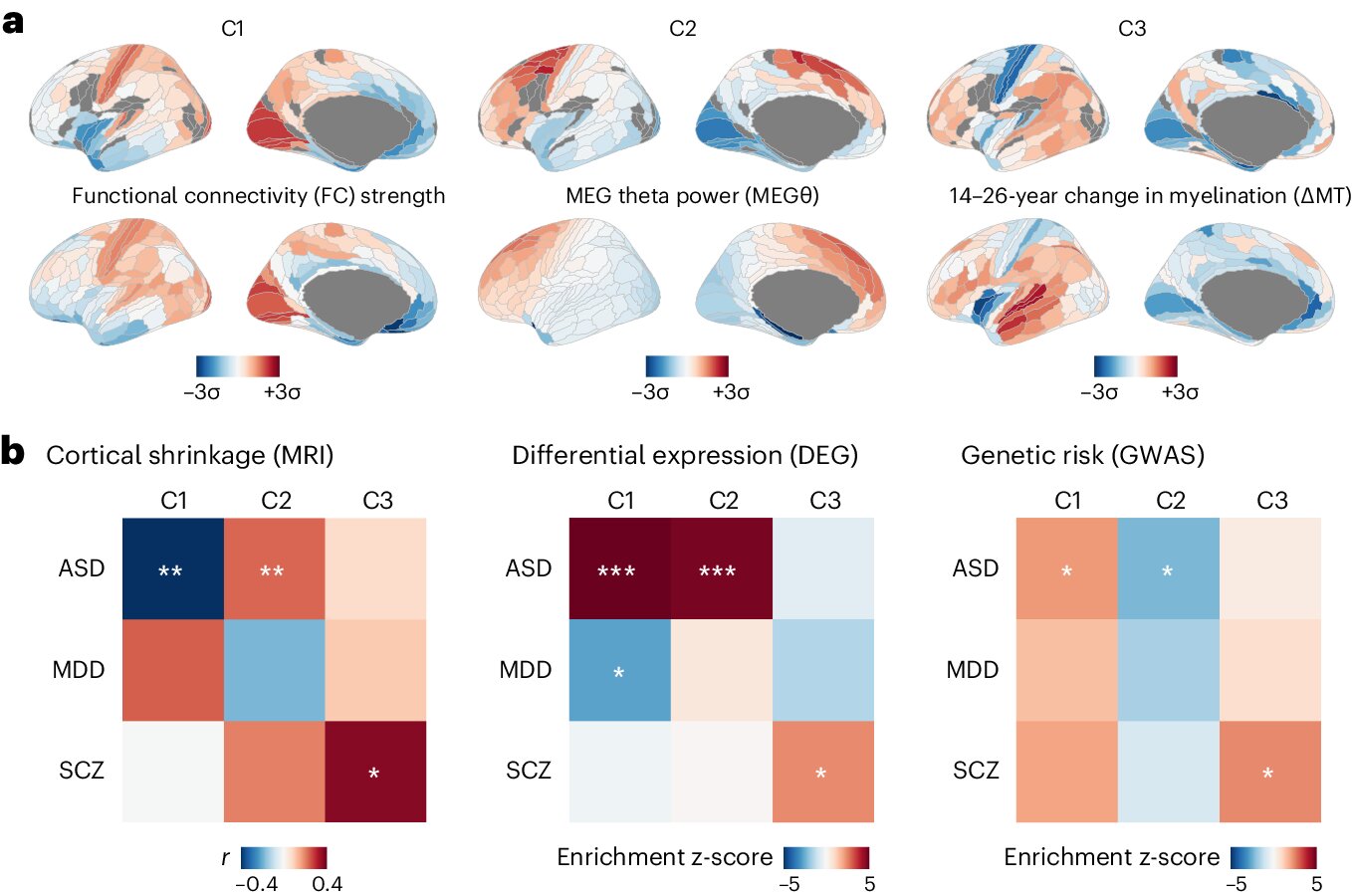
Credit: Nature Neuroscience(2024).

Researchers at University of Cambridge and other institutes worldwide recently carried out a study that linked gene expression in healthy brains to the imaging, transcriptomics and genetics of autism spectrum disorder and schizophrenia. Their paper, published in Nature Neuroscience, unveiled three distinct spatial patterns of cortical gene expression each with specific associations to autism and schizophrenia

A study published in the Journal of the American College of Cardiology suggests that physical activity may reduce cardiovascular disease risk by lowering stress-related brain activity.

A team of researchers at Baylor College of Medicine and Yale University incorporated generative artificial intelligence (AI) to create a foundational model for brain activity. The Brain Language Model (BrainLM) was developed to model the brain in silico and to determine how brain activities are related to human behavior and brain diseases.

Using MRI, engineers have found a way to detect light deep in the brain.

Stressful life events, such as the death of a loved one or divorce, put a person at greater risk of developing dementia in later life, a recent study has found. But only if the stressful event happened in childhood or midlife.

Our brains process odours differently depending on the names assigned to them, according to new research. 

People with neurological disease have a greater chance of death after contracting COVID-19, according to a new study. The research also confirms a higher risk of developing new neurological disorders after COVID infection.

Children who experience chronic lack of sleep from infancy may be at increased risk of developing psychosis in early adulthood, new research shows. 

A team of brain specialists at the California Institute of Technology has developed a brain–computer interface approach to decode words “spoken” entirely in the brain by recording signals from individual neurons in real time.

A new study shows that the cerebellum is involved in processing emotions, with implications for ataxia care.

A research team has revealed the link between the frequency of sleep apnea events during the rapid-eye-movement stage and the severity of verbal memory impairment in older adults at risk for Alzheimer’s disease. Verbal memory refers to the cognitive ability to retain and recall information presented through spoken words or written text and is particularly vulnerable to Alzheimer’s.

Results from a recent neuroplasticity study show how singing rehabilitates speech production in post-stroke aphasia.

For the first time, researchers have succeeded in explaining the propagation of traveling waves of activity in the human brain using a computer simulation. Previous studies indicate that these waves are important for various cognitive functions such as memory.

A new publication in Scientific Reports unveils a promising non-opioid pain treatment.

Repeated blows to the heads of football players can damage the small blood vessels of the brain, according to research by scientists who believe this damage may contribute to brain dysfunction in some athletes years after play has ended.

New research has shed light in the complex interplay between cell proteins, and how they impact on neurons in neurodevelopmental disorders and Alzheimer’s disease.

Artificial intelligence (AI) computer programs that process MRI results show differences in how the brains of men and women are organized at a cellular level, a new study shows. These variations were spotted in white matter, tissue primarily located in the human brain’s innermost layer, which fosters communication between regions.

Finally, this week, climate change, and its effects on weather patterns and adverse weather events is likely to negatively affect the health of people with brain conditions.

Slumber, Science, and the Mind: Unraveling the Mysteries of Sleep

Sleep is a fundamental aspect of human existence, yet the reasons behind why we sleep have puzzled scientists for centuries. Recent advancements in neuroscience have shed light on the mechanisms and functions of sleep, revealing its impact on cognitive function, emotional well-being, and overall health. In this post, we will explore the neuroscientific perspective on why we sleep and the vital role it plays in maintaining optimal brain function.

Restoration and Repair

One of the primary functions of sleep is to facilitate physical and mental restoration. During the waking hours, the brain accumulates metabolic waste products that can be detrimental to its proper functioning. Studies [1] have shown that during sleep, the glymphatic system becomes highly active, clearing away toxins and waste products that accumulate in the brain throughout the day. This process promotes cellular repair, ensuring that the brain is in optimal condition for the next day’s activities.

Memory Consolidation

    Sleep plays a crucial role in memory consolidation, a process in which newly acquired information is stabilized and integrated into existing knowledge networks. The hippocampus, a brain region vital for memory formation, is particularly active during specific stages of sleep, such as rapid eye movement (REM) sleep. Research [2] suggests that the reactivation of neural pathways during sleep strengthens synaptic connections, contributing to the consolidation and organization of memories.

    Emotional Regulation

      The emotional resilience of an individual is closely tied to the quality of their sleep. Studies [3] have revealed that sleep is essential for regulating emotional responses and processing negative experiences. The amygdala, a key player in emotional processing, undergoes a recalibration during sleep, helping individuals better cope with stress and emotional challenges. Disruptions in sleep patterns have been linked to heightened emotional reactivity and an increased risk of mood disorders.

      Learning and Cognitive Function

      Sleep is intricately connected to learning and cognitive performance. Evidence [4] suggests that sleep facilitates synaptic plasticity, the ability of synapses to strengthen or weaken over time. This process is crucial for learning new skills, acquiring knowledge, and adapting to changing environments. Lack of sleep has been shown to impair attention, decision-making, and problem-solving abilities, highlighting the integral role of sleep in maintaining optimal cognitive function.

      Hormonal Regulation

      Sleep has a profound impact on the regulation of hormones, influencing various physiological processes. Studies [5] have demonstrated that sleep deprivation can disrupt the balance of hormones related to appetite, metabolism, and stress. This imbalance may contribute to weight gain, increased inflammation, and a higher risk of chronic conditions such as diabetes and cardiovascular disease.


      Sleep is a complex and dynamic process that serves multiple essential functions for the brain and body. From the restoration of cellular integrity to the consolidation of memories and the regulation of emotions, sleep plays a critical role in maintaining overall well-being. As our understanding of the neuroscience of sleep deepens, it becomes increasingly clear that prioritizing healthy sleep patterns is fundamental to promoting optimal cognitive function and sustaining a balanced and fulfilling life.

      Notes

      [1] Xie et al. (2013): “Sleep Drives Metabolite Clearance from the Adult Brain.”Nedergaard, M. (2013); “Garbage Truck of the Brain.”

      [2] Diekelmann, S., & Born, J. (2010): “The memory function of sleep.” ; Walker, M. P., & Stickgold, R. (2006): “Sleep, memory, and plasticity.”

      [3] Walker, M. P., & van der Helm, E. (2009): “Overnight therapy? The role of sleep in emotional brain processing.” ; Goldstein, A. N., & Walker, M. P. (2014): “The Role of Sleep in Emotional Brain Function.”

      [4] Stickgold, R. (2005): “Sleep-dependent memory consolidation.” ; Rasch, B., & Born, J. (2013): “About Sleep’s Role in Memory.”

      [5] Spiegel, K., & Leproult, R. (1999): “Impact of sleep debt on metabolic and endocrine function.” ; Taheri, S., et al. (2004): “Short Sleep Duration Is Associated with Reduced Leptin, Elevated Ghrelin, and Increased Body Mass Index.”

      Weekly Neuroscience Update

       Credit: Science Advances (2023)

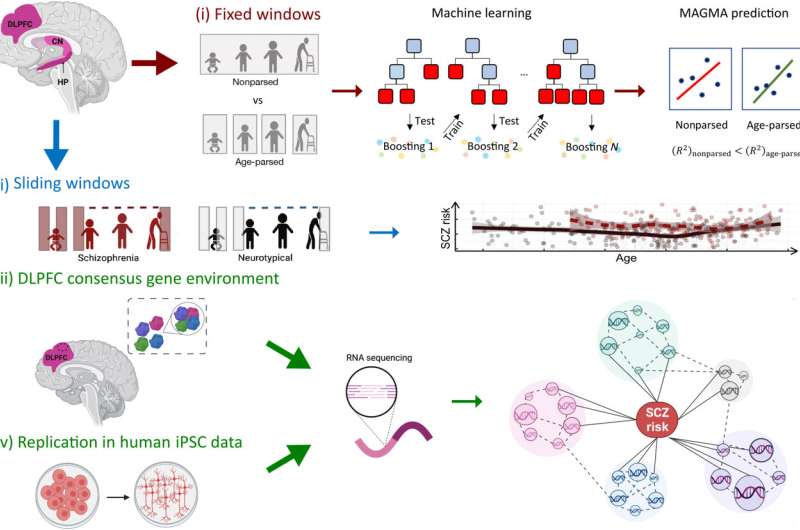
      Researchers have published a study in Science Advances that looks into the genetic mechanisms behind the development of schizophrenia.

      Students whose brainwaves are more in sync with their classmates and teacher are likely to learn better than those lacking this “brain-to-brain synchrony,” shows a new study by a team of psychology and education researchers. The findings, which appear in the journal Psychological Science, offer new insights into the learning process. 

      Scientists are testing a new personalized immunotherapy approach that is designed to work similarly to a vaccine by training the immune system to fight glioblastoma brain cancer.

      People experiencing hearing loss who are not using a hearing aid may have a higher risk of dementia than people without hearing loss, suggests a new study published in The Lancet Public Health journal. However, using a hearing aid may reduce this risk to the same level as that of people without hearing loss.

      Researchers have shown for the first time that in middle-aged men, Obstructive Sleep Apnea may cause early cognitive decline, even in patients who are otherwise healthy and not obese.

      In a new study, teens who added walnuts to their diet for 100 days showed improvements in attention function, and for those with ADHD, frequent walnut consumption was associated with improvements in behavior. Researchers also noted an increase in fluid intelligence in those who frequently consumed walnuts as part of their daily diet.

      Listening to or practicing music had positive implications on cognitive decline in older adults by stimulating the production of gray matter in key brain areas, a new study reveals.

      Researchers have used machine learning to investigate the molecular and neural mechanisms that could underlie differences among individuals diagnosed with autism spectrum disorder (ASD). Their paper, published in Nature Neuroscience, identifies different subgroups of ASD associated with distinct functional connections in the brain and symptomatology, which could be related to the expression of different ASD-related genes.

      A novel imaging technique is capable of showing reactive astrocyte-neuron interactions. The technique sheds new light on Alzheimer’s pathologies and offers a potential breakthrough for the diagnosis and treatment of dementia.

      An international team of 79 researchers has collaborated on a study published in Nature Medicine to delve into perivascular spaces (PVS), a poorly understood artifact seen in magnetic resonance imaging of cerebral small vessel disease, a leading cause of stroke and dementia.

      Finally this week, new research findings show that probiotic supplementation could be a positive strategy to counteract oxidative stress and inflammation promoted by sleep loss.

      Weekly Neuroscience Update

      Graphical summary of the methodological framework of the study. Credit: Nature Medicine (2023)

      The most common type of brain cyst (arachnoid) has no known cause. New research investigating patients with these cysts has found something unexpected—a potential genetic link.

      As we age, most of us tend to stop paying attention to new music and stick with the songs from our past. Researchers explored why we narrow our horizons for exploring new music as we age and say listening to new tracks can help create new memory bonds and experience new pleasures.

      Adding to the growing body of evidence on sleep disturbances and cognitive impairment, new research finds significant links between three measures of sleep disturbance and the risk for developing dementia over a 10-year period.

      A new study confirms that brain development in people with autism differs from those with typical neurodevelopment. According to the study published in PNAS, these differences are linked to genes involved in inflammation, immunity response and neural transmissions. They begin in childhood and evolve across the lifespan.

      New research that focused on nutrition and mental health of adolescent athletes found an association between high protein consumption and a decrease in symptoms of depression.

      Infants who are born preterm do not habituate to repeated pain the same way in which full-term babies or adults do. Researchers believe this is because preterm infants have not yet developed the mechanism that enables people to adapt to moderate pain, which is thought to develop during the third trimester of pregnancy.

      Finally this week, a new study that focused on the nutrition and mental health of adolescent athletes found an association between high protein consumption and a decrease in symptoms of depression.

      Weekly Neuroscience Update

      New research has revealed how acute stress can affect the connectivity of different brain regions, leading to increased neural activity and changes in behavior.

      New research has found that sleep has a crucial role in preparing the body to fight off infections. During sleep, the immune system produces cytokines, which help in fighting infections, inflammation, and stress. In contrast, sleep deprivation can weaken the immune system and increase the likelihood of getting sick. The study also found that sleeping for longer periods before an infection occurs can improve the chances of fighting it off.

      A research team has found that people with chronic pain in multiple parts of the body had a higher risk of dementia and experienced broader and faster cognitive decline, including memory, executive function, learning, and attention.

      Researchers have discovered how changes in blood vessels in the eye can be used to predict the progression of age-related macular degeneration (AMD), a leading cause of blindness. The researchers used high-resolution imaging techniques to measure the density of blood vessels in the retina of patients with AMD. They found that decreased blood vessel density in certain areas of the retina was associated with the progression of the disease.

      A new study has identified changes in the levels of certain proteins in the blood of women with perinatal depression (depression during pregnancy or after childbirth).

      A new brain connection discovered by researchers can explain how early-life stress and adversity trigger disrupted operation of the brain’s reward circuit, offering a new therapeutic target for treating mental illness. Impaired function of this circuit is thought to underlie several major disorders, such as depression, substance abuse and excessive risk-taking.

      A study at the University of Tsukuba in Japan has found that routine exercise helps prevent cognitive impairment in older adults, with exercising alone being beneficial, but exercising with others having an even greater positive effect.

      Although investigators have made strides in detecting signs of Alzheimer’s disease using high-quality brain imaging tests collected as part of research studies, a research team has developed an accurate method for detection that relies on routinely collected clinical brain images. The advance could lead to more accurate diagnoses.

      Finally, this week, seizures can be predicted more than 30 minutes before onset in patients with temporal lobe epilepsy, opening the door to a therapy using electrodes that could be activated to prevent seizures from happening, according to new research.

      Weekly Neuroscience Update

      Any regular leisure-time physical activity at any age is linked to better brain function in later life, but maintaining an exercise routine throughout adulthood seems to be best for preserving mental acuity and memory, suggests a long-term study published in the Journal of Neurology Neurosurgery & Psychiatry.

      Researchers have conducted a world-first pilot study investigating a sleep intervention for autistic adults, showing promising evidence at reducing insomnia and co-occurring anxiety symptoms.

      Patients with Parkinson’s disease achieved a significant improvement in their tremors, mobility, and other physical symptoms after having a minimally invasive procedure involving focused ultrasound, according to a new study published in the New England Journal of Medicine.

      Researchers have identified a mechanism for how signals from the environment are integrated with genetic information to influence the health and survival of brain cells, providing insight into the development of Parkinson’s disease.

      A new study suggests a link between irritable bowel syndrome (IBS) and mental health disorders such as anxiety and depression. The study found that individuals with IBS were more likely to experience symptoms of anxiety and depression than those without IBS.

      In a first-of-its-kind study, researchers developed an electronic implant that collected information about brain activity from a single neuron for over one year.

      A new AI-powered tool developed by researchers can predict which patients with mild cognitive impairment (MCI) are most likely to develop Alzheimer’s disease. The tool uses machine learning algorithms to analyze data from brain scans, blood tests, and cognitive assessments to identify specific biomarkers associated with Alzheimer’s disease.

      Finally this week, a person’s personality and psychopathology levels may be associated with how strongly they prefer to focus on human faces within images, according to a study published in the open-access journal PLOS ONE.

      Weekly Neuroscience Update

      A study of brain function in cosmonauts reveals how the brain’s organization changes after an extended period in space, demonstrating the adaption required to live in a weightless environment.

      Researchers are turning to artificial intelligence to find novel drugs that can block kappa opioid receptors with the hope to alleviate opioid addiction. The kappa opioid receptor is a protein in the brain that plays a role in pain management and addiction. When opioids bind to this receptor, it can produce a range of effects, including pain relief, as well as addiction and dependence.

      Adults with high levels of attention-deficit hyperactivity disorder (ADHD) symptoms are more likely to experience anxiety and depression than adults with high levels of autistic traits, according to new research.

      Scientists studying sleep difficulties have now published data in Frontiers in Neuroscience that shows that, even in an urban population experiencing disrupted sleep, humans experience longer REM sleep in winter than in summer and less deep sleep in autumn.

      Regardless of the game type or length of time a child plays a video game, there is no correlation with a decline in cognitive ability, a new study reports.

      Researchers have identified the in-vivo dynamics of synapses that underlie fear memory formation and extinction in the living brain. Fear memory formation and extinction are complex processes that involve changes in the connections between neurons, or synapses, in the brain. Understanding these processes at the level of individual synapses can provide important insights into the neural mechanisms of fear and anxiety disorders.

      New research has found that children with conduct disorders exposed to maltreatment showed far more extensive changes in brain structure compared to children with conduct disorders who were not mistreated.

      While kleptomania meets the criteria of addiction and is classified as a “Disruptive, Impulse-Control, and Conduct Disorder” by the American Psychiatry Society, few studies of the condition have been published to date. Now a team of researchers has recently found that patients with kleptomania exhibit distinct patterns of gazing and brain activity when shown images with environmental cues relevant to their symptoms. Such characteristics were not observed in healthy subjects.

      Finally this week, researchers who examined the relationship between making music and mental health have found that musically active people have, on average, a slightly higher genetic risk for depression and bipolar disorder.

      Weekly Neuroscience Update

      New research suggests that the brain of a bilingual person who knows two alphabets is different from that of a bilingual person who only knows one alphabet. The differences occur in a region called the visual word form area (VWFA).

      A new study reports chronic infections of the upper gastrointestinal tract could be linked to Parkinson’s disease. Researchers say alpha synuclein, a Parkinson’s linked protein, is released during upper GI infections, inducing an immune response. Findings suggest frequent chronic infections could overwhelm the body’s ability to remove the protein, leading to the onset of Parkinson’s.

      New research has found significant changes in fathers’ brains between the prenatal and the postpartum period. The main changes occurred in cortical areas associated with visual processing, attention, and empathy toward their baby.

      A novel deep learning method that uses graph convolutional neural networks (gCNNs) can predict cognitive function based on the brain’s size and structure. The algorithm may provide insights into the relationship between brain morphology and different cognitive functions, as well as declines in cognitive function.

      A study led by researchers at the Hospital del Mar Medical Research Institute links psychological trauma in childhood with an increased risk of developing some kind of mental disorder years later.

      Music can induce a range of emotions and help us to better understand different cultures. But what is it that makes us tune in to some songs more than others? Researchers say when we listen to a song, our brains predict what happens next, and that prediction dictates whether we like that song or not.

      Finally this week, a new study published by University of Oxford researchers in JMIR Pediatrics and Parenting, shows that although many school-age adolescents are spending considerable time gaming, it is not having a negative impact on their well-being.

      Weekly Neuroscience Update

      A new study published in the journal Molecular Psychiatry offers evidence that a simple walk through nature can lower activity in stress-related brain regions. The experiment revealed that participants who walked for an hour in a forest showed decreased amygdala activity during a stress task, while those who walked for an hour in the city did not.

      A team of scientists has developed the first computer model predicting the role of cortical glial cells in cognition.

      A number of studies have suggested that eating a healthy diet may reduce a person’s risk of dementia, but a new study has found that two diets, including the Mediterranean diet, are not linked to a reduced risk of dementia.

      A new theory proposes there is an underlying relationship between nap transition in young children, brain development, and memory formation.

      The dose of nicotine from a single cigarette blocks estrogen production in the brain, causing behavioral changes. These findings may shed new light on why quitting smoking may be more difficult for women than men.

      A new study suggests quantum processes are part of cognitive and conscious brain functions.

      Proteins associated with motor neuron disease, or ALS are present in the gut many years before disease pathologies can be found in the brain. A stool sample or gut biopsy could help identify the presence of MND-associated proteins years before symptoms appear.

      Crossword puzzles have an edge over computerized memory games in improving memory function in older adults with mild cognitive impairment.

      A team of neuroscientists has recently uncovered how the brain works to make distinctions between “right” and “wrong” sounds—research that provides a deeper understanding of how we learn complex audio-motor tasks like speaking or playing music.

      A new study looks deep inside the brain, where previous learning was reactivated during sleep, resulting in improved memory.

      Finally this week, a study of nearly 2,000 children found that those who reported playing video games for three hours per day or more performed better on cognitive skills tests involving impulse control and working memory compared to children who had never played video games.