Weekly Neuroscience Update

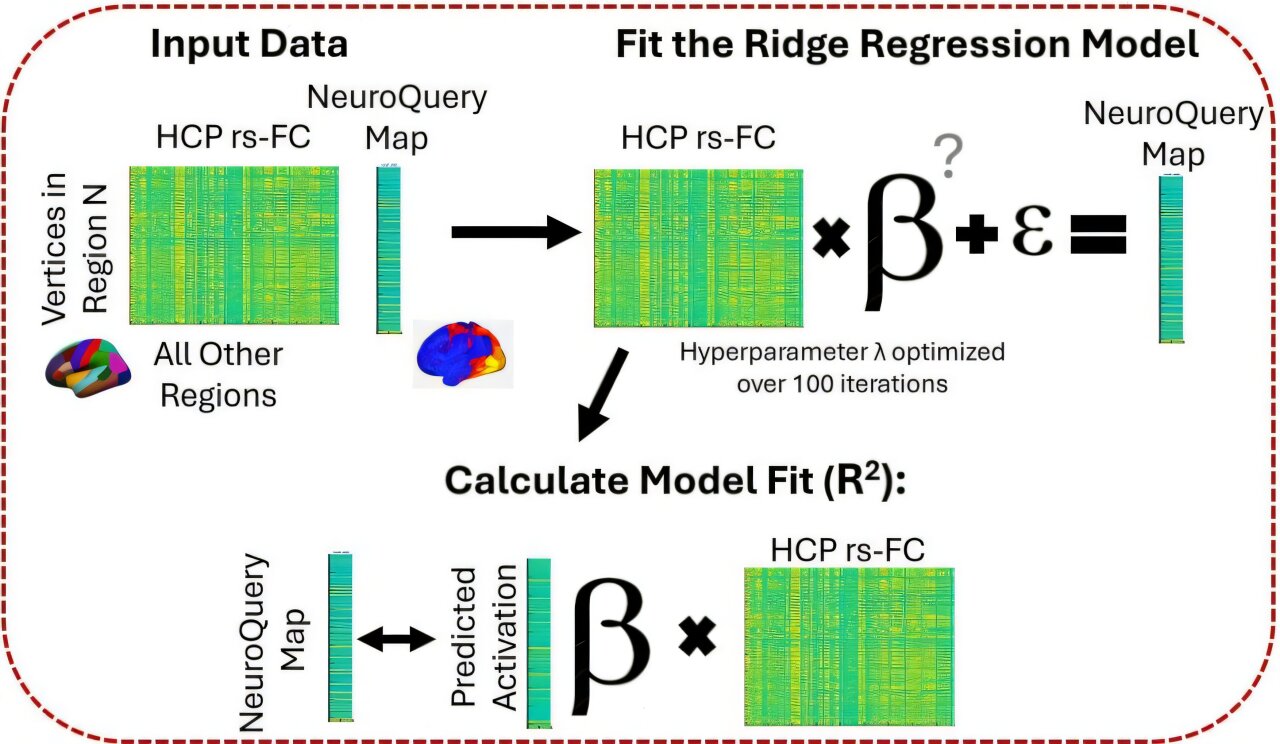
Diagram outlining the model procedures for one domain and one region. This process was repeated for all 33 domains and 82 regions. Credit: Network Neuroscience (2025).

A new study provides the best evidence to date that the connection patterns between various parts of the human brain can tell scientists the specialized functions of each region.

Researchers have discovered that problems with the brain’s waste-clearing system—the glymphatic system—may significantly raise the risk of developing dementia. In one of the most extensive studies to date, MRI data from 40,000 adults revealed that impaired cerebrospinal fluid (CSF) flow predicts dementia risk years before symptoms appear.

Statins might help protect the brain function of breast and lymphoma cancer patients for up to 2 years after their cancer treatment, according to a report in JAMA Network Open.

A study published in the journal Music and Medicine demonstrates that intraoperative music therapy significantly reduces the amount of propofol and fentanyl required during laparoscopic cholecystectomy performed under general anaesthesia. Patients exposed to therapeutic music also experienced smoother awakenings and lower physiological stress, as measured by decreased perioperative cortisol levels.

Scientists have used next-generation imaging technology to discover that when the brain is falling asleep, it shows a coordinated shift in activity.

A research team has conducted one of the most comprehensive studies on dopamine and decision-making in humans so far, providing evidence for effects of the former on the latter. Dopamine is a neurotransmitter involved in several functions, including motivation and reward.

Newly decoded brain circuits make memories more stable as part of learning, according to a new study.

Brain scans from American football players reveal subtle differences in the brain’s outer grooves when compared to scans from otherwise healthy men who never played contact or collision sports, a new study shows. Its authors say the findings could potentially predict which people are more at risk of chronic traumatic encephalopathy.

Researchers have uncovered an unexpected molecular partnership that reshapes understanding of how brain inflammation arises in Alzheimer’s disease.

Even when blood pressure is well controlled, older adults whose blood pressure fluctuates widely from one heartbeat to the next may be at greater risk for brain shrinkage and nerve cell injury, according to a recent study.

Finally, this week, new research suggests that a child’s gut microbiome at age 2 may influence their emotional health years later.
Weekly Neuroscience Update

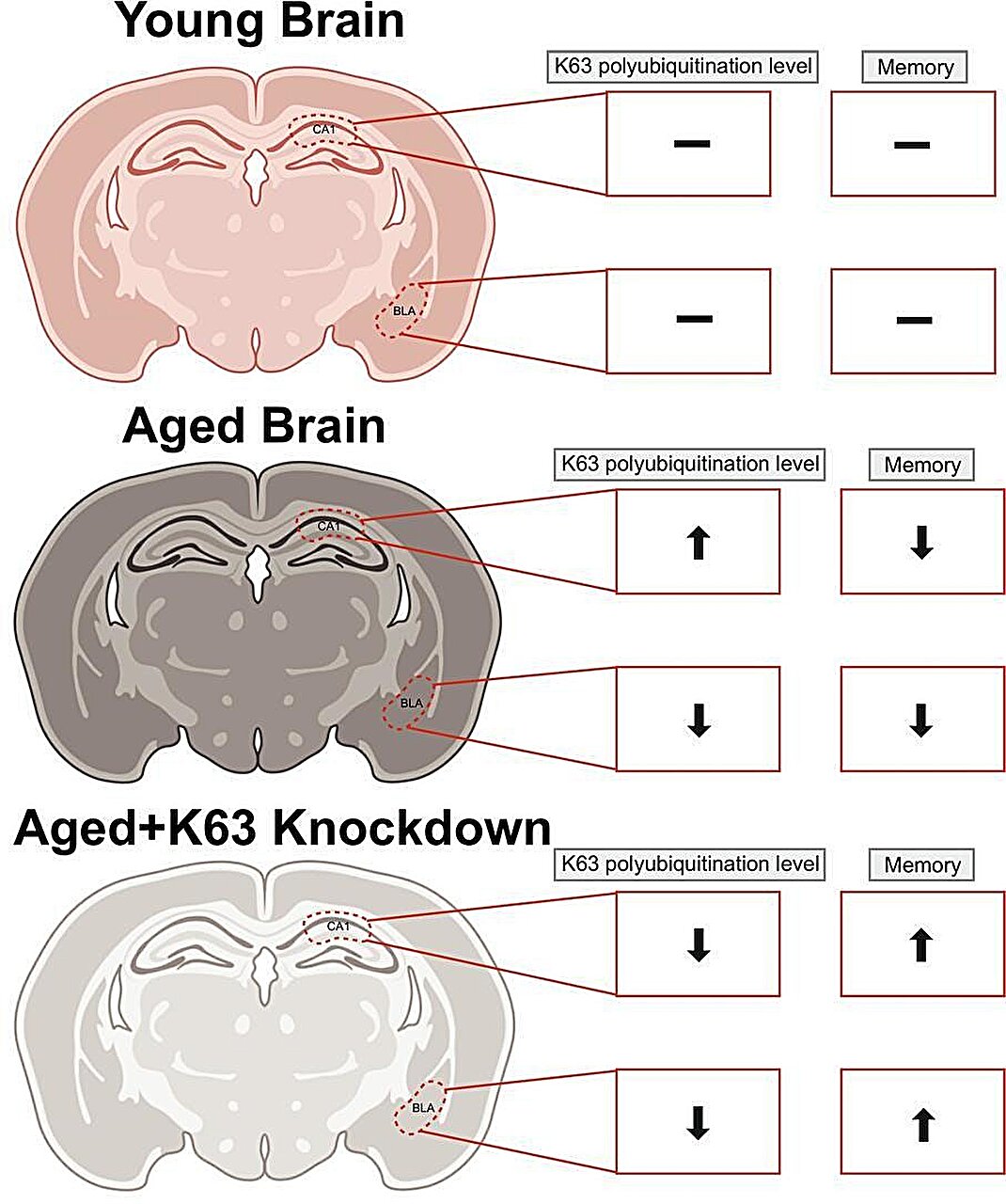
Credit: Neuroscience (2025). DOI: 10.1016/j.neuroscience.2025.06.032

Memory loss may not simply be a symptom of getting older. New research shows that it’s tied to specific molecular changes in the brain and that adjusting those processes can improve memory.

An international consortium of researchers has created the largest-ever database compiling records of brain activity during sleep and dream reports. One of the first analyses of the database confirmed that dreams do not occur only during REM sleep, but also during deeper and calmer NREM stages. In these cases, brain activity resembles wakefulness more than deep sleep, as if the brain were “partially awake.”

A smartphone app for muscle relaxation significantly reduced migraine-related disability in patients visiting the emergency department.

A new study reveals that sleep-like slow-wave brain activity can persist for years in surgically disconnected brain hemispheres of awake epilepsy patients. Using EEG recordings, researchers found that the isolated cortex exhibits patterns similar to deep sleep, anesthesia, or vegetative states—suggesting absent or reduced awareness.

People 60 and older who are excessively sleepy during the day may have more problems with memory and thinking after surgery, suggests a study presented at the ANESTHESIOLOGY 2025 annual meeting.

Doctors and researchers at the University of Pittsburgh and UPMC have developed a new treatment for epilepsy patients who don’t respond to medication and aren’t candidates for surgery. Their approach, published in Nature Communications, uses deep brain stimulation (DBS) that is tailored to each patient’s unique brain wiring. 

A new computational tool has uncovered genetic evidence directly linking Alzheimer’s disease to the loss of memory-making neurons, helping to resolve a decades-long mystery in dementia research.

While studies have linked brain areas to remembering personal experiences, brain areas involved in learning more impersonal information about the world remain unclear. In a new JNeurosci paper, researchers used fMRI on 29 human volunteers as they performed a learning task to shed light on how the brain acquires semantic, impersonal information.

Researchers have traced the earliest stages of multiple sclerosis (MS), showing that the immune system begins attacking the brain up to seven years before diagnosis.

New research has provided the strongest evidence yet that auditory verbal hallucinations—or hearing voices—in schizophrenia may stem from a disruption in the brain’s ability to recognise its own inner voice.

Adults with gum disease may be more likely to have signs of damage to the brain’s white matter than people without gum disease, according to a study published in Neurology Open Access.

A team of researchers has developed and tested a new virtual reality (VR) training task designed to help stroke survivors living with visuospatial neglect (VSN), a disabling condition that affects attention and awareness of one side of space. The exploratory case study is among the first to integrate audiovisual cues within a physiotherapy-based VR task to support rehabilitation.

Finally, this week, listening to music when you are over 70 years of age has been linked to a 39% reduction in the risk of dementia, according to a new study of over 10,800 older people.

Weekly Neuroscience Update

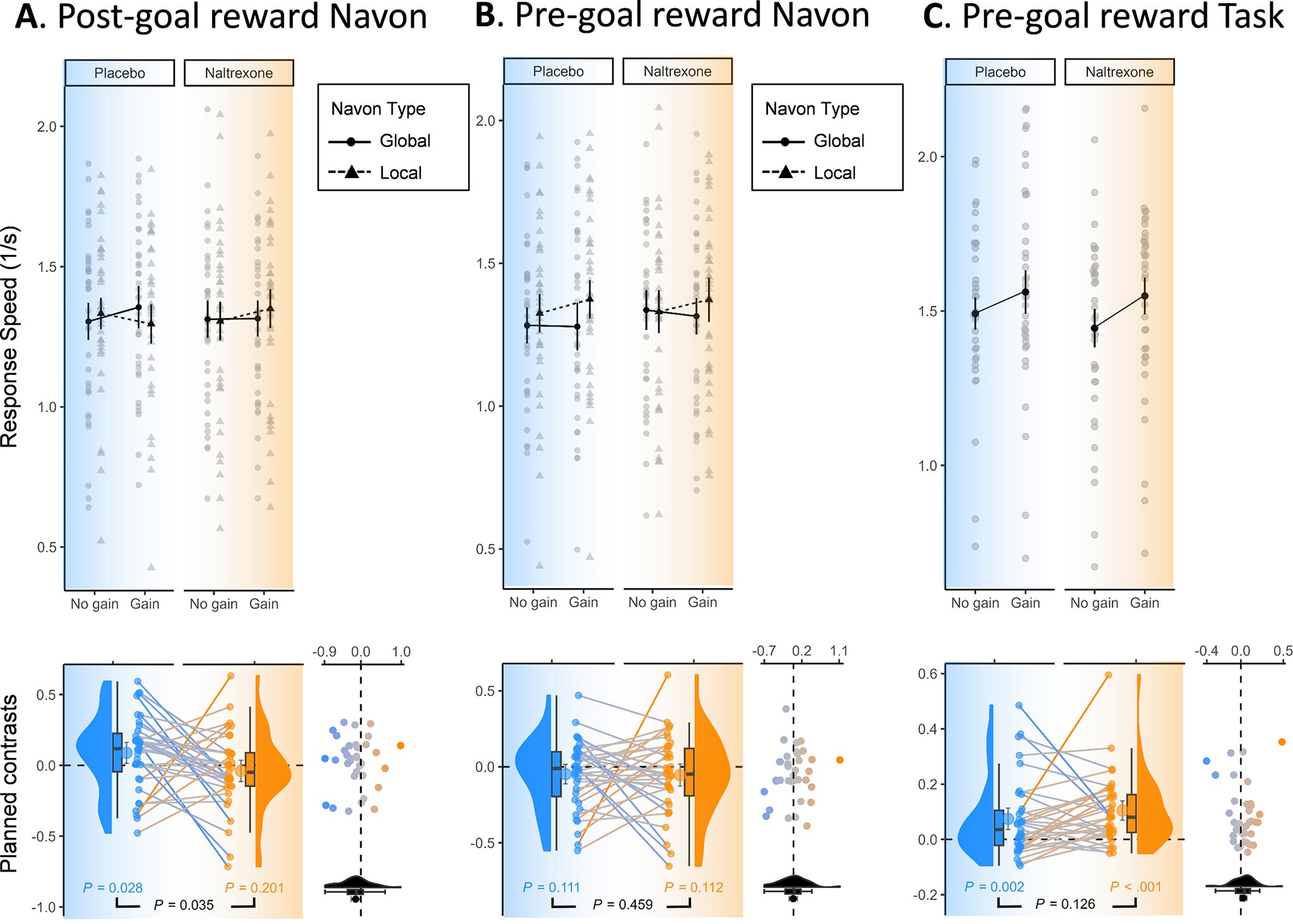
Opioid blockade (Naltrexone condition; right side) relative to placebo (Control condition; left side) selectively eliminated attentional broadening after reward receipt (A), but did not change attentional narrowing after reward anticipation (B) or reward-related performance speed on the lexical decision task (C). Credit: Psychological Medicine (2025). 

Feeling good doesn’t just lift our mood—it also helps us stay flexible and resilient. A study by an international team of neuroscientists shows that natural brain opioids released after rewards play a key role in broadening attention, offering fresh insights into stress, cognition, and well-being.

A ground-breaking study has shown that ALS may actually be an autoimmune disease.

Engaging in creative experiences, such as music, dance, visual arts, and even specific video games, can slow brain aging and promote healthier brain function, according to a new international study by the Global Brain Health Institute (GBHI), published in Nature Communications.

Can your brain attune itself to a foreign language before you’re born? A team of neuropsychology researchers has found that it can.

A new study reveals that the brain’s social perception pathway—a network that processes faces, gaze, and speech—is already active at birth or shortly thereafter. Using advanced imaging data, researchers showed that newborns exhibit robust connectivity in regions responsible for visual and social processing.

Scientists have discovered why mental maps tend to fade with age.

A new study has identified five distinct “sleep-biopsychosocial” profiles that connect how we sleep with our brain networks, mental health, cognition, and lifestyle. Using data from over 700 participants, researchers found that different sleep patterns—ranging from poor quality to resilience and short duration—each showed unique neural connectivity patterns.

A large-scale international study has revealed that autism diagnosed in early childhood is genetically and developmentally distinct from autism diagnosed later in life.

Scientists have developed a new mathematical model of memory that explores how information is encoded and stored. Their analysis suggests that memory works best in a seven-dimensional conceptual space — equivalent to having seven senses. The finding implies that both humans and AI might benefit from broader sensory inputs to optimize learning and recall.

Researchers have identified a rare type of brain cell that may drive the chronic inflammation and neurodegeneration seen in progressive multiple sclerosis (MS). 

A new study shows that bullying activates distress pathways in the brain within seconds. Tweens and adults who viewed first-person bullying videos displayed heightened activity in social and emotional brain networks, alongside strong autonomic threat responses.

New research sheds light on the mechanisms by which humans can isolate and focus on individual sounds in noisy environments.

Scientists have revealed that intentional memory control—deciding what to remember or forget—is more potent than emotional influence when forming long-term memories. Participants were more likely to recall words they were told to remember than those carrying emotional weight, even though emotion sometimes strengthened recall or caused false memories.

Finally, this week, a new study reveals how the brain organizes and directs its slowest activity.

Weekly Neuroscience Update

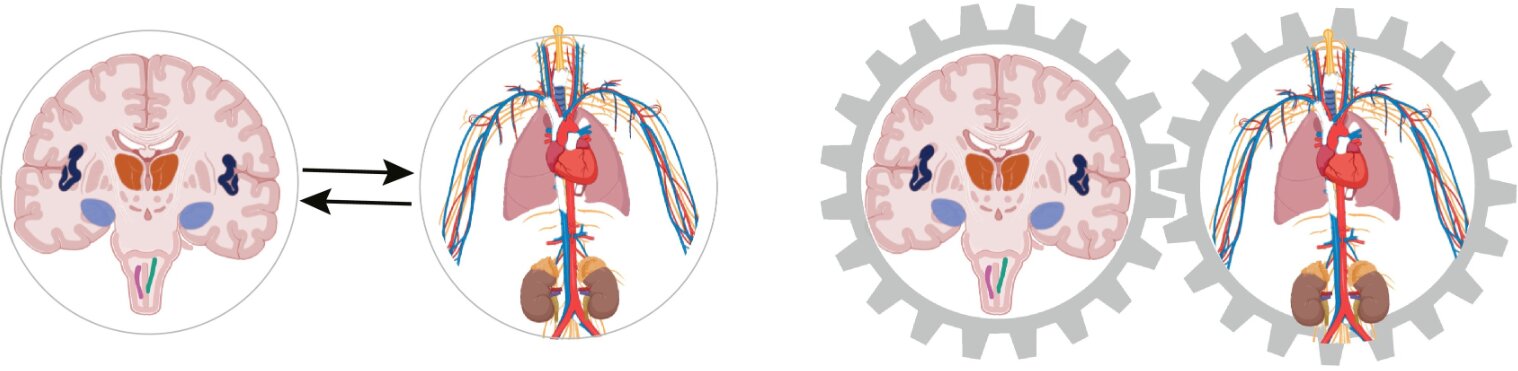
Conceptual framework for brain–body states. Credit: Trends in Neurosciences (2025). 

There is growing evidence that the heart has a strong influence on thinking and feeling.

Your chronological age may say 65, but your brain could be acting a decade younger — or older — depending on your life experiences. That’s the message from a study by University of Florida researchers, who found that optimism, good sleep, social support, and other positive factors were strongly linked with healthier brains. The findings suggest that how people live and cope with stress can measurably influence the pace of brain aging, even in those living with chronic pain.

An international research team has made a significant breakthrough in predicting neurodegenerative diseases.

In a discovery that could reshape our understanding of memory, neuroscientists have found that forgetting is not just a glitch in the brain but is actually a finely tuned process, and dopamine plays a crucial role.

A new study shows that lifelong social advantages can slow biological aging.

Recent research explores the ways brain cells communicate, revealing fresh insight into the progression of Alzheimer’s disease. A multidisciplinary team used advanced imaging and computational modeling to analyze the “crosstalk” between neurons and their supporting glial cells in the human brain. This approach highlights the brain’s interconnected cellular network.

A growing number of U.S. adults—particularly those under 40—are reporting serious challenges with memory, concentration and decision-making, according to a new study published in Neurology.

Researchers at the University of Michigan are using artificial intelligence to predict the health consequences that sport-related concussions might have on student athletes over the course of their college athletic careers.

A recent study shows that sugary drinks don’t just affect physical health—they may also raise the risk of depression in women by disrupting the gut microbiome.

New research has shown that walking enhances how the brain processes auditory information, sharpening responses compared to standing still. When participants walked in a figure-eight path, their brains responded more strongly to sounds, and turning direction influenced whether responses were enhanced or suppressed in each ear.

Extreme instances of stress can cause lasting changes to the brain itself. This could leave some people more vulnerable to addiction, a University of Mississippi study concludes.

People who sleep poorly are more likely than others to have brains that appear older than they actually are. This is according to a comprehensive brain imaging study from Karolinska Institutet, published in the journal eBioMedicine.

An advanced AI tool can detect tiny brain lesions that cause severe epilepsy in children, allowing faster diagnosis, more precise treatment and a potential cure.

New research has found that people with narcolepsy type 1 exhibit patterns of slow brain pulsations that resemble those seen in healthy sleep. The findings, published in PNAS, suggest that orexin—a neuropeptide involved in maintaining wakefulness—may play a key role in the brain’s fluid-clearing system, known as the glymphatic system.

Finally this week, scientists have developed a brain-inspired semiconductor that can adjust its responses based on experience, much like human neurons do through “intrinsic plasticity.” 

Weekly Neuroscience Update

A research collaboration has identified the specific nerve pathways responsible for relaying pain signals from the bowel to the brain, paving the way for new irritable bowel syndrome (IBS) and inflammatory bowel disease (IBD) treatments.

Game-based training improves not only the cognitive abilities of people with initial signs of developing dementia, but also leads to positive changes in the brain, according to two new studies.

A next-generation neuroprosthetic hand that restores a sense of touch is moving into a pivotal home-use clinical trial. The “iSens” system uses implanted electrodes to read muscle intent and stimulate nerves, relaying fingertip sensations to the brain so the prosthesis feels embodied.

A new breakthrough demonstrates how robots can now integrate both sight and touch to handle objects with greater accuracy, much like humans. 

Researchers have traced a neural mechanism that explains why humans explore more aggressively when avoiding losses than when pursuing gains. Their work reveals how neuronal firing and noise in the amygdala shape exploratory decision-making.

Scientists have found a way to stop brain cancer cells spreading by essentially ‘freezing’ a key molecule in the brain.

Researchers have developed an ultrasound device that can precisely stimulate areas deep in the brain without surgery, opening up new possibilities for neurological research and the treatment of disorders such as Parkinson’s disease.

Artificial intelligence can detect and interpret social features between people from images and videos almost as reliably as humans, according to a new study published in the journal Imaging Neuroscience.

A large study of nearly 13,000 adults found that consuming high levels of certain artificial sweeteners is associated with faster declines in memory and cognitive function over an eight-year period. The effect was particularly strong in people with diabetes and those under 60.  While the study does not prove causation, it raises concerns about the long-term brain health risks associated with common sugar substitutes.

Experiments have shown that AI can develop in-context learning abilities after extensive incremental practice, much like humans do.

A new study suggests that autism may be linked to the rapid evolution of brain cell types unique to humans. Researchers have found that outer-layer neurons in the human brain evolved significantly faster than in other apes, with notable changes in autism-associated genes.

A new study shows that brain iron levels, measured using a specialized MRI technique, can predict cognitive decline years before symptoms of Alzheimer’s disease appear.

People with chronic insomnia may experience faster declines in memory and thinking skills as they age—along with brain changes that can be seen on imaging scans—than people who do not have chronic insomnia, according to a study published in Neurology.

Researchers have discovered how the brain develops reliable visual processing once the eyes open.

Scientists discovered how the brain uses objects to anchor our sense of direction, solving part of the mystery of spatial navigation. Experiments in mice showed that cells in the postsubiculum fired strongly when facing an object, while cells in other directions were suppressed, sharpening orientation.

In adults aged 60 years and older, tinnitus, especially severe and prolonged tinnitus, is significantly associated with cognitive impairment, according to a study published in Brain Sciences.

A more precise and personalized form of electric brain stimulation may be a more effective and faster treatment for people with moderate to major depression compared to other similar treatments, according to a UCLA Health study.

Finally this week, researchers may have found a way to limit the debilitating damage strokes can cause.

Weekly Neuroscience Update

A new study published in Scientific Reports has introduced a promising diagnostic tool that could dramatically shorten the long wait times many families face when seeking evaluations for autism and attention-related conditions. The research team used artificial intelligence to analyse subtle patterns in how people move their hands during simple tasks, identifying with surprising accuracy whether someone is likely to have autism, attention-deficit traits, or both. The method, which relies on wearable motion sensors and deep learning, could one day serve as a rapid and objective screening tool to help clinicians triage children for further assessment.

New research is investigating how childhood adversity rewires brain circuits that control emotion, memory, and attention, increasing the risk of impulsive and pathological aggression.

A groundbreaking study has revealed that genes linked to mental and neurodegenerative disorders, such as autism, depression, and Parkinson’s, begin influencing brain development during the earliest fetal stages. These genes are already active in neural stem cells—the progenitors that form the brain—long before symptoms arise.

Researchers at the University of Michigan have illuminated a complete sensory pathway showing how the skin communicates the temperature of its surroundings to the brain.

Patients with myalgic encephalomyelitis/chronic fatigue syndrome (ME/CFS) may be closer to personalized care, according to new research that shows how the disease disrupts interactions between the microbiome, immune system, and metabolism.

A new study using direct recordings from human brains reveals how the amygdala and hippocampus coordinate to form and retrieve emotional memories.

A personalised brain stimulation system powered by AI that can safely enhance concentration from home has been developed by researchers from the University of Surrey, the University of Oxford and Cognitive Neurotechnology. Designed to adapt to individual characteristics, the system could help people improve focus during study, work, or other mentally demanding tasks.

In the largest study of its kind, researchers linked irregular sleep patterns to elevated risk for 172 diseases.

Neuroscientists have grown a novel whole-brain organoid, complete with neural tissues and rudimentary blood vessels. This advance could usher in a new era of research into neuropsychiatric disorders such as autism.

Researchers have successfully mapped the entire neural circuit responsible for transmitting cool temperature signals from the skin to the brain.

A new brain imaging study reveals that how people expect pain relief—through visual cues or treatment explanations—can significantly influence how much pain they actually feel. External cues, like symbols signaling less pain, consistently reduced pain perception and altered brain regions tied to pain processing.

Finally this week, a new international study confirmed a significant post-pandemic rise in disorders of gut-brain interaction, including irritable bowel syndrome (IBS) and functional dyspepsia.

Weekly Neuroscience Update

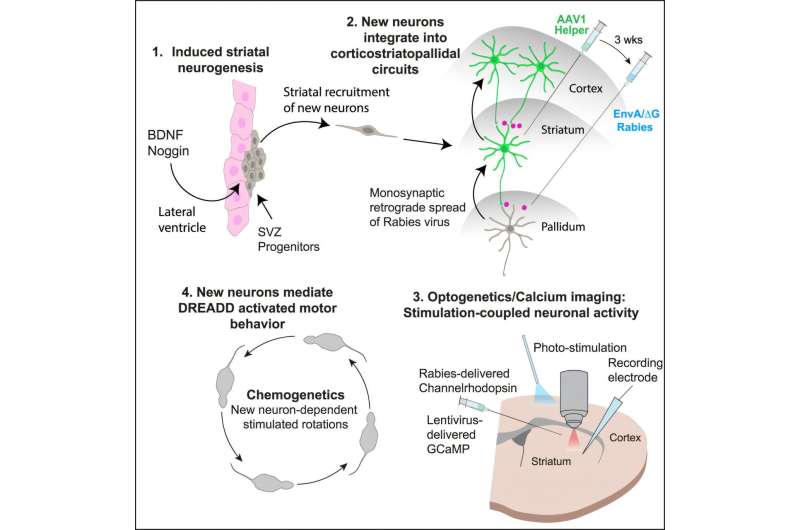
Credit: Cell Reports (2025).

New research shows that the adult brain can generate new neurons that integrate into key motor circuits. The findings demonstrate that stimulating natural brain processes may help repair damaged neural networks in Huntington’s and other diseases.

A study published in Brain Communications highlights a new approach to treating drug-resistant epilepsy.

A novel human study with intracranial recordings demonstrates the thalamus’s pivotal role, especially its higher-order regions, in the onset of conscious perception, with activation preceding that of the prefrontal cortex.

New findings reveal that long-term obesity patterns have distinct impacts on brain structure, function, and cognition. 

Researchers have discovered new potential therapeutic targets for multiple sclerosis (MS). While current treatments prevent further damage, the current findings may form the starting point for the development of new treatments for tissue recovery in MS. The research is published in the journal Brain.

Research published in the Journal of Magnetic Resonance Imaging has uncovered changes in brain connectivity during chemotherapy in patients with breast cancer.

Mass General Brigham investigators have linked difficult early life experiences with reduced quality and quantity of the white matter communication highways throughout the adolescent brain. This reduced connectivity is also associated with lower performance on cognitive tasks.

A team of engineers has developed a microscale brain–computer interface that is small enough to be placed between hair follicles on a user’s head.

Researchers have identified specific high-order thalamic nuclei that drive human conscious perception by activating the prefrontal cortex. Their findings enhance understanding of how the brain forms conscious experience, offering new empirical support for theories that assign a central role to thalamic structures rather than cortical areas alone.

A natural compound found in everyday fruits and vegetables may hold the key to protecting nerve cells—and it’s showing promise as a potential treatment for ALS and dementia.

New research highlights how smartphones are transforming memory science by capturing real-world data on sleep, emotion, and daily experiences. Studies show that replaying memories before sleep, experiencing novel events, and feeling positive emotions can all strengthen autobiographical memory.

An artificial intelligence tool that can help interpret and assess how well treatments are working for patients with multiple sclerosis has been developed by UCL researchers.

A recent study indicates that brain cells possess a higher degree of plasticity than previously understood. This suggests that the brain’s ability to adapt and change throughout life is more extensive than earlier scientific models suggested.

Researchers have discovered that increased blood flow leads to stiffness in the hippocampus, a region of the brain that plays important roles in learning and memory. 

By mapping the presynaptic inputs to single neurons within the primary somatosensory cortex researchers have shown how these neurons integrate brain-wide signals related to behavior, offering a more nuanced understanding of cortical activity.

Seventeen modifiable risk factors are shared by stroke, dementia, and late-life depression, according to a review published in the Journal of Neurology, Neurosurgery & Psychiatry.

A recent study has shown how aspects of brain function change with age, revealing that excitatory processes in the brain decrease, while inhibitory processes increase as children get older. The findings are an important step in understanding disorders like autism.

Finally this week, research shows that a blow to the head can significantly impact a child’s or adolescent’s future education. Even a mild concussion can have far-reaching consequences.

Weekly Neuroscience Update

Illustration of the wearable rTMS device. Credit: Nature Communications (2025).

A new wearable brain stimulation device is being developed, aiming to make therapeutic brain stimulation portable and accessible. This technology could potentially allow for on-the-go treatment of various neurological and psychiatric conditions, moving brain stimulation therapy out of clinical settings and into everyday life.

A recent study provides the first detailed cellular insights into how psilocin, the active ingredient in magic mushrooms, promotes the growth and networking of human nerve cells.

Scientists have developed tiny, magnetically controlled robots designed for minimally invasive brain surgery. These robots can perform precise actions like gripping and cutting tissue, guided by external magnetic fields, potentially eliminating the need for large skull openings. The technology aims to significantly reduce patient recovery time and risks associated with traditional neurosurgery.

Marking a breakthrough in the field of brain-computer interfaces (BCIs), a team of researchers has unlocked a way to restore naturalistic speech for people with severe paralysis.

For the first time, scientists have confirmed a neurobiochemical link between dopamine and cognitive flexibility, according to new research published in The Journal of Nuclear Medicine. PET imaging shows that the brain increases dopamine production when completing cognitively demanding tasks, and that the more dopamine released, the more efficiently the tasks are completed. Armed with this information, physicians may soon be able to develop more precise treatment strategies for neurological and psychiatric disorders.

The risk of a full-blown stroke will remain high for at least a decade after a person has a slight brush with stroke, in the form of a transient ischemic attack or minor stroke, a new study says.

By analyzing DNA and proteins in the blood of people with and without acute spinal cord injuries (SCIs), researchers have developed a novel blood test that has the potential to rapidly predict the severity and likelihood of sensory and motor recovery within six months in a cost-effective manner.

A new study has demonstrated that the brains of people who experience migraines and other types of headaches cannot modulate visual stimulation in the same way a person without these conditions can.

Scientists have developed a way to map how individual connections between neurons change across the entire brain during learning, giving scientists a new view into how changes in behaviour show up in the brain. The new imaging method, DELTA, provides scientists with a brain-wide map of how individual synaptic proteins change over time. Proteins important for synaptic plasticity are known to be degraded or synthesized as synaptic connections change.

Research has found that metal particles from artificial joint implants can enter the central nervous system and accumulate in cerebrospinal fluid, raising concerns about potential neurological effects.

Though Alzheimer’s disease is often described as a buildup of proteins in the brain in the form of plaques and tangles, a new study has shown that blood vessels in the brain might hold another important clue to the disease.

Finally this week, virtual reality reveals that curiosity is key in shaping our spatial memory and mental map formation, according to new research.

Weekly Neuroscience Update

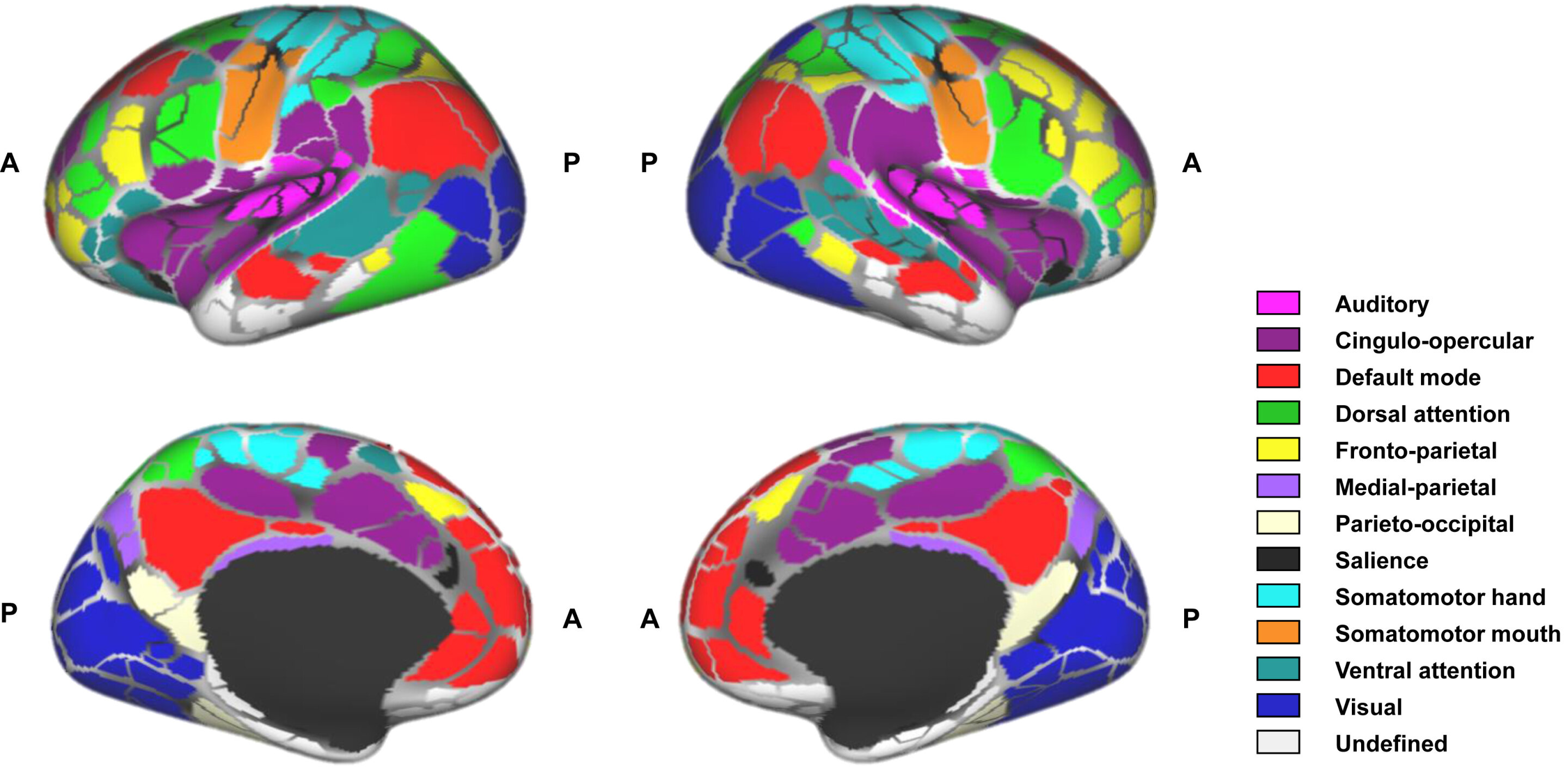
Cortical Resting-State Networks defined by Gordon’s Parcellation. Credit: Journal of the American Academy of Child & Adolescent Psychiatry (2025).

Exposure to high ambient temperatures is associated with lower connectivity in three brain networks in preadolescents, suggesting that heat may impact brain function. 

A new study reveals that consuming high-calorie, highly processed foods for just five days can reduce the brain’s sensitivity to insulin, a key factor in obesity and type 2 diabetes. Researchers found that even in healthy individuals, short-term unhealthy eating altered brain function, mimicking effects seen in people with obesity.

Scientists are exploring the role of gut-brain axis in Parkinson’s, anxiety and long COVID.

New research highlights that optimal brain health is strongly linked to cardiovascular wellness. The study underscores that dementia and cognitive decline share risk factors with heart disease, suggesting these conditions are largely preventable by managing diet, exercise, cholesterol, blood sugar, and blood pressure.

Approximately 40 percent of adults with chronic pain experience depression or anxiety, according to a review published in JAMA Network Open.

A multidisciplinary team of researchers has discovered how lateral inhibition helps our brains process visual information, and it could expand our knowledge of sensory perception, leading to applications in neuro-medicine and artificial intelligence.

Brain changes may remain visible in brain scans after recovery from concussion, a new study shows.

Researchers are using photoacoustic imaging to observe brain activity and, in the process, discovering more about how it responds to different types of learning and experiences. Photoacoustic imaging uses optics and acoustics to generate a signal in biological tissues—in this case, the brain—where the signal provides structural and functional data and allows researchers to track factors such as brain activity. 

A study exploring a new brain imaging technique is bringing stroke experts a step closer to better tailoring rehabilitation.

Scientists have uncovered new insights into how neurofilaments act like Velcro in neurodegenerative diseases, clogging up the brain and preventing normal function, according to a study published in the journal JCI Insight.

Poor sleep could have an impact on brain health, according to a new study from The Australian National University (ANU) published in the journal Sleep Medicine.

Mayo Clinic researchers have found a new way to more precisely detect and monitor brain cell activity during deep brain stimulation, a common treatment for movement disorders such as Parkinson’s disease and tremor. This precision may help doctors adjust electrode placement and stimulation in real time, providing better, more personalized care for patients receiving the surgical procedure.

A new neuroimaging study has revealed that viewing nature can help ease how people experience pain, by reducing the brain activity linked to pain perception.

An international team of scientists has revealed new clues about the neural mechanisms underlying memory formation and recognition in the developing human brain, according to a study published in Science Advances.

Poor sleep among older adults is linked to disruptions in the brain’s “waste removal system,” according to a recent study.

Research published in the Proceedings of the National Academy of Sciences  reveals that brain aging isn’t a steady decline, but rather a series of shifts with key turning points. These transition points follow an S-shaped statistical curve with clear transition points, rather than either the late-life clinical onset or gradual linear decline previously assumed, suggesting there are specific windows when intervention could be most impactful.

Finally this week, new research reveals that our brains simplify complex social interactions by using basic mental “building blocks” or shortcuts.

Weekly Neuroscience Update

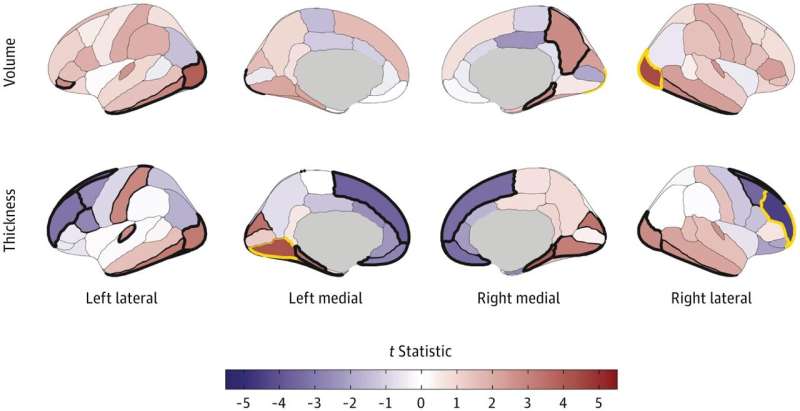
Regional Cortical Volume and Thickness Associations With Early Substance Use Initiation in the Adolescent Brain Cognitive Development (ABCD) Study. Credit: JAMA Network Open (2024). 

A new study has identified neuroanatomical differences in children associated with early substance use initiation.

Vagus nerve stimulation (VNS) shows a positive treatment effect and improved quality of life (QoL) among patients with treatment-resistant depression according to two studies published in Brain Stimulation.

A new analysis of U.S. mortality data reveals the disproportionate impact of traumatic brain injuries on older adults, males and certain racial and ethnic groups.

Gender differences define how the human brain ages and telltale biomarkers in the blood may be strongly suggestive of cognitive impairment and dementia, according to a comprehensive new study involving more than 500 people.

Researchers have identified genetic variations in brain cells, particularly microglia and oligodendrocytes, that influence both aging and Alzheimer’s risk.

New research shows that not all brain cells age equally, with certain cells, such as those in the hypothalamus, experiencing more age-related genetic changes. These changes include reduced activity in neuronal circuitry genes and increased activity in immunity-related genes.

A recent study has found that menopause revs up the progression of multiple sclerosis (MS).

Researchers have discovered that pupil size during non-REM sleep correlates with memory consolidation. When pupils contract, the brain focuses on consolidating new memories; when dilated, it processes older ones. This separation prevents “catastrophic forgetting,” allowing the brain to efficiently manage both new and existing knowledge. These findings could lead to better memory enhancement techniques for humans and inspire more efficient artificial neural networks.

A new study shows head trauma may activate latent viruses, leading to neurodegeneration.

A collaborative effort between Mount Sinai and Memorial Sloan Kettering Cancer Center has shed valuable light on how monoamine neurotransmitters such as serotonin, dopamine, and now histamine help regulate brain physiology and behavior through chemical bonding of these monoamines to histone proteins, the core DNA-packaging proteins of our cells.

Finally this week, sex differences in brain structure are present from birth, new research shows.