Weekly Neuroscience Update

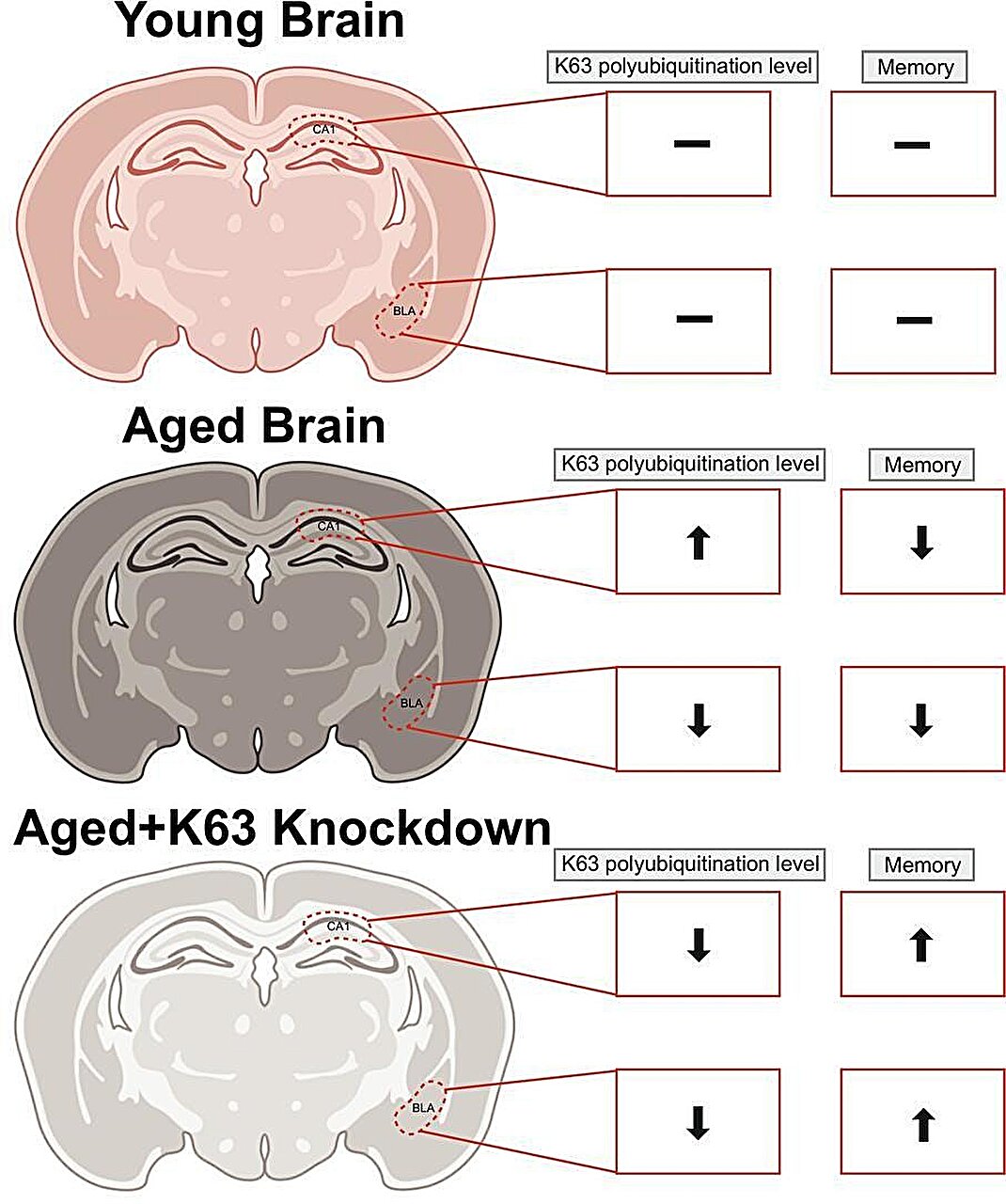
Credit: Molecular and Cellular Biochemistry (2025)

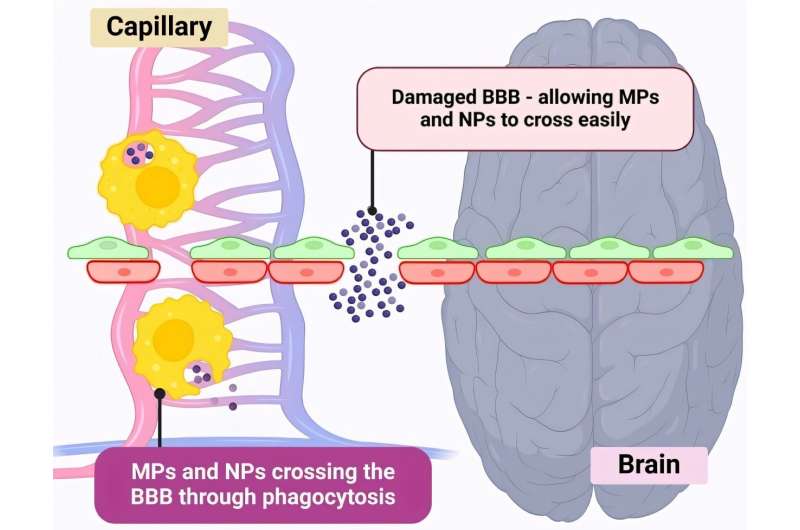
A new review highlights five major ways microplastics can harm the brain, raising concerns that they may worsen neurodegenerative diseases like Alzheimer’s and Parkinson’s. These tiny particles can trigger inflammation, disrupt the blood–brain barrier, generate oxidative stress, impair mitochondria, and damage neurons.

Researchers have mapped how brain networks differ in individuals at Clinical High Risk (CHR) for psychosis, providing a new perspective on the mechanisms underlying the disease onset.

A new study found that variations in the brain’s insulin receptor network affect how women respond to early-life adversity. This effect has a lesser impact in men, suggesting there is a sex-specific process at play.

Dopamine neurons—the cells that drive reward and motivation while we’re awake—become surprisingly active during nonrapid eye movement sleep right after we learn something new.

The human brain processes spoken language in a step-by-step sequence that closely matches how large language models transform text. Using electrocorticography recordings from people listening to a podcast, researchers found that early brain responses aligned with early AI layers, while deeper layers corresponded to later neural activity in regions such as Broca’s area.

In a new leap for neurobiology and bioelectronics, scientists have developed a wireless device that uses light to send information directly to the brain—bypassing the body’s natural sensory pathways.

Young children exposed to unusually high temperatures are less likely to reach basic developmental milestones in literacy and numeracy. Analyzing data from over 19,000 children across multiple countries, the study found that average maximum temperatures above 86 °F were associated with measurable declines in early learning outcomes.

new study shows that dance can be beneficial in halting the cognitive decline associated with Parkinson’s disease and, for some participants, they even showed signs of improvement.

A research team has developed a new AI foundation model that creatively solved the problem of the “label data shortage,” regarded as the biggest challenge in deep learning-based brain signal analysis. This technology is designed to self-learn brain signals and is gaining attention for its ability to deliver high accuracy with very small amounts of labels.

Semaglutide medications like Ozempic and Wegovy can help lower the risk of heart and metabolic diseases in people with schizophrenia spectrum disorders, according to a new study.

A newly discovered biological signal in the blood could help health care teams and researchers better understand how children respond to brain injuries at the cellular level, according to research in the Journal of Neurotrauma.

Neuroscientists have developed a first-of-its-kind method to rapidly produce synchronized, human brain wave-like activity in lab-grown neural networks that can communicate over long distances. 

A new analysis shows that anti-inflammatory medications may help reduce symptoms for a subset of people with depression who also have chronic, low-grade inflammation. By reviewing randomized controlled trials that specifically enrolled individuals with elevated inflammatory markers, researchers found that anti-inflammatory treatments significantly reduced both overall depressive symptoms and anhedonia.

An international study has found that wearable technology could help detect Parkinson’s disease (PD) up to nine years before clinical diagnosis simply by monitoring how people turn when they walk.

Researchers have identified a distinct immuno-inflammatory biomarker across major psychiatric disorders that can be detected using noninvasive brain imaging. Patients exhibiting this brain signature showed systemic inflammation and poorer response to standard treatments.

A preliminary study of people with diabetes suggests that use of glucose-lowering GLP-1 drugs may be linked to a lower risk of developing epilepsy.

A new study proposes that autism arises when genetic vulnerability, an early environmental trigger, and prolonged activation of the cellular stress response align during critical developmental windows. This “three-hit” metabolic model reframes autism as a disorder of disrupted cellular communication and energy metabolism rather than an inevitable genetic outcome.

Finally this week, researchers have discovered how a neural circuit drives relapse after opioid use, a finding that could lead to more effective treatments for opioid use disorders.

Weekly Neuroscience Update

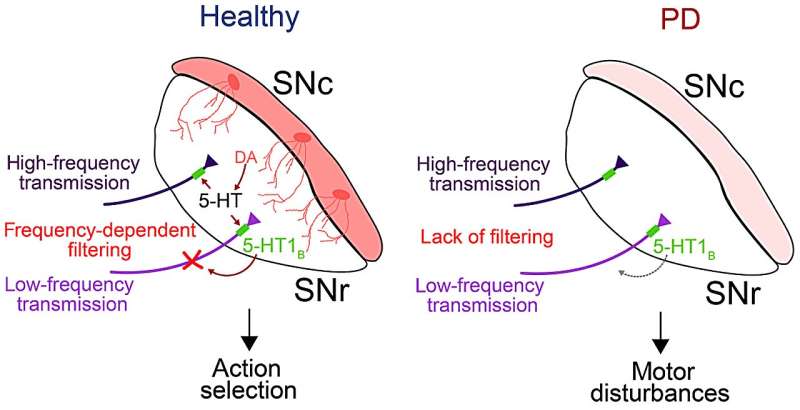
Illustration depicting a model of how DA and serotonin cotransmission shapes behaviour through frequency-dependent filtering of D1-MSN axons. Credit: Science Advances (2025)

Scientists have uncovered a previously unknown mechanism by which dopamine, a key brain chemical vital for movement and motivation, can affect brain activity indirectly by boosting serotonin.

New brain imaging research shows that structural damage in schizophrenia spectrum disorders may begin in specific “epicenter” regions before spreading across connected brain networks. Individuals with the condition showed widespread reductions in structural similarity between key cognitive and emotional brain regions.

Researchers have uncovered new insights into how brain wiring differs in children and young adults with autism, offering more precise ways to understand the condition.

There is new hope for people who have lost their smell. Scientists have successfully tested a breakthrough device that lets people detect the presence of certain odors. This innovative system helps them “smell” again by translating odors into feelings (like touch) inside the nose.

Lockdown and social distancing measures during the COVID-19 pandemic were associated with increased developmental concerns about young children in Scotland, research suggests.

Researchers have identified two receptors in the brain that control the breakdown of amyloid beta, a substance that accumulates in Alzheimer’s disease. The study could pave the way for future drugs that are both safer and cheaper than current antibody treatments.

Patients with major depressive disorder, including non-responders to first-line antidepressants, may benefit from short-term nitrous oxide treatment.

A new study has achieved a long-standing goal in neuroscience: showing how the brain’s smallest components build the systems that shape thought, emotion and behaviour. The research, published in the journal Nature Communications, could transform how scientists understand cognition and aging, as well as mental health disorders like depression and schizophrenia.

Neuroscientists have identified five “major epochs” of brain structure over the course of a human life, as our brains rewire to support different ways of thinking.

New longitudinal research shows that Alzheimer’s disease blood biomarkers rise up to 95 percent faster in people with obesity than in those without. While baseline tests initially appeared lower due to blood dilution, long-term tracking revealed a significantly accelerated build-up of neurodegeneration and amyloid pathology.

Using in-vehicle driving data may be a new way to identify people who are at risk of cognitive decline, according to a study published on November 26, 2025, in Neurology.

Researchers have developed an AI system that can reconstruct fine hand muscle activity using only standard video footage. Traditionally, this type of measurement required intrusive electrodes attached to the skin, but the new method eliminates that need entirely.

A large population analysis found that older adults who received the shingles vaccine were significantly less likely to develop dementia over the following seven years.

A new review explores how episodic memories are formed, stored, and reshaped over time, revealing why our recollections of past events often change. Rather than functioning like fixed files, memories consist of multiple components that can lie dormant until triggered by environmental cues.

Finally this week, a multi-institutional team of researchers report that extensive musical training can steady the body in space, both with and without guiding sounds, during a blindfolded stepping test.

Weekly Neuroscience Update

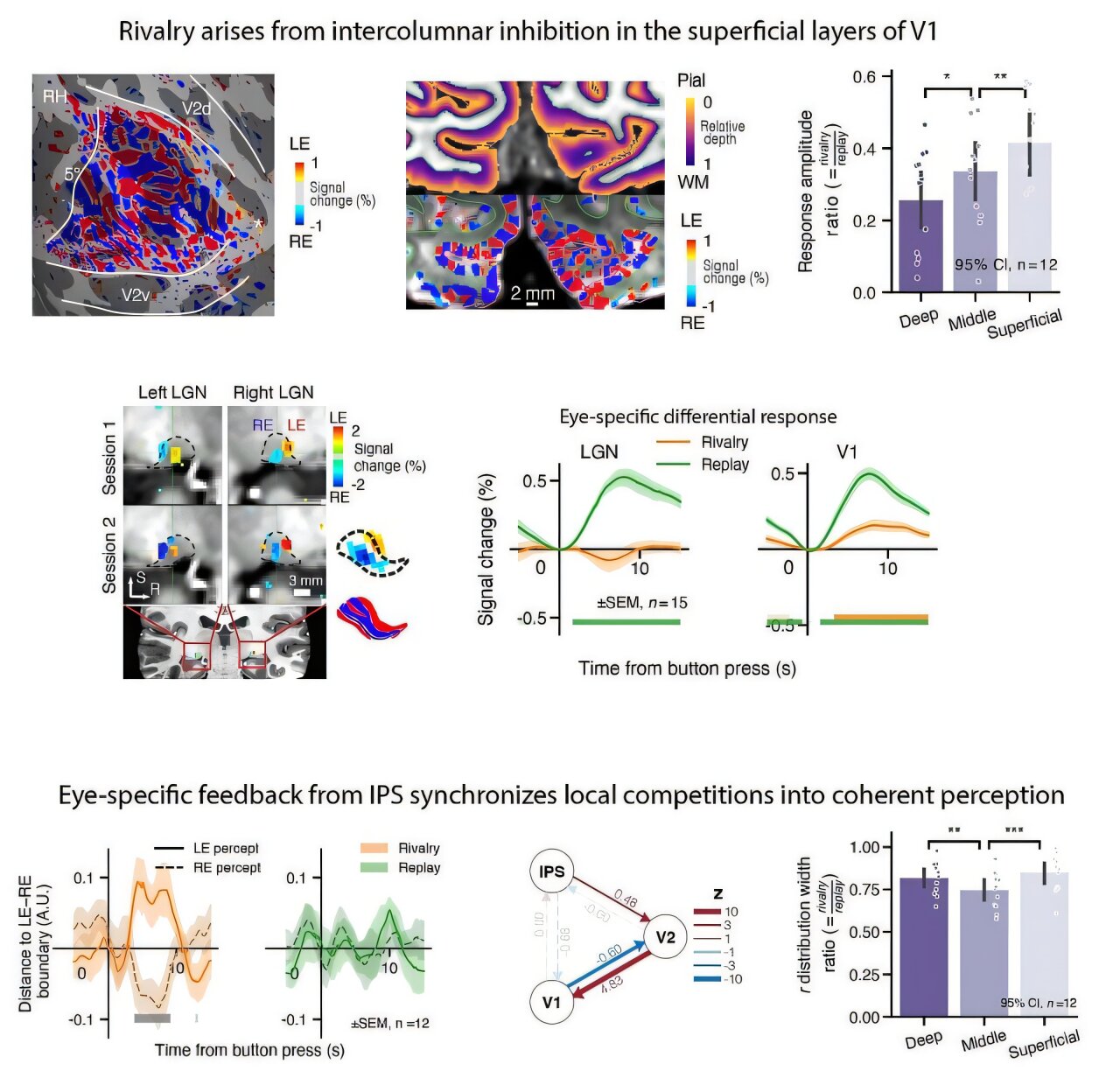
Mesoscale neural mechanisms of binocular rivalry in humans. Credit: Zhang Peng’s group

A research group has revealed how the human brain resolves perceptual conflicts and generates conscious perception through local inhibition in the sensory cortex and feedback integration from the parietal cortex.

A new clinical trial shows that deep brain stimulation (DBS) improved symptoms in half of adults with treatment-resistant depression, with one-third reaching remission.

A large-scale analysis of nearly 1,900 children found that those with a family history of substance use disorder show early differences in how their brains transition between activity states, long before any drug exposure. Girls with a family history showed increased transition energy in introspective networks, suggesting greater difficulty shifting out of internal, stress-linked states.

New research shows that spontaneous eye blinks naturally sync to the beat of music, revealing a hidden form of auditory-motor synchronisation that occurs even without conscious movement.

An extensive, two-year study of nearly 12,000 children found that higher screen time at ages 9–10 predicts an increase in ADHD symptoms, independent of a child’s starting symptom level. Brain imaging revealed that heavy screen use is associated with smaller cortical volume and disrupted development in regions critical for attention, cognition, and reward processing.

Researchers have identified five major phases of human brain wiring that unfold from birth to old age, marked by four major turning points at ages 9, 32, 66, and 83.

A new study shows that when two people work together toward a shared goal, their brains begin to process information in increasingly similar ways. Using EEG recordings, researchers found that while all participants showed similar early responses to visual patterns, only collaborating pairs developed sustained neural alignment linked to the rules they agreed upon.

A large analysis of more than 11 million medical records found that people with untreated obstructive sleep apnea face a substantially higher risk of developing Parkinson’s disease over time.

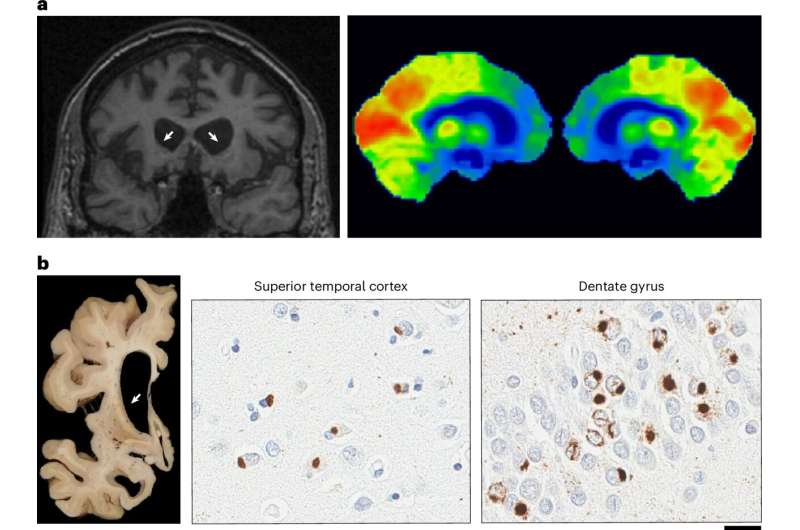
New research has revealed that Parkinson’s disease causes significant and progressive changes to blood vessels in the brain, changing our understanding of the disease which may lead to new treatment methods.

Diesel exhaust particles disrupt the function of the brain’s immune cells, a new study shows.

Researchers have developed a “virtual clinical trial” exploring a unique pharmacological treatment in patients who do not fully regain consciousness after a coma. The proposed treatment involves employing psychedelic drugs, such as psilocybin and lysergic acid diethylamide (LSD) that have intense, consciousness-altering effects in healthy volunteers.

A new meta-analysis shows that lithium supplementation does not significantly slow cognitive decline in people with mild cognitive impairment or Alzheimer’s disease.

New research shows that young adults with obesity already display biological patterns associated with liver stress, chronic inflammation, and early neural injury—changes typically seen in older adults with cognitive impairment. Participants with obesity also had unusually low blood choline levels, a nutrient critical for liver function, inflammation control, and long-term brain health.

A new study demonstrates that an AI assistant can conduct psychiatric assessment interviews with greater diagnostic accuracy than widely used mental health rating scales.

New brain imaging research shows that structural damage in schizophrenia spectrum disorders may begin in specific “epicenter” regions before spreading across connected brain networks. Individuals with the condition showed widespread reductions in structural similarity between key cognitive and emotional brain regions.

Finally, this week, researchers are exploring whether a person’s genetic risk for depression can help predict how multiple sclerosis (MS) progresses.

Weekly Neuroscience Update

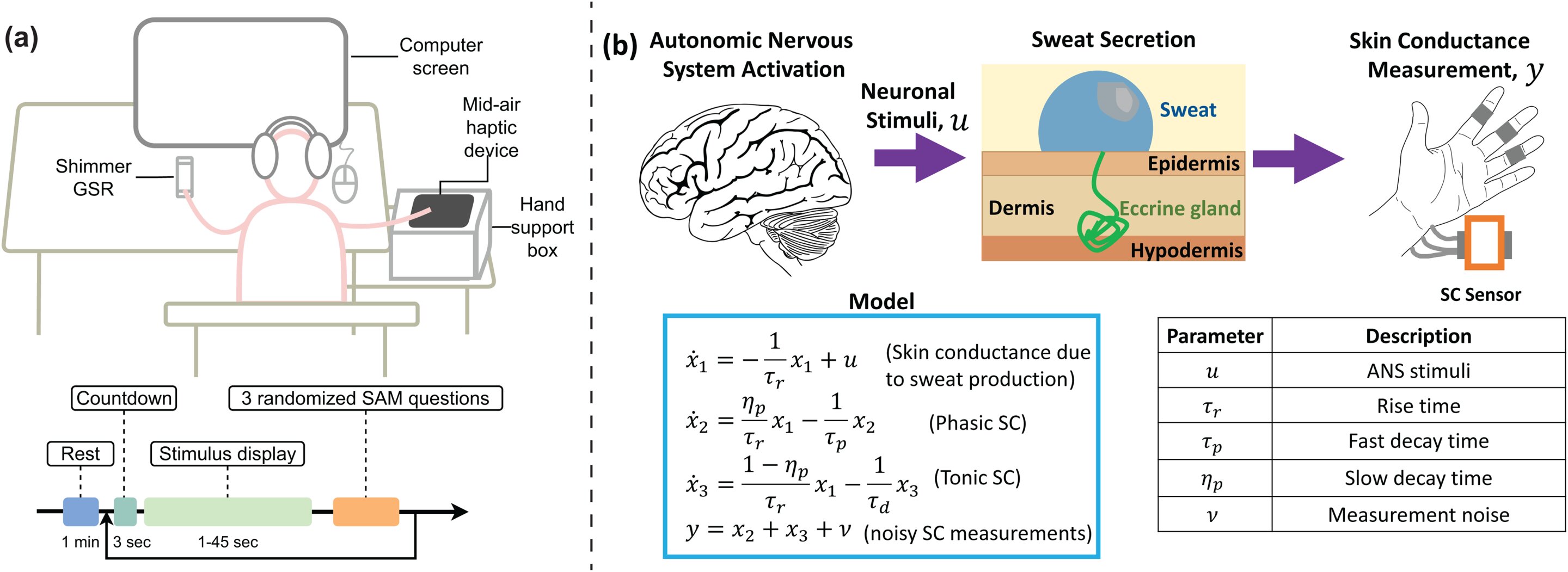
Credit: PLOS Mental Health (2025). DOI: 10.1371/journal.pmen.0000463

A recent study explores how physiological signals can reveal cognitive arousal—the level of mental alertness and emotional activation—without relying on subjective reporting.

New research reveals that women with long COVID show distinct biological disruptions — including gut inflammation, anaemia, and abnormal hormone levels — that may explain their heightened and persistent symptoms. These findings emerged from immune, biomarker, and genetic analyses in people one year after infection.

A new software enables brain simulations which both imitate the processes in the brain in detail and can solve challenging cognitive tasks. 

University of Auckland researchers report that an 8-week, twice-weekly LSD microdosing regimen for major depressive disorder was feasible and well-tolerated, with Montgomery-Åsberg Depression Rating Scale (MADRS) scores reduced by 59.5% at the end of treatment and sustained to six months.

Dance styles engage the brain in different ways depending on the movements, aesthetics, and emotions associated with the dance, according to a study published in Nature Communications.

New research shows that depression beginning before age 25 has a much stronger hereditary component than depression that emerges later in life. By analysing genetic data from over 150,000 people with depression, researchers identified distinct genetic regions linked specifically to early-onset cases.

Scientists have developed an innovative, non-invasive brain stimulation therapy to significantly improve visual function in stroke patients who have suffered vision loss following a stroke.

A rare intracranial brain-recording study revealed that tirzepatide, a GLP-1 and GIP receptor agonist, temporarily silences craving-related neural activity in a key reward circuit of the brain. Researchers observed that the drug initially shut down signaling in the nucleus accumbens of a patient with treatment-resistant obesity. However, after five months, both the “food noise” and the corresponding neural patterns returned, suggesting the effect was short-lived. The findings highlight how these metabolic drugs influence human brain circuits and underscore the need for more durable treatments targeting impulsivity in eating disorders.

Researchers report that ketogenic diets are associated with modest reductions in depressive symptoms in adults, while evidence for anxiety remains uncertain.

An international study has uncovered similar structural changes in the brains of young people diagnosed with anxiety disorders, depression, ADHD and conduct disorder, offering new insights into the biological roots of mental health conditions in children and young people.

A randomised, placebo-controlled trial shows that cannabis with active THC reduces immediate alcohol cravings and lowers drinking levels in heavy-drinking young adults.

New research shows that the brain distinguishes between “what an odour is” and “how it feels,” processing them at different times. After smelling, the brain sends a quick signal that identifies molecular features for differentiation.

“Drains” in the brain, responsible for clearing toxic waste in the organ, tend to get clogged up in people who show signs of developing Alzheimer’s disease, a new study shows.

Researchers have discovered how the brain keeps time for precise movements, revealing a neural “hourglass” mechanism between the motor cortex and striatum. The motor cortex sends timing signals that accumulate in the striatum until they reach a threshold that triggers action.

Finally this week, a new brain imaging study reveals that music activates the same chemical system in the brain that is responsible for the pleasure associated with food and social bonding. 

Weekly Neuroscience Update

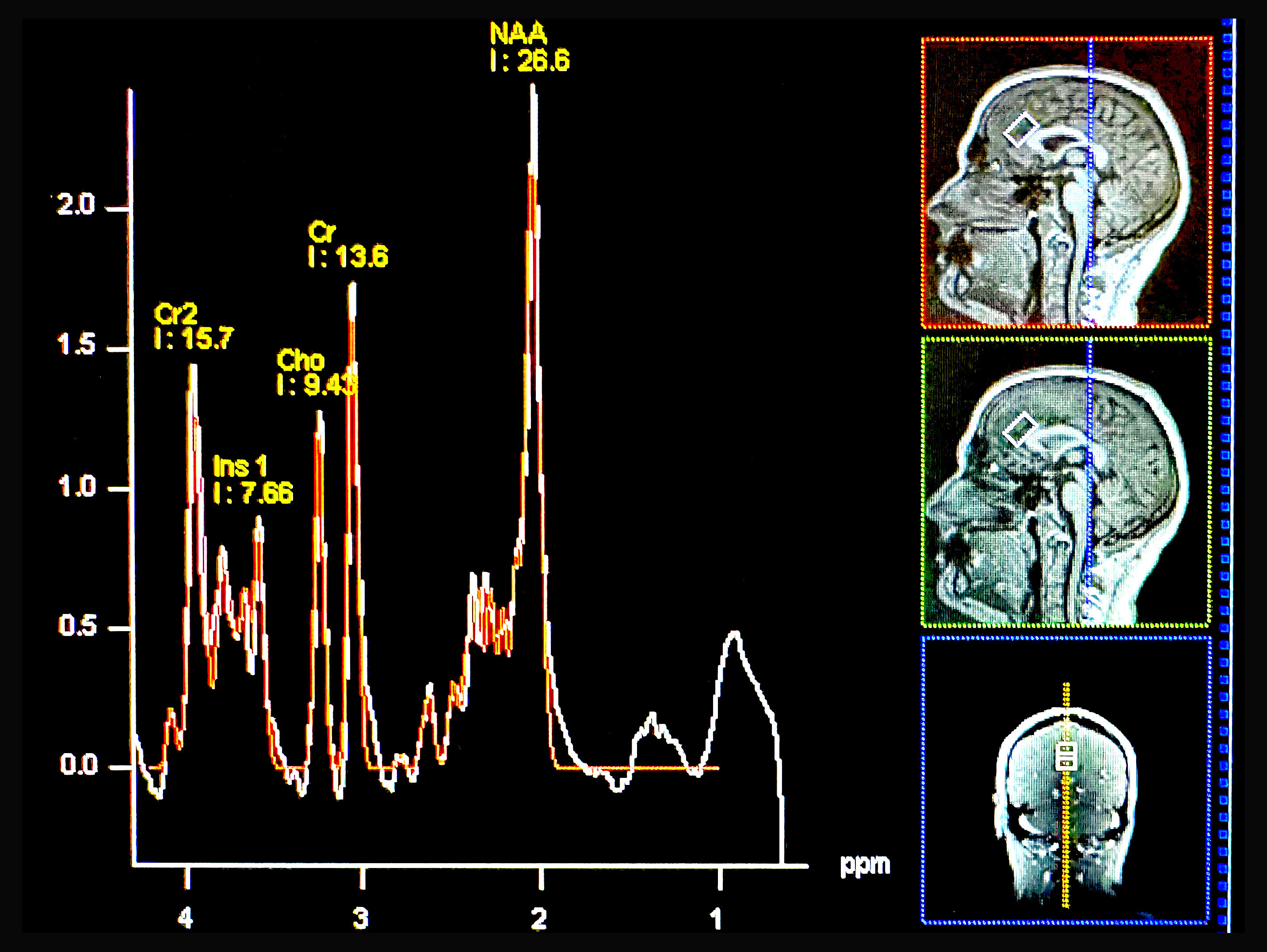
A non-invasive imaging technique, 1H-MRS, can detect chemicals in different parts of the brain. Choline is represented by “Cho” in the above graph. Credit: UC Regents

A new study shows that people with anxiety disorders tend to have lower levels of a chemical called choline in their brains compared to people without anxiety. Choline is a nutrient that plays an important role in brain function. It helps produce acetylcholine, a neurotransmitter involved in memory, mood regulation, and muscle control. It’s also a component of cell membranes, helping brain cells communicate efficiently.

Researchers have developed a highly sensitive diagnostic that predicts a person’s stage of dementia based on neurovascular and metabolic changes.

The way we speak in everyday conversation may hold important clues about brain health, according to a new study that found that subtle features of speech timing, such as pauses, fillers (‘uh,’ ‘um’) and word-finding difficulty, are strongly linked to executive function, the set of mental skills that support memory, planning and flexible thinking. 

ADHD symptoms are influenced by socioeconomic factors in regions affected by conflict and resource limitations, a new study focusing on non-Western populations has found.

Infants born deaf or hard of hearing show adverse changes in how their brains organise and specialise, which can significantly affect their cognitive and linguistic development. However, recent studies indicate that timely exposure to sound and language, even in modified forms, can considerably help these children develop more normally and bridge the gap in their learning processes.

A research team has discovered extensive genetic links between neurological disorders like migraine, stroke and epilepsy, and psychiatric illnesses such as schizophrenia and depression.

New research reveals that trait shyness is linked to reduced spontaneous neural activity in the cerebellum, a brain region traditionally associated with motor control but increasingly recognised for its role in emotion and social cognition.

Scientists have developed the most detailed molecular map yet of how the brain develops and reacts to inflammation, revealing that disease processes can “reawaken” genes from early life.

A new brain decoding method called mind captioning can generate accurate text descriptions of what a person is seeing or recalling—without relying on the brain’s language system. Instead, it uses semantic features from vision-related brain activity and deep learning models to translate nonverbal thoughts into structured sentences.

Researchers have found that living in a socioeconomically deprived neighbourhood can harm brain health as early as midlife.

A new study reveals that autism symptom severity correlates with shared brain-connectivity patterns in children with autism or ADHD. Stronger autistic traits are linked to increased connectivity between frontoparietal and default-mode networks, which are vital for social cognition and executive functions.

Mayo Clinic researchers have developed a new tool that can estimate a person’s risk of developing memory and thinking problems associated with Alzheimer’s disease years before symptoms appear.

Using full-genome sequencing data from more than 347,000 individuals, researchers have quantified how much genetic variation explains human traits such as height, body mass index, fertility, and disease risk. The results show that genes account for roughly 30% of the variation between individuals, with higher estimates for traits like height and lower for fertility.

Finally this week, a large-scale study of more than 86,000 Europeans found that speaking multiple languages may help slow biological and cognitive aging. 

Weekly Neuroscience Update

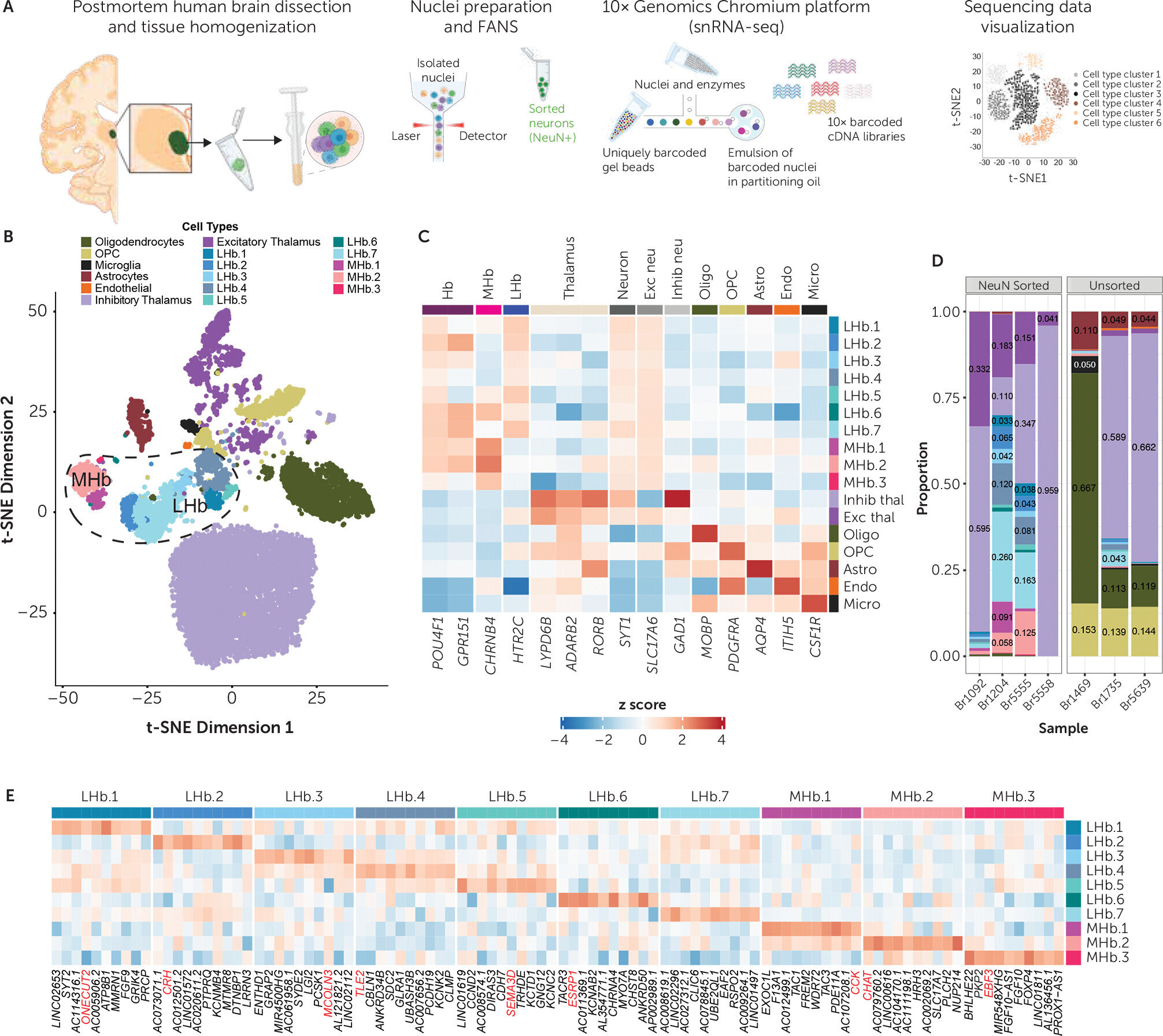
Single-Cell Transcriptomic Atlas of the Human Habenula Credit: American Journal of Psychiatry (2025)

New research published in the American Journal of Psychiatry provides new molecular insights into the role of the habenula, a pea-sized brain region that helps regulate motivation and mood, in contributing to the risk of schizophrenia.

In an article published in Brain Medicine, a European research team presents a focused review of emerging neuromodulation techniques for treatment-resistant obsessive-compulsive disorder (OCD).

A study using wearable scanning technology has revealed how brain function differs in people with multiple sclerosis (MS). This is the first study to utilise this newly developed technology in MS, demonstrating its potential for investigating neurological diseases.

A new large-scale, open data resource helps researchers link brain development with mental health disorders.

Scientists have created one of the most comprehensive single-cell maps of the developing human brain. The atlas captures nearly every cell type, their genetic fingerprints, and how they grow and interact. It also benchmarks best-in-class laboratory methods for producing high-quality neurons, marking a significant step toward new therapies for Parkinson’s disease and other brain disorders.

Creative experience might enhance brain health, potentially slowing the brain’s ageing.

For the first time, scientists have mapped the genetic architecture of the brain’s communication bridge—the corpus callosum—using AI and MRI data from over 50,000 people. The study uncovered dozens of genes that shape the size and thickness of this vital structure, many of which are active during prenatal development when the brain’s wiring is established.

Researchers have discovered that the gut’s rhythmic muscle movements may help explain how blood vessels in the brain expand and contract in coordination.

Researchers have uncovered a previously overlooked role of the hippocampus in shaping memory, revealing how social interactions can enhance the brain’s ability to convert fleeting experiences into lasting memories.

An analysis of brain scans from 572 people reveals that activity in brain regions linked to reward and social processing can predict how effective messages will be. The work is published in PNAS Nexus.

Differences between men and women in intelligence and behaviour have been proposed and disputed for decades. Now, a growing body of scientific evidence shows hundreds of genes act differently in the brains of biologically male or female humans. What this means isn’t yet clear, though some of the genes may be linked to sex-biased brain disorders such as Alzheimer’s and Parkinson’s diseases.

A new study reveals that humans possess a form of “remote touch,” enabling them to detect hidden objects in sand without making direct contact. 

A week-long retreat combining meditation and mind-body healing produced significant changes in brain activity and blood biology, demonstrating how consciousness-based practices can transform physical health. Participants showed reduced default-mode activity, enhanced neural connectivity, elevated natural opioids, immune activation, and metabolic shifts—effects that extended beyond the brain into the entire body.

Scientists have created an advanced visual neuroprosthesis that communicates bidirectionally with the brain, marking one of the most significant steps yet toward restoring functional vision

A new study has found that consuming unsalted, skin-roasted peanuts can significantly improve brain vascular function and memory. The findings were published online in the international, peer-reviewed journal Clinical Nutrition.

A new imagery-focused therapy called iMAPS may help people with psychosis gain control over disturbing mental images that fuel paranoia, fear, and hallucinations. 

Finally, this week, a new brain decoding method called mind captioning can generate accurate text descriptions of what a person is seeing or recalling—without relying on the brain’s language system. Instead, it uses semantic features from vision-related brain activity and deep learning models to translate nonverbal thoughts into structured sentences.

Weekly Neuroscience Update

Credit: Neuroscience (2025). DOI: 10.1016/j.neuroscience.2025.06.032

Memory loss may not simply be a symptom of getting older. New research shows that it’s tied to specific molecular changes in the brain and that adjusting those processes can improve memory.

An international consortium of researchers has created the largest-ever database compiling records of brain activity during sleep and dream reports. One of the first analyses of the database confirmed that dreams do not occur only during REM sleep, but also during deeper and calmer NREM stages. In these cases, brain activity resembles wakefulness more than deep sleep, as if the brain were “partially awake.”

A smartphone app for muscle relaxation significantly reduced migraine-related disability in patients visiting the emergency department.

A new study reveals that sleep-like slow-wave brain activity can persist for years in surgically disconnected brain hemispheres of awake epilepsy patients. Using EEG recordings, researchers found that the isolated cortex exhibits patterns similar to deep sleep, anesthesia, or vegetative states—suggesting absent or reduced awareness.

People 60 and older who are excessively sleepy during the day may have more problems with memory and thinking after surgery, suggests a study presented at the ANESTHESIOLOGY 2025 annual meeting.

Doctors and researchers at the University of Pittsburgh and UPMC have developed a new treatment for epilepsy patients who don’t respond to medication and aren’t candidates for surgery. Their approach, published in Nature Communications, uses deep brain stimulation (DBS) that is tailored to each patient’s unique brain wiring. 

A new computational tool has uncovered genetic evidence directly linking Alzheimer’s disease to the loss of memory-making neurons, helping to resolve a decades-long mystery in dementia research.

While studies have linked brain areas to remembering personal experiences, brain areas involved in learning more impersonal information about the world remain unclear. In a new JNeurosci paper, researchers used fMRI on 29 human volunteers as they performed a learning task to shed light on how the brain acquires semantic, impersonal information.

Researchers have traced the earliest stages of multiple sclerosis (MS), showing that the immune system begins attacking the brain up to seven years before diagnosis.

New research has provided the strongest evidence yet that auditory verbal hallucinations—or hearing voices—in schizophrenia may stem from a disruption in the brain’s ability to recognise its own inner voice.

Adults with gum disease may be more likely to have signs of damage to the brain’s white matter than people without gum disease, according to a study published in Neurology Open Access.

A team of researchers has developed and tested a new virtual reality (VR) training task designed to help stroke survivors living with visuospatial neglect (VSN), a disabling condition that affects attention and awareness of one side of space. The exploratory case study is among the first to integrate audiovisual cues within a physiotherapy-based VR task to support rehabilitation.

Finally, this week, listening to music when you are over 70 years of age has been linked to a 39% reduction in the risk of dementia, according to a new study of over 10,800 older people.

Weekly Neuroscience Update

Experimental tasks and behavioral results. Credit: Science Advances (2025)

Musical people find it easier to focus their attention on the right sounds in noisy environments. This is shown in a new study from Karolinska Institutet published in the journal Science Advances. The results suggest that music training can be used to sharpen attention and cognition.

A major UK study has revealed that the early warning signs of multiple sclerosis (MS) may appear years before diagnosis and affect all communities in similar ways.

Pea-sized brains grown in a lab have, for the first time, revealed the unique way neurons might misfire due to schizophrenia and bipolar disorder, psychiatric ailments that affect millions of people worldwide but are difficult to diagnose because of the lack of understanding of their molecular basis.

Researchers have developed a minimally invasive method for recording brain activity through blood vessels.

A long-term study tracking 475 children found that autistic children are far more likely to experience persistent gastrointestinal issues than their peers. These symptoms often co-occur, persist throughout childhood, and are strongly related to challenges with sleep, communication, behavior, and sensory processing.

Science and artificial intelligence have combined in a study that could lead to personalized repetitive transcranial magnetic stimulation, or rTMS, for smokers who want to quit.

New research suggests that when people listen to speech at varying speeds, the auditory cortex does not adjust its timing but instead processes sound within a fixed time window. This discovery challenges the long-standing idea that the brain flexibly adapts its processing pace to match speech rhythms.

Neuroscientists are leveraging music’s ability to synchronize brain waves to enhance the effectiveness of transcranial magnetic stimulation (TMS).

Fluctuations in brain activity, also known as neural variability, enable us to be flexible in adjusting our behavior to the current situation. A new study shows that neural variability increases throughout development before stabilizing in adolescence. And deviating from this trajectory is associated with worse executive functioning.

Scientists have identified a previously underexplored population of hypothalamic neurons that plays a pivotal role in regulating energy expenditure.

A new study reveals that our brain’s attention system first prepares broadly, then focuses on specific details within fractions of a second. Using EEG and machine learning, researchers tracked how people focused on either the colour or the movement of dots before they appeared.

The first major data release from the HEALthy Brain and Child Development (HBCD) Study has provided researchers with a groundbreaking resource to study early childhood brain development.

A study published in The Cerebellum provides initial experimental evidence that a single session of cerebellar High-Definition Transcranial Direct Current Stimulation (HD-tDCS) may help to maintain anticipatory and consummatory pleasure and enhance reward sensitivity in healthy individuals.

New research finds that regional fat distribution exerts distinct effects on brain structure, connectivity and cognition, revealing patterns not explained by body mass index (BMI).

A new study reveals that fluoxetine, more commonly known as Prozac, does more than simply increase serotonin—it alters how brain cells utilize energy and form new connections. After two weeks of treatment, parvalbumin interneurons in the prefrontal cortex became less rigid, with mitochondrial energy genes reduced and plasticity genes upregulated.

Depression’s earliest signs can be hard to spot, but a new study shows AI can detect them in subtle facial movements.

A new five-year study explores how dopamine may drive changes in brain myelin during social isolation. Researchers will track how dopamine interacts with oligodendrocytes, the cells responsible for producing myelin and supporting neuron function.

Scientists have revealed a key mechanism in how our brains change when we learn new information or form memories.

Humans excel at adapting to new situations, while machines often stumble. A new interdisciplinary study reveals that the root of the issue lies in how humans and AI approach “generalization,” the process of transferring knowledge to new problems.

Finally this week, according to new research, habit, rather than conscious choice, drives most of our actions. 

Weekly Neuroscience Update

Researchers at King’s College London have found that exposure to higher levels of air pollution during midlife is associated with slower processing speed, lower scores on a cognitive screening tool, and differences in brain structure later in life.

People who use psychedelic substances may think about themselves in a different way — not just psychologically, but also neurologically.

A large Danish study shows that most mental illnesses—like schizophrenia, bipolar disorder, and depression—occur in people with no close family history of the condition. Analyzing data from over 3 million individuals, researchers found that while heredity increases risk, most diagnosed individuals do not have affected relatives.

Living through the Covid-19 pandemic may have accelerated brain ageing, even in people who were never infected, a new study finds.

Scientists developed a computational “aging clock” that measures the biological age of brain cells and identifies compounds with rejuvenating potential. By analyzing gene activity from healthy and neurodegenerative brain tissue, they pinpointed 453 interventions predicted to reverse cellular aging.

Adolescents who use e-cigarettes or conventional tobacco products are significantly more likely to report symptoms of depression and anxiety than non-users, according to a recent study.

For the first time, researchers have identified what happens in neural networks deep within the brain during obsessive thoughts and compulsive behaviours. Using electrodes implanted in the brain, they observed how specific brain waves became active. These brain waves serve as a biomarker for obsessive-compulsive disorder (OCD) and are an important step towards more targeted treatments.

In a breakthrough that reimagines the way the gut and brain communicate, scientists have uncovered what they call a “neurobiotic sense.”

A new study reveals that a brain circuit driving negative emotions during cocaine withdrawal plays a key role in relapse. Researchers found that this “anti-reward” network becomes hyperactive during abstinence, amplifying distress and pushing users back toward the drug.

Researchers have made a significant breakthrough in understanding how the human brain forms, stores and recalls visual memories.

A new study finds that inflammation affects how cannabis impacts anxiety and sleep quality. Researchers observed no significant changes in inflammation levels after 4 weeks of cannabis use, but initial inflammation influenced the results.

Finally, this week, Alzheimer’s disease spreads unevenly through the brain, and novel mathematical modelling may help explain why.

Weekly Neuroscience Update

Experimental design, ripple detection, and ripple properties. Credit: Nature Communications (2025)

A research team has identified, for the first time in humans a key neurophysiological mechanism in memory formation: ripple-type brain waves—high-frequency electrical oscillations that mark and organize the different episodes or fragments of information that the brain stores as memories.

Scientists have discovered how a key protein helps maintain strong connections between brain cells that are crucial for learning and memory.

New research shows that signs of Alzheimer’s disease can already be detected in the blood of people as young as their 40s. Finnish scientists found elevated Alzheimer’s-related biomarkers in middle-aged adults, especially among those with maternal history or kidney disease.

A new study questions whether playing youth football leads to harmful protein buildup in the brain.

Receiving six or more prescriptions of the drug gabapentin for low back pain is associated with significantly increased risks of developing dementia and mild cognitive impairment, finds a large medical records study.

A large genetic study reveals that cannabis use disorder is strongly linked to increased risk for multiple psychiatric disorders, including depression, PTSD, ADHD, and schizophrenia.

A common sugar substitute, erythritol, widely used in “sugar-free” and low-carb products, may increase stroke risk by damaging brain blood vessel cells. A new study found that erythritol exposure reduced nitric oxide, increased vessel constrictors, impaired clot-busting abilities, and boosted free radical production in these cells.

Finally, this week, neuroscientists have discovered a signature ‘wave’ of activity as the brain awakens from sleep.