Weekly Neuroscience Update

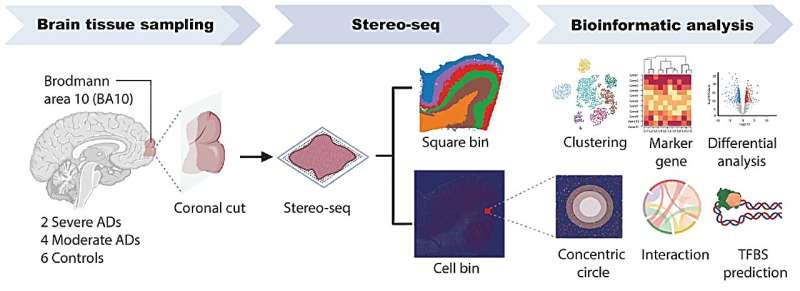
The analysis pipeline of the study, with select figures created using BioRender. Credit: Nature Communications (2025)

Scientists have developed a novel, detailed map at the subcellular level of a brain region frequently impacted by Alzheimer’s disease. This groundbreaking achievement represents a significant advancement in understanding the mechanisms underlying the development of this neurodegenerative condition.

New research shows that AI can identify complex regional pain syndrome (CRPS) with over 90% accuracy by analyzing gut microbiome patterns. 

Mindfulness exercises paired with music were found to engage both neural and cardiac systems, potentially reducing symptoms of anxiety and depression. A recent study showed that live and virtual music mindfulness sessions lowered stress and altered states of consciousness, though only live sessions fostered social connection.

A long-term study shows that teenagers who maintain or increase physical activity levels are less likely to develop symptoms of depression.

Researchers have developed a brain-computer interface (BCI) that enables computer cursor control and clicking, using neural signals from the speech motor cortex. One participant with amyotrophic lateral sclerosis (ALS) used the interface for daily life activities, including independent control of a personal desktop computer and text entry.

New research shows that targeting emotional processing is key to treating and managing chronic pain.

In a first-of-its-kind clinical study, researchers have shown that patients with treatment-resistant PTSD were symptom-free up to six months after completing traditional therapy paired with vagus nerve stimulation (VNS).

Scientists using living human brain tissue have shown for the first time how a toxic form of a protein linked to Alzheimer’s can stick to and damage the connections between brain cells.

People whose biological age is higher than their chronological age may be more likely to develop dementia than people whose biological age matches or is lower than their chronological age, according to a study published online in Neurology. Biological age is based on biomarkers of aging such as lung function, blood pressure and cholesterol.

A recent study reveals that oxygen tension elevation during weeks four to six promotes neurogenesis in brain organoids, regulated by neuroglobin. The research is published in Science Advances.

Obstructive sleep apnea, a condition that causes lower oxygen levels during sleep, is linked to degeneration of brain regions associated with memory through damage to the brain’s small blood vessels, according to a study published in Neurology.

A new theory suggests that psychedelics promote empathy, insight, and psychological flexibility by making the brain’s right hemisphere temporarily dominant over the left. 

A revolutionary microscopy method called LICONN enables scientists to reconstruct brain tissue and map synaptic connections using standard light microscopes. By embedding brain tissue in hydrogel, expanding it, and imaging at nanoscale resolution, researchers achieve a detailed view of neuronal architecture previously only possible with electron microscopy.

A new music therapy-based tool called MuSICCA may transform how healthcare teams assess consciousness in children with severe brain injuries. 

Research from Emory University has identified a biological connection between inflammation and deficits in motivation in individuals with schizophrenia, offering new hope for treating symptoms that have long been resistant to existing therapies.

A Yale-led study shows that the senses stimulate a region of the brain that controls consciousness—a finding that might inform treatment for disorders related to attention, arousal, and more.

Finally this week, a new study has debunked the common myth that autistic people are less effective communicators than non-autistic individuals. Researchers found no difference in how well information was shared between autistic-only, non-autistic-only, or mixed groups.

Weekly Neuroscience Update

Credit: Brain Communications (2025)

The parts of the brain that are needed to remember words, and how these are affected by a common form of epilepsy, have been identified by a team of neurologists and neurosurgeons.

New research published in PLOS ONE, reveals that witnessing trauma triggers unique brain changes, distinct from those caused by experiencing trauma firsthand. The study is the first to shed light on the molecular differences between directly acquired PTSD and bystander PTSD and could pave the way for changes in how the disorders are treated.

Scientists have discovered that neural changes in teens may predict how decision-making and behavioural control develop.

A new study shows that the rubber hand illusion can reduce the intensity of pain caused by heat. Researchers found that when participants viewed a rubber hand being illuminated while their hidden hand received a heat stimulus, they reported feeling less pain. This suggests that integrating visual and sensory cues can influence pain perception. The findings may one day help develop new treatments for chronic pain conditions such as complex regional pain syndrome.

Verbal fluency, the ability to recall and use vocabulary, is the strongest cognitive predictor of longevity in a 20-year study of elderly adults. This suggests a link between linguistic ability and overall health.

Neuroscientists have discovered a way to control how much zinc is released to specific locations in the brain. The essential mineral plays a major role in the brain’s function, including improving memory and lessening symptoms of some neurological disorders, but getting the right amount to the right place is key.

According to new research, inflammation inside and outside the brain may contribute to neurological complications in COVID-19.

A study published  in the British Journal of Psychiatry has found that nearly half of people diagnosed with depression don’t respond to multiple antidepressant medications and are considered “treatment-resistant.” The study found that 48% of patients whose electronic health care records reported a diagnosis of depression had tried at least two antidepressants, and 37% had tried four or more different options.

Scientists have developed a computational framework that maps how the brain processes speech during real-world conversations.

For children with autism who severely injure themselves, a pilot study suggests that deep brain stimulation (DBS) of the brain’s reward centre (nucleus accumbens) is a safe and possible treatment that could be beneficial, especially when behavioural therapies don’t work.

New research suggests that factors present in the placenta during pregnancy might play a role in increasing the risk of a child developing schizophrenia.

Scientists at Peking University have used a new method to discover that dopamine helps protect and control the function of a protein called Tau. This finding helps us better understand how dopamine works normally and in diseases of the brain.

A research team has uncovered the neural mechanisms underlying the processing of pain and itch in the anterior cingulate cortex (ACC).

A new study finds that women in their 80s who develop increasing daytime sleepiness over five years are twice as likely to develop dementia. Researchers tracked 733 women without cognitive impairment, using wrist devices to monitor sleep and circadian rhythms. Those who showed stable sleep patterns had the lowest dementia risk, while those with increasing sleepiness faced the highest risk. Surprisingly, declining nighttime sleep was not significantly linked to dementia risk.

A research team has developed an electrode capable of safely encasing nerves without causing damage.

Finally this week, new research shows that even 12-month-old babies can form memories, as indicated by activity in the hippocampus. This challenges the idea that infants can’t remember and suggests that infantile amnesia (not remembering early childhood) might be because we can’t access those memories later, rather than not forming them in the first place.

Weekly Neuroscience Update

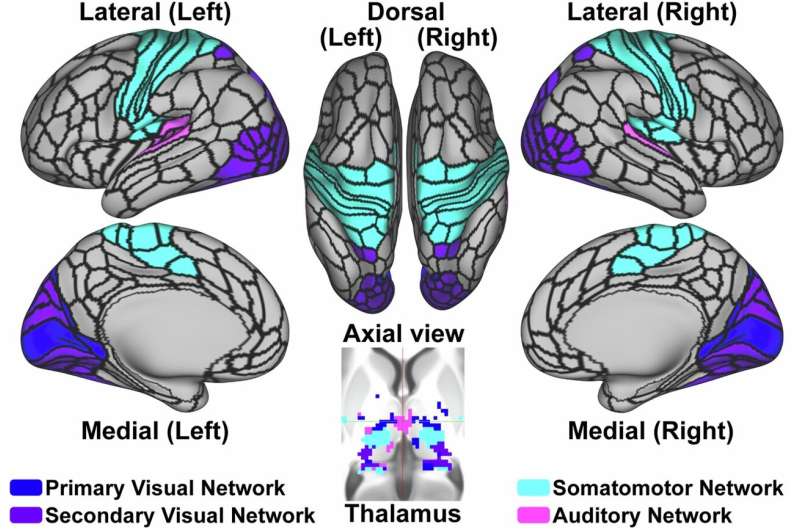
The four sensory networks of the brain network partition. The partition comprises four sensory networks, with the somatomotor network encompassing the somatosensory cortex. The thalamus contains parcels of each sensory network. Credit: Molecular Psychiatry (2024).

Researchers have uncovered a potential new biomarker for psychosis diagnosis.

A new approach to analyzing brain scans could help researchers better understand psychiatric illness using much smaller groups of patients than previously thought necessary, potentially accelerating the development of more precise mental health treatments.

A new study reveals how specific brain cells called interneurons can act as our in-built traffic controllers. The findings are published in the journal PLOS Biology.

Younger and middle-aged patients seem to be disproportionately affected by neurologic manifestations of post-acute sequelae of severe acute respiratory syndrome coronavirus 2 infection (Neuro-PASC), according to a study published in the Annals of Neurology.

Investigators have defined new biologic and clinical biomarkers for better identifying patients with different stages of Parkinson’s disease and Lewy body dementia.

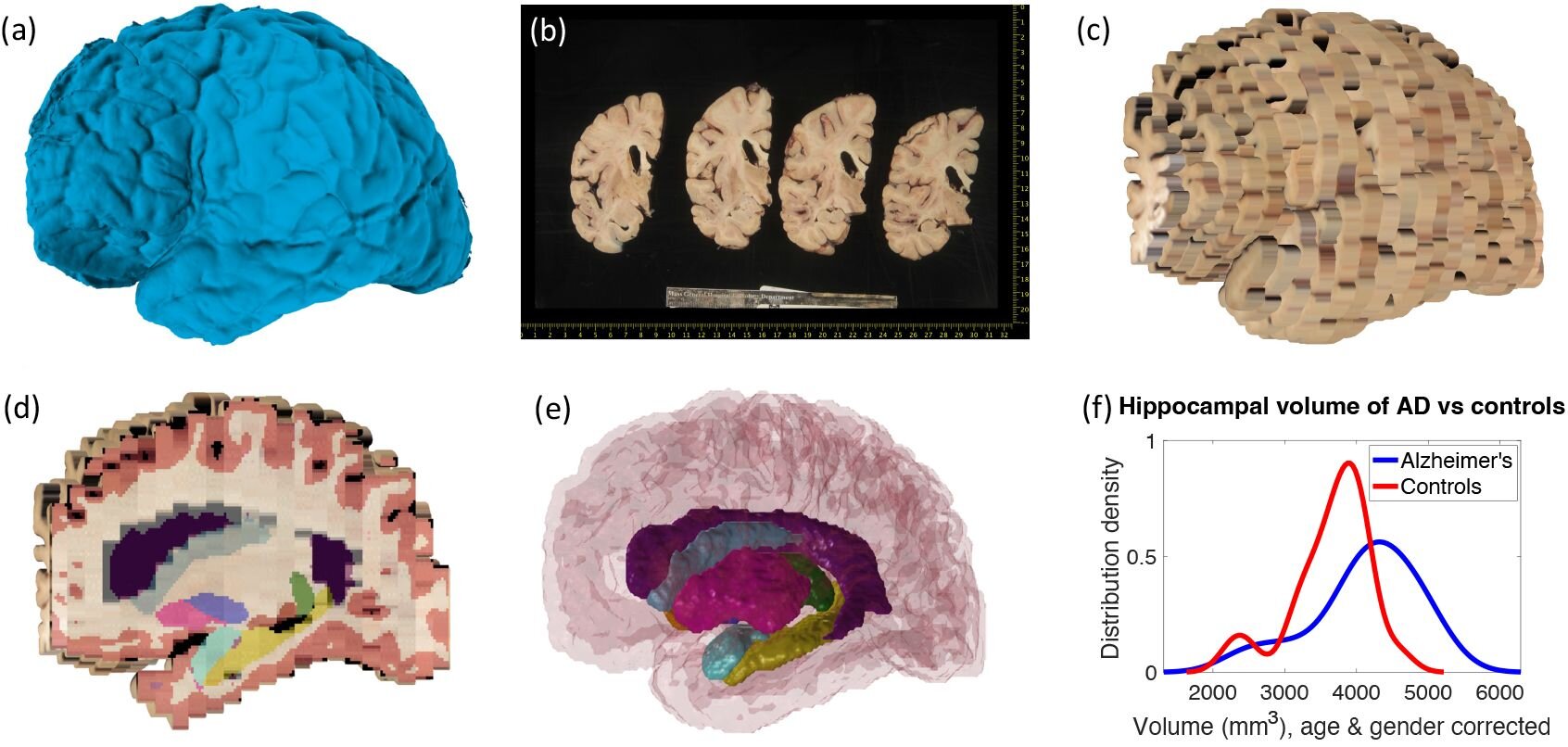
Researchers have developed the most detailed 3D computational models of key brain regions, including the hippocampus and sensory cortices, to better understand their roles in memory formation and connectivity.

Healing the gut may be the key to improving long-term recovery in stroke patients, scientists at Texas A&M University have found.

New research provides critical insights into the role of sleep in motor learning for individuals recovering from traumatic brain injury (TBI). The study sheds light on how sleep, specifically a short nap, influences brain activity associated with motor skill improvement, with implications for optimizing rehabilitation strategies.

A recent study of high school football players found that concussions affect an often-overlooked but important brain signal.

Researchers have uncovered that stress changes how our brain encodes and retrieves aversive memories, and discovered a promising new way to restore appropriate memory specificity in people with post-traumatic stress disorder (PTSD).

Cognitive neuroscientists at Trinity College Dublin have published new research describing a brand new approach to making habit change achievable and lasting.

A new study uncovers constant communication between the human brain’s social cognitive network, responsible for understanding others’ thoughts, and the amygdala, known for processing fear and emotions. High-resolution brain scans revealed that this connection helps the brain integrate emotional importance into social interactions. This insight could lead to non-invasive treatments like transcranial magnetic stimulation (TMS) for anxiety and depression by targeting these regions. The findings highlight how evolutionary brain expansion enhances social understanding while linking it to ancient emotional processing centers.

Neuroscientists have demonstrated that dopamine and serotonin work in opposition to shape learning.

Researchers have identified a novel role for the brain’s ‘locus coeruleus’ in sleep and its disruptions. This brain region facilitates the transition between NREM and REM sleep states while maintaining an unconscious vigilance toward the external world. Stress disrupts its functions and negatively impacts on sleep quality.

A future treatment for Alzheimer disease may involve a nasal spray. 

A new method to profile gene activity in the living human brain has been developed by researchers at FutureNeuro, the Research Ireland Center for Translational Brain Science and RCSI University of Medicine and Health Sciences, in collaboration with international partners. This innovative approach, published in JCI Insight, opens new avenues for understanding and treating neurological conditions such as epilepsy.

A study led by the University of Glasgow has revealed differences in the brains of pediatric and adult patients that might explain the sometimes catastrophic outcomes seen in children following a traumatic brain injury.

Finally this week, new research has examined the relationship of emotion regulation to real-world responses to stress to better understand stress-related increases in suicide risk in depression.

Weekly Neuroscience Update

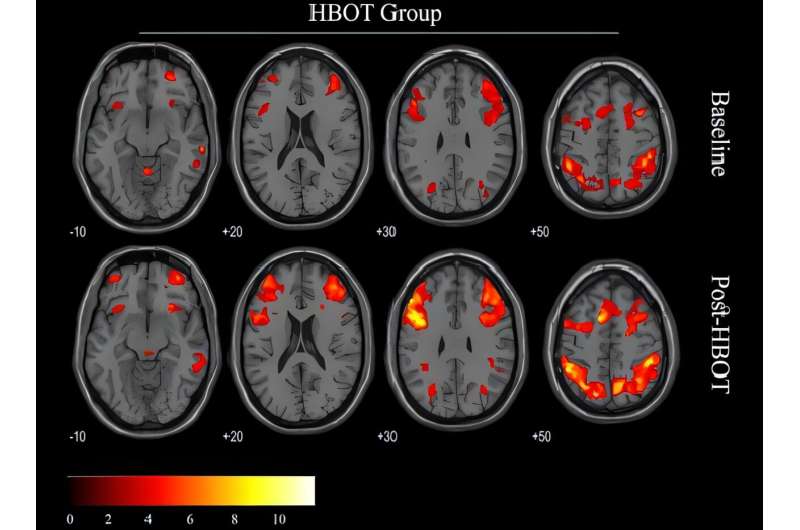
Functional MRI before and after HBOT. Credit: The Shamir Medical Center

Researchers have demonstrated that hyperbaric oxygen therapy (HBOT) improves the condition of PTSD sufferers who have not responded to psychotherapy or psychiatric medications.

Scientists have discovered for the first time a neural mechanism for memory integration that stretches across both time and personal experience. These findings, reported in Nature, demonstrate how memories stored in neural ensembles in the brain are constantly being updated and reorganized with salient information, and represent an important step in deciphering how our memories stay current with the most recently available information.

An international study has found frailty increases a person’s risk of dementia, but early intervention may be the key to prevention.

Neuroscientists have discovered brain cells that form multiple coordinate systems to tell us “where we are” in a sequence of behaviours. The findings help us understand the algorithms used by the brain to flexibly generate complex behaviors, such as planning and reasoning, and might be useful in understanding how such processes go wrong in psychiatric conditions such as schizophrenia.

New research finds that even single bouts of intense exercise can improve cognitive performance in young adults, particularly in memory, attention, and executive functioning. 

By scanning the brains of people while they watched movie clips, neuroscientists have created the most detailed functional map of the brain to date. The fMRI analysis, published in Neuron, shows how different brain networks light up when participants viewed short clips from a range of independent and Hollywood films, including Inception, The Social Network, and Home Alone.

Asthma is associated with memory difficulties in children, and early onset of asthma may exacerbate memory deficits, according to a new study.

Older adults with significant fluctuations in cholesterol levels are at increased risk for dementia and cognitive decline, even without medication changes. Researchers studied nearly 10,000 older adults, tracking their cholesterol levels and cognitive function over six years. High variability in total and LDL (“bad”) cholesterol was associated with a 60% increase in dementia and 23% increase in cognitive decline.

Scientists have successfully reprogrammed astroglia, a type of brain support cell, into neurons that mimic specific interneurons critical for brain function.

Exercise has been shown to improve brain health and reduce the risk of cognitive decline and dementia over the long-term. But engaging in everyday physical activity has immediate benefits for brain health, according to a new study.

A team of researchers has identified a potential biomarker of Parkinson’s disease progression.

New research highlights neuroglia (or glia cells) as critical players in mental health, potentially influencing conditions like depression and schizophrenia. Glia cells, long considered “support cells” in the brain, have now been shown to communicate through unique calcium signaling, impacting neuronal function and stress responses. Studies suggest that compromised astrocyte function, a glial cell type, may relate to depressive symptoms and schizophrenia.

Using deep brain stimulation techniques, neuroscientists are looking for early signals in the brain to help stop seizures.

A study investigated how cannabis use influences metabolomic patterns linked to psychotic-like experiences in adolescents. Blood samples revealed that non-cannabis users showed inflammatory metabolic changes associated with hallucinations, while cannabis users exhibited shifts in energy-related metabolites tied to brain ketogenesis.

Finally this week, a new study links satellite data with brain imaging to reveal how environmental factors like light pollution, green spaces, and urban density affect the mental health and brain development of children.

Weekly Neuroscience Update

Credit: Frontiers in Human Neuroscience (2024). 

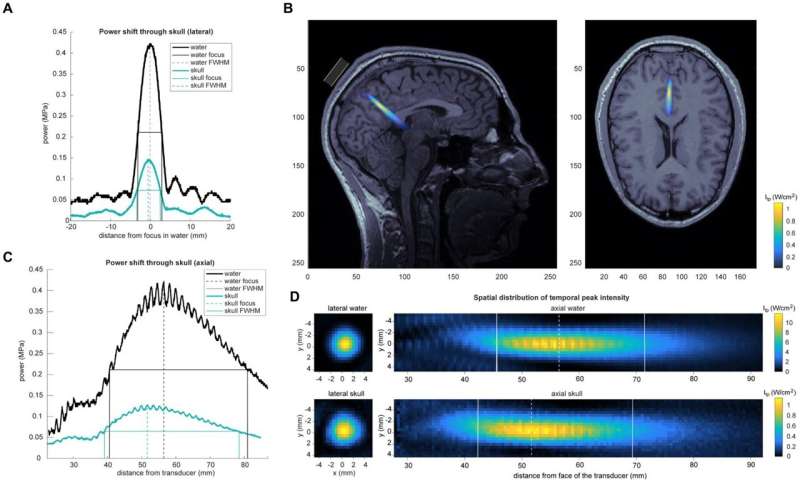
In a new study published in Frontiers in Human Neuroscience, researchers used low-intensity ultrasound technology to noninvasively alter a brain region associated with activities such as daydreaming, recalling memories and envisioning the future. They found that the technique can ultimately enhance mindfulness, marking a major advancement in the field of neuroscience.

New research finds that semaglutide, known as Ozempic/Wegovy, does not negatively impact brain health and may reduce cognitive problems and nicotine dependence.

Exposure to parental smoking (ParS) is associated with an increased risk for multiple sclerosis (MS) in later life in certain populations, according to a study presented at EAN 2024, the 10th Congress of the European Academy of Neurology, held from June 29 to July 2 in Helsinki.

Researchers have identified a new mutation in the ARPP21 gene linked to ALS. This discovery could improve ALS diagnosis and open avenues for personalized therapies. 

A new approach to improving uncertainty estimates in machine-learning models enhances prediction accuracy. The method uses the minimum description length principle to provide more reliable confidence measures for AI decisions, which is crucial in high-stakes settings like healthcare.

A recent study suggests that consciousness evolved not for individual survival, but for social purposes, helping humans communicate ideas and emotions. 

Researchers have discovered a neural activity pattern that can accurately predict and monitor the clinical status of OCD patients undergoing deep brain stimulation (DBS). This study highlights how this biomarker can guide DBS therapy, improving treatment outcomes for those with severe, treatment-resistant OCD.

New research could transform how we understand the way opioids affect the brain. 

A new study has found how the protein CGRP affects the brain’s lymphatic system, contributing to migraine pain. Their study reveals that CGRP prevents cerebrospinal fluid from draining, influencing migraine attacks.

Researchers have developed a neural network that mimics human decision-making by incorporating elements of uncertainty and evidence accumulation. 

Research published in Science Advances shows neurobiological underpinnings of sex and gender in children to better understand how sex (assigned at birth) and gender (identity and expression) influence the brain, and ultimately a person’s health.

A new study shows that by age three, children can understand others’ intentions using active mirror neurons.

For the first time, scientists have found that sleep can be detected by patterns of neuronal activity just milliseconds long, 1,000 times shorter than a second, revealing a new way to study and understand the basic brain wave patterns that govern consciousness. They also show that small regions of the brain can momentarily “flicker” awake while the rest of the brain remains asleep, and vice versa from wake to sleep.

A neuroimaging study of young people who exhibit a persistent pattern of disruptive, aggressive, and antisocial behavior, known as conduct disorder, has revealed extensive changes in brain structure.

Retired rugby players who have suffered multiple concussions have higher levels of certain proteins in their blood, which may make them more prone to developing diseases such as motor neuron disease (MND), according to a new study.

Researchers have used machine learning to define three subtypes of Parkinson’s disease based on the pace at which the disease progresses.

A new study reveals that psilocybin, the active compound in magic mushrooms, temporarily disrupts brain networks involved in introspective thinking, like daydreaming and memory. These changes persist for weeks, potentially making the brain more flexible and improving mental health. The findings could pave the way for psilocybin-based therapies for depression and PTSD. The research underscores the importance of using these drugs under medical supervision.

Scientists have established new criteria for a memory-loss syndrome in older adults that specifically impacts the brain’s limbic system.

A recent study links sleep preferences to brain performance, finding that “night owls” often score higher on cognitive tests than “morning larks.” Researchers analyzed data from over 26,000 people, highlighting that sleeping 7-9 hours a night optimizes brain function.

Finally this week, new research has demonstrated that activation of the brain’s reward system could boost recovery from a heart attack. 

Weekly Neuroscience Update

Examples of inputs and outputs from the MADRC dataset. 

Researchers have developed a suite of free tools for analyzing vast amounts of brain dissection photographs at brain banks worldwide to enhance understanding of neurodegenerative diseases.

A new study reveals a strong link between regular physical activity and enhanced brain health. Analyzing MRI scans from 10,125 individuals, researchers found that exercise, even moderate exercise like walking, is associated with increased brain volumes in crucial areas like gray matter, white matter, and the hippocampus. The study underscores exercise’s role in reducing dementia risk and maintaining brain size.

Scientists have discovered that a part of the brain associated with working memory and multisensory integration may also play an important role in how the brain processes social cues.

In a first-of-its-kind study published in Nature, researchers recorded activity from hundreds of individual neurons while participants listened to spoken sentences, giving us an unprecedented view into how the brain analyzes the sounds in words.

A new study has unveiled three distinct cognitive deficits contributing to reading difficulties in individuals with left-sided neglect dyslexia, a condition that often follows a right-hemisphere stroke.

Researchers have unveiled a significant similarity between AI memory processing and human hippocampal functions. This discovery, bridging AI and neuroscience, highlights a parallel in memory consolidation – a process crucial in transforming short-term to long-term memories – in both AI models and the human brain.

A new study highlights the significant role of imagination in evoking empathy and driving prosocial behaviour. 

A so-called pathological protein long associated with Parkinson’s disease has been found in a new study to trigger cells to increase protein synthesis, an event that eventually kills the subset of brain cells that die off in this neurodegenerative condition.

A new study presents a promising treatment for restoring the sense of smell in long-COVID patients.

Researchers have found that amyloid oligomers play a role in speeding up mitochondrial energetics during the early stages of Alzheimer’s, in contrast to what has been previously found in more advanced Alzheimer’s brain tissues. The results are published in Nature Communications.

Research led by the Karolinska Institutet, Sweden, has found an increased risk of cardiovascular disease associated with long-term ADHD medication use.

New research has uncovered a potential early marker for autism in infants: abnormally enlarged perivascular spaces (PVS) in the brain. The study found that infants with enlarged PVS had a 2.2 times greater chance of developing autism compared to those with the same genetic risk. The researchers followed infants with a higher likelihood of autism due to having an older sibling with the condition.

A pilot clinical trial has found electrical stimulation of the spinal cord is feasible, well-tolerated and shows therapeutic potential to treat depression.

Signs of injury to the brain’s white matter called white matter hyperintensities, as seen on brain scans, may be tied more strongly to vascular risk factors, brain shrinkage, and other markers of dementia in former tackle football players than in those who did not play football, according to a study published in Neurology.

Artificial intelligence, coupled with data from an iPad coloring game, could assist in early diagnosis of autism, a new study shows.

A review in the Journal of Internal Medicine explores the potential of non-invasive interventions such as light, sound, and magnets to stimulate gamma brain waves for the treatment of Alzheimer’s disease. Such strategies may be beneficial because Alzheimer’s disease is characterized by reduced fast brain oscillations in the gamma range (30–100 Hz).

Finally this week, researchers have made a significant breakthrough in understanding the genetic basis of anxiety disorders (ADs), which affect over 280 million people globally.

Weekly Neuroscience Update

Credit: Nature Communications (2023). DOI: 10.1038/s41467-023-42088-7

A team of international neuroscientists has obtained the first direct recordings of the human brain in the minutes before and after a brain hub crucial for language meaning was surgically disconnected. The results reveal the importance of brain hubs in neural networks and the remarkable way in which the human brain attempts to compensate when a hub is lost, with immediacy not previously observed.

A new study, published in Cell Reports, describes a novel molecular link between vitamin B12 and multiple sclerosis that takes place in astrocytes—important non-neuronal glial cells in the brain.

Australian researchers have flagged potential concerns over the use of social chatbots, calling for more studies into the impact of AI software on neurodiverse people and those who find human interaction difficult.

An exploratory study has shown that light, regular exercise can improve the cognitive as well as physical health of adults with Down syndrome.

Researchers at Linköping University, Sweden, have examined the brains of 16 patients previously hospitalised for COVID-19 with persisting symptoms. They have found differences in brain tissue structure between patients with persisting symptoms after COVID-19 and healthy people.

Scientists have discovered a new way a ribonucleic acid (RNA) impacts fear-related learning and memory.

Comparing PET scans of more than 90 adults with and without mild cognitive impairment (MCI), researchers say relatively lower levels of the so-called “happiness” chemical, serotonin, in parts of the brain of those with MCI may play a role in memory problems including Alzheimer’s disease.

A new study reveals a significant association between adverse childhood experiences and symptoms of muscle dysmorphia in adolescents and young adults.

Using electrochemical techniques and machine learning, scientists measured dopamine levels in real time during a computer game involving rewards and penalties. The findings shed light on the intricate role of dopamine in human behavior and could have implications for understanding psychiatric and neurological disorders.

Researchers have identified a potential treatment target for a genetic type of epilepsy.

A new study sheds light on the significant role of patients’ beliefs in the effectiveness of neurostimulation treatments for conditions like depression and ADHD. Analyzing five studies, the research team found that patients’ perceptions of receiving real or placebo treatments often had more impact on outcomes than the treatments themselves.

New research has found that smoking causes the brain to shrink and age prematurely, a condition not reversible even after quitting smoking.

Researchers have discovered a key player in alcohol addiction: pituitary adenylate cyclase-activating polypeptide (PACAP). This peptide, found in the “bed nucleus of the stria terminalis” (BNST), is linked to heavy alcohol drinking and withdrawal.

Finally this week, new research reveals that moderate exercise improves cognitive performance even under conditions of sleep deprivation and low oxygen levels.

Weekly Neuroscience Update

Credit: Communications Biology (2023).

Researchers have demonstrated the use of AI-selected natural images and AI-generated synthetic images as neuroscientific tools for probing the visual processing areas of the brain. The goal is to apply a data-driven approach to understand how vision is organized while potentially removing biases that may arise when looking at responses to a more limited set of researcher-selected images.

A first-line therapy for obsessive-compulsive disorder (OCD) reshapes connectivity of the brain, according to a new study

A new analysis of the brain activity of people with post-traumatic stress disorder (PTSD) is the first to reveal that traumatic memories are represented in the brain in an entirely different way than sad autobiographical memories.

Researchers have identified objective evidence of how the neck muscles are involved in primary headaches.

Optimal windows exist for action and perception during the 0.8 seconds of a heartbeat, according to research published in the open-access journal PLOS Biology. The sequence of contraction and relaxation is linked to changes in the motor system and its ability to respond to stimulation, and this could have implications for treatments for depression and stroke that excite nerve cells.

In a new study, researchers say they found high levels of a repair protein present long after a traumatic brain injury such as a concussion takes place.

A new study shows that individuals who report tinnitus, which presents as a ringing in the ears in more than 1 out of 10 adults worldwide, are experiencing auditory nerve loss that is not picked up by conventional hearing tests.

An international study group has identified how three novel genes cause neurodevelopmental disorders.

A new study has demonstrated that a novel treatment is effective in most patients with major depressive symptoms even after multiple failed courses of antidepressant medication. The treatment, repetitive transcranial magnetic stimulation (rTMS), may work even more rapidly than past findings have suggested, starting to alleviate symptoms as quickly as one week.

Finally this week, newborn babies can perceive the beat in music, new research has confirmed. 

Weekly Neuroscience Update

alzheimers-iron-cognition-neurosnceews.jpg

Researchers using MRI have found that iron accumulation in the outer layer of the brain is associated with cognitive deterioration in people with Alzheimer’s disease, according to a study published in the journal Radiology.

Examining the brains of frequent cannabis users, researchers have identified a pattern of connectivity related to craving the substance.

Auditory hallucinations, a common feature of psychosis and schizophrenia, may be the result of increased connectivity between sensory and language processing areas in the brain.

Nitrous oxide may provide temporary relief to veterans suffering from PTSD, a new study reports.

Light to moderate weekly alcohol consumption during middle age could help preserve brain function as we get older. Compared to non-drinkers, those who had a drink or two a day tended to have better performance on cognitive tests over time.

Low levels of the stress hormone cortisol and the GLIZ protein can trigger chronic inflammatory responses in the body, contributing to the aging process.

The placentas of sixteen women who contracted COVID-19 during pregnancy showed evidence of significant injury, a new study reports. The placental injuries were consistent with abnormal blood flow between mother and baby in-utero, suggesting another complication of coronavirus infection in pregnant women.

Finally this week, a new study highlights the most common neurological and psychological complications that arise as a result of coronavirus infection.

Weekly Neuroscience Update

sleep-55792_960_720

Contrary to a popular theory, researchers have discovered the brain remains connected during non-REM sleep. The study reports not all forms of communication within the cerebral cortex are disrupted during this sleep phase.

Breathing is not just for oxygen; it’s now linked to brain function.

UCLA neuroscientists are the first to show that rhythmic waves in the brain called theta oscillations happen more often when someone is navigating an unfamiliar environment, and that the more quickly a person moves, the more theta oscillations take place — presumably to process incoming information faster.

Researchers have identified a brain network that allows the brain to record memories of new places.

A new study reveals deep brain stimulation not only improves motor function, but can also increase survival rates for those with Parkinson’s disease.

A build up of urea in the brain to toxic levels may cause brain damage, eventually leading to dementia, a new study reports.

A new method to measure brain connectivity has found that people with depression have changes in the brain systems involved in memory and reward.

Researchers have developed a single cell sequencing method that can map the cellular origin of a wide variety of neurological and psychiatric disorders.

Finally this week, a new study reveals why some people find it more difficult than others to meet switching demands and change focus as efficiently.