Weekly Neuroscience Update

Credit: Neuron (2023)

Researchers carried out a study exploring the impact of context on goal-directed decision-making. Their findings, published in Neuron, suggest that goal-seeking ‘compresses’ spatial maps in the hippocampus and orbitofrontal cortices in the brain.

Learning a second language strengthens neural connections in the language network, a new study shows.

A recent review highlights significant advancements in wearable electroencephalogram (EEG) technologies for non-invasive brain-computer interfaces (BCIs). This review is particularly valuable for researchers and clinicians new to BCI applications, offering insights into mainstream wearable non-invasive BCIs and the latest research reports.

New research may create some respite for patients of two medically unexplained fatigue-inducing conditions: myalgic encephalomyelitis/chronic fatigue syndrome (ME/CFS) and fibromyalgia (FM).

A new study has found that people with obesity who underwent bariatric surgery had stable cognition two years later suggesting that bariatric surgery may mitigate the natural history of cognitive decline expected in people with obesity.

New research has found an association between a reduction in gray matter in the brain and early-onset psychosis.

Researchers have discovered that a protein called phosphorylated α-synuclein, which is associated with several neurodegenerative diseases such as Parkinson’s disease and Lewy body dementia, is also involved in the normal processes of how neurons communicate with each other in a healthy brain.

Adults with posttraumatic stress disorder (PTSD) have smaller cerebellums, according to new research from a brain imaging study.

A recent study published in Molecular Psychiatry has identified previously unknown alterations in neural connectivity that promote psychomotor disturbance—a slowing or reduction in movement—in individuals with major depressive disorder.

Finally this week, new research explores the potential of aesthetic chills, intense emotional responses characterized by shivers and goosebumps, as a novel intervention for depression.

Weekly Neuroscience Update

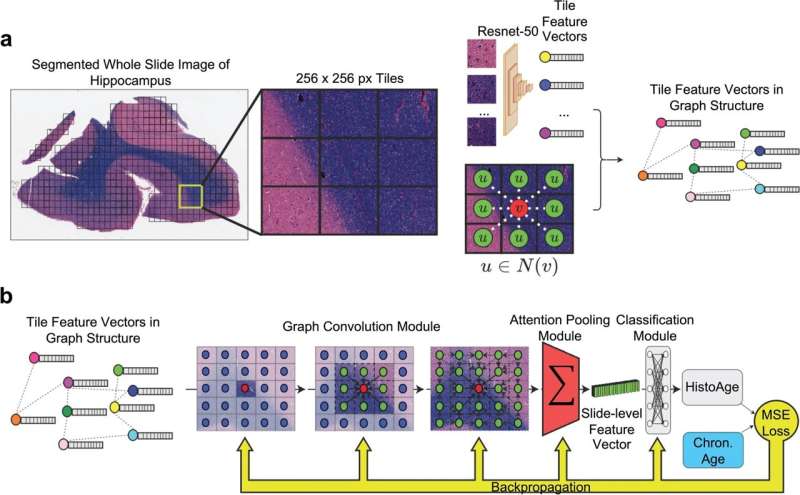
Schematic of preprocessing and model training

Researchers have, for the first time ever, used AI to develop an algorithm they term “HistoAge” which predicts age at death based on the cellular composition of human brain tissue specimens with an average accuracy of within 5.45 years. This powerful tool can also identify neuroanatomical regions vulnerable to age-related changes, an indicator of potential cognitive diseases.

Scientists have uncovered why night shift work is associated with changes in appetite. The findings could help the millions of people who work through the night and struggle with weight gain.

The brain circuitry disrupted in Alzheimer’s disease appears to influence memory through a type of brain wave known as theta oscillation, a team of researchers report. The findings, published in Nature Communications, could help researchers design and evaluate new treatments for Alzheimer’s, a condition that affects millions of people around the globe and has no cure.

A new study suggests that a healthy heart may help prevent Alzheimer’s—and this gives hope for new treatments.

Researchers have shown the potential of a new gene therapy approach to silence human sensory neurons (nerve cells) as a means of treating persistent pain. Many current drugs for chronic pain are highly addictive, which makes it important to discover new alternatives.

Scientists have developed new tools, based on AI language models, that can characterize subtle signatures in the speech of patients diagnosed with schizophrenia.

Can plant-derived nutrients alter gut bacteria to affect brain function? A team of scientists investigated this question in a study of overweight adults. Their findings, published in the journal Gut, suggest that dietary fiber can exert influence on both the composition of gut bacteria and the reward signals in the brain and associated food decision-making.

New guidance has been issued for clinicians on the determination of brain death, also known as death by neurologic criteria

Researchers have shown it is possible to detect tell-tale signs of Parkinson’s disease 20–30 years before symptoms appear. Their work opens the door to screening programs and preventative treatments long before irreversible damage is done.

Finally this week, there is evidence that some form of conscious experience is present by birth, and perhaps even in late pregnancy, an international team of researchers has found.

Weekly Neuroscience Update

New research suggests that the brain of a bilingual person who knows two alphabets is different from that of a bilingual person who only knows one alphabet. The differences occur in a region called the visual word form area (VWFA).

A new study reports chronic infections of the upper gastrointestinal tract could be linked to Parkinson’s disease. Researchers say alpha synuclein, a Parkinson’s linked protein, is released during upper GI infections, inducing an immune response. Findings suggest frequent chronic infections could overwhelm the body’s ability to remove the protein, leading to the onset of Parkinson’s.

New research has found significant changes in fathers’ brains between the prenatal and the postpartum period. The main changes occurred in cortical areas associated with visual processing, attention, and empathy toward their baby.

A novel deep learning method that uses graph convolutional neural networks (gCNNs) can predict cognitive function based on the brain’s size and structure. The algorithm may provide insights into the relationship between brain morphology and different cognitive functions, as well as declines in cognitive function.

A study led by researchers at the Hospital del Mar Medical Research Institute links psychological trauma in childhood with an increased risk of developing some kind of mental disorder years later.

Music can induce a range of emotions and help us to better understand different cultures. But what is it that makes us tune in to some songs more than others? Researchers say when we listen to a song, our brains predict what happens next, and that prediction dictates whether we like that song or not.

Finally this week, a new study published by University of Oxford researchers in JMIR Pediatrics and Parenting, shows that although many school-age adolescents are spending considerable time gaming, it is not having a negative impact on their well-being.

World First: Aquatic Therapy Guidelines for Parkinson’s Disease [Infographic]

I’m delighted to share the recent publication of new international aquatic therapy guidelines for Parkinson’s disease – a world-first in achieving international consensus on the evidence-based application of aquatic therapy in the treatment of the illness.

Aquatic therapy involves water immersion as an exercise and rehabilitation medium to improve the physical capacity and psychosocial wellbeing of those living with Parkinson’s disease. Positive effects include reduced disability with improved mobility and balance in those with mild to moderate illness. 

The guidelines are based on robust research evidence, the opinions of people living with the illness, and on practice-based expertise stemming from international expert consensus. The inclusion of a panel of patient stakeholders in the research process gave added strength and depth to the aquatic therapy practice guidelines by ensuring that the new guidelines could be tailored to individual patient abilities and needs.

Another key strength of this research was the development of guidelines based on evidence-based practice, which is often missing from clinical practice settings. This is because healthcare professionals often have limited time to review all the available literature and work within the ideals of evidence-based practice.

In another innovation, the guidelines were published in the Journal of Parkinson’s Disease as a  two-page guideline infographic specifically designed for easy dissemination via social media platforms. 

This infographic provides internationally agreed practical, systematic guide to clinicians in implementing an effective therapy programme tailored to individual patient needs.

aquatic therapy parkinsons

Notes & References

[1] Carroll, L.M., Morris, M.E., O’Connor, W.T., Volpe, D., Salsberg, J., and Clifford, A.M. (2021) ‘Evidence-based aquatic therapy guidelines for Parkinson’s disease: an international consensus study,’ Journal of Parkinson’s disease, 12, 621-637, available: doi.org/10.3233/JPD-212881 

[2] Carroll, L.M., Morris, M.E., O’Connor, W.T. and Clifford, A.M. (2021) ‘Community Aquatic Therapy for Parkinson’s Disease: An International Qualitative Study’, Disability and Rehabilitation, available: doi.org/10.1080/09638288.2021.1906959. 

[3] Carroll, L.M., Morris, M.E., O’Connor, W.T. and Clifford, A.M. (2020) ‘Is aquatic therapy optimally prescribed for Parkinson’s disease? A Systematic Review and Meta-Analysis’, Journal of Parkinson’s disease, 10(2), 59-76, available: doi.org/10.3233/JPD-191784

Weekly Neuroscience Update

Credit: PLOS Pathogens (2022). DOI: 10.1371/journal.ppat.1010339

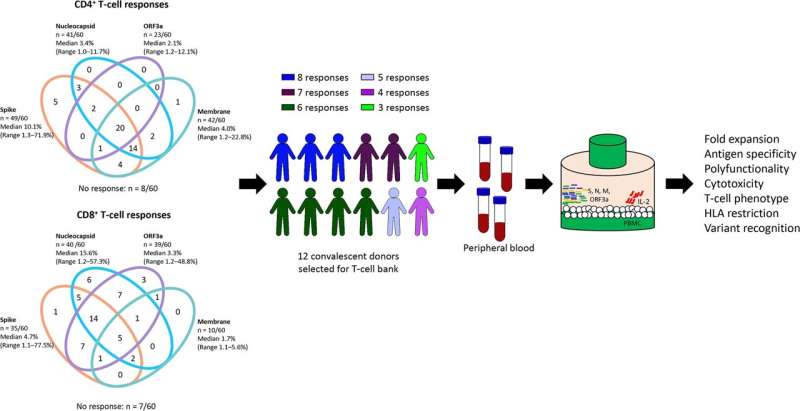
New research is providing hope to immunocompromised people who are vulnerable to COVID-19. Scientists have discovered promising evidence that T cell immunotherapy could help them to fight against multiple strains of the virus.

Treatments integrating music and auditory beat stimulation are effective in reducing state anxiety in some patients, according to a new study published in the open-access journal PLOS ONE.

The underlying molecular mechanisms that promote autoimmune diseases are multilayered and complex. Now, scientists have succeeded in deciphering new details of these processes. Their work supports the notion that excessive consumption of glucose directly promotes the pathogenic functions of certain cells of the immune system and that, conversely, a calorie-reduced diet can have a beneficial effect on immune diseases.

Teens who had an insecure attachment to their mothers as toddlers are more likely to overestimate the trustworthiness of strangers, a new study reports.

A new study reveals that oleic acid produced in the brain is an essential regulator of the process that enables learning and memory and supports proper mood regulation. The finding has paved the path to discovering potential new therapeutic strategies to counteract cognitive and mood decline in patients with neurological disorders.

A small study found people who received lithium, a drug commonly associated with the treatment of bipolar disorder, are less likely to develop dementia.

Scientists have found that people with Parkinson’s disease have a clear “genetic signature” of the disease in their memory T cells. The scientists hope that targeting these genes may open the door to new Parkinson’s treatments and diagnostics.

If you are forgetful or make mistakes when in a hurry, a new study found that meditation could help you to become less error-prone.

Older adults who take statin drugs have a lower risk of developing Parkinson’s disease or parkinsonism symptoms later in life compared to those who do not take statins. Researchers speculate this may be because statins have a neuroprotective effect on arteries in the brain.

Finally this week, researchers have developed a new, fully automated prosthetic arm that learns during normal use and adapts to varying conditions.

Weekly Neuroscience Update

Credit: Oxford University

Researchers at Oxford University have implanted a novel closed-loop research platform for investigating the role of the pedunculopontine nucleus (PPN)—a brainstem nucleus—in Parkinson’s-like Multiple Systems Atrophy (MSA).

Your brain remains as nimble as ever until you hit your 60s, according to a report published in the journal Nature Human Behaviour.

A team of researchers has developed a way to create a molecular map of the human blood-brain barrier. In their paper published in the journal Nature, the group describes how they created their map and what it revealed about disorders such as Alzheimer’s disease.

Brain organization differs between boys and girls with autism, according to a new study from the Stanford University School of Medicine.

Children with insomnia symptoms are likely to persist with them as young adults and are significantly more likely to develop an insomnia disorder in early adulthood compared to children who do not have difficulty sleeping, according to new research.

A specific group of fungi residing in the intestines can protect against intestinal injury and influence social behavior, according to new preclinical research.

The University of Oulu Functional Neuroimaging research group has for the first time succeeded in describing how the various types of pulsations in the human brain change when a person sleeps. Brain pulsation changes during sleep and their role in brain clearance have not been previously studied in humans. The results of the study may also help understand the mechanisms behind many brain diseases.

Finally this week, selenium, a natural mineral found in grains, meats, and nuts can reverse cognitive impairment following a stroke and improve learning and memory in the aging brain.

Weekly Neuroscience Update

New artificial intelligence technology reveals previously unknown cell components. The findings may shed new light on human development and diseases.

A new mathematical model explains how the brain has the ability to continuously acquire new skills, specifically movement-based skills, without forgetting or degrading old ones. The theory, dubbed COIN, suggests identifying current context is key to learning how to move our bodies when acquiring skills.

Playing video games that are heavy on action can make you better at some new tasks. New research reveals that these games are helping by teaching players to be quicker learners.

The “background noise” in the brain disrupts long-memory signals by neurons. This noise interrupts the consistent rhythm of long-memory alpha wave signals in people experiencing identity confusion.

Memory errors may indicate a way in which the human cognitive system is optimally running, researchers say.

Housework is linked to sharper memory, attention span, and better leg strength, and by extension, greater protection against falls, in older adults, finds research published in the open access journal BMJ Open.

Repetitive transcranial magnetic stimulation (rTMS) can be used to modulate brain rhythms and cognitive behaviors related to “giving up” during problem-solving tasks.

New research reveals that specialized cells within neural circuitry that triggers complex learning in songbirds bears a striking resemblance to a type of neural cell associated with the development of fine motor skills in the cortex of the human brain.

Finally this week, a new study links a propensity to binge-watch TV shows with personality traits. Researchers found those who lack impulse control and emotional clarity are most likely to binge-watch a television series.


Weekly Neuroscience Update

Image Credit: Dartmouth College

Distinct information about familiar faces is encoded in a neural code that is shared across brains, according to a new study published in the Proceedings of the National Academy of Sciences.

A new study conducted in adults with a history of childhood maltreatment showed that two groups – those with a history of sexual abuse and those with posttraumatic stress disorder (PTSD) – had reduced brain connectivity in the attention systems known as the ventral and dorsal attention network (VAN-DAN).

New findings reveals dopamine neurons that play a role in learning and memory also drive motivation.

For the first time, researchers have used human data to quantify the speed of different processes that lead to Alzheimer’s disease and found that it develops in a very different way than previously thought. Their results could have important implications for the development of potential treatments.

Musical therapy can help to improve fine motor skills in patients with Parkinson’s disease according to new research. 

A genetic predisposition for depression combined with exposure to high-particulate-matter air pollution greatly elevates the risk that healthy people will experience depression, according to a first-of-its-kind study published in the Proceedings of the National Academies of Sciences (PNAS).

Recently published research found people who continued to spend a higher amount of time sitting between April and June 2020 were likely to have higher symptoms of depression.

A new study, published in the International Journal of MS Care, found that the vibration training improved not only physical symptoms associated with multiple sclerosis, such as increased walking speeds, but also cognitive functions, such as memory capacity and executive function.

A newly developed AI algorithm can directly predict eye position and movement during an MRI scan. The technology could provide new diagnostics for neurological disorders that manifest in changes in eye-movement patterns.

A team of researchers has found a possible connection between depression and anxiety for IBD patients and the vascular barrier in the brain choroid plexus closing. In their paper published in the journal Science, the group describes their study of the gut-brain axis response to inflammation and its link to psychiatric illnesses.

Researchers have created the first body map of sensations experienced during hallucinations in people experiencing psychosis.

Recent resarch reveals the severity of PTSD symptoms was associated with fewer risky choices and increased activation of the amygdala. Decreased activity in the ventral striatum, an area of the brain associated with processing positive valence such as reward, predicted more severe PTSD symptoms 14 months post-trauma.

Finally this week, people who consume a diet containing anti-inflammatory foods, including fruits, vegetables, and coffee, are less likely to develop dementia as they age, a new study reports.


Weekly Neuroscience Update

Bacterial curli promotes the aggregation of α-synuclein through cross-seeding, which leads to mitochondrial stress and neurodegeneration. Credit: The University of Hong Kong

Growing evidence indicates that gut microbiota plays a critical role in regulating the progression of neurodegenerative diseases such as Parkinson’s disease (PD) and Alzheimer’s disease (AD), but the molecular mechanism underlying such microbe-host interaction is still unclear. Now a research team at the University of Hong Kong (HKU) has discovered that bacteria-derived curli amyloid fibril promotes neurodegeneration in the host. This new study provides direct evidence to suggest that bacteria can secrete proteins that form an amyloid fibril, which enters the host neurons and promotes protein aggregation and neurodegeneration. Inhibiting the ability of the bacteria to secrete such proteins may be a preventative treatment for neurodegenerative diseases. 

Unusual visual inspection of objects by infants 9 months of age and older is predictive of a later diagnosis of autism spectrum disorder (ASD), new research has found.

A team of scientists recently published intriguing research on a tiny, splinter-like brain implant that doctors can slide deep into the folds of the brain and use to restore both muscular control over and sensation from a paralysis patient’s limbs.

A new study has found a new way to look at brain networks using the mathematical notion of fractals, to convey communication patterns between different brain regions as people listened to a short story. 

An experimental gene therapy that involves injecting CRISPR therapy directly into visually impaired patients’ eyeballs has vastly improved most volunteers’ vision — even allowing some to see color more vividly than ever before.

Preliminary new findings are raising concerns about the long-term effect of mild COVID-19 infection on neurological health and cognition.

Use of menopausal hormone therapy (MHT, also known as hormone replacement therapy, HRT) is not associated with an increased risk of developing dementia, regardless of hormone type, dose, or duration, concludes a large UK study.

Recent research provides empirical evidence to show the brain’s predictive ability forms the basis for musical phrasing.

Memories of past events and experiences are what define us as who we are, and yet the ability to form these episodic memories declines with age, certain dementias, and brain injury. However, a new study shows that low frequency repetitive transcranial magnetic stimulation—or rTMS—delivered over the left prefrontal cortex of the brain can improve memory performance by reducing the power of low frequency brain waves as memories form.

Finally this week, a new brain imaging study shows that the hippocampus is the brain’s storyteller, connecting separate, distant events into a single narrative.


Weekly Neuroscience Update

Microglial cells – (blue: the cell nuclei) can join together using tubular projections (red) to degrade dangerous proteins in a division of labor. Credit: AG Heneka/University of Bonn

To break down toxic proteins more quickly, immune cells in the brain can join together to form networks when needed. However, certain mutations associated with Parkinson’s disease can impair this process.

New work shows that neurons and other brain cells use DNA double-strand breaks, often associated with cancer, neurodegeneration and aging, to quickly express genes related to learning and memory.

New research has identified specific drug targets within the neural circuits that encode memories, paving the way for significant advances in the treatment of a broad spectrum of brain disorders.

Pioneering research shows that dopamine levels increase in response to stressful stimuli, and not just pleasurable ones, potentially rewriting facts about the “feel-good” hormone—a critical mediator of many psychiatric diseases. This discovery is cause to rethink treatment for psychiatric disease and addiction.

A new study links viral infections including mononucleosis and pneumonia experienced during adolescence with an increased risk of developing multiple sclerosis.

Researchers have discovered a new gene therapy pathway that has uncovered an important regulatory mechanism to keep our genome healthy. This pathway has the potential to protect us against serious life-limiting diseases such as cancer and dementia.

Neuroscientists have discovered specific types of neurons within the memory center of the brain that are responsible for acquiring new associative memories.

Amyloid protein made in the liver can cause neurodegeneration in the brain, according to a new study in the open-access journal PLOS Biology. Since the protein is thought to be a key contributor to development of Alzheimer’s disease (AD), the results suggest that the liver may play an important role in the onset or progression of the disease.

Higher glucose levels detected by a two-hour glucose test were an accurate predictor of poorer performance in tests of episodic memory ten years later, according to new research

A worsening cardiovascular profile after menopause may contribute to the fact that women are disproportionately affected by dementia. A new study identified a link between cardiovascular fat volume and radiodensity and cognitive function, as well as racial differences in this association.

Finally this week, a new study finds dopamine increases responses to stressful stimuli, not just pleasurable ones. The findings could have implications for the treatment of mental health disorders and addiction.