Weekly Neuroscience Update

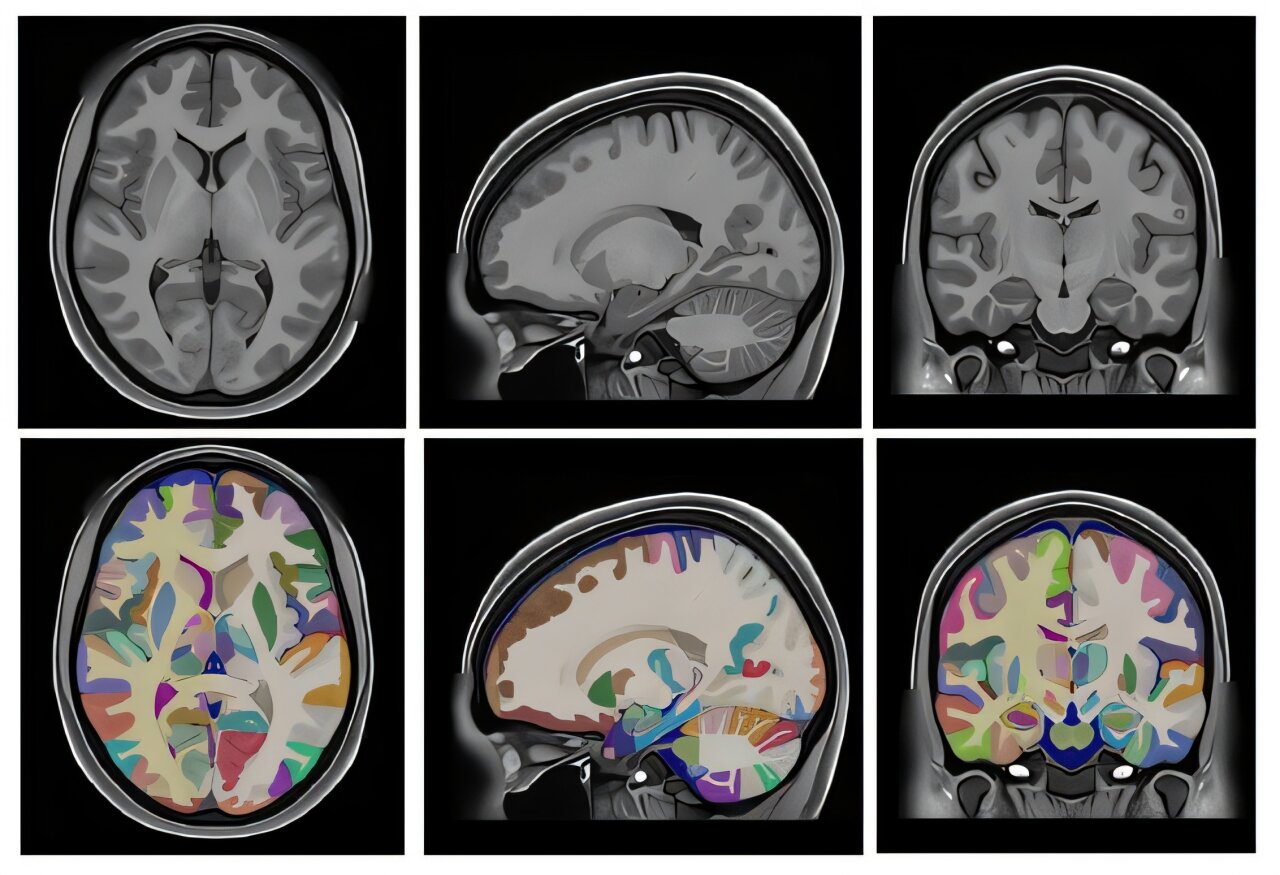
Brain structural (MRI) scans from a selection of individuals from the Lothian Birth Cohort 1936 taken during Wave 2 (when all participants were about 73 years old). Credit: Ian J. Deary

A 25-year research program has unveiled key insights into how our brains age and what factors influence cognitive performance throughout life. The findings, published on 7 November 2024 in Genomic Psychiatry, draw from the Lothian Birth Cohorts (LBC) studies, which uniquely tracked participants’ cognitive abilities from childhood through their eighth decade of life.

A team of researchers has uncovered a mechanism in the formation of harmful protein aggregates that lead to neurodegenerative diseases such as Parkinson’s disease.

People with stronger autistic traits exhibit distinct and highly effective exploration patterns, according to a new study. These individuals tend to persist longer in curiosity-driven tasks, leading to better overall performance. In the study, participants with higher autistic traits explored consistently, even when faced with challenging learning environments, while those with lower traits engaged more briefly.

A new study shows how gut bacteria play a key role in regulating stress by interacting with circadian rhythms, opening possibilities for microbiome-based therapies for mental health.

Research led by the University of Michigan has provided compelling evidence that could solve a fundamental mystery in the makeup of fibrils that play a role in Alzheimer’s, Parkinson’s and other neurodegenerative diseases.

Researchers have developed tiny, wireless devices capable of wrapping around individual neurons, potentially aiding in the treatment of neurological disorders like multiple sclerosis.

A new international study has brought to light how blood sugar control can significantly impact brain health. The study suggests that improved blood sugar control could be one of the most important factors in slowing down age-related brain changes.

People with schizophrenia show distinct brain activity when faced with conflicting information, new research finds.

Finally this week, poor sleep quality may be associated with incidental, but not prevalent, motoric cognitive risk syndrome (MCR), a predementia syndrome characterized by slow gait speed and cognitive complaints, according to a study published in Neurology.

Weekly Neuroscience Update

Reading Pleasure and Pain from the Brain

Functional brain networks that are connected to the affective intensity and valence information. Left: The affective valence information is connected to the limbic and default mode networks, and the affective intensity information is connected to the ventral attention network. Right: The probability that the affective intensity and valence is connected to each of seven functional brain networks. Credit: Proceedings of the National Academy of Sciences (2024).

A team of researchers has revealed how the brain processes emotional information of sustained pain and pleasure.

Scientists have uncovered the inner relay of a molecular switch that protects the brain against the development of Parkinson’s disease. The research provides new potential strategies to develop drugs that may benefit patients with Parkinson’s.

Brain-to-brain technology boosts brain-computer interface performance, a new study demonstrates.

Researchers have identified, for the first time, disease-specific reduction in emotional expressivity in Lewy body dementia by quantifying vocal expression of emotions using deep neural network techniques. This reduction in vocal emotional expressions was associated with cognitive impairment and specific brain region atrophy and could serve as a distinguishing factor for individuals with Lewy body dementia.

A new study finds the timing of brain waves shapes the words we hear.

New research has given a precise picture of young children’s developing brains, using a wearable brain scanner to map electrical brain activity. The work opens up new possibilities for tracking how critical developmental milestones, like walking and talking, are underpinned by changing brain function, and how neurodevelopmental conditions like autism emerge.

A new AI technique can identify seizure types, including rare forms of epilepsy.

A new study reveals that a poor quality diet may lead to brain changes associated with depression and anxiety. Researchers found that unhealthy eating habits reduce grey matter and alter neurotransmitter levels in the brain.

Research sheds new light on the contribution of dopamine to reinforcement learning.

A new study uncovered neural mechanisms used in planning, revealing an interplay between the prefrontal cortex and hippocampus. The study shows how the brain imagines future outcomes to guide decisions.

Losing the ability to smell properly—a common sensory deficit as people age—may help predict or even contribute to the development of heart failure, new research suggests.

A new study reveals that the main psychoactive component in cannabis or marijuana disrupts the normal connections and activity of the brain’s prefrontal cortex, a region that is crucial for decision-making and self-control.

Finally this week, people tend to underutilize their visual working memory rather than maxing out its capabilities according to new research.

Weekly Neuroscience Update

 Credit: Radiological Society of North America

Low-level light therapy appears to affect healing in the brains of people who suffered significant brain injuries, according to a study published in Radiology.

An international team of clinicians and neuroscientists has published a new perspective on the process of neurodegeneration. Their findings review evidence for a mechanism upstream of amyloid including the key neurochemical driving this process.

A new study reveals the brain mechanisms behind speech impairment in Parkinson’s disease.

Researchers designed and implanted a transparent window in the skull of a patient, then used functional ultrasound imaging to collect high-resolution brain imaging data through the window. Their preliminary findings, published in Science Translational Medicine, suggest that this sensitive, non-invasive approach could open new avenues for patient monitoring and clinical research, as well as broader studies of how the brain functions.

New research finds that reports of cognitive decline from patients and their partners are linked to the accumulation of tau tangles, a hallmark of Alzheimer’s disease.

A new study finds a link between a diet high in ultra-processed foods and an increased risk of cognitive impairment and stroke. This association was particularly pronounced among Black participants. While more research is needed, the findings highlight the potential impact of food processing on brain health.

New research has found a distinct relationship between sleep duration, social media usage, and brain activation across brain regions that are key for executive control and reward processing.

For patients with chronic migraine, nerve decompression surgery effectively reduces the number of headache days—the outcome measure preferred by neurologists—along with other measures including the frequency and intensity of migraine attacks, reports a study in the June issue of Plastic and Reconstructive Surgery.

A new study uncovers a key biological process targeted by SSRIs, suggesting new clinical applications.

Researchers have reported that patients with Parkinson’s disease exhibiting sympathetic denervation in the major salivary glands and the heart tend to have more advanced non-motor symptoms as they age, suggesting that age plays an important role in disease progression.

An international study, published in Nature Communications, may facilitate the creation of new personalized treatments for people diagnosed with schizophrenia. 

A World Health Organization-commissioned systematic review finds that radio wave exposure from mobile phones does not affect learning, memory, attention span and other cognitive functions like coordination.

Researchers have leveraged the power of artificial intelligence analytical models to match a patient’s medical history to the most effective antidepressant, allowing patients to find symptom relief sooner.

A new study finds a strong association between teen cannabis use and a significantly increased risk of developing psychotic disorders. This risk appears to be age-dependent, with adolescents being particularly vulnerable to the effects of cannabis on their developing brains. While further research is needed, these findings raise concerns about early cannabis use and highlight the importance of prevention strategies.

Does sleep clear more toxins from the brain than when we’re awake? The latest research casts doubt on the theory.

A new study finds that urolithin A, a substance found in pomegranates, can improve memory and may help treat Alzheimer’s disease. This natural compound works by removing damaged mitochondria from the brain, similar to the effects of NAD supplements. While dosage is still being determined, this discovery offers promising potential for treating and preventing neurodegenerative diseases.

Finally this week, our willingness to help others is governed by a specific brain region pinpointed by researchers in a study of patients with brain damage to that region.

Weekly Neuroscience Update

Massively parallel characterization and prediction of gene regulatory activity in the developing brain. Credit: Science (2024).

Scientists have leveraged machine learning to decode gene regulation in the developing human brain.

A new study has unveiled the most detailed view of the complex biological mechanisms underlying autism, showing the first link between genetic risk of the disorder to observed cellular and genetic activity across different layers of the brain.

Researchers have identified the unique features of an exceptionally rare set of childhood brain tumors—a discovery that could pave the way for more effective treatments.

Scientists have found that a new class of light-sensitive proteins are capable of turning off brain cells with light, offering scientists an unprecedentedly effective tool to investigate brain function. The study, published in Nature Communications, opens exciting new opportunities to apply optogenetics to investigate the brain activity underlying neurodegenerative and psychiatric disorders such as Parkinson’s disease and depression.

A new study suggests that increased nightmares and hallucinations can signal the onset of autoimmune diseases like lupus.

Researchers are investigating the connection between gut bacteria and Alzheimer’s disease. They believe harmful metabolites from bad bacteria can travel to the brain, causing inflammation and potentially triggering dementia.

Nostalgic music activates brain areas linked to memory, reward, and self-processing. This discovery could help improve the quality of life for those with dementia.

A new study finds widespread differences in brain development between autistic boys and girls ages 2-13. The study found that girls have a thicker cortex at age 3 and faster cortical thinning into middle childhood compared to boys.

A research team has made a major stride in using AI to replicate how the brain organizes sensory information to make sense of the world, opening up new frontiers for virtual neuroscience.

Researchers who have studied how dehydration affects cognitive performance found that even mild dehydration can diminish a person’s ability to pay attention to tasks over time. The findings underscore the importance of proper hydration to the healthy functioning of people as they age.

By exploring the effects of sport on memory, scientists have discovered compensatory mechanisms in the brains of young individuals at genetic risk of developing Alzheimer’s disease.

A new 3D model shows how implantable stimulators—the kind used to treat chronic pain—can target neurons that control specific muscles to provide rehabilitation for people with neurological disorders such as stroke and spinal cord injuries.

A new study published in the journal Brain has identified a specific brain network hub that plays a key role in stuttering.

Regular high caffeine consumption affects dopamine function in patients with Parkinson’s disease, shows a new international study. Caffeine consumption before undergoing diagnostic brain dopamine imaging may also affect the imaging results. The research results were published in the Annals of Neurology.

Finally this week new research shows aging reduces sensitivity and discriminative ability for heat pain, but not pressure pain. 

Weekly Neuroscience Update

Graphical summary of the methodological framework of the study. Credit: Nature Medicine (2023)

The most common type of brain cyst (arachnoid) has no known cause. New research investigating patients with these cysts has found something unexpected—a potential genetic link.

As we age, most of us tend to stop paying attention to new music and stick with the songs from our past. Researchers explored why we narrow our horizons for exploring new music as we age and say listening to new tracks can help create new memory bonds and experience new pleasures.

Adding to the growing body of evidence on sleep disturbances and cognitive impairment, new research finds significant links between three measures of sleep disturbance and the risk for developing dementia over a 10-year period.

A new study confirms that brain development in people with autism differs from those with typical neurodevelopment. According to the study published in PNAS, these differences are linked to genes involved in inflammation, immunity response and neural transmissions. They begin in childhood and evolve across the lifespan.

New research that focused on nutrition and mental health of adolescent athletes found an association between high protein consumption and a decrease in symptoms of depression.

Infants who are born preterm do not habituate to repeated pain the same way in which full-term babies or adults do. Researchers believe this is because preterm infants have not yet developed the mechanism that enables people to adapt to moderate pain, which is thought to develop during the third trimester of pregnancy.

Finally this week, a new study that focused on the nutrition and mental health of adolescent athletes found an association between high protein consumption and a decrease in symptoms of depression.

Weekly Neuroscience Update

New research has revealed how acute stress can affect the connectivity of different brain regions, leading to increased neural activity and changes in behavior.

New research has found that sleep has a crucial role in preparing the body to fight off infections. During sleep, the immune system produces cytokines, which help in fighting infections, inflammation, and stress. In contrast, sleep deprivation can weaken the immune system and increase the likelihood of getting sick. The study also found that sleeping for longer periods before an infection occurs can improve the chances of fighting it off.

A research team has found that people with chronic pain in multiple parts of the body had a higher risk of dementia and experienced broader and faster cognitive decline, including memory, executive function, learning, and attention.

Researchers have discovered how changes in blood vessels in the eye can be used to predict the progression of age-related macular degeneration (AMD), a leading cause of blindness. The researchers used high-resolution imaging techniques to measure the density of blood vessels in the retina of patients with AMD. They found that decreased blood vessel density in certain areas of the retina was associated with the progression of the disease.

A new study has identified changes in the levels of certain proteins in the blood of women with perinatal depression (depression during pregnancy or after childbirth).

A new brain connection discovered by researchers can explain how early-life stress and adversity trigger disrupted operation of the brain’s reward circuit, offering a new therapeutic target for treating mental illness. Impaired function of this circuit is thought to underlie several major disorders, such as depression, substance abuse and excessive risk-taking.

A study at the University of Tsukuba in Japan has found that routine exercise helps prevent cognitive impairment in older adults, with exercising alone being beneficial, but exercising with others having an even greater positive effect.

Although investigators have made strides in detecting signs of Alzheimer’s disease using high-quality brain imaging tests collected as part of research studies, a research team has developed an accurate method for detection that relies on routinely collected clinical brain images. The advance could lead to more accurate diagnoses.

Finally, this week, seizures can be predicted more than 30 minutes before onset in patients with temporal lobe epilepsy, opening the door to a therapy using electrodes that could be activated to prevent seizures from happening, according to new research.

Weekly Neuroscience Update

Can people who understand the emotions of others better interpret emotions conveyed through music? A new study by an international team of researchers suggests the abilities are linked. People who are more accurate at reading another person’s emotions are better able to understand what a musician is trying to convey through their compositions. Additionally, those with higher empathetic accuracy are better able to feel the emotions conveyed through music.

A team of researchers affiliated with several institutions in the U.S. has identified a subtype of brain cells that die in Parkinson’s patients.

Elevated levels of PHGDH in the blood could signal the earliest stages of Alzheimer’s disease. Researchers caution older adults against using “brain-boosting” supplements that contain serine due to its link to PHGDH. As PHGDH is a key enzyme in serine production, elevated PHGDH levels result in increased serine levels in the brain.

A new study examines the role of a brain area called the anterior superior temporal sulcus (aSTS) in forgiving those who make unintentional mistakes.

Using artificial intelligence technology, researchers have identified both risk and protective factors for depression in middle-aged to older adults. Social isolation, the study found, was the biggest risk factor for depression, followed by mobility difficulties and health issues.

Could there be a link between cognitive decline and excessive daytime napping? New research published in Alzheimer’s and Dementia suggests a potential connection.

Stimulating the vagus nerve, which provides a direct link between the gut and brain, makes people pay less attention to sad facial expressions according to new research published in the journal Neuroscience.

A new study reveals a mechanism that appears to reverse the build-up of protein aggregates by refolding them, rather than removing them.

Researchers found idiopathic autism occurs as the result of epigenetic abnormalities in hematopoietic cells during fetal development, leading to immune dysregulation in the brain and gut.

A specific Parkinson’s related gene could be a driver behind vocal production problems associated with the disease. The findings could lead to earlier diagnosis and treatment of Parkinson’s disease.

Finally this week by scanning the brains of 24 people actively suppressing a particular memory, researchers found a neural circuit that detects, inhibits, and eventually erodes intrusive memories.

Weekly Neuroscience Update

Researchers have developed a new method of measuring axons using MRI neuroimaging.

People with autism spectrum disorder (ASD) appear to suffer malfunctions in a cell that produces a special coating around nerve fibers that facilitates efficient electrical communication across the brain. 

New findings about dopaminergic neurons in the striatum could have implications for treating Parkinson’s disease and Tourette syndrome.

Researchers have found that it is possible to assess a person’s ability to feel empathy by studying their brain activity while they are resting rather than while they are engaged in specific tasks.

Boys who exhibit inattention-hyperactivity by age 10 have an increased risk for traumatic brain injury later in life.

Combining fMRI and behavioral data, researchers examined gender identity in cisgender and transgender individuals using a new machine learning algorithm. The AI identified at least nine dimensions of brain-gender variation.

New research has provided insights into why people often make unrealistic plans that are doomed to fail.

Finally this week, a new study has found that dopamine — a neurotransmitter that plays an important role in our cognitive, emotional, and behavioral functioning — plays a direct role in the reward experience induced by music. The findings have been published in the Proceedings of the National Academy of Sciences.

Weekly Neuroscience Update

Is music really a “universal language”? Two articles in Science support the idea that music all around the globe shares important commonalities, despite many differences.

Researchers studying six adults who had one of their brain hemispheres removed during childhood to reduce epileptic seizures found that the remaining half of the brain formed unusually strong connections between different functional brain networks, which potentially help the body to function as if the brain were intact. 

Excessive exposure to certain antibiotics can predispose a person to Parkinson’s disease, with a delay of onset of up to 15 years.

Findings debunk the common theory that attention is the only cognitive function affected by sleep deprivation. Lack of sleep also hinders a person’s ability to complete activities that require following multiple steps.

A new study reveals how the insular cortex helps assess and predict physiological states of the body. The findings shed light on the neural basis for interoception.

Finally this week, neuroscientists have discovered how the listening brain scans speech to break it down into syllables. The findings provide for the first time a neural basis for the fundamental atoms of language and insights into our perception of the rhythmic poetry of speech. 

Could your brain repair itself?

Imagine the brain could reboot, updating its damaged cells with new, improved units. That may sound like science fiction — but it’s a potential reality scientists are investigating right now. Ralitsa Petrova details the science behind neurogenesis and explains how we might harness it to reverse diseases like Alzheimer’s and Parkinson’s.