Neuroscience has always faced the monumental task of understanding the complexities of the human brain. A recent study has made significant progress in unraveling these complexities, focusing on the chemical neuromodulators dopamine and serotonin, and their roles in decision-making during social interactions.
The Study
The study involved Parkinson’s disease patients who were awake during brain surgery. These patients participated in the “ultimatum game,” a scenario that tests human decision-making in the face of varying monetary offers from both computers and humans. The findings revealed a fascinating insight: people are more inclined to accept unfair offers from computers than from human counterparts. This suggests a unique aspect of human social behavior, closely linked to the interaction between dopamine and serotonin in the brain.
Dopamine and Serotonin: The Dynamic Duo
Researchers found that dopamine levels fluctuate based on the comparison of current offers to previous ones, acting as a continuous tracking system. Meanwhile, serotonin focuses on the current offer’s value. This interaction becomes particularly pronounced in social settings, where the concept of fairness influences dopamine levels, indicating a higher value placed on human interactions over those with computers.
Technological Advancements
The use of advanced carbon-fiber electrodes allowed researchers to measure multiple neurotransmitters simultaneously, enabling the differentiation between dopamine and serotonin dynamics. This provides a clearer picture of how these chemicals influence decision-making in social contexts.
Implications of the Research
Parkinson’s Disease: For patients with Parkinson’s disease, this study opens new pathways to understanding the disease’s progression and its impact on social behavior. The interaction between dopamine and serotonin, especially in the context of Parkinson’s, could lead to better treatment options.
Psychiatry: This research has broader implications for the field of psychiatry and the treatment of psychiatric conditions. By adding precision and quantification to our understanding of neurotransmitter dynamics, the study paves the way for developing more effective treatments.
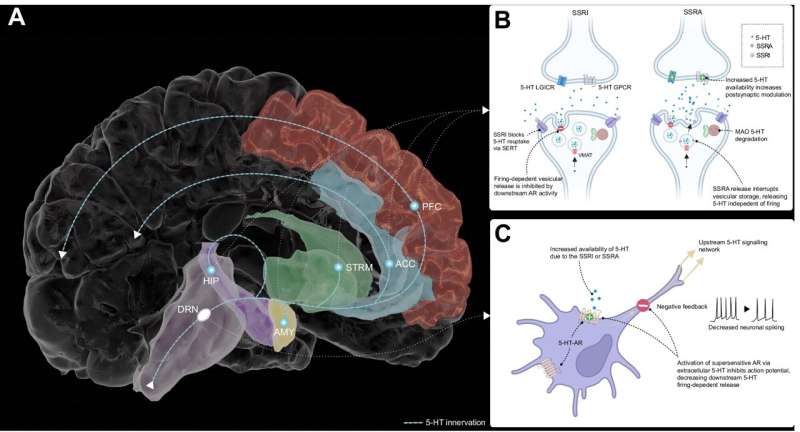
Selective serotonin releasing agent is not negated by 5-HT1A supersensitivity, resulting in a rapid onset of pro-serotonergic activity. Credit: Nature Communications (2024).
Increasing serotonin can change how people learn from negative information, as well as improving how they respond to it, according to a new study published in the journal Nature Communications.
A recent review outlines the genetic complexity of schizophrenia, highlighting nearly 300 common genetic variants and over 20 rare variants linked to the disorder. Researchers emphasize that schizophrenia’s genetic basis is multifaceted, involving multiple genes rather than a single cause. Environmental factors like lifestyle and stress also play crucial roles.
Researchers have conducted a study examining the impact of alcohol on the electrical conductivity of the brain, highlighting its sedative effects.
New research indicates that 20% of children with an older sibling diagnosed with autism are also likely to be diagnosed with autism spectrum disorder (ASD), with this rate increasing to 36% when there are multiple siblings with ASD.
An international team of researchers has investigated the neural mechanisms underlying imitative behavior: a phenomenon that facilitates interaction and social cohesion and allows people to engage spontaneously with others. The study—published in Proceedings of the National Academy of Sciences (PNAS)—has uncovered new insights into how the brain regulates this behavior, opening up new perspectives for clinical and therapeutic applications.
Advanced MRI scans, particularly diffusion tensor imaging (DTI), have shown promise in predicting which concussion patients are at risk for long-term symptoms.
A significant breakthrough in the understanding of sleep mechanism opens new promise for treating sleep disorders and associated neuropsychiatric conditions: Scientists have pinpointed the melatonin receptor MT1 as a crucial regulator of REM (Rapid Eye Movement) sleep.
Innovative new research has revealed that the activity of different versions of genes expressed in the brain is associated with the accumulation of the protein tau, which is a hallmark of Alzheimer’s disease.
Finally this week, western classical music can significantly affect brain activity, particularly in people with treatment-resistant depression. By measuring brainwaves and neural imaging, scientists discovered that music synchronizes neural oscillations between brain regions associated with sensory and emotional processing, enhancing mood.
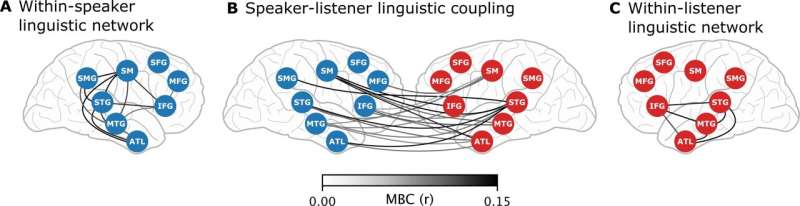
Coupling between speaker and listener brains. Credit: Neuron / Zada et al.
When two individuals interact, their brain activities tend to synchronize. Previously, it was uncertain how much of this “brain-to-brain coupling” resulted from linguistic information versus other factors like body language or tone of voice. However, researchers reported in the journal Neuron that this coupling during conversation could be modeled by considering the words used and the context of their use.
Worsening air quality and temperature extremes are linked to increased stroke burden, according to a new study.
A team of scientists has pinpointed how different areas of the neuron age differently, with a potential knock-on effect on healthy cell function and the development of neurodegenerative conditions. The paper is publishedin the journal Aging Cell.
The inflammatory activity in the body caused by rheumatoid arthritis is linked to specific cognitive impairments, finds a small comparative study.
An interdisciplinary team of scientists has found changes in the strength of neural pathways in an area of the brain involved in reward processing and movement coordination when someone has Parkinson’s disease.
New research links diets rich in vitamins and minerals, with low added sugar, to younger biological age.
For patients with major depressive disorder (MDD), seizure duration of 60 to 69 seconds induced by electroconvulsive therapy (ECT) is associated with the highest remission rates compared with seizure duration of less than 20 seconds, according to a study published in JAMA Network Open.
A new study reveals that the part of the brain that receives and processes visual information in sighted people develops a unique connectivity pattern in people born blind.
New research finds that specialized MRI scans can detect early brain changes that indicate a higher risk for Alzheimer’s disease (AD) before significant cognitive decline occurs. Researchers discovered that cortical microstructural changes in the brain closely resemble patterns seen in AD pathology.
A new report highlights that addressing 14 modifiable risk factors from childhood could prevent or delay nearly half of dementia cases. The study identifies high LDL cholesterol and untreated vision loss as new significant risks.
Researchers have developed a computer model that mimics how the hippocampus stores new episodic memories without erasing old ones. The findings reveal insights into how the brain organizes personal experiences and maintains stability despite constant updates. The model shows promise for enhancing our understanding of memory retention and cognitive processing.
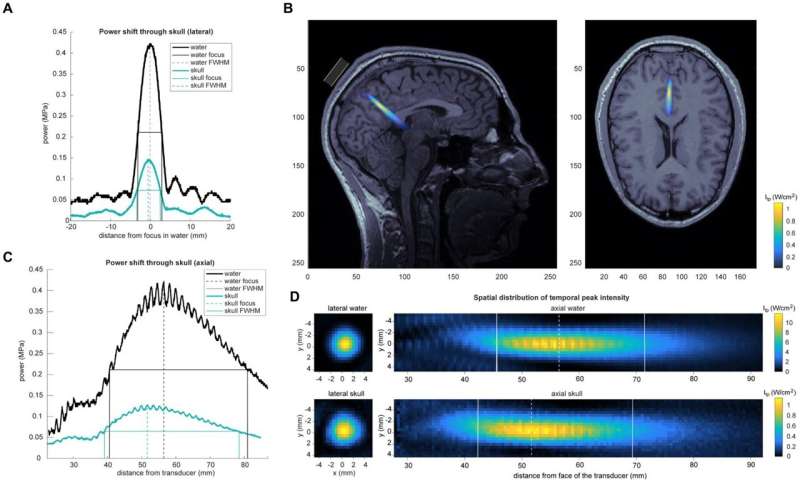
In a new studypublished in Frontiers in Human Neuroscience, researchers used low-intensity ultrasound technology to noninvasively alter a brain region associated with activities such as daydreaming, recalling memories and envisioning the future. They found that the technique can ultimately enhance mindfulness, marking a major advancement in the field of neuroscience.
New research finds that semaglutide, known as Ozempic/Wegovy, does not negatively impact brain health and may reduce cognitive problems and nicotine dependence.
Exposure to parental smoking (ParS) is associated with an increased risk for multiple sclerosis (MS) in later life in certain populations, according to a study presented at EAN 2024, the 10th Congress of the European Academy of Neurology, held from June 29 to July 2 in Helsinki.
Researchers have identified a new mutation in the ARPP21 gene linked to ALS. This discovery could improve ALS diagnosis and open avenues for personalized therapies.
A new approach to improving uncertainty estimates in machine-learning models enhances prediction accuracy. The method uses the minimum description length principle to provide more reliable confidence measures for AI decisions, which is crucial in high-stakes settings like healthcare.
A recent study suggests that consciousness evolved not for individual survival, but for social purposes, helping humans communicate ideas and emotions.
Researchers have discovered a neural activity pattern that can accurately predict and monitor the clinical status of OCD patients undergoing deep brain stimulation (DBS). This study highlights how this biomarker can guide DBS therapy, improving treatment outcomes for those with severe, treatment-resistant OCD.
A new study has found how the protein CGRP affects the brain’s lymphatic system, contributing to migraine pain. Their study reveals that CGRP prevents cerebrospinal fluid from draining, influencing migraine attacks.
Research published in Science Advancesshows neurobiological underpinnings of sex and gender in children to better understand how sex (assigned at birth) and gender (identity and expression) influence the brain, and ultimately a person’s health.
A new study shows that by age three, children can understand others’ intentions using active mirror neurons.
For the first time, scientists have found that sleep can be detected by patterns of neuronal activity just milliseconds long, 1,000 times shorter than a second, revealing a new way to study and understand the basic brain wave patterns that govern consciousness. They also show that small regions of the brain can momentarily “flicker” awake while the rest of the brain remains asleep, and vice versa from wake to sleep.
A neuroimaging study of young people who exhibit a persistent pattern of disruptive, aggressive, and antisocial behavior, known as conduct disorder, has revealed extensive changes in brain structure.
Retired rugby players who have suffered multiple concussions have higher levels of certain proteins in their blood, which may make them more prone to developing diseases such as motor neuron disease (MND), according to a new study.
Researchers have used machine learning to define three subtypes of Parkinson’s disease based on the pace at which the disease progresses.
A new study reveals that psilocybin, the active compound in magic mushrooms, temporarily disrupts brain networks involved in introspective thinking, like daydreaming and memory. These changes persist for weeks, potentially making the brain more flexible and improving mental health. The findings could pave the way for psilocybin-based therapies for depression and PTSD. The research underscores the importance of using these drugs under medical supervision.
A recent study links sleep preferences to brain performance, finding that “night owls” often score higher on cognitive tests than “morning larks.” Researchers analyzed data from over 26,000 people, highlighting that sleeping 7-9 hours a night optimizes brain function.
A cell membrane is illustrated to show the surface in red. Blue objects are proteins, including ion channels, which can send electrical impulses into cells. Lipids, or fats, are in yellow. In this cross section, an ion channel associates with a lipid raft. The function of the lipid structures is regulated by cholesterol. Mechanical force can deplete the cholesterol and release the ion channel, changing activity within the cell. Credit: Scott Hansen, Ph.D., The Wertheim UF Scripps Institute
New research shows how physical pressure on cells can reduce pain signals, while excessive cholesterol clumps in cell membranes can interfere with that process.
Researchers have advanced our understanding of the neuronal basis of spatial memory. Their research reveals that during spatial memory tasks, different types of nerve cells activate in unison, coordinated by brain waves known as “ripples.”
Researchers have unveiled a pioneering technology capable of real-time human emotion recognition, promising transformative applications in wearable devices and digital services.
Children who lived in areas with higher levels of airborne lead in their first five years of life appeared to have slightly lower IQs and less self-control, with boys showing more sensitivity to lead exposure, according to a new study.
A neurotransmitter previously thought only to calm neurons may also play a role in waking them up, according to a study published in the journal PLOS Biology, a discovery that challenges the textbook view of how neurons communicate with one another in the brain.
Researchers have achieved a breakthrough in mapping the brain’s ‘dysfunctome’—key dysfunctional circuits linked to disorders like Parkinson’s, dystonia, OCD, and Tourette’s syndrome.
Scientists have delved into the world of chemical neuromodulators in the human brain, specifically dopamine and serotonin, to reveal their role in social behavior. The study revealed a previously unknown neurochemical mechanism for a well-known human tendency to make decisions based on social context—people are more likely to accept offers from computers while rejecting identical offers from human players.
Live music significantly amplifies emotional responses in the brain compared to recorded tunes. By measuring amygdala activity, researchers found that live performances evoke stronger emotional reactions, fostering a deeper cognitive and affective processing throughout the brain.
A new study reveals that oxygenation levels in the placenta during the last trimester of pregnancy are a key predictor of the development of the cerebral cortex and likely childhood cognition and behavior.
Blood vessels that cross-connect adjacent arterial trees regulate blood flow to the brain in stroke patients. Researchers have now shown that these vessels prevent brain hemorrhage following treatment to remove blood clots.
Researchers have developed a simulator that enables artificial visual observations for research into the visual prosthesis.
A cross-cultural study has revealed that music universally influences bodily sensations and emotions, transcending cultural boundaries. Researchers from Western and East Asian backgrounds discovered that emotional and structural characteristics of music consistently evoke similar bodily sensations—such as changes in the chest, limbs, and head regions—regardless of cultural background.
New research has unveiled a crucial role of sleep: brainwaves facilitate the cleansing of the brain by flushing out waste. This discovery not only underscores the brain’s non-dormant state during sleep but also highlights a sophisticated system where neurons’ synchronized activity powers the flow of cerebrospinal fluid, effectively removing metabolic waste and potentially neurodegenerative disease-causing toxins.
Finally this week, COVID-19 may have an impact on people’s cognitive and memory abilities that lasts a year or more after infection, according to a new study by Imperial College London researchers.
Melodic pitch, pitch-change, and expectation modulate STG activity during music listening. (A) Three melodic features visualized for an example melody. (B) Electrodes across all participants (N = 8) plotted on a common brain. Color indicates the peak evoked high-frequency activity (HFA) averaged across all musical phrases. (C) Responses at three example electrodes demonstrating distinct tuning to pitch. Credit: Science Advances (2024)
Researchers have developed a precise map of what is happening in the cerebral cortex when someone hears a melody.
Scientists have made a groundbreaking discovery, identifying a rare lipid as a crucial factor in ferroptosis, a unique form of cell death. The findings provide new detail on how cells die during ferroptosis and could improve understanding of how to stop ferroptosis in contexts where it is harmfully occurring– in neurodegenerative diseases, for example– or induce it in contexts where it could be useful, such as using it to kill dangerous cancer cells.
An intensive meditation-based intervention (iMI) significantly improves positive symptoms, particularly refractory hallucinations and delusions, in male patients with schizophrenia, according to a new study.
Indigenous people may be more likely to have a stroke than non-Indigenous people, according to a systematic review that looked at populations around the world.
A new study highlights the critical link between sleep, circadian rhythms, and psychiatric disorders, suggesting that disturbances in sleep and internal body clocks can trigger or exacerbate mental health issues. The research underscores the prevalence of sleep-circadian disturbances across all psychiatric disorders, pointing to the need for holistic treatments that address these factors.
For individuals with post-COVID-19 condition, cognitive symptoms are common, according to a study published online Feb. 14 in JAMA Network Open.
Researchers have developed an artificial intelligence model that accurately determines the sex of individuals based on brain scans, with over 90% success. This breakthrough supports the theory that significant sex differences in brain organization exist, challenging long-standing controversies.
A new population-based study reveals the roles of maternal and fetal genes in the growth of a baby’s cerebral cortex.
A new study explains how dopamine influences movement sequences, offering hope for Parkinson’s disease (PD) therapies. Researchers observed that dopamine not only motivates movement but also controls the length and lateralization of actions, with different neurons activating for movement initiation and reward reception.
New research sheds light on what goes on inside people’s heads as they make decisions to obtain information about the future.
Moderate/severe and penetrating traumatic brain injury (TBI) are associated with an increased risk for subsequent development of brain cancer, according to astudypublished online Feb. 15 in JAMA Network Open.
For the first time, researchers have mapped out the proteins implicated in the early stages of motor neuron disease (MND).
In a study published in the Journal of Neuroscience, scientists demonstrated the effectiveness of using low-intensity focused ultrasound to modulate the activity in a critical region in the brain that processes and regulates pain signals.
Finally this week, new research shows how empathy can be socially transmitted.
Microscopic photos observed through changes of the flourescence of the synapse sensor (SynapShot) by cultivating the neurons of an experimental rat and expressing the SynapShot. The changes in the synapse that is created when the pre- and post-synaptic terminals come into contact and the synapse that disappears after a certain period of time are measured by the fluorescence of the SynapShot. Credit: KAIST Optogenetics & RNA therapeutics Lab
A new study reveals significant findings in the fight against Long Covid. Through a comprehensive analysis of blood serum from 113 patients, researchers discovered changes in blood serum proteins related to the complement system, coagulation, and tissue injury in Long Covid patients.
A new study employs generative AI to shed light on how the human brain processes memories for learning, imagination, and planning. The study used a computational model resembling the hippocampus and neocortex’s neural networks to simulate memory encoding and retrieval.
A new study has reported that SARS-CoV-2, the virus that causes COVID, can infect dopamine neurons in the brain and trigger senescence—when a cell loses the ability to grow and divide.
Researchers have taken the first steps to treat Alzheimer’s disease, Parkinson’s disease and Type 2 diabetes by creating multiple patent-pending compounds shown to inhibit protein aggregation associated with those diseases.
A neuroscientific study is paving the way for improving the diagnosis and treatment of Alzheimer’s.
A new study reveals limitations in the current use of mathematical models for personalized medicine, particularly in schizophrenia treatment. Although these models can predict patient outcomes in specific clinical trials, they fail when applied to different trials, challenging the reliability of AI-driven algorithms in diverse settings.
Research into the nature of memory reveals how cells that store information are stabilized over time.
A new study explores how infants and toddlers acquire language. Findings reveal early comprehension begins around 6-7 months, and significant improvements in language understanding occur around a child’s first birthday.
New research looks at ways to predict when a migraine attack will occur.
Researchers at the National Institutes of Health have found overactivation in many brain regions, including the frontal and parietal lobes and the amygdala, in unmedicated children with anxiety disorders. They also showed that treatment with cognitive behavioral therapy (CBT) led to improvements in clinical symptoms and brain functioning.
A ribbon of brain tissue called cortical gray matter grows thinner in people who go on to develop dementia, and this appears to be an accurate biomarker of the disease five to 10 years before symptoms appear, scientists report.
3D bioprinting sheds light on why blood vessel curvature may foster brain cancer metastasis.
Researchers achieved a significant advancement in robotics by replicating human-like variable speed walking using a musculoskeletal model. This model, steered by a reflex control method akin to the human nervous system, enhances our understanding of human locomotion and sets new standards for robotic technology.
Researchers conducted a study to explore the neuroscientific basis of fairness in social situations, investigating the interplay between personal interests and societal norms. By applying electric brain stimulation to 60 participants, the researchers pinpointed specific brain regions crucial to fairness decisions.
Finally this week, scientists have made a significant discovery using an artificial neural network model, suggesting that musical instinct may emerge naturally from the human brain.
Researchers have identified important new methods for accurately identifying possible biomarkers in adolescent brains that can reliably predict cognitive developments and psychiatric issues.
A new study has examined the neural processes underlying odor processing in the human olfactory system and how the brain handles odor information from different nostrils and details the finding that each nostril has its own sense of smell, recording a distinct representation of the odor information it encounters.
A new study reveals the brain’s swift response to human errors compared to unintended outcomes. The study found that the brain recognizes an error within one second and then engages in a longer process to prevent future errors. This process was absent when the outcome wasn’t a direct result of an action, indicating a specialized error-awareness mechanism in the brain.
Researchers have identified new therapeutic targets for progressive supranuclear palsy (PSP), an incurable brain disorder with symptoms mimicking Parkinson’s and dementia.
A speech prosthetic developed by a collaborative team of neuroscientists, neurosurgeons, and engineers can translate a person’s brain signals into what they’re trying to say. The new technology might one day help people unable to talk due to neurological disorders regain the ability to communicate through a brain-computer interface.
It’s been debated for decades, but now researchers have suggested that left-handedness is not linked to better spatial skills.
A new study sheds light on when adolescents start thinking like adults. Researchers found that executive function, critical for task-switching and focus, typically matures around 18 years old. Drawing from over 10,000 participants and multiple datasets, this large-scale study offers a developmental chart for teen cognitive growth. These findings are invaluable for education, psychiatry, and the judicial system.
Researchers have discovered a potential link between the microbe C. perfringens and the progression of multiple sclerosis (MS). The study hints at the prospect of developing a vaccine or alternative treatments in the near future.
In a new study, researchers use a very large dataset to identify predictive brain imaging-based biomarkers of mental illness in adolescents.
Using advanced brain scanning technology, a research team has revealed insights into what happens in the brain during an advanced form of meditation called jhana. By uncovering distinct patterns of activity in different regions of the brain during jhana, the research suggests exciting possibilities for innovative therapies merging ancient meditation practices with modern neuroscience to improve well-being.
Finally this week,new research suggests your biological age, more than the years you’ve lived, may predict your risk of dementia and stroke in the future.
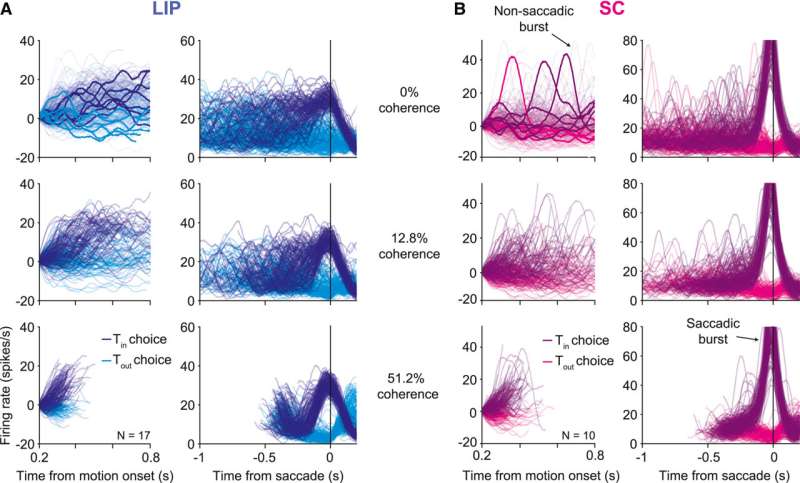
Single-trial dynamics in LIP and SC are different. (Neuron, 2023)
A new paper, published in Neuron, highlights the role of the superior colliculus (SC), a structure in the midbrain, in terminating decisions.
Degeneration of dopaminergic neurons is widely accepted as the first event that leads to Parkinson’s, but a new study suggests that a dysfunction in the neuron’s synapses—the tiny gap across which a neuron can send an impulse to another neuron—leads to deficits in dopamine and precedes the neurodegeneration.
Depression, a challenging condition to diagnose early, may now be detected more promptly using a simple 1-minute Electroencephalogram (EEG) test at home.
New research shows how repeated traumatic brain injury contributes to Alzheimer’s disease.
Racial disparities can be seen in dementia severity, functional impairment, and neuropsychiatric symptoms among patients with frontotemporal dementia (FTD), according to a study recently published in JAMA Neurology.
A new study identifies a potential new approach to PTSD treatment.
Any head injury—even a mild one—raises a person’s risk of later having an ischemic stroke. Having multiple injuries increases that risk, even more so than the severity of a single traumatic brain injury, researchers have found.
New research finds that cerebrospinal fluid net flow is markedly decreased in Huntington’s disease, with the decrease being greater in the later stages of the disease.
The targeted use of ultrasound technology can bring about significant changes in brain function that could pave the way towards treatment of conditions such as depression, addiction, or anxiety, a new study suggests.
Finally this week, new research finds that antidepressants may actually reduce negative memories in individuals suffering from depression while improving overall memory function.
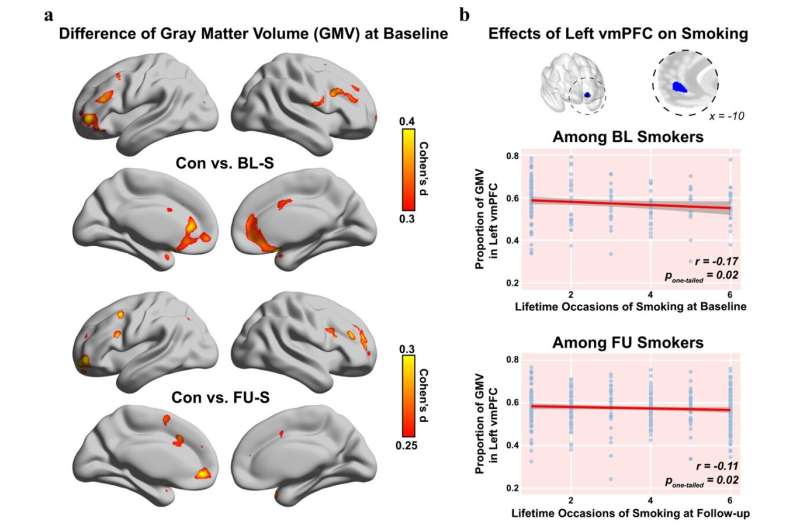
Smaller Left vmPFC was associated with future smoking. Credit: Nature Communications (2023)
Levels of gray matter in two parts of the brain may be linked to a desire to start smoking during adolescence and the strengthening of nicotine addiction, a new study has shown.
Researchers have enabled machine learning to accurately predict Parkinson’s disease subtypes using stem cell images. This breakthrough showcases computer models classifying four Parkinson’s subtypes, with top accuracies reaching 95%. This could revolutionize personalized medicine and aid in more targeted drug research for Parkinson’s.
A large international team of medical researchers has found that the severity of COVID-19 infections in children over the course of the pandemic varied by age and viral variant.
Researchers have illuminated how our brain maintains focus amidst distractions. Their study identifies “visual-movement” neurons in the lateral prefrontal cortex (LPFC) that use coordinated activity called “beta bursts” to suppress distracting stimuli and ensure attention remains on rewarding tasks. This discovery gives a deeper understanding of cognitive focus and offers insights into disorders like ADD and OCD.
More cases of children born with abnormal brain development may have genetic explanations than previously thought, according to a recent study published in JAMA Neurology.
Hearing impairment may cause difficulties in social interactions, but new research indicates that social struggles experienced by deaf individuals are likely not due to brain alterations, but rather due to non-supportive environments.
Scientists have identified a series of processes that help the brain adapt to damage caused by breakdowns in circuits that govern movement, cognition and sensory perception.
For the first time, researchers have discovered that the ventral tegmental area (VTA) of the brain—a key structure involved in motivation and reward appreciation—has altered connectivity patterns with specific brain regions in patients with obesity. Individuals with obesity have hyper-connectivity of the VTA with part of the ventral occipitotemporal cortex (visual processing for food images) and hypo-connectivity with the left inferior frontal gyrus (associated with cognitive control), according to a new study in Obesity.
Researchers have identified a key pathway, involved in inflammation, which appears to be activated in people with long COVID who have symptoms of “brain fog.”
Using a novel approach of precision neuroimaging and high-resolution functional magnetic resonance imaging (fMRI), a team of neuroscientists and physicists have discovered previously unknown cortical networks and shed light on the anatomical organization of the human memory system.
A pioneering scientific study has shown that the effects of multiple concussions in rugby players continue to have an impact on their brain even in retirement.
Researchers have coupled the measurements of brain waves associated with disorders of consciousness (DoC) with glucose usage in specific brain areas, identifying where in the brain the waves might be generated.
A breakthrough project mapping brain changes in nearly 1,300 people diagnosed with six different types of mental illness has revealed the extraordinary diversity of brain changes found in people with conditions like major depression and schizophrenia.
Neuroscientists have shown that adversities permanently change the functioning of the brain. Furthermore, an aberrant reaction of the brain to adversities is related to anxiety symptoms. This may have predictive value for the development of psychiatric disorders.




 inside-the-brain.com