Weekly Neuroscience Update

Credit: Science (2025)

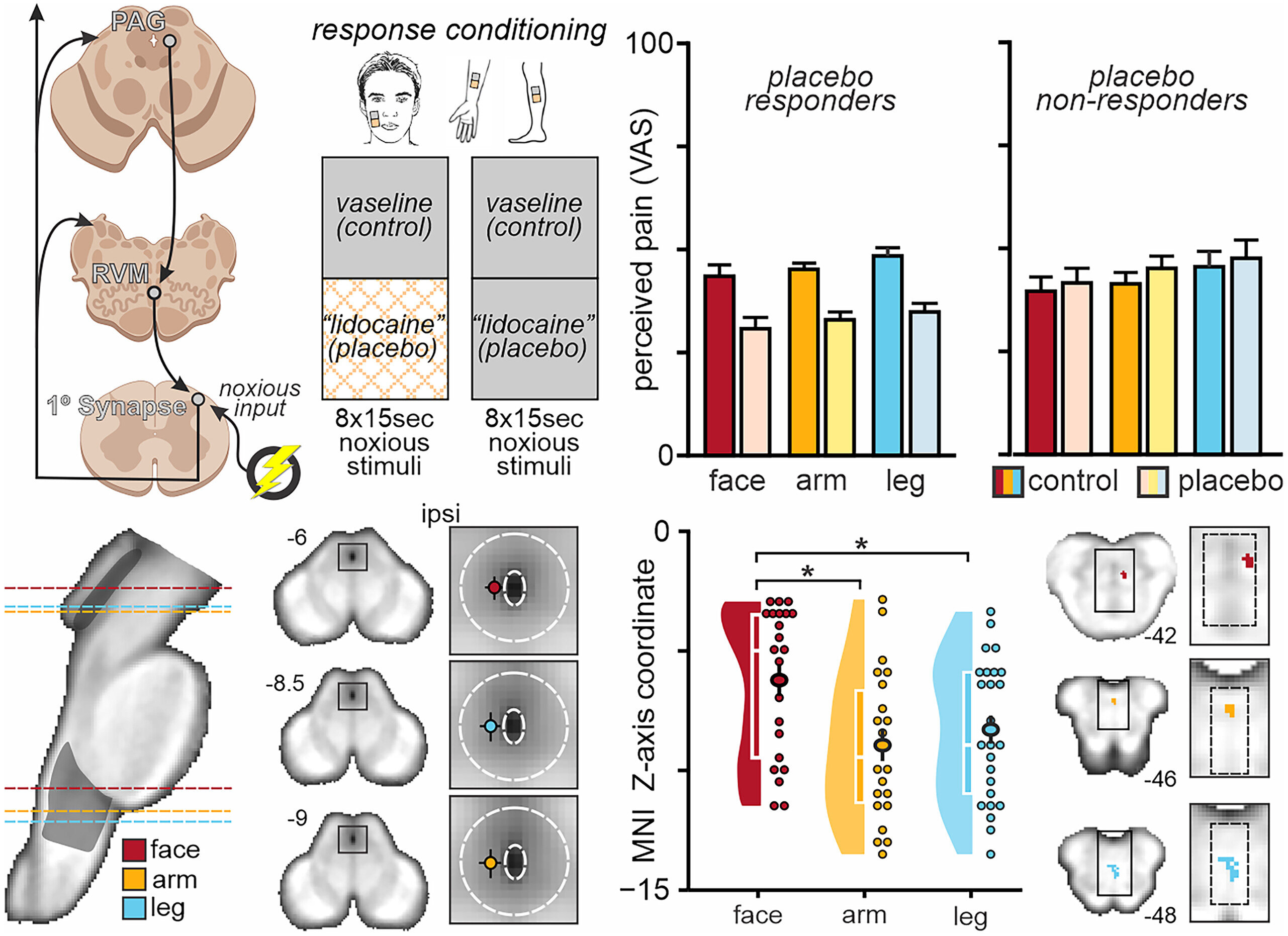
Researchers have used placebo pain relief to uncover a map-like system in the brainstem that controls pain differently depending on where it’s felt in the body. The findings may pave the way for safer, more targeted treatments for chronic pain that don’t rely on opioids.

New research reports an association between taking GLP-1 receptor agonists and lower overall cancer risk in adults with obesity, with a reduced risk for ovarian cancer.

Some regions of the brain in people with Alzheimer’s reorganize more often while at rest than in people without the disease–– and in healthy people, this frequent reshuffling sometimes predicts who will develop the condition later, according to a new study.

Researchers have demonstrated for the first time that psychotherapy leads to measurable changes in brain structure by using cognitive behavioural therapy.

Listening to music while doing something can make that activity more enjoyable. But listening to music after an experience or activity can make it more memorable if you have the optimal emotional response while listening to it, according to new research.

A new study reveals that the brain employs two distinct mechanisms to drive exploration under conditions of uncertainty.

A team of scientists has discovered a built-in “brake” that controls when key brain cells mature. In multiple sclerosis (MS), this brake appears to stay on too long, leaving the cells unable to repair the damage the disease causes.

New research suggests a link between a history of traumatic brain injury (TBI) and the risk of developing a malignant brain tumour.

Breathwork while listening to music may induce a blissful state in practitioners, accompanied by changes in blood flow to emotion-processing brain regions, according to a study published in the journal PLOS One.

The type of estradiol-based hormone therapy taken during and after menopause, such as patches or pills, may be associated with differences in memory performance, according to a new study.

Researchers have identified two specific types of brain cells that are altered in people with depression. The study, published in Nature Genetics, opens the door to developing new treatments that target these cells and deepens our understanding of depression.

Finally, this week, a new AI framework can detect neurological disorders by analyzing speech with over 90% accuracy. 
Weekly Neuroscience Update

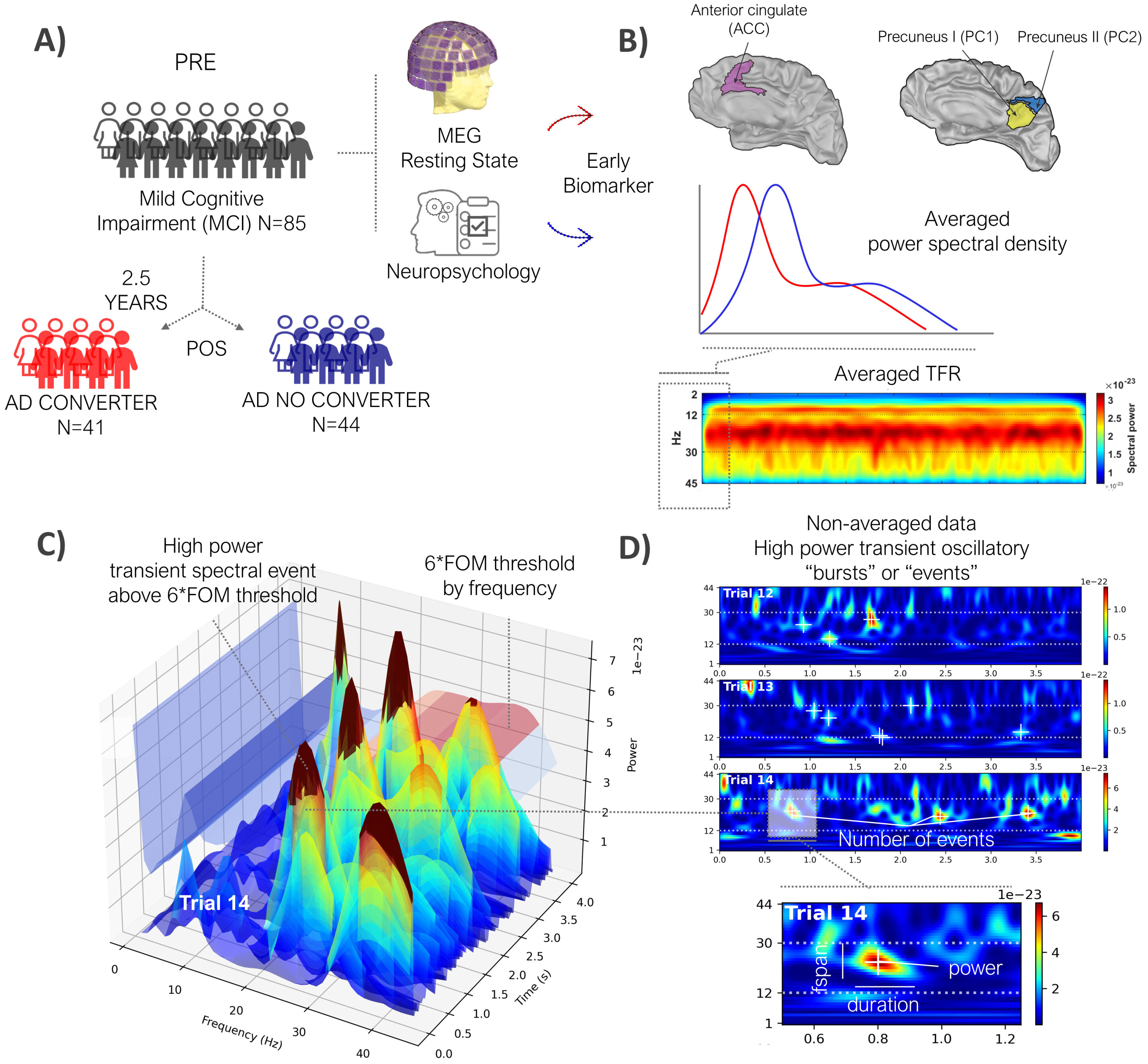
A) Illustration of the experimental design. B) Averaged power spectra and time–frequency representations (TFR) were extracted from two regions of interest. Credit: Imaging Neuroscience (2025)

Using a custom-built tool to analyze the electrical activity from neurons, researchers have identified a brain-based biomarker that could be used to predict whether mild cognitive impairment will develop into Alzheimer’s disease.

New research reveals neurocognitive correlates of testosterone in young men that shape generosity and self-worth.

By understanding differences in how people’s brains are wired, clinicians may be able to predict who would benefit from a self-guided anxiety care app, according to a new analysis from a clinical trial led by Weill Cornell Medicine and NewYork-Presbyterian investigators.

Novel imaging research indicates that young adults with a higher genetic risk for depression showed less brain activity in several areas when responding to rewards and punishments.

A new study reveals that long-term adaptive cycling can measurably reshape brain signals in people with Parkinson’s Disease, offering clues into how exercise relieves motor symptoms. Researchers used deep brain stimulation (DBS) implants to track neural activity before and after 12 sessions of dynamic cycling.

Scientists bring us closer to understanding how the body detects different sensations such as pain, itch, and touch.

A recent genetic study has identified neurological mechanisms as key drivers of chronic cough. The findings significantly advance our biological understanding of the condition, shedding light on potential avenues for new treatments.

A large-scale analysis of health records reveals that subtle signs of multiple sclerosis (MS) may appear more than a decade before diagnosis.

In a discovery that could guide the development of next-generation antidepressants and antipsychotic medications, researchers have developed new insights into how a critical brain receptor works at the molecular level and why that matters for mental health treatments.

Finally, this week, new research has found stress-controlling brain cells switch on and off in a steady rhythm about once every hour—even when nothing stressful is happening.

Weekly Neuroscience Update

A new study published in Scientific Reports has introduced a promising diagnostic tool that could dramatically shorten the long wait times many families face when seeking evaluations for autism and attention-related conditions. The research team used artificial intelligence to analyse subtle patterns in how people move their hands during simple tasks, identifying with surprising accuracy whether someone is likely to have autism, attention-deficit traits, or both. The method, which relies on wearable motion sensors and deep learning, could one day serve as a rapid and objective screening tool to help clinicians triage children for further assessment.

New research is investigating how childhood adversity rewires brain circuits that control emotion, memory, and attention, increasing the risk of impulsive and pathological aggression.

A groundbreaking study has revealed that genes linked to mental and neurodegenerative disorders, such as autism, depression, and Parkinson’s, begin influencing brain development during the earliest fetal stages. These genes are already active in neural stem cells—the progenitors that form the brain—long before symptoms arise.

Researchers at the University of Michigan have illuminated a complete sensory pathway showing how the skin communicates the temperature of its surroundings to the brain.

Patients with myalgic encephalomyelitis/chronic fatigue syndrome (ME/CFS) may be closer to personalized care, according to new research that shows how the disease disrupts interactions between the microbiome, immune system, and metabolism.

A new study using direct recordings from human brains reveals how the amygdala and hippocampus coordinate to form and retrieve emotional memories.

A personalised brain stimulation system powered by AI that can safely enhance concentration from home has been developed by researchers from the University of Surrey, the University of Oxford and Cognitive Neurotechnology. Designed to adapt to individual characteristics, the system could help people improve focus during study, work, or other mentally demanding tasks.

In the largest study of its kind, researchers linked irregular sleep patterns to elevated risk for 172 diseases.

Neuroscientists have grown a novel whole-brain organoid, complete with neural tissues and rudimentary blood vessels. This advance could usher in a new era of research into neuropsychiatric disorders such as autism.

Researchers have successfully mapped the entire neural circuit responsible for transmitting cool temperature signals from the skin to the brain.

A new brain imaging study reveals that how people expect pain relief—through visual cues or treatment explanations—can significantly influence how much pain they actually feel. External cues, like symbols signaling less pain, consistently reduced pain perception and altered brain regions tied to pain processing.

Finally this week, a new international study confirmed a significant post-pandemic rise in disorders of gut-brain interaction, including irritable bowel syndrome (IBS) and functional dyspepsia.

Weekly Neuroscience Update

Credit: Nature Mental Health (2025)

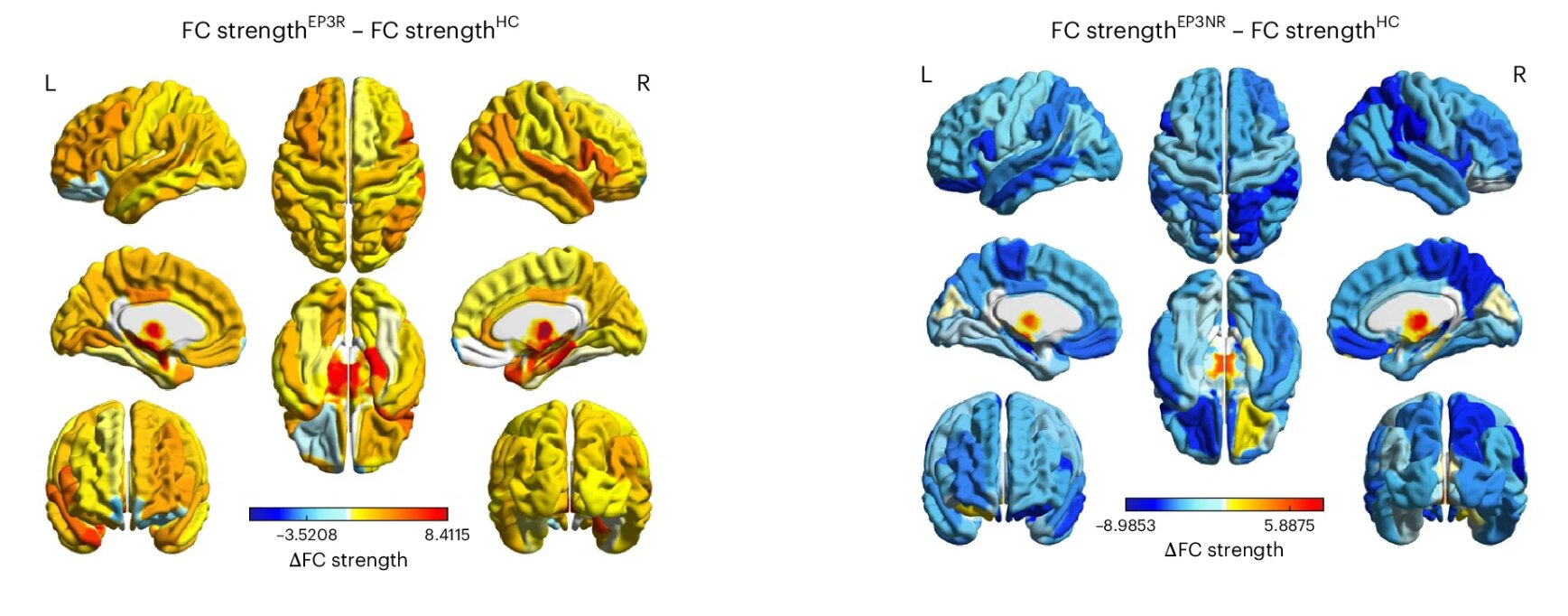
Pioneering research has identified the brain mechanisms that enable psychosis to remit. These findings could significantly inform the development of novel intervention strategies for patients with psychosis.

Contrary to fears of “digital dementia,” new research finds that using digital technology is linked to a reduced risk of cognitive decline in older adults. A large-scale meta-analysis of over 400,000 participants revealed that digital engagement correlates with a 58% lower risk of cognitive impairment.

A simple method of brain stimulation has been shown to change how people make decisions. These were the findings of a new study published in the Journal of Cognitive Neuroscience.

A team of researchers has identified the key brain regions that are essential for logical thinking and problem solving. The findings help to increase our understanding of how the human brain supports our ability to comprehend, draw conclusions, and deal with new and novel problems—otherwise known as reasoning skills.

Medial temporal lobectomy is effective in improving seizure outcomes among patients with drug-resistant temporal lobe epilepsy, according to a recent study.

New research links fatty, sugary diets to impaired brain function. The findings build on a growing body of evidence showing the negative impact of high-fat, high-sugar (HFHS) diets on cognitive ability, adding to their well-known physical effects.

A recent study reveals that the basolateral amygdala plays a key role in calibrating prosocial behavior based on emotional closeness.

New research reveals that gut imbalances in children with autism may influence brain activity and behaviour by disrupting the production of key neurotransmitters like serotonin. Scientists found that changes in gut-derived metabolites are linked to differences in brain structure and function in children with autism.

Chronic pain is closely intertwined with depression. Individuals living with pain’s persistent symptoms may be up to four times more likely to experience depression according to a new study.

Our brains can adapt to filter out repeated distractions, according to a new EEG study. Participants learned to ignore frequent visual distractions, such as a red shape in the same location, while searching for a target.

Repetitive transcranial magnetic stimulation is showing promise in Alzheimer’s treatment.

A new international study reveals a possible connection between GLP1 receptor agonists—used in drugs like Ozempic—and increased risk of depression and suicidal ideation, especially in people with low dopamine function.

Researchers have found a potential link between the trauma of climate-related events, exemplified by devastating wildfires, and persistent effects on cognitive function.

Researchers have developed a personalized blood test that may offer a faster, less invasive way to track high-grade glioma progression. By identifying unique DNA junctions from each patient’s tumour, the test can detect tumor DNA in the bloodstream, even before changes appear on MRI scans.

A new study demonstrates for the first time that listening to favorite music activates the brain’s opioid receptors.

Promising a more personalized approach to treating major depressive disorder (MDD), a new study reveals that brain connectivity patterns, especially in the dorsal anterior cingulate cortex, can significantly predict patient response to antidepressant medications. This finding was validated in two large, independent clinical trials using brain imaging and clinical information.

Contrary to potential assumptions, recent research demonstrates that the spatial working memory of older people with autistic traits and neurotypical individuals shows no difference in change over time.

A major international study has provided the most comprehensive evidence to date on treatments for neuropathic pain —defined as pain caused by disease of the nervous system, affecting up to 10% of the population worldwide.

Finally, this week, exercise appears to be vital for maintaining sharp minds, even when a key brain energy source is lacking, according to a new study.

Weekly Neuroscience Update

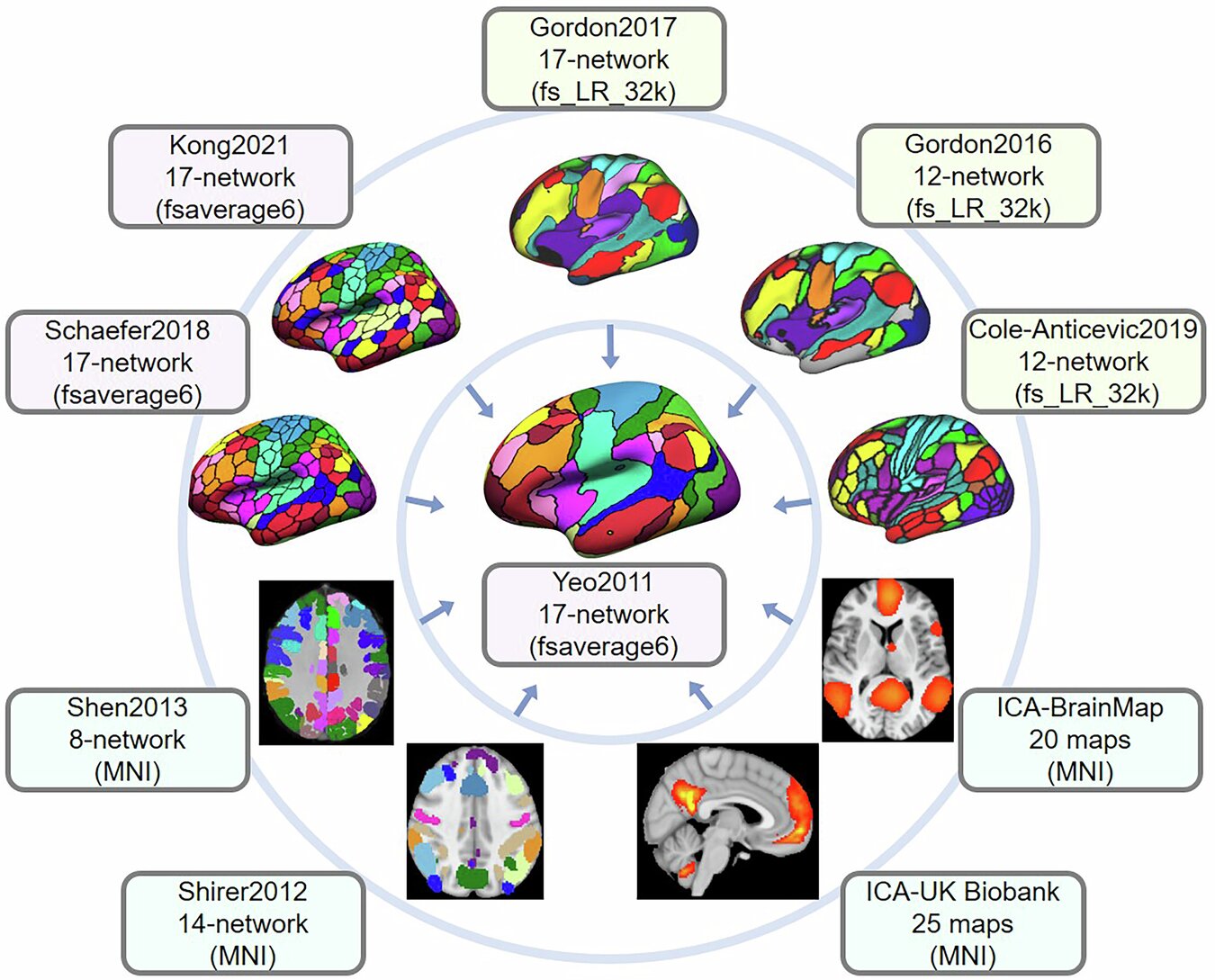
Example atlases included in the Network Correspondence Toolbox (NCT). Credit: Nature Communications (2025)

UCLA Health researchers have helped to develop a new digital toolbox to create a “common language” for brain network studies, potentially accelerating new discoveries and treatments for neurological and psychiatric conditions.

New research published in The Journal of Neuroscience suggests that relieving psychological stress by targeting specific neurons in the brain can lower blood pressure and reduce anxiety.

People who have early signs of heart problems may also have changes in brain health that can be early signs of dementia, such as loss of brain volume, according to a meta-analysis published online in Neurology. The meta-analysis does not prove that early heart problems cause loss of brain cells; it only shows an association.

Scientists have gained greater clarity in the brain regions and neurons that control metabolism, body temperature and energy use. 

A recent study published in Science challenges assumptions about infant memory, showing that young minds do indeed form memories. The question remains, however, why these memories become difficult to retrieve later in life.

The brain’s appetite signalling pathways can be disrupted by consuming non-caloric sweeteners, according to new research.

Analysis of stroke patients from 1971 to 2019 showed college graduates exhibited stronger overall cognitive abilities immediately post-stroke. However, stroke survivors with any higher education saw a more rapid deterioration of executive functions, such as working memory and problem-solving, compared to those with lower levels of education.

New research suggests that psychopaths have a distinct pain experience, which can differ from what their bodies register.

A study published in the journal Scientific Reports suggests that virtual reality (VR) may offer a promising avenue for pain management in cancer patients. By immersing patients in realistic underwater environments using VR headsets, researchers observed a significant reduction in self-reported pain. This subjective improvement was further corroborated by real-time brain imaging, which revealed notable alterations in the neural pathways associated with pain perception.

A new review highlights how unpredictable sensory experiences, beyond traditional stressors like abuse and neglect, can disrupt brain development.

Scientists have uncovered a fundamental principle of how brain cells stay connected, and their discovery could change how we understand Alzheimer’s disease. Published in Cell Reports, this study reveals that neurons—the cells that make up our brain—use simple physics to maintain their connections, and that these processes change in Alzheimer’s patients.

New research shows that the brain’s numerical processing involves both absolute and relative quantity, with relative size processing increasing as information moves from the back to the front of the brain.

A pilot study of a post-stroke population has revealed some potential benefits of transcranial direct current stimulation (tDCS) on attention and fatigue. Study findings are published in Frontiers in Human Neuroscience.

Finally this week, marathon runners experience a temporary decline in brain myelin during races, with levels returning to normal after recovery, according to a study published in Nature Metabolism.

Weekly Neuroscience Update

Credit: Brain Communications (2025)

The parts of the brain that are needed to remember words, and how these are affected by a common form of epilepsy, have been identified by a team of neurologists and neurosurgeons.

New research published in PLOS ONE, reveals that witnessing trauma triggers unique brain changes, distinct from those caused by experiencing trauma firsthand. The study is the first to shed light on the molecular differences between directly acquired PTSD and bystander PTSD and could pave the way for changes in how the disorders are treated.

Scientists have discovered that neural changes in teens may predict how decision-making and behavioural control develop.

A new study shows that the rubber hand illusion can reduce the intensity of pain caused by heat. Researchers found that when participants viewed a rubber hand being illuminated while their hidden hand received a heat stimulus, they reported feeling less pain. This suggests that integrating visual and sensory cues can influence pain perception. The findings may one day help develop new treatments for chronic pain conditions such as complex regional pain syndrome.

Verbal fluency, the ability to recall and use vocabulary, is the strongest cognitive predictor of longevity in a 20-year study of elderly adults. This suggests a link between linguistic ability and overall health.

Neuroscientists have discovered a way to control how much zinc is released to specific locations in the brain. The essential mineral plays a major role in the brain’s function, including improving memory and lessening symptoms of some neurological disorders, but getting the right amount to the right place is key.

According to new research, inflammation inside and outside the brain may contribute to neurological complications in COVID-19.

A study published  in the British Journal of Psychiatry has found that nearly half of people diagnosed with depression don’t respond to multiple antidepressant medications and are considered “treatment-resistant.” The study found that 48% of patients whose electronic health care records reported a diagnosis of depression had tried at least two antidepressants, and 37% had tried four or more different options.

Scientists have developed a computational framework that maps how the brain processes speech during real-world conversations.

For children with autism who severely injure themselves, a pilot study suggests that deep brain stimulation (DBS) of the brain’s reward centre (nucleus accumbens) is a safe and possible treatment that could be beneficial, especially when behavioural therapies don’t work.

New research suggests that factors present in the placenta during pregnancy might play a role in increasing the risk of a child developing schizophrenia.

Scientists at Peking University have used a new method to discover that dopamine helps protect and control the function of a protein called Tau. This finding helps us better understand how dopamine works normally and in diseases of the brain.

A research team has uncovered the neural mechanisms underlying the processing of pain and itch in the anterior cingulate cortex (ACC).

A new study finds that women in their 80s who develop increasing daytime sleepiness over five years are twice as likely to develop dementia. Researchers tracked 733 women without cognitive impairment, using wrist devices to monitor sleep and circadian rhythms. Those who showed stable sleep patterns had the lowest dementia risk, while those with increasing sleepiness faced the highest risk. Surprisingly, declining nighttime sleep was not significantly linked to dementia risk.

A research team has developed an electrode capable of safely encasing nerves without causing damage.

Finally this week, new research shows that even 12-month-old babies can form memories, as indicated by activity in the hippocampus. This challenges the idea that infants can’t remember and suggests that infantile amnesia (not remembering early childhood) might be because we can’t access those memories later, rather than not forming them in the first place.

Weekly Neuroscience Update

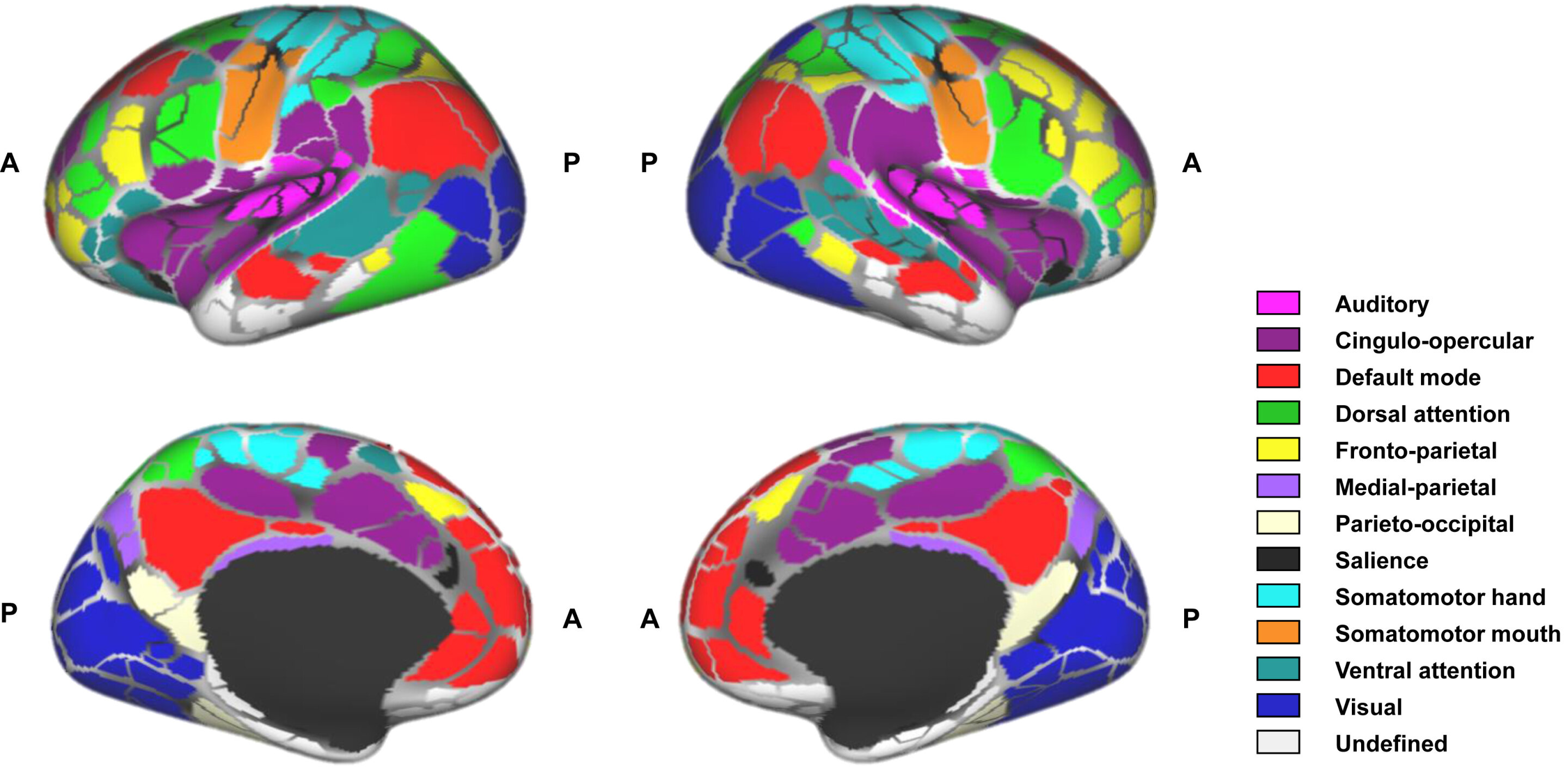
Cortical Resting-State Networks defined by Gordon’s Parcellation. Credit: Journal of the American Academy of Child & Adolescent Psychiatry (2025).

Exposure to high ambient temperatures is associated with lower connectivity in three brain networks in preadolescents, suggesting that heat may impact brain function. 

A new study reveals that consuming high-calorie, highly processed foods for just five days can reduce the brain’s sensitivity to insulin, a key factor in obesity and type 2 diabetes. Researchers found that even in healthy individuals, short-term unhealthy eating altered brain function, mimicking effects seen in people with obesity.

Scientists are exploring the role of gut-brain axis in Parkinson’s, anxiety and long COVID.

New research highlights that optimal brain health is strongly linked to cardiovascular wellness. The study underscores that dementia and cognitive decline share risk factors with heart disease, suggesting these conditions are largely preventable by managing diet, exercise, cholesterol, blood sugar, and blood pressure.

Approximately 40 percent of adults with chronic pain experience depression or anxiety, according to a review published in JAMA Network Open.

A multidisciplinary team of researchers has discovered how lateral inhibition helps our brains process visual information, and it could expand our knowledge of sensory perception, leading to applications in neuro-medicine and artificial intelligence.

Brain changes may remain visible in brain scans after recovery from concussion, a new study shows.

Researchers are using photoacoustic imaging to observe brain activity and, in the process, discovering more about how it responds to different types of learning and experiences. Photoacoustic imaging uses optics and acoustics to generate a signal in biological tissues—in this case, the brain—where the signal provides structural and functional data and allows researchers to track factors such as brain activity. 

A study exploring a new brain imaging technique is bringing stroke experts a step closer to better tailoring rehabilitation.

Scientists have uncovered new insights into how neurofilaments act like Velcro in neurodegenerative diseases, clogging up the brain and preventing normal function, according to a study published in the journal JCI Insight.

Poor sleep could have an impact on brain health, according to a new study from The Australian National University (ANU) published in the journal Sleep Medicine.

Mayo Clinic researchers have found a new way to more precisely detect and monitor brain cell activity during deep brain stimulation, a common treatment for movement disorders such as Parkinson’s disease and tremor. This precision may help doctors adjust electrode placement and stimulation in real time, providing better, more personalized care for patients receiving the surgical procedure.

A new neuroimaging study has revealed that viewing nature can help ease how people experience pain, by reducing the brain activity linked to pain perception.

An international team of scientists has revealed new clues about the neural mechanisms underlying memory formation and recognition in the developing human brain, according to a study published in Science Advances.

Poor sleep among older adults is linked to disruptions in the brain’s “waste removal system,” according to a recent study.

Research published in the Proceedings of the National Academy of Sciences  reveals that brain aging isn’t a steady decline, but rather a series of shifts with key turning points. These transition points follow an S-shaped statistical curve with clear transition points, rather than either the late-life clinical onset or gradual linear decline previously assumed, suggesting there are specific windows when intervention could be most impactful.

Finally this week, new research reveals that our brains simplify complex social interactions by using basic mental “building blocks” or shortcuts.

Weekly Neuroscience Update

Credit: Brain Research (2024)

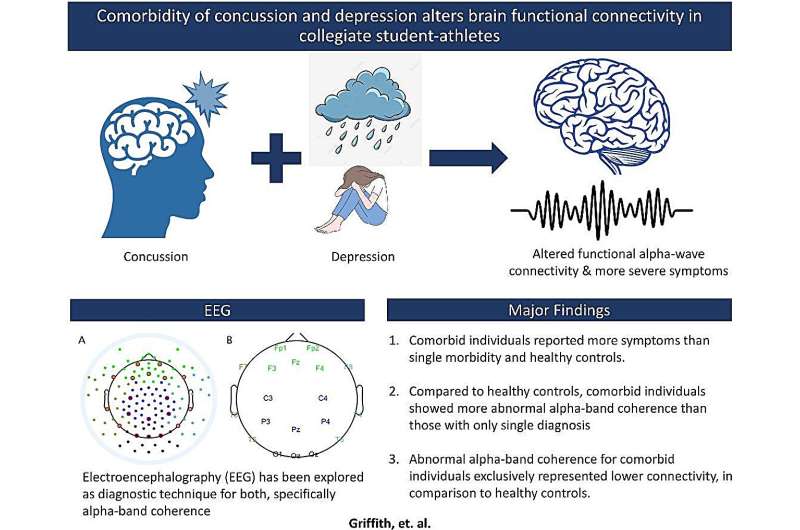
Researchers have demonstrated that the co-occurrence of depression and concussion was associated with significantly worse symptoms for both conditions. 

A recent study has mapped how molecules in food interact with gut bacteria, revealing why people respond differently to the same diets. By examining 150 dietary compounds, researchers found that these molecules can reshape gut microbiomes in some individuals while having little effect in others. This breakthrough could enable personalized nutrition strategies to better manage health risks. The findings offer a deeper understanding of the gut microbiome’s role in health and disease.

Scientists have independently validated a new blood test platform that can simultaneously measure more than a hundred biomarkers of Alzheimer’s disease.

A new computer simulation of how our brains develop and grow neurons has been built by scientists from the University of Surrey. Along with improving our understanding of how the brain works, researchers hope that the models will contribute to neurodegenerative disease research and, someday, stem cell research that helps regenerate brain tissue.

Brain endurance training (BET), a combined cognitive and exercise approach, has been shown to significantly improve cognitive and physical performance in older adults.

New research demonstrates that learning a second language enhances brain connectivity, particularly when started in childhood. Scientists found that bilingual individuals have more efficient communication between brain regions, notably between the cerebellum and left frontal cortex.

In a new study evaluating meditation for chronic lower back pain, researchers have discovered that men and women utilize different biological systems to relieve pain. While men relieve pain by releasing endogenous opioids, the body’s natural painkillers, women rely instead on other, non-opioid based pathways.

New research explores how traumatic brain injury may be linked to Alzheimer’s disease.

A study has identified mutations arising during brain development that may contribute to schizophrenia. Unlike inherited genes, these somatic mutations occur after conception and were found more frequently in schizophrenia patients’ brain tissue.

There is an imbalance in the gut flora of patients with epilepsy compared with healthy controls, according to a study published in the Journal of Health, Population and Nutrition.

Researchers have developed a breakthrough technology using magnetic fields to control specific brain circuits non-invasively, potentially transforming treatments for conditions like Parkinson’s and depression. This technique, termed “magnetogenetics,” delivers gene therapy to target neurons and uses magnetic fields to activate or inhibit them, allowing precise manipulation without invasive implants.

Bursts of exercise boost cognitive function according to new research.

A recent study reveals that specific brain cells respond not only to smells but also to images and written words related to those scents, providing deeper insight into human odour perception. Researchers found that neurons in the olfactory cortex and other brain regions, like the hippocampus and amygdala, distinguish between different smells and associate them with visual cues.

A collaborative study has identified genetic mutations that occur during brain development and may contribute to the development of schizophrenia.

A research team has published a randomized clinical trial demonstrating for the first time that a multidisciplinary approach integrating specific physiotherapy and cognitive-behavioral therapy is effective in improving the symptoms and physical aspects of the quality of life of patients with functional movement disorders.

Finally this week, scientists have discovered an unexpected link between genes involved in human brain evolution and developmental disorders.


Weekly Neuroscience Update

Researchers at the University of Birmingham have uncovered a surprising role of the hippocampus—linking this part of the brain to the control of skilled actions such as handwriting, typing, and playing music.

The psychedelic drug psilocybin may rewire brain connectivity to treat body dysmorphic disorder, new research suggests.

A significant breakthrough in the understanding of sleep mechanism opens new promise for treating sleep disorders and associated neuropsychiatric conditions: Scientists have pinpointed the melatonin receptor MT1 as a crucial regulator of REM (Rapid Eye Movement) sleep.

Researchers have developed a new method that allows scientists to cultivate brain organoids with distinct cortical areas and front-to-back patterning.

A recent study published in Science has identified a previously unknown mechanism in the brain that occurs during sleep, helping to reset memory pathways. Researchers found that a burst of neural silence in a specific part of the brain, the hippocampus, allows neurons involved in memory to reset and prepare for new learning the following day. This phenomenon, termed a “barrage of action potentials” or “BARR,” allows neurons to reset, ensuring that our brains can continue storing new information without overwhelming the neural networks responsible for memory.

Monash University-led research, believed to be the first of its kind, has used blood tests and MRI scans to show that the effects of traumatic brain injuries (TBI) can last decades.

Researchers have found that SSRI (selective serotonin reuptake inhibitor) antidepressants have the potential to improve certain cognitive functions, such as verbal memory. They measured brain function in patients before and after taking the SSRI, escitalopram, and correlated this to a drop in the level of one of the serotonin receptors in the brain and to cognitive improvements during treatment.

In the U.K.’s largest study to date, researchers have come to a better understanding of the immediate and long-term impacts of COVID-19 on the brain.

New research has found that cannabis use during pregnancy can cause molecular changes in the genes of exposed children, impacting brain development. The study identified significant DNA alterations in genes related to neurodevelopment, suggesting a direct link between prenatal cannabis exposure and developmental issues.

Finally this week, a new study has uncovered new insights into how the brain processes and integrates pain information.

Weekly Neuroscience Update

Massively parallel characterization and prediction of gene regulatory activity in the developing brain. Credit: Science (2024).

Scientists have leveraged machine learning to decode gene regulation in the developing human brain.

A new study has unveiled the most detailed view of the complex biological mechanisms underlying autism, showing the first link between genetic risk of the disorder to observed cellular and genetic activity across different layers of the brain.

Researchers have identified the unique features of an exceptionally rare set of childhood brain tumors—a discovery that could pave the way for more effective treatments.

Scientists have found that a new class of light-sensitive proteins are capable of turning off brain cells with light, offering scientists an unprecedentedly effective tool to investigate brain function. The study, published in Nature Communications, opens exciting new opportunities to apply optogenetics to investigate the brain activity underlying neurodegenerative and psychiatric disorders such as Parkinson’s disease and depression.

A new study suggests that increased nightmares and hallucinations can signal the onset of autoimmune diseases like lupus.

Researchers are investigating the connection between gut bacteria and Alzheimer’s disease. They believe harmful metabolites from bad bacteria can travel to the brain, causing inflammation and potentially triggering dementia.

Nostalgic music activates brain areas linked to memory, reward, and self-processing. This discovery could help improve the quality of life for those with dementia.

A new study finds widespread differences in brain development between autistic boys and girls ages 2-13. The study found that girls have a thicker cortex at age 3 and faster cortical thinning into middle childhood compared to boys.

A research team has made a major stride in using AI to replicate how the brain organizes sensory information to make sense of the world, opening up new frontiers for virtual neuroscience.

Researchers who have studied how dehydration affects cognitive performance found that even mild dehydration can diminish a person’s ability to pay attention to tasks over time. The findings underscore the importance of proper hydration to the healthy functioning of people as they age.

By exploring the effects of sport on memory, scientists have discovered compensatory mechanisms in the brains of young individuals at genetic risk of developing Alzheimer’s disease.

A new 3D model shows how implantable stimulators—the kind used to treat chronic pain—can target neurons that control specific muscles to provide rehabilitation for people with neurological disorders such as stroke and spinal cord injuries.

A new study published in the journal Brain has identified a specific brain network hub that plays a key role in stuttering.

Regular high caffeine consumption affects dopamine function in patients with Parkinson’s disease, shows a new international study. Caffeine consumption before undergoing diagnostic brain dopamine imaging may also affect the imaging results. The research results were published in the Annals of Neurology.

Finally this week new research shows aging reduces sensitivity and discriminative ability for heat pain, but not pressure pain.