Weekly Neuroscience Update

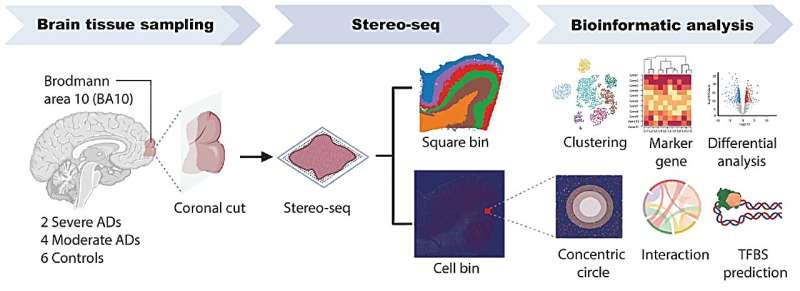
The analysis pipeline of the study, with select figures created using BioRender. Credit: Nature Communications (2025)

Scientists have developed a novel, detailed map at the subcellular level of a brain region frequently impacted by Alzheimer’s disease. This groundbreaking achievement represents a significant advancement in understanding the mechanisms underlying the development of this neurodegenerative condition.

New research shows that AI can identify complex regional pain syndrome (CRPS) with over 90% accuracy by analyzing gut microbiome patterns. 

Mindfulness exercises paired with music were found to engage both neural and cardiac systems, potentially reducing symptoms of anxiety and depression. A recent study showed that live and virtual music mindfulness sessions lowered stress and altered states of consciousness, though only live sessions fostered social connection.

A long-term study shows that teenagers who maintain or increase physical activity levels are less likely to develop symptoms of depression.

Researchers have developed a brain-computer interface (BCI) that enables computer cursor control and clicking, using neural signals from the speech motor cortex. One participant with amyotrophic lateral sclerosis (ALS) used the interface for daily life activities, including independent control of a personal desktop computer and text entry.

New research shows that targeting emotional processing is key to treating and managing chronic pain.

In a first-of-its-kind clinical study, researchers have shown that patients with treatment-resistant PTSD were symptom-free up to six months after completing traditional therapy paired with vagus nerve stimulation (VNS).

Scientists using living human brain tissue have shown for the first time how a toxic form of a protein linked to Alzheimer’s can stick to and damage the connections between brain cells.

People whose biological age is higher than their chronological age may be more likely to develop dementia than people whose biological age matches or is lower than their chronological age, according to a study published online in Neurology. Biological age is based on biomarkers of aging such as lung function, blood pressure and cholesterol.

A recent study reveals that oxygen tension elevation during weeks four to six promotes neurogenesis in brain organoids, regulated by neuroglobin. The research is published in Science Advances.

Obstructive sleep apnea, a condition that causes lower oxygen levels during sleep, is linked to degeneration of brain regions associated with memory through damage to the brain’s small blood vessels, according to a study published in Neurology.

A new theory suggests that psychedelics promote empathy, insight, and psychological flexibility by making the brain’s right hemisphere temporarily dominant over the left. 

A revolutionary microscopy method called LICONN enables scientists to reconstruct brain tissue and map synaptic connections using standard light microscopes. By embedding brain tissue in hydrogel, expanding it, and imaging at nanoscale resolution, researchers achieve a detailed view of neuronal architecture previously only possible with electron microscopy.

A new music therapy-based tool called MuSICCA may transform how healthcare teams assess consciousness in children with severe brain injuries. 

Research from Emory University has identified a biological connection between inflammation and deficits in motivation in individuals with schizophrenia, offering new hope for treating symptoms that have long been resistant to existing therapies.

A Yale-led study shows that the senses stimulate a region of the brain that controls consciousness—a finding that might inform treatment for disorders related to attention, arousal, and more.

Finally this week, a new study has debunked the common myth that autistic people are less effective communicators than non-autistic individuals. Researchers found no difference in how well information was shared between autistic-only, non-autistic-only, or mixed groups.
Weekly Neuroscience Update

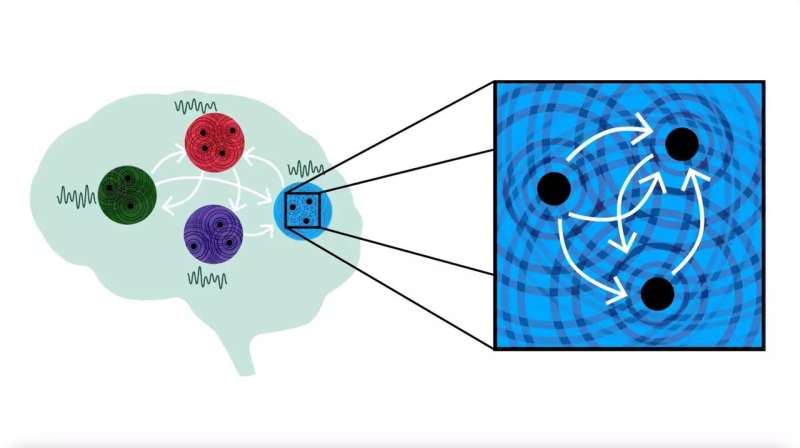
Schematic representation of the “Harmonic Oscillator Recurrent Network Model” (HORN). Credit: ESI

Researchers have made a new discovery in understanding fundamental brain processes. For the first time, the team has provided compelling evidence that the brain’s characteristic rhythmic patterns play a crucial role in information processing. While these oscillatory dynamics have long been observed in the brain, their purpose has remained mostly elusive until now.

Music has the best chance of providing pain relief when it is played at our natural rhythm, a McGill University research team has discovered.

Tiny plastic particles may accumulate at higher levels in the human brain than in the kidney and liver, with greater concentrations detected in postmortem samples from 2024 than in those from 2016, suggests a paper published in Nature Medicine. Although the potential implications for human health remain unclear, these findings may highlight a consequence of rising global concentrations of environmental plastics.

The first-ever ethics checklist developed for portable MRI brain researchers.

A team of scientists from the Center for Neuroscience Imaging Research (CNIR) at the Institute for Basic Science (IBS) has unveiled how the hippocampus orchestrates multiple memory processes, including encoding new information, forming memories, and retrieving them. The study is published in Nature Communications.

A recent study suggests that frequent treatment with intranasal oxytocin a hormone linked to empathy, may help address a key symptom in patients with frontotemporal dementia.

Researchers using intracranial electroencephalogram (EEG) recordings from deep within the brain found that meditation led to changes in activity in the amygdala and hippocampus, key brain regions involved in emotional regulation and memory.

Could the key to easing anxiety be hidden in our gut? Scientists have discovered a crucial connection between gut microbes and anxiety-related behaviour.

People’s ability to interpret emotions or focus on performing a task is reduced by short-term exposure to particulate matter air pollution, potentially making everyday activities more challenging, according to a new study.

New research has revealed clear evidence that changes in the orchestration of brain oxygenation dynamics and neuronal function in Alzheimer’s disease contribute to the neurodegeneration.

Researchers are paving the way for the design of bionic limbs that feel natural to users. They demonstrate the connection between hand movement patterns and motoneuron control patterns. The study, published in Science Robotics, also reports the application of these findings to a soft prosthetic hand, which was successfully tested by individuals with physical impairments.

Occupational exposure to noise and/or vibrations is associated with the presence of vertigo, according to a study recently published in the Journal of Clinical Medicine.

A team of researchers recently carried out a study aimed at exploring the differences among patients with OCD. Their findings, published in Translational Psychiatry, allowed them to identify two broad OCD subtypes, which are associated with different patterns in gray matter volumes and disease epicenters.

A Canadian research team has revealed important new insights into the activation dynamics of neural stem cells (NSCs). These are the stem cells that build our central nervous systems and self-renew.

New research reveals that brain cells use a muscle-like signaling mechanism to relay information over long distances. Scientists discovered that dendrites, the branch-like extensions of neurons, contain a structured network of contact sites that amplify calcium signals—similar to how muscles contract. These contact sites regulate calcium release, activating key proteins involved in learning and memory.

Finally this week, a large study has found that heavy cannabis use, both recent and lifetime, is linked to reduced brain activity during working memory tasks in over 1,000 young adults.

Weekly Neuroscience Update

Mapping network connectivity to cycles of seizure likelihood. Credit: Nature Medicine (2024)

A team of epilepsy specialists has developed a method to forecast the risk of a seizure within 24 hours. The researchers demonstrated that the surge of brain activity indicative of a seizure is preceded by unusual communication among certain brain regions. By examining a mere 90 seconds of these atypical brain signals, the researchers were able to predict the likelihood of a seizure.

A significant discovery by Australian scientists has the potential to improve the effectiveness of drugs currently used to manage cognitive decline in patients with Alzheimer’s disease.

A new study reveals that quick learners of motor skills have distinct brain activity patterns. Using brain-monitoring electrodes, they found that visual processing plays a crucial role in learning new movements. Fast learners showed higher activity in brain regions linked to visual information and muscle movement planning. These findings highlight the importance of vision in acquiring motor skills and its implications for older adults.

Exercising our brains with daily habits like naps and memory workouts, instead of relying on smartphones, can reduce the risk of age-related dementia. 

Star-shaped glial cells, so-called astrocytes, are more than just a supporting cell of the brain. They are actively involved in learning processes and interact with nerve cells. Now scientists are using a biophysical model to clarify how astrocytes interact with nerve cells to regulate rapid adaptation to new information. The results of the study have now been published in Communications Biology.

New research shows that inflammation outside the brain, such as that caused by common infections such as colds and urine infections, is linked to the progression of multiple sclerosis (MS).

Recent advances in the study of proteomes (i.e., the entire range of proteins expressed by human cells and tissues) have opened new opportunities for identifying the biological markers of specific diseases or mental disorders. This could in turn inform the prevention, diagnosis and treatment of these medical conditions.

A new experimental cancer drug could ease cognitive difficulties for those with Rett syndrome, a rare autism-linked disorder, by enhancing brain cell functions. 

An MIT study published in Nature provides new evidence for how specific cells and circuits become vulnerable in Alzheimer’s disease, and hones in on other factors that may help some people show resilience to cognitive decline, even amid clear signs of disease pathology.

Neuroscientists have discovered the brain circuitry of placebo effect for pain relief.

A new study demonstrates how the external representation of physiological signals (interoception) can affect our perception of them and teach us how to improve them in order to balance the body in stressful situations, for example. The study was recently published in the journal Scientific Reports.

An interdisciplinary team of scientists has found differences between male and female brain structure in areas associated with decision-making, memory processing and handling emotions.

A new study proposes a novel approach to studying consciousness through behavioural observations and learning curves, highlighting that learning often occurs in sudden leaps, suggesting these “eureka moments” are preceded by conscious cognitive processes.

Finally this week, there is a potential connection between a diagnosis of certain gastrointestinal (GI) syndromes and the formation and rupture of intracranial (brain) aneurysms according to new research.

Weekly Neuroscience Update

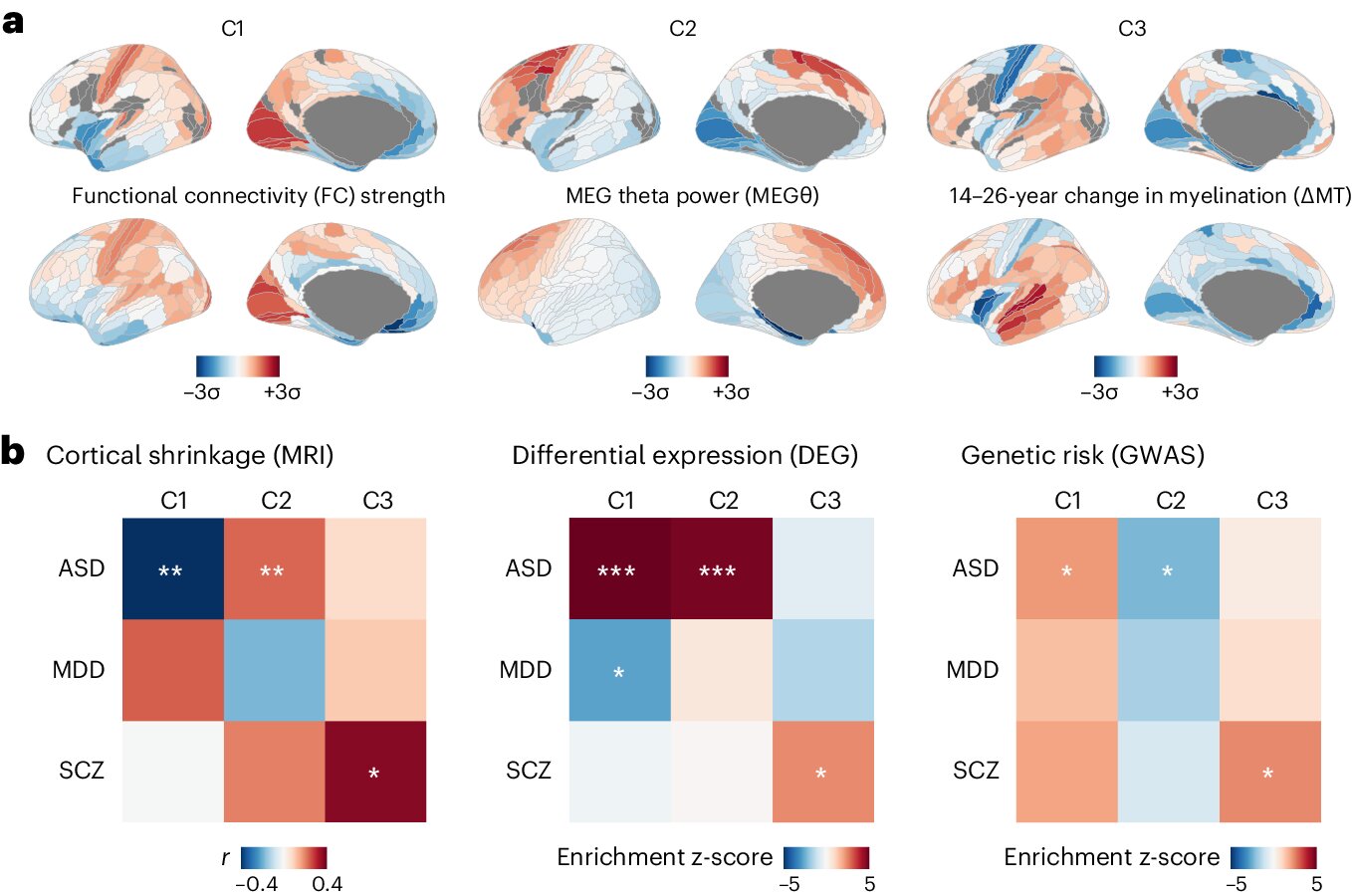
Credit: Nature Neuroscience(2024).

Researchers at University of Cambridge and other institutes worldwide recently carried out a study that linked gene expression in healthy brains to the imaging, transcriptomics and genetics of autism spectrum disorder and schizophrenia. Their paper, published in Nature Neuroscience, unveiled three distinct spatial patterns of cortical gene expression each with specific associations to autism and schizophrenia

A study published in the Journal of the American College of Cardiology suggests that physical activity may reduce cardiovascular disease risk by lowering stress-related brain activity.

A team of researchers at Baylor College of Medicine and Yale University incorporated generative artificial intelligence (AI) to create a foundational model for brain activity. The Brain Language Model (BrainLM) was developed to model the brain in silico and to determine how brain activities are related to human behavior and brain diseases.

Using MRI, engineers have found a way to detect light deep in the brain.

Stressful life events, such as the death of a loved one or divorce, put a person at greater risk of developing dementia in later life, a recent study has found. But only if the stressful event happened in childhood or midlife.

Our brains process odours differently depending on the names assigned to them, according to new research. 

People with neurological disease have a greater chance of death after contracting COVID-19, according to a new study. The research also confirms a higher risk of developing new neurological disorders after COVID infection.

Children who experience chronic lack of sleep from infancy may be at increased risk of developing psychosis in early adulthood, new research shows. 

A team of brain specialists at the California Institute of Technology has developed a brain–computer interface approach to decode words “spoken” entirely in the brain by recording signals from individual neurons in real time.

A new study shows that the cerebellum is involved in processing emotions, with implications for ataxia care.

A research team has revealed the link between the frequency of sleep apnea events during the rapid-eye-movement stage and the severity of verbal memory impairment in older adults at risk for Alzheimer’s disease. Verbal memory refers to the cognitive ability to retain and recall information presented through spoken words or written text and is particularly vulnerable to Alzheimer’s.

Results from a recent neuroplasticity study show how singing rehabilitates speech production in post-stroke aphasia.

For the first time, researchers have succeeded in explaining the propagation of traveling waves of activity in the human brain using a computer simulation. Previous studies indicate that these waves are important for various cognitive functions such as memory.

A new publication in Scientific Reports unveils a promising non-opioid pain treatment.

Repeated blows to the heads of football players can damage the small blood vessels of the brain, according to research by scientists who believe this damage may contribute to brain dysfunction in some athletes years after play has ended.

New research has shed light in the complex interplay between cell proteins, and how they impact on neurons in neurodevelopmental disorders and Alzheimer’s disease.

Artificial intelligence (AI) computer programs that process MRI results show differences in how the brains of men and women are organized at a cellular level, a new study shows. These variations were spotted in white matter, tissue primarily located in the human brain’s innermost layer, which fosters communication between regions.

Finally, this week, climate change, and its effects on weather patterns and adverse weather events is likely to negatively affect the health of people with brain conditions.

Weekly Neuroscience Update

csm_190527_brain-info_MBK_FK_web_0ff4414865

A team of neuroscientists from Göttingen and Tehran has shown. how our brain combines visual features to achieve a unified percept.

Research published in the journal Cerebral Cortex has shown that stronger functional connectivity—that is, communication among neurons in various networks of the brain—is linked to youthful memory in older adults. Those with superior memories—called superagers—have the strongest connectivity.

Scientists have found a link between brain’s emotion circuit and movement.

High-fat diets are not only bad for your waistline, they are also bad for your brain health. A new study reveals high-fat diets contribute to hypothalamic inflammation which occurs long before symptoms of obesity arise.

Patients with schizophrenia show increased brain activity in central areas of the brain, but lower activity in the temporal sulcus when hearing metaphors.

Researchers have developed a system that measures a patient’s pain level by analyzing brain activity from a portable neuroimaging device. The system could help doctors diagnose and treat pain in unconscious and noncommunicative patients, which could reduce the risk of chronic pain that can occur after surgery.

Finally this week, a new study reports maternal marijuana use may be detrimental to the brain development of children.

Weekly Neuroscience Update

band-691224_960_720.jpgIt may be possible to categorise the brain strategies used by professional musicians based on how they prioritise sight vs. sound when learning to play new music, according to a new study.

When we are in a deep sleep our brain’s activity ebbs and flows in big, obvious waves, like watching a tide of human bodies rise up and sit down around a sports stadium. It’s hard to miss. Now, Stanford researchers have found, those same cycles exist in wake as in sleep, but with only small sections sitting and standing in unison rather than the entire stadium. It’s as if tiny portions of the brain are independently falling asleep and waking back up all the time.

Researchers report the hippocampus isn’t just important for remembering past events, it also plays a vital role in future planning.

According to a new study, the brain blocks the ability for creating new memories shortly after waking in order to prevent the disruption of the stabilisation of memory consolidation that occurs during sleep.

Patients with depression can be categorised into four unique sub-types defined by distinct patterns of abnormal connectivity in the brain, according to new research.

The inability to hear subtle changes in pitch, a common and debilitating problem for people with schizophrenia, is due to dysfunctional N-methyl-D-aspartate (NMDA) brain receptors, according to a study by Columbia University Medical Center (CUMC) researchers. The study also shows that this hearing issue can be improved by combining auditory training exercises with a drug that targets NMDA receptors.

Researchers report abnormal activation in areas that respond to normal pain when a person with CRPS witnesses another person experience painful stimuli.

A new study has revealed the way that the brain handles the often noisy environments found on this planet, with the results explaining why animals, including humans, can easily cope with both the still and quiet of early-morning parks to the bustle and hubbub of cafés and streets. The researchers discovered that as auditory neurons become more familiar with a sound environment, they speed up their adaption to the noisiness of that environment.

The human brain is predisposed to learn negative stereotypes, according to research that offers clues as to how prejudice emerges and spreads through society.

Finally this week, researchers have conducted the first study of its kind, using proton magnetic resonance spectroscopy (MRS) to look at brain regions in both adults and children who stutter.


Weekly Neuroscience Update

football-header.jpg

Heading a football can significantly affect a player’s brain function and memory for 24 hours, a study has found.

Researchers have successfully transplanted embryonic neurons into damaged neural networks, a new study reports.

Scientists have identified for the first time the region in the brain responsible for the “placebo effect” in pain relief.

Results from a new clinical study conducted suggest that curtailing sleep alters the abundance of bacterial gut species that have previously been linked to compromised human metabolic health.

A new imaging technique that creates 3-D video of serotonin transport could aid antidepressant development.

Researchers have identified the cause of chronic, and currently untreatable, pain in those with amputations and severe nerve damage, as well as a potential treatment which relies on engineering instead of drugs.

A new study could explain why the ‘one size fits all’ approach to treating depression has been ineffective.

Using optogenetics to activate dopamine receptors in the ventral tegmental area could help people regain consciousness following general anesthesia, researchers report.

We all know that as we age, our skin loses its firmness and elasticity. However, researchers have now discovered our brains may also lose its elasticity as we age.

Researchers have identified a common culprit that may cause damage in stoke, brain injury and neurodegenerative disease.

Finally this week, A new study provides the first empirical evidence that self-serving lies gradually escalate and reveals how this happens in our brains.


Weekly Neuroscience Update

The salience network, highlighted here in two epilepsy patients, is thought to mediate our response to important internal or external signals, such as pain or the sound of a siren. Image: Parvizi et al. Neuron 2013

The salience network, highlighted here in two epilepsy patients, is thought to mediate our response to important internal or external signals, such as pain or the sound of a siren. Image: Parvizi et al. Neuron 2013

In a rare study involving direct brain stimulation researchers say they have uncovered direct evidence that a brain region known as the anterior midcingulate cortex and its surrounding network play a central role in motivation and a readiness to act.

Many studies suggest that pushing your brain to multitask—writing emails, for instance, while watching the day’s latest news and eating breakfast—leads to poorer performance and lower productivity. But for at least one everyday task—visual sampling (the act of picking up bits of visual information through short glances)—multitasking is not a problem for the brain. A collaboration between researchers at the UC Santa Barbara and the University of Bristol in the UK has shown that during visual sampling, the brain can handle various visual functions simultaneously.

Researchers report a detailed account of how speech sounds are identified by the human brain, offering an unprecedented insight into the basis of human language. The finding, they said, may add to our understanding of language disorders, including dyslexia.

A new study correlating brain activity with how people make decisions suggests that when individuals engage in risky behavior, it’s probably not because their brains’ desire systems are too active, but because their self-control systems are not active enough. This might have implications for how health experts treat mental illness and addiction or how the legal system assesses a criminal’s likelihood of committing another crime.

Pain sensitivity is controlled by a genetic “dimmer switch”, which can be re-set, UK scientists have discovered.