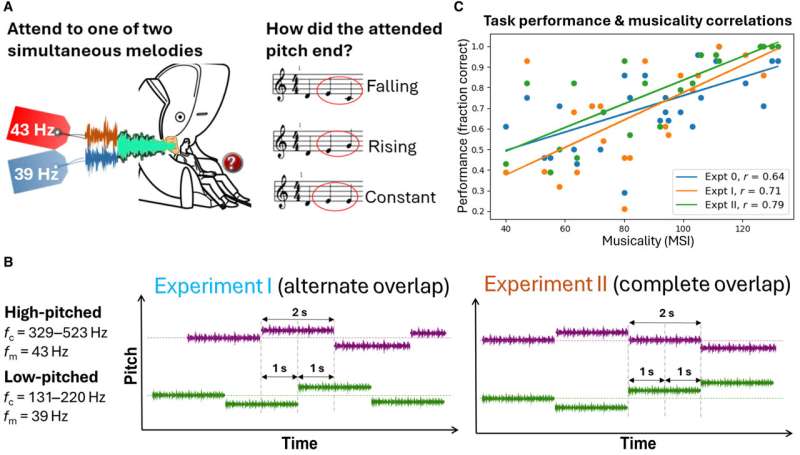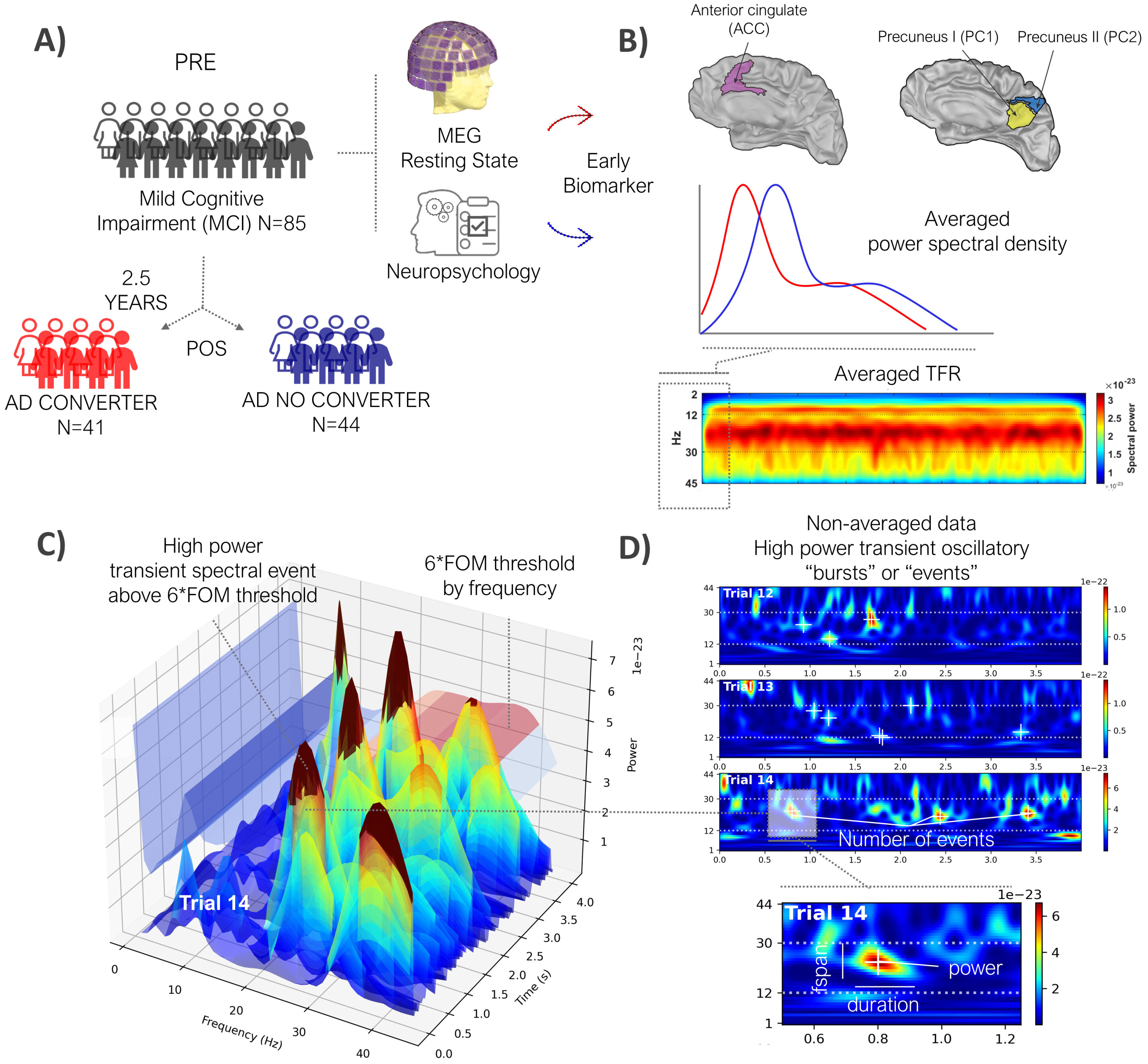
A) Illustration of the experimental design. B) Averaged power spectra and time–frequency representations (TFR) were extracted from two regions of interest. Credit: Imaging Neuroscience (2025)
Using a custom-built tool to analyze the electrical activity from neurons, researchers have identified a brain-based biomarker that could be used to predict whether mild cognitive impairment will develop into Alzheimer’s disease.
New research reveals neurocognitive correlates of testosterone in young men that shape generosity and self-worth.
By understanding differences in how people’s brains are wired, clinicians may be able to predict who would benefit from a self-guided anxiety care app, according to a new analysis from a clinical trial led by Weill Cornell Medicine and NewYork-Presbyterian investigators.
Novel imaging research indicates that young adults with a higher genetic risk for depression showed less brain activity in several areas when responding to rewards and punishments.
A new study reveals that long-term adaptive cycling can measurably reshape brain signals in people with Parkinson’s Disease, offering clues into how exercise relieves motor symptoms. Researchers used deep brain stimulation (DBS) implants to track neural activity before and after 12 sessions of dynamic cycling.
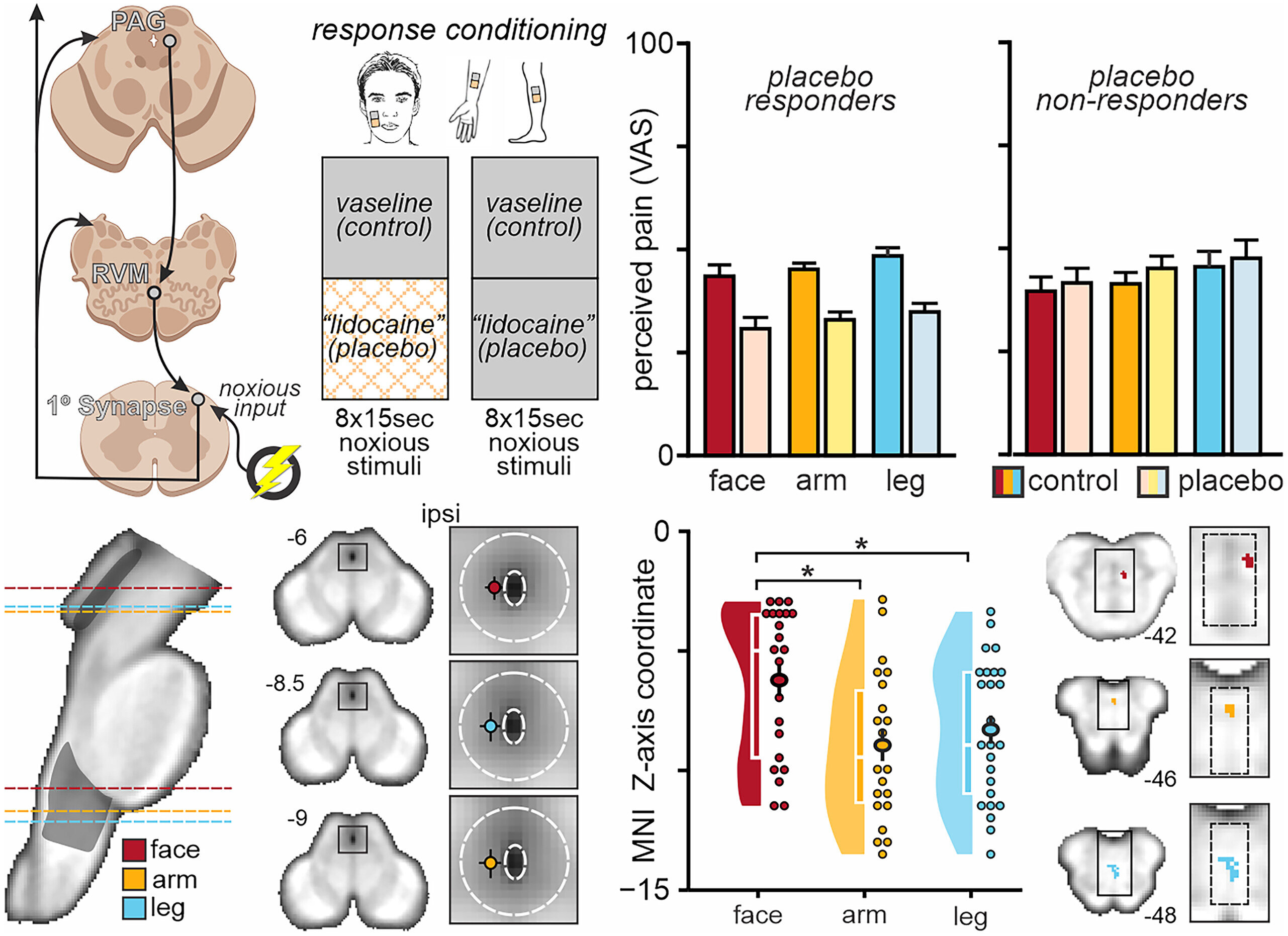
Scientists bring us closer to understanding how the body detects different sensations such as pain, itch, and touch.
A recent genetic study has identified neurological mechanisms as key drivers of chronic cough. The findings significantly advance our biological understanding of the condition, shedding light on potential avenues for new treatments.
A large-scale analysis of health records reveals that subtle signs of multiple sclerosis (MS) may appear more than a decade before diagnosis.
In a discovery that could guide the development of next-generation antidepressants and antipsychotic medications, researchers have developed new insights into how a critical brain receptor works at the molecular level and why that matters for mental health treatments.
Finally, this week, new research has found stress-controlling brain cells switch on and off in a steady rhythm about once every hour—even when nothing stressful is happening.
A new study published in Scientific Reports has introduced a promising diagnostic tool that could dramatically shorten the long wait times many families face when seeking evaluations for autism and attention-related conditions. The research team used artificial intelligence to analyse subtle patterns in how people move their hands during simple tasks, identifying with surprising accuracy whether someone is likely to have autism, attention-deficit traits, or both. The method, which relies on wearable motion sensors and deep learning, could one day serve as a rapid and objective screening tool to help clinicians triage children for further assessment.
New research is investigating how childhood adversity rewires brain circuits that control emotion, memory, and attention, increasing the risk of impulsive and pathological aggression.
A groundbreaking study has revealed that genes linked to mental and neurodegenerative disorders, such as autism, depression, and Parkinson’s, begin influencing brain development during the earliest fetal stages. These genes are already active in neural stem cells—the progenitors that form the brain—long before symptoms arise.
Researchers at the University of Michigan have illuminated a complete sensory pathway showing how the skin communicates the temperature of its surroundings to the brain.
Patients with myalgic encephalomyelitis/chronic fatigue syndrome (ME/CFS) may be closer to personalized care, according to new research that shows how the disease disrupts interactions between the microbiome, immune system, and metabolism.
A new study using direct recordings from human brains reveals how the amygdala and hippocampus coordinate to form and retrieve emotional memories.
A personalised brain stimulation system powered by AI that can safely enhance concentration from home has been developed by researchers from the University of Surrey, the University of Oxford and Cognitive Neurotechnology. Designed to adapt to individual characteristics, the system could help people improve focus during study, work, or other mentally demanding tasks.
In the largest study of its kind, researchers linked irregular sleep patterns to elevated risk for 172 diseases.
Neuroscientists have grown a novel whole-brain organoid, complete with neural tissues and rudimentary blood vessels. This advance could usher in a new era of research into neuropsychiatric disorders such as autism.
Researchers have successfully mapped the entire neural circuit responsible for transmitting cool temperature signals from the skin to the brain.
A new brain imaging study reveals that how people expect pain relief—through visual cues or treatment explanations—can significantly influence how much pain they actually feel. External cues, like symbols signaling less pain, consistently reduced pain perception and altered brain regions tied to pain processing.
Finally this week, a new international study confirmed a significant post-pandemic rise in disorders of gut-brain interaction, including irritable bowel syndrome (IBS) and functional dyspepsia.
Researchers at King’s College London have found that exposure to higher levels of air pollution during midlife is associated with slower processing speed, lower scores on a cognitive screening tool, and differences in brain structure later in life.
People who use psychedelic substances may think about themselves in a different way — not just psychologically, but also neurologically.
A large Danish study shows that most mental illnesses—like schizophrenia, bipolar disorder, and depression—occur in people with no close family history of the condition. Analyzing data from over 3 million individuals, researchers found that while heredity increases risk, most diagnosed individuals do not have affected relatives.
Living through the Covid-19 pandemic may have accelerated brain ageing, even in people who were never infected, a new study finds.
Scientists developed a computational “aging clock” that measures the biological age of brain cells and identifies compounds with rejuvenating potential. By analyzing gene activity from healthy and neurodegenerative brain tissue, they pinpointed 453 interventions predicted to reverse cellular aging.
Adolescents who use e-cigarettes or conventional tobacco products are significantly more likely to report symptoms of depression and anxiety than non-users, according to a recent study.
For the first time, researchers have identified what happens in neural networks deep within the brain during obsessive thoughts and compulsive behaviours. Using electrodes implanted in the brain, they observed how specific brain waves became active. These brain waves serve as a biomarker for obsessive-compulsive disorder (OCD) and are an important step towards more targeted treatments.
In a breakthrough that reimagines the way the gut and brain communicate, scientists have uncovered what they call a “neurobiotic sense.”
A new study reveals that a brain circuit driving negative emotions during cocaine withdrawal plays a key role in relapse. Researchers found that this “anti-reward” network becomes hyperactive during abstinence, amplifying distress and pushing users back toward the drug.
Researchers have made a significant breakthrough in understanding how the human brain forms, stores and recalls visual memories.
A new study finds that inflammation affects how cannabis impacts anxiety and sleep quality. Researchers observed no significant changes in inflammation levels after 4 weeks of cannabis use, but initial inflammation influenced the results.
Finally, this week, Alzheimer’s disease spreads unevenly through the brain, and novel mathematical modelling may help explain why.
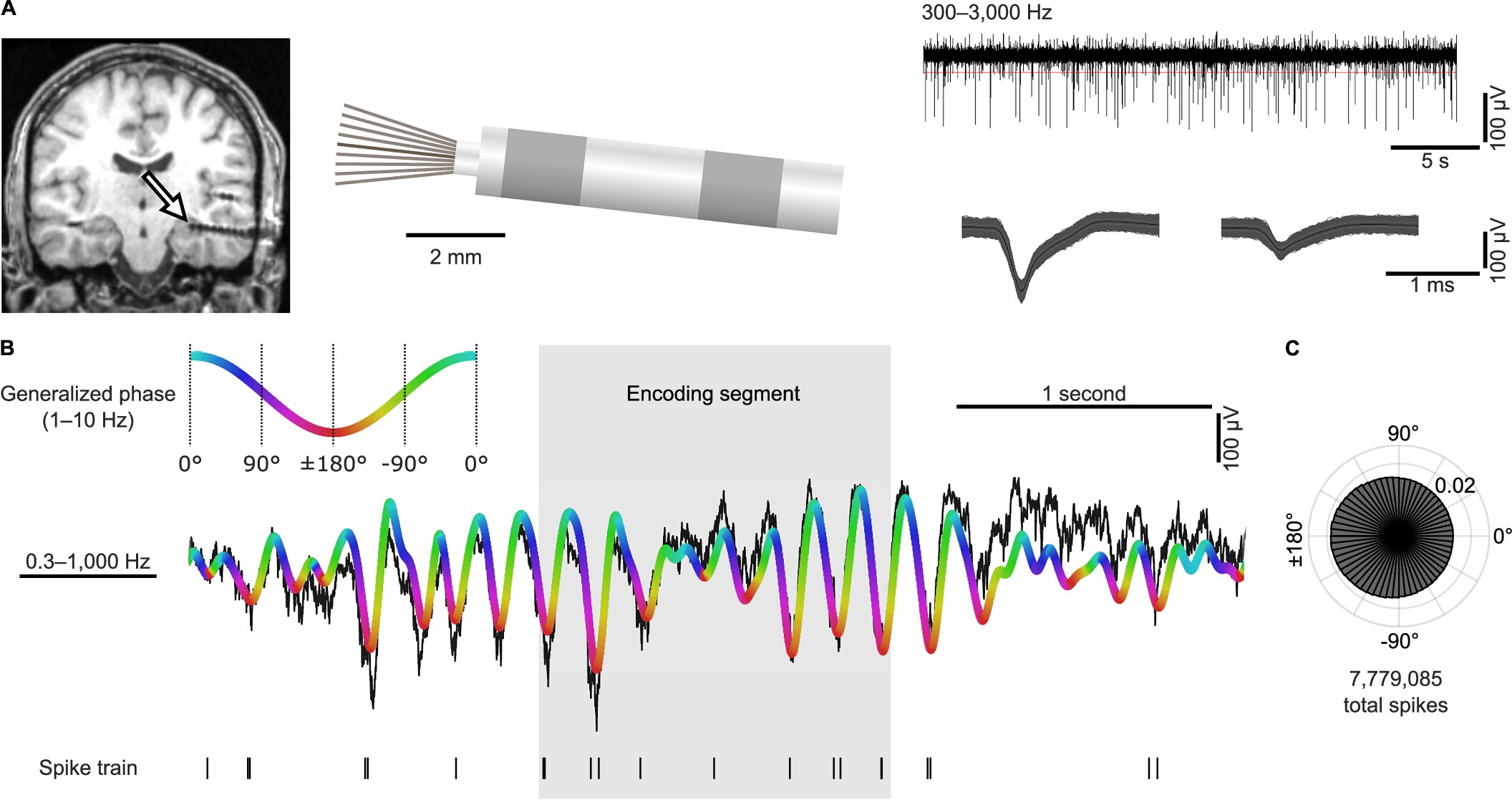
A research team has identified, for the first time in humans a key neurophysiological mechanism in memory formation: ripple-type brain waves—high-frequency electrical oscillations that mark and organize the different episodes or fragments of information that the brain stores as memories.
Scientists have discovered how a key protein helps maintain strong connections between brain cells that are crucial for learning and memory.
New research shows that signs of Alzheimer’s disease can already be detected in the blood of people as young as their 40s. Finnish scientists found elevated Alzheimer’s-related biomarkers in middle-aged adults, especially among those with maternal history or kidney disease.
A new study questions whether playing youth football leads to harmful protein buildup in the brain.
Receiving six or more prescriptions of the drug gabapentin for low back pain is associated with significantly increased risks of developing dementia and mild cognitive impairment, finds a large medical records study.
A large genetic study reveals that cannabis use disorder is strongly linked to increased risk for multiple psychiatric disorders, including depression, PTSD, ADHD, and schizophrenia.
A common sugar substitute, erythritol, widely used in “sugar-free” and low-carb products, may increase stroke risk by damaging brain blood vessel cells. A new study found that erythritol exposure reduced nitric oxide, increased vessel constrictors, impaired clot-busting abilities, and boosted free radical production in these cells.
Finally, this week, neuroscientists have discovered a signature ‘wave’ of activity as the brain awakens from sleep.
Pioneering research has identified the brain mechanisms that enable psychosis to remit. These findings could significantly inform the development of novel intervention strategies for patients with psychosis.
Contrary to fears of “digital dementia,” new research finds that using digital technology is linked to a reduced risk of cognitive decline in older adults. A large-scale meta-analysis of over 400,000 participants revealed that digital engagement correlates with a 58% lower risk of cognitive impairment.
A simple method of brain stimulation has been shown to change how people make decisions. These were the findings of a new study published in the Journal of Cognitive Neuroscience.
A team of researchers has identified the key brain regions that are essential for logical thinking and problem solving. The findings help to increase our understanding of how the human brain supports our ability to comprehend, draw conclusions, and deal with new and novel problems—otherwise known as reasoning skills.
Medial temporal lobectomy is effective in improving seizure outcomes among patients with drug-resistant temporal lobe epilepsy, according to a recent study.
New research links fatty, sugary diets to impaired brain function. The findings build on a growing body of evidence showing the negative impact of high-fat, high-sugar (HFHS) diets on cognitive ability, adding to their well-known physical effects.
A recent study reveals that the basolateral amygdala plays a key role in calibrating prosocial behavior based on emotional closeness.
New research reveals that gut imbalances in children with autism may influence brain activity and behaviour by disrupting the production of key neurotransmitters like serotonin. Scientists found that changes in gut-derived metabolites are linked to differences in brain structure and function in children with autism.
Chronic pain is closely intertwined with depression. Individuals living with pain’s persistent symptoms may be up to four times more likely to experience depression according to a new study.
Our brains can adapt to filter out repeated distractions, according to a new EEG study. Participants learned to ignore frequent visual distractions, such as a red shape in the same location, while searching for a target.
Repetitive transcranial magnetic stimulation is showing promise in Alzheimer’s treatment.
A new international study reveals a possible connection between GLP1 receptor agonists—used in drugs like Ozempic—and increased risk of depression and suicidal ideation, especially in people with low dopamine function.
Researchers have found a potential link between the trauma of climate-related events, exemplified by devastating wildfires, and persistent effects on cognitive function.
Researchers have developed a personalized blood test that may offer a faster, less invasive way to track high-grade glioma progression. By identifying unique DNA junctions from each patient’s tumour, the test can detect tumor DNA in the bloodstream, even before changes appear on MRI scans.
A new study demonstrates for the first time that listening to favorite music activates the brain’s opioid receptors.
Promising a more personalized approach to treating major depressive disorder (MDD), a new study reveals that brain connectivity patterns, especially in the dorsal anterior cingulate cortex, can significantly predict patient response to antidepressant medications. This finding was validated in two large, independent clinical trials using brain imaging and clinical information.
Contrary to potential assumptions, recent research demonstrates that the spatial working memory of older people with autistic traits and neurotypical individuals shows no difference in change over time.
A major international study has provided the most comprehensive evidence to date on treatments for neuropathic pain —defined as pain caused by disease of the nervous system, affecting up to 10% of the population worldwide.
Finally, this week,exercise appears to be vital for maintaining sharp minds, even when a key brain energy source is lacking, according to a new study.
New research shows that the adult brain can generate new neurons that integrate into key motor circuits. The findings demonstrate that stimulating natural brain processes may help repair damaged neural networks in Huntington’s and other diseases.
A study published in Brain Communications highlights a new approach to treating drug-resistant epilepsy.
A novel human study with intracranial recordings demonstrates the thalamus’s pivotal role, especially its higher-order regions, in the onset of conscious perception, with activation preceding that of the prefrontal cortex.
New findings reveal that long-term obesity patterns have distinct impacts on brain structure, function, and cognition.
Researchers have discovered new potential therapeutic targets for multiple sclerosis (MS). While current treatments prevent further damage, the current findings may form the starting point for the development of new treatments for tissue recovery in MS. The research is published in the journal Brain.
Research published in the Journal of Magnetic Resonance Imaging has uncovered changes in brain connectivity during chemotherapy in patients with breast cancer.
Mass General Brigham investigators have linked difficult early life experiences with reduced quality and quantity of the white matter communication highways throughout the adolescent brain. This reduced connectivity is also associated with lower performance on cognitive tasks.
A team of engineers has developed a microscale brain–computer interface that is small enough to be placed between hair follicles on a user’s head.
Researchers have identified specific high-order thalamic nuclei that drive human conscious perception by activating the prefrontal cortex. Their findings enhance understanding of how the brain forms conscious experience, offering new empirical support for theories that assign a central role to thalamic structures rather than cortical areas alone.
A natural compound found in everyday fruits and vegetables may hold the key to protecting nerve cells—and it’s showing promise as a potential treatment for ALS and dementia.
New research highlights how smartphones are transforming memory science by capturing real-world data on sleep, emotion, and daily experiences. Studies show that replaying memories before sleep, experiencing novel events, and feeling positive emotions can all strengthen autobiographical memory.
An artificial intelligence tool that can help interpret and assess how well treatments are working for patients with multiple sclerosis has been developed by UCL researchers.
A recent study indicates that brain cells possess a higher degree of plasticity than previously understood. This suggests that the brain’s ability to adapt and change throughout life is more extensive than earlier scientific models suggested.
Researchers have discovered that increased blood flow leads to stiffness in the hippocampus, a region of the brain that plays important roles in learning and memory.
By mapping the presynaptic inputs to single neurons within the primary somatosensory cortex researchers have shown how these neurons integrate brain-wide signals related to behavior, offering a more nuanced understanding of cortical activity.
Seventeen modifiable risk factors are shared by stroke, dementia, and late-life depression, according to a review published in the Journal of Neurology, Neurosurgery & Psychiatry.
A recent study has shown how aspects of brain function change with age, revealing that excitatory processes in the brain decrease, while inhibitory processes increase as children get older. The findings are an important step in understanding disorders like autism.
Finally this week, researchshows that a blow to the head can significantly impact a child’s or adolescent’s future education. Even a mild concussion can have far-reaching consequences.
Example atlases included in the Network Correspondence Toolbox (NCT). Credit: Nature Communications (2025)
UCLA Health researchers have helped to develop a new digital toolbox to create a “common language” for brain network studies, potentially accelerating new discoveries and treatments for neurological and psychiatric conditions.
New research published in The Journal of Neuroscience suggests that relieving psychological stress by targeting specific neurons in the brain can lower blood pressure and reduce anxiety.
People who have early signs of heart problems may also have changes in brain health that can be early signs of dementia, such as loss of brain volume, according to a meta-analysis published online in Neurology. The meta-analysis does not prove that early heart problems cause loss of brain cells; it only shows an association.
Scientists have gained greater clarity in the brain regions and neurons that control metabolism, body temperature and energy use.
A recent study published in Science challenges assumptions about infant memory, showing that young minds do indeed form memories. The question remains, however, why these memories become difficult to retrieve later in life.
The brain’s appetite signalling pathways can be disrupted by consuming non-caloric sweeteners, according to new research.
Analysis of stroke patients from 1971 to 2019 showed college graduates exhibited stronger overall cognitive abilities immediately post-stroke. However, stroke survivors with any higher education saw a more rapid deterioration of executive functions, such as working memory and problem-solving, compared to those with lower levels of education.
New research suggests that psychopaths have a distinct pain experience, which can differ from what their bodies register.
A study published in the journal Scientific Reports suggests that virtual reality (VR) may offer a promising avenue for pain management in cancer patients. By immersing patients in realistic underwater environments using VR headsets, researchers observed a significant reduction in self-reported pain. This subjective improvement was further corroborated by real-time brain imaging, which revealed notable alterations in the neural pathways associated with pain perception.
A new review highlights how unpredictable sensory experiences, beyond traditional stressors like abuse and neglect, can disrupt brain development.
Scientists have uncovered a fundamental principle of how brain cells stay connected, and their discovery could change how we understand Alzheimer’s disease. Published in Cell Reports, this study reveals that neurons—the cells that make up our brain—use simple physics to maintain their connections, and that these processes change in Alzheimer’s patients.
New research shows that the brain’s numerical processing involves both absolute and relative quantity, with relative size processing increasing as information moves from the back to the front of the brain.
A pilot study of a post-stroke population has revealed some potential benefits of transcranial direct current stimulation (tDCS) on attention and fatigue. Study findings are published in Frontiers in Human Neuroscience.
Finally this week, marathon runners experience a temporary decline in brain myelin during races, with levels returning to normal after recovery, according to a study published in Nature Metabolism.
As the clock strikes midnight on January 1st, millions around the world set ambitious resolutions to transform their lives. Yet, research shows that most resolutions fail within a few weeks. Why is it so difficult to stick to our goals? Let’s turn to the workings of the brain for some possible answers.
The Burden of Cognitive Load
The prefrontal cortex, the brain region responsible for decision-making, planning, and self-control, has limited cognitive resources. Think of it as a battery that can be depleted with overuse. Every time we make a decision, resist a temptation, or even remember something trivial, we drain these resources. This phenomenon is known as cognitive load.
When cognitive resources are stretched thin, such as after a long day of work or when juggling multiple tasks, the brain struggles to exert self-control. Stress hormones like cortisol exacerbate this effect. High cortisol levels impair the prefrontal cortex’s function, making it harder to resist temptations or make rational decisions. This is why people often abandon their resolutions in moments of stress or fatigue.
Willpower and the Dopamine Connection
Willpower is not just a matter of grit; it’s deeply rooted in the brain’s reward system. The neurotransmitter dopamine plays a pivotal role in motivation and self-control. Engaging in self-disciplined behavior—such as sticking to a resolution—releases dopamine, which reinforces the behavior and provides a sense of accomplishment.
However, dopamine levels fluctuate based on our physical and emotional state. When we’re tired or stressed, dopamine levels drop, weakening our resolve and making it harder to resist temptations. This is why maintaining energy and managing stress are crucial for sustaining willpower.
Habits: The Brain’s Shortcut
Habits are automated behaviors that bypass the prefrontal cortex, conserving cognitive resources. They rely on established neural pathways in the brain. Forming new habits involves creating and strengthening these pathways, which makes desired behaviors more automatic over time.
For instance, brushing your teeth every morning doesn’t require conscious effort because it’s a well-formed habit. Similarly, turning your resolutions into habits reduces reliance on willpower and increases the likelihood of long-term success.
Practical Strategies for Success
To harness the power of neuroscience in achieving your New Year’s resolutions, consider these strategies:
1. “Exercise” Willpower in Small Ways
Willpower, like a muscle, can be strengthened with practice. Here are some simple ways to build it:
Resist the urge to check your phone during a meeting.
Complete a challenging task without procrastination.
Skip a sugary snack in favor of a healthier option.
Each small victory trains your brain to exert self-control, making it easier to tackle bigger challenges over time.
2. Leverage the Power of Habits
Building habits is key to reducing cognitive load and sustaining resolutions. Try these techniques:
Habit stacking: Link a new habit to an existing one. For example, “After I brush my teeth, I will meditate for 5 minutes.”
Use cues and triggers: Set up reminders or environmental prompts. For example, place a water bottle on your desk to encourage hydration.
3. Focus on Intrinsic Motivation
Intrinsic motivation, driven by genuine personal desires, is more sustainable than external rewards. Reflect on why your resolution matters to you. For example:
If your goal is to exercise more, focus on how it boosts your mood and energy levels rather than just losing weight.
Engaging in activities that align with your values and bring you joy releases dopamine, reinforcing positive behavior and making it easier to stay motivated.
The “Why” Behind Resolutions
Understanding the underlying motivations for your resolutions can make all the difference. Ask yourself:
Are you pursuing this goal because of external pressures or because it aligns with your genuine aspirations?
For example, resolving to eat healthier might stem from a desire to feel more energetic and vibrant rather than societal expectations. Connecting with the deeper “why” increases intrinsic motivation and improves the likelihood of success.
Keeping New Year’s resolutions is not just about willpower; it’s about working with your brain’s natural tendencies. By managing cognitive load, leveraging dopamine, and building habits, you can turn fleeting resolutions into lasting changes. Remember, the path to success lies not in perfection but in persistence. With small, consistent steps, you can rewire your brain and make your goals a reality.
If we could see the miracle of a single flower clearly, our whole life would change.– The Buddha (c. 563 BCE)
Look deeply into nature to understand the secrets of the Universe.
Until recently, the task of applying what we know about the brain to the bigger question of personal human experience has been avoided by scientists. However, the emergence of the new discipline of neuroscience – the scientific study of the nervous system—is helping us to bridge this gap by providing new ways to answer such age-old questions as why does kindness exist, and why is it important? To answer these questions we first need to consider an important property of nerve cells (neurons) in the human brain.
What actually is emotion?
Emotion feels so natural and seems so normal, but what if emotion is not there? What if emotion is an emergent phenomenon and only something we experience as macroscopic beings? This might sound strange, but we know that we are sandwiched within the Universe. For example, we do not feel the cosmological expansion that dominates the large scale of the Universe nor do we feel the very small scale where individual atoms inside us collide with our skin. Instead, we have a collective term – temperature – to describe what is happening. Perhaps emotion is the same. This may feel uncomfortable when you ask just where is the ‘you’ and how you feel in all of this.
Understanding emotion
Perhaps it is best to think of it like this—most of us have come to terms with the fact that we are physically a collection of atoms. We, and our consciousness somehow emerge and we seem to be able to live with this illusion of our being. Maybe all we need to do is the same for how we feel, as we play out our short existence.
Mirror neurons
The discovery of mirror neurons, a cluster of neurons in the brain that help connect us emotionally to other people, respond sympathetically towards others, and allow us to anticipate others’ intentions, is now believed to be the basis of human empathy. Mirror neurons were first discovered by neuroscientists in the 1990s while recording the activity of neurons in the brain where it was noticed that certain populations of neurons remain silent (observation) and active (imitation) when we watch others perform the same action, hence the name mirror neurons [1,2]. Scientists have extended this finding in the human brain to show that nerve activity in mirror neurons also behaves in the same way when we see another person expressing an emotion, and this nerve activity is not observed in disorders of empathy [3].
Our behaviour mirrors our environment
Each person is a mirror of their environment, which is then in turn mirrored by their own behaviour. This underlies the powerful phenomenon of social contagion – that information, ideas, and behaviours including kindness can spread through networks of people the way that infectious diseases do. For this reason, giving and receiving kindness can have a contagious effect. Research also shows that optimal learning takes place in an environment that is creative, inclusive, rewarding, and bolstered by firm, healthy boundaries, in an environment that is kind. Even those in deep distress due to imprisonment, addiction, financial worries, and high anxiety also benefit greatly from an environment that is creative, inclusive and boundaried.
Unkindness
What to do when we encounter unkindness? Behaviours including anxiety, anger, and rudeness can also spread through networks of people the way that infectious diseases do. The antidote to becoming infected with these miserable states is to be aware that every action must be consciously chosen, and not an emotional response.
Kindness is the key to our survival
Why is kindness so important? This question can be answered in the context that every single human being is unique because we each possess a uniquely complex brain, so complex that in all of human history, no two human brains can be identical. This is because the unique combination of about 100 trillion tiny brain connections (synapses) that grow and change throughout life is an ongoing work in progress from conception to death. In this way, each one of us ‘evolves’ as true individuals as we each make our journey through life. Kindness is the green light to keep going. If you are not open to giving and receiving kindness, then you may not be growing. In the same way, humankind will only evolve by making room for each and every individual to express their intellectual and spiritual evolution to the full. In this way, the evolution of the human race has everything to do with being open to giving and receiving kindness.
[2] Kraskov A, Dancause N, Quallo MM, Shepherd S and Lemon RN. (2009) Corticospinal neurons in macaque ventral premotor cortex with mirror properties: A potential mechanism for action suppression? Neuron 64, 922-930.
[3] Corradini A, Antonietti A. (2013) Mirror neurons and their function in cognitively understood empathy. Consciousness and Cognition. 22, 1152–1161.
Ever wonder what makes our brains so remarkable? Neuroplasticity is your brain’s ability to change and adapt throughout your entire life. Your brain is not a static, unchanging organ – it’s more like a dynamic, ever-evolving landscape. Today, in honour of #TrainYourBrainDay, let’s explore the science behind this process and how we can harness it to improve our cognitive abilities.
How Does Neuroplasticity Work?
Neuroplasticity involves both structural and functional changes in the brain:
Structural changes: These involve altering the physical connections between brain cells (neurons). This can happen through:
Neurogenesis: The birth of new neurons, primarily in the hippocampus, a region crucial for learning and memory.
Synaptic plasticity: Strengthening or weakening existing connections (synapses), making communication between neurons more or less efficient. This can also involve eliminating unused connections (synaptic pruning).
Functional changes: These changes affect how different brain regions work together. This can involve:
Developing new neural pathways: When you learn a new skill, your brain creates new pathways to process and store that information.
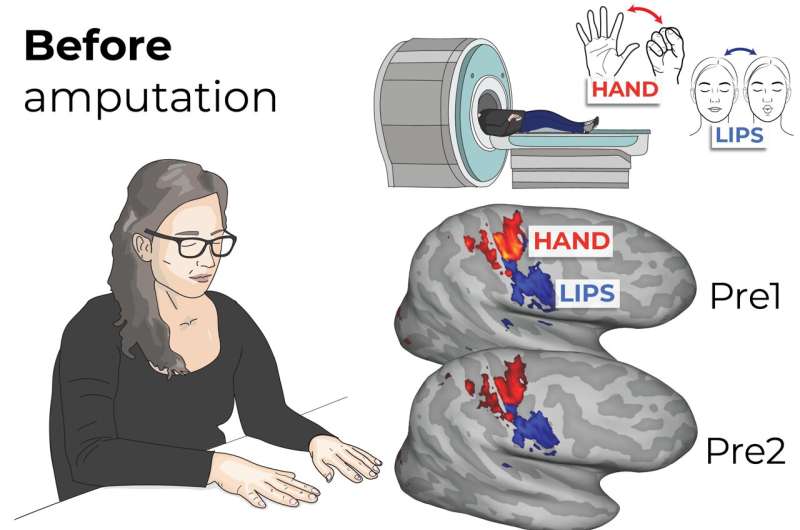
Reorganizing existing networks: If one area of the brain is damaged, other areas can sometimes take over its function, as seen in stroke recovery.
Factors that influence neuroplasticity
Several factors can influence how adaptable your brain is:
Age: While plasticity is greatest in childhood, it continues throughout life.
Genetics: Your genes play a role in how your brain develops and adapts.
Environment: A stimulating environment with opportunities for learning and social interaction enhances plasticity.
Lifestyle: Factors like sleep, nutrition, stress, and exercise all impact brain health and plasticity.
How Can You Encourage Neuroplasticity?
The great news is that you can actively influence your brain’s plasticity. Here are some ways to encourage it.
Embrace lifelong learning: Continually challenge your brain with new skills, languages, and information.
Engage in mental exercises: Puzzles, brain games, and critical thinking activities keep your mind sharp.
Stay physically active: Exercise boosts blood flow to the brain, promoting neurogenesis and synaptic plasticity.
Get enough sleep: Sleep is crucial for consolidating memories and allowing your brain to reorganize.
Reduce stress: Chronic stress can negatively impact brain plasticity.
Further Reading
“Neurogenesis in the Adult Human Hippocampus,” Nature Medicine, 1998.
“Physical Exercise and Brain Plasticity,” Brain Sciences, 2020.
“Mindfulness Practices and Brain Structure,” Journal of Cognitive Enhancement, 2017.