Weekly Neuroscience Update

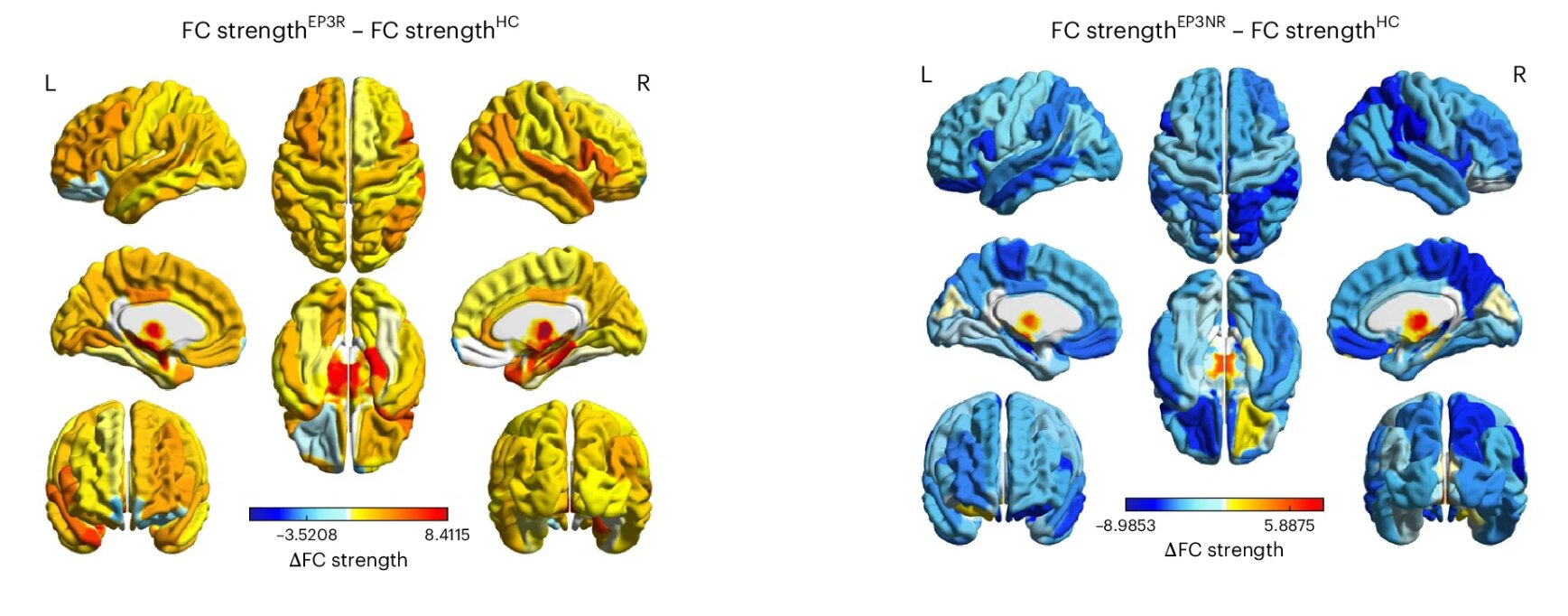
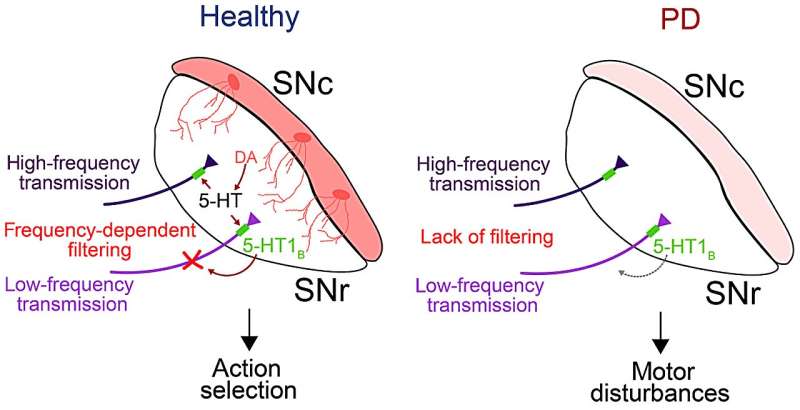
Illustration depicting a model of how DA and serotonin cotransmission shapes behaviour through frequency-dependent filtering of D1-MSN axons. Credit: Science Advances (2025)

Scientists have uncovered a previously unknown mechanism by which dopamine, a key brain chemical vital for movement and motivation, can affect brain activity indirectly by boosting serotonin.

New brain imaging research shows that structural damage in schizophrenia spectrum disorders may begin in specific “epicenter” regions before spreading across connected brain networks. Individuals with the condition showed widespread reductions in structural similarity between key cognitive and emotional brain regions.

Researchers have uncovered new insights into how brain wiring differs in children and young adults with autism, offering more precise ways to understand the condition.

There is new hope for people who have lost their smell. Scientists have successfully tested a breakthrough device that lets people detect the presence of certain odors. This innovative system helps them “smell” again by translating odors into feelings (like touch) inside the nose.

Lockdown and social distancing measures during the COVID-19 pandemic were associated with increased developmental concerns about young children in Scotland, research suggests.

Researchers have identified two receptors in the brain that control the breakdown of amyloid beta, a substance that accumulates in Alzheimer’s disease. The study could pave the way for future drugs that are both safer and cheaper than current antibody treatments.

Patients with major depressive disorder, including non-responders to first-line antidepressants, may benefit from short-term nitrous oxide treatment.

A new study has achieved a long-standing goal in neuroscience: showing how the brain’s smallest components build the systems that shape thought, emotion and behaviour. The research, published in the journal Nature Communications, could transform how scientists understand cognition and aging, as well as mental health disorders like depression and schizophrenia.

Neuroscientists have identified five “major epochs” of brain structure over the course of a human life, as our brains rewire to support different ways of thinking.

New longitudinal research shows that Alzheimer’s disease blood biomarkers rise up to 95 percent faster in people with obesity than in those without. While baseline tests initially appeared lower due to blood dilution, long-term tracking revealed a significantly accelerated build-up of neurodegeneration and amyloid pathology.

Using in-vehicle driving data may be a new way to identify people who are at risk of cognitive decline, according to a study published on November 26, 2025, in Neurology.

Researchers have developed an AI system that can reconstruct fine hand muscle activity using only standard video footage. Traditionally, this type of measurement required intrusive electrodes attached to the skin, but the new method eliminates that need entirely.

A large population analysis found that older adults who received the shingles vaccine were significantly less likely to develop dementia over the following seven years.

A new review explores how episodic memories are formed, stored, and reshaped over time, revealing why our recollections of past events often change. Rather than functioning like fixed files, memories consist of multiple components that can lie dormant until triggered by environmental cues.

Finally this week, a multi-institutional team of researchers report that extensive musical training can steady the body in space, both with and without guiding sounds, during a blindfolded stepping test.
Weekly Neuroscience Update

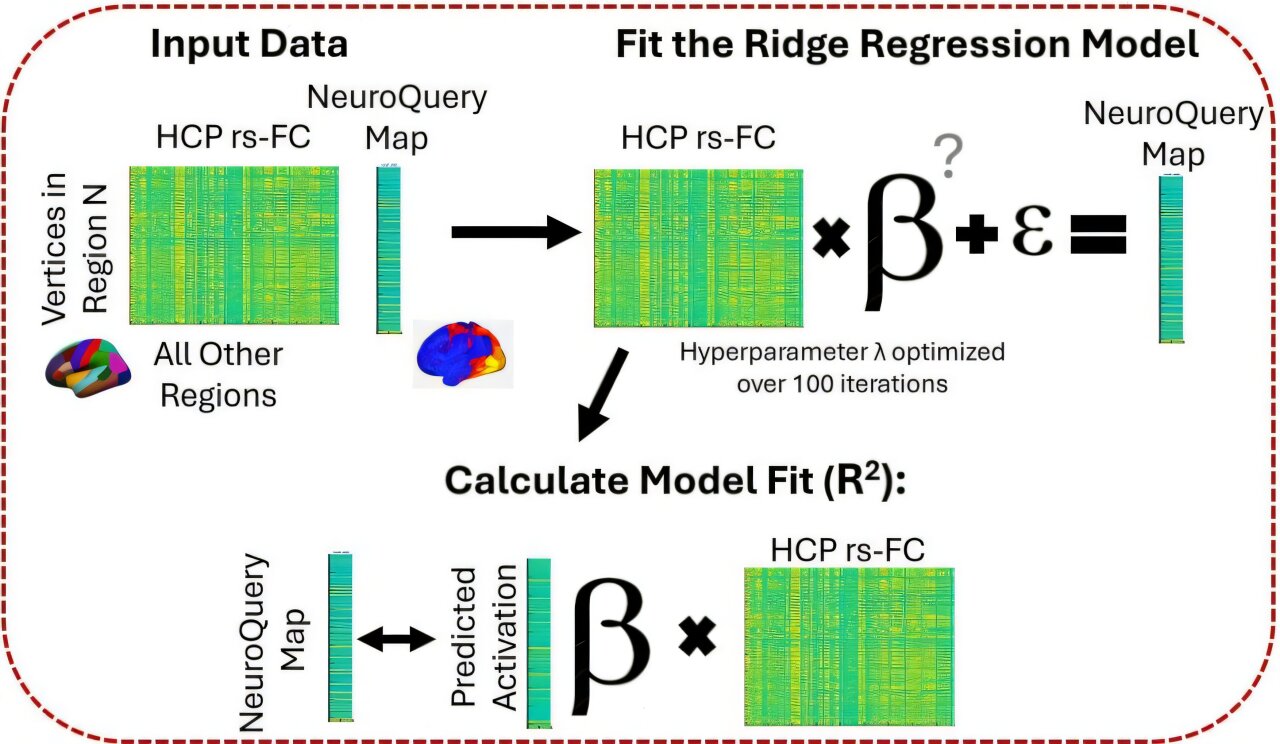
Diagram outlining the model procedures for one domain and one region. This process was repeated for all 33 domains and 82 regions. Credit: Network Neuroscience (2025).

A new study provides the best evidence to date that the connection patterns between various parts of the human brain can tell scientists the specialized functions of each region.

Researchers have discovered that problems with the brain’s waste-clearing system—the glymphatic system—may significantly raise the risk of developing dementia. In one of the most extensive studies to date, MRI data from 40,000 adults revealed that impaired cerebrospinal fluid (CSF) flow predicts dementia risk years before symptoms appear.

Statins might help protect the brain function of breast and lymphoma cancer patients for up to 2 years after their cancer treatment, according to a report in JAMA Network Open.

A study published in the journal Music and Medicine demonstrates that intraoperative music therapy significantly reduces the amount of propofol and fentanyl required during laparoscopic cholecystectomy performed under general anaesthesia. Patients exposed to therapeutic music also experienced smoother awakenings and lower physiological stress, as measured by decreased perioperative cortisol levels.

Scientists have used next-generation imaging technology to discover that when the brain is falling asleep, it shows a coordinated shift in activity.

A research team has conducted one of the most comprehensive studies on dopamine and decision-making in humans so far, providing evidence for effects of the former on the latter. Dopamine is a neurotransmitter involved in several functions, including motivation and reward.

Newly decoded brain circuits make memories more stable as part of learning, according to a new study.

Brain scans from American football players reveal subtle differences in the brain’s outer grooves when compared to scans from otherwise healthy men who never played contact or collision sports, a new study shows. Its authors say the findings could potentially predict which people are more at risk of chronic traumatic encephalopathy.

Researchers have uncovered an unexpected molecular partnership that reshapes understanding of how brain inflammation arises in Alzheimer’s disease.

Even when blood pressure is well controlled, older adults whose blood pressure fluctuates widely from one heartbeat to the next may be at greater risk for brain shrinkage and nerve cell injury, according to a recent study.

Finally, this week, new research suggests that a child’s gut microbiome at age 2 may influence their emotional health years later.

Weekly Neuroscience Update

Credit: Neuroscience (2025). DOI: 10.1016/j.neuroscience.2025.06.032

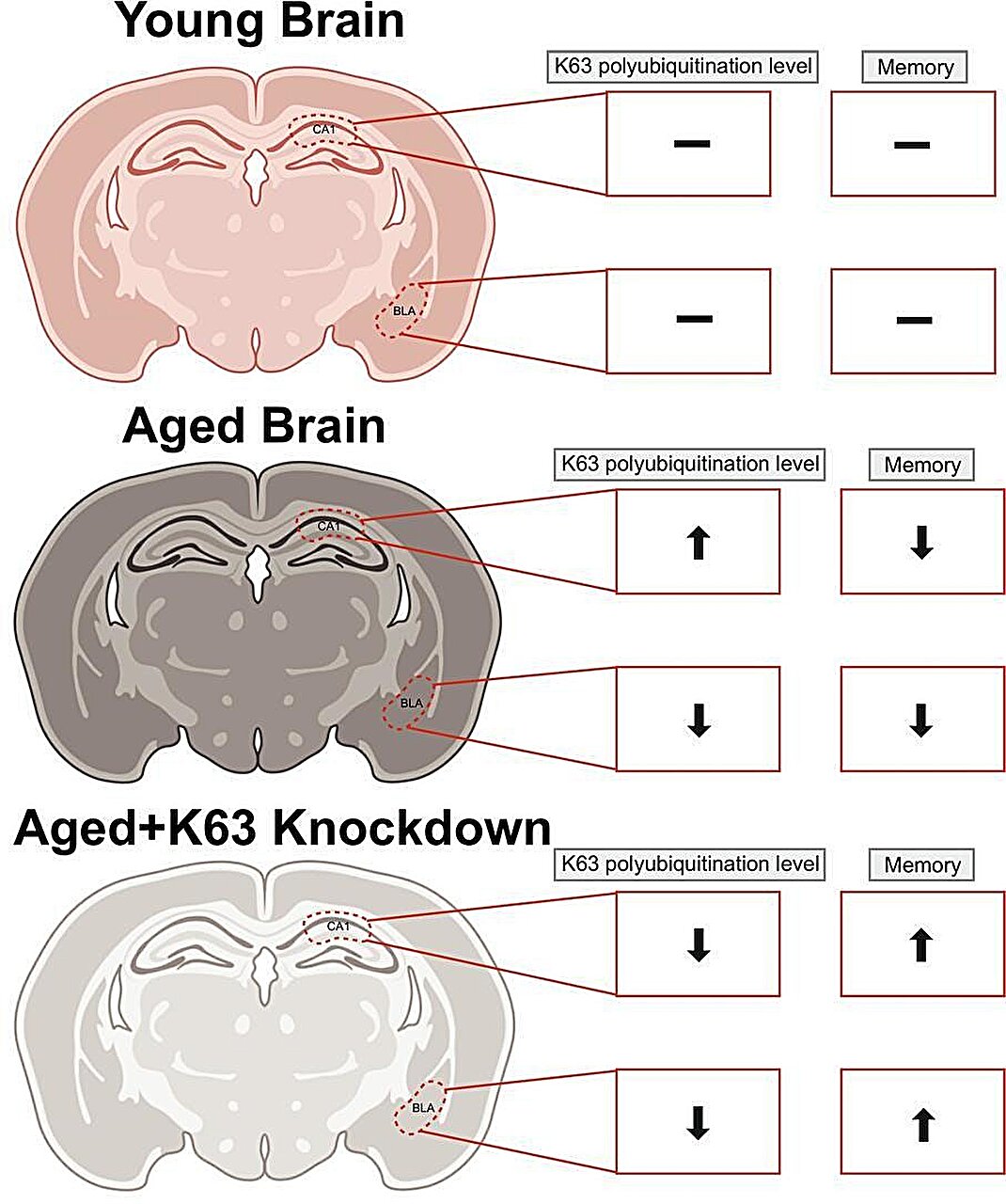
Memory loss may not simply be a symptom of getting older. New research shows that it’s tied to specific molecular changes in the brain and that adjusting those processes can improve memory.

An international consortium of researchers has created the largest-ever database compiling records of brain activity during sleep and dream reports. One of the first analyses of the database confirmed that dreams do not occur only during REM sleep, but also during deeper and calmer NREM stages. In these cases, brain activity resembles wakefulness more than deep sleep, as if the brain were “partially awake.”

A smartphone app for muscle relaxation significantly reduced migraine-related disability in patients visiting the emergency department.

A new study reveals that sleep-like slow-wave brain activity can persist for years in surgically disconnected brain hemispheres of awake epilepsy patients. Using EEG recordings, researchers found that the isolated cortex exhibits patterns similar to deep sleep, anesthesia, or vegetative states—suggesting absent or reduced awareness.

People 60 and older who are excessively sleepy during the day may have more problems with memory and thinking after surgery, suggests a study presented at the ANESTHESIOLOGY 2025 annual meeting.

Doctors and researchers at the University of Pittsburgh and UPMC have developed a new treatment for epilepsy patients who don’t respond to medication and aren’t candidates for surgery. Their approach, published in Nature Communications, uses deep brain stimulation (DBS) that is tailored to each patient’s unique brain wiring. 

A new computational tool has uncovered genetic evidence directly linking Alzheimer’s disease to the loss of memory-making neurons, helping to resolve a decades-long mystery in dementia research.

While studies have linked brain areas to remembering personal experiences, brain areas involved in learning more impersonal information about the world remain unclear. In a new JNeurosci paper, researchers used fMRI on 29 human volunteers as they performed a learning task to shed light on how the brain acquires semantic, impersonal information.

Researchers have traced the earliest stages of multiple sclerosis (MS), showing that the immune system begins attacking the brain up to seven years before diagnosis.

New research has provided the strongest evidence yet that auditory verbal hallucinations—or hearing voices—in schizophrenia may stem from a disruption in the brain’s ability to recognise its own inner voice.

Adults with gum disease may be more likely to have signs of damage to the brain’s white matter than people without gum disease, according to a study published in Neurology Open Access.

A team of researchers has developed and tested a new virtual reality (VR) training task designed to help stroke survivors living with visuospatial neglect (VSN), a disabling condition that affects attention and awareness of one side of space. The exploratory case study is among the first to integrate audiovisual cues within a physiotherapy-based VR task to support rehabilitation.

Finally, this week, listening to music when you are over 70 years of age has been linked to a 39% reduction in the risk of dementia, according to a new study of over 10,800 older people.

Weekly Neuroscience Update

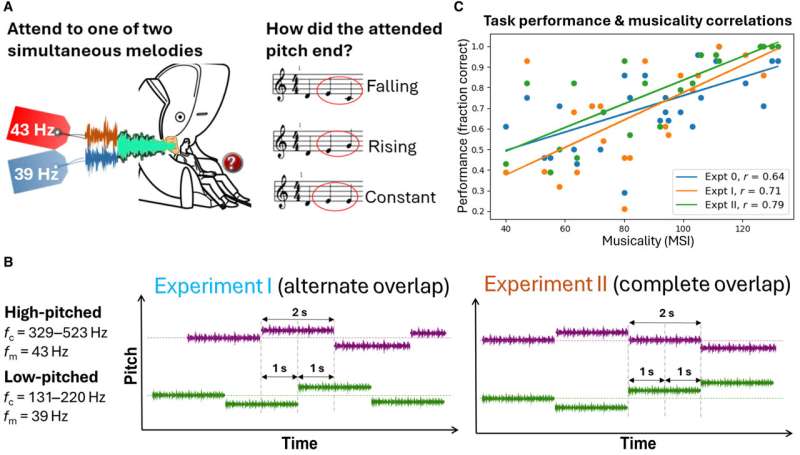
Experimental tasks and behavioral results. Credit: Science Advances (2025)

Musical people find it easier to focus their attention on the right sounds in noisy environments. This is shown in a new study from Karolinska Institutet published in the journal Science Advances. The results suggest that music training can be used to sharpen attention and cognition.

A major UK study has revealed that the early warning signs of multiple sclerosis (MS) may appear years before diagnosis and affect all communities in similar ways.

Pea-sized brains grown in a lab have, for the first time, revealed the unique way neurons might misfire due to schizophrenia and bipolar disorder, psychiatric ailments that affect millions of people worldwide but are difficult to diagnose because of the lack of understanding of their molecular basis.

Researchers have developed a minimally invasive method for recording brain activity through blood vessels.

A long-term study tracking 475 children found that autistic children are far more likely to experience persistent gastrointestinal issues than their peers. These symptoms often co-occur, persist throughout childhood, and are strongly related to challenges with sleep, communication, behavior, and sensory processing.

Science and artificial intelligence have combined in a study that could lead to personalized repetitive transcranial magnetic stimulation, or rTMS, for smokers who want to quit.

New research suggests that when people listen to speech at varying speeds, the auditory cortex does not adjust its timing but instead processes sound within a fixed time window. This discovery challenges the long-standing idea that the brain flexibly adapts its processing pace to match speech rhythms.

Neuroscientists are leveraging music’s ability to synchronize brain waves to enhance the effectiveness of transcranial magnetic stimulation (TMS).

Fluctuations in brain activity, also known as neural variability, enable us to be flexible in adjusting our behavior to the current situation. A new study shows that neural variability increases throughout development before stabilizing in adolescence. And deviating from this trajectory is associated with worse executive functioning.

Scientists have identified a previously underexplored population of hypothalamic neurons that plays a pivotal role in regulating energy expenditure.

A new study reveals that our brain’s attention system first prepares broadly, then focuses on specific details within fractions of a second. Using EEG and machine learning, researchers tracked how people focused on either the colour or the movement of dots before they appeared.

The first major data release from the HEALthy Brain and Child Development (HBCD) Study has provided researchers with a groundbreaking resource to study early childhood brain development.

A study published in The Cerebellum provides initial experimental evidence that a single session of cerebellar High-Definition Transcranial Direct Current Stimulation (HD-tDCS) may help to maintain anticipatory and consummatory pleasure and enhance reward sensitivity in healthy individuals.

New research finds that regional fat distribution exerts distinct effects on brain structure, connectivity and cognition, revealing patterns not explained by body mass index (BMI).

A new study reveals that fluoxetine, more commonly known as Prozac, does more than simply increase serotonin—it alters how brain cells utilize energy and form new connections. After two weeks of treatment, parvalbumin interneurons in the prefrontal cortex became less rigid, with mitochondrial energy genes reduced and plasticity genes upregulated.

Depression’s earliest signs can be hard to spot, but a new study shows AI can detect them in subtle facial movements.

A new five-year study explores how dopamine may drive changes in brain myelin during social isolation. Researchers will track how dopamine interacts with oligodendrocytes, the cells responsible for producing myelin and supporting neuron function.

Scientists have revealed a key mechanism in how our brains change when we learn new information or form memories.

Humans excel at adapting to new situations, while machines often stumble. A new interdisciplinary study reveals that the root of the issue lies in how humans and AI approach “generalization,” the process of transferring knowledge to new problems.

Finally this week, according to new research, habit, rather than conscious choice, drives most of our actions. 

Weekly Neuroscience Update

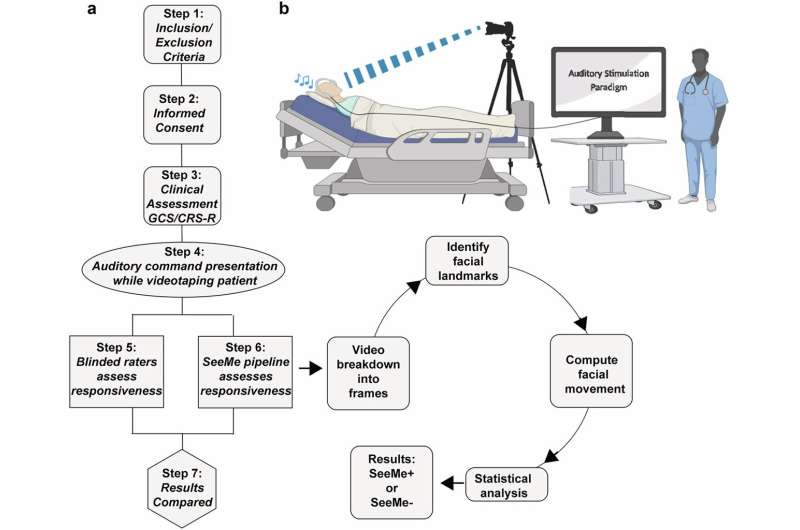
The study design and data processing pipeline for SeeMe. Credit: Communications Medicine (2025).

SeeMe, a computer vision tool, was able to detect low-amplitude, voluntary facial movements in comatose patients with acute brain injury days before clinicians could identify overt responses.

A new neuroimaging study reveals that child neglect alone, without other forms of abuse, can alter critical brain pathways. Researchers found abnormalities in white matter regions tied to movement, attention, language, and emotional regulation.

Scientists have identified a distinct neurochemical signature that distinguishes Parkinson’s disease from essential tremor.

A team of researchers has developed a simple, three-minute brainwave test called Fastball EEG that can detect early signs of memory impairment associated with Alzheimer’s disease. Unlike traditional memory tests, it is passive and requires no active participation, making it more objective and accessible.

A large-scale study with 600 participants shows that music can genuinely evoke feelings of companionship by sparking social imagination.

A toxic protein forms dynamic pores in the membranes of brain cells—and that may be the key to understanding how Parkinson’s disease develops. This is the conclusion of a new study from Aarhus University, where researchers have developed an advanced method to track molecular attacks in real time.

A hormone produced by the brain, orexin, may play a central role in the functioning of the brain’s glymphatic system, which clears waste, according to a new study.

Researchers at Johns Hopkins Medicine say they have revealed a possible molecular connection between air pollution and an increased risk of developing Lewy body dementia. The findings contribute to a growing body of evidence suggesting that environmental factors may trigger harmful protein changes in the brain, leading to neurodegeneration.

A new treatment offers hope to end the pain of neuropathy.

Two new papers from Clinical Gastroenterology and Hepatology and Gastroenterology shed light on how gut-brain interactions, influenced by both biology and life circumstances, shape eating behaviors. Together, they highlight the importance of multidisciplinary, personalized approaches to digestive health and nutrition.

Neuroscientsts have shown for the first time the precise timing of nerve signals determines how the brain processes information.

A new large-scale study shows that Alzheimer’s disease is marked by the erosion of epigenomic control, where brain cells lose the ability to maintain stable gene expression. Using a multi-region atlas of 3.5 million cells, researchers found that vulnerable cells in key memory regions such as the hippocampus suffer breakdowns in nuclear compartmentalization and lose their “epigenomic information.”

Individuals with an increased risk of dementia due to Alzheimer’s disease may have impaired spatial orientation skills.

UCLA engineers have developed a wearable, noninvasive brain-computer interface system that utilizes artificial intelligence as a co-pilot to help infer user intent and complete tasks by moving a robotic arm or a computer cursor.

Macquarie University hearing researchers have discovered how our brains learn to listen, and how this can help us understand speech in noisy, echo-filled spaces.

Some sugar substitutes may come with unexpected consequences for long-term brain health, according to a study published in Neurology. The study examined seven low- and no-calorie sweeteners and found that individuals who consumed the highest amounts experienced faster declines in cognitive function, specifically thinking and memory skills, compared to those who consumed the lowest amounts.

Finally this week, scientists studying ways of improving motion sickness have found that playing different types of music may help people recover more effectively. 

Weekly Neuroscience Update

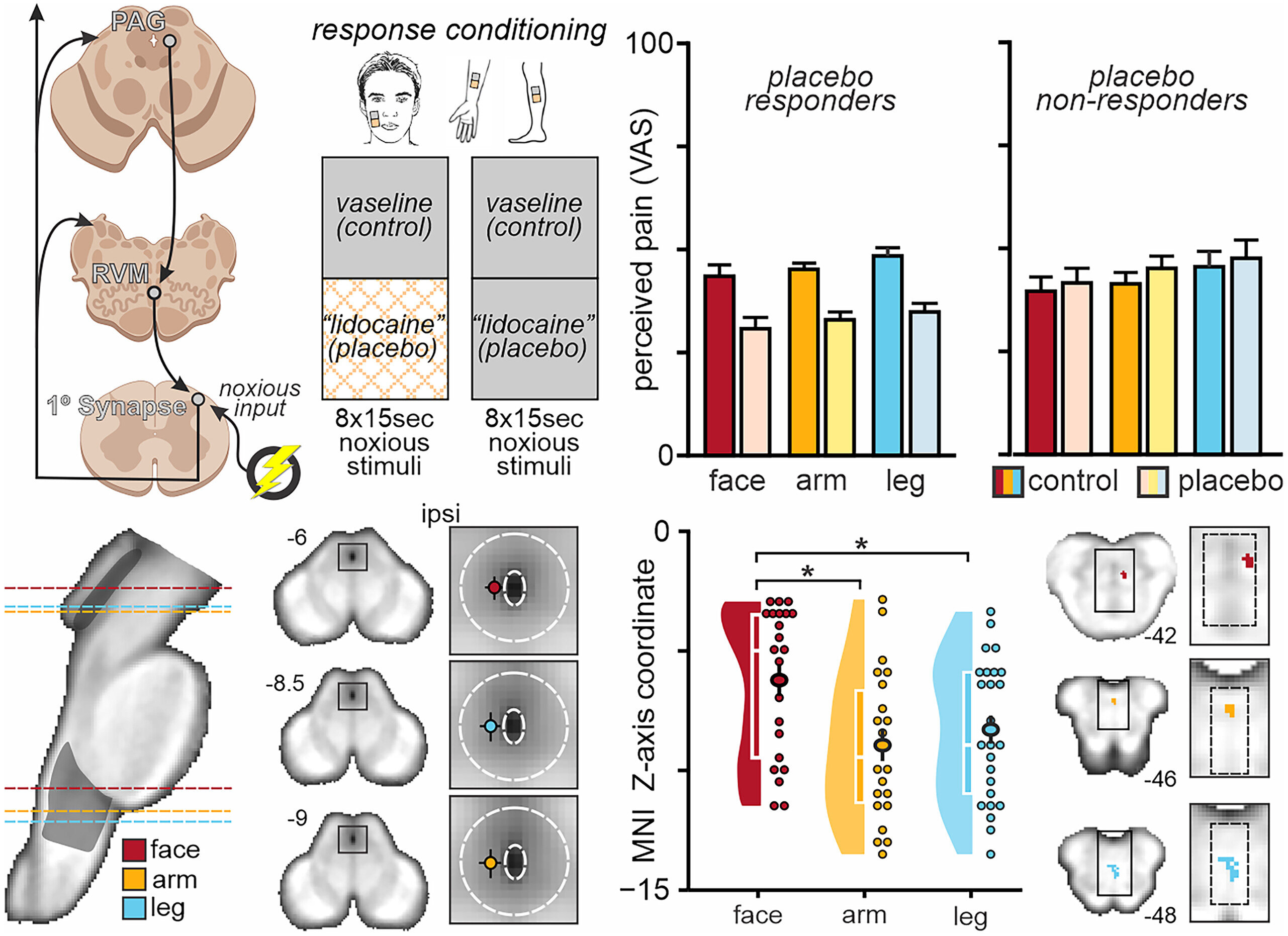
Credit: Science (2025)

Researchers have used placebo pain relief to uncover a map-like system in the brainstem that controls pain differently depending on where it’s felt in the body. The findings may pave the way for safer, more targeted treatments for chronic pain that don’t rely on opioids.

New research reports an association between taking GLP-1 receptor agonists and lower overall cancer risk in adults with obesity, with a reduced risk for ovarian cancer.

Some regions of the brain in people with Alzheimer’s reorganize more often while at rest than in people without the disease–– and in healthy people, this frequent reshuffling sometimes predicts who will develop the condition later, according to a new study.

Researchers have demonstrated for the first time that psychotherapy leads to measurable changes in brain structure by using cognitive behavioural therapy.

Listening to music while doing something can make that activity more enjoyable. But listening to music after an experience or activity can make it more memorable if you have the optimal emotional response while listening to it, according to new research.

A new study reveals that the brain employs two distinct mechanisms to drive exploration under conditions of uncertainty.

A team of scientists has discovered a built-in “brake” that controls when key brain cells mature. In multiple sclerosis (MS), this brake appears to stay on too long, leaving the cells unable to repair the damage the disease causes.

New research suggests a link between a history of traumatic brain injury (TBI) and the risk of developing a malignant brain tumour.

Breathwork while listening to music may induce a blissful state in practitioners, accompanied by changes in blood flow to emotion-processing brain regions, according to a study published in the journal PLOS One.

The type of estradiol-based hormone therapy taken during and after menopause, such as patches or pills, may be associated with differences in memory performance, according to a new study.

Researchers have identified two specific types of brain cells that are altered in people with depression. The study, published in Nature Genetics, opens the door to developing new treatments that target these cells and deepens our understanding of depression.

Finally, this week, a new AI framework can detect neurological disorders by analyzing speech with over 90% accuracy. 

Weekly Neuroscience Update

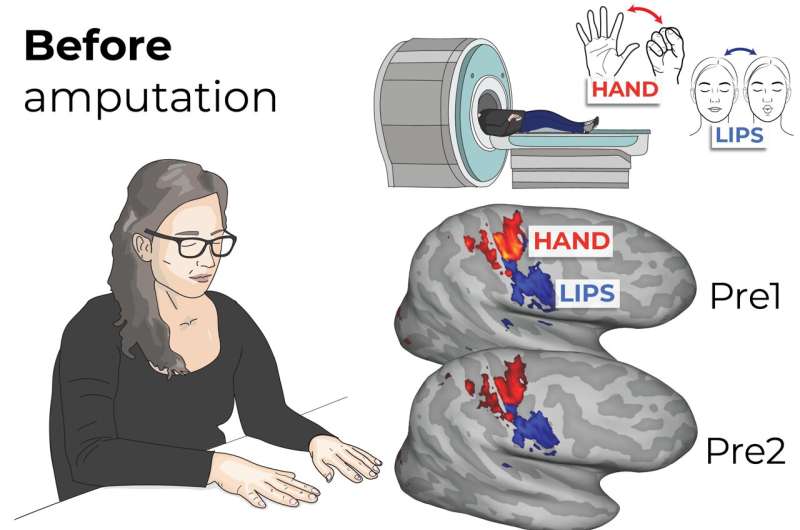
Brain activity maps for the hand (shown in red) and lips (blue) before the amputation (Pre1 and Pre2) and after amputation (three, six and 18 months post-amputation). Credit: Tamar Makin / Hunter Schone

The brain holds a “map” of the body that remains unchanged even after a limb has been amputated, contrary to the prevailing view that it rearranges itself to compensate for the loss, according to new research.

A fading sense of smell can be one of the earliest signs of Alzheimer’s disease even before cognitive impairments manifest. 

Scientists have developed a computational framework that maps how the striosomal compartment of the striatum governs everyday decision-making. By integrating biology, decision theory, and mathematical modeling, different levels of striosomal activity can push individuals toward impulsive, balanced, or overly complex decisions.

A recent study has shown that the brain leaves subtle traces of creativity minutes before an “aha!” moment.

New research has raised concerns about the safety of acetaminophen use during pregnancy, linking prenatal exposure to higher risks of autism and ADHD. While the evidence does not prove causation, it highlights biological mechanisms such as oxidative stress and hormone disruption that may affect fetal brain development. Researchers recommend cautious, time-limited use under medical supervision and call for safer treatment alternatives.

A new study has found that people who lived in areas with high levels of leaded gasoline emissions in the 1960s and ’70s are more likely to report memory problems today.

A multi-institution research team reports that gaze patterns can serve as a sensitive marker of cognitive decline, with associated reductions in explorative, adaptive, and differentiated visual sampling of the environment.

New research reveals that different types of music shape the emotional tone of the memories they evoke. 

A genetic study has identified more than 400 genes that drive different forms of unhealthy aging, from cognitive decline to metabolic problems. The findings show that frailty is not a single condition but multiple subtypes with distinct biological pathways.

Finally, this week, a new study suggests the brain may be a missing link in certain forms of high blood pressure or hypertension.

Weekly Neuroscience Update

Credit: Nature Mental Health (2025)

Pioneering research has identified the brain mechanisms that enable psychosis to remit. These findings could significantly inform the development of novel intervention strategies for patients with psychosis.

Contrary to fears of “digital dementia,” new research finds that using digital technology is linked to a reduced risk of cognitive decline in older adults. A large-scale meta-analysis of over 400,000 participants revealed that digital engagement correlates with a 58% lower risk of cognitive impairment.

A simple method of brain stimulation has been shown to change how people make decisions. These were the findings of a new study published in the Journal of Cognitive Neuroscience.

A team of researchers has identified the key brain regions that are essential for logical thinking and problem solving. The findings help to increase our understanding of how the human brain supports our ability to comprehend, draw conclusions, and deal with new and novel problems—otherwise known as reasoning skills.

Medial temporal lobectomy is effective in improving seizure outcomes among patients with drug-resistant temporal lobe epilepsy, according to a recent study.

New research links fatty, sugary diets to impaired brain function. The findings build on a growing body of evidence showing the negative impact of high-fat, high-sugar (HFHS) diets on cognitive ability, adding to their well-known physical effects.

A recent study reveals that the basolateral amygdala plays a key role in calibrating prosocial behavior based on emotional closeness.

New research reveals that gut imbalances in children with autism may influence brain activity and behaviour by disrupting the production of key neurotransmitters like serotonin. Scientists found that changes in gut-derived metabolites are linked to differences in brain structure and function in children with autism.

Chronic pain is closely intertwined with depression. Individuals living with pain’s persistent symptoms may be up to four times more likely to experience depression according to a new study.

Our brains can adapt to filter out repeated distractions, according to a new EEG study. Participants learned to ignore frequent visual distractions, such as a red shape in the same location, while searching for a target.

Repetitive transcranial magnetic stimulation is showing promise in Alzheimer’s treatment.

A new international study reveals a possible connection between GLP1 receptor agonists—used in drugs like Ozempic—and increased risk of depression and suicidal ideation, especially in people with low dopamine function.

Researchers have found a potential link between the trauma of climate-related events, exemplified by devastating wildfires, and persistent effects on cognitive function.

Researchers have developed a personalized blood test that may offer a faster, less invasive way to track high-grade glioma progression. By identifying unique DNA junctions from each patient’s tumour, the test can detect tumor DNA in the bloodstream, even before changes appear on MRI scans.

A new study demonstrates for the first time that listening to favorite music activates the brain’s opioid receptors.

Promising a more personalized approach to treating major depressive disorder (MDD), a new study reveals that brain connectivity patterns, especially in the dorsal anterior cingulate cortex, can significantly predict patient response to antidepressant medications. This finding was validated in two large, independent clinical trials using brain imaging and clinical information.

Contrary to potential assumptions, recent research demonstrates that the spatial working memory of older people with autistic traits and neurotypical individuals shows no difference in change over time.

A major international study has provided the most comprehensive evidence to date on treatments for neuropathic pain —defined as pain caused by disease of the nervous system, affecting up to 10% of the population worldwide.

Finally, this week, exercise appears to be vital for maintaining sharp minds, even when a key brain energy source is lacking, according to a new study.

Weekly Neuroscience Update

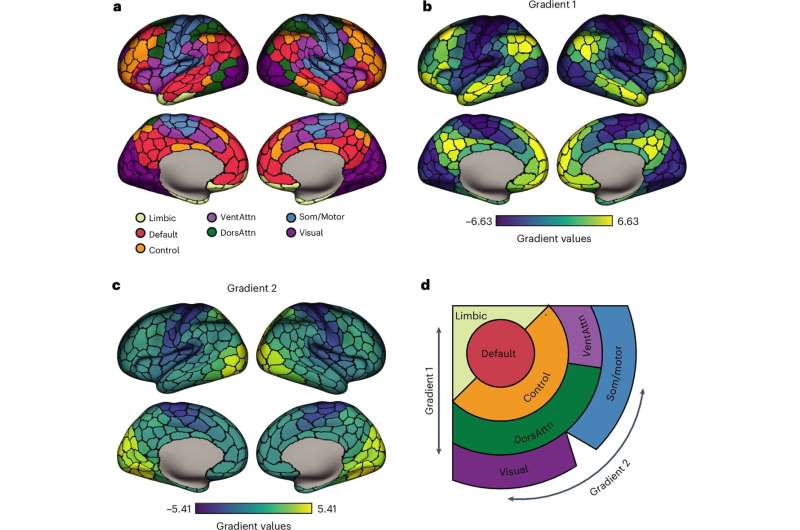
Large-scale functional networks are embedded along two principal gradients. Credit: Nature Neuroscience (2024).

Scientists have uncovered how different types of brain cells work together to form large-scale functional networks in the human brain—interconnected systems that support everything from sensory processing to complex decision-making—paving the way for new insights into brain health and disease.

A new neuroimaging marker of cerebral small vessel disease is related to general cognition and may serve to identify persons at risk of dementia in future clinical trials, a landmark study has found.

A recent study reveals that the genetic mutation causing Huntington’s disease (HD) enhances brain development and intelligence in early life, but leads to degeneration in adulthood. Children with the HD gene exhibit larger brains and higher IQs than those without the mutation.

In what could one day become a new treatment for epilepsy, researchers have used pulses of light to prevent seizure-like activity in neurons.

A team of researchers has found that certain factors are linked to faster brain shrinkage and quicker progression from normal thinking abilities to mild cognitive impairment (MCI). People with type 2 diabetes and low levels of specific proteins in their cerebrospinal fluid showed more rapid brain changes and developed MCI sooner than others.

A new study explores how brain waves reflect melody predictions while listening to music.

Neuroscientists have identified the binding site of low-dose ketamine, providing critical insight into how the medication, often described as a wonder drug, alleviates symptoms of major depression in as little as a few hours with effects lasting for several days.

New research indicates that cannabis use causes cellular damage that increases the risk of highly cancerous tumors by disrupting mitochondria and damaging DNA. 

Fampridine, used for improving walking in multiple sclerosis, may also enhance working memory in individuals with schizophrenia or depression. A study found that the drug significantly improved working memory in participants with initially poor performance, but had no effect on those with strong baseline memory.

A recent study links satellite and brain imaging data to identify how environmental factors can impact mental health, cognition and brain development in young people.

A new Alzheimer’s test collects just a few drops of blood from a finger prick, which can be mailed to a lab for analysis. The test measures biomarkers like pTau217 and has shown similar accuracy to traditional venous blood sampling.

Children born to mothers who take antiseizure medications during pregnancy may face increased risks of neurodevelopmental conditions, according to new data.

Researchers have shed light on the puzzling relationship between dopamine and rest tremor in Parkinson’s disease, finding that preserved dopamine in certain brain regions may actually contribute to tremor symptoms, challenging common beliefs.

New research has revealed the diverse assembly and regulation of Type-A GABA receptors (GABAARs), which are crucial for balancing brain activity. 

A recent study has found fascinating similarities in how the human brain and artificial intelligence models process language. The research, published in Nature Communications, suggests that the brain, like AI systems such as GPT-2, may use a continuous, context-sensitive embedding space to derive meaning from language, a breakthrough that could reshape our understanding of neural language processing.

A team of researchers has investigated the composition and communication of cells in so-called subcortical lesions, tissue damage to deep brain structures at different stages of multiple sclerosis.

Care for stroke survivors urgently needs to focus on non-motor skill outcomes such as fatigue, anxiety and reduced social participation to improve survivors’ quality of life and minimize care needs, according to a new study.

An international research collaboration has discovered how unusual spherical structures form in the brains of people with a mutation that causes a form of inherited Alzheimer’s disease. 

A new study identifies previously hidden brain network patterns in schizophrenia by focusing on nonlinear connectivity, offering potential biomarkers for early diagnosis. Traditional imaging methods often overlook these patterns, but researchers developed advanced statistical tools to uncover this new dimension of brain organization.

Finally this week, research published in the Journal of the American Geriatrics Society has identified several community-level factors that may increase people’s risk of experiencing cognitive impairment.

Weekly Neuroscience Update

Serotonin changes how people learn and respond to negative information

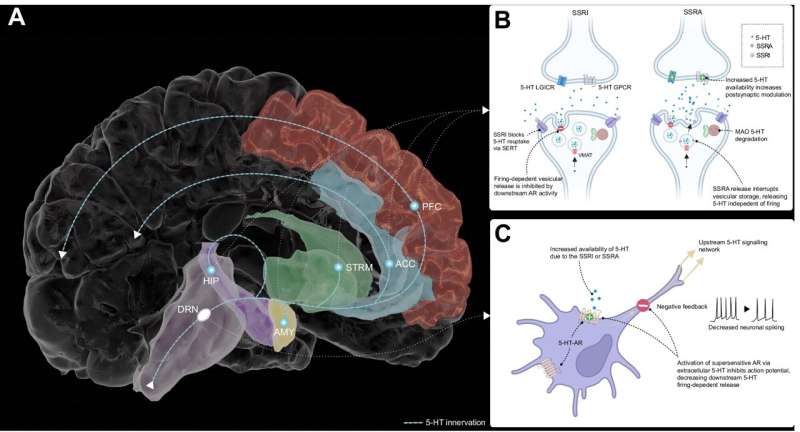
Selective serotonin releasing agent is not negated by 5-HT1A supersensitivity, resulting in a rapid onset of pro-serotonergic activity. Credit: Nature Communications (2024).

Increasing serotonin can change how people learn from negative information, as well as improving how they respond to it, according to a new study published in the journal Nature Communications.

A recent review outlines the genetic complexity of schizophrenia, highlighting nearly 300 common genetic variants and over 20 rare variants linked to the disorder. Researchers emphasize that schizophrenia’s genetic basis is multifaceted, involving multiple genes rather than a single cause. Environmental factors like lifestyle and stress also play crucial roles.

Researchers have conducted a study examining the impact of alcohol on the electrical conductivity of the brain, highlighting its sedative effects.

New research indicates that 20% of children with an older sibling diagnosed with autism are also likely to be diagnosed with autism spectrum disorder (ASD), with this rate increasing to 36% when there are multiple siblings with ASD.

A new study suggests that the risk of developing dementia in Parkinson’s disease patients may be lower or occur later than previously reported.

An international team of researchers has investigated the neural mechanisms underlying imitative behavior: a phenomenon that facilitates interaction and social cohesion and allows people to engage spontaneously with others. The study—published in Proceedings of the National Academy of Sciences (PNAS)—has uncovered new insights into how the brain regulates this behavior, opening up new perspectives for clinical and therapeutic applications.

Advanced MRI scans, particularly diffusion tensor imaging (DTI), have shown promise in predicting which concussion patients are at risk for long-term symptoms. 

A significant breakthrough in the understanding of sleep mechanism opens new promise for treating sleep disorders and associated neuropsychiatric conditions: Scientists have pinpointed the melatonin receptor MT1 as a crucial regulator of REM (Rapid Eye Movement) sleep.

Innovative new research has revealed that the activity of different versions of genes expressed in the brain is associated with the accumulation of the protein tau, which is a hallmark of Alzheimer’s disease.

Finally this week, western classical music can significantly affect brain activity, particularly in people with treatment-resistant depression. By measuring brainwaves and neural imaging, scientists discovered that music synchronizes neural oscillations between brain regions associated with sensory and emotional processing, enhancing mood.