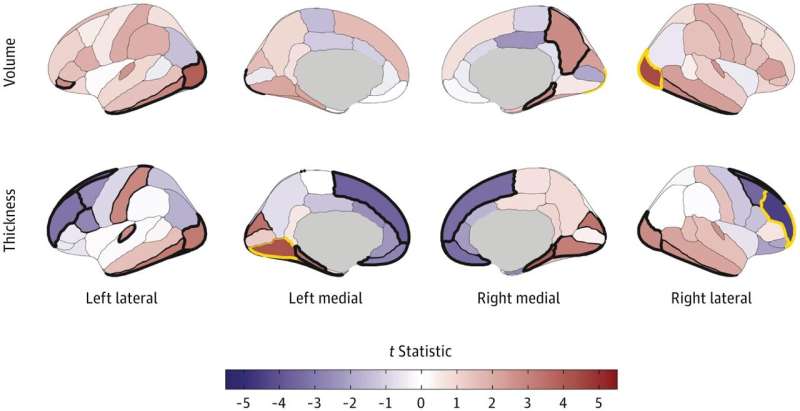
Regional Cortical Volume and Thickness Associations With Early Substance Use Initiation in the Adolescent Brain Cognitive Development (ABCD) Study. Credit: JAMA Network Open (2024).
A new study has identified neuroanatomical differences in children associated with early substance use initiation.
Vagus nerve stimulation (VNS) shows a positive treatment effect and improved quality of life (QoL) among patients with treatment-resistant depression according to two studies published in Brain Stimulation.
A new analysis of U.S. mortality data reveals the disproportionate impact of traumatic brain injuries on older adults, males and certain racial and ethnic groups.
Gender differences define how the human brain ages and telltale biomarkers in the blood may be strongly suggestive of cognitive impairment and dementia, according to a comprehensive new study involving more than 500 people.
Researchers have identified genetic variations in brain cells, particularly microglia and oligodendrocytes, that influence both aging and Alzheimer’s risk.
New research shows that not all brain cells age equally, with certain cells, such as those in the hypothalamus, experiencing more age-related genetic changes. These changes include reduced activity in neuronal circuitry genes and increased activity in immunity-related genes.
A recent study has found that menopause revs up the progression of multiple sclerosis (MS).
Researchers have discovered that pupil size during non-REM sleep correlates with memory consolidation. When pupils contract, the brain focuses on consolidating new memories; when dilated, it processes older ones. This separation prevents “catastrophic forgetting,” allowing the brain to efficiently manage both new and existing knowledge. These findings could lead to better memory enhancement techniques for humans and inspire more efficient artificial neural networks.
A new study shows head trauma may activate latent viruses, leading to neurodegeneration.
A collaborative effort between Mount Sinai and Memorial Sloan Kettering Cancer Center has shed valuable light on how monoamine neurotransmitters such as serotonin, dopamine, and now histamine help regulate brain physiology and behavior through chemical bonding of these monoamines to histone proteins, the core DNA-packaging proteins of our cells.
Finally this week, sex differences in brain structure are present from birth, new research shows.
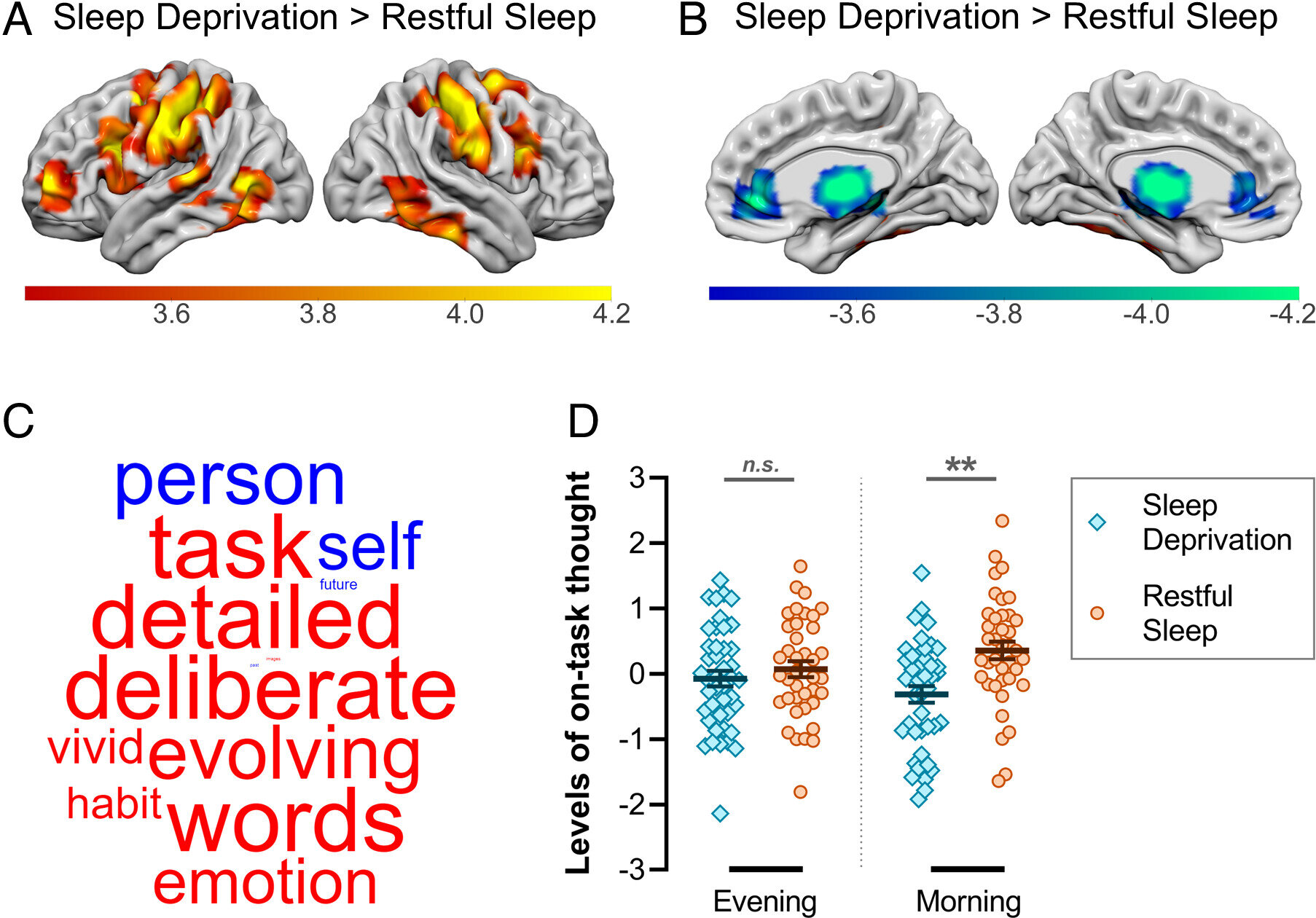
Credit: Proceedings of the National Academy of Sciences (2024).
The link between poor sleep and mental health problems could be related to deficits in brain regions that keep unwanted thoughts out of the mind, according to hew research.
Researchers from Trinity College Dublin have collaborated with international partners to explore if societal inequality affects the brain. The study reveals a direct link between structural inequality—such as socioeconomic disparities measured by a country-level index (GINI)—and changes in brain structure and connectivity associated with aging and dementia.
New research has explained how the body’s internal clock influences the inflammatory process of the immune system.
Researchers used AI to analyze brain images from 70-year-olds, estimating their biological brain age and uncovering connections to lifestyle and health factors. Diabetes, inflammation, and high glucose levels were linked to older-looking brains, while regular exercise and healthy habits were associated with younger-looking brains.
An international research team, including researchers at Karolinska Institutet, has mapped the genes expressed in the brain cells of people with multiple sclerosis.
Gestational hypertension, preeclampsia, and eclampsia are associated with an increased risk for neurological outcomes in the months or years after giving birth, according to a recent study published in JAMA Neurology.
People with breathing problems during sleep may have a larger hippocampus, the area of the brain responsible for memory and thinking, according to a new study.
Researchers have discovered a connection between Alzheimer’s disease and herpes simplex virus-1 (HSV-1), suggesting viral infections may contribute to neurodegeneration. The study found that tau protein, typically seen as harmful in Alzheimer’s, might initially protect the brain from the virus but later exacerbate damage.
COVID-19 infection is not associated with immediate changes in multiple sclerosis (MS) symptom severity or disability, according to a study published in Neurology.
A study of nearly 10,000 adolescents found that those who initiated substance use before age 15 exhibited distinct differences in brain structures compared to their peers. Many of these differences were present before substance use, suggesting a role in predisposing factors like genetics and environment.
New research in epigenetics reveals how early-life experiences influence gene expression and brain development. By bridging the gap between nature and nurture, this work shows that environmental factors leave lasting biological imprints, shaping long-term health and resilience.
For patients with neurodevelopmental disorders, a genomics-informed model can provide clinical benefits, directly affecting management, according to a new study.
A new “molecular lantern” technique allows researchers to monitor molecular changes in the brain non-invasively using a thin light-emitting probe. This innovative tool utilizes Raman spectroscopy to detect chemical changes caused by tumors, injuries, or other pathologies without altering the brain beforehand.
Finally this week,researchers have found that the pupil is key to understanding how, and when, the brain forms strong, long-lasting memories.
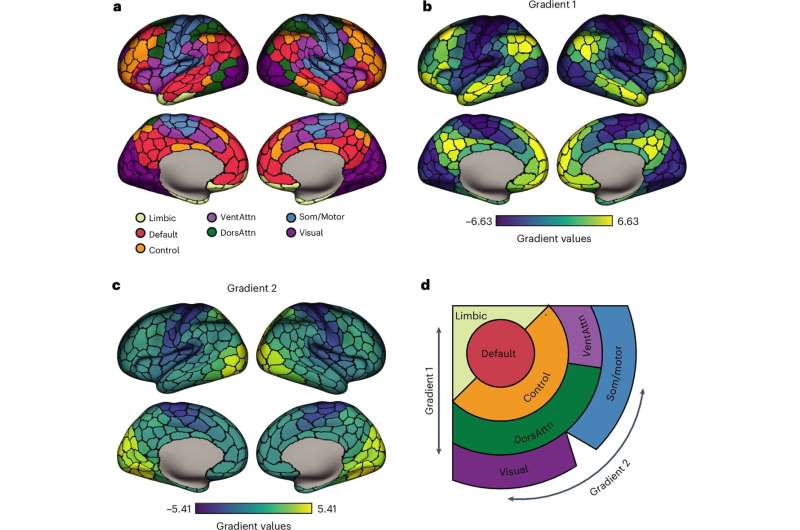
Large-scale functional networks are embedded along two principal gradients. Credit: Nature Neuroscience (2024).
Scientists have uncovered how different types of brain cells work together to form large-scale functional networks in the human brain—interconnected systems that support everything from sensory processing to complex decision-making—paving the way for new insights into brain health and disease.
A new neuroimaging marker of cerebral small vessel disease is related to general cognition and may serve to identify persons at risk of dementia in future clinical trials, a landmark study has found.
A recent study reveals that the genetic mutation causing Huntington’s disease (HD) enhances brain development and intelligence in early life, but leads to degeneration in adulthood. Children with the HD gene exhibit larger brains and higher IQs than those without the mutation.
In what could one day become a new treatment for epilepsy, researchers have used pulses of light to prevent seizure-like activity in neurons.
A team of researchers has found that certain factors are linked to faster brain shrinkage and quicker progression from normal thinking abilities to mild cognitive impairment (MCI). People with type 2 diabetes and low levels of specific proteins in their cerebrospinal fluid showed more rapid brain changes and developed MCI sooner than others.
Neuroscientists have identified the binding site of low-dose ketamine, providing critical insight into how the medication, often described as a wonder drug, alleviates symptoms of major depression in as little as a few hours with effects lasting for several days.
New research indicates that cannabis use causes cellular damage that increases the risk of highly cancerous tumors by disrupting mitochondria and damaging DNA.
Fampridine, used for improving walking in multiple sclerosis, may also enhance working memory in individuals with schizophrenia or depression. A study found that the drug significantly improved working memory in participants with initially poor performance, but had no effect on those with strong baseline memory.
A recent study links satellite and brain imaging data to identify how environmental factors can impact mental health, cognition and brain development in young people.
A new Alzheimer’s test collects just a few drops of blood from a finger prick, which can be mailed to a lab for analysis. The test measures biomarkers like pTau217 and has shown similar accuracy to traditional venous blood sampling.
Researchers have shed light on the puzzling relationship between dopamine and rest tremor in Parkinson’s disease, finding that preserved dopamine in certain brain regions may actually contribute to tremor symptoms, challenging common beliefs.
New research has revealed the diverse assembly and regulation of Type-A GABA receptors (GABAARs), which are crucial for balancing brain activity.
A recent study has found fascinating similarities in how the human brain and artificial intelligence models process language. The research, published in Nature Communications, suggests that the brain, like AI systems such as GPT-2, may use a continuous, context-sensitive embedding space to derive meaning from language, a breakthrough that could reshape our understanding of neural language processing.
A team of researchers has investigated the composition and communication of cells in so-called subcortical lesions, tissue damage to deep brain structures at different stages of multiple sclerosis.
Care for stroke survivors urgently needs to focus on non-motor skill outcomes such as fatigue, anxiety and reduced social participation to improve survivors’ quality of life and minimize care needs, according to a new study.
An international research collaboration has discovered how unusual spherical structures form in the brains of people with a mutation that causes a form of inherited Alzheimer’s disease.
A new study identifies previously hidden brain network patterns in schizophrenia by focusing on nonlinear connectivity, offering potential biomarkers for early diagnosis. Traditional imaging methods often overlook these patterns, but researchers developed advanced statistical tools to uncover this new dimension of brain organization.
Finally this week, research published in the Journal of the American Geriatrics Society has identified several community-level factors that may increase people’s risk of experiencing cognitive impairment.
The team that first recorded vagus nerve signals in humans has now isolated the electrical activity of individual neurons responsible for cardiovascular regulation. Published in the Journal of Physiology, the Monash University-led discovery paves the way for more research into how and why cardiovascular disease develops.
New research reveals that dopamine is not directly responsible for the formation of placebo analgesia, contrary to previous beliefs.
Scientists have developed a new brain-mapping tool called START, which combines transcriptomics and viral tracing to map the connections between specific neuronal subtypes with unprecedented detail. This technology allows researchers to identify distinct patterns of connectivity in inhibitory neurons within the cerebral cortex, providing a blueprint of the brain’s circuits.
A new study has demonstrated that emotion enhances memory for contextual details, challenging the view that emotion impairs the ability to remember such information.
Researchers compared the diagnostic accuracy of GPT-4 based ChatGPT and radiologists using 150 brain tumor MRI reports. ChatGPT achieved 73% accuracy, slightly outperforming neuroradiologists (72%) and general radiologists (68%).
Deep brain stimulation may provide immediate improvement in arm and hand strength and function weakened by traumatic brain injury or stroke.
People with Parkinson’s disease (PD) who experience visual hallucinations have reduced brain responses to unexpected visual changes, a marker known as visual mismatch negativity (vMMN). Using EEG, researchers compared brain activity in PD patients with and without hallucinations and discovered that those with hallucinations showed weaker vMMN signals
Lower attention ability in adolescence can predict cigarette and cannabis use in young adulthood, according to new research from Trinity College Dublin.
New research has found that frequent consumption of fizzy drinks and fruit juice significantly increases the risk of stroke. The study, which analyzed data from nearly 27,000 participants across 27 countries, showed a 22% increased risk of stroke from drinking fizzy drinks, with the risk rising further with multiple servings per day. Additionally, drinking more than four cups of coffee daily raised stroke risk by 37%, while tea consumption was associated with a reduced stroke risk.
New research shows that even pollution levels that are below government air-quality standards are associated with differences in children’s brains.
University of Queensland researchers have made a significant step towards enabling women with epilepsy safer access to a common and highly effective anti-seizure medication.
A new study shows that brain synchronization between a neurotypical person and someone with autism is weaker compared to two neurotypical individuals interacting. Using EEG hyperscanning, researchers observed reduced inter-brain synchrony during hand movement imitation between mixed pairs, with autistic individuals more likely to follow than lead.
Certain immune cells play an important role in the early stages of multiple sclerosis, a twin study shows.
New evidence from the Centre for Healthy Brain Ageing indicates that older adults who experience a stroke for the first time will have substantial immediate and accelerated long term-cognitive decline. The new research, published in JAMA Network Open, looked at finding out exactly how a stroke impacts a person’s cognitive abilities.
Scientists are examining the brains of individuals with asymptomatic Alzheimer’s disease who, despite having amyloid plaque and tau buildup—the primary indicators of Alzheimer’s—did not show diagnosable dementia symptoms while alive. They’ve identified crucial mechanisms that may safeguard against cognitive decline in Alzheimer’s disease.
Finally this week, In a first-of-its-kind study, University of South Florida researchers are finding that music can help boost cognition in patients undergoing chemotherapy.
Mapping network connectivity to cycles of seizure likelihood. Credit: Nature Medicine (2024)
A team of epilepsy specialists has developed a method to forecast the risk of a seizure within 24 hours. The researchers demonstrated that the surge of brain activity indicative of a seizure is preceded by unusual communication among certain brain regions. By examining a mere 90 seconds of these atypical brain signals, the researchers were able to predict the likelihood of a seizure.
A significant discovery by Australian scientists has the potential to improve the effectiveness of drugs currently used to manage cognitive decline in patients with Alzheimer’s disease.
A new study reveals that quick learners of motor skills have distinct brain activity patterns. Using brain-monitoring electrodes, they found that visual processing plays a crucial role in learning new movements. Fast learners showed higher activity in brain regions linked to visual information and muscle movement planning. These findings highlight the importance of vision in acquiring motor skills and its implications for older adults.
Star-shaped glial cells, so-called astrocytes, are more than just a supporting cell of the brain. They are actively involved in learning processes and interact with nerve cells. Now scientists are using a biophysical model to clarify how astrocytes interact with nerve cells to regulate rapid adaptation to new information. The results of the study have now been publishedin Communications Biology.
New research shows that inflammation outside the brain, such as that caused by common infections such as colds and urine infections, is linked to the progression of multiple sclerosis (MS).
Recent advances in the study of proteomes (i.e., the entire range of proteins expressed by human cells and tissues) have opened new opportunities for identifying the biological markers of specific diseases or mental disorders. This could in turn inform the prevention, diagnosis and treatment of these medical conditions.
A new experimental cancer drug could ease cognitive difficulties for those with Rett syndrome, a rare autism-linked disorder, by enhancing brain cell functions.
An MIT study published in Nature provides new evidence for how specific cells and circuits become vulnerable in Alzheimer’s disease, and hones in on other factors that may help some people show resilience to cognitive decline, even amid clear signs of disease pathology.
A new study demonstrates how the external representation of physiological signals (interoception) can affect our perception of them and teach us how to improve them in order to balance the body in stressful situations, for example. The study was recently publishedin the journal Scientific Reports.
A new study proposes a novel approach to studying consciousness through behavioural observations and learning curves, highlighting that learning often occurs in sudden leaps, suggesting these “eureka moments” are preceded by conscious cognitive processes.
Finally this week, there is a potential connection between a diagnosis of certain gastrointestinal (GI) syndromes and the formation and rupture of intracranial (brain) aneurysms according to new research.
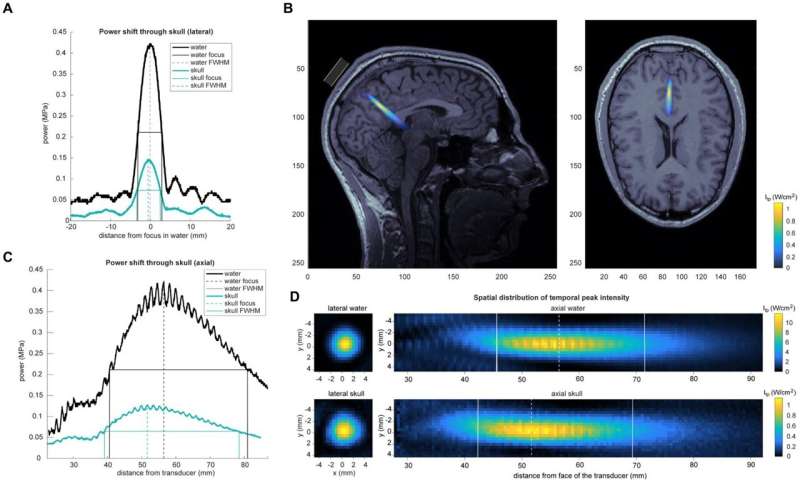
In a new studypublished in Frontiers in Human Neuroscience, researchers used low-intensity ultrasound technology to noninvasively alter a brain region associated with activities such as daydreaming, recalling memories and envisioning the future. They found that the technique can ultimately enhance mindfulness, marking a major advancement in the field of neuroscience.
New research finds that semaglutide, known as Ozempic/Wegovy, does not negatively impact brain health and may reduce cognitive problems and nicotine dependence.
Exposure to parental smoking (ParS) is associated with an increased risk for multiple sclerosis (MS) in later life in certain populations, according to a study presented at EAN 2024, the 10th Congress of the European Academy of Neurology, held from June 29 to July 2 in Helsinki.
Researchers have identified a new mutation in the ARPP21 gene linked to ALS. This discovery could improve ALS diagnosis and open avenues for personalized therapies.
A new approach to improving uncertainty estimates in machine-learning models enhances prediction accuracy. The method uses the minimum description length principle to provide more reliable confidence measures for AI decisions, which is crucial in high-stakes settings like healthcare.
A recent study suggests that consciousness evolved not for individual survival, but for social purposes, helping humans communicate ideas and emotions.
Researchers have discovered a neural activity pattern that can accurately predict and monitor the clinical status of OCD patients undergoing deep brain stimulation (DBS). This study highlights how this biomarker can guide DBS therapy, improving treatment outcomes for those with severe, treatment-resistant OCD.
A new study has found how the protein CGRP affects the brain’s lymphatic system, contributing to migraine pain. Their study reveals that CGRP prevents cerebrospinal fluid from draining, influencing migraine attacks.
Research published in Science Advancesshows neurobiological underpinnings of sex and gender in children to better understand how sex (assigned at birth) and gender (identity and expression) influence the brain, and ultimately a person’s health.
A new study shows that by age three, children can understand others’ intentions using active mirror neurons.
For the first time, scientists have found that sleep can be detected by patterns of neuronal activity just milliseconds long, 1,000 times shorter than a second, revealing a new way to study and understand the basic brain wave patterns that govern consciousness. They also show that small regions of the brain can momentarily “flicker” awake while the rest of the brain remains asleep, and vice versa from wake to sleep.
A neuroimaging study of young people who exhibit a persistent pattern of disruptive, aggressive, and antisocial behavior, known as conduct disorder, has revealed extensive changes in brain structure.
Retired rugby players who have suffered multiple concussions have higher levels of certain proteins in their blood, which may make them more prone to developing diseases such as motor neuron disease (MND), according to a new study.
Researchers have used machine learning to define three subtypes of Parkinson’s disease based on the pace at which the disease progresses.
A new study reveals that psilocybin, the active compound in magic mushrooms, temporarily disrupts brain networks involved in introspective thinking, like daydreaming and memory. These changes persist for weeks, potentially making the brain more flexible and improving mental health. The findings could pave the way for psilocybin-based therapies for depression and PTSD. The research underscores the importance of using these drugs under medical supervision.
A recent study links sleep preferences to brain performance, finding that “night owls” often score higher on cognitive tests than “morning larks.” Researchers analyzed data from over 26,000 people, highlighting that sleeping 7-9 hours a night optimizes brain function.
A team of international neuroscientists has obtained the first direct recordings of the human brain in the minutes before and after a brain hub crucial for language meaning was surgically disconnected. The results reveal the importance of brain hubs in neural networks and the remarkable way in which the human brain attempts to compensate when a hub is lost, with immediacy not previously observed.
A new study, published in Cell Reports, describes a novel molecular link between vitamin B12 and multiple sclerosis that takes place in astrocytes—important non-neuronal glial cells in the brain.
Australian researchers have flagged potential concerns over the use of social chatbots, calling for more studies into the impact of AI software on neurodiverse people and those who find human interaction difficult.
An exploratory study has shown that light, regular exercise can improve the cognitive as well as physical health of adults with Down syndrome.
Researchers at Linköping University, Sweden, have examined the brains of 16 patients previously hospitalised for COVID-19 with persisting symptoms. They have found differences in brain tissue structure between patients with persisting symptoms after COVID-19 and healthy people.
Scientists have discovered a new way a ribonucleic acid (RNA) impacts fear-related learning and memory.
Comparing PET scans of more than 90 adults with and without mild cognitive impairment (MCI), researchers say relatively lower levels of the so-called “happiness” chemical, serotonin, in parts of the brain of those with MCI may play a role in memory problems including Alzheimer’s disease.
A new study reveals a significant association between adverse childhood experiences and symptoms of muscle dysmorphia in adolescents and young adults.
Using electrochemical techniques and machine learning, scientists measured dopamine levels in real time during a computer game involving rewards and penalties. The findings shed light on the intricate role of dopamine in human behavior and could have implications for understanding psychiatric and neurological disorders.
A new study sheds light on the significant role of patients’ beliefs in the effectiveness of neurostimulation treatments for conditions like depression and ADHD. Analyzing five studies, the research team found that patients’ perceptions of receiving real or placebo treatments often had more impact on outcomes than the treatments themselves.
New research has found that smoking causes the brain to shrink and age prematurely, a condition not reversible even after quitting smoking.
Researchers have discovered a key player in alcohol addiction: pituitary adenylate cyclase-activating polypeptide (PACAP). This peptide, found in the “bed nucleus of the stria terminalis” (BNST), is linked to heavy alcohol drinking and withdrawal.
Finally this week, new research reveals that moderate exercise improves cognitive performance even under conditions of sleep deprivation and low oxygen levels.
Researchers have identified important new methods for accurately identifying possible biomarkers in adolescent brains that can reliably predict cognitive developments and psychiatric issues.
A new study has examined the neural processes underlying odor processing in the human olfactory system and how the brain handles odor information from different nostrils and details the finding that each nostril has its own sense of smell, recording a distinct representation of the odor information it encounters.
A new study reveals the brain’s swift response to human errors compared to unintended outcomes. The study found that the brain recognizes an error within one second and then engages in a longer process to prevent future errors. This process was absent when the outcome wasn’t a direct result of an action, indicating a specialized error-awareness mechanism in the brain.
Researchers have identified new therapeutic targets for progressive supranuclear palsy (PSP), an incurable brain disorder with symptoms mimicking Parkinson’s and dementia.
A speech prosthetic developed by a collaborative team of neuroscientists, neurosurgeons, and engineers can translate a person’s brain signals into what they’re trying to say. The new technology might one day help people unable to talk due to neurological disorders regain the ability to communicate through a brain-computer interface.
It’s been debated for decades, but now researchers have suggested that left-handedness is not linked to better spatial skills.
A new study sheds light on when adolescents start thinking like adults. Researchers found that executive function, critical for task-switching and focus, typically matures around 18 years old. Drawing from over 10,000 participants and multiple datasets, this large-scale study offers a developmental chart for teen cognitive growth. These findings are invaluable for education, psychiatry, and the judicial system.
Researchers have discovered a potential link between the microbe C. perfringens and the progression of multiple sclerosis (MS). The study hints at the prospect of developing a vaccine or alternative treatments in the near future.
In a new study, researchers use a very large dataset to identify predictive brain imaging-based biomarkers of mental illness in adolescents.
Using advanced brain scanning technology, a research team has revealed insights into what happens in the brain during an advanced form of meditation called jhana. By uncovering distinct patterns of activity in different regions of the brain during jhana, the research suggests exciting possibilities for innovative therapies merging ancient meditation practices with modern neuroscience to improve well-being.
Finally this week,new research suggests your biological age, more than the years you’ve lived, may predict your risk of dementia and stroke in the future.
A new study has provided the first clear picture of where language processes are located in the brain. The findings may be useful in clinical trials involving language recovery after brain injury.
Researchers have developed a model for studying one type of familial epilepsy, opening the door to understanding—and eventually targeting—the mechanisms that lead to the disorder and its associated fatalities.
A new study published in Nature Medicine sheds light on how biological sex influences brain function and its impact on the risk of various brain-related diseases.
A breakthrough technique developed by University of Oxford researchers could one day provide tailored repairs for those who suffer brain injuries. The researchers have demonstrated for the first time that neural cells can be 3D-printed to mimic the architecture of the cerebral cortex.
A research team has identified new potential treatments for children with rare genetic conditions of blood vessels, which cause severe, symptoms like seizures and impaired development.
Scientists have discovered new insights into how our brain stores episodic memories—a type of long-term, conscious memory of a previous experience—that could be critical to the development of new neuroprosthetic devices to help patients with memory problems, like Alzheimer’s disease and dementia.
A global blood test for concussion could be a step closer after a new study discovered specific proteins or biomarkers that can help diagnose concussions relatively quickly and accurately.
The brain circuitry that is disrupted in Alzheimer’s disease appears to influence memory through a type of brain wave known as theta oscillation, a team led by UT Southwestern Medical Center researchers report. The findings, published in Nature Communications, could help researchers design and evaluate new treatments for Alzheimer’s, a condition that affects millions of people around the globe and has no cure.
Finally this week, a new study reveals the role of vascular system cells—pericytes—in the formation of long-term memories of life events—memories that are lost in diseases such as Alzheimer’s disease.
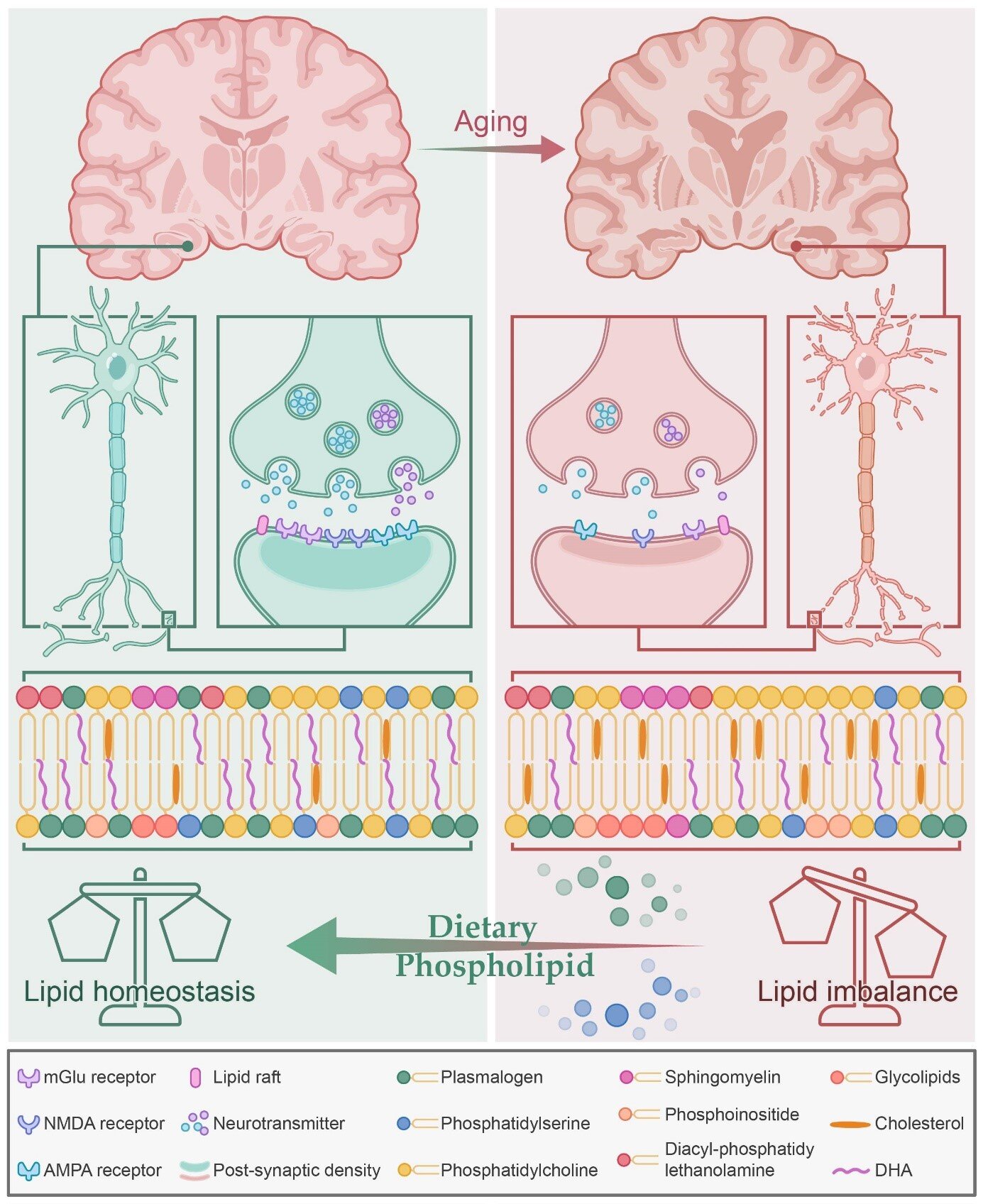
Dietary phospholipid intervention could prevent brain aging by maintaining lipid homeostasis and enhancing synaptic plasticity. Credit: Wei Xiong et al.
A new review highlights the significant role of dietary lipids in preventing brain aging and cognitive decline. As the global burden of aging-related brain diseases, particularly dementia, continues to rise, this research offers promising insights into potential nutritional interventions that could improve brain function during aging.
Cerebrospinal fluid (CSF) leaks may be one of the mechanisms that link traumatic brain injury (TBI) with dementia, according to a new hypothesis.
Short-term exposure to air pollution may be linked to an increased risk of stroke, according to a meta-analysis published in Neurology. Short-term exposure was defined as occurring within five days of the stroke.
People with a higher cumulative estrogen exposure throughout their life may have a lower risk of cerebral small vessel disease, according to a new study.
New research is painting a clearer picture of the early signs of multiple sclerosis (MS), showing that people are nearly twice as likely to experience mental illness in the years leading up to the onset of the disease.
Whether you are an early bird or a night owl, your internal clock plays a critical role in maximizing your mental performance, according to a recent study. This effect is so strong that it can significantly impact academic performance for adolescent students and the results of brain health assessments for older adults.
A new study suggests a common brain network exists among people with substance use disorder. By evaluating data from across more than 144 studies of addiction, the team found abnormalities across substance use disorders mapped to a common brain network across substances and lesion locations, suggesting a potential brain circuit to target with neurostimulation therapies.
Finally this week, people differ significantly in their memory performance and researchers have now discovered that certain brain signals are related to these differences.





 inside-the-brain.com