Weekly Neuroscience Update

Artificial Intelligence (AI), specifically GPT-4, was found to match the top 1% of human thinkers on a standard creativity test. The AI application ChatGPT, developed using GPT-4, excelled in fluency and originality in the Torrance Tests of Creative Thinking, a widely recognized tool for assessing creativity. This breakthrough finding indicates that AI may be developing creative ability on par with or even surpassing human capabilities. 

Researchers have identified a small structure in the brain, the anterior precuneus or aPCu, as a crucial component in establishing our physical self or “I”.

Taking good care of your teeth may be linked to better brain health, according to a study published in Neurology. The study found that gum disease and tooth loss were linked to brain shrinkage in the hippocampus, which plays a role in memory and Alzheimer’s disease. The study does not prove that gum disease or tooth loss causes Alzheimer’s disease; it only shows an association.

A new study has demonstrated for the first time that the diagnosis of multiple sclerosis (MS) can be significantly improved by additionally measuring the thickness of retinal layers in the eye.

Distinct, though neighbouring, areas of the brain are activated when processing music and language, with specific sub-regions engaged for simple melodies versus complex melodies, and for simple versus complex sentences, according to researchers.

New findings suggest that depression after traumatic brain injury (TBI) could be a clinically distinct disorder rather than traditional major depressive disorder, with implications for patient treatment.

If you’re sleep deprived, you will likely have a harder time remembering things than if you’re well-rested. But if you have good cardiorespiratory fitness, your memory may be less affected by the effects of sleep deprivation than others, according to a recent McGill study published in the journal Medicine & Science in Sports & Exercise.

Finally this week, even during sleep, the sounds that infants are exposed to can play a big role in language development, especially for babies at risk of language delays.

Weekly Neuroscience Update

Encouraging children to indulge in reading for pleasure can enhance their cognitive and mental health during adolescence, a recent study reveals. The study, involving over 10,000 young adolescents from the US, discovered that an optimal reading duration of 12 hours per week contributed to improved brain structure and mental health.

New research has investigated associations of adverse childhood experiences with changes in epigenetic age acceleration.

Researchers have discovered a new depression subtype, the ‘cognitive biotype,’ affecting 27% of patients who respond poorly to typically prescribed antidepressants. These patients struggle with planning, self-control, sustained focus, and suppressing inappropriate behavior, with brain scans revealing reduced activity in the regions responsible for these tasks.

A team of researchers has developed a predictive model to recognize patterns of persistent negative thinking, or rumination, using machine learning.

A new study involving over 22,000 people with Multiple Sclerosis (MS) has identified a genetic variant associated with the disease’s faster progression. The research discovered a genetic variant that significantly affects disease severity. This development brings us closer to understanding and combatting the progressive form of MS. The identified genetic variant accelerates disability, undermining patient mobility and independence over time.

Regularly finding time for a little snooze is good for our brain and helps keep it bigger for longer, say researchers.

Do intelligent people think faster? Researchers made the surprising finding that participants with higher intelligence scores were only quicker when tackling simple tasks, while they took longer to solve difficult problems than subjects with lower IQ scores. 

Finally this week, new research provides the first physiological evidence supporting the scientific theory of how the brain consolidates memory during sleep. 

Weekly Neuroscience Update

A new study sheds light on gender differences in risk-taking behavior. The research reveals women are more averse to risk than men due to heightened sensitivity to potential losses. Conversely, men, exhibiting greater optimism, are more willing to engage in risk-taking.

Researchers have identified specific brain network connections associated with anosognosia, a condition where patients are unaware of their neurological or psychiatric deficits.

Scientists have discovered children’s ability to process emotional cues is largely established by the time they start school. Analyzing brain scans from children aged five to 15, the study revealed that such brain activity becomes increasingly similar to their peers as they reach adolescence. The research emphasizes the importance of early intervention to address issues related to understanding emotional cues.

Recent neuroscience studies underscore the profound impact of sleep and sleep disorders on memory.

In a paper published in Science Advances, an international team reveal the discovery of sequence variants in the gene ABCC9 that influence the pitch of voices. The scientists found that ABCC9 variants associate with higher voice pitch in both men and women. The same sequence variants are also linked to higher pulse pressure, a cardiovascular risk factor, highlighting links between voice pitch and health-related traits.

Researchers have discovered a promising new avenue for treating glioblastoma, a deadly brain cancer.

Research led by the University of Texas Health Science Center, San Antonio, Texas, has looked into premature brain aging in individuals with type 1 diabetes. The findings of this study show an increase in brain aging among individuals with type 1 diabetes without any early signs of AD-related neurodegeneration. These increases were associated with reduced cognitive performance, but according to the authors, the abnormal patterns observed in the samples were modest.

Finally this week, intricate links between breathing and memory recall have been unraveled by recent scientific research, painting a more complex picture of our cognitive processes.

Unraveling The Mysteries of Dopamine [Video]

Drawing on a recent groundbreaking study, this video explores how dopamine operates within the paradigms of Pavlovian and operant conditioning. The study provides new insights into the intricate functionality of this essential neurotransmitter in the brain.

Classical conditioning, also known as Pavlovian conditioning, involves learning through associations between a neutral stimulus and an unconditioned stimulus. In this process, dopamine release is triggered when the neutral stimulus becomes associated with a reward or positive outcome. Dopamine helps in reinforcing the connection between the neutral stimulus and the reward, making the association stronger.

Dopamine is closely linked to reward learning and motivation. It is involved in the brain’s reward system, which helps in reinforcing behaviors that lead to pleasurable experiences or rewards. Dopamine release signals to the brain that a certain action or behavior is beneficial and should be repeated. It provides a sense of satisfaction and drives motivation to engage in actions that lead to positive outcomes.

Watch the video to explore:

🔹 What triggers dopamine release?

🔹 The difference between classical and Pavlovian conditioning.

🔹 The pivotal role of dopamine in reward learning and motivation.

🔹 Which disease is associated with a lack of dopamine.

🔹 How antipsychotics impact dopamine.

Weekly Neuroscience Update

Researchers have presented new findings which found after one session of aerobic exercise people showed reduced cravings for alcohol, lower levels of stress, and improvements in mood.

When our eyes move during REM sleep, we’re gazing at things in the dream world our brains have created, according to a new study. The findings shed light not only into how we dream, but also into how our imaginations work.

Measuring how the eyes’ pupils change in response to light—known as the pupillary light reflex—could potentially be used to screen for autism in young children, according to a new study.

Researchers have made an important discovery about the way our brains process the sensations of sound and touch. They found that sensory systems in the brain are closely interconnected, with regions that respond to touch also involved when we listen to specific sounds connected to touching certain objects.

A study into the effect of surprise on our memory has inadvertently discovered a method that might help us to perform better in exams.

Scientists have uncovered how dopamine connects subregions of the striatum essential for habit formation, findings that may change the overall understanding of how habits are formed—and could be broken.

New research finds the brains of people playing online video games synchronize, even when there is a physical distance between the players.

By estimating people’s brain age from MRI scans using machine learning, a team of researchers has identified multiple risk factors for a prematurely aging brain. They found that worse cardiovascular health at age 36 predicted a higher brain age later in life, while men also tended to have older brains than women of the same age, as they report in The Lancet Healthy Longevity.

Young people with 22q11.2 Deletion Syndrome have distinct and marked EEG differences in brain activity during sleep, which could influence psychiatric symptoms.

Tight control of blood sugar in teens with Type 1 diabetes may help reduce the disease’s damaging effects on the brain, effects which have been shown even in younger children, according to a study published in Nature Communications.

Tests of the brain’s electrical activity have revealed fentanyl’s effects over time and indicated that the drug stops people’s breathing before other noticeable changes and before they lose consciousness.

A newly developed artificial intelligence model can detect Parkinson’s disease by reading a person’s breathing patterns. The algorithm can also discern the severity of Parkinson’s disease and track progression over time.

A new study reveals how a molecule produced by astrocytes interferes with normal neuron development in a range of neurodevelopmental disorders.

People with an obsessive urge to constantly check the news are more likely to suffer from stress, anxiety, as well as physical ill health, finds a new study published in the peer-reviewed journal Health Communication.

Finally this week, the impact of breathing diesel exhaust fumes may be more severe for females than males, according to new research.

Weekly Neuroscience Update

Credit: Science Advances (2022). DOI: 10.1126/sciadv.abo0171

New evidence that suggests the SARS-CoV-2 virus is able to enter the brain by using nose cells to make nanotube tunnels is published in the journal Science Advances.

Exploring the predictive properties of neuronal metabolism can contribute to our understanding of how humans learn and remember. This key finding from a consideration of molecular mechanisms of learning and memory conducted by scientists from Russia and the U.S. has been published in Neuroscience & Biobehavioral Reviews

Older adults who suffer from hypothyroidism are at increased risk of developing dementia. The risk is even higher in those who require thyroid hormone replacement therapy to treat their condition.

Researchers have shown that the computational imaging technique, known as “ghost imaging”, can be combined with human vision to reconstruct the image of objects hidden from view by analyzing how the brain processes barely visible reflections on a wall.

Scientists have discovered that an injury to one part of the brain changes the connections between nerve cells across the entire brain. 

Researchers have discovered the molecule in the brain responsible for associating good or bad feelings with a memory. Their discovery, published in Nature paves the way for a better understanding of why some people are more likely to retain negative emotions than positive ones—as can occur with anxiety, depression or post-traumatic stress disorder (PTSD).

New research has revealed some of the first detailed molecular clues associated with one of the leading causes of death and disability, a condition known as traumatic brain injury (TBI).

Pollution is widely known to be a risk to individual’s physical health, but can it have adverse effects on mental health as well? A study published in Developmental Psychology suggests that exposure to ozone can be a risk factor for depression in adolescents.

Finally this week, you’re fast asleep. But some regions of your brain tasked with hearing sound aren’t taking the night off, according to new research.

Weekly Neuroscience Update

Can people who understand the emotions of others better interpret emotions conveyed through music? A new study by an international team of researchers suggests the abilities are linked. People who are more accurate at reading another person’s emotions are better able to understand what a musician is trying to convey through their compositions. Additionally, those with higher empathetic accuracy are better able to feel the emotions conveyed through music.

A team of researchers affiliated with several institutions in the U.S. has identified a subtype of brain cells that die in Parkinson’s patients.

Elevated levels of PHGDH in the blood could signal the earliest stages of Alzheimer’s disease. Researchers caution older adults against using “brain-boosting” supplements that contain serine due to its link to PHGDH. As PHGDH is a key enzyme in serine production, elevated PHGDH levels result in increased serine levels in the brain.

A new study examines the role of a brain area called the anterior superior temporal sulcus (aSTS) in forgiving those who make unintentional mistakes.

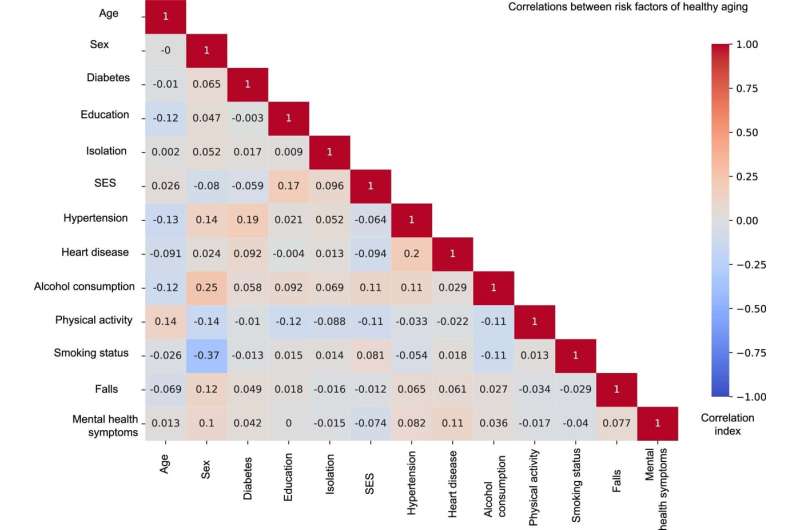
Using artificial intelligence technology, researchers have identified both risk and protective factors for depression in middle-aged to older adults. Social isolation, the study found, was the biggest risk factor for depression, followed by mobility difficulties and health issues.

Could there be a link between cognitive decline and excessive daytime napping? New research published in Alzheimer’s and Dementia suggests a potential connection.

Stimulating the vagus nerve, which provides a direct link between the gut and brain, makes people pay less attention to sad facial expressions according to new research published in the journal Neuroscience.

A new study reveals a mechanism that appears to reverse the build-up of protein aggregates by refolding them, rather than removing them.

Researchers found idiopathic autism occurs as the result of epigenetic abnormalities in hematopoietic cells during fetal development, leading to immune dysregulation in the brain and gut.

A specific Parkinson’s related gene could be a driver behind vocal production problems associated with the disease. The findings could lead to earlier diagnosis and treatment of Parkinson’s disease.

Finally this week by scanning the brains of 24 people actively suppressing a particular memory, researchers found a neural circuit that detects, inhibits, and eventually erodes intrusive memories.

Weekly Neuroscience Update

 Clock proteins generating cyanobacterial circadian rhythms. Credit: NINS/IMS

Scientists want to increase their understanding of circadian rhythms, those internal 24-hour biological clock cycles of sleeping and waking that occur in organisms, ranging from humans to plants to fungi to bacteria. Now a research team has examined the complex workings of cyanobacteria and can better comprehend what drives its circadian clock.

A new study published is the first to look at multiple levels of biology within women with postpartum depression (PPD) to see how women with the condition differ from those without it.

There are five different diseases that attack the language areas in the left hemisphere of the brain and slowly cause progressive impairments of language known as primary progressive aphasia, reports a new study.

A team of scientists has discovered how working memory is “formatted”—a finding that enhances our understanding of how visual memories are stored. 

People whose brains release more of the neurochemical oxytocin are kinder to others and are more satisfied with their lives. This is the finding of new research, published in Frontiers in Behavioral Neuroscience, that also discovered that oxytocin release increases with age, showing why, on average, people are more caring as they get older.

A genetic study involving thousands of people with bipolar disorder has revealed new insight into the condition’s molecular underpinnings.  

One of the most important molecules in the brain doesn’t work quite the way scientists thought it did, according to new work by researchers. The results, published April 20 in Nature, may aid the development of a new generation of more effective neurological and psychiatric therapies with fewer side effects.

Alzheimer’s Disease could be caused by damage to a protective barrier in the body that allows fatty substances to build up in the brain, newly published research argues.

Researchers have established for the first time a link between depressive disorders and mechanical changes in blood cells.

Nearly half of all older adults now die with a diagnosis of dementia listed on their medical record, up 36% from two decades ago, a new study shows.

Finally this week, epigenetic markers of cognitive aging can predict performance on cognitive tests later in life, according to a study published in the journal Aging.

Weekly Neuroscience Update

Credit: Oxford University

Researchers at Oxford University have implanted a novel closed-loop research platform for investigating the role of the pedunculopontine nucleus (PPN)—a brainstem nucleus—in Parkinson’s-like Multiple Systems Atrophy (MSA).

Your brain remains as nimble as ever until you hit your 60s, according to a report published in the journal Nature Human Behaviour.

A team of researchers has developed a way to create a molecular map of the human blood-brain barrier. In their paper published in the journal Nature, the group describes how they created their map and what it revealed about disorders such as Alzheimer’s disease.

Brain organization differs between boys and girls with autism, according to a new study from the Stanford University School of Medicine.

Children with insomnia symptoms are likely to persist with them as young adults and are significantly more likely to develop an insomnia disorder in early adulthood compared to children who do not have difficulty sleeping, according to new research.

A specific group of fungi residing in the intestines can protect against intestinal injury and influence social behavior, according to new preclinical research.

The University of Oulu Functional Neuroimaging research group has for the first time succeeded in describing how the various types of pulsations in the human brain change when a person sleeps. Brain pulsation changes during sleep and their role in brain clearance have not been previously studied in humans. The results of the study may also help understand the mechanisms behind many brain diseases.

Finally this week, selenium, a natural mineral found in grains, meats, and nuts can reverse cognitive impairment following a stroke and improve learning and memory in the aging brain.

Weekly Neuroscience Update

Ke Wu, a PhD student in BU’s department of mechanical engineering, demonstrates a new magnetic metamaterial device intended to be used in conjunction with MRI machines to boost the quality of brain scans. Credit: Cydney Scott, Boston University

A novel wearable magnetic metamaterial could help make MRI imaging faster, cheaper, and crisper.

While the word “mutation” may conjure up alarming notions, a mutation in brain immune cells serves a positive role in protecting people against Alzheimer’s disease. Now University of California, Irvine biologists have discovered the mechanisms behind this crucial process.

People cannot distinguish between a face generated by Artificial Intelligence – using StyleGAN2- and a real face say researchers, who are calling for safeguards to prevent “deep fakes”.

Minor everyday rises in blood pressure due to short-term stressors can be linked to a brain area that controls conscious and learned motor skills. This discovery, presented by researchers, paves the way for a chance to influence the rises in blood pressure and, in the long run, prevent hypertension.

MRI scans of children aged 9 to 10 years with ADHD showed few differences in structural brain measurements compared to their unaffected peers, according to a new study.

A recent study has shown that the brain has neurons that fire specifically during certain mathematical operations. The findings indicate that some of the neurons detected are active exclusively during additions, while others are active during subtractions. They do not care whether the calculation instruction is written down as a word or a symbol.

New research has shown that a bacterium commonly present in the nose can sneak into the brain and set off a cascade of events that may lead to Alzheimer’s disease.

A research team has discovered that communication between two key memory regions in the brain determines how what we experience becomes part of what we remember, and as these regions mature, the precise ways by which they interact make us better at forming lasting memories.

Finally this week, digital twins are already used in manufacturing, industry, and aerospace. Now a European project called Neurotwin wants to make virtual copies of brains.